
Reviewed · WINE TOURS
Abellonio Cascina Piccaluga – visit to the vineyards, to the wine tasting cellar
Hillside vines, great stories, and real value. At Abellonio Cascina Piccaluga near Alba, you start with a guided walk through the rows to see where the wine begins and how eco-sustainable farming is practiced. I like that the cellar visit is not just a show, you get clear explanations of fermentation and aging that make the wines easier to understand, even if you do not speak Italian.
What really seals the deal is the tasting experience. You finish with 5 wines paired with an individual platter of local meats and cheeses, plus a cutting board-style mix of cold cuts, cheeses, and toasted hazelnuts. For me, that pairing feels smart because it gives your palate something salty and nutty to contrast with the wines. One thing to weigh is the physical side of the day, you walk up to a hilltop and some areas can feel steep.
In This Review
- Quick hits from the vineyard walk and cellar tasting
- Vineyard walk among the rows, eco-sustainable farming, hilltop views
- The cellar tour: where wine takes shape from harvest to aging
- Tasting 5 wines with meats, cheeses, and toasted hazelnuts
- Small group size, English hosting, and family-run energy
- Price and value for a 2 hour vineyard walk and tasting
- Practical tips: getting to the meeting point and handling the hill
- Who should book this vineyard and wine tasting
- Should you book Abellonio Cascina Piccaluga?
- FAQ
- How long is the Abellonio Cascina Piccaluga vineyard and tasting tour?
- What is included in the wine tasting?
- Is the tour offered in English?
- Where does the tour start and end?
- What is the maximum group size?
- Does the tour require good weather?
- What is the cancellation policy?
Quick hits from the vineyard walk and cellar tasting
- Vineyard rows first, so you see the growing conditions before the wines land in your glass
- Fermentation and aging explained with hands-on style commentary, not just names and dates
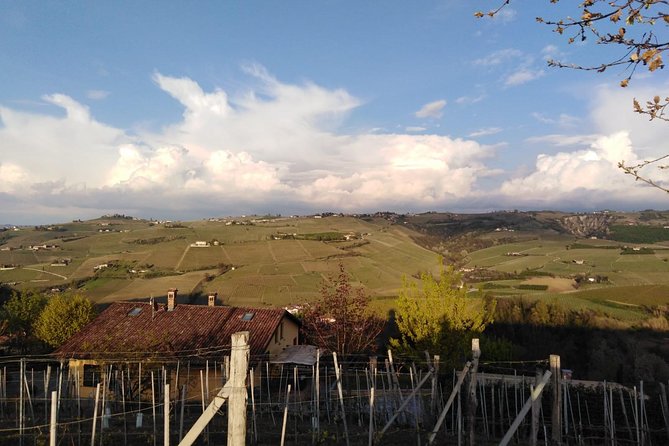
- Hilltop views over Langhe vineyards, with a real sense of place as you climb
- Family-run feel in a small group (maximum 16), which keeps questions from getting lost
- Tasting paired with local food, including toasted hazelnuts, cold cuts, and cheeses
- Language support in English, so you do not have to guess what you are tasting
Vineyard walk among the rows, eco-sustainable farming, hilltop views
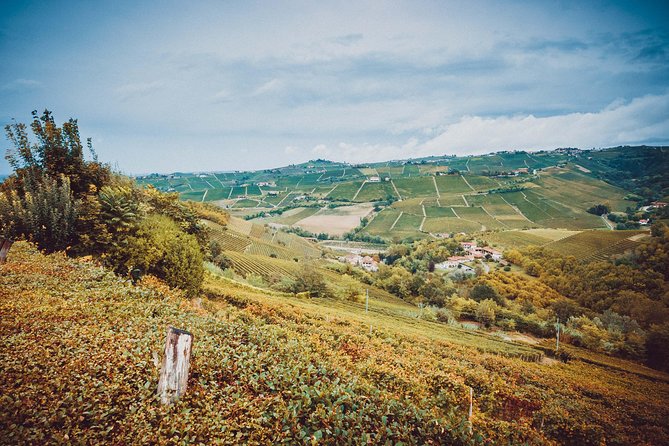
The tour begins at Abellonio Roberto Cascina Piccaluga, Località Altavilla, 76, 12051 Alba CN. You meet on the property, then start walking among the vines. This part matters because it turns a tasting from an abstract activity into something you can picture. Before you taste, you get to connect grape varieties, growing choices, and the hillside setting to what eventually ends up in the cellar.
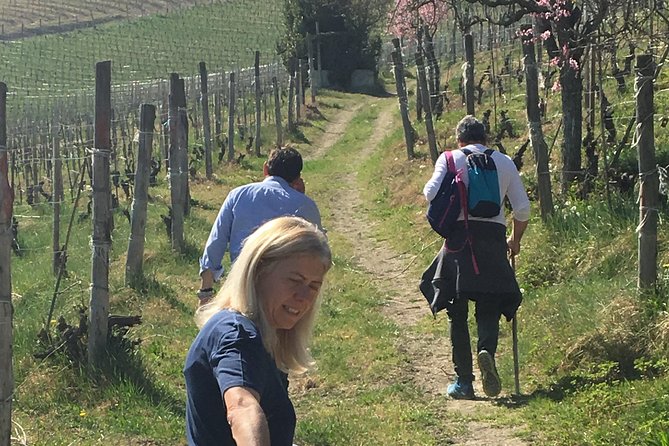
The guide takes you through the vineyard rows and shares how the farm approaches eco-sustainable techniques. Even if you are new to wine, you can still follow the logic: the way vines are managed affects the character of the grapes, and that shows up later in fermentation and how the wine handles aging. This is one of those rare vineyard tours where the information actually supports the tasting, rather than racing ahead without context.
Then you reach the top of the hill. The payoff is the view across mountains and vineyards around Langhe-Roero and Monferrato. If you are traveling from Alba, you might expect everything to be flat and easy. It is not. Several visitors point out that the hills are real, so you should plan your steps like you mean it. Comfortable shoes are the move here, especially if the ground is uneven.
One extra charm factor: this is a family-run place, and the experience can include friendly moments around the property, like a resident dog that shows up in the stories. It does not change the wine, but it makes the visit feel human.
The cellar tour: where wine takes shape from harvest to aging
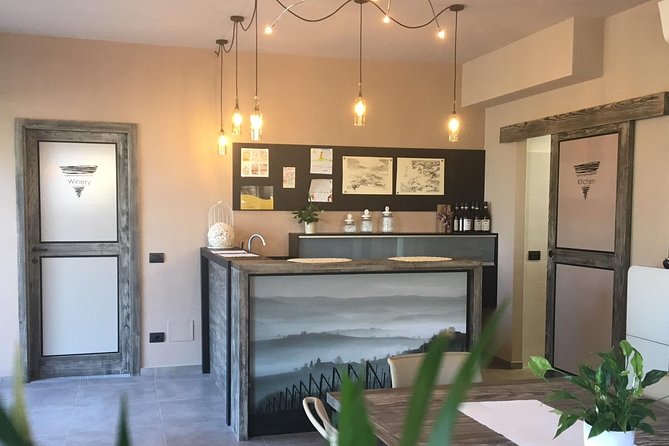
After the vineyard walk, you move into the cellar, where the tour shifts from growing to making. The cellar part is where you learn how the wine takes shape after harvest. You get guided commentary on what happens during fermentation and how the wine is handled for aging.
This is the section that helps beginners the most. Many tastings only name grapes and styles. Here, you get a clearer explanation of the process behind the flavors. When the guide talks about fermentation, you start to understand why a white wine might feel crisp or why a red might taste more structured. When the aging discussion comes up, you can link it to how the wine develops body and texture over time.
In addition, you hear about the different varieties grown at the vineyard. That is valuable because Langhe and the wider area can feel like one big wine blur if you only know a few famous names. When you understand which grapes are being grown locally and how they are treated in the cellar, tasting becomes more than a mood. It becomes a set of observations you can actually repeat later when you shop or visit another winery.
Depending on the day and the flow of the tour, you may see areas associated with preparation and storage. The general rhythm stays the same: vineyard setting first, cellar science next, then tasting with food to connect everything.
Tasting 5 wines with meats, cheeses, and toasted hazelnuts
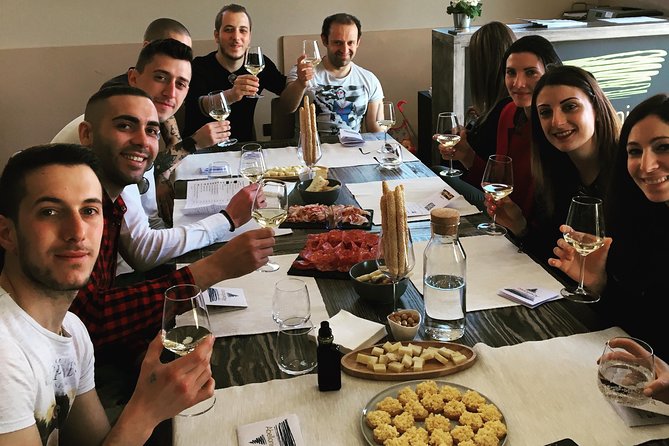
The tasting ends the tour on a full stomach and a clearer head. You taste 5 wines, and the food pairing is built around local flavors: cold cuts, local cheeses, and toasted hazelnuts. There is also an individual platter of local meats and cheeses, served in a way that follows hygiene provisions.
This is a strong pairing combo for a few reasons. Salty cured meats and cheeses give your palate structure, so you can taste acidity and tannins more accurately. Hazelnuts add a roasted, nutty note that helps you notice how wines pick up warmth, softness, or texture. It is not fancy in the sense of complicated cuisine, but it is effective, which is what you want after walking around a hillside for a while.
You might also notice the variety in the lineup. Some visitors describe the tasting as including whites, a rosé, and multiple reds across the selection. Even if you only focus on the “main” count, the key is that the tasting is not just one style. The guide’s explanations help you compare how different grapes show up in the glass and why they taste different from bottle to bottle.
Taste pace matters too. With small groups, the guide can slow down when someone asks a question, instead of moving like a train. I like that the tasting sits at the end, because by then you have the vineyard and cellar background to interpret what you taste.
If you want to take something home, the winery may offer bottle sales. Some visitors mention having a wine list with pricing, which is helpful if you are trying to budget and avoid surprises later.
Small group size, English hosting, and family-run energy
This tour caps at 16 travelers. That number might not sound special on paper, but it changes the feel. With fewer people, the guide can keep the group together without rushing. It also makes it easier to ask what you actually want to know, like how certain fermentation choices affect flavor or why a specific grape behaves the way it does on this hillside.
It is also offered in English, and this is a big deal in wine country. Wine talk often includes details that can feel technical fast. Here, the guide translates the process so you do not have to guess. You get commentary on the steps from harvest to aging, plus explanations of what is happening in the vineyard and cellar. That means your brain can stay engaged, instead of waiting for translation to catch up.
You may hear the name Jessica mentioned as a welcoming hostess in accounts of this experience. There are also references to other guides such as Federica. The consistent theme is that the staff comes across as passionate and present, not distant. The visit often feels like a conversation with people who love their work, and that is exactly what you want in an area where many places feel staged for tourists.
You also get small, memorable details that add warmth, like a friendly dog on site. It is not the reason you book. Still, it makes the property feel lived-in, which matters when you are spending a couple hours in the Langhe area and want it to feel authentic.
Price and value for a 2 hour vineyard walk and tasting
At $30.25 per person for about 2 hours, this tour is priced like a practical choice rather than a luxury add-on. You are not paying only for wine in a glass. You are paying for a guided walk through the rows, entry into the cellar experience, and a tasting paired with local food.
That is where the value shows up. A basic tasting somewhere else might give you a few pours with minimal context. Here, you get context. You see the eco-sustainable approach in the vineyard, then you hear the fermentation and aging story in the cellar, then you taste with meats, cheeses, and toasted hazelnuts. That full loop helps you learn and enjoy at the same time.
The timing is also workable. Two hours fits into most travel rhythms, including a Sunday afternoon when you want something meaningful but not all-day. And since the property is close enough to Alba that many people reach it with a short drive, it is not hard to slot into your day.
One caution on value: if you are expecting a long, slow, museum-like experience, this is not that. It is a focused tour. You get a complete arc, then you go eat, shop, or head back to Alba.
Practical tips: getting to the meeting point and handling the hill
The tour starts and ends back at the meeting point, at Abellonio Roberto Cascina Piccaluga in Località Altavilla. If you are staying in Alba, plan on making your way to the property by car or a pre-arranged ride, since the vineyard sits on a hill. Several visitors note that walking from Alba can involve steep hills, so do not assume it is an easy uphill stroll.
You should also plan for the fact that the tour depends on good weather. If the weather does not cooperate, the tour may be rescheduled or refunded. That is common in hillside wine country, where rain and damp ground can affect the walking portion.
Wear comfortable shoes with grip. You are walking among vineyard rows and moving between outdoor and cellar areas. Bring any basic travel items you normally use for winery tours, like a small water bottle if you like, and expect to spend most of the time on your feet.
You will receive confirmation at booking, and the tour uses a mobile ticket. That is convenient, especially if you are juggling other reservations around Alba and the Langhe-Roero-Monferrato wine zones.
Who should book this vineyard and wine tasting
This tour fits best if you want a guided experience where the vineyard and cellar connect directly to what you taste. If you are a wine beginner, you will likely appreciate the explanations of fermentation and aging. If you are more experienced, you might enjoy comparing varieties cultivated nearby and the way the cellar handling influences what lands on your palate.
It is also a good fit for people who prefer smaller groups. Maximum 16 travelers means more interaction and less waiting around. Solo travelers often appreciate that too, because you are not just sitting with strangers in silence.
If you hate hills or you are worried about walking on uneven terrain, take that into account before booking. The tour includes walking up to a viewpoint, and the region’s slopes are part of the point.
Should you book Abellonio Cascina Piccaluga?
Yes, if you want a high-value vineyard experience near Alba that combines a vineyard walk, a cellar tour, and a tasting with local food. The big strengths are the guided flow from vineyard to cellar, the practical explanations of fermentation and aging, and the fact that the tasting is paired with real regional bites like hazelnuts, cold cuts, and cheeses.
Skip or reconsider if you have limited mobility or you are uncomfortable with steep hills. Also, if your schedule cannot flex at all, remember the tour requires good weather, so build in a little breathing room.
If you are the kind of traveler who wants to understand what you are tasting, and you like the idea of learning directly from passionate family producers, this is an easy recommendation.
FAQ
How long is the Abellonio Cascina Piccaluga vineyard and tasting tour?
It lasts about 2 hours.
What is included in the wine tasting?
You’ll taste 5 wines, paired with local meats and cheeses, cold cuts, cheeses, and toasted hazelnuts.
Is the tour offered in English?
Yes, it is offered in English.
Where does the tour start and end?
It starts at Abellonio Roberto Cascina Piccaluga, Località Altavilla, 76, 12051 Alba CN, Italy, and ends back at the same meeting point.
What is the maximum group size?
The tour has a maximum of 16 travelers.
Does the tour require good weather?
Yes. The experience requires good weather, and if it is canceled due to poor weather you’ll be offered a different date or a full refund.
What is the cancellation policy?
You can cancel for a full refund up to 24 hours before the experience start time. Confirmation is required at booking, and free cancellation is available under that cutoff.
Wine Tours, top to bottom.
 ★ 5.0Tuscany Day Trip from Florence: Siena, San Gimignano, Pisa and Lunch at a WineryFrom $11421,634 reviews
 ★ 4.9Florence: Pasta Cooking Class with Unlimited WineFrom $2110,285 reviews
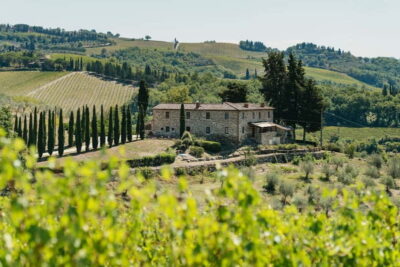 ★ 4.5Florence: Chianti Wineries Tour with Wine TastingFrom $568,301 reviews
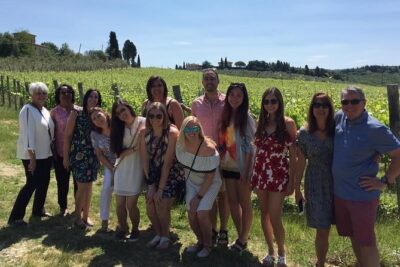 ★ 5.0Small-Group Wine Tasting Experience in the Tuscan CountrysideFrom $1077,392 reviews
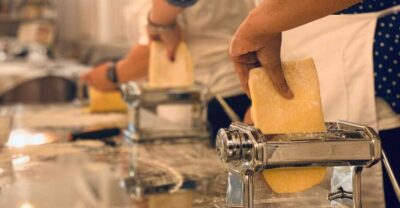 ★ 4.9Florence: Pasta & Tiramisu Cooking Class with Unlimited WineFrom $566,708 reviews
★ 5.0Florence: Pasta Cooking Class with Unlimited Wine6,413 reviews
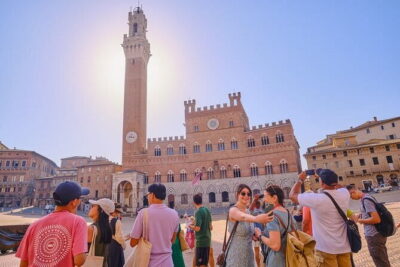 ★ 4.5Pisa, Siena and San Gimignano Day Trip with Lunch & Wine PairingFrom $786,006 reviews
 ★ 4.5Rome: Tuscany & Montepulciano Day Trip with Lunch & Wine TastingFrom $835,232 reviews
Filed under