
Reviewed · TIRAMISù & GELATO CLASSES
Cooking Class in Rome: Make Fettucine & Tiramisù with Chef Paolo
Fresh pasta feels fancy, but it is hands-on. This class turns eggs and flour into real fettuccine and finishes with tiramisu you assemble together in a central Rome restaurant. I like the clear step-by-step teaching, and I like that you sit down and eat what you make, not just watch it. One thing to consider: some sessions focus more on the pasta technique than on cooking your own sauce from scratch.
You get to choose a pasta sauce for your plate, then make the dessert at the same time as the rest of the group. I also like the social side. A max group size keeps it friendly, and the room has that Rome energy where food is the main event. My caution is simple: the meeting spot is inside a restaurant area, so first-timers should plan to find the entrance confidently before class time.
In This Review
- Key Takeaways Before You Go
- Cooking With Chef Paolo in Rome’s Food Heart
- Making Fettuccine From Scratch, Not Just Rolling Dough
- Your Pasta Sauce Choice, and How Dinner Really Plays Out
- Tiramisu Made Together, so You Actually Finish It
- Wine, Limoncello, Coffee or Tea, and a Real Roman Meal
- English Teaching, Small Groups, and Family-Friendly Notes
- Price and Value: What $116 Gets You in Rome
- How to Find the Door and Set Yourself Up for Success
- Should You Book This Cooking Class in Rome?
- FAQ
- What dishes do I make in the class?
- Does the price include food and drinks?
- Can I choose my wine?
- Where does the class meet?
- How long is the cooking class?
- Is there a minimum age for kids?
Key Takeaways Before You Go
- Hands-on fettuccine technique you can repeat at home, not just a demo.
- One-session tiramisù made together, so you are not trying to finish it solo later.
- Sauce choice for your pasta plate (amatriciana, cacio e pepe, or tomato with basil).
- A real meal included with wine and end-of-meal limoncello options.
- Small group energy (up to 20) with English instruction.
- Useful for families, since kids age 7 and up can join with a parent.
Cooking With Chef Paolo in Rome’s Food Heart
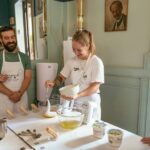
This is a cooking class built around one idea, you learn the technique by doing it. The meeting point is in central Rome, V. della Croce 34 (00187 Roma), and the activity returns you there at the end. Expect a restaurant setting, not a classroom, and not a warehouse kitchen.
The focus is on turning basic ingredients into classic Italian comfort food. The course is about hands, rhythm, and small corrections from the chef and assistants as you go. You will hear the dish’s background too, including the forms it can take, which helps the recipe feel less random and more like part of Italian tradition.
The best part for me is the pacing. Even though fresh pasta takes elbow grease, the structure keeps it moving. Then dinner happens right after, while everything is still warm, fresh, and a little bit celebratory.
If you are a nervous cook, this is still a good fit because the tools and steps are provided. If you are arriving stressed, this class can go either way. One solo traveler had a tough time finding the restaurant and did not feel supported in time. So bring patience, double-check the address in advance, and give yourself a few extra minutes.
A short passeggiata through our other tiramisu and gelato classes in Rome.
- 3 in 1 Cooking Class near Navona: Fettuccine, Ravioli & Tiramisu
★ 5.0 · 7,376 reviews - Rome: Pasta & Tiramisu Class with Fine Wine by the Vatican
★ 4.9 · 4,852 reviews - Rome: Pasta Making Class with Wine, Limoncello, and Dessert
★ 4.9 · 3,177 reviews - Rome: 3-in-1 Fettuccine, Ravioli, and Tiramisu Cooking Class
★ 4.9 · 2,704 reviews
Making Fettuccine From Scratch, Not Just Rolling Dough
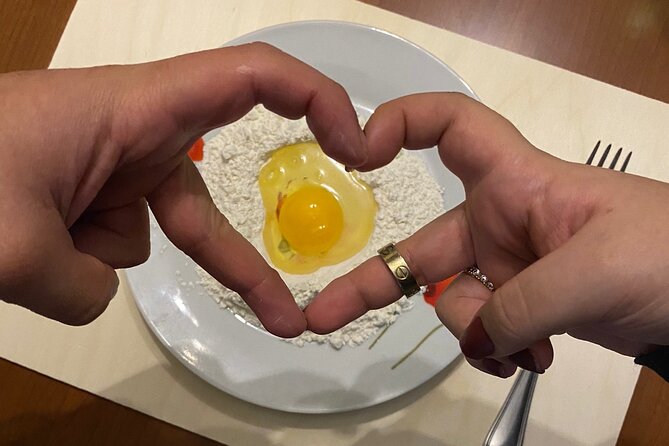
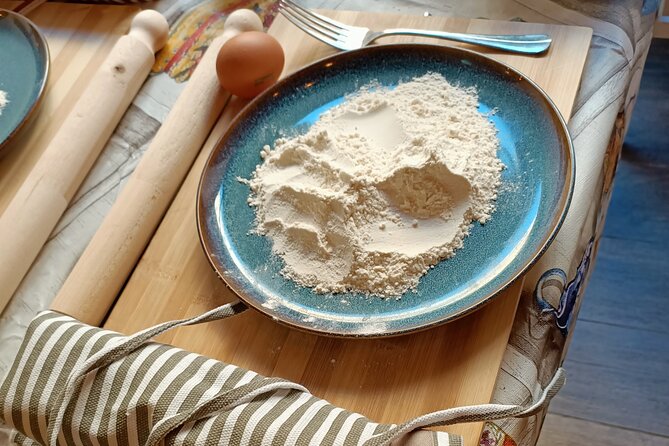
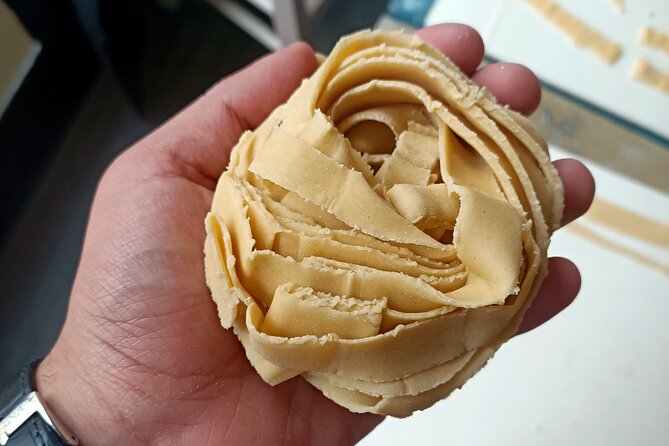
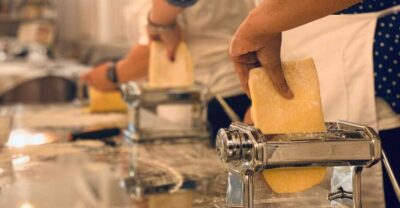
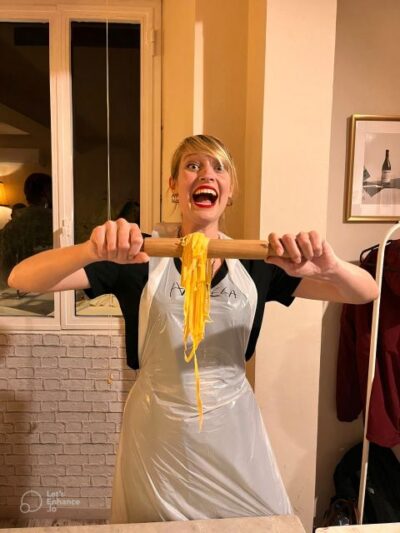
The class theme is simple and effective: make pasta using only your hands. You start with a basic dough built from egg and flour, then learn how to bring it together until it becomes workable. From there, you move through the process of forming fettuccine.
What makes this valuable is that you learn the feel of the dough. Fresh pasta is not just ingredients, it is texture. If the dough is too dry, it fights you. If it is too soft, it stretches and tears. In a good class, the chef teaches those small cues so you can reproduce the result later.
The group structure also matters. The pastas are cooked together, divided by sauce. That means you are not just making noodles in a vacuum. You are building a plate plan. While people in your group might be choosing different sauce options, the pasta work stays coordinated.
A possible downside, based on what I’ve seen described by a smaller set of participants, is that if you want to learn every detail of sauce preparation, you might feel like sauce-making is not the main lesson. The class clearly delivers pasta technique and dessert assembly. Sauce depth may vary from session to session and by instructor style.
Your Pasta Sauce Choice, and How Dinner Really Plays Out
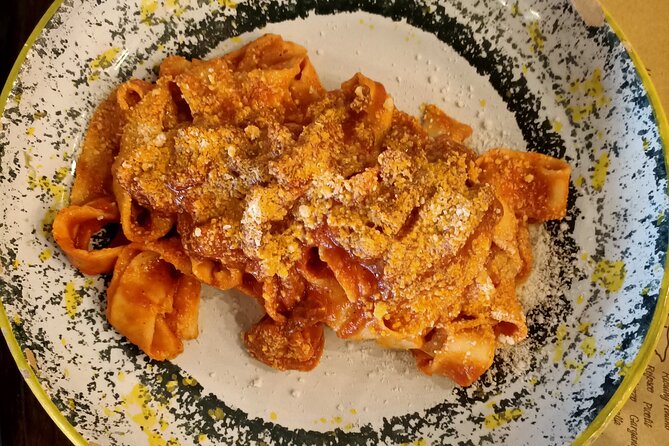
Your pasta plate comes with a sauce you choose. The options given are amatriciana, cacio e pepe, or tomato with basil. That is a great menu spread because it lets you pick based on flavor mood, not just convenience.
Here is how it usually lands in the experience. You make pasta first, then your sauce direction ties into how your final plates are served. The course description also notes that tiramisù is cooked all together, and pastas get cooked all together, divided by sauce. Translation: your end meal is coordinated for group flow.
So you can expect the pasta to be delivered as a composed plate, rather than each person frying up their own sauce in a personal station. That is not a bad thing, but it does change expectations. If you imagined a hands-on sauce lesson where everyone makes a sauce from start to finish at their station, you may end up wanting more.
Still, the menu choices are classic and familiar enough to practice later at home. Once you learn the pasta dough basics, it becomes much easier to keep going with sauce pairings you already love. It is basically skill plus an easy path to repeat.
Tiramisu Made Together, so You Actually Finish It
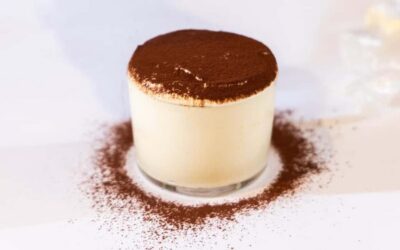
Tiramisu sounds simple, and it is, but timing and assembly matter. In this class, tiramisù is prepared all together, which helps you finish the dessert properly during the session.
That group setup is smart. Dessert can go wrong when you get rushed or when one step happens while other parts wait. With a synchronized class process, you get the rhythm correct without having to multitask like a pastry chef.
You will also learn why tiramisù is built the way it is, since the class includes discussion around the history and forms of the famous dishes. You might not remember every fact later, but you will remember the order of operations. That is what lets you recreate it at home without a scramble.
One note on expectations: you are eating what you make as part of the meal, so you do not need to take anything home to finish later. That makes this feel like a complete experience, not a half-class followed by dinner you have to buy separately.
If you have ever tried to assemble tiramisù and felt it was either too messy or too stiff, learning the assembly process in a calm group setting can help a lot. And if you are cooking with kids, this is usually the most fun part because it feels like building something edible.
Wine, Limoncello, Coffee or Tea, and a Real Roman Meal
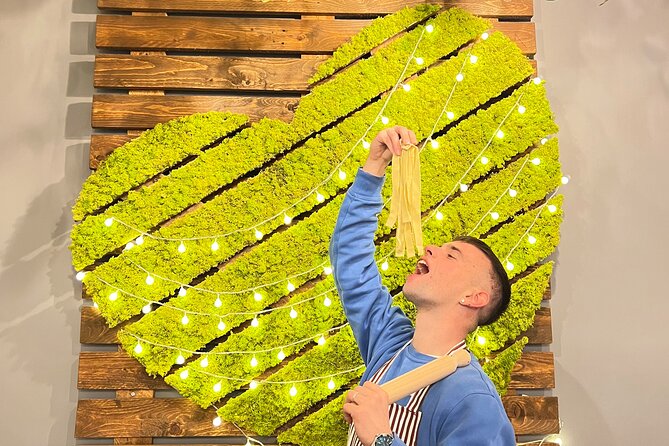
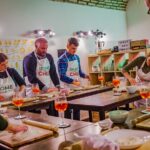
Food classes that stop at cooking can feel incomplete. This one does not. Your included meal includes the pasta you make and then tiramisù, along with drinks.
You get one glass of wine of your choice, either white or red, or you can swap it for a soft drink. At the end, you get limoncello. Some classes also include the choice between coffee and tea at the end, and you can choose between a limoncello shot or an espresso type finish based on what the group offers.
In practice, it means you can turn this into a full evening plan. You cook, you sit, you eat, you toast, and you leave with a story that is not museum-related.
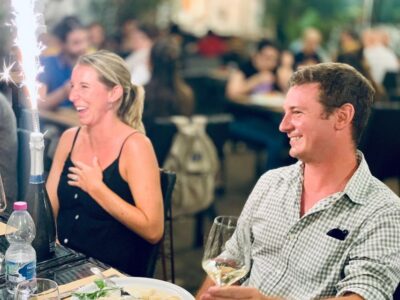
The wine and limoncello also help with the social side. A lot of participants talk about the group camaraderie at the table. This is not just about food, it is about sharing the moment. Fresh pasta gives you common ground fast.
There is also a useful reality check. If you are booking at a time when you are already hungry and tired from sightseeing, this class can still work because the meal is part of the package. You are not paying for the fun and then separately paying for dinner.
English Teaching, Small Groups, and Family-Friendly Notes
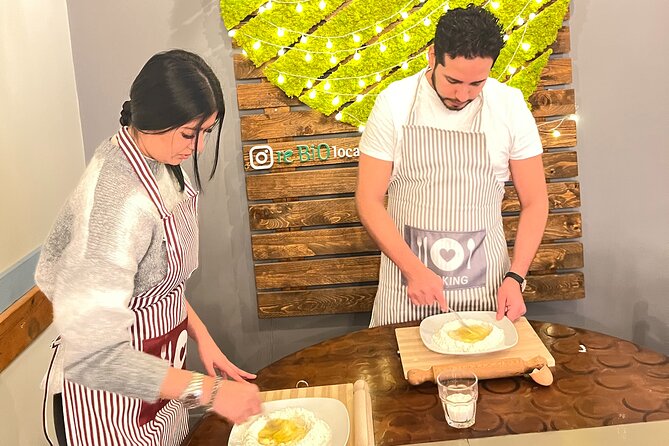
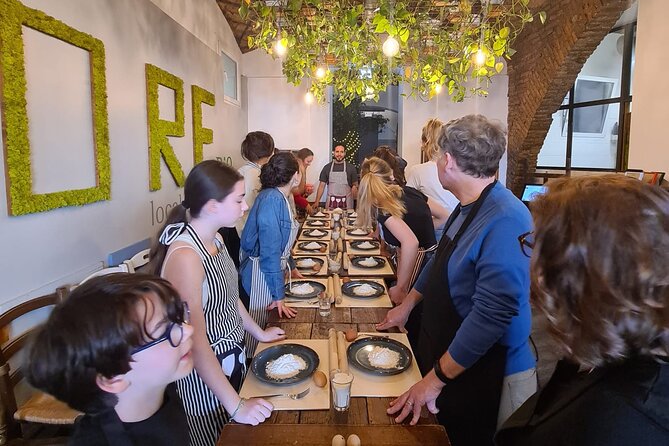
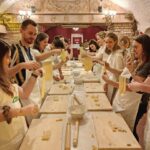
The class is offered in English, and the group size is capped at 20 travelers. That size is big enough to feel lively, but small enough that staff can help when you get stuck. Based on participant feedback, the instructors tend to circulate and help people individually.
This is also a good family option. Kids with a minimum age of 7 can follow along with a parent if they do not meet the minimum age requirement. In other words, it is not set up for letting kids run off on their own. It is a family activity that keeps everyone in the same flow.
If you are traveling solo, it can still be a fine experience because the structure encourages chatting. Just remember the earlier caution. One solo traveler had trouble finding the restaurant and ran out of time waiting for help. So before you go, save the exact address and get there early.
If you are sensitive to instructors who are very blunt or intense, consider that some participants described an overly sharp instructor style at certain times. That does not sound like the norm for everyone, and many people praised the staff as friendly and supportive. But if you know you do not do well with sarcasm or public corrections, you may want to message the provider in advance and ask what the teaching style is like.
Other cooking classes in Rome that earned their own write-up.


Price and Value: What $116 Gets You in Rome
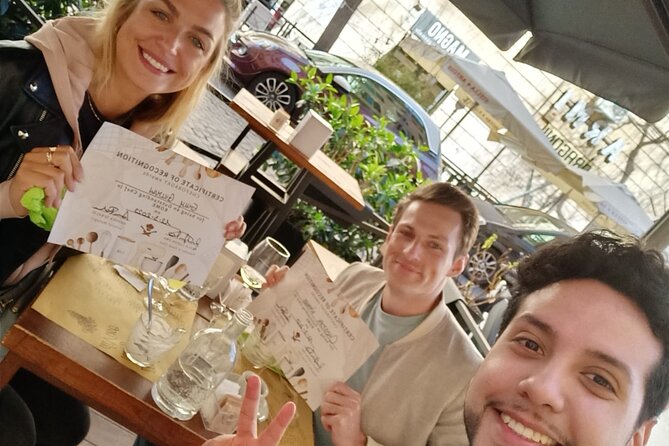
At $116.14 per person, you are paying for more than a cooking lesson. You are paying for the instructor time, equipment, ingredients, and a plated meal. The package includes the cooking class, a sauce of your choice for the pasta, the drinks (wine or soft drink), and limoncello at the end. It also includes bottled water and bottled coffee or tea options at the end, plus an award certificate.
Is that a bargain? Not exactly in the bargain sense. But it is strong value because the experience is structured like dinner plus skill-building. If you tried to replicate it alone, you would still need a recipe, ingredients, and a plan for tools and timing. Fresh pasta takes more effort than people think, so paying for someone to fix your mistakes quickly is part of what you are buying.
It also matters that this is central Rome. The class is located in the heart of the city area. That can save time and transport compared with hopping across town just for a class.
For couples, it can be a better use of an evening than another late-night meal, because you get an activity and a shared result. For families, it is a break from the museum rhythm.
The one scenario where it may feel less worth it is if your main goal is sauce mastery. The class delivers pasta and tiramisù clearly. Sauce depth may be more about selecting flavors than cooking every component from scratch.
How to Find the Door and Set Yourself Up for Success
This is the practical part that makes or breaks the experience.
First, the restaurant location can be hard to spot. Multiple people noted that the venue is not obvious on the street and it is easy to walk past. So use your phone map and plan extra minutes at the start.
Second, arrive on time even if you are early. You want to be settled before dough work starts. Fresh pasta is timing-sensitive. If you drift in late, you might feel behind while the group moves through steps.
Third, wear clothes you can get a little flour on. Even with the best intentions, pasta work is messy. Gloves are not mentioned, and the description leans into using your hands, so assume some flour dust.
Finally, if you are traveling with luggage delays or travel disruptions, the class seems to be flexible in certain situations. One group described the restaurant and staff working with them so everyone could still participate and eat together. That said, do not bank on rescue help. Plan smart, give yourself time, and confirm details if something goes sideways.
Should You Book This Cooking Class in Rome?
I think you should book this class if you want a practical Rome memory. You get fettuccine-making technique, you get to finish with tiramisu, and you eat your own work with drinks in a central location. It is one of those experiences where the skill feels real because you do the hands-on steps, then you leave with a result you can recreate.
Skip it, or at least set expectations carefully, if your top priority is learning sauce-making from scratch. This class is built around pasta technique and dessert assembly, with sauce choice built into the final plate. If you want a deep sauce workshop, you might end up wanting more hands-on sauce cooking.
If you are looking for a family-friendly evening, an adult-only couples night, or a solo activity that can lead to conversation at the table, this fits well. Just show up on time, use the address, and arrive prepared for flour on your sleeves.
FAQ
What dishes do I make in the class?
You make fettuccine pasta and tiramisu. You also choose a sauce for your pasta from amatriciana, cacio e pepe, or tomato with basil.
Does the price include food and drinks?
Yes. Your included meal includes the pasta and tiramisù you cook, bottled water, and either one glass of wine (white or red) or a soft drink. Limoncello is included at the end, along with options for coffee and/or tea.
Can I choose my wine?
Yes. The class includes one glass of wine of your choice between white or red, or you can choose a soft drink instead.
Where does the class meet?
The meeting point is V. della Croce, 34, 00187 Roma RM, Italy. The activity ends back at the meeting point.
How long is the cooking class?
The class lasts about 2 hours.
Is there a minimum age for kids?
The class mentions that kids who do not meet the minimum age of 7 must follow the class together with one parent.
Beside This One, Cooking Classes in Rome
Further Tiramisu and Gelato Classes We Cover in Rome
Not quite the day you had in mind? The rest of our Rome write-ups sit below
- Rome: Guided Tour of St. Peter’s Dome Climb, Basilica & Vatacombs★ 5.0 · 167 reviews
- St. Peter’s Basilica Guided Tour with Reserved Entrance★ 4.0 · 168 reviews
- Golf Cart Driving Tour in Rome: 2.5 hrs Catacombs & Appian Way★ 5.0 · 168 reviews
- Rome: Trastevere Wine Tasting with Food Pairing and Gelato★ 4.9 · 168 reviews
- Guided Tour of the Colosseum Palatine Hill and Roman Forum★ 4.7 · 168 reviews
- Vatican Museums, Sistine Chapel & Saint Peter’s Semi-Private Tour★ 4.5 · 169 reviews
- Hidden Rome: Small Group E-Bike Tour with Street Food Stops★ 5.0 · 169 reviews
- Rome: Papal Audience with Pope Leo IV★ 3.9 · 169 reviews
- Rome Golf Cart Tour: Highlights & Must See★ 4.5 · 170 reviews
Tiramisù & Gelato Classes, top to bottom.
 ★ 5.03 in 1 Cooking Class near Navona: Fettuccine, Ravioli & TiramisuFrom $837,376 reviews
 ★ 5.0Florence Pizza or Pasta Class with Gelato Making at a Tuscan FarmFrom $1456,801 reviews
 ★ 4.9Florence: Pasta & Tiramisu Cooking Class with Unlimited WineFrom $566,708 reviews
 ★ 4.9Rome: Pasta & Tiramisu Class with Fine Wine by the VaticanFrom $414,852 reviews
 ★ 4.9Rome: Pasta Making Class with Wine, Limoncello, and DessertFrom $483,177 reviews
 ★ 4.9Rome: 3-in-1 Fettuccine, Ravioli, and Tiramisu Cooking ClassFrom $812,704 reviews
 ★ 5.0Sorrento Farm and Food Experience including Olive Oil, Limoncello, Wine tastingFrom $1142,524 reviews
 ★ 5.0Learn to Make Pasta & Tiramisu with Wine and Limoncello IncludedFrom $542,345 reviews