
Reviewed · CINQUE TERRE & PORTOVENERE
Levanto: Pesto-Making Class
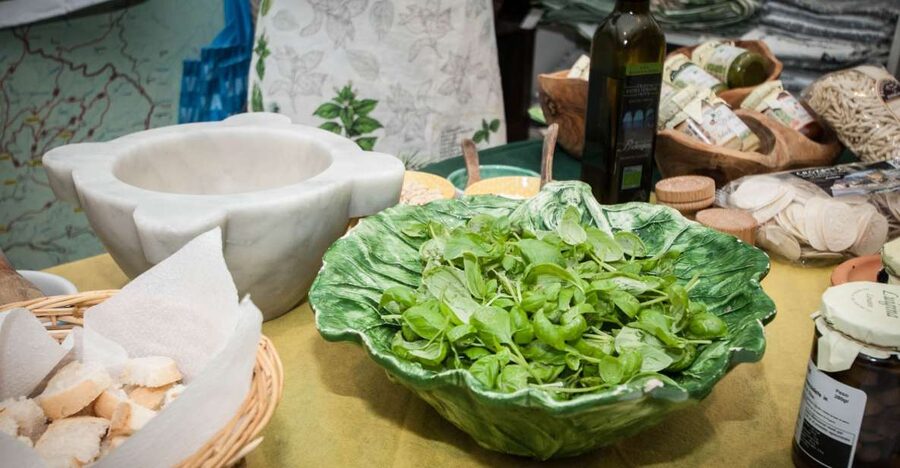
Mortar, basil, wine, and real pesto know-how. This Levanto class is built around hands-on traditional pesto and tastings paired with local wine and olive oil. The one thing to watch is that there is no lunch or dinner, so you will want to eat before or after.
I like that the format keeps you moving, first tasting and comparing, then getting your hands in it. You work in a small group, in a shop that has been making pesto the same way since 1976, right in Levanto’s historical center. If you are expecting a long meal-style experience, plan differently, because this is a tight 1.5 hours of instruction and tasting.
In This Review
- Key Takeaways Before You Go
- Levanto’s Pesto Workshop: why this one is worth your time
- Finding Il laboratorio del Pesto in Levanto’s historical center
- The tasting start: sparkling wine, olive oil, and bruschetta
- Modern pesto vs Genoese tradition with a mortar
- Your hands-on pesto session: basil, pine nuts, garlic, and Parmigiano
- What you eat and drink after you make pesto
- Price and value for a 1.5-hour Levanto class
- Who should book this pesto-making class in Levanto
- Should you book the Levanto pesto class?
- FAQ
- Where is the meeting point for the Levanto pesto class?
- How long does the pesto-making class last?
- What is included in the price?
- Is lunch or dinner included?
- What languages are offered during the class?
- Is the class suitable for children?
- How big is the group?
- Is the activity wheelchair accessible?
- Can I get a refund if my plans change?
Key Takeaways Before You Go
- Levanto’s Laboratory of Pesto since 1976 gives the class real local gravity
- Modern method vs traditional mortar-and-pestle teaches you what changes the flavor
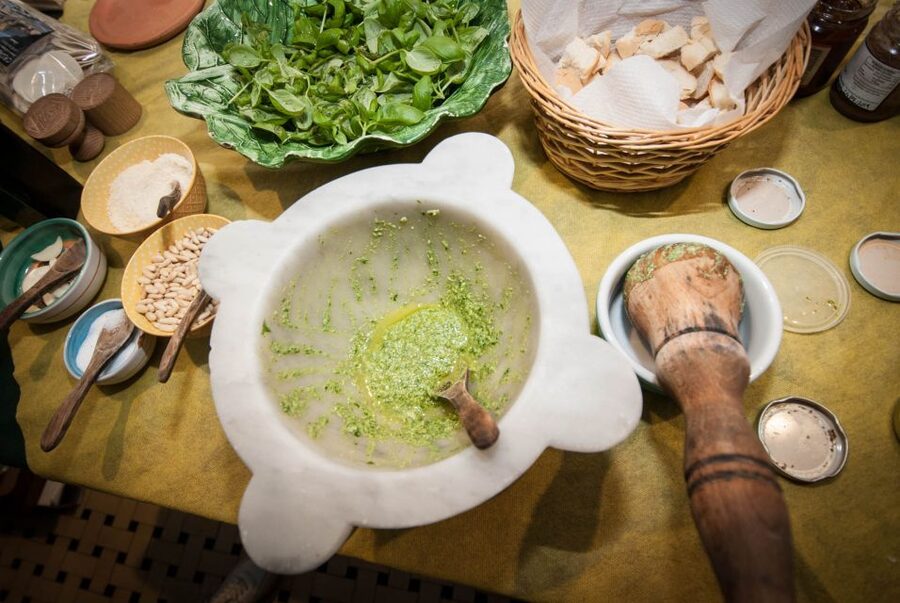
- Fresh basil + pine nuts + garlic + Parmigiano + extra virgin olive oil is the core recipe you will make
- Wine, olive oil tasting, and local bites turn learning into a proper Ligurian snack
- Small group limit of 8 keeps the pacing friendly and hands-on
Levanto’s Pesto Workshop: why this one is worth your time
This pesto class works because it treats pesto like food, not a craft souvenir. You learn the logic behind the ingredients and the technique, then you taste the results right away. That quick feedback loop is how most people finally understand why store-bought jars just do not taste the same.
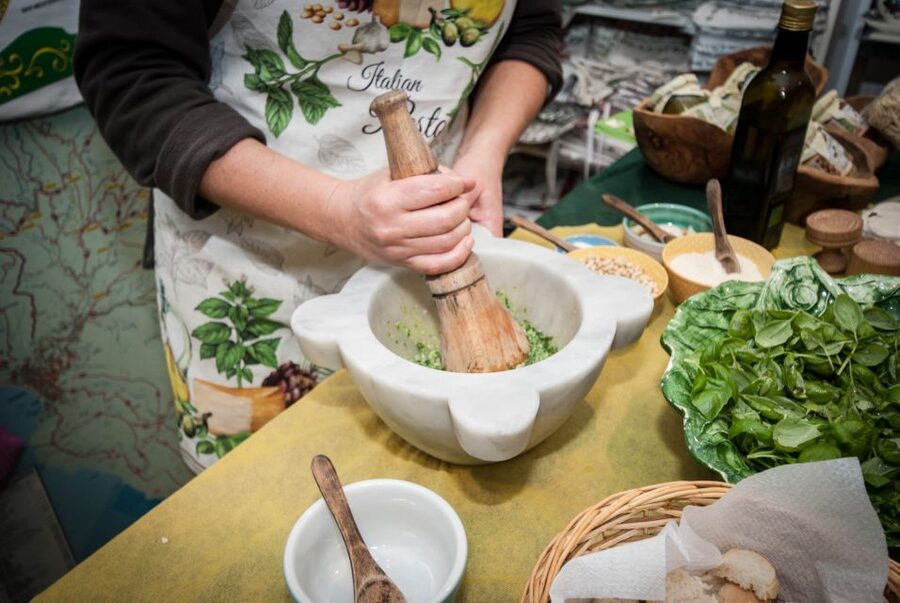
I also like the “compare first, then make” rhythm. You taste variations, then the instructor shows you how the traditional process builds texture and flavor. Once you grind with a mortar, you can feel the difference in your hands, not just your mouth.
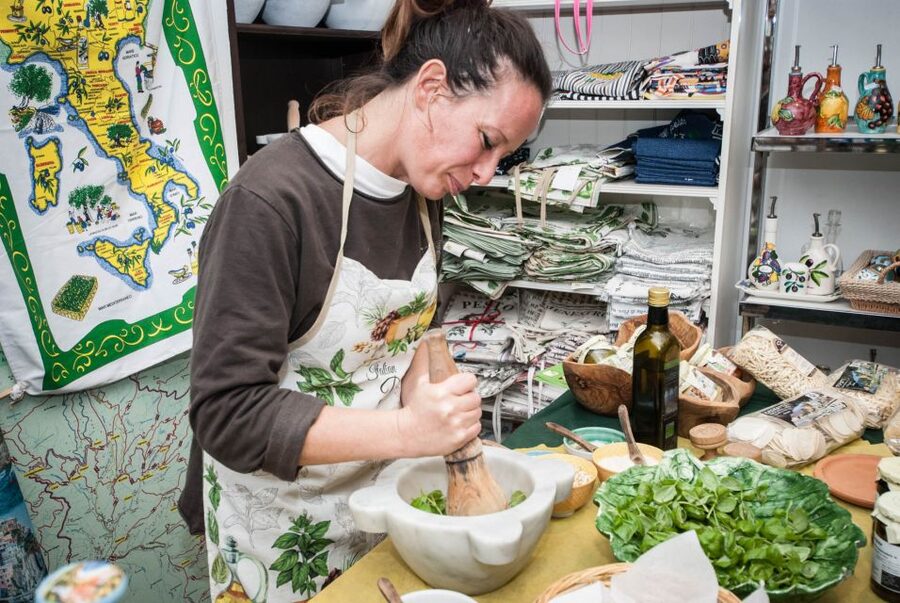
One more thing: the setting matters. Doing this in Levanto’s historical center, in a long-running workshop, makes the experience feel tied to local life, not staged for tourists.
Still weighing it up? We have written up plenty of other tours and tickets across Liguria.
- Genoa: Full-Day Tour to Camogli, San Fruttuoso & Portofino
★ 4.4 · 3,295 reviews
Finding Il laboratorio del Pesto in Levanto’s historical center
You meet your instructor at Il laboratorio del Pesto. Since the meeting point is in Levanto’s historical center, expect a walk through the compact streets before you find the shop and get started. If you arrive a few minutes early, you can get oriented and settle before the first tastings.
The class is designed for a small group, limited to 8 participants. That matters because you are not just watching from the sidelines. You are on the clock, with the chance to actually do the key steps, ask questions in Italian or English, and compare results with other people in the group.
Practical tip: pesto and extra virgin olive oil can be messy. Wear clothes you are okay with getting splashed, and lean on the apron if it is offered in your session.
The tasting start: sparkling wine, olive oil, and bruschetta
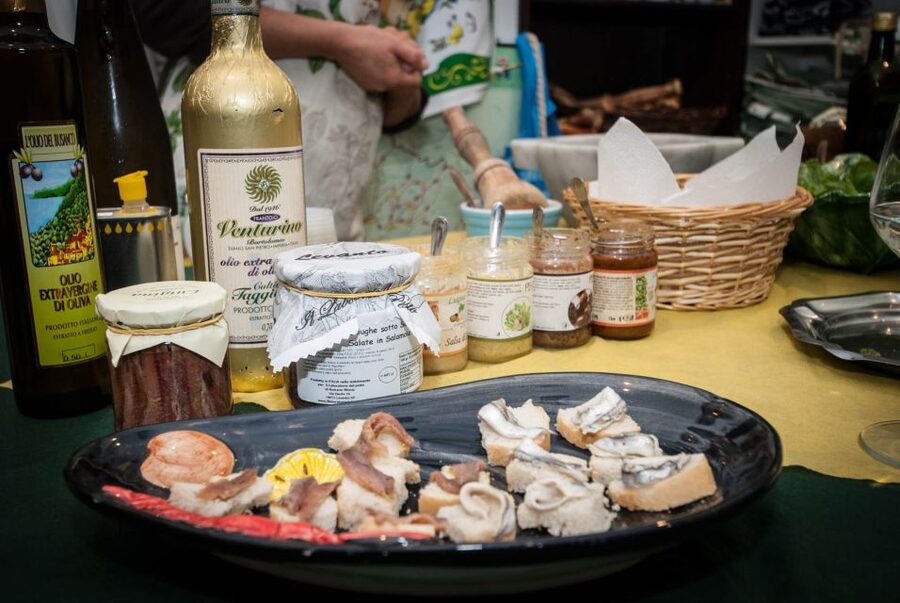
Most classes begin with a welcome pour and a quick edible lesson. You get a glass of sparkling wine, plus bruschetta topped with local extra virgin olive oil. Then you sample the olive oil itself, which is a smart way to start, because pesto is only as good as the oil you use.
After that, you taste pesto made with a more modern approach, before you switch gears to the traditional method. That sequencing is helpful. It sets up a clear comparison: texture, aroma, and how garlic and salt come through can change depending on how you process the basil and ingredients.
What I like for you here is that the tastings are not random. They are teaching tools. You are building a flavor vocabulary as you go, so when you start grinding, you know what to aim for.
Modern pesto vs Genoese tradition with a mortar
You learn the difference between handmade and store-bought pesto, and the class makes that difference real. First, you taste pesto using a more modern method. Then the instructor demonstrates the traditional process with a mortar.
The traditional approach is where the magic starts to feel understandable. Grinding basil with salt and other ingredients is not just about crushing. It changes how the basil releases aroma and how the ingredients bind into a thick sauce. In pesto, texture and fragrance are part of the flavor.
You will also pick up the idea that Genoese pesto is a method, not just a recipe list. Small choices, like how coarsely you grind or how long you work the mortar, can shift the final feel in the spoon.
Your hands-on pesto session: basil, pine nuts, garlic, and Parmigiano
Once the demonstration is done, you move to your own station and make pesto the traditional way. The steps are straightforward, and you will likely repeat them with your group so everyone ends up with something you can taste confidently.
Here is the process you will follow:
- Wash and dry basil leaves
- Pound basil with salt, pine nuts, and garlic
- Add Parmigiano cheese
- Add extra virgin olive oil, then work until you get a thick, fragrant pesto
This is one of the most praised parts of the experience because it is interactive. Several past participants highlight that the instructor guides each person through the stages, with clear explanations and time to keep up. Some mention that the group also compares results by tasting each other’s pesto, which is a great way to notice differences like garlic intensity and salt level.
A note for dietary planning: the classic method includes Parmigiano and pine nuts. If you have dairy restrictions or nut allergies, check in ahead of time. The class format is small, so it may be easier to accommodate than a big factory tour, but you should not assume anything.
What you eat and drink after you make pesto
After you create your pesto, you taste it with a glass of white wine and local products. Expect bites like olives and bruschetta with anchovies, so you are not only eating pesto on its own. The goal is pairing and context, so you learn how pesto fits into a wider Ligurian snack table.
Many people also mention extra finishing touches. Some bookings note lemon cake and lemoncino as part of the end of the class. Even if your exact lineup shifts slightly by day, the key idea stays the same: you leave with a full, food-and-wine tasting arc, not just a finished jar.
I also appreciate the social side. Past groups often describe the session as intimate, not rushed, with time for questions. A few reviews mention that the instructor offers to take photos, which is a small detail, but it helps you capture the moment without breaking the flow.
Price and value for a 1.5-hour Levanto class
The price is listed at $52 per person for 1.5 hours. On paper, that can sound like a lot for a short activity. In practice, it is easier to justify because you are paying for three things at once:
- A guided cooking class in a small group (limited to 8)
- Multiple tastings, including wine
- Ingredient knowledge you can reuse at home
If you have ever bought a jar of pesto and wondered why it tastes flat, this is the kind of class that answers that question fast. You will taste the difference between methods, then make pesto the way you will actually recreate later.
Also, you are not just “learning.” You are eating. The class includes wine and local appetizers plus an olive oil tasting. That makes it feel closer to a hosted food experience than a basic demonstration.
One more value angle: this is a shop called Levanto home since 1976. You are not only buying a ticket, you are supporting a long-running local food maker, in a space where pesto is part of everyday identity.
Who should book this pesto-making class in Levanto
Book this if you want hands-on food learning without a huge time commitment. It is ideal for:
- Couples and friends who enjoy cooking and tasting
- Food-first travelers looking for an authentic Levanto activity
- People who like comparison-style learning, tasting modern vs traditional pesto
- Anyone who enjoys wine pairings with regional ingredients
It is not suitable for children under 10, so families with younger kids might want a different activity.
If you are traveling solo, the small-group format is a plus. One past booking described being accommodated while dining and learning at the same pace as the group.
Wheelchair accessibility is listed as available, which is helpful if you need it. The rest of the experience is hands-on and requires standing or moving between tasting and your work station, so it is worth considering your own comfort level.
Should you book the Levanto pesto class?
I think you should book this if pesto is one of your food interests and you like learning by doing. The class gives you exactly what most people hope for: a traditional method you can repeat, tastings that explain the differences, and a welcoming small-group setting in Levanto’s historic center.
Skip it if you want a full meal experience or a long excursion. This is 1.5 hours of focused food work, not a half-day tour.
If you are sensitive to nuts or dairy, or if you prefer non-alcohol options, message ahead. Pine nuts and Parmigiano are part of the standard process, and wine is part of the program as listed.
FAQ
Where is the meeting point for the Levanto pesto class?
You meet your instructor at Il laboratorio del Pesto.
How long does the pesto-making class last?
The duration is 1.5 hours.
What is included in the price?
The class includes the pesto-making experience, a glass of wine and local appetizers, and an olive oil tasting.
Is lunch or dinner included?
No. Lunch or dinner is not included.
What languages are offered during the class?
The instructor provides the class in Italian and English.
Is the class suitable for children?
It is not suitable for children under 10.
How big is the group?
The class is limited to a small group, with up to 8 participants.
Is the activity wheelchair accessible?
Yes, wheelchair accessibility is listed.
Can I get a refund if my plans change?
Free cancellation is available up to 24 hours in advance for a full refund.
Not quite the day you had in mind? The rest of our Liguria write-ups sit below
- Genoa: Full-Day Tour to Camogli, San Fruttuoso & Portofino★ 4.4 · 3,295 reviews
Cinque Terre & Portovenere, top to bottom.
 ★ 5.0Cinque Terre Day Trip with Optional Hiking or PisaFrom $668,486 reviews
 ★ 4.8Florence: Cinque Terre Day Trip with Optional HikeFrom $1524,178 reviews
 ★ 4.5Florence: Cinque Terre Park Day Trip with Optional Street FoodFrom $603,593 reviews
 ★ 4.4La Spezia: Cinque Terre Tour by BoatFrom $792,611 reviews
 ★ 4.4From Florence: Seaside Beauty Day Trip to Cinque TerreFrom $1302,577 reviews
 ★ 5.0Cinque Terre and Pisa Tower Tour from Florence Semi PrivateFrom $2851,406 reviews
 ★ 4.6From Florence: Cinque Terre and Pisa Day TripFrom $1121,377 reviews
 ★ 4.5Florence: Cinque Terre Day Trip with Optional Street FoodFrom $531,315 reviews
Filed under