
Reviewed · COOKING CLASSES
Milan: Italian Cooking Class with Food and Wine
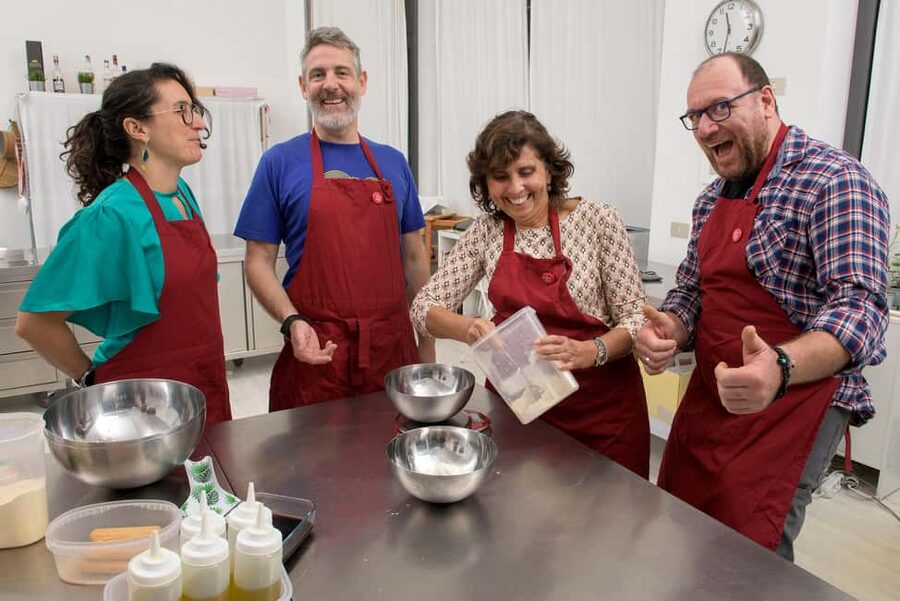
Fresh pasta, right at the workbench. In Milan, this 3-hour class with chef Ilaria turns Italian cooking into something you can actually do, not just watch. You’ll learn three traditional dishes and then enjoy the meal you made with wine in the dining room.
Two big reasons I like it: you get real hands-on practice in a professional lab, not a demo. And you leave with all the recipes, so you can repeat the dishes at home without guessing.
One thing to consider is that the kitchen is rule-based and not built for everyone: it is not wheelchair accessible, and it is not suitable for children under 10. Also, you can’t snack, drink, or taste while you cook, which keeps the process efficient but feels strict if you dislike rules.
In This Review
- Key highlights you will actually care about
- Inside Chef and the City, where Milan cooks like professionals
- The real menu: what 3 dishes can look like in this workshop
- Making fresh pasta: what you learn beyond the hand motions
- Sauces, starters, and the waste-free idea that actually helps
- Wine and the sit-down meal: why the ending is part of the value
- Pace, group size, and the “kitchen rules” you should plan for
- Price and value: is $80 fair for what you get in Milan?
- Who this cooking class suits best
- Where to meet, what to bring, and how to show up smoothly
- Should you book this Milan Italian cooking class?
- FAQ
- What is included in the class price?
- How long is the Milan cooking class?
- What will I cook during the class?
- Where is the meeting point?
- Is it wheelchair accessible?
- Is the class suitable for children?
- Are pets or luggage allowed?
- What languages are used during the experience?
Key highlights you will actually care about
- Three dishes in three hours, with fresh pasta shapes you can reproduce later
- Chef Ilaria style teaching, with clear guidance and correction as you work
- Wine included plus a sit-down meal, so you get closure, not just cooking
- Recipe cards provided, designed for easy at-home repetition
- Healthy, waste-free approach, focused on smart technique and sensible portions
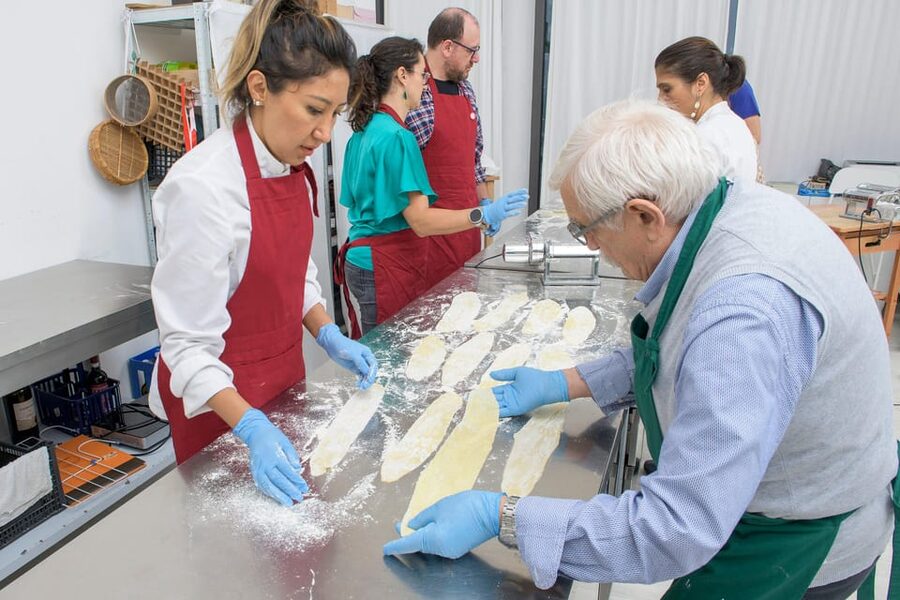
- A professional lab setup, including tools, gloves, and aprons so you can focus
Inside Chef and the City, where Milan cooks like professionals
Chef and the City is a street-level spot with three big windows and red signage. You meet by ringing the bell at the main window door, and the vibe is kitchen-first, not tourist-show. That matters, because you’re expected to work like a cook for a few hours.
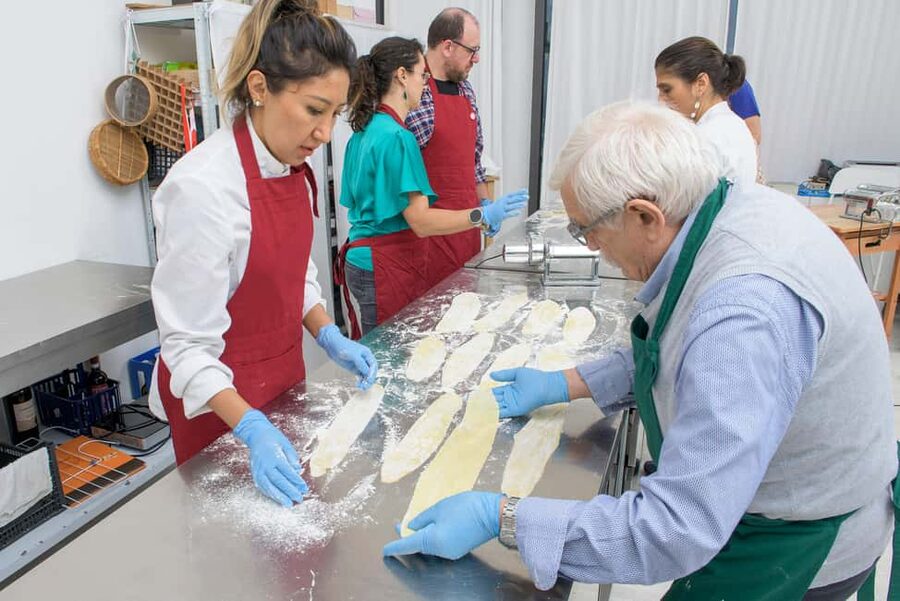
The workshop runs in a professional cooking lab. You work from your own personal desk, and you get the equipment basics including cooking tools, gloves, and aprons. In practice, this means less scrambling, fewer “what do I do with this?” moments, and more actual time learning technique.
You also get light snacks during the session (think cheese, dry tomatoes, mortadella, and olives), plus coffee and teas for breaks. It’s a good rhythm for a 3-hour class, because you’re not just standing up and down, you’re cooking, resting briefly, and cooking again.
Our reviewers also walked through other food outings in Milan.
- Milan’s Authentic Street Food tour: A Gourmet Experience
★ 4.5 · 717 reviews - Milan: Guided Street Food Walking Tour with Food Tasting
★ 4.8 · 654 reviews - Milan: Sunset Navigli Food & Drinks Tour by Do Eat Better
★ 4.5 · 517 reviews - Milan: Navigli Food & Drinks Tour with Eating Europe
★ 5.0 · 394 reviews
The real menu: what 3 dishes can look like in this workshop
The class centers on three traditional Italian dishes, taught under an Italian chef’s supervision. The exact lineup can vary, but the core theme is consistent: fresh pasta plus classic Italian favorites, rounded out with something sweet.
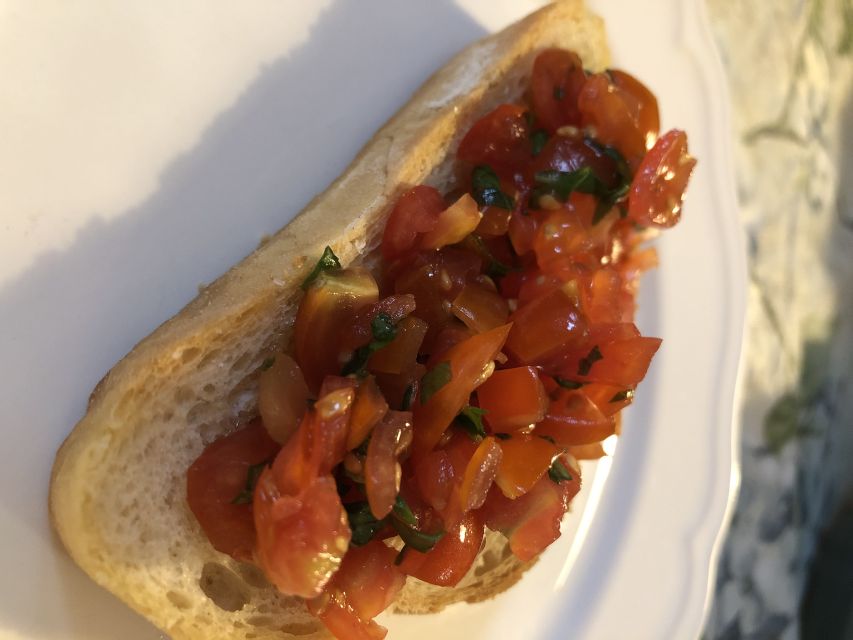
On the pasta side, you can expect options like tagliatelle and gnocchi, and also ravioli. The workshop also mentions combinations such as cacio e pepe sauce and ragu sauce, along with focaccia. You may also work on non-pasta classics such as bruschetta and eggplant parmigiana.
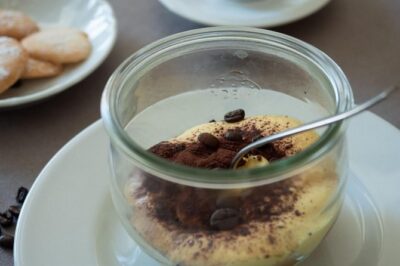
For dessert, tiramisù shows up in the experience description, and you’ll also see Italian cookie-style sweets mentioned in the broader program details, such as biscotti or cantucci, and even strudel in some sessions. That variety is one of the best values here: you’re not learning one skill in isolation, you’re learning a mini set of dishes you can build a meal around.
Making fresh pasta: what you learn beyond the hand motions
Yes, you learn to make pasta from scratch. But the real payoff is that you learn how the kitchen thinks.
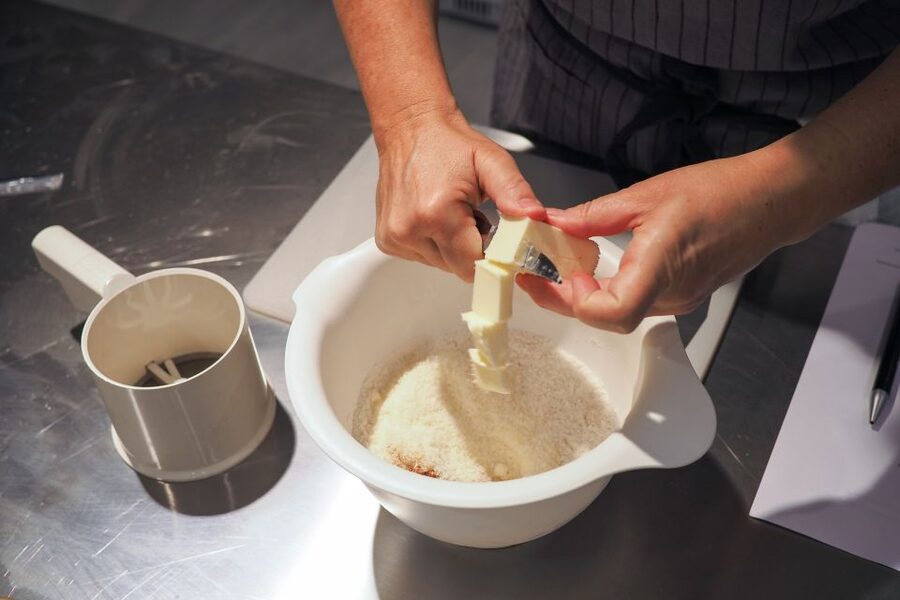
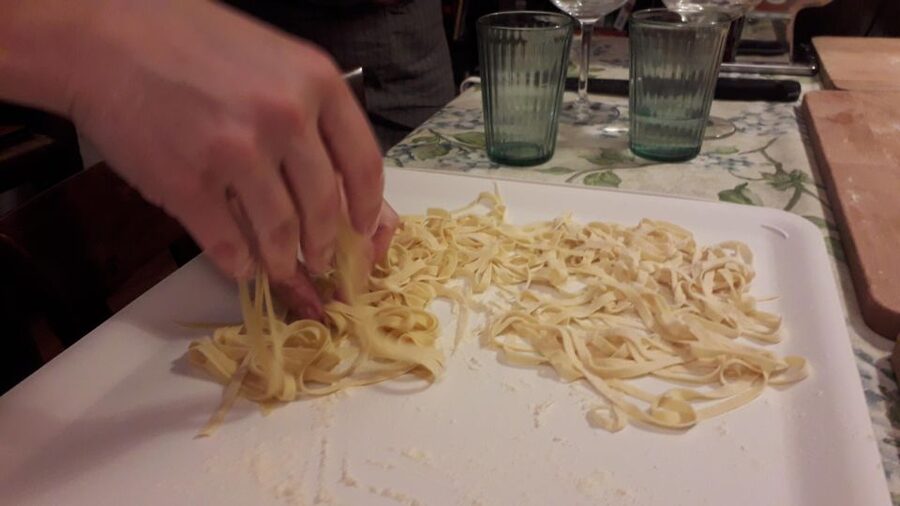
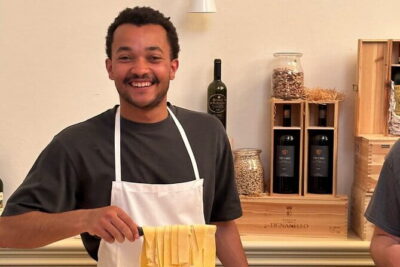
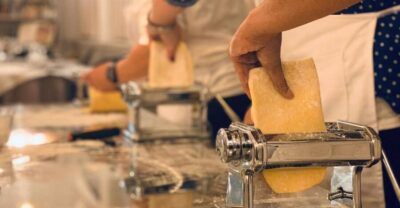
You’re guided through shaping and handling dough, and you’re taught the logic behind what you’re doing: texture, timing, and the way ingredients behave when heated. Cooking class scores tend to rise or fall on this part. Here, the vibe is instructional and practical, and you get guidance while you work at your bench.
A nice detail from the style of teaching is that Ilaria doesn’t just hand you a recipe, she explains the why behind common mistakes. For example, you might hear that tiramisù is built differently than some people expect depending on what country they grew up in. That kind of “Italian standards” talk sticks, because it changes how you shop and assemble at home.
There’s also an efficiency reality to a 3-hour format. Some components may be prepared in advance so you can assemble and finish everything together and still eat at the end. If you love fully from-scratch everything, keep that in mind, but don’t worry: you still get hands-on pasta work and assembly skills you can repeat.
Sauces, starters, and the waste-free idea that actually helps
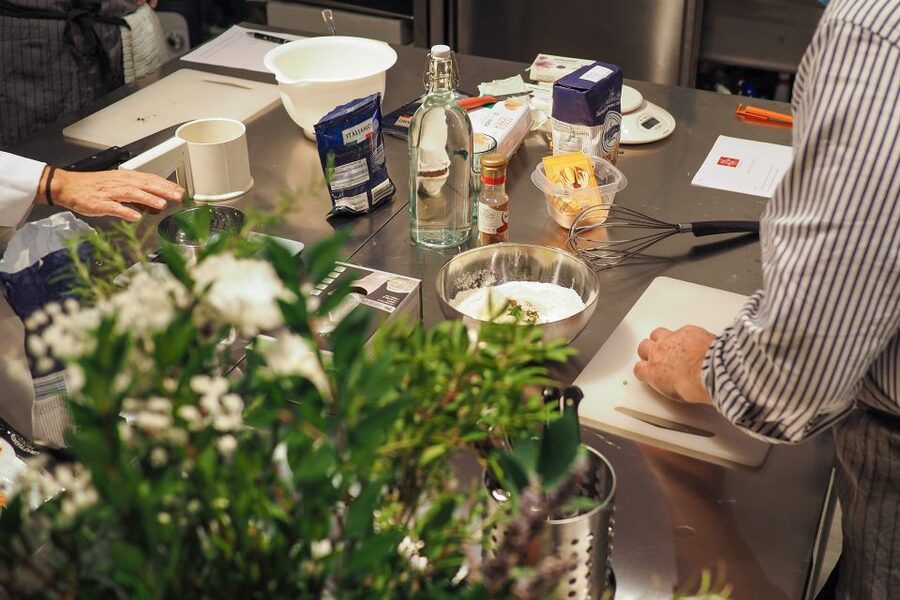
This class is designed around healthy and waste-free cooking. That sounds like marketing until you see how it affects your choices in a hands-on setting. Instead of tossing ingredients around, you learn how Italian cooking uses the right amounts, uses leftovers in sensible ways, and keeps flavors balanced.
Expect to work with classic Italian flavor profiles tied to the dishes you’re making. Cacio e pepe and ragu are both mentioned as parts of the experience, so you’ll get exposure to those sauce styles and how they fit with pasta shapes. You may also see bruschetta as a starter component, which is a great bridge for beginners: it’s simple, but technique matters.
Before you start cooking, there is usually some light food to settle you in, and the session includes multiple snack breaks. Think of this as a “fuel the work” setup, not a full meal replacement until the end. It also helps if you’re nervous at the start. Once you’re cooking, the class becomes less intimidating.
Wine and the sit-down meal: why the ending is part of the value
The workshop doesn’t dump you back into your day after cooking. You sit down as a group in a dining room and eat what you made, with wine.
Wine is included, and the program notes include wine as part of what you drink during the meal. In real terms, that means you can taste your own results while you compare notes with other people. For many first-timers, that’s when confidence clicks.
This group meal also adds something travel-friendly. You’re not eating a random restaurant lunch where you’re guessing what you’re tasting. You cooked it, learned the basics, and now you can talk about what worked, what surprised you, and what you want to repeat later.
Pace, group size, and the “kitchen rules” you should plan for
The format is efficient. In about three hours, you cook, learn, and eat, and the workshop is set up for a professional cadence.
The rules are clear: during cooking there should be no drinks or food at the station, and no tasting while you cook. Tie up long hair. And you can’t bring luggage or large bags into the kitchen. It’s not about being unfriendly, it’s about keeping the work area clean and safe, and it helps instructors keep the class moving.
Reviews also point to an atmosphere that tends to feel personal and social, with hands-on interaction and lots of conversation during breaks. Still, don’t plan this as a casual hang. Plan it as a short course where you’ll get better at cooking, then celebrate with dinner.
Kept in the same folder as this one, food and drink outings in Milan.






Price and value: is $80 fair for what you get in Milan?
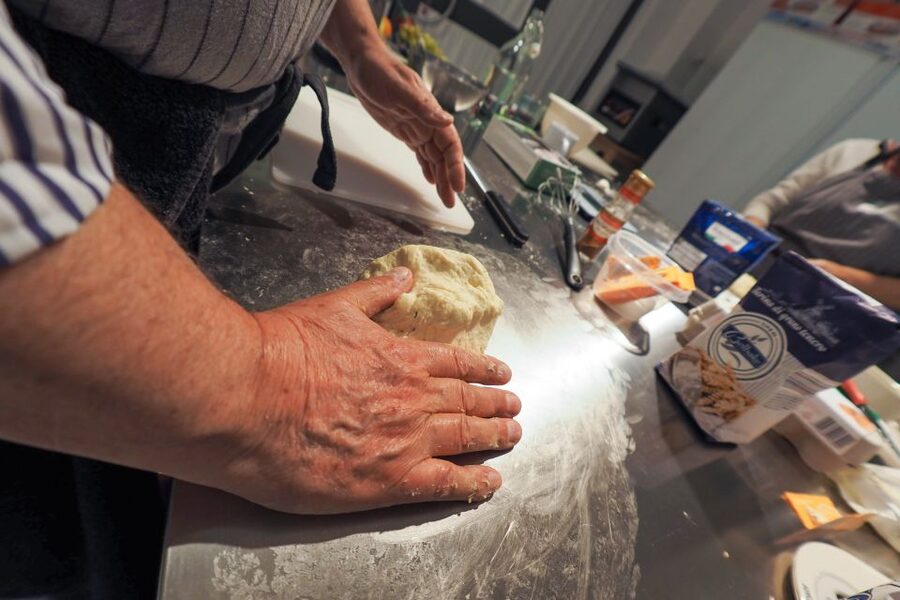
$80 per person can feel like a splurge until you look at the full package. You’re paying for three hours of guided instruction by an Italian chef, plus ingredients, beverage, cooking tools, gloves, and aprons. You’re also getting wine, and you receive recipe cards for all the dishes.
Now compare that to trying to self-teach a three-course Italian meal at home. Even if you only buy ingredients for fresh pasta, the flour, eggs, fillings, cheese, and produce can add up quickly. Add in the time cost, and a cooking class starts to look like good value, especially in Milan where restaurant meals can be pricey too.
The only cost-related caution is expectations around how much is made entirely by you. Because the class needs to finish with a shared meal, certain sauce elements may be pre-managed or provided to speed things up. If you want a class where every single element is produced from zero, that’s not what this format is designed for. But if you want the skills you can repeat at home, this structure is strong.
Who this cooking class suits best
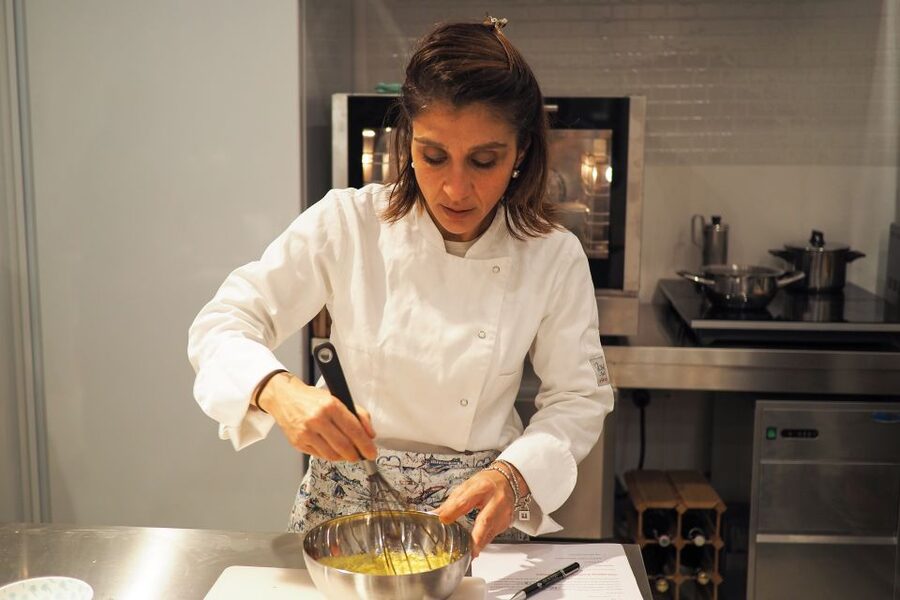
This is a great fit for couples, solo travelers, and small groups who want an authentic food experience without the guesswork. It’s especially strong if you enjoy hands-on activities and want to leave with skills you can use later, not just photos.
Beginners benefit because you’re taught steps clearly and you work alongside instruction at your bench. More experienced cooks like it too, because you can pick up technique tips and “Italian standards” details that improve your results.
It’s not suitable for people with mobility impairments, and it’s not wheelchair accessible. Children under 10 are not suitable either. And pets are not allowed.
If you have dietary restrictions, the best move is to ask ahead of time, because kitchens vary in what they can accommodate and this one has a professional workflow to maintain.
Where to meet, what to bring, and how to show up smoothly
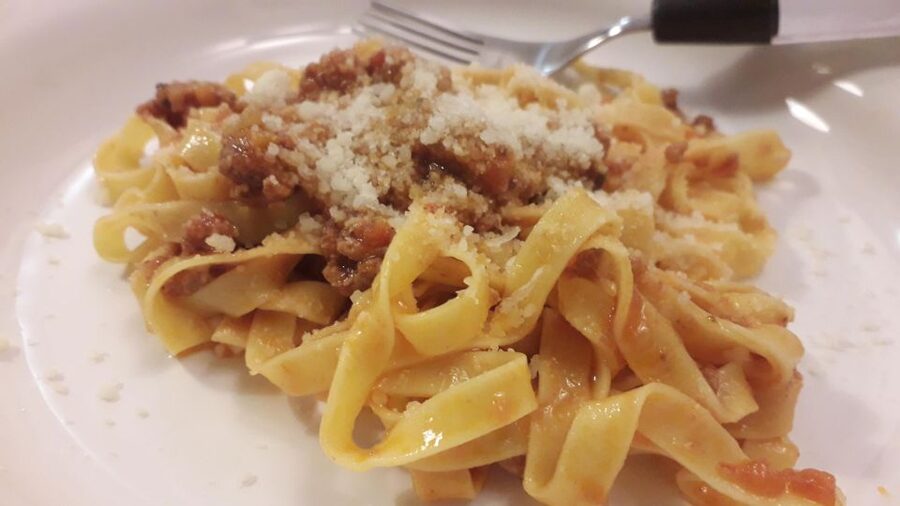
You meet at Chef and the City, a street-level shop with three big windows and red signage. Ring the bell at the main window door when you arrive.
For what to bring, plan around the kitchen rules. Because luggage and large bags are not allowed, travel light. Wear closed-toe shoes and something with sleeves that you can manage around a busy work surface. If you have long hair, tie it back before you start.
You will be provided with aprons, gloves, and the cooking tools. That means you don’t need to bring kitchen gadgets. What you should bring is attention: take notes when something clicks, and taste later when the meal starts.
Should you book this Milan Italian cooking class?
I’d book it if your goal is practical Italian cooking skills in a short, friendly format. The combination of three dishes, hands-on pasta work, chef-led tips from real Italian cuisine, plus an included wine meal makes the $80 price feel earned, not random.
Skip it if you need full accessibility or if a professional kitchen with strict rules will stress you out. Also, if you want an experience built around total scratch-from-zero production of every element, adjust expectations for a three-hour class.
If you want one “Milan food” activity that’s hands-on, social, and repeatable at home, this is a strong choice. You’ll leave with the knowledge to cook Italian classics, and with the recipes in your bag to prove it.
FAQ
What is included in the class price?
The price includes food, beverage, cooking tools, gloves, aprons, and wine.
How long is the Milan cooking class?
It lasts 3 hours.
What will I cook during the class?
You will learn how to prepare 3 traditional Italian dishes. Fresh pasta from scratch is part of the experience, and the workshop also includes classic items like sauces and Italian favorites, plus a dessert option.
Where is the meeting point?
You meet at Chef and the City, a street-level shop with three big windows and red signs on top. Ring the bell at the main window door.
Is it wheelchair accessible?
No, it is not wheelchair accessible.
Is the class suitable for children?
It is not suitable for children under 10 years old.
Are pets or luggage allowed?
Pets are not allowed. Luggage or large bags are also not allowed.
What languages are used during the experience?
The host or greeter speaks Italian and English.
Food and Drink Outings in Milan That Made the Same Shortlist



The Rest of Our Food Outings in Milan
Not quite the day you had in mind? The rest of our Milan write-ups sit below
- Milan: Duomo and The Last Supper Skip-the-Line Guided Tour
- From Milan: Exclusive Boat, Lake Como, Bellagio, and Lugano Tour★ 4.5 · 168 reviews
- Pinacoteca Ambrosiana and da Vinci’s Codex Atlanticus admission in Milan★ 4.5 · 169 reviews
- Pizza Cooking Class with Tiramisù and Wine Tasting in Milan★ 5.0 · 172 reviews
- Milan: Exclusive Access with Last Supper visit & Guided Tour★ 4.5 · 173 reviews
- Milan: Private Professional Photoshoot at the Duomo★ 4.7 · 174 reviews
- Step Into History: Leonardo Vinci’s Last Supper Tour★ 4.5 · 175 reviews
- Small-Group Lake Como Experience with boat and van, from Milan★ 5.0 · 179 reviews
- Milan: Street Food Walking Tour★ 4.7 · 180 reviews
Cooking Classes, top to bottom.
 ★ 4.9Florence: Pasta Cooking Class with Unlimited WineFrom $2110,285 reviews
 ★ 5.03 in 1 Cooking Class near Navona: Fettuccine, Ravioli & TiramisuFrom $837,376 reviews
 ★ 4.9Florence: Pasta & Tiramisu Cooking Class with Unlimited WineFrom $566,708 reviews
★ 5.0Florence: Pasta Cooking Class with Unlimited Wine6,413 reviews
★ 4.9Florence: Pasta & Tiramisu Cooking Class with Unlimited WineFrom $566,708 reviews
★ 5.0Florence: Pasta Cooking Class with Unlimited Wine6,413 reviews
 ★ 5.0Cooking Class and Lunch at a Tuscan Farmhouse with Local Market Tour from FlorenceFrom $1454,831 reviews
 ★ 4.9Rome: Pasta Making Class with Wine, Limoncello, and DessertFrom $483,177 reviews
 ★ 5.0Pastamania – Florence Pasta Making ClassFrom $493,050 reviews
 ★ 4.9Rome: 3-in-1 Fettuccine, Ravioli, and Tiramisu Cooking ClassFrom $812,704 reviews