
Reviewed · BARI, ALBEROBELLO & THE TRULLI
Ostuni: Olive Oil Tasting Tour
Ancient olive trees and underground presses. This Ostuni olive oil tour is interesting because it connects 2,000-year-old olive lore with the practical, hands-on reality of how extra virgin olive oil gets made, from historic mills to your glass. I especially love the walk through the estate, where the trees feel like a living museum, and the tasting of three organic oils paired with local bites. One drawback to consider: it is short at about 1 hour, so if you want a long sit-down meal or lots of variety beyond three samples, you may feel slightly rushed.
You get both the dramatic and the technical parts. The hypogeum (underground) oil mill gives you the wow factor, while the epigean (above-ground) mill shows how production evolved. Just know there is no transfer included, and you’ll need to handle your own getting to Masseria Valente. If your Italian is rusty, aim to book an English-friendly slot, since one guide experience can vary.
In This Review
- Key Things I’d Not Miss on This Olive Oil Tour
- Why Ostuni Olive Oil Tasting Feels More Like a Farm Visit Than a Show
- Masseria Valente: your first clue is the setting itself
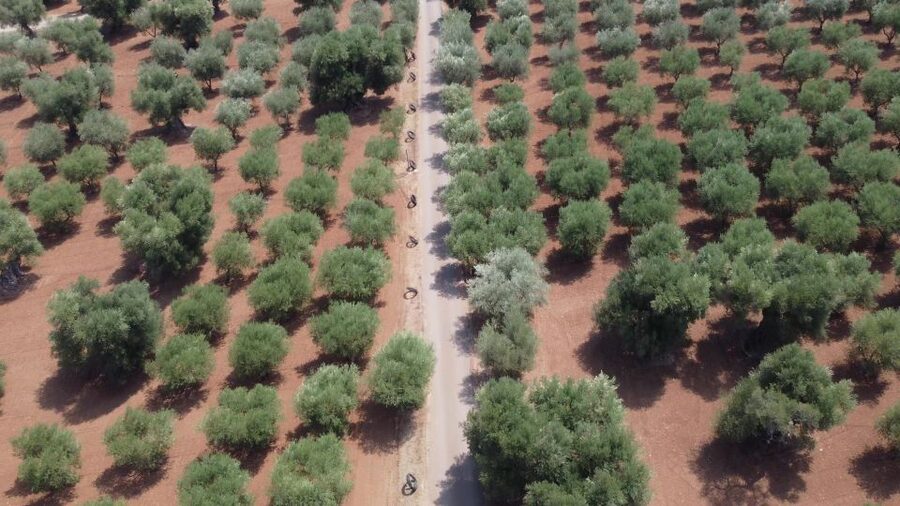
- Walking through millenary olive trees, from “wow” to “why”
- Hypogeum and epigean mills: the underground and above-ground parts are the real lesson
- The hypogeum (underground) oil mill
- The epigean (above-ground) oil mill
- The tasting: three organic oils with olives, tarallini, and fried broad beans
- Ostuni photo stop: short, but it helps you tie town and countryside together
- Price and timing: is $53 per person good value for a one-hour tour?
- Language and guide style: what to expect, and what to watch for
- Who this tour is perfect for in Ostuni
- Practical tips before you go to Masseria Valente
- Should you book Ostuni: Olive Oil Tasting Tour at Masseria Valente?
- FAQ
- FAQ
- How long is the olive oil tasting tour?
- Where does the tour start?
- What is included in the tasting?
- Is transfer included to and from the masseria?
- What languages are available for the guide?
- What happens in Ostuni during the experience?
- How many types of olive oil will I taste?
- Do I need to arrive early?
- Can I cancel for a full refund?
- Is there a reserve now, pay later option?
Key Things I’d Not Miss on This Olive Oil Tour
- Two mills, one story: see both underground and above-ground pressing spaces and understand the shift over time
- Ancient olive trees you can walk among: including trees said to be planted centuries ago by veterans of the Punic Wars
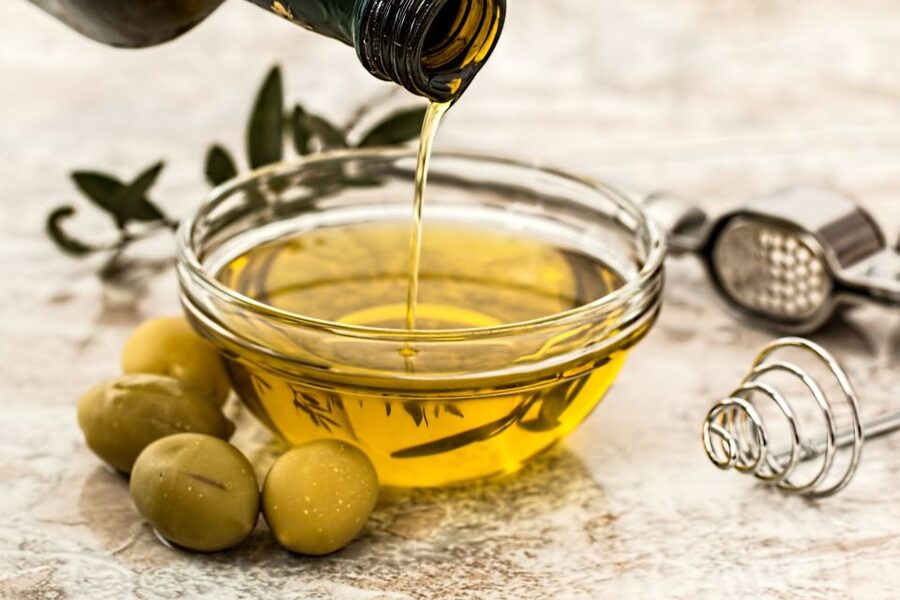
- Three organic oil tastings: you’ll taste distinct varieties and learn what changes in flavor
- Local snack pairings: olives, tarallini, and fried broad beans keep the tasting grounded in Puglia
- A short, focused format: about 1 hour, which is great for fitting into a day but not ideal if you want a full lunch
Why Ostuni Olive Oil Tasting Feels More Like a Farm Visit Than a Show

This tour works because it starts on real ground, in a working countryside setting in Apulia. You are not just in a store, sniffing bottles and leaving. You’re walking through a masseria estate where olive trees, old stone machinery, and modern production all sit in the same frame.
I like that the experience is built around cause and effect. You see the trees, then you understand why pressing methods matter, then you taste the result. The combination of scent, texture, and history is the point, not just the entertainment value.
The tasting is also the right kind of practical. After you leave, you’ll have a better sense of how to talk about oil beyond simple terms like good or bad. Even if you normally buy olive oil without much thought, this gives you a mental checklist for what to look for.
Masseria Valente: your first clue is the setting itself
The experience meets at Masseria Valente, so your first job is simple: arrive about 15 minutes early so you can settle in and not feel you’re chasing the start time. From there, the host guides you through the property at a calm pace that still feels efficient for a 1-hour visit.
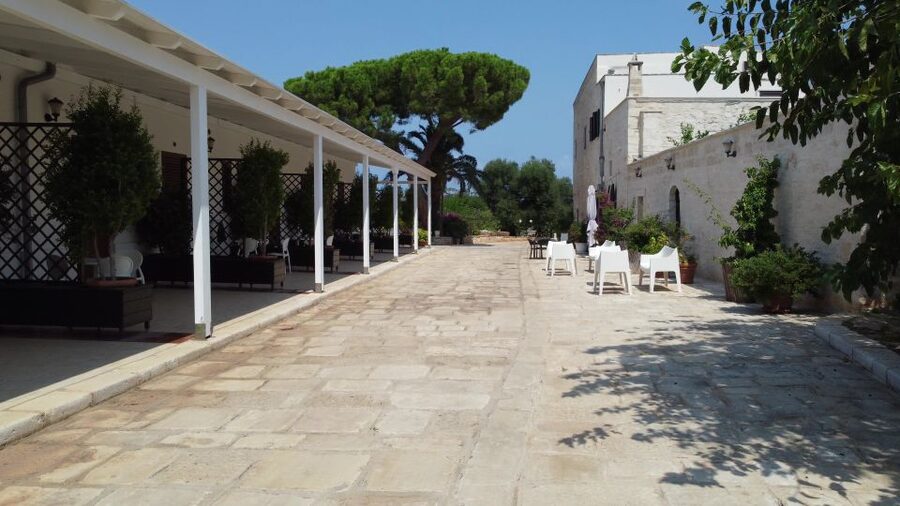
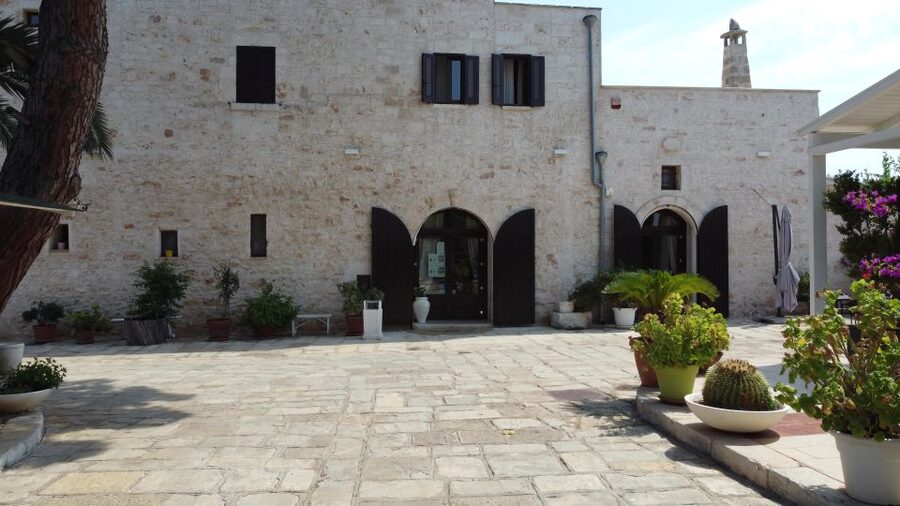
What I’d pay attention to right away is the atmosphere. Several people highlight that the grounds are genuinely beautiful, and that there’s an onsite café and hotel feel to the place. Even if you don’t plan to add anything after, that matters because it means the visit is comfortable. You’re not rushing between far-flung stops.
If you care about learning, this is where the guide sets the tone. Guides named Angela and Carla come up in past participants’ notes as especially friendly and knowledgeable, and Maria is mentioned for being expert and entertaining. I can’t promise you’ll have those exact guides, but the recurring theme is clear: expect a real olive-world explanation, not a scripted lecture.
Walking through millenary olive trees, from “wow” to “why”
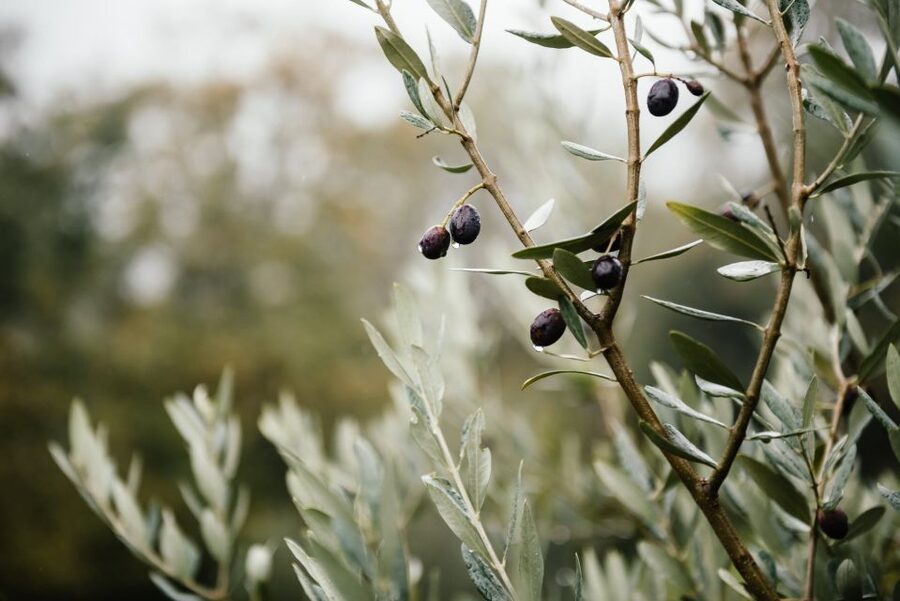
The walk is one of the best parts, and not just because the trees look good in photos. You’re moving through an estate with different age groups, and that helps you understand why olive oil is never a single flavor. The tour points out ancient trees said to be linked to Punic Wars veterans, plus older and newer plantings.
Here’s what this kind of walk does for you as a visitor: it makes the tasting make sense. When you’re tasting three oils later, you’re not just guessing what you’re smelling. You can connect the oil to the grove itself, where age, variety, and growing conditions can influence the final character.
If you’re a person who loves nature and also loves food, this is a sweet spot. You get a countryside stroll that feels grounded, not staged. Several people mention getting great photo moments out there too, which is always a bonus in Ostuni, where the town and countryside both offer strong visual payoff.
Practical note: it’s still a guided walk, so wear comfortable shoes. Even if the pace is relaxed, you’ll likely be moving around an estate and stepping on uneven outdoor ground.
Hypogeum and epigean mills: the underground and above-ground parts are the real lesson
One big reason this tour earns a strong reputation is that it covers both the dramatic and the technical sides of olive oil production.
The hypogeum (underground) oil mill
The hypogeum section is the standout wow factor. You’ll visit a historic, 16th-century underground oil mill and learn about traditional methods used there. Underground processing spaces have a purpose. They help control conditions and create a working environment where older pressing techniques could operate effectively.
People repeatedly call out the underground presses as impressive, and it’s easy to see why. Underground machinery and stone floors have a different energy than a modern factory. It makes the whole process feel older than most people expect.
The epigean (above-ground) oil mill
Then you move to the 19th-century epigean oil mill. This is where you can see how methods changed as time moved forward. Instead of only focusing on the ancient process, you get a comparison, which helps you grasp that olive oil production is a living craft, not a static tradition.
Together, these two stops give you a clearer picture of the production timeline. You taste at the end, but you also learn why the tasting is not arbitrary. The oils come from grapes-of-the-ground logic, from trees to pressing, from tradition to technique.
One more thing to like: the tours tend to keep the pace just right for people who do not want a long museum experience. You still get enough explanation to feel like you understood something, even when the visit is only about an hour.
The tasting: three organic oils with olives, tarallini, and fried broad beans
The tasting is where you go from appreciation to actual understanding. You’ll sample three organic oils, and each one comes with pairings meant to help you notice differences.
Here’s what’s included with the tasting:
- olives
- tarallini
- fried broad beans
These are very local choices for Puglia, and they do more than fill your stomach. Each bite changes how the oil feels. Salty and crunchy snacks can make certain oil notes pop, while olives and broad beans keep the tasting rooted in the region’s food habits.
What I find helpful is that the tour doesn’t treat oil as a single flavor category. Past participants mention learning the difference between terms like virgin and extra virgin, and that type of language matters. Once you can name what you’re tasting, buying olive oil at home becomes way less guesswork.
If you enjoy food education, this is the part you’ll remember. A couple of people also wished they could taste more oils or had lunch options included, which is understandable, because after a good tasting session, your brain wants more samples. But for a 1-hour format, three oils is a tidy amount that’s still likely to leave your palate fresh.
Ostuni photo stop: short, but it helps you tie town and countryside together
After you’ve walked the estate and seen the presses, the tour includes a stop in Ostuni for a photo stop and visit before returning to Masseria Valente.
This is not a full town tour, and you should not expect it to replace exploring Ostuni’s old streets on your own. Still, it helps your day feel complete. You get the countryside craft element plus a quick town connection, which is a nice balance when you only have a limited amount of time.
If you want to make this work best, plan your Ostuni wandering either before or after the olive experience. That way, the photo stop feels like a highlight rather than the only chance you get.
Price and timing: is $53 per person good value for a one-hour tour?
At $53 per person for about 1 hour, the tour is clearly in the mid-range for food experiences. Whether it feels like good value comes down to what you want.
If you want:
- a focused olive oil education
- a walk among real trees
- a tour of underground and above-ground mills
- a guided tasting with local bites
…then $53 starts to look reasonable, because you’re getting multiple distinct moments rather than just a quick taste in a shop.
If you want:
- more than three oil samples
- lots of downtime
- a longer meal experience as part of the package
…then a couple of people have felt the tour was pricey for how short it is. That’s a fair consideration. This tour is optimized for learning and tasting, not for turning into an all-day agritourism feast.
My practical take: book it when you want quality and structure in a short window. If you’re craving a bigger food day, consider pairing it with additional time at onsite dining, if that’s your style, but don’t assume it’s included in the ticket.
Language and guide style: what to expect, and what to watch for
The tour offers live guides in English and Italian. That’s a big help, especially if you want to understand the reasoning behind the pressing process and the tasting vocabulary.
Still, guide language quality can vary. One participant noted that their guide did not speak much English and did not fully answer questions. If you care a lot about Q and A, it’s worth booking with the language that matches your comfort level, and arriving with a question or two that you can ask clearly.
Also, guides like Angela, Carla, and Maria appear often in feedback as friendly, funny, and expert. That pattern suggests that even if English is not perfect for every moment, the overall explanation style tends to be strong.
Who this tour is perfect for in Ostuni
This is a great fit if you’re the type of traveler who enjoys:
- food learning with real context
- history that is tied to tools and places
- countryside walking without huge effort
It’s especially good for first-time olive oil learners. Several people mention leaving feeling more able to choose a good olive oil, which is exactly what this experience should do.
It’s also a good match if you like authentic countryside rhythm. You’re on a traditional masseria, not in a tourist-only environment, and the focus stays on trees, mills, and taste.
If you dislike guided walks, or you’re looking for a full day of sightseeing in Ostuni, you might prefer something longer. This one is tightly focused and ends quickly by design.
Practical tips before you go to Masseria Valente
A few small details will make your visit smoother.
- Wear shoes you trust. You’re walking outdoors across an estate.
- Plan your transportation. Transfer is not included, so you need a way to get to Masseria Valente.
- Arrive early. Give yourself time at the start, since the meeting time expects you to arrive 15 minutes before it begins.
- Come hungry for flavor, not for volume. Food included centers on the tasting pairings, not a full meal.
Also, if you buy olive oil, this is one of those tours that can help you shop smarter later. When you taste three oils and learn what makes them different, you can buy with more confidence and waste less money on bottles that are fine but not exciting.
Should you book Ostuni: Olive Oil Tasting Tour at Masseria Valente?
Yes, if you want a short, high-signal experience that connects olive trees to pressing methods and finishes with a guided tasting. I’d book it if you value real countryside setting, especially the underground mill visit, and you like structured food learning without committing an entire day.
I would pause if you expect a long meal, a huge selection of tastings, or a very deep town tour in Ostuni. This is about the grove and the mills. When you go in with that expectation, it feels worth it.
FAQ
FAQ
How long is the olive oil tasting tour?
The tour lasts 1 hour.
Where does the tour start?
The meeting point is Masseria Valente.
What is included in the tasting?
You get a tasting of three organic oils, paired with olives, tarallini, and fried broad beans, plus a guide.
Is transfer included to and from the masseria?
No, transfer is not included.
What languages are available for the guide?
The tour offers live guides in English and Italian.
What happens in Ostuni during the experience?
The tour includes a photo stop and a visit in Ostuni, before returning to Masseria Valente.
How many types of olive oil will I taste?
You’ll taste three types of olive oil.
Do I need to arrive early?
Yes. You should arrive 15 minutes before the activity starts.
Can I cancel for a full refund?
Yes, you can cancel up to 24 hours in advance for a full refund.
Is there a reserve now, pay later option?
Yes, you can reserve your spot and pay later.
Bari, Alberobello & the Trulli, top to bottom.
 ★ 4.8Polignano a Mare: Speedboat Cruise to Caves with AperitifFrom $353,382 reviews
 ★ 4.7Polignano a Mare: Cave Boat Tour with AperitifFrom $471,891 reviews
 ★ 4.8Polignano a Mare: Boat Trip, Swim & Cave with AperitifFrom $351,300 reviews
 ★ 5.0Bari’s Ultimate Street Food Tour – Small Group by Do Eat BetterFrom $591,187 reviews
 ★ 5.0Polignano a Mare boat tour emotions, caves, diving and appetizersFrom $421,022 reviews
 ★ 4.7Bari: Guided Walking TourFrom $34744 reviews
 ★ 4.6Alberobello: 2-Hour Guided Trulli TourFrom $47727 reviews
 ★ 4.8Tour di Alberobello e Matera in bus privato da BariFrom $67701 reviews