
Reviewed · COOKING CLASSES
Pasta Cooking Class: Mastering Nonna’s Recipes
Wine, pasta, and a real chef lesson.
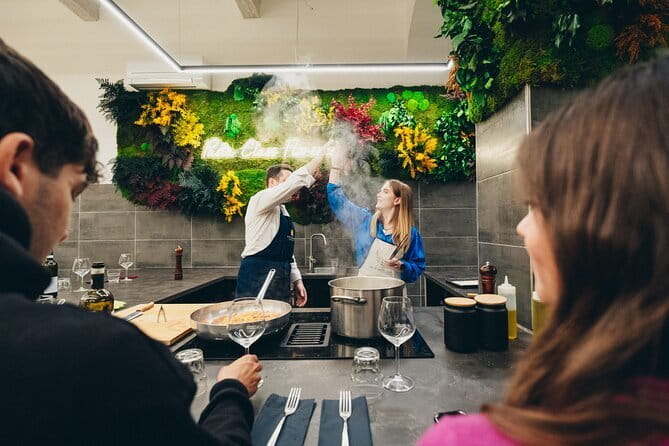
This central Florence class is built around doing, not watching, with a hands-on workflow that takes you from fresh dough to three classic pasta shapes, then lands you at the table with wine. You’ll learn practical technique, plus how sauces are meant to fit the pasta, not fight it.
I love the small group size and the way the chefs stay focused on your technique, whether you cook often or almost never. I also love the full meal with unlimited wine paired with what you made, so the class ends with something you can actually taste and judge.
One drawback to plan for: the meeting spot is in a street that can feel a bit rough from the outside. Once you’re inside, everything runs clean and organized, but if you’re sensitive to that first impression, arrive a touch early.
In This Review
- Key things to know before you go
- The format: why this 3-hour class feels practical
- Meeting point in Florence: arriving without stress
- Tortelli, tagliatelle, ravioli: what you shape and why it matters
- Starter: Tortelli with ricotta, brown butter, and herbs
- Main: Tagliatelle with fresh Tuscan ragù
- Main: Ravioli with garlic oil and sage (with a twist)
- Sauce technique: the part that makes you feel confident at home
- The chef experience: entertainment and patience, not just technique
- Unlimited wine and the full meal: how it changes the vibe
- Location realities: what the neighborhood is like
- Who should book this class (and who might not)
- Price and value: what $126.98 buys you in real terms
- A few smart prep tips so your evening goes smoothly
- Should you book Pasta Cooking Class: Mastering Nonna’s Recipes?
- FAQ
- What is the duration of this pasta cooking class?
- Is the class offered in English?
- What dishes will I make and eat during the experience?
- Is wine included?
- How large is the class group?
- Is free cancellation available?
Key things to know before you go
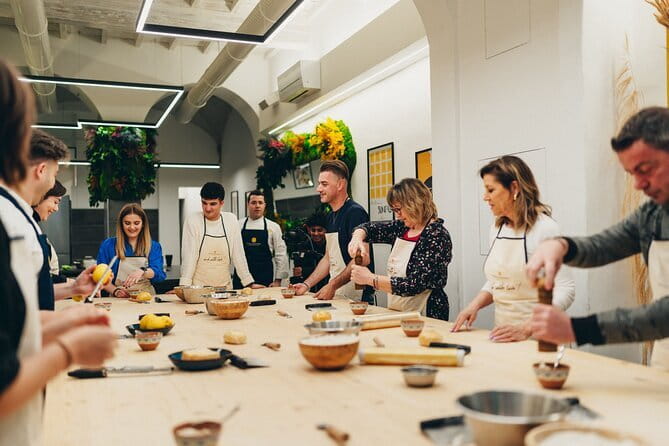
Michelin-level chefs guiding your hands-on work, with instruction pitched to all skill levels
Three pasta styles made from scratch using local ingredients, then served at the end
Unlimited wine during the experience plus a wine pairing with the meal
Small class size up to 13, which keeps the teacher close and the pace comfortable
Clear “chef to pasta” technique, including how to match dough shape to sauce
Vegetarian options available, so you’re not stuck out of the loop
The format: why this 3-hour class feels practical
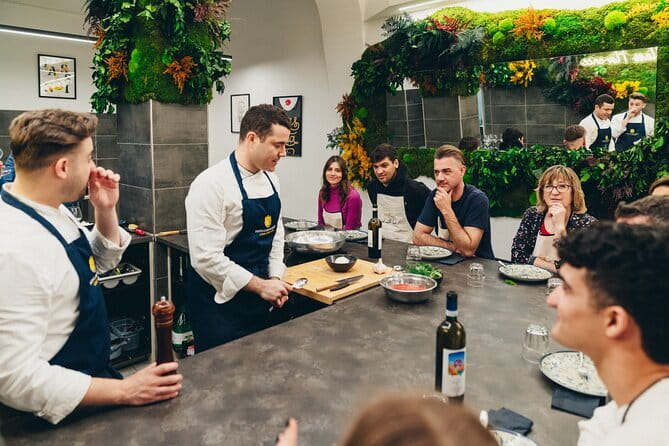
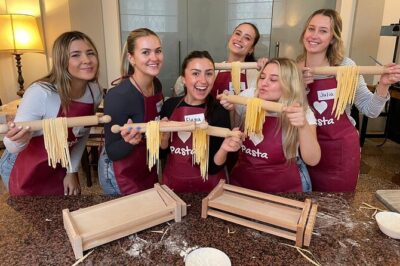
Florence is great for wandering, but one of the best ways to understand Italian food is to build it with your hands. This class is set up like a mini workshop. You get a short ramp-up, then you’re rolling dough, shaping pasta, and learning why certain moves matter.
The class runs about 3 hours, and it’s designed so you do three different pasta dishes in one sitting. That’s a big deal because pasta making is one of those skills where small differences change everything: dough hydration, thickness, how you seal a filled pasta, and how you cut long shapes.
The teacher-led approach also matters. People learn faster when the chef watches what you do, not just what you say you understand. In this class you’ll see that kind of attention in action, including chefs like Marco, Simone, Thomas, Michele, Davide, Andreas, and Andrea who are known for staying patient and keeping things moving.
If you’re the type who likes learning by doing, you’ll like this structure. If you want a museum-style food lecture, it might feel too hands-on.
Other cooking classes in Florence that earned their own write-up.
- Florence: Pasta Cooking Class with Unlimited Wine
★ 4.9 · 10,285 reviews - Florence: Pasta & Tiramisu Cooking Class with Unlimited Wine
★ 4.9 · 6,708 reviews - Florence: Pasta Cooking Class with Unlimited Wine
★ 5.0 · 6,413 reviews - Cooking Class and Lunch at a Tuscan Farmhouse with Local Market Tour from Florence
★ 5.0 · 4,831 reviews
Meeting point in Florence: arriving without stress
You meet at V. Dell Agnolo, 77r, 50122 Firenze FI, and the activity ends back at the same location. The start point is near public transportation, which helps if you’re pairing it with other plans around central Florence.
Practical tip: give yourself a little extra time to get oriented. One thing that comes up often is that the outside of the venue can look a bit sketchy from the street. The good news is that people consistently report the space inside as clean and well run once they get through the door. So plan to focus on getting inside, not judging the first curb view.
Also, since this class is about wine and sitting down for a meal at the end, I recommend you treat it like a light dinner anchor. It’s not ideal to schedule another long activity right after unless you’re someone who enjoys running on fumes.
Tortelli, tagliatelle, ravioli: what you shape and why it matters
The menu is built around variety, so you learn how different pasta styles behave.
Starter: Tortelli with ricotta, brown butter, and herbs
Tortelli is filled pasta, so it teaches you a key skill: sealing and shaping so the filling stays put during cooking. People often underestimate how tricky filled pasta can be, but the teacher time is spent on the steps that prevent common problems like weak edges or uneven thickness. You’ll also learn how the filling flavors should complement the pasta, not overwhelm it.
Main: Tagliatelle with fresh Tuscan ragù
Tagliatelle teaches the “long noodle” side of pasta making, where thickness and cut matter for texture. This shape is especially good for learning how sauce clings. You’re not just making a pretty noodle, you’re making a vehicle for ragù, and you’ll see how a fresh ragù behaves with wider, ribbon-like pasta.
Main: Ravioli with garlic oil and sage (with a twist)
Ravioli is another filled pasta, but the sauce style is different. A garlic oil and sage approach (with a twist) shows you how the sauce can be lighter and more aromatic compared to a heavier ragù. That’s useful at home because it helps you plan flavors around the weight of the pasta and filling.
Vegetarian options are available, which is a strong plus if you’re coming as a couple or group with mixed diets. I’d book with vegetarian needs clearly in mind so you can enjoy the same “make it and eat it” rhythm.
The same shortlist carries more pasta classes in Florence.


Sauce technique: the part that makes you feel confident at home
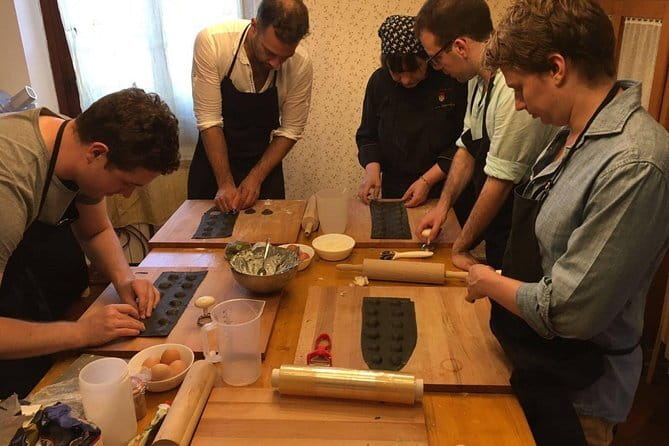
A pasta class can teach you how to roll dough and still leave you stuck at home. The better classes also teach flavor building. This one does.
You learn sauce prep and practical decisions that affect results every time:
how ingredients are staged so flavors bloom,
how texture should develop (not just taste),
and how to avoid common sauce mistakes that make food taste flat.
In particular, people highlight that chefs take time with explanations and keep the hands-on work organized. One chef, Thomas, is noted for giving practical pointers beyond the pasta itself, including sharpening habits for knives. Even if you’re not obsessed with tools, that kind of advice usually translates into better comfort and control while cooking.
You also learn the workflow: sauce first, then pasta. That matters because fresh pasta doesn’t wait politely. You want your sauce ready so the pasta can go from boiling to plate without stress.
The chef experience: entertainment and patience, not just technique
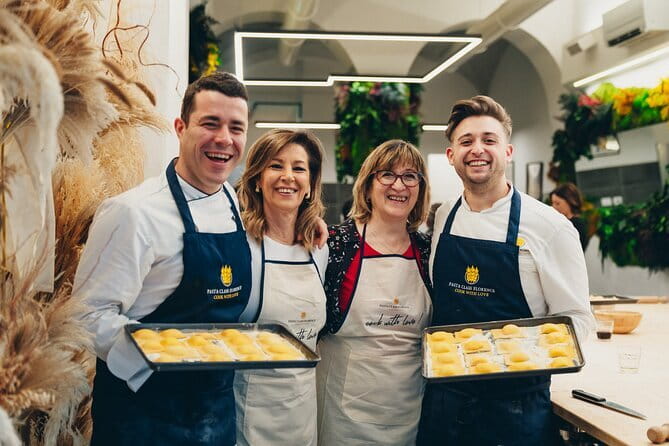
A big part of why this class gets such strong marks is the human factor. Chefs running the session, including Simone, Marco, Davide, Andrea, Andreas, and Michele, are consistently described as funny, engaging, and supportive.
What you can take from that, as a practical matter, is that the class has a pace that works for a wide range of people. One group included ages from 20 to 80, and that only works when the teacher can keep instruction clear while still allowing everyone to keep up. If you’ve ever worried you’ll slow down a class, this is exactly the kind of format that reduces that fear.
Another point: hygiene is taken seriously. One person specifically praised the teacher for watching cleanliness and making it clear that hygiene is important when you’re making dough you’ll eat. In food classes, that’s not a small detail. Clean workstations and careful habits make the whole experience less stressful and more trustworthy.
Unlimited wine and the full meal: how it changes the vibe
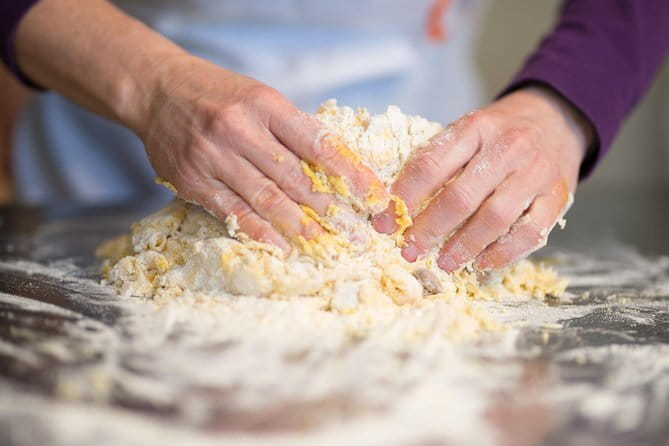
The class includes unlimited wine throughout the experience and a full meal featuring three pasta dishes, corresponding to the menu you make. There’s also a wine pairing with the meal, so you’re not just drinking, you’re tasting with intent.
This is a great setup for two reasons.
First, you get a built-in reason to linger. Pasta tastes best when you can talk about it right away: What did the ragù taste like before it hit the pasta? How did the sauce cling to tagliatelle? Was the herb oil punchy enough to lift the ravioli filling? Having wine in the mix can loosen the mood, but it also makes the meal feel like a celebration of what you cooked.
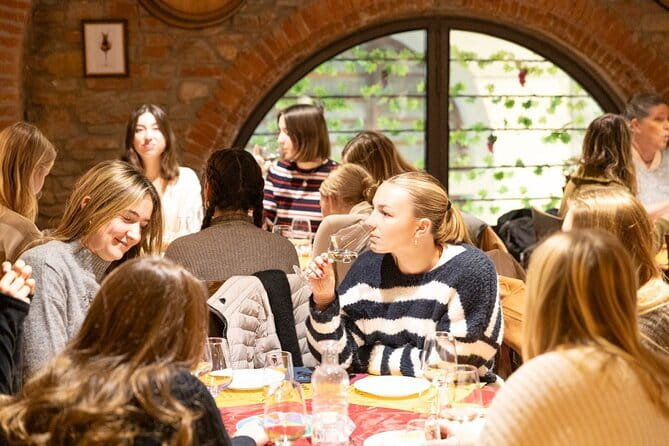
Second, unlimited wine changes the social side. People describe the group as intimate, which is easy to do when the group is capped at 13. You’ll likely share stations, tools, and laughs, then sit down together to eat the results of your work.
Quick note for planning: since wine is unlimited, pace yourself. You’ll be using your hands for pasta shaping, then standing and cooking, then sitting to eat. Water is your friend.
Location realities: what the neighborhood is like
This is in central Florence, so you can combine it with other sights earlier in the day. Still, the meeting area can be visually unpolished from the outside. The practical move is simple:
arrive on time,
follow signage inside,
and trust that the studio itself is reported as clean and beautiful.
Because it’s near public transportation, you don’t need to rely on taxis. I’d map your route the day before. Florence streets can surprise you with narrow turns, and you want to spend your energy on pasta, not on walking in circles.
Who should book this class (and who might not)
This is best for you if:
you want a hands-on Florence food activity that teaches real technique,
you like structured learning more than wandering and hoping you’ll find the right cooking tutorial,
you enjoy wine with dinner,
you cook at home and want a new skill, not just a one-time meal.
It also works for mixed groups, including different ages and different cooking comfort levels, because the chefs are set up to guide people step by step.
You might think twice if:
you hate wine or you want a strictly alcohol-free schedule,
you’re looking for a short, light taste only (this is a full making session plus meal),
you’re extremely sensitive to strong smells from garlic and sage, since the sauces are part of the learning.
Price and value: what $126.98 buys you in real terms
At $126.98 per person for about 3 hours, the headline cost can look steep if you compare it to a simple tasting. But compare apples to apples and it starts making sense.
You’re paying for:
hands-on coaching from Michelin-trained chefs,
ingredients used to make three pasta dishes from scratch,
cooking and eating a full meal,
and unlimited wine during the experience.
In other words, you’re paying for both the lesson and the dinner. For many people, that’s the difference between a fun night and a skill they can repeat later.
Also, the class size cap of 13 keeps it from feeling like a factory line. In practical terms, you get more attention, and that reduces the chance you’ll leave with “I watched it happen” instead of “I can do this.”
If you’re going to Florence and you want one ticketed food experience that’s worth more than the price of a nice restaurant meal, this is one of those choices that tends to pencil out.
A few smart prep tips so your evening goes smoothly
If you want the best experience, do these simple things:
Eat lightly before you go, but don’t skip the class meal. You’ll have a starter and two mains you made.
Wear comfortable shoes. You’ll be moving and standing as you work.
Bring a good attitude about learning. Pasta is forgiving, but you learn faster when you expect a little mess.
- If you’re vegetarian, confirm your option when booking so you can cook and eat the full menu.
And if you’re the type who worries about mess or messiness, don’t. The class is run in a way that people notice hygiene and clean facilities, and the chefs keep the workflow organized.
Should you book Pasta Cooking Class: Mastering Nonna’s Recipes?
Book it if you want a Florence food experience that teaches technique you can use again. The standout strengths are the hands-on format, the chef energy, the cleanliness, and the fact that the class ends with a real meal you helped create, plus unlimited wine.
Skip it if you’re mainly chasing a quick snack or you want zero alcohol. And if you’re nervous about first impressions from the street, arrive with confidence, because the inside setup is consistently praised for being clean and well run.
If you’re ready to trade a bit of sightseeing time for a skill plus a memorable dinner, this class is an easy yes.
FAQ
What is the duration of this pasta cooking class?
The class lasts about 3 hours.
Is the class offered in English?
Yes, it is offered in English.
What dishes will I make and eat during the experience?
You will make and eat three pasta dishes: Tortelli (ricotta with brown butter and herbs), Tagliatelle (fresh Tuscan ragù), and Ravioli (garlic oil and sage with a twist).
Is wine included?
Yes. Wine is included and is unlimited throughout the experience.
How large is the class group?
The experience has a maximum of 13 travelers.
Is free cancellation available?
Yes. You can cancel for a full refund up to 24 hours in advance of the experience start time. If you cancel less than 24 hours before, the amount paid is not refunded.
Pasta Classes in Florence Worth Weighing Up
Beside This One, Cooking Classes in Florence
Not quite the day you had in mind? The rest of our Florence write-ups sit below
- David & Accademia Gallery: 1-Hour Small Group Tour★ 4.5 · 169 reviews
- Cinque Terre & Pisa Premium Tour from Florence★ 5.0 · 170 reviews
- Chianti Wine Tastings Day Trip at Sunset from Florence★ 4.5 · 171 reviews
- Private Transfer from Florence Airport to your Hotel in Florence★ 4.5 · 172 reviews
- Private Uffizi Gallery Tour with Reserved Entry★ 5.0 · 174 reviews
- Tasty Florence Street Food with Guided Walking of the City★ 5.0 · 174 reviews
- Uffizi Gallery Timed Tickets with Audio guide★ 4.0 · 174 reviews
- Florence: Tuscany Bike Tour with Wine & Olive Oil★ 4.9 · 174 reviews
- Florence: Small Group Guided Walking Tour★ 4.7 · 176 reviews
Cooking Classes, top to bottom.
 ★ 4.9Florence: Pasta Cooking Class with Unlimited WineFrom $2110,285 reviews
 ★ 5.03 in 1 Cooking Class near Navona: Fettuccine, Ravioli & TiramisuFrom $837,376 reviews
 ★ 4.9Florence: Pasta & Tiramisu Cooking Class with Unlimited WineFrom $566,708 reviews
★ 5.0Florence: Pasta Cooking Class with Unlimited Wine6,413 reviews
 ★ 5.0Cooking Class and Lunch at a Tuscan Farmhouse with Local Market Tour from FlorenceFrom $1454,831 reviews
 ★ 4.9Rome: Pasta Making Class with Wine, Limoncello, and DessertFrom $483,177 reviews
 ★ 5.0Pastamania – Florence Pasta Making ClassFrom $493,050 reviews
 ★ 4.9Rome: 3-in-1 Fettuccine, Ravioli, and Tiramisu Cooking ClassFrom $812,704 reviews
Filed under