
Reviewed · TIRAMISù & GELATO CLASSES
Pasta Making and Tiramisù Cooking Class in Rome
Pasta dough, then tiramisù, in central Rome. This hands-on class turns a simple night out into real technique, all in a 17th-century cooking school near Piazza Navona. You start with welcome drinks and Italian antipasti, then roll, knead, and cook with an English-speaking chef.
I love that you’re not just watching. You make fresh pasta from scratch by hand, including two types and two Roman sauces. And you finish by eating what you made, with included wine and a sit-down meal.
One thing to consider is the kitchen can feel lively and loud. The space is designed for hands-on action, and since the setup can host more than one group at a time, you’ll want to be comfortable with a bit of noise.
In This Review
- Key Things That Make This Class Work
- Piazza Navona Area, Pasta Class Energy, and Why This Location Makes Sense
- Meeting Point and Getting to the Kitchen Without Stress
- The Welcome Moment: Prosecco, Antipasti, and Where the Class Actually Starts
- Fresh Pasta From Scratch: Knead, Shape, and Learn the Real Texture
- Roman Sauces: The Two You Make, Plus the Possibility of More
- Tiramisù Cooking: Classic Steps and a Short History You Can Use
- Eating Your Work: Wines, Soft Drinks, and the Sit-Down Meal
- Who Will Love This Class, and Who Should Think Twice
- Value Check: Is $119.77 Worth It?
- Tips Before You Go: How to Get the Most From the Lesson
- Should You Book This Pasta Making and Tiramisù Class in Rome?
- FAQ
- What dishes will I learn to make in this class?
- How long is the cooking class?
- Is the class taught in English?
- Are vegetarian or gluten-free options available?
- What’s included in the price?
- Is hotel pickup included?
- Can I cancel for a refund?
Key Things That Make This Class Work
- Two full skills in one night: fresh pasta and classic tiramisù
- Professional kitchen setup with real instruction, not a demo show
- Welcome and meal included, with Prosecco at the start and wine with your food
- Small-group feel (up to 15), which helps questions actually get answered
- Extra sauce and recipe flexibility depending on the chef and group needs
- English instruction throughout, good for first-timers and visiting families
Piazza Navona Area, Pasta Class Energy, and Why This Location Makes Sense
Central Rome is packed with views, but food classes are even better when they’re in the middle of it. This one is set up around the Piazza Navona area, with a meeting point on Corso del Rinascimento. That matters because you can do the class, then stroll off and still catch that Roman evening rhythm.
Also, pasta making is the kind of activity that feels better when you can get back to real life right after. You’re not returning to a hotel bus ride and hoping you remember what you learned. You’ll leave with full bellies and recipes, and you can turn the rest of the night into a slow walk, gelato stop, or a proper Roman dinner plan.
A short passeggiata through our other tiramisu and gelato classes in Rome.
- 3 in 1 Cooking Class near Navona: Fettuccine, Ravioli & Tiramisu
★ 5.0 · 7,376 reviews - Rome: Pasta & Tiramisu Class with Fine Wine by the Vatican
★ 4.9 · 4,852 reviews - Rome: Pasta Making Class with Wine, Limoncello, and Dessert
★ 4.9 · 3,177 reviews - Rome: 3-in-1 Fettuccine, Ravioli, and Tiramisu Cooking Class
★ 4.9 · 2,704 reviews
Meeting Point and Getting to the Kitchen Without Stress
The meeting point is Corso del Rinascimento, 65, 00186 Roma RM, Italy. The class ends back at the meeting point, so you’re not dealing with an awkward return.
One practical note: there can be a short walk to the working kitchen location before class begins. I’d plan for that by showing up a little early. You’ll have enough time to get oriented, find the entrance, and get your shoes and apron ready. If you’re the type who hates being rushed, build in 10 extra minutes.
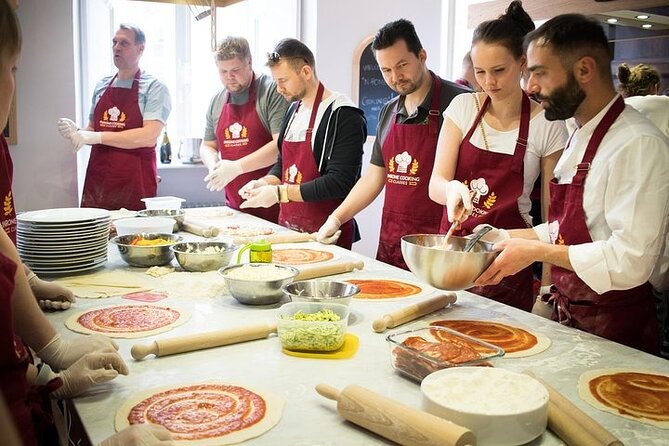
The group size is capped at 15 travelers, and the kitchen is set up for hands-on cooking. That usually means everyone needs a little room to work, so arriving on time keeps the lesson moving.
The Welcome Moment: Prosecco, Antipasti, and Where the Class Actually Starts
Before you touch dough, you get a warm welcome with fresh drinks and Italian antipasti. Expect a glass of Prosecco to start, plus light refreshments. It’s not just a nice add-on. This is a smart pacing tool.
When you begin cooking in earnest right away, the first steps can feel like a blur. Starting with something to sip and a snack gives you time to settle in, meet the group, and focus on the chef’s instructions without feeling like you’re behind.
Then you shift into technique: kneading, shaping, and cooking steps that connect directly to what you’ll eat later. If you like learning why ingredients behave the way they do, this part sets you up for it.
Fresh Pasta From Scratch: Knead, Shape, and Learn the Real Texture
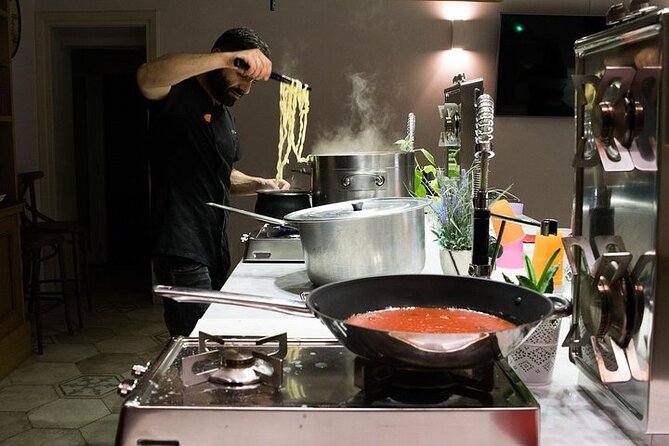
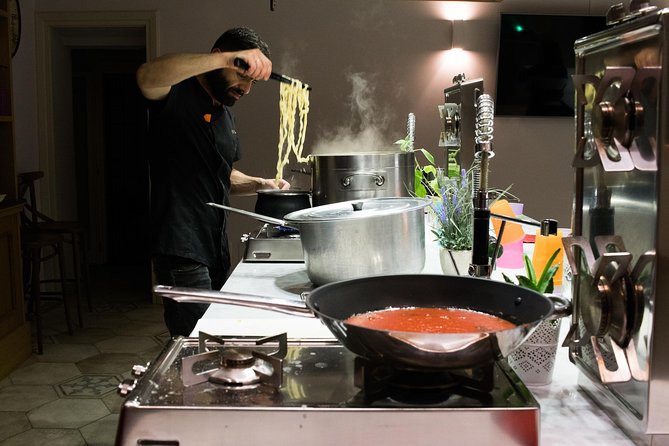
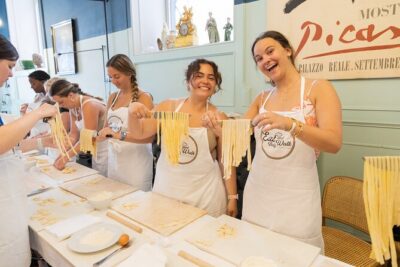
The core of the experience is making fresh pasta from scratch. You’ll knead the dough by hand and learn how to shape it. The key word here is by hand. Machine-made pasta is fine for most dinners, but it doesn’t teach you how pasta actually works.
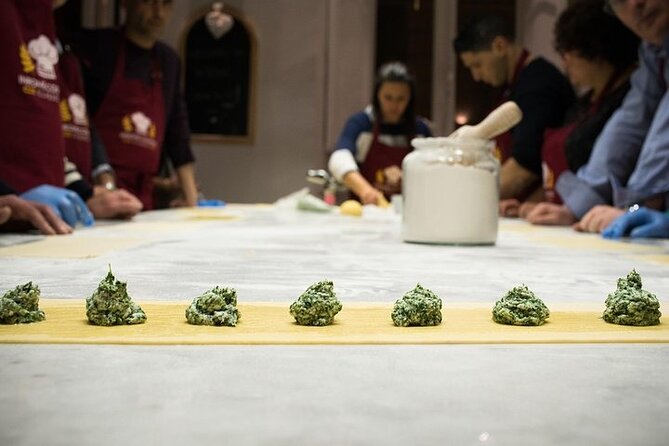
Over the class, you’ll make two types of fresh pasta. Based on the way the class is taught, you might end up with shapes like spaghetti and fettuccine, or spaghetti and ravioli. The point is the variety teaches you more than one workflow for dough and rolling.
Two tips you’ll likely appreciate, based on how chefs teach these classes:
- Watch the dough consistency closely. The chef will explain what you should feel and adjust as you go.
- Learn the shaping rhythm. The lesson isn’t only about getting it to work, it’s about getting it to work reliably.
If you’re a beginner, this is a great place to start because the instruction is step-by-step and in English. If you’ve cooked before, it still helps. You’ll come away with Rome-specific sauce ideas and the kind of pasta texture you can aim for at home.
Roman Sauces: The Two You Make, Plus the Possibility of More
You don’t just make pasta and stop. The class also includes two traditional Roman pasta sauces. These sauces are a huge part of why Roman pasta tastes like Roman pasta, so this isn’t filler.
What I like about this format is that you learn sauce as a system. You’ll understand how a base develops, how ingredients interact, and what adjustments matter.
One of the best “value boosts” here is flexibility. In some sessions, chefs have guided groups to make extra sauces beyond the two planned. That can mean additional choices or substitutions, especially when someone asks for an adjustment or when an allergy needs careful handling.
If sauces are your thing, pay attention during the cooking steps and tasting notes. This is where you’ll pick up practical home-cooking logic, not just recipes written on a page.
Tiramisù Cooking: Classic Steps and a Short History You Can Use
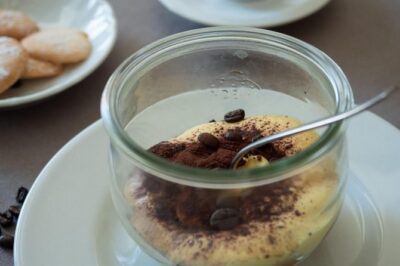
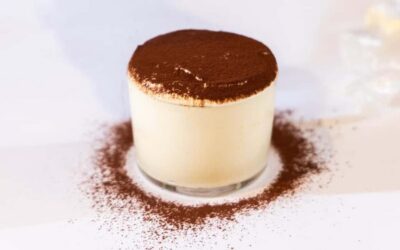
For dessert, you’ll make homemade tiramisù while learning its history. That pairing is surprisingly effective. The history gives the dessert context, but the hands-on work teaches you the part that actually matters: assembling and getting the texture right.
Tiramisù is one of those desserts people think is complicated. In class, it’s usually much more manageable because you’re guided through each step. You’ll likely make a version that’s classic, creamy, and built to be eaten right then.
When you get the tiramisù instructions while the rest of the class is still fresh in your head, it sticks better than if you were reading a recipe later with a kitchen full of random ingredients.
Other cooking classes in Rome that earned their own write-up.
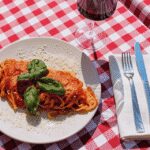
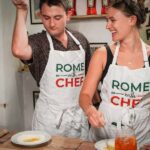
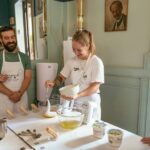
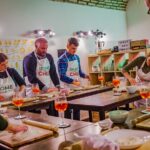

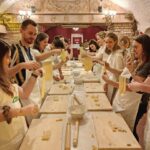

Eating Your Work: Wines, Soft Drinks, and the Sit-Down Meal
After cooking, you sit down to eat. The meal includes what you made, plus the class also includes a two-course lunch (or, for evening sessions, the meal service is served in the same spirit, just later in the day), along with bottled water.
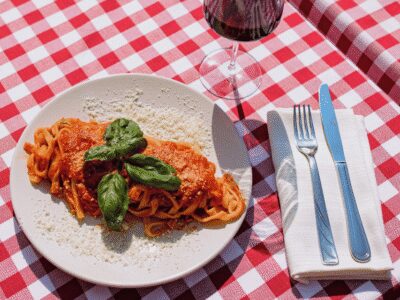
Wine is part of the deal. In particular, you’ll have wine with the meal, plus soft drinks. That’s not just hospitality. It makes the experience feel like a real Roman dinner, not a snack-and-leave workshop.
You also get food tasting along the way and light refreshments before the lesson really gets going. So by the time dessert arrives, you’re not running on hunger. You’re eating with momentum.
Who Will Love This Class, and Who Should Think Twice
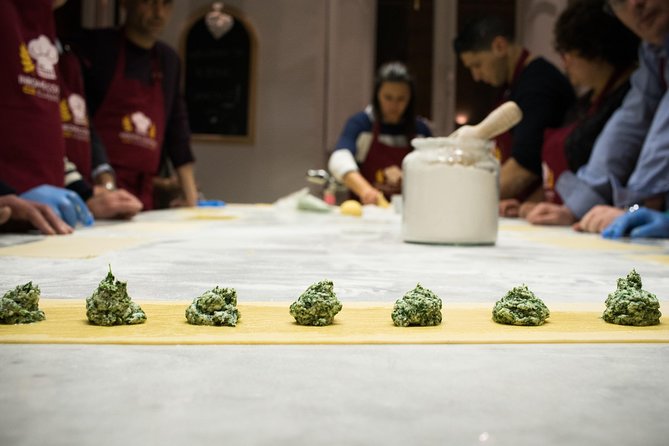
This class is a strong match for couples, friends, solo travelers, and families. One thing that comes up repeatedly is that the class can work across ages. Some families have brought kids, including younger kids who were excited to go home and recreate the pasta and tiramisù for grandparents.
It’s also a good pick if you want to meet people. Small-group cooking naturally leads to conversation, especially in the dining part after the lesson.
Who might want to think twice:
- If you strongly dislike noisy spaces, this may be a challenge. The kitchen setup can be lively, and sometimes there may be more than one class activity happening nearby.
- If you need total quiet to focus, you may want to mentally prepare for a louder, more active environment.
And here’s a helpful detail: the kitchen is around 110 square meters (about 1,180 square feet) and can host two chefs with up to nine guests each. That’s how they keep it hands-on and personal, but it also explains why it can get loud.
Value Check: Is $119.77 Worth It?
Let’s talk money. At $119.77 per person, you’re paying for more than a recipe card.
You’re getting:
- Guided instruction in English
- Hands-on fresh pasta making
- Tiramisù making
- Two Roman sauces
- A welcome drink (Prosecco) plus antipasti
- Food tasting and light refreshments
- A sit-down meal with wine and soft drinks
- Bottled water
- Take-home recipes and tips
For Rome, cooking classes that include both major dishes plus a real meal can quickly become expensive. This one stands out because the price covers the full flow: drink, prep, cook, eat, and take-home guidance. The small-group cap helps too, since instruction time is less diluted than big bus-style classes.
If you’re the type who always says I’ll cook at home later, this class is one of the better ways to make that plan real. You’ll leave with practical technique you can repeat, not just memories.
Tips Before You Go: How to Get the Most From the Lesson
A few common-sense moves will make this smoother:
- Go with an open, hands-on mindset. This is interactive. You’ll learn faster by doing.
- Ask questions early. If you wait until the end, the chef may be busy guiding the next step.
- If you have dietary needs, know that vegetarian and gluten-free options are available. Also, if you have allergies, pay attention to how the chef handles cross contamination, since proper precautions are part of how these classes run.
- Plan a relaxed evening afterward. You’ll be ready for a walk and a second bite somewhere nearby.
Should You Book This Pasta Making and Tiramisù Class in Rome?
If you want a fun, food-first evening that teaches real technique, I’d book it. The combination of fresh pasta by hand and classic tiramisù is a great one-two punch, and the included meal and wine make it feel like a proper night out in Rome, not an activity you rush through.
Choose it especially if you like learning from chefs who explain steps clearly, and if you’re comfortable in a shared kitchen environment that can get a bit noisy.
You might reconsider if you need a quiet, museum-like setting or if you’re worried you’ll struggle to hear instructions. In that case, it’s worth aiming for the right time slot and arriving early so you can settle in.
In short: if you want to eat well and learn how to cook two Roman favorites, this class is a strong value for your time in Rome.
FAQ
What dishes will I learn to make in this class?
You’ll learn to make fresh pasta (two types) from scratch and a classic homemade tiramisù. The class also includes learning two traditional Roman pasta sauces.
How long is the cooking class?
The duration is about 2 hours 30 minutes.
Is the class taught in English?
Yes. The experience is offered in English.
Are vegetarian or gluten-free options available?
Yes. Vegetarian and gluten-free options are available.
What’s included in the price?
The price includes food tasting, light refreshments, and a lunch two-course meal, plus bottled water and alcoholic beverages.
Is hotel pickup included?
No. Hotel pickup and drop-off are not included, and transportation to and from attractions is also not included.
Can I cancel for a refund?
Yes. You can cancel for free up to 24 hours in advance for a full refund.
Beside This One, Cooking Classes in Rome
Further Tiramisu and Gelato Classes We Cover in Rome
Not quite the day you had in mind? The rest of our Rome write-ups sit below
- Rome: Guided Tour of St. Peter’s Dome Climb, Basilica & Vatacombs★ 5.0 · 167 reviews
- St. Peter’s Basilica Guided Tour with Reserved Entrance★ 4.0 · 168 reviews
- Golf Cart Driving Tour in Rome: 2.5 hrs Catacombs & Appian Way★ 5.0 · 168 reviews
- Rome: Trastevere Wine Tasting with Food Pairing and Gelato★ 4.9 · 168 reviews
- Guided Tour of the Colosseum Palatine Hill and Roman Forum★ 4.7 · 168 reviews
- Vatican Museums, Sistine Chapel & Saint Peter’s Semi-Private Tour★ 4.5 · 169 reviews
- Hidden Rome: Small Group E-Bike Tour with Street Food Stops★ 5.0 · 169 reviews
- Rome: Papal Audience with Pope Leo IV★ 3.9 · 169 reviews
- Rome Golf Cart Tour: Highlights & Must See★ 4.5 · 170 reviews
Tiramisù & Gelato Classes, top to bottom.
 ★ 5.03 in 1 Cooking Class near Navona: Fettuccine, Ravioli & TiramisuFrom $837,376 reviews
 ★ 5.0Florence Pizza or Pasta Class with Gelato Making at a Tuscan FarmFrom $1456,801 reviews
 ★ 4.9Florence: Pasta & Tiramisu Cooking Class with Unlimited WineFrom $566,708 reviews
 ★ 4.9Rome: Pasta & Tiramisu Class with Fine Wine by the VaticanFrom $414,852 reviews
 ★ 4.9Rome: Pasta Making Class with Wine, Limoncello, and DessertFrom $483,177 reviews
 ★ 4.9Rome: 3-in-1 Fettuccine, Ravioli, and Tiramisu Cooking ClassFrom $812,704 reviews
 ★ 5.0Sorrento Farm and Food Experience including Olive Oil, Limoncello, Wine tastingFrom $1142,524 reviews
 ★ 5.0Learn to Make Pasta & Tiramisu with Wine and Limoncello IncludedFrom $542,345 reviews