
Reviewed · PITTI PALACE & BOBOLI GARDENS
Pitti Palace, Palatina Gallery and the Medici: Arts and Power in Florence.
Medici power starts at the palace door. This guided visit to the Palatine Gallery inside Pitti Palace is a smart mix of art and politics, and I love how the guide turns famous works by Raphael, Caravaggio, Titian, Rubens, and others into real stories, not just names. I also like the small-group setup, because you can actually ask questions and keep your attention on what you are seeing.
One thing to weigh first: this tour is art-first, and the focus stays on the paintings and the Medici collection they built, not on a full, step-by-step Medici “how they lived” walkthrough. You will look out at the Boboli Gardens from the palace windows, but a garden visit itself is not part of this specific tour.
In This Review
- Key points worth knowing before you go
- Pitti Palace and the Medici: why this place matters
- Piazza Pitti meetup: get your bearings fast
- Palazzo Pitti: the palace as a political statement
- The Palatine Gallery: where the masterpieces live
- How the guide experience changes everything
- Timing and pacing: about 2 hours, with intentional focus
- Florence context from the windows: Santo Spirito and Boboli
- Value for money: what you are paying for, and what you should check
- Who this tour fits best
- FAQ
- FAQ
- What’s included in the tour price?
- How long does the tour take?
- Is the tour in English?
- Do I need to bring ID, and does it have to match my booking?
- What if I booked the tour with the wrong names?
- Is Boboli Gardens included?
- Are earsets provided?
- Is there a minimum age for children?
- Where do we meet and where does it end?
- Should you book this Pitti Palace and Palatine Gallery tour?
Key points worth knowing before you go
- Timed entry through the main entrance means you spend less time stuck outside.
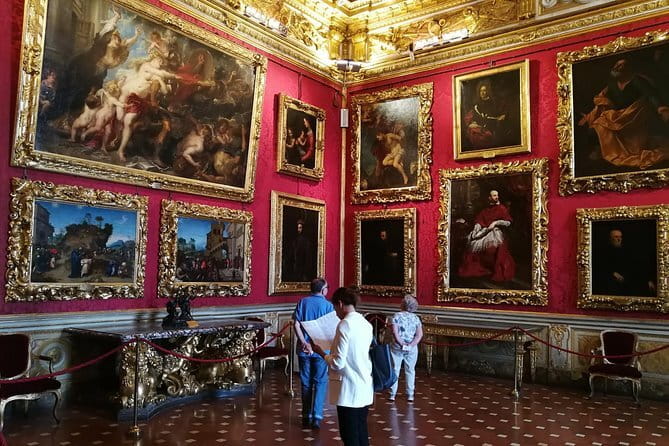
- Palatine Gallery rooms are arranged for effect, not strictly by date, so the experience feels like how a collector thought.
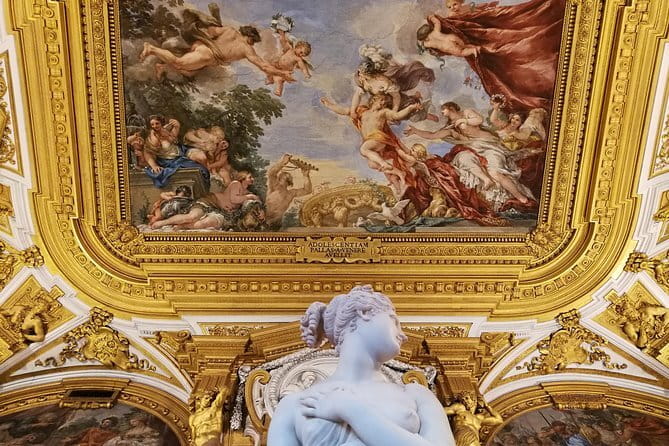
- Major artists up close, including Raphael, Caravaggio, Titian, Pietro da Cortona, and Rubens.
- Guide expertise shows in the details, and some guides in this role include art restoration specialists.
- Small group max 14 people with earsets when needed, so the story stays clear.
- Window views take you toward Santo Spirito and the Boboli Gardens for a nice “Florence context” moment.
Pitti Palace and the Medici: why this place matters
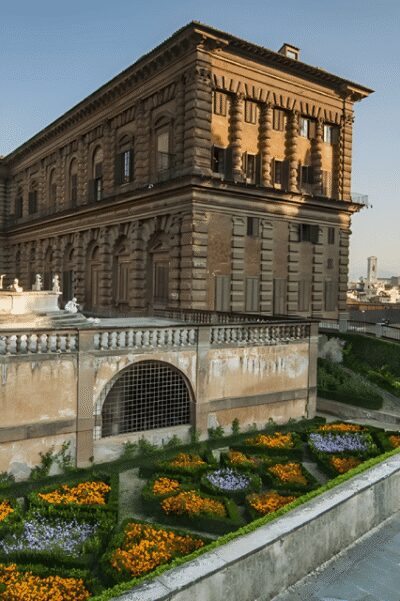
Pitti Palace is one of those Florence landmarks that looks almost too heavy from the outside, like power you could bump into. Then you step inside, and the whole mood changes. The Medici made this palace their stage, and the Palatine Gallery is where their taste, ambition, and influence show up in paint and canvas.
What I like about this experience is that it does not treat art like a homework assignment. You’re guided through rooms where the display follows an aesthetic logic, so it feels like you’re walking through curated choices made by a family trying to signal status. That is the key to understanding the Medici: they were building more than rooms, they were building an image.
Pinned to the same map of Florence, more Pitti Palace and Boboli Gardens visits.
- Florence: Palazzo Vecchio Entrance Ticket & Audioguide
★ 4.4 · 4,822 reviews - Florence: Uffizi, Pitti Palace & Boboli Combined 5-Day Pass
★ 4.5 · 1,726 reviews - Florence: Palazzo Vecchio Guided Tour
★ 4.8 · 1,260 reviews - Florence: Pitti Palace and Boboli Gardens Ticket & eBook
★ 4.5 · 835 reviews
Piazza Pitti meetup: get your bearings fast
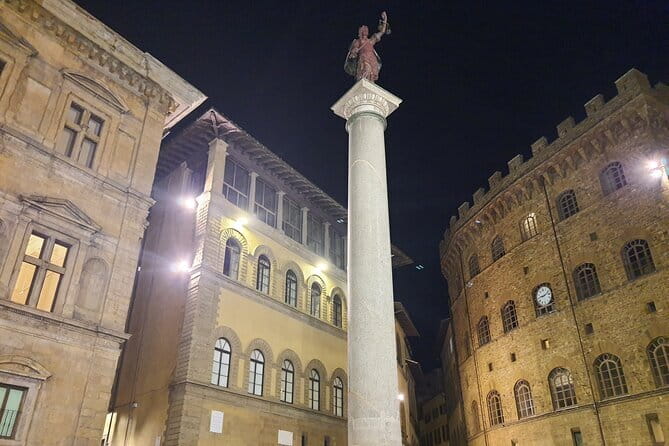
The tour starts right at Piazza Pitti, the public space that frames the palace before you enter. This short first stop matters because it helps you orient yourself in Florence. From here, you understand the “river side” location and the fact that you are in the older Medici orbit, not the busiest postcard zone.
You’ll get a quick framing of what you are about to see, then you move straight into the palace. The pace here is practical, not rushed. It also sets expectations for what comes next: you are not just touring a building, you are touring a statement.
Palazzo Pitti: the palace as a political statement
After that opening orientation, you head into Palazzo Pitti for the main building context. This is where you learn what makes the palace “Medici big deal.” The Medicis took over the palace in the 16th century, and the story runs all the way to their fall from power in the 18th century. Your guide connects the shifting political power to the way the palace was used and expanded into a space for art collecting and display.
One practical point: you do not need to be a Renaissance scholar to enjoy this part. The goal is to make the palace make sense. Even if you mostly care about masterpieces, knowing why this building exists helps you notice what changes from room to room.
The Palatine Gallery: where the masterpieces live
Now the main event: the Palatine Gallery. Plan on about 1.5 hours here, and treat it as a guided “select highlights tour,” not a museum marathon.
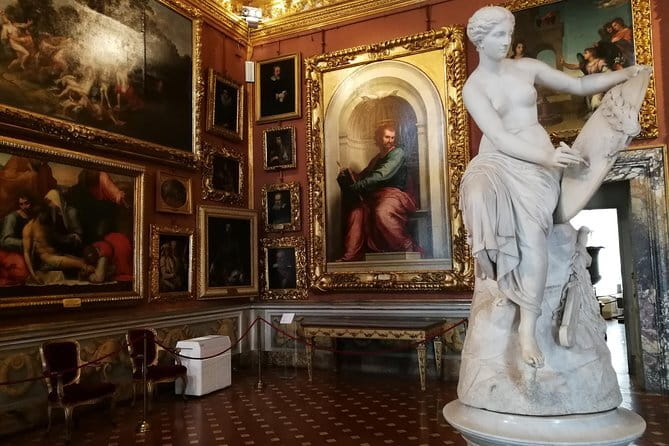
The gallery is arranged for aesthetic value rather than strict chronological order. That design choice changes how you experience the art. Instead of thinking, artist by artist, year by year, you start reading the rooms as a sequence of impressions. You notice how different schools of painting, dramatic styles, and subject matter were placed to create a certain feel for visitors.
Your guide brings in the technical and storytelling side. Expect discussion of major names you will recognize instantly. Based on what your route covers, you should be prepared to see work by:
- Raphael
- Caravaggio
- Titian
- Pietro da Cortona
- Rubens
You’re also not stuck in total silence with a wall of paintings. The guide points out what to look for, and you’ll hear the “why” behind the masterpieces, including how artists achieved effects and what the scenes were meant to communicate.
How the guide experience changes everything
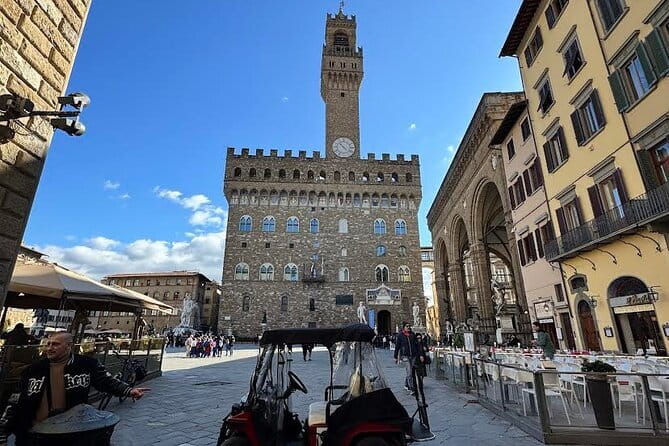
A huge chunk of the value here is the person leading you. This small-group tour gives the guide room to slow down where it counts and answer real questions.
Some guides connected to this experience have backgrounds that go beyond lecturing. For example, Camilla has been described as an art restoration artist who explains paintings with both historical context and an attention to technique. That kind of background shows in how you hear color, materials, and visual tricks explained. Another guide mentioned, Cristiano, is described as having decades of experience and a passion that turns the visit from facts into something you can feel.
Here is how to make the most of it without overthinking:
- If you have one artist you care about most, tell your guide at the start.
- If you like realism, ask what makes a work feel lifelike.
- If you love drama, ask how the painting creates tension and focus.
When the guide is doing their best work, you start looking at details instead of skimming labels. That is when Pitti Palace stops being just a famous name and becomes a sequence of “I get it” moments.
Timing and pacing: about 2 hours, with intentional focus
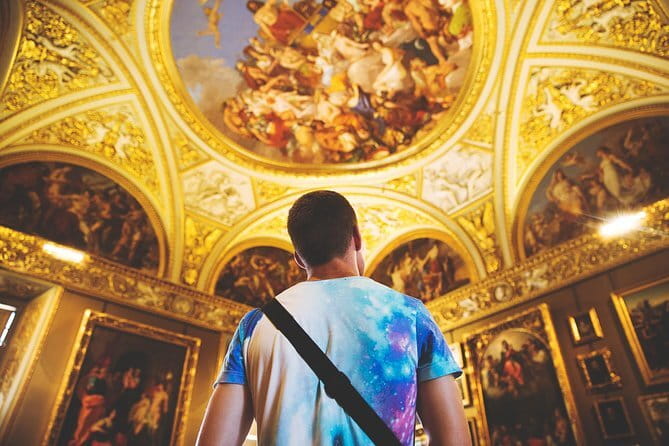
The total duration is roughly 2 hours. That is long enough to move through meaningful sections of the gallery but not so long that you burn out.
Still, keep your own style in mind. Some people want a fast sweep of highlights. Others want explanations for each piece. This tour can lean into detail, including the stories and techniques behind the works. If you are the type who hates being interrupted mid-picture, you might feel like the pacing is a little heavy. If you love art context, that extra time is exactly what you came for.
You also end back in the gallery, so you can continue on your own afterward. That is a nice approach because you get two modes: guided first, then wandering with fresh eyes.
Kept in the same folder as this one, museum visits in Florence.



Florence context from the windows: Santo Spirito and Boboli
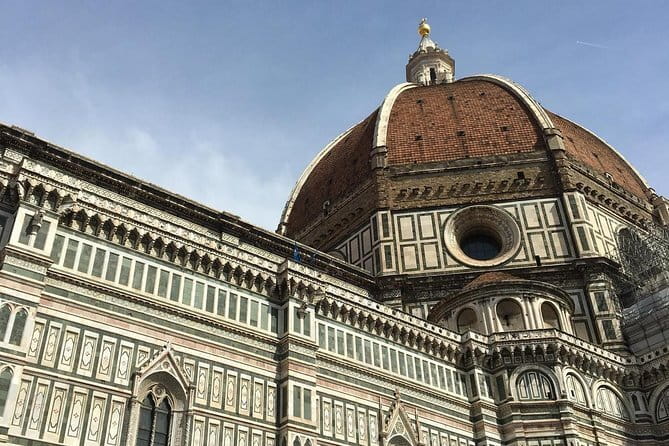
During the visit, you get pauses that connect the inside to outside Florence. From the windows, you can catch views of Brunelleschi’s Santo Spirito Basilica and the Boboli Gardens.
It’s a small moment, but it helps. You stop being trapped in a “paint-only” world and remember where the Medici lived in real geography: near major church landmarks and within the wider palace complex. Also, it gives you a natural question to ask yourself afterward: do you want to see Boboli Gardens next? If yes, plan a separate ticket, because this tour’s window look is not the same thing as walking the gardens.
Value for money: what you are paying for, and what you should check

The price is $82.27 per person for about 2 hours. That sounds like a lot until you break down what you’re actually getting.
Here is the value math that matters:
- You get a licensed English-speaking guide (small-group format, up to 14 people).
- You get a timed entry ticket for Pitti Palace and the Palatine Gallery, which helps you avoid long queues.
- You have earsets if the group is larger than 4 participants, which keeps the commentary clear.
One extra check before you book: the palace has an entry fee listed as €19, and this tour includes the ticketed access you need. So your money is not only paying for a lecture, it’s also buying you a smoother entrance.
Now the honest drawback side of value: if your main goal is Medici family history as a lifestyle story, you may feel this tour is more about the Medici collection and the paintings than a full reenactment of daily life. And if you want gardens in the same outing, you’ll need to schedule that separately.
Who this tour fits best
This tour is a strong fit if you:
- love Renaissance and Baroque painting and want context that improves what you see
- appreciate a smaller group where you can ask questions
- want a guide who talks about technique, not just biography
- want a focused alternative to spending most of your time in Florence’s other mega-famous galleries
It might be less ideal if you:
- want only Medici personal life details and period room furnishings as a priority
- prefer a very fast “see everything big” sweep
- are hoping this replaces a Boboli Gardens visit
FAQ
FAQ
What’s included in the tour price?
The tour includes an experienced licensed English-speaking guide, a timed entry ticket for the Palatine Gallery at Pitti Palace, a small-group experience with a maximum of 14 participants, and earsets if there are 4 or more participants.
How long does the tour take?
It runs about 2 hours, including time for a short explanation at Piazza Pitti, context inside Palazzo Pitti, and the guided visit through the Palatine Gallery.
Is the tour in English?
Yes, it is offered in English.
Do I need to bring ID, and does it have to match my booking?
Yes. Each traveler must present a valid passport or ID document that matches the name provided at booking for entry to Palazzo Pitti and the Palatina Gallery.
What if I booked the tour with the wrong names?
You are expected to provide full names for all travelers when booking. If the voucher with the full names does not match ticket office requirements before entry, you may be denied entry to the attraction.
Is Boboli Gardens included?
Boboli Gardens are visible from the palace windows, but garden entry is not included in this experience.
Are earsets provided?
Earsets are included when there are 4 or more participants.
Is there a minimum age for children?
Yes. Children must be accompanied by an adult, with a minimum age of 6 years.
Where do we meet and where does it end?
The meeting point is Piazza de’ Pitti, 1, 50125 Firenze FI, Italy, and the activity ends back at the meeting point.
Should you book this Pitti Palace and Palatine Gallery tour?
If you care about seeing major art inside a powerful Medici setting, this is a solid booking. The small group size, timed entry, and guide-led focus on masterpieces like Raphael and Caravaggio make it worth it when you want more than labels.
Book it if you like art context and you want your time in Florence to feel efficient. Skip it or pair it with other plans if your main priority is Medici lifestyle details or if Boboli Gardens is a must-do for you on the same day.
Museum Visits in Florence That Made the Same Shortlist



Keep Comparing Pitti Palace and Boboli Gardens Visits in Florence
Not quite the day you had in mind? The rest of our Florence write-ups sit below
- David & Accademia Gallery: 1-Hour Small Group Tour★ 4.5 · 169 reviews
- Cinque Terre & Pisa Premium Tour from Florence★ 5.0 · 170 reviews
- Chianti Wine Tastings Day Trip at Sunset from Florence★ 4.5 · 171 reviews
- Private Transfer from Florence Airport to your Hotel in Florence★ 4.5 · 172 reviews
- Private Uffizi Gallery Tour with Reserved Entry★ 5.0 · 174 reviews
- Tasty Florence Street Food with Guided Walking of the City★ 5.0 · 174 reviews
- Uffizi Gallery Timed Tickets with Audio guide★ 4.0 · 174 reviews
- Florence: Tuscany Bike Tour with Wine & Olive Oil★ 4.9 · 174 reviews
- Florence: Small Group Guided Walking Tour★ 4.7 · 176 reviews
Pitti Palace & Boboli Gardens, top to bottom.
 ★ 4.4Florence: Reserved Entry Ticket to the Boboli GardensFrom $135,275 reviews
 ★ 4.4Florence: Palazzo Vecchio Entrance Ticket & AudioguideFrom $374,822 reviews
 ★ 4.5Florence: Entrance Ticket to Pitti PalaceFrom $184,528 reviews
 ★ 4.5Florence: Uffizi, Pitti Palace & Boboli Combined 5-Day PassFrom $811,726 reviews
 ★ 4.8Florence: Palazzo Vecchio Guided TourFrom $521,260 reviews
 ★ 4.7Palazzo Vecchio: Skip-the-Line Entry and Secret Passage TourFrom $371,076 reviews
 ★ 4.5Florence: Pitti Palace and Boboli Gardens Ticket & eBookFrom $45835 reviews
★ 4.7Florence: Palazzo Vecchio Guided TourFrom $37656 reviews
Filed under