
Reviewed · COOKING CLASSES
Rome Cooking Class: Make Pasta, Dine & Drink Wine With Local Chef
Handmade pasta in Trastevere beats any cooking demo. This small-group class walks you through fettuccine and ravioli from scratch, starting with prosecco and aperitivo and ending with a real wine-and-dessert sit-down that feels like dinner with Romans. You get clear, hands-on help from a local chef, plus two traditional sauces and the kind of finishing move most tours skip, freshly made gelato.
The one real catch is for celiacs, since the experience cannot accommodate gluten-free needs for that specific dietary requirement.
In This Review
- Key things you will really notice
- Aperitivo In Trastevere, Then It’s Time To Make Pasta
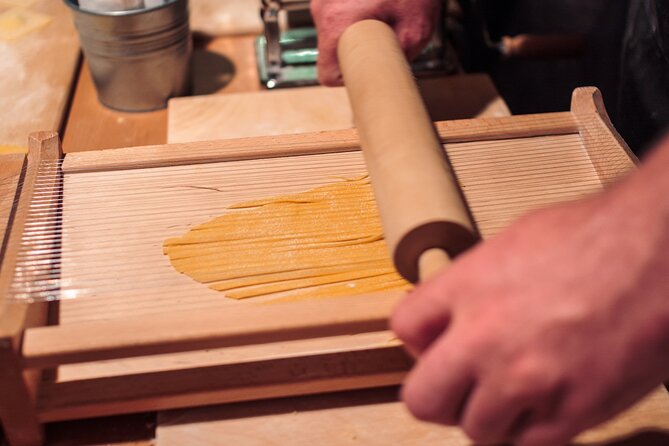
- What You Actually Learn: Fettuccine and Ravioli From Scratch
- The “Chef Tutor” Moment, Plus the Small Group Advantage
- Dinner Time: Wine, Sauce Pairing, and Eating What You Made
- The Gelato Step: Why Dessert Comes After the Work
- Pizza Option: If You Prefer Neapolitan-Style Fun
- Timing, Getting There, and How to Plan Around 3 Hours
- Price and Value: Why This Is Actually Good Value for Rome
- Who This Class Suits Best (and Who Might Want to Skip It)
- Should You Book This Rome Pasta Class?
- FAQ
- Is the class offered in English?
- How long is the Rome pasta experience?
- How many travelers are in the group?
- What dietary needs can this experience accommodate?
- Where do I meet for the experience?
- Is wine included, and can I cancel?
Key things you will really notice
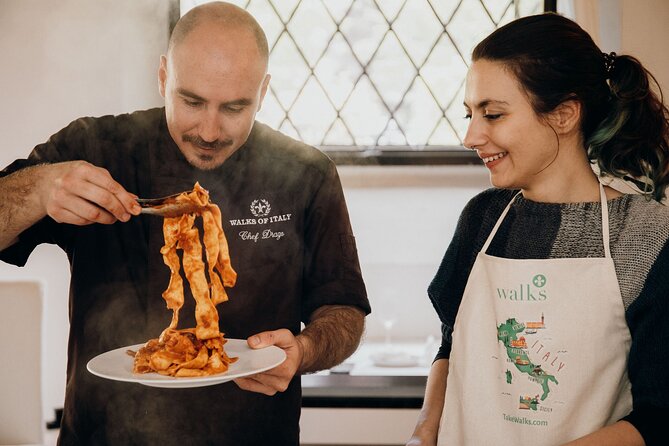
- Small-group feel (max 14), so the chef can actually correct your technique
- Start with aperitivo and prosecco, so you are in holiday mode before flour hits the counter
- Two pasta shapes, two sauces, which means you learn more than one basic method
- Wine during the meal, paired with what you made, not just poured in the background
- Homemade gelato at the end, so you finish with a sweet win, not a rushed wrap-up
Aperitivo In Trastevere, Then It’s Time To Make Pasta
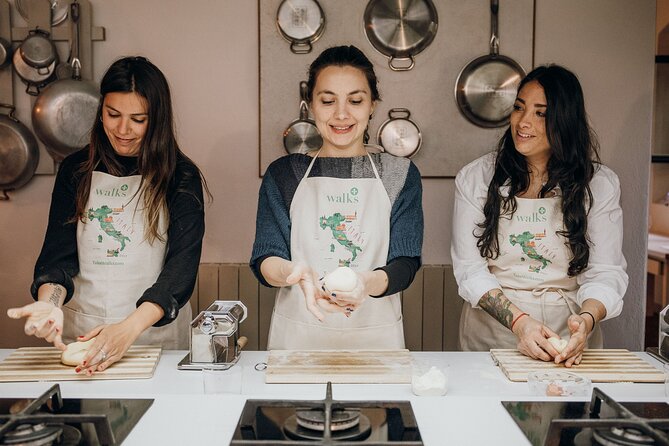
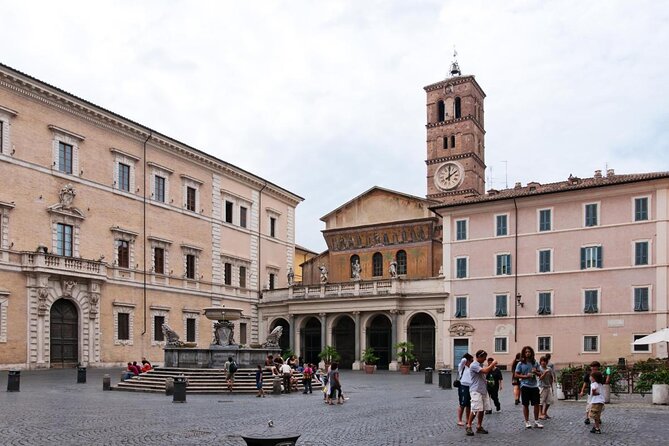
You meet in Trastevere, at Piazza di San Giovanni della Malva, and the vibe is exactly what you hope for in Rome: cobblestones nearby, local life all around, and a cooking school space that feels made for lingering. The class happens in a modern kitchen with a dining area reserved for your group, which matters because pasta is a hands-on craft. You need workstations, not a cramped counter with strangers watching.
Before you start rolling dough, you get prosecco and traditional aperitivo bites like cured meats, cheese, and bruschetta. This is more than a nice start. It sets the pace. By the time you are mixing, kneading, and learning how to handle dough, you already feel relaxed and part of the group. It also means you are not waiting for dinner. You get a meal in stages, and that makes the full 3 hours feel smooth.
And yes, wine is part of it. The class includes wine, and the menu style reads like it can be generous, with sample language calling out bottomless wine alongside the meal. Even if the exact flow changes a bit seasonally, you should expect a proper drink pairing with your pasta.
One practical note: there is no hotel pickup, so plan to arrive under your own steam. The good news is it is near public transportation, and Trastevere is well connected once you find your route.
Filed beside this one, more wine tours in Rome.
- Rome: Tuscany & Montepulciano Day Trip with Lunch & Wine Tasting
★ 4.5 · 5,232 reviews - Rome: Pasta & Tiramisu Class with Fine Wine by the Vatican
★ 4.9 · 4,852 reviews - Rome Food Tour: Unlimited Tastings with Fine Wine & Barolo
★ 5.0 · 3,365 reviews - Rome: Pasta Making Class with Wine, Limoncello, and Dessert
★ 4.9 · 3,177 reviews
What You Actually Learn: Fettuccine and Ravioli From Scratch
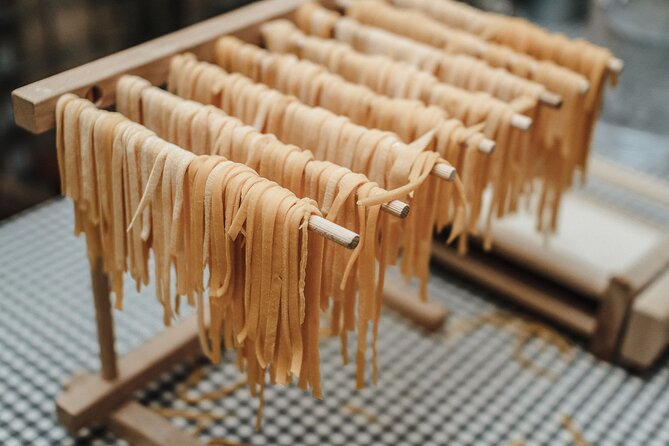
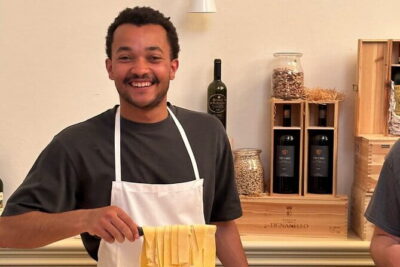
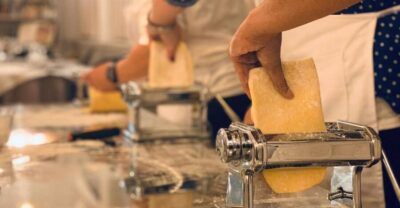
This class is built around doing, not watching. You start learning the fundamentals of making pasta dough, then you shape two classic types: fettuccine and ravioli. You are not just making one gimmick noodle. You learn how different shapes need different handling, and you see how texture changes from mixing to rolling to resting.
The chef also teaches you the “why,” not just the steps. That is what helps you later when you try this at home. Pasta dough behaves differently depending on humidity, flour type, and how long you work it. A good chef will correct your technique early, so you do not end up with dough that tears, sticks, or dries too quickly.
You also get two traditional sauces, one white and one red. This is smart because it trains your palate and your sense of balance. When you taste the sauce with your own pasta, you understand why Italian cooking often starts with simple ingredients and then depends on timing and seasoning. The menu can change with the seasons, but the structure stays the same: two sauces, two pasta outcomes.
From the reviews, I noticed a theme: the chefs are not just there to feed you. People repeatedly mention instructors who explain in an easy way and then stay patient while you work. Names that come up often include Luca, Elisa, Alessandro, Stefano, Gianmaria, Jamila, and Julia. Several reviews also highlight personality and energy, including chefs who keep things fun while still teaching technique.
One thing to keep in mind as you go: pasta needs a little time to settle. The flow of the class accounts for that. While your pasta rests and dries, you shift into dessert prep. That pacing keeps the class from feeling like an assembly line.
The “Chef Tutor” Moment, Plus the Small Group Advantage
Small-group matters here more than it does in some tours. With a max of 14 travelers, you should get real personal attention. That shows in the way people describe the experience: instructors calling participants by name, being patient, and stepping in to fix small issues like thickness, folding, or how you seal ravioli.
In Rome, the quality of your pasta depends on technique you can’t fully learn from a single tip. You need someone to glance at your dough and say, yes, that is the right consistency, or no, knead a bit more, roll a bit thinner, and let it rest before you cut. That is what you get when the group stays small.
It is also offered in English, which is helpful even if you studied Italian. Pasta terms, dough textures, and sauce cues are easier to learn without a language barrier. If you are traveling with mixed language levels in your group, this format is usually a stress saver.
If you want to leave with more than a full stomach, ask questions. One practical tip from the reviews: if you want a full recipe kit, consider requesting more detailed notes for what you will try at home. One review mentioned wanting a bread recipe included in the materials they receive, which is a reminder that not every ingredient pair gets fully covered in takeaway lists.
Dinner Time: Wine, Sauce Pairing, and Eating What You Made
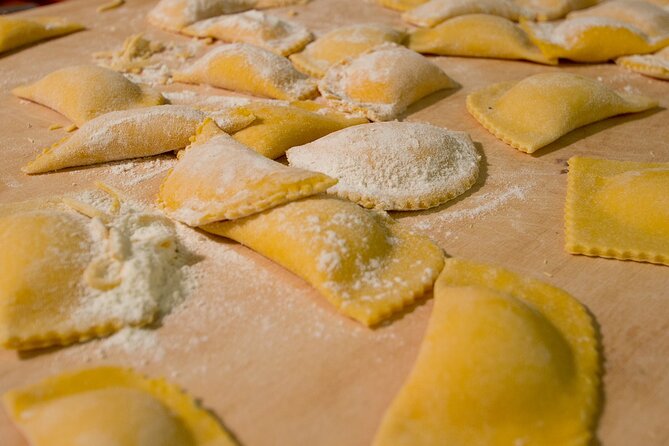
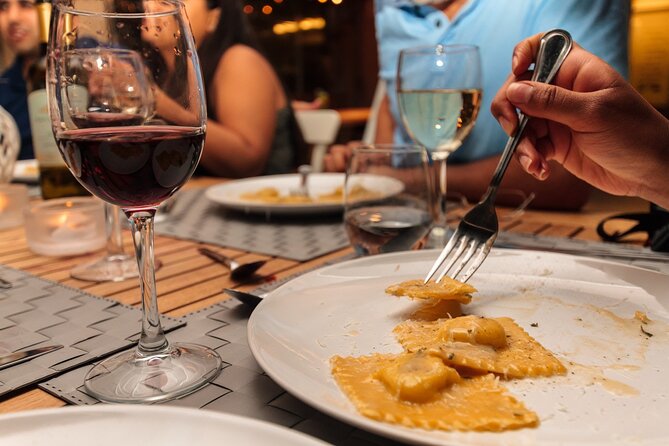
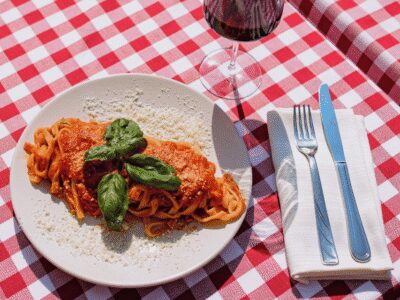
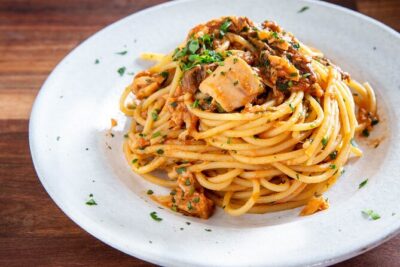
Once your two pasta dishes are ready, it turns into the best part: you eat what you crafted. The meal includes two pasta dishes with red and white sauce, plus wine. This is where the class stops being “activity” and becomes “dinner.”
I like this structure because it removes the common cooking-class problem where you make food and then wait too long to eat. Here, you are timed with the pasta resting and dessert prep, then you sit down in the reserved dining area. That means you can focus on tasting, not on scrambling to find where the food went.
Also, wine is part of the pacing. Aperitivo starts things off, wine moves the meal along, and then gelato closes the loop. If you drink wine, this is built for the Rome rhythm: long enough to enjoy, not just a quick toast and a check-out.
The review language repeatedly points to the food quality and that it feels genuinely delicious, not like a classroom portion. If you are worried about portion size, most people seem to come away saying they ate a lot. Still, go in hungry, because you are learning and then eating twice pasta.
The Gelato Step: Why Dessert Comes After the Work
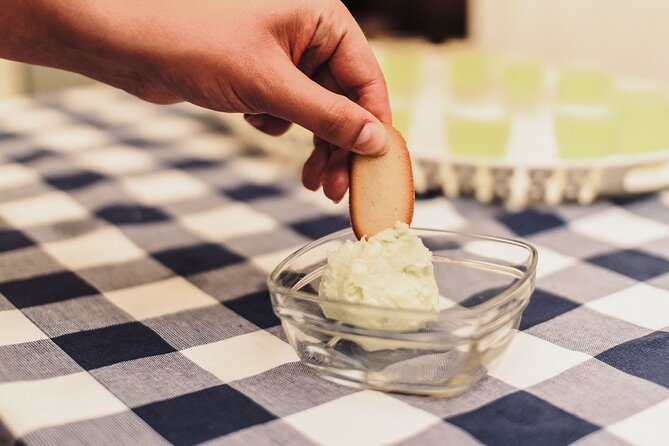
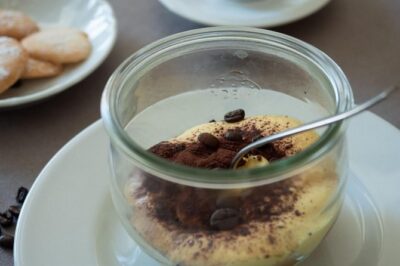
After the pasta rests, the chef preps your dessert: homemade gelato. This is a great choice for two reasons.
First, it keeps your hands from being idle. When the dough needs time, you do not want to just sit and wait. Gelato prep gives you something hands-on to do while the kitchen stays moving.
Second, it balances the meal. Pasta is rich, especially with cheese-forward sauces. Gelato lightens the finish and makes the whole experience feel like a full course dinner. You do not leave with a sugar rush and then head out. You leave with a calm, sweet landing.
And it is not just store-bought. The class includes making gelato, and reviews mention the overall atmosphere and food being stand-out.
If you are a dessert person, gelato is why I think this class is worth it versus a super-short pasta demo. You get the learning, you get the meal, and you get a finish you can actually remember.
Pizza Option: If You Prefer Neapolitan-Style Fun
If pasta is not your top craving, you can switch to the Pizza Making Class option at booking. It is still hands-on and still includes drinks. Sample details for the pizza option mention unlimited wine and beer, plus a Nutella-topped dessert.
You might choose pizza if:
- you prefer yeast dough and toppings over rolling pasta
- you already ate a lot of pasta on your trip
- you want a slightly different learning curve while still staying in the same Trastevere cooking-school vibe
The trade-off is obvious: you will not make fettuccine and ravioli that night. But if your goal is to learn a real technique and eat well with a small group, the pizza option keeps the same spirit.
Other cooking classes in Rome that earned their own write-up.


Timing, Getting There, and How to Plan Around 3 Hours
The class runs for about 3 hours and ends back at the meeting point. There is no hotel pickup or drop-off. The start is listed at Piazza di San Giovanni della Malva, in the 00153 Roma RM area, so you are basically anchoring your evening in Trastevere and then finishing there too.
That matters for planning. If you are trying to stack sights nearby, Trastevere is not just a base. It is also a place you can walk after dinner. At the end, you can either stay in the space with your new group or head out to explore the streets around Trastevere.
My practical tip: give yourself a small buffer to find the meeting square and get inside. Rome meeting points are usually easy once you know what you are looking for, but it can take a few minutes when you first arrive. Arrive a bit early, especially if it is your first night in the neighborhood.
Price and Value: Why This Is Actually Good Value for Rome
At $65.30 per person for roughly 3 hours, this class is not cheap in the abstract. But in Rome, that price is easier to justify because what you get is a full meal experience plus instruction.
You get:
- a local chef teaching you dough basics and shaping
- prosecco and wine as part of the experience
- aperitivo bites before pasta
- two homemade pastas and two sauces
- gelato to finish
- all ingredients for the meal
Compared to paying for dinner at a restaurant where you might get one pasta course, this gives you a whole dinner plus the learning. And because the group is small, you are not paying just for food. You are paying for technique coaching.
The English instruction and the modern facility also add value. If you have ever tried to follow recipes online without guidance, you know how often dough is harder than it looks. Here, someone corrects you in real time.
One caution on value: if you are the type who hates structured activities and just wants to eat, you might find the format a bit more “class” than “dinner.” But if you enjoy cooking or even just watching technique up close, the payoff is high.
Who This Class Suits Best (and Who Might Want to Skip It)
This is best for you if:
- you want a hands-on experience that ends in an actual sit-down meal
- you enjoy learning technique, not just eating a dish
- you want small-group energy and a personal chef presence
- you like pairing wine with what you made
- you want a memorable Rome evening without planning a reservation-heavy dinner
It is less ideal if:
- you need gluten-free for celiacs, since the experience cannot accommodate that requirement
- you want a fully passive experience with no cooking involvement
- you do not want to plan around meeting in a specific square and getting there yourself
If you are traveling as a couple or solo, the small group can be a plus. Multiple reviews mention solo travelers feeling welcomed. And if you are with friends, the group size supports lively conversation without feeling chaotic.
Should You Book This Rome Pasta Class?
If your goal is a real Roman night with food you made yourself, I think this is a strong yes. The combo is hard to beat: pasta by hand, wine and aperitivo, then gelato. At around 3 hours and with a small group, it feels like you get both a skill and a meal, not one or the other.
Book it if:
- you are hungry for hands-on learning and want to eat what you make
- you will be in Trastevere and want an easy evening plan
- you want English instruction from a chef who teaches, not just talks
Skip it if:
- celiac dietary needs apply
- you cannot handle meeting at a square without pickup, or you hate travel coordination in general
- you already feel pasta fatigue and do not want to make more than one dish
FAQ
Is the class offered in English?
Yes. This cooking class is offered in English.
How long is the Rome pasta experience?
It runs for about 3 hours.
How many travelers are in the group?
The experience has a maximum of 14 travelers.
What dietary needs can this experience accommodate?
The tour is adaptable to all dietary needs except celiacs. If you have other restrictions, contact the operator before joining so they can arrange food.
Where do I meet for the experience?
You start at Piazza di San Giovanni della Malva, 00153 Roma RM, Italy, and the activity ends back at the meeting point.
Is wine included, and can I cancel?
Wine is included, along with prosecco at the start and wine during the meal. You can cancel for a full refund if you cancel at least 24 hours before the experience start time.
Beside This One, Cooking Classes in Rome
Other Wine Tours in Rome From Our Notebook
Not quite the day you had in mind? The rest of our Rome write-ups sit below
- Rome: Guided Tour of St. Peter’s Dome Climb, Basilica & Vatacombs★ 5.0 · 167 reviews
- St. Peter’s Basilica Guided Tour with Reserved Entrance★ 4.0 · 168 reviews
- Golf Cart Driving Tour in Rome: 2.5 hrs Catacombs & Appian Way★ 5.0 · 168 reviews
- Rome: Trastevere Wine Tasting with Food Pairing and Gelato★ 4.9 · 168 reviews
- Guided Tour of the Colosseum Palatine Hill and Roman Forum★ 4.7 · 168 reviews
- Vatican Museums, Sistine Chapel & Saint Peter’s Semi-Private Tour★ 4.5 · 169 reviews
- Hidden Rome: Small Group E-Bike Tour with Street Food Stops★ 5.0 · 169 reviews
- Rome: Papal Audience with Pope Leo IV★ 3.9 · 169 reviews
- Rome Golf Cart Tour: Highlights & Must See★ 4.5 · 170 reviews
Cooking Classes, top to bottom.
 ★ 4.9Florence: Pasta Cooking Class with Unlimited WineFrom $2110,285 reviews
 ★ 5.03 in 1 Cooking Class near Navona: Fettuccine, Ravioli & TiramisuFrom $837,376 reviews
 ★ 4.9Florence: Pasta & Tiramisu Cooking Class with Unlimited WineFrom $566,708 reviews
★ 5.0Florence: Pasta Cooking Class with Unlimited Wine6,413 reviews
★ 4.9Florence: Pasta & Tiramisu Cooking Class with Unlimited WineFrom $566,708 reviews
★ 5.0Florence: Pasta Cooking Class with Unlimited Wine6,413 reviews
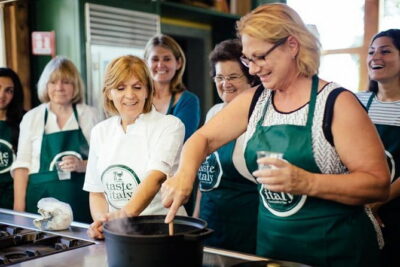 ★ 5.0Cooking Class and Lunch at a Tuscan Farmhouse with Local Market Tour from FlorenceFrom $1454,831 reviews
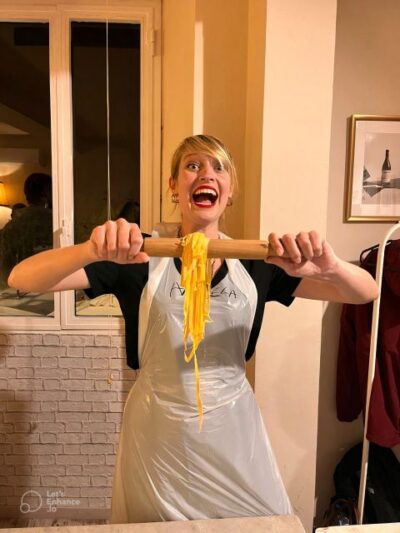 ★ 4.9Rome: Pasta Making Class with Wine, Limoncello, and DessertFrom $483,177 reviews
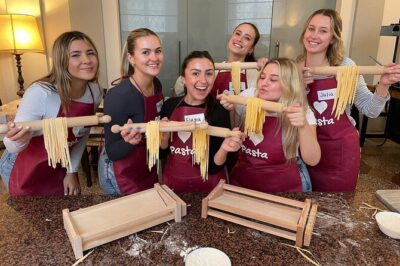 ★ 5.0Pastamania – Florence Pasta Making ClassFrom $493,050 reviews
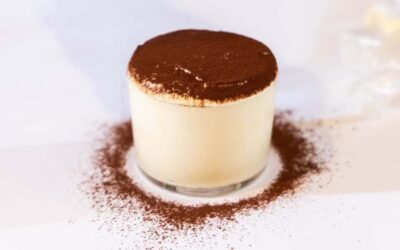 ★ 4.9Rome: 3-in-1 Fettuccine, Ravioli, and Tiramisu Cooking ClassFrom $812,704 reviews