
Reviewed · COOKING CLASSES
Rome: Roman Master Chef Cooking Class with Wine
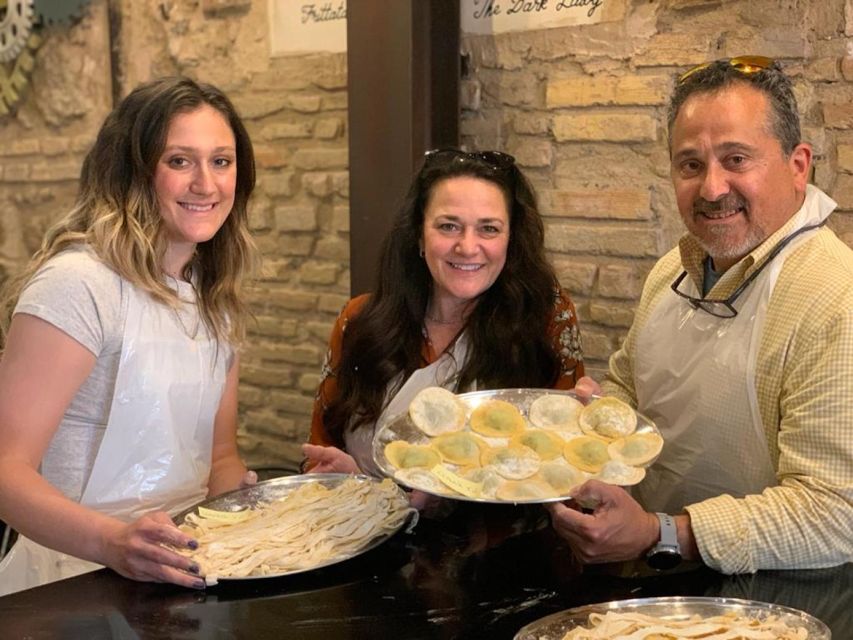
A pasta class with a glass in hand. This Rome cooking experience is built around two skills you can actually use back home: handmade fettuccine and tiramisu, taught by a local chef inside a Roman restaurant setting while you sip Italian wine and limoncello. It is not just a tasting. You roll up your sleeves, learn the steps, and get a recipe you can repeat.
I really like the mix of practical cooking instruction and the dinner vibe at the end. You cook together, then you sit down to enjoy what you made, which makes the whole afternoon feel like a real Roman meal, not a workshop that wraps up and sends you on your way. One possible drawback to note: the class can start a little later than expected, so keep your next plan flexible.
In This Review
- Key highlights to know before you go
- A Roman cooking class that teaches you to repeat the meal
- Inside the Roman restaurant: how the session usually flows
- The handmade fettuccine lesson: flour, feel, and real technique
- Tiramisu made by you: layering that tastes like Rome
- Drinks and atmosphere: wine and limoncello without the awkwardness
- Eating what you cook: the part many classes miss
- What you take home: recipes you can actually use
- Dietary needs and who this works for
- Price and value: why $32 can make sense in Rome
- Practical timing and meeting point: plan like a pro
- Who should book this Rome pasta and tiramisu class
- Should you book it?
- FAQ
- What do I make during the Rome cooking class?
- How long is the class?
- Is the instructor available in English?
- What drinks are included?
- Can I choose a dietary option?
- Where do I meet for the class?
- What is the cancellation policy?
- Do I have to pay right away?
Key highlights to know before you go
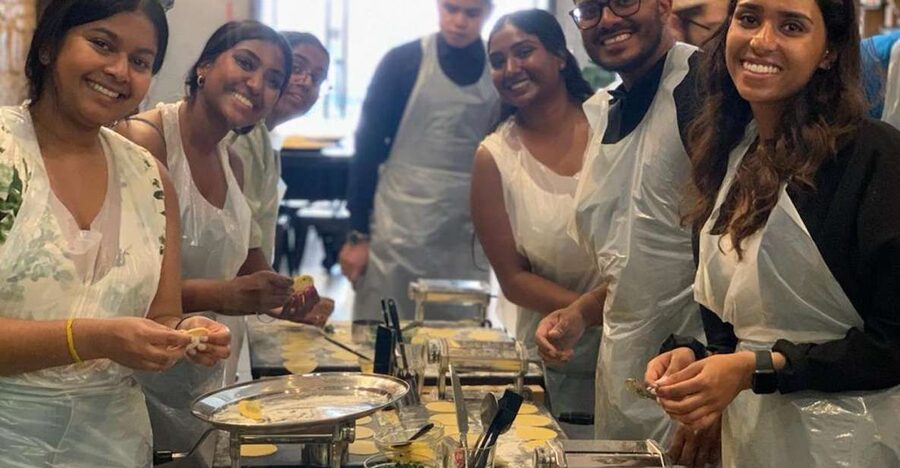
- Handmade fettuccine from scratch with clear, step-by-step guidance
- Real tiramisu technique, including coffee flavoring and cocoa finish
- Wine, limoncello, and drinks while you cook, which keeps the pace relaxed
- Fun, interactive teaching style with chefs such as Sid and Eleonor, plus instructors named Eddie, Giacomo, and Mathilde in past sessions
- Recipes to take home, so your second try at tiramisu is easier
A Roman cooking class that teaches you to repeat the meal
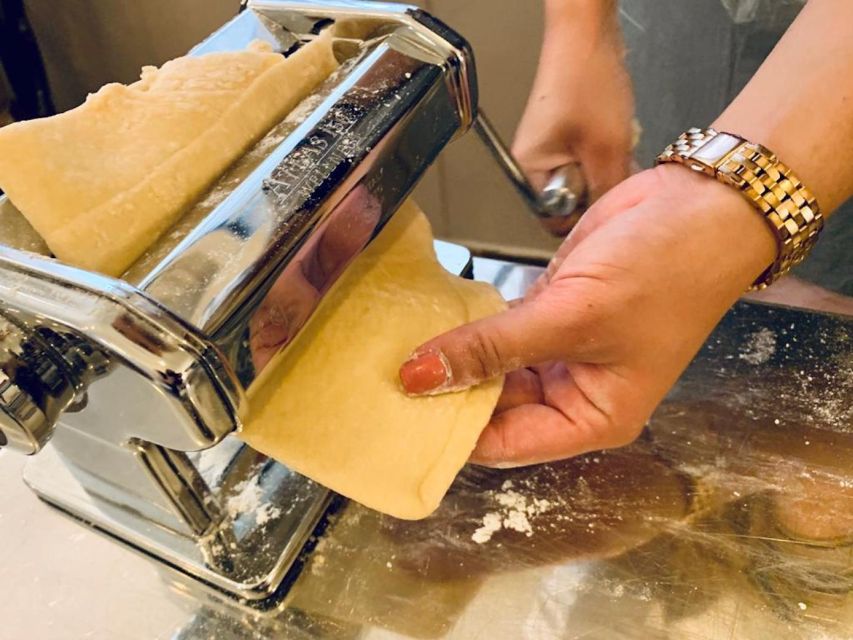
If you want a Rome activity that feels useful after the photos, this is a great pick. The core of the class is homemade fettuccine made entirely from scratch, plus tiramisu you assemble yourself, with a chef guiding you through timing and technique.
What I like about this format is the balance. You get the hands-on parts that matter, then you get to eat your work. That is the kind of experience that sticks, because you learn by doing, not by watching.
And yes, there is wine and limoncello in the mix. It is not a wild party. It is a Roman-style lunch energy that makes cooking feel less intimidating and more social.
Filed beside this one, more wine tours in Rome.
- Rome: Tuscany & Montepulciano Day Trip with Lunch & Wine Tasting
★ 4.5 · 5,232 reviews - Rome: Pasta & Tiramisu Class with Fine Wine by the Vatican
★ 4.9 · 4,852 reviews - Rome Food Tour: Unlimited Tastings with Fine Wine & Barolo
★ 5.0 · 3,365 reviews - Rome: Pasta Making Class with Wine, Limoncello, and Dessert
★ 4.9 · 3,177 reviews
Inside the Roman restaurant: how the session usually flows
The class happens in a Roman restaurant environment, which changes the mood compared with a demo-only cooking stop. You start with everything you need, tools and ingredients laid out, then you follow the chef’s instructions as you move through dough, rolling, and assembly.
Most sessions run around 2.5 to 3 hours, and the teaching is in English. Based on past class experiences, the group is typically small enough that you are not stuck as an extra body in the background, and instructors keep things interactive with jokes and guest participation.
One small reality check: timing can be a little fluid. Some people have mentioned the start time sliding later than they expected, so if you have a hard dinner reservation right after, build in buffer time.
The handmade fettuccine lesson: flour, feel, and real technique
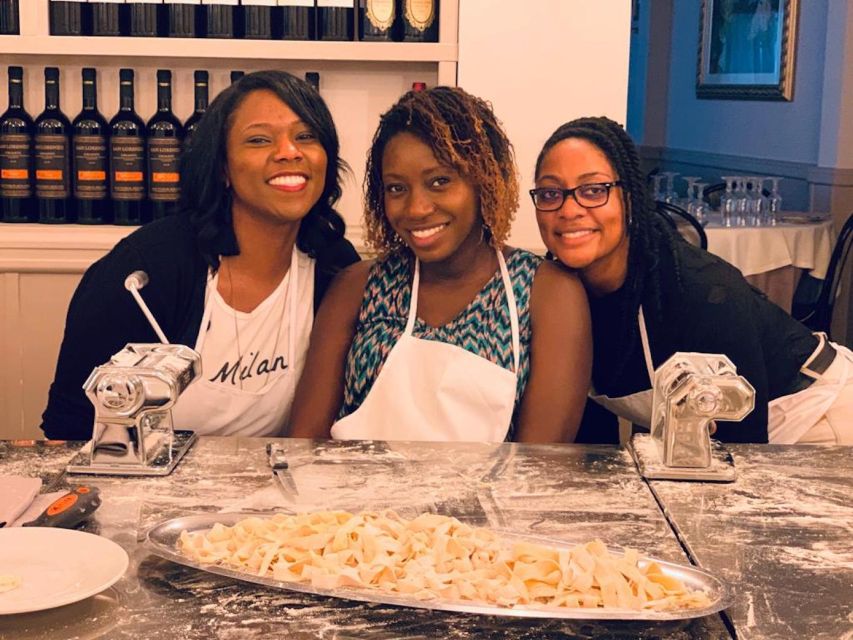
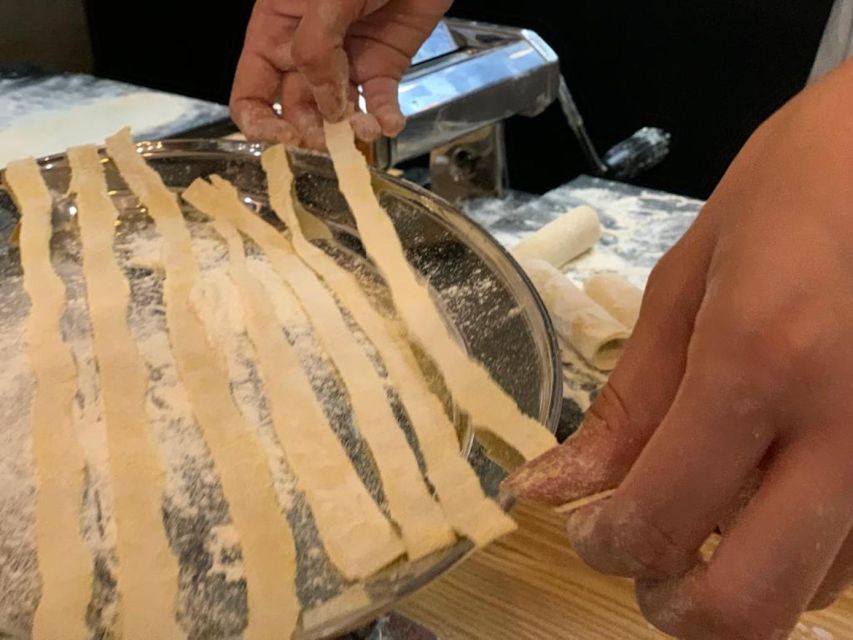
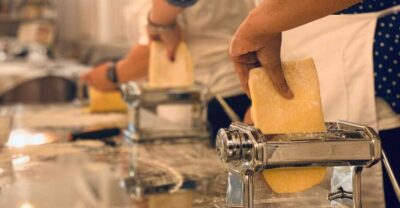
You will make fettuccine from scratch, which is the centerpiece of the cooking part. That means you work the dough, learn how to roll it, and then shape it into the pasta you will eat.
Why this matters for you: homemade pasta skills travel well. Once you understand how the dough behaves and what the rolling stage looks like, you can adapt the same method for other shapes later, even if you do not copy the exact Roman menu every time.
Also, this is not the kind of class where you stand back while someone else does the hard work. The pace is designed for you to participate. Even if your kitchen skills are basic, you get enough structure to move from ingredient to finished pasta without guessing.
If you are the type who likes food science, you will probably enjoy how the chef talks about texture and consistency. If you are more of a hands-on learner, you will like that the chef points at what to do next and checks results as you go.
Tiramisu made by you: layering that tastes like Rome
Tiramisu is often described, rarely taught well. Here, you actually make it, which is the difference between getting a dessert you can repeat and getting a sugar hit you cannot recreate.
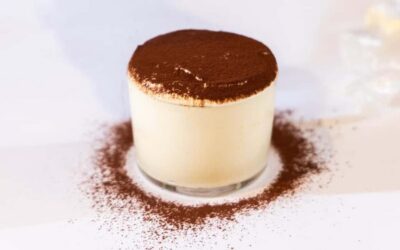
You will assemble the layered dessert using coffee flavors and cocoa, following the chef’s method step-by-step. The layered structure is where most home versions go wrong, usually because the soaking step gets too heavy or too dry.
In this class, the focus is on building confidence. You learn what the layers should look like as you go, and you get the workflow so you can recreate it later without needing a second person in the kitchen.
I also like that the dessert part of the class is treated like a real skill, not an afterthought. A lot of cooking experiences rush the sweet stuff. This one gives it enough attention that you can take home something you feel proud to make.
Drinks and atmosphere: wine and limoncello without the awkwardness
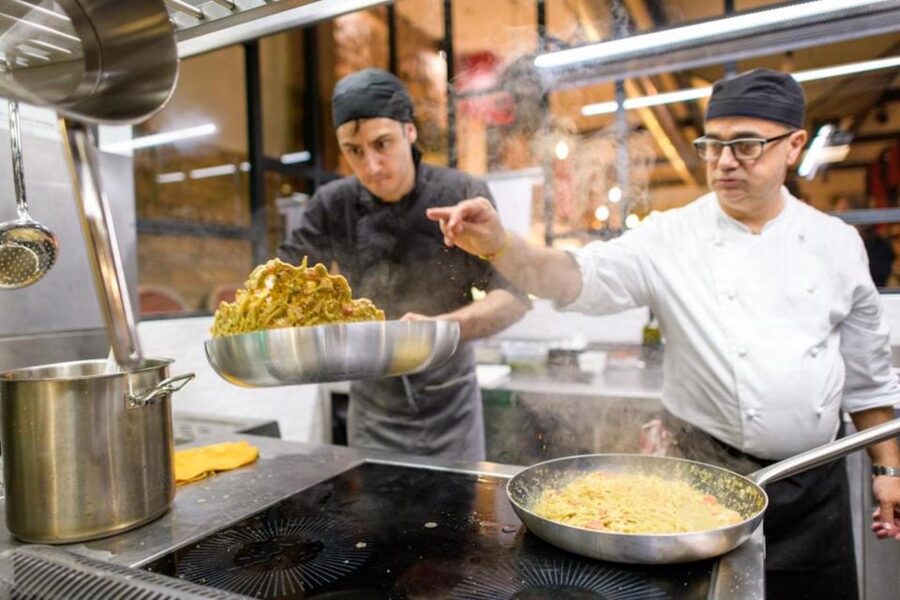
Food classes can sometimes feel like you are stuck waiting for instructions while everyone else sips. This setup aims for the opposite. You are learning, you taste along the way, and you drink in a way that feels natural to a Roman meal.
The experience includes fine Italian wine and limoncello, plus coffee, soft drinks, and water. Some sessions may also start with a drink such as prosecco and a hot beverage like cappuccino, so the vibe can be friendly and warm from the first minutes.
Music and humor also come up in past sessions. In other words, you are not sitting in silence while you roll dough. The chef team keeps the energy moving, and the group interaction makes it easier to focus when the hands-on part gets busy.
If you are a light drinker, you can still enjoy the social side. The included nonalcoholic drinks make it easy to pace yourself while staying part of the room.
Eating what you cook: the part many classes miss
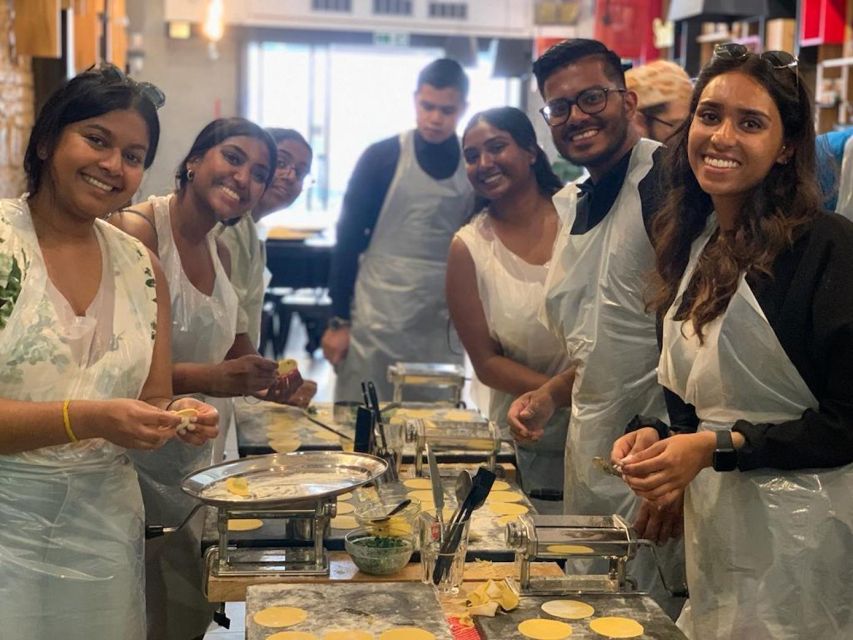
After the cooking steps, you sit down to enjoy the meal in the locally loved Roman restaurant, either indoors or on an outdoor terrace depending on the session. This is more than a nice finishing touch. It is a smart way to learn.
You get to taste your pasta and dessert while the process is still fresh in your mind. That helps you connect the final result to the technique you used. Next time, you know what changes to make if your dough or your tiramisu texture comes out differently.
It also turns the class into a proper experience, not just a task. You are doing, then you are celebrating it at the table. That is a very Roman rhythm.
Other cooking classes in Rome that earned their own write-up.
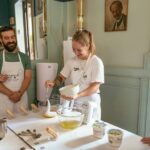
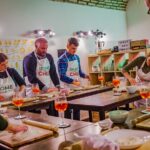

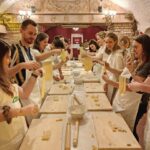

What you take home: recipes you can actually use
A big reason I think this class is good value is the recipes you take home. Cooking classes sometimes hand you a vague card with a few ingredients listed. Here, the idea is that you leave with an authentic format you can follow.
That is especially valuable for tiramisu. If you only learn the concept, your at-home result will often drift. But if you have a clear method and a reference guide, you stand a much better chance of getting layers and flavor right.
For pasta, the take-home recipes can also save time. Even if you do not memorize every step, you can rebuild the workflow.
Dietary needs and who this works for
The class supports multiple options, including vegetarian, vegan, and lactose intolerant diets, plus other needs if you inform the provider when booking. That is important because pasta and dessert often trigger problems for dairy and ingredient substitutions.
If you have dietary restrictions, I recommend messaging ahead early rather than waiting. You want to ensure the substitutions match your needs and that you are not stuck watching someone else cook while you wait for a separate setup.
Language is English, so you can follow instructions clearly. For visitors who want a cooking class but do not want to struggle with language barriers, that is a strong point.
Price and value: why $32 can make sense in Rome
At about $32 per person, this class sits in a range that feels reasonable for what you get: cooking instruction, the ingredients you use, wine and limoncello, and a meal you eat at the end. In Rome, that price is especially appealing when you compare it to the cost of paying for drinks plus a sit-down dessert somewhere else.
The value comes from the combination:
- You learn two core Italian recipes, pasta and tiramisu
- You drink included beverages that make the experience feel like a real afternoon in Rome
- You leave with recipes you can use again
If you are the kind of traveler who prefers small, high-impact activities over long bus tours, this is a strong fit. It is short enough to keep your day open, but hands-on enough to feel like you did something meaningful.
Practical timing and meeting point: plan like a pro
The class duration is listed as 2.5 to 3 hours, and the meeting point can vary depending on the option you booked. That means you should plan to arrive a few minutes early so you can find the right spot without stress.
Also, since start times can run later than expected, I suggest scheduling a lighter evening after class. If you want to see sites that require a strict entry time, put them earlier in your trip or later the next day.
If you hate rushing, this is still workable. Just treat it like an afternoon plan rather than a precise clock appointment.
Who should book this Rome pasta and tiramisu class
This is a great match if you want:
- A hands-on Rome experience with real take-home skills
- A fun small-group vibe with an instructor who keeps people involved
- An activity that doubles as a meal, so you do not have to hunt for dinner after
It may not be the best fit if:
- You only want tasting and photos, with zero cooking work
- You have a very strict schedule immediately after class and cannot tolerate potential start-time delays
- You expect advanced training on sauces every time, since the focus is on pasta and tiramisu rather than a full menu of sides
Should you book it?
Yes, you should book this class if you want a Rome experience that leaves you with skills, not just memories. The biggest strength is how it pairs homemade fettuccine and tiramisu with real instruction and a relaxed restaurant-meal finish, plus included wine and limoncello.
If you are on the fence, pick it if you love Italian comfort food and want a practical souvenir you can cook again. If you are simply chasing the easiest activity with zero effort, you might prefer a pure tasting tour. But for most people, this hits the sweet spot of fun, learning, and value.
FAQ
What do I make during the Rome cooking class?
You will make handmade fettuccine pasta from scratch and tiramisu. The class also includes instructions from a local chef guide.
How long is the class?
The experience lasts about 2.5 to 3 hours.
Is the instructor available in English?
Yes, the instruction is in English.
What drinks are included?
The class includes fine Italian wine and limoncello, plus coffee, soft drinks, and water.
Can I choose a dietary option?
Yes. Dietary options include vegetarian, vegan, lactose intolerant, and other diets supported. You should inform the activity provider of your needs when booking.
Where do I meet for the class?
The meeting point may vary depending on the option booked.
What is the cancellation policy?
You can cancel up to 24 hours in advance for a full refund.
Do I have to pay right away?
No. The experience offers reserve now & pay later, so you can book your spot and pay nothing today.
Beside This One, Cooking Classes in Rome
Other Wine Tours in Rome From Our Notebook


Not quite the day you had in mind? The rest of our Rome write-ups sit below
- Rome: Guided Tour of St. Peter’s Dome Climb, Basilica & Vatacombs★ 5.0 · 167 reviews
- St. Peter’s Basilica Guided Tour with Reserved Entrance★ 4.0 · 168 reviews
- Golf Cart Driving Tour in Rome: 2.5 hrs Catacombs & Appian Way★ 5.0 · 168 reviews
- Rome: Trastevere Wine Tasting with Food Pairing and Gelato★ 4.9 · 168 reviews
- Guided Tour of the Colosseum Palatine Hill and Roman Forum★ 4.7 · 168 reviews
- Vatican Museums, Sistine Chapel & Saint Peter’s Semi-Private Tour★ 4.5 · 169 reviews
- Hidden Rome: Small Group E-Bike Tour with Street Food Stops★ 5.0 · 169 reviews
- Rome: Papal Audience with Pope Leo IV★ 3.9 · 169 reviews
- Rome Golf Cart Tour: Highlights & Must See★ 4.5 · 170 reviews
Cooking Classes, top to bottom.
 ★ 4.9Florence: Pasta Cooking Class with Unlimited WineFrom $2110,285 reviews
 ★ 5.03 in 1 Cooking Class near Navona: Fettuccine, Ravioli & TiramisuFrom $837,376 reviews
 ★ 4.9Florence: Pasta & Tiramisu Cooking Class with Unlimited WineFrom $566,708 reviews
★ 5.0Florence: Pasta Cooking Class with Unlimited Wine6,413 reviews
 ★ 5.0Cooking Class and Lunch at a Tuscan Farmhouse with Local Market Tour from FlorenceFrom $1454,831 reviews
 ★ 4.9Rome: Pasta Making Class with Wine, Limoncello, and DessertFrom $483,177 reviews
 ★ 5.0Pastamania – Florence Pasta Making ClassFrom $493,050 reviews
 ★ 4.9Rome: 3-in-1 Fettuccine, Ravioli, and Tiramisu Cooking ClassFrom $812,704 reviews
Filed under