
Reviewed · TIRAMISù & GELATO CLASSES
Rome: Traditional Pasta Making Class with Wine & Gelato
Fresh pasta, minus the guesswork. In this Trastevere cooking class, I love the aperitivo start with prosecco and cured meats and cheese, and I love learning fettuccine and ravioli from scratch. One heads-up: it is not adapted for celiacs.
You will spend 3 hours in a reserved kitchen setting in the heart of Trastevere, guided in English by a chef who shows the why behind each step. Depending on what the local markets have, you will make Roman-style sauces like amatriciana, puttanesca, gricia, or cacio e pepe, then sit down to your own meal with wine and a homemade gelato finish.
In This Review
- Key Highlights You Should Not Skip
- Trastevere Prosecco Aperitivo, Then It’s Hands-On
- Meeting Point in Rome, What to Do Before You Start Cooking
- Learn Fresh Fettuccine Dough, Then Cook a Roman Sauce
- Ravioli Time, Including Texture Tricks That Make a Difference
- Insider Tips on Roman Food and What to Order Next
- The Meal: Wine, Your Homemade Pasta, and the Table Moment
- Homemade Gelato Finish That Actually Feels Like Italian Dessert
- Price and Value for a 3-Hour Roman Cooking Class
- Who This Pasta Making Class Is Best For
- Should You Book This Trastevere Pasta Class?
- FAQ
- How long is the Rome pasta making class?
- Is the class private or shared?
- What pasta dishes will I learn to make?
- What food and drinks are included?
- Which sauces might be used in the class?
- Can the class accommodate celiac diets?
- Is this class suitable if I use a wheelchair or have mobility limits?
- Where do I meet, and is pickup provided?
Key Highlights You Should Not Skip
- Prosecco aperitivo before you cook so you ease in the Italian way, not with a lecture
- Two pastas from scratch fettuccine and ravioli, not just one dough project
- Roman sauces chosen by the market meaning your class tastes current and local
- Wine with your meal plus gelato to end so you actually enjoy what you make
- Great chef energy in English examples include Fredrica, Elisa, Stefano, Luca, Manuela, and others
Trastevere Prosecco Aperitivo, Then It’s Hands-On
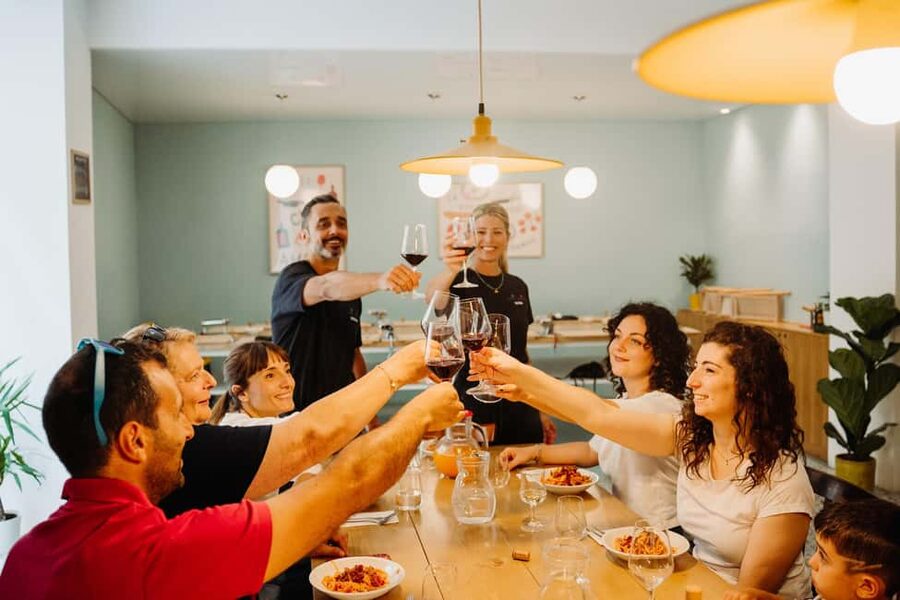
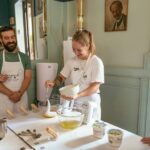
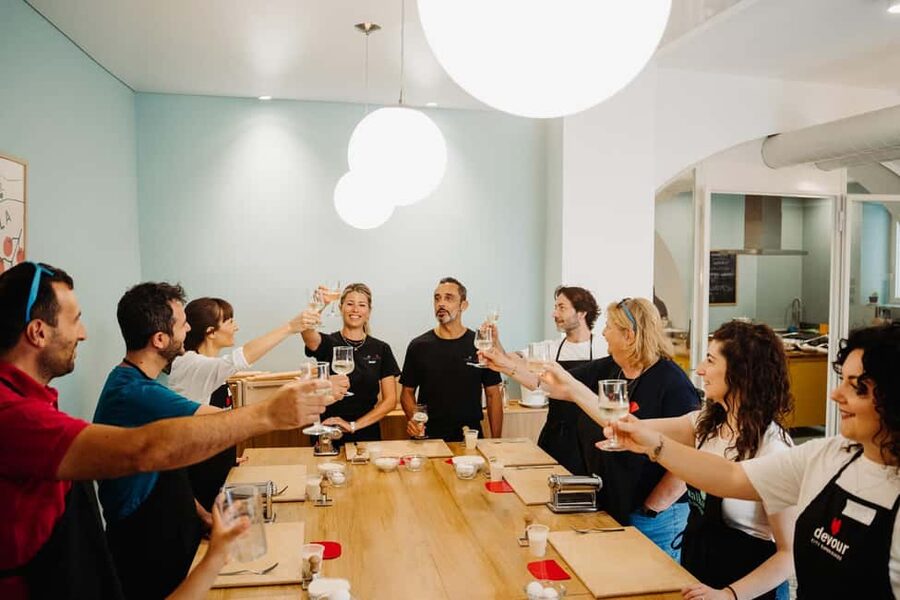
This class starts like a proper Roman meet-up. You arrive and get a glass of prosecco along with an aperitivo plate of cured meats and cheese. It sets the mood fast: you are here to cook, eat, and ask questions, not just watch.
Then you get settled in a cooking space in Trastevere that is reserved for your group. If you book a shared class, you will mix with other people, usually creating a friendly, talk-as-you-go vibe. If you choose private, you keep the focus on your table, your pace, and your questions.
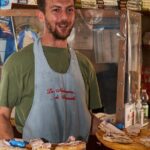
English instruction helps a lot. You will follow each step clearly and you will have room to ask why a dough feels a certain way or why a sauce behaves like it does. In classes led by chefs such as Fredrica, the teaching style tends to be practical and lively, with lots of room for learning beyond the recipe.
A short passeggiata through our other tiramisu and gelato classes in Rome.
- 3 in 1 Cooking Class near Navona: Fettuccine, Ravioli & Tiramisu
★ 5.0 · 7,376 reviews - Rome: Pasta & Tiramisu Class with Fine Wine by the Vatican
★ 4.9 · 4,852 reviews - Rome: Pasta Making Class with Wine, Limoncello, and Dessert
★ 4.9 · 3,177 reviews - Rome: 3-in-1 Fettuccine, Ravioli, and Tiramisu Cooking Class
★ 4.9 · 2,704 reviews
Meeting Point in Rome, What to Do Before You Start Cooking
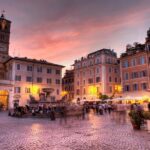
Plan your arrival timing. You should show up about 15 minutes early. The meeting point is Piazza di San Giovanni della Malva, 00153 Roma RM, in the square in front of the San Giovanni della Malva church.
Look for the red bag or a Devour Tours sign. That matters more than you might think in Rome, where squares can look similar at a quick glance.
Also plan for walking on cobblestones. This experience is not suitable for wheelchair users, and it is not geared for strollers or guests with mobility impairments. If you are traveling with someone who needs step-free routes, this is the first thing to check before you book.
Learn Fresh Fettuccine Dough, Then Cook a Roman Sauce
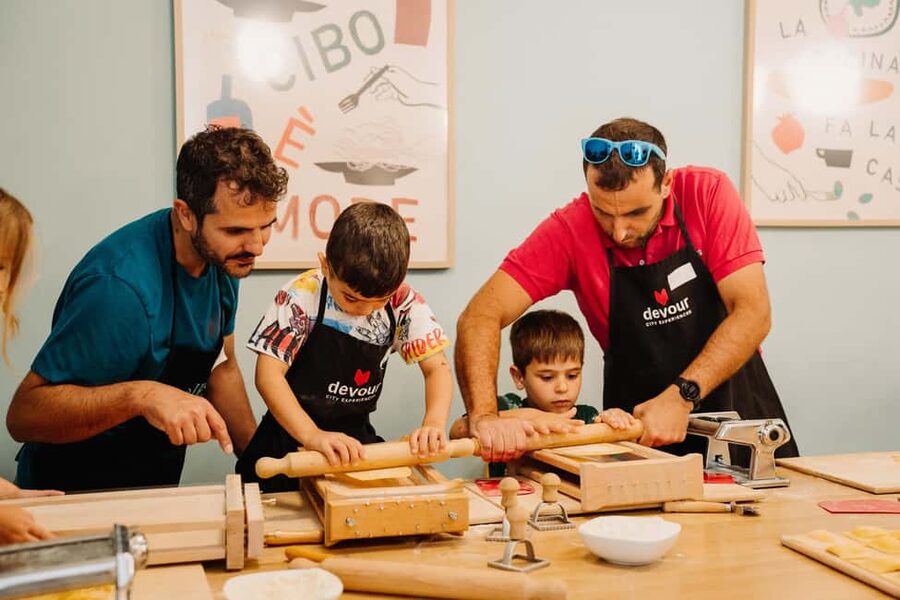
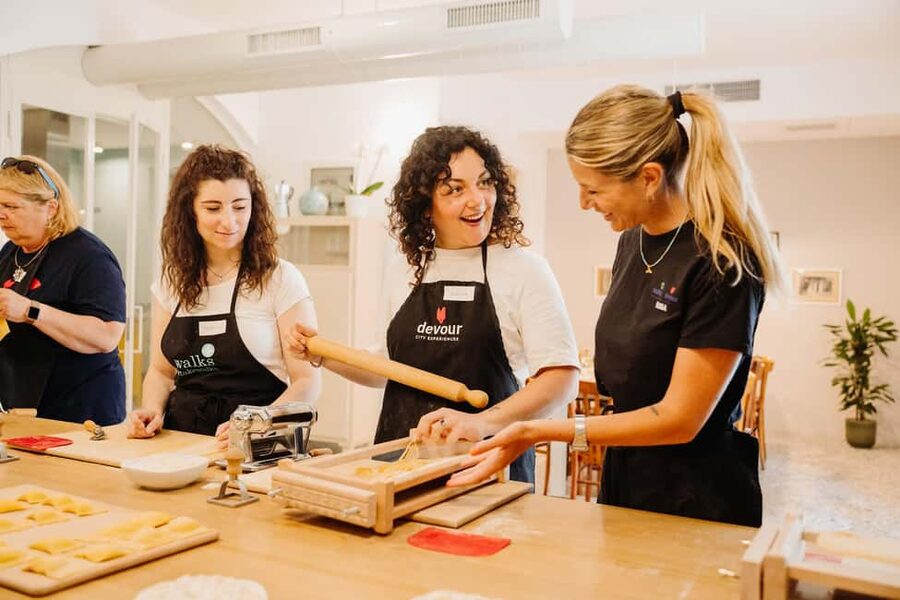
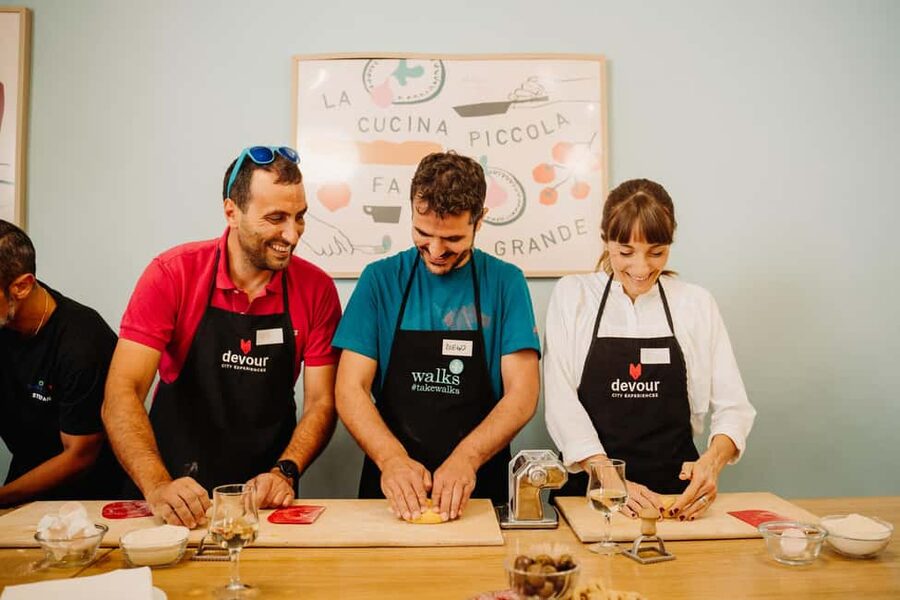
Once everyone is in, the class moves into the real skill: making pasta dough and shaping it into fettuccine from scratch. You are not just “assembling” dinner. You learn how dough works, how to handle it, and how to get to a workable thickness and texture.
Then comes the Roman sauce part, and this is where the class feels more authentic than many cooking tours. Instead of giving you a generic pasta sauce, your chef chooses the sauce based on what is available at local markets. You may cook something like amatriciana, puttanesca, gricia, or cacio e pepe.
I like that approach because it teaches you to think like a Roman cook. You learn how to work with the ingredients you can actually get, rather than chasing an exact ingredient list. It also means your meal is tied to the season, and you are likely to taste something that feels less “tour menu” and more local.
This is also where chefs like Stefano and Luca stand out in the way they teach. The better instructors do not just say what to do, they explain what each move is trying to accomplish. That extra context helps when you recreate the dish at home, because you understand the logic, not just the steps.
Ravioli Time, Including Texture Tricks That Make a Difference
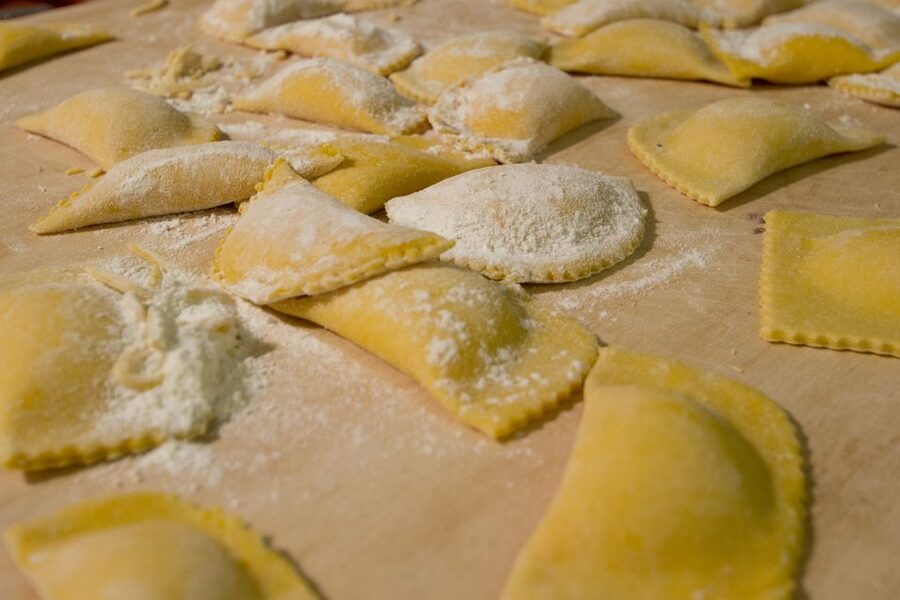
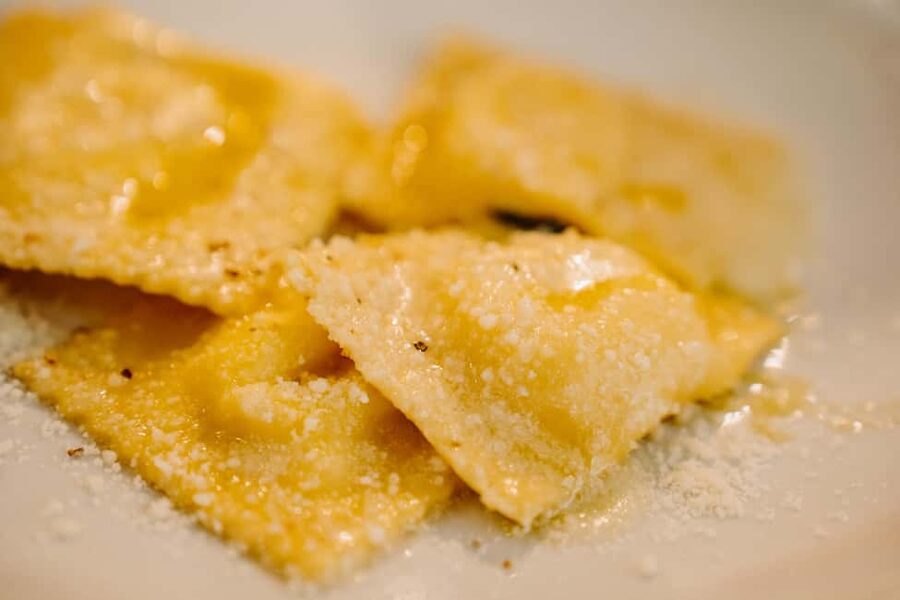
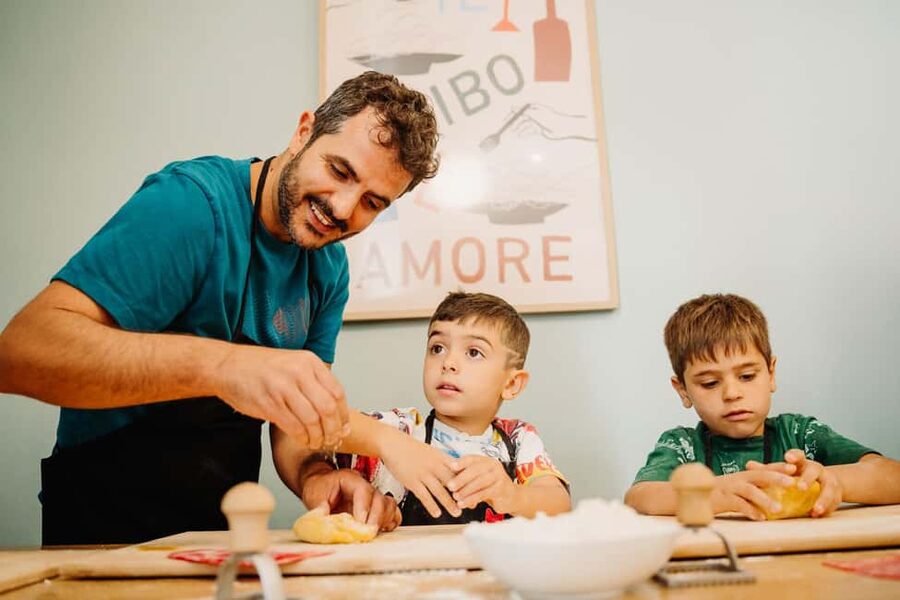
After fettuccine, you move to ravioli. If you have never made filled pasta, the ravioli section is often the moment you realize why pasta-making classes are worth doing. Folding, sealing, and shaping takes a little patience, and that patience pays off when you cook and eat what you made.
You will be guided through the hands-on process, and you will have time to ask questions. In some classes led by chefs like Elisa, the pace is family-friendly and structured, which helps if you are traveling with kids or cooking for the first time.
One practical note: do not assume your ravioli filling will match every expectation. Since the class is driven by seasonal ingredients, the exact filling and sauce style can vary. If you have a specific expectation, go in with flexibility. You are learning the technique and the Roman logic behind the dishes.
Insider Tips on Roman Food and What to Order Next
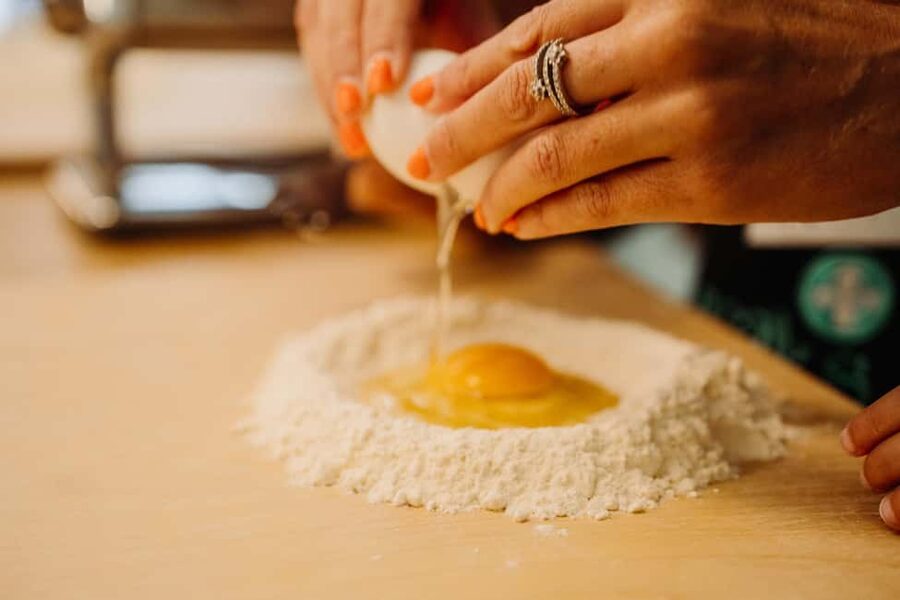
A good cooking class should teach you how to eat better when you leave it. This one leans into that idea. As you cook, you can ask food and Rome questions, from how locals think about sauces to how to spot a good gelateria.
In fact, chefs sometimes share recommendations for typical Roman restaurants in different neighborhoods after class. That is handy because it gives you a short list you can trust while you are still fresh from learning what “works” in Roman cooking.
I also like the way this class nudges you toward better ordering decisions. Instead of only teaching you how to make pasta, it teaches you what makes Roman flavors tick. That makes it easier to choose dishes once you are back in the city.
The Meal: Wine, Your Homemade Pasta, and the Table Moment
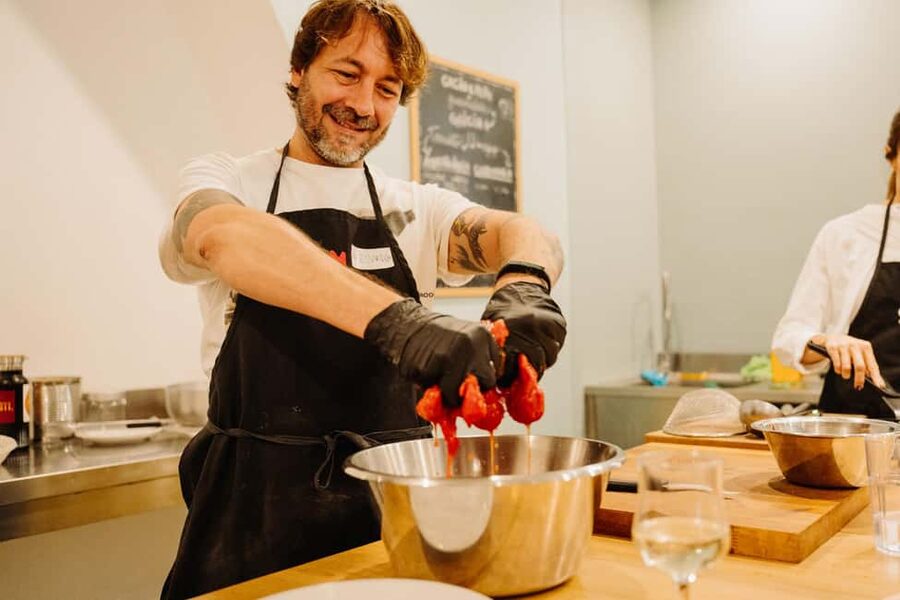
After cooking, you eat what you made. You will sit down with your homemade pasta and sauces, plus wine. This is not a token tasting. It is a proper meal, which matters because pasta is at its best when you eat it soon after cooking, while the flavors are still vivid.
This is also the moment when your effort turns into a clear win. You will taste the difference between dough you shaped by hand and pasta you bought. The texture and sauce cling can be surprisingly dramatic, and you can usually tell within a few bites.
If you are the kind of traveler who likes to understand the full arc of a meal, this is a good setup. You go from dough, to sauce, to wine, to dessert in one sitting. You leave with a complete experience, not just a cooking project.
Filed beside this one, more wine tours in Rome.



Homemade Gelato Finish That Actually Feels Like Italian Dessert
The class ends with gelato, prepared by the chef. It is the sweet landing pad after two pasta dishes, and it turns the evening into something that feels like a complete food story.
Gelato also fits the vibe of the class. It is simple, ingredient-focused, and it shows how Italians treat dessert. You are not rushing out after cooking. You finish with something that feels like Rome, not a cookie-cutter tourist add-on.
If you love gelato, ask questions before you leave. In similar classes, chefs often point out how to look for quality and where to find it nearby.
Price and Value for a 3-Hour Roman Cooking Class
At $66.84 per person for a 3-hour experience, the value is mainly in what is included. You get:
- a professional chef in English
- prosecco plus an aperitivo plate at the start
- two homemade pastas and sauces
- wine with your meal
- gelato to end
- all ingredients
The pricing makes sense when you treat it as a skill-and-meal package. You are paying for instruction, ingredients, and the full dining moment. If you were to recreate this yourself, pasta-making ingredients and equipment plus a lesson time would add up quickly, especially in a city like Rome.
Private versus shared options can also shift the feel. Shared classes can be a social win. Private classes tend to be calmer and more question-friendly, which is great if you want your chef to slow down for technique or special dietary needs.
Who This Pasta Making Class Is Best For
This is a strong fit for:
- first-time pasta makers who want step-by-step guidance
- food lovers who care about Roman flavors, not just pasta shape
- families who want a fun, structured activity in Rome
- solo travelers who want to feel included, not awkward
People also tend to enjoy it if they like eating what they cook. Some cooking classes end with a sad sample plate. Here, you cook and then sit down to a real meal, with wine and gelato finishing things off.
If you travel with dietary needs, note the limits. The class is adaptable for all dietary needs except celiacs. If you need gluten-free for medical reasons, contact in advance so they can arrange food.
Should You Book This Trastevere Pasta Class?
I think you should book it if you want a practical Roman cooking experience where technique and food both matter. The best reason to choose this class is the combination: hands-on fettuccine and ravioli, Roman sauces tied to what’s available, and a meal that includes prosecco, wine, and gelato.
I would skip it if celiac is in the picture, or if mobility is a concern, since it is not suitable for wheelchair users or strollers. If you have those constraints, look for another option that matches your needs.
If you do book, show up on time, bring your questions, and go in flexible about sauces and fillings. Rome cooks with what the market brings, and your class is designed to teach you that real rhythm.
FAQ
How long is the Rome pasta making class?
The experience lasts 3 hours.
Is the class private or shared?
You can choose either a private class or a shared class (small groups are available).
What pasta dishes will I learn to make?
You will make two homemade pastas: fettuccine and ravioli.
What food and drinks are included?
You get prosecco and an aperitivo, wine with your meal, two homemade pastas and sauces, and gelato at the end. All ingredients for your meal are included.
Which sauces might be used in the class?
The chef will choose sauces based on seasonal local market ingredients. Options mentioned include amatriciana, puttanesca, gricia, and cacio e pepe.
Can the class accommodate celiac diets?
No. The class is adaptable to dietary needs with the exception of celiacs. If you have restrictions, you need to contact before joining so food can be arranged.
Is this class suitable if I use a wheelchair or have mobility limits?
No. It is not suitable for guests with mobility impairments, wheelchair users, or strollers.
Where do I meet, and is pickup provided?
Meet at Piazza di San Giovanni della Malva, 00153 Roma RM, in the square in front of the San Giovanni della Malva church. No pickup or drop-off is included. Arrive 15 minutes early and look for a red bag or Devour Tours sign.
Other Wine Tours in Rome From Our Notebook

Further Tiramisu and Gelato Classes We Cover in Rome
Not quite the day you had in mind? The rest of our Rome write-ups sit below
- Rome: Guided Tour of St. Peter’s Dome Climb, Basilica & Vatacombs★ 5.0 · 167 reviews
- St. Peter’s Basilica Guided Tour with Reserved Entrance★ 4.0 · 168 reviews
- Golf Cart Driving Tour in Rome: 2.5 hrs Catacombs & Appian Way★ 5.0 · 168 reviews
- Rome: Trastevere Wine Tasting with Food Pairing and Gelato★ 4.9 · 168 reviews
- Guided Tour of the Colosseum Palatine Hill and Roman Forum★ 4.7 · 168 reviews
- Vatican Museums, Sistine Chapel & Saint Peter’s Semi-Private Tour★ 4.5 · 169 reviews
- Hidden Rome: Small Group E-Bike Tour with Street Food Stops★ 5.0 · 169 reviews
- Rome: Papal Audience with Pope Leo IV★ 3.9 · 169 reviews
- Rome Golf Cart Tour: Highlights & Must See★ 4.5 · 170 reviews
Tiramisù & Gelato Classes, top to bottom.
 ★ 5.03 in 1 Cooking Class near Navona: Fettuccine, Ravioli & TiramisuFrom $837,376 reviews
 ★ 5.0Florence Pizza or Pasta Class with Gelato Making at a Tuscan FarmFrom $1456,801 reviews
 ★ 4.9Florence: Pasta & Tiramisu Cooking Class with Unlimited WineFrom $566,708 reviews
 ★ 4.9Rome: Pasta & Tiramisu Class with Fine Wine by the VaticanFrom $414,852 reviews
 ★ 4.9Rome: Pasta Making Class with Wine, Limoncello, and DessertFrom $483,177 reviews
 ★ 4.9Rome: 3-in-1 Fettuccine, Ravioli, and Tiramisu Cooking ClassFrom $812,704 reviews
 ★ 5.0Sorrento Farm and Food Experience including Olive Oil, Limoncello, Wine tastingFrom $1142,524 reviews
 ★ 5.0Learn to Make Pasta & Tiramisu with Wine and Limoncello IncludedFrom $542,345 reviews