
Reviewed · WALKING TOURS
Alternative Walking Tour of Rome’s City Center & Hidden Gems
Rome has layers, and this tour reads them aloud. I loved how it connects big monuments to the families and power behind them, not just the postcard view. I also liked the off-limits access that slips you into lesser-known corners and tighter-feeling moments. One consideration: several famous stops are brief photo breaks, so if you want long hangs at Trevi or the Pantheon, you may feel a little time-pressed.
I’ve found these story-driven walks work best when you’re ready to look up, ask questions, and let the guide steer the pace. This one runs about 2.5 hours, ends in Piazza Navona, and it’s a live guide experience in English or Spanish. It’s also pay-what-you-want, so the real cost is what you choose to tip at the end.
In This Review
- Key Things That Make This Walk Different
- Why This Alternative Rome Route Beats the Usual “Big Sights Only” Plan
- Where the Tour Starts, and What the Meeting Point Tells You About the Style
- Trajan’s Column at Foro Traiano: Start Strong, Then Learn How Rome Invented Self-Promotion
- Piazza Venezia: The Square That Helps You Read Rome’s Political DNA
- The Secret Stop: Off-Limits Access That Makes the Tour Feel Like More Than a Walk
- A Monastery Stop: Quiet Contrast in a City That Never Stops Talking
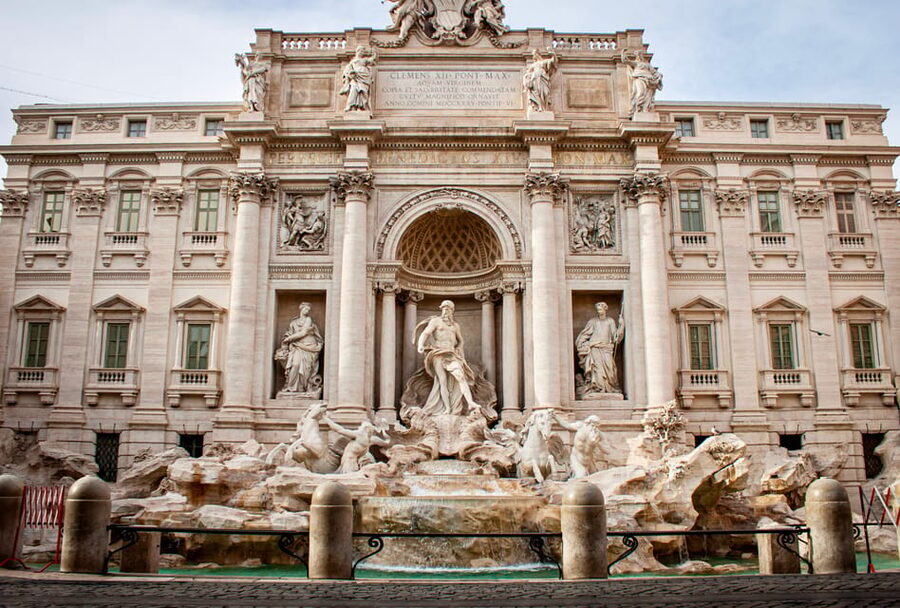
- Trevi Fountain With Context: Time for Photos, but Also the “Why”
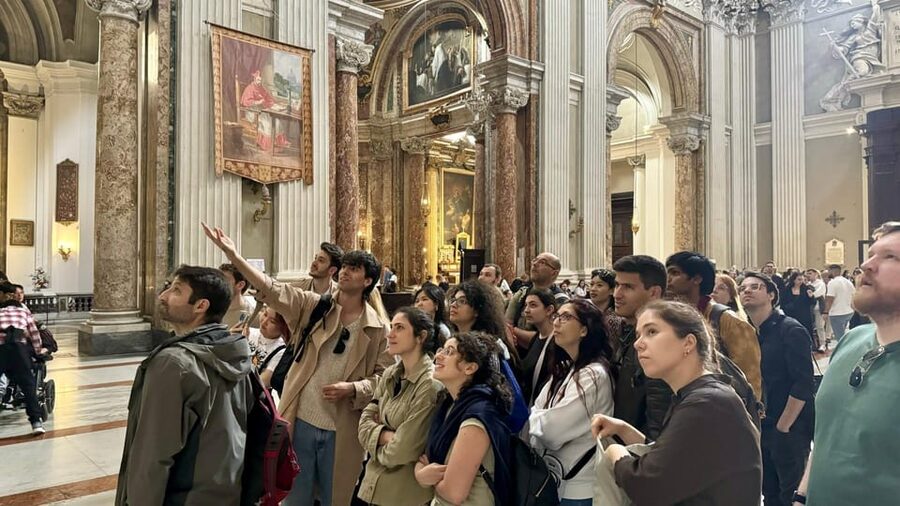
- Chiesa di Sant’Ignazio di Loyola: Baroque Drama That Teaches You How Rome Persuades
- The Pantheon: A Quick Stop That Still Feels Like a Lesson
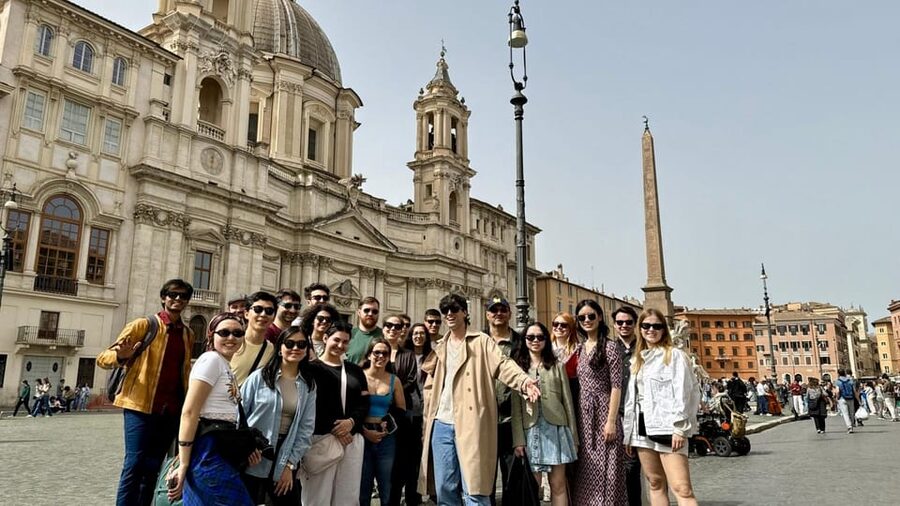
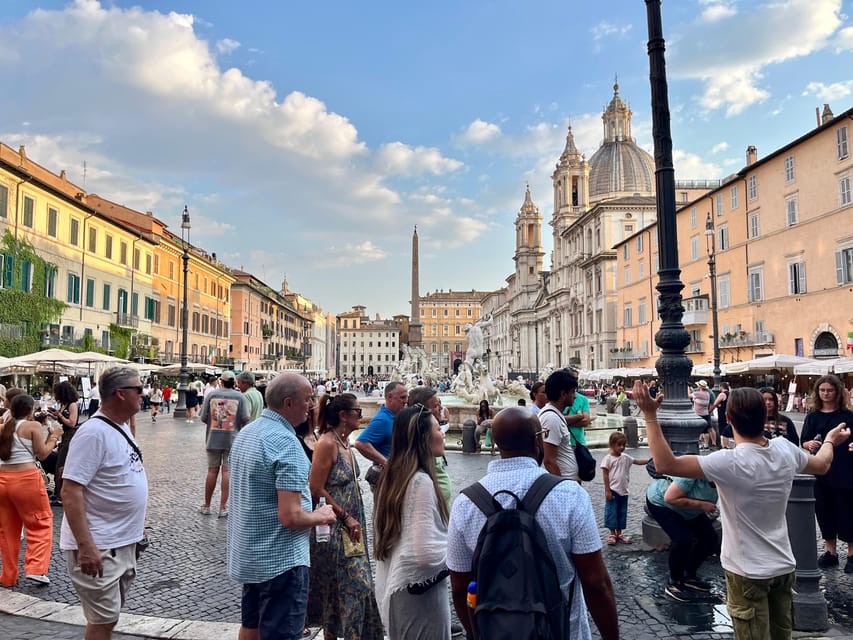
- Piazza Navona Finale: Where the City’s Theater Becomes Yours
- Papal Private Gardens Admission: The Included Bonus That Changes Your Sense of Access
- The Real Value of the Pay-What-You-Want Tip Model
- Guides and Style: What the Best Moments Have in Common
- What the Tour Is Best For, and Who Should Think Twice
- Practical Tips Before You Go
- Should You Book This Rome Walking Tour?
- FAQ
- What is the duration of the tour?
- Where does the tour start?
- What sites are included during the walk?
- Is this tour tip-based?
- What languages are available?
- What is included with the ticket?
- Is cancellation free if plans change?
Key Things That Make This Walk Different
- Focus on power players: emperors, popes, artists, invaders, and dynasties tied to the places you see
- Off-limits stops: access to locations only available on this tour, including a secret stop plus an included private-garden admission
- Stories with edge: scandals, corruption, crime, war, betrayal, plus dark humor and politically incorrect jokes
- Small-group feel: lots of guides keep the talk interactive, with room for questions
- Conversation over headsets: you’re walking face-to-face with your guide for real back-and-forth
Why This Alternative Rome Route Beats the Usual “Big Sights Only” Plan
If you’ve already looked at a Rome “must-see” list, you know the problem. You can stand in front of Trevi, the Pantheon, or Piazza Navona and still feel like you’re seeing museum objects, not a living machine that ran for centuries.
This walk tries to fix that by treating the city like a chain of cause-and-effect. Your guide links Roman ruins to Renaissance basilicas, Baroque fountains, and even Egyptian obelisks that pop up in surprising places. The payoff is that Rome starts to make sense as a place built by people with motives, money, and grudges.
Filed beside this one, more walking tours in Rome.
- Rome: Trastevere & Campo de Fiori Street Food Walking Tour
★ 4.9 · 2,768 reviews - Rome: Paranormal Night Walking Tour & Secret Backstreets
★ 4.9 · 1,921 reviews - Rome by Night Walking Tour – Legends & Criminal Stories
★ 4.5 · 1,003 reviews - Rome: Guided City Center Evening Sightseeing Walking Tour
★ 4.4 · 953 reviews
Where the Tour Starts, and What the Meeting Point Tells You About the Style
You meet on the steps of Chiesa del Santissimo Nome di Maria al Foro Traiano, right by the Trajan Column and the Trajan Forum. That matters because it sets the theme immediately: Rome is not one era, it’s layers stacked on top of each other, and the guide starts you at the Roman imperial spine.
Expect a live guide holding a tour sign with the name of the tour. Since the guide speaks Spanish or English, you’ll get stories in a way you can actually follow, without relying on headphones or reading along with distracted attention.
Trajan’s Column at Foro Traiano: Start Strong, Then Learn How Rome Invented Self-Promotion
The first real stop is Trajan’s Column, with a short photo break and a guided visit. This is the kind of site that can feel intimidating if you only know it as a famous spiral column. With a good guide, it becomes proof that propaganda has been Rome’s habit for a very long time.
Here’s what I like about starting at Trajan. You can literally feel the “why” behind later landmarks. Roman power didn’t just build monuments, it designed narratives, and those narratives echo forward through church art, public fountains, and the way elites displayed control.
Practical note: this is an early walking segment. If your legs need a warm-up, arrive a few minutes early so you’re not rushing in.
Piazza Venezia: The Square That Helps You Read Rome’s Political DNA
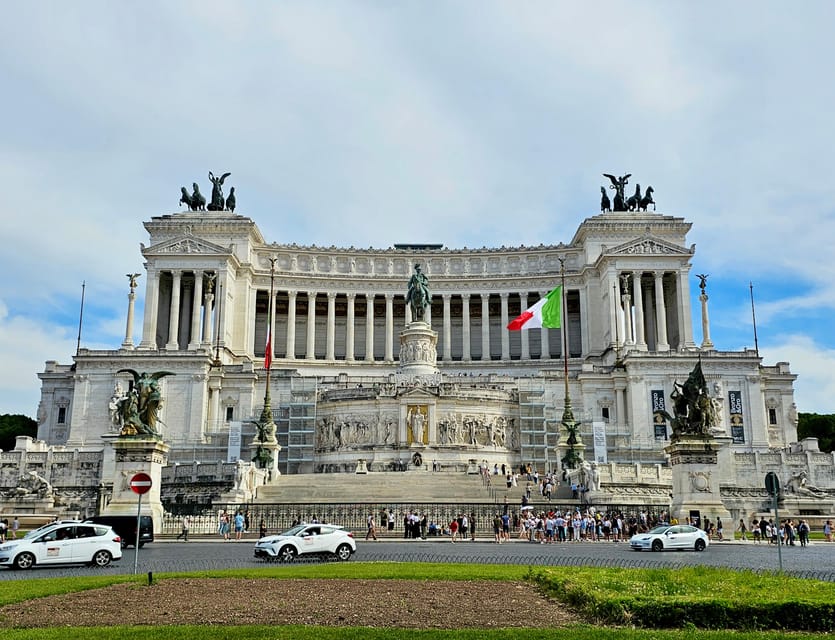
From the column area you head to Piazza Venezia for a quick photo stop and sightseeing walk. This spot is useful because it acts like a transition zone, where modern Rome and older Rome overlap in the way only a capital city can manage.
Your guide uses this stretch to connect dots between ancient ruins and later eras. That includes why you see so many churches in the city center, and how Rome’s fountain culture became symbolic, not decorative. Even when you’re just stepping across a square, you’re learning how Rome turned public space into messaging.
The Secret Stop: Off-Limits Access That Makes the Tour Feel Like More Than a Walk
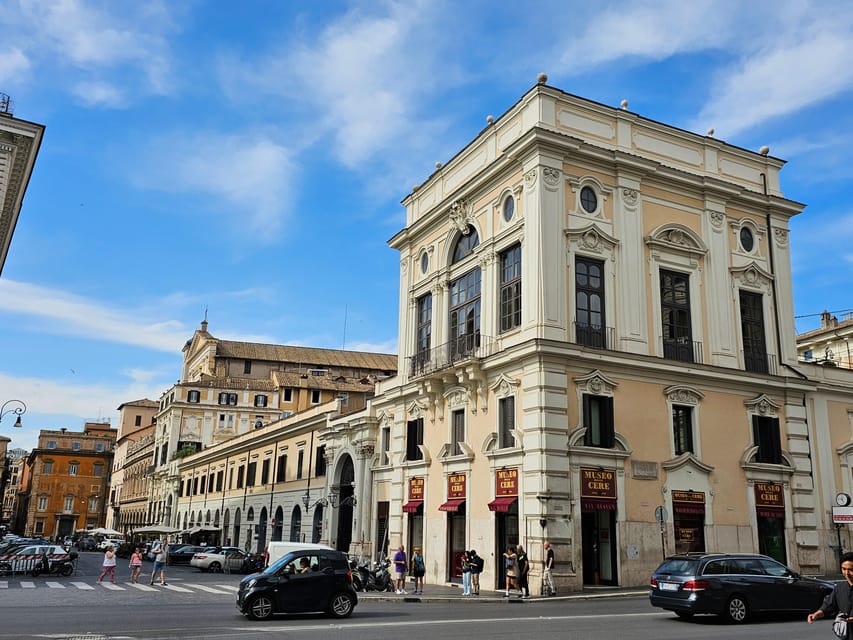
One stop is literally listed as a secret stop with a photo moment plus guided sightseeing. That’s where you get that “this is not on the standard postcard route” feeling.
In general, these off-limits moments are where story tours earn their keep. A normal tour might point at a wall and move on. This one uses the stop to show you how power, patronage, and religion shaped what was shown, hidden, or saved for the right eyes.
Tip for this part: keep your camera ready, but also listen. Off-limits access tends to work best when you treat it like a small chapter, not a scenery dump.
A Monastery Stop: Quiet Contrast in a City That Never Stops Talking
Next comes a monastery stop, again with photo time, a visit, and guided tour elements for about 25 minutes. This is a smart pacing choice. After louder squares and major landmarks, a monastery gives your brain a breather and helps you feel how Rome organizes sacred space.
Even when the architecture is the obvious highlight, the guide’s value is in the context. The tour’s main idea is that Rome’s spiritual and artistic life didn’t develop in isolation. It grew alongside families, politics, and shifts in who controlled the story.
If you’re sensitive to strict rules about dress or behavior in religious interiors, you’ll want to keep your tone calm and your shoulders covered.
Our notebook holds other city tours in Rome if you are still weighing options.




Trevi Fountain With Context: Time for Photos, but Also the “Why”
Then you reach Trevi Fountain for a break, guided visit, and guided tour, with free time and a short walk segment. Yes, you’ll take photos here. But the tour’s strength is explaining what the fountain represents, not only what it looks like.
Your guide ties fountains to power and propaganda, and that changes the entire experience. Trevi stops being just a wish-making stop and becomes a symbol of who paid for art, who wanted legitimacy, and how public water turned into public messaging.
Consideration: the Trevi portion includes guided time plus free time, but the overall tour is still only about 2.5 hours. If you want lots of extra minutes at the fountain, plan to return later on your own.
Chiesa di Sant’Ignazio di Loyola: Baroque Drama That Teaches You How Rome Persuades
One of the most satisfying stops is the Church of Sant’Ignazio di Loyola, with a guided visit and sightseeing time. This is where the tour leans into Roman art as persuasion.
In places like this, Baroque design makes more sense when you understand the people who used it. Your guide connects churches, artwork, and symbolism to the same theme you hear from the street to the square: Rome kept changing the message, but it kept using art to shape belief and authority.
If you’re into architecture, this is a moment to slow down and let the guide’s details land. One of the best signs you’re with a strong guide is how they explain why something was built a certain way, not just what it is.
The Pantheon: A Quick Stop That Still Feels Like a Lesson
The itinerary includes Pantheon, Rome with a short photo stop, guided tour, and sightseeing walk for about 5 minutes. That sounds fast, but it works when you’re getting the right frame.
I like that the guide treats the Pantheon as a hinge point. It helps you see how Roman imperial building practices fed into later Christian reuse and re-branding. You’re not just looking at a round building, you’re learning how Rome kept the structure, changed the meaning, and kept going.
If you want longer time inside, you can do that on your own later. For the walk, the Pantheon is a strong “anchor” stop.
Piazza Navona Finale: Where the City’s Theater Becomes Yours
The tour finishes at Piazza Navona after visiting it mid-route as well. You get another guided sightseeing moment and time on foot around the square.
What makes this ending work is that it’s a public stage. The guide uses Piazza Navona to reinforce earlier themes: how elites and institutions shaped what you see, why fountains and public art mattered, and how everyday Roman life grew around these visible symbols.
Expect a lively atmosphere. Even when you’re learning, you’ll still feel like you’re stepping into the present-day version of Rome’s long-running habit, turning space into performance.
Papal Private Gardens Admission: The Included Bonus That Changes Your Sense of Access
The tour includes Papal Private Gardens Admission. That matters because Rome tours can sometimes feel like you only ever look at the city from the outside.
When the itinerary includes an admission element, it usually means you get a different perspective on power and space. Your guide can also use that setting to make the theme tangible, since gardens and private access have always been part of how authority signals status.
One practical point: since the exact timing isn’t described as a separate named stop in the itinerary details you provided, follow your guide’s cues on timing and what you should do when you arrive there.
The Real Value of the Pay-What-You-Want Tip Model
On paper, the price looks tiny: $3.77 per person for a 2.5-hour walk. In reality, you’re paying for the booking slot, but your guide earns through tips.
The typical tip range is 10€ to 50$, depending on what you felt you received and your comfort level. That tip-based approach can be great value, because it rewards guides who tell a story well, manage the group, and keep things moving.
It also means you should go into this with a plan. If you only want to pay a fixed amount and be done, this style might feel unclear. If you’re the type who enjoys good conversation and wants to support the guide directly, it’s a strong match.
Guides and Style: What the Best Moments Have in Common
Reading about the guides gives you a clue about what makes this tour click. Guides like Iris are praised for mixing humor with information, and Jacopo and Simone come up for story-telling energy and a clear sense of what to emphasize.
A standout pattern is interaction. People mention guides being open to questions and comfortable pacing. One review also notes a guide who branched off into other topics based on group questions, which is a big deal if you don’t want to feel like history is being broadcast at you.
Another detail worth knowing: one guest specifically appreciated that there were no headphones, with the experience staying face-to-face. If you hate headsets and prefer real conversation, that’s a good sign.
There’s also a “text nerd” streak in the praise. One guide is described as able to read Latin and Ancient Greek, sharing translations of old marble inscriptions. Even if you do not care about language itself, that kind of detail makes the city feel less generic and more specific.
What the Tour Is Best For, and Who Should Think Twice
This is built for first-time visitors and people returning to Rome who feel like they already saw the big hits. If you want a story-driven introduction that explains why Rome became what it is, this tour is designed for that.
You’ll likely enjoy it if you like:
- art and architecture explained through politics and patronage
- darker anecdotes that frame monuments as products of messy human ambition
- a walking pace that leaves time to ask questions
Think twice if you strongly dislike humor that leans dark or politically incorrect. Since the tour description includes that style, it’s not trying to be a pure, sanitized lecture.
Practical Tips Before You Go
Bring comfortable shoes. This is a centered-city walking route with multiple photo stops and guided visits.
Also, arrive ready to listen. The best moments are not just at famous spots, they’re in the short guided “chapters” that connect everything you saw earlier. If you treat each stop like a quick selfie stop, you’ll miss why the tour feels different.
Finally, do a quick budget check for tipping. The tour’s cost is low upfront, but your end tip is part of the deal.
Should You Book This Rome Walking Tour?
I’d book it if you want Rome explained as power, religion, art, and ambition working together, rather than as a set of isolated monuments. The combination of classic sights like Trevi Fountain, the Pantheon, and Piazza Navona with off-limits access and story-heavy guiding is a strong value for a short 2.5-hour window.
Skip it if you want lots of free time in each landmark or you dislike a guide who uses humor and sharper storytelling. If you’re flexible, curious, and willing to pay a fair tip, this is one of those walks that tends to make Rome feel personal after you leave the square.
FAQ
What is the duration of the tour?
The tour lasts about 2.5 hours.
Where does the tour start?
The meeting point is on the steps of Chiesa del Santissimo Nome di Maria al Foro Traiano, near the Trajan Column and Trajan Forum. The guide holds a tour sign with the tour name.
What sites are included during the walk?
You will see Trevi Fountain, the Church of Sant’Ignazio di Loyola, Pantheon, and Piazza Navona, plus additional stops including a monastery and a secret stop. The route also includes Trajan’s Column and Piazza Venezia.
Is this tour tip-based?
Yes. It follows a pay-what-you-want model. The guides work for tips alone, and the usual tip range is 10€ to 50$.
What languages are available?
The live guide speaks Spanish and English.
What is included with the ticket?
Included items are a local guide, walking tour, city highlights, hidden-spot style access (including off-limits locations), and Papal Private Gardens admission.
Is cancellation free if plans change?
Free cancellation is available up to 24 hours in advance for a full refund.
Other Walking Tours in Rome From Our Notebook

Our Wider Tours File for Rome
Not quite the day you had in mind? The rest of our Rome write-ups sit below
- Rome: Guided Tour of St. Peter’s Dome Climb, Basilica & Vatacombs★ 5.0 · 167 reviews
- St. Peter’s Basilica Guided Tour with Reserved Entrance★ 4.0 · 168 reviews
- Golf Cart Driving Tour in Rome: 2.5 hrs Catacombs & Appian Way★ 5.0 · 168 reviews
- Rome: Trastevere Wine Tasting with Food Pairing and Gelato★ 4.9 · 168 reviews
- Guided Tour of the Colosseum Palatine Hill and Roman Forum★ 4.7 · 168 reviews
- Vatican Museums, Sistine Chapel & Saint Peter’s Semi-Private Tour★ 4.5 · 169 reviews
- Hidden Rome: Small Group E-Bike Tour with Street Food Stops★ 5.0 · 169 reviews
- Rome: Papal Audience with Pope Leo IV★ 3.9 · 169 reviews
- Rome Golf Cart Tour: Highlights & Must See★ 4.5 · 170 reviews
Walking Tours, top to bottom.
 ★ 4.7Milan: Guided Walking Tour & Last Supper Visit with TicketFrom $1015,409 reviews
 ★ 4.8Naples: Street Food Walking Tour with Local GuideFrom $474,256 reviews
 ★ 3.5Venice Walking Tour and Gondola RideFrom $723,630 reviews
 ★ 4.2Venice: Rialto Bridge & Offbeat Unusual Venice Walking TourFrom $283,538 reviews
 ★ 4.5Bologna: City Center Walking TourFrom $263,478 reviews
 ★ 4.0Private 3 hrs Venice Tour: St Mark’s, Walking tour & Boat tourFrom $4803,372 reviews
 ★ 4.5Florence: Guided Walking TourFrom $313,334 reviews
 ★ 4.5Skip the line: Uffizi and Accademia Small Group Walking TourFrom $1483,135 reviews
Filed under