
Reviewed · TRASTEVERE & THE JEWISH GHETTO
Rome: Trastevere & Campo de Fiori Street Food Walking Tour
Rome feeds your senses on the move. This Trastevere and Campo de’ Fiori street food walk pairs classic bites with neighborhood stories, led by a licensed foodie guide in English or Portuguese. You cover both sides of the river and end up full, informed, and ready to eat like a Roman.
I love how the food is tied to place. You’ll see the Byzantine-style church Santa Maria in Trastevere and learn how Roman staples connect to the way people live and eat. I also like that you don’t just sample one thing, you get a run of favorites like pizza and suppli, plus gelato to close out the trip.
One consideration: this tour is not suitable for vegans and it’s also listed as not suitable for gluten intolerance. If you fall into either group, check alternatives before you book, and let the provider know your needs early.
In This Review
- Key things to look forward to
- Trastevere and Campo de’ Fiori, the two neighborhoods that practically taste like Rome
- Meeting at Piazza San Simeone, right where the walk begins
- Chiostro del Bramante to your first street-food stop
- Santa Maria in Trastevere and the pizza tradition that locals actually talk about
- Campo de’ Fiori market time, suppli in hand
- Piazza Farnese, Ponte Sisto, and river views that make the walking feel worth it
- Trastevere second half eats, then gelato at Gelateria Regusto
- What you actually get to eat, and why it feels like good value
- The guides are the difference maker (and you can feel it in how they talk)
- Dietary needs: what’s supported, and what’s not
- How to get the most out of 2.5 hours (without feeling rushed)
- Should you book this Trastevere and Campo de’ Fiori street food walk?
Key things to look forward to
- A small group up to 14 people, so the walk feels more personal than mass-tour style
- Santa Maria in Trastevere and classic Roman food traditions explained on the way
- Pizza stop tied to a famous bakery since 1870, the kind of local detail that makes a tasting mean something
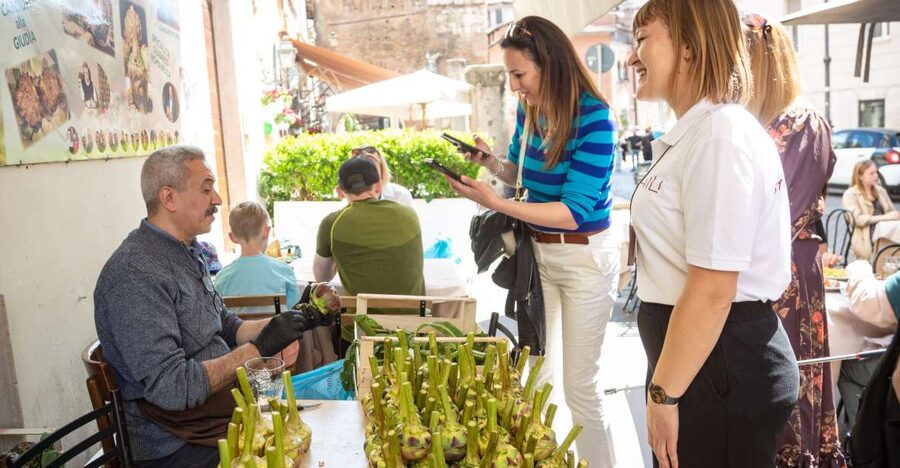
- Campo de’ Fiori market visit where you get firsthand access to Roman street snacks like suppli
- Gelateria Regusto dessert stop, a proper finish instead of a rushed last bite
- Guides with personality, many are funny, interactive, and generous with real restaurant tips (Daniele and Leonardo get named often in reviews)
Trastevere and Campo de’ Fiori, the two neighborhoods that practically taste like Rome
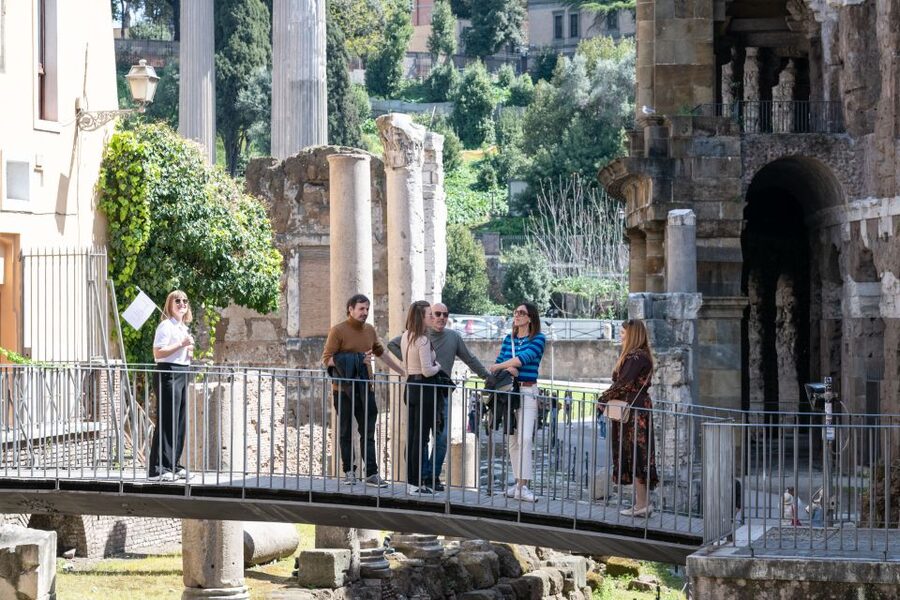
If you want Rome food at street level, Trastevere and Campo de’ Fiori are a smart pairing. Trastevere is where daily life spills onto the streets. It’s where you’ll find long-running local habits, from market routines to the way people grab a quick bite between errands.
Campo de’ Fiori adds a different energy. It’s the older open-air market area that still draws people for fresh food and simple meals. On a walking tour like this, the big value is timing. You’re not hunting alone. You’re walking with someone who knows what’s worth stopping for and what to skip, which matters in a city where menus can be a trap if you’re not sure what’s local.
This also helps your second night in Rome. When you leave with a mental map of where the good stuff is, you spend less time wandering and more time eating.
Worth an aperitivo-hour scroll, our other Trastevere and Jewish Ghetto walks in Rome.
- Winner 2025 Rome Twilight Trastevere Food Tour by Eating Europe
★ 5.0 · 5,157 reviews - Rome: Trastevere or Jewish Quarter Street Food Tour
★ 4.8 · 3,839 reviews - Rome: Trastevere Food tour with Free-Flowing Fine Wine
★ 5.0 · 2,853 reviews - Rome: Trastevere & Campo de Fiori Street Food Walking Tour
★ 4.9 · 2,768 reviews
Meeting at Piazza San Simeone, right where the walk begins
The guide meets you in Piazza San Simeone, next to the fountain in the middle of the square. That’s a practical start point because it sets the pace for the whole experience: you’ll move quickly, stop often, and keep walking without feeling stranded between far-apart attractions.
From there, the tour keeps a good rhythm. You’ll do a quick pass by Chiostro del Bramante (just a few minutes), then it’s on foot to your first tasting. This matters because the first stop sets expectations. If you’re hungry and you’re there on time, you’ll feel the tour click immediately.
Also, note the format: food stops are built into the walking. It’s not a museum tour where eating becomes an afterthought. It’s a street-food tour where history is part of the story behind what you’re eating.
Chiostro del Bramante to your first street-food stop
The short pass by Chiostro del Bramante is the “warm-up” moment. You get a glimpse, learn a bit, and then the tour moves on fast enough that you don’t lose your appetite or energy.
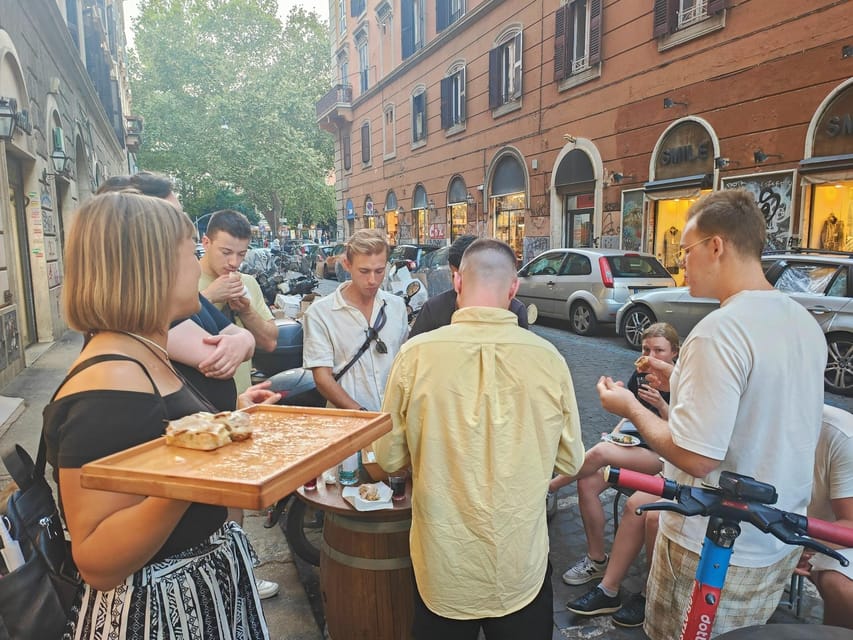
Soon after, you reach a local restaurant tasting stop (about 15 minutes). Expect Roman-style street food flavors, with the overall menu theme leaning into classics like pizza, suppli, and Roman sandwiches. The best part of starting with a proper tasting early is psychological. You’re not waiting an hour to finally try something good.
The itinerary also includes a couple of “on foot” stretches that let you reset between tastings. One walk segment is about 5 minutes, then later you get a longer move, which makes the whole thing manageable even if you’re not used to food tours.
One small drawback to keep in mind: you will be eating and walking at the same time. If you tend to get rushed by tight schedules, you’ll want to pace yourself and not over-stuff at the earliest stop.
Santa Maria in Trastevere and the pizza tradition that locals actually talk about
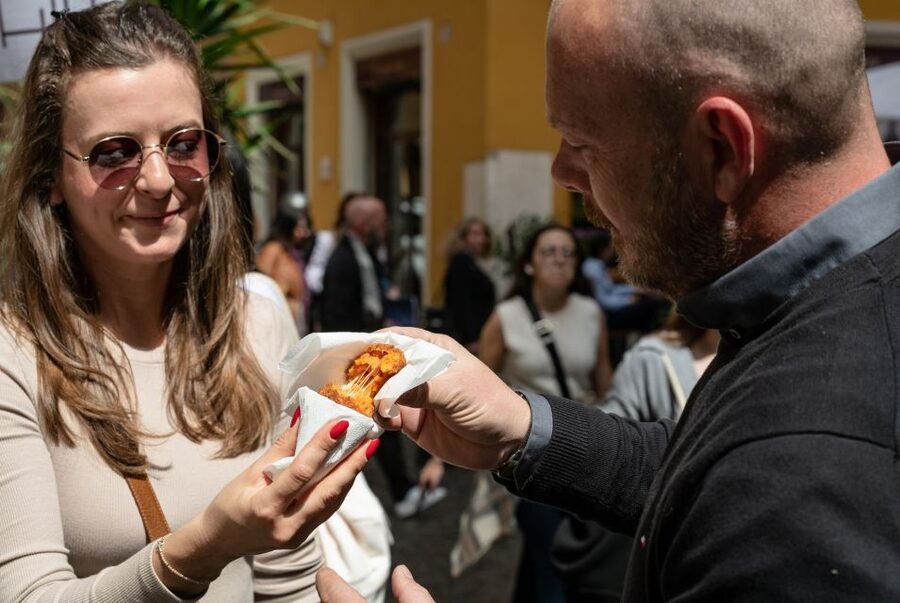
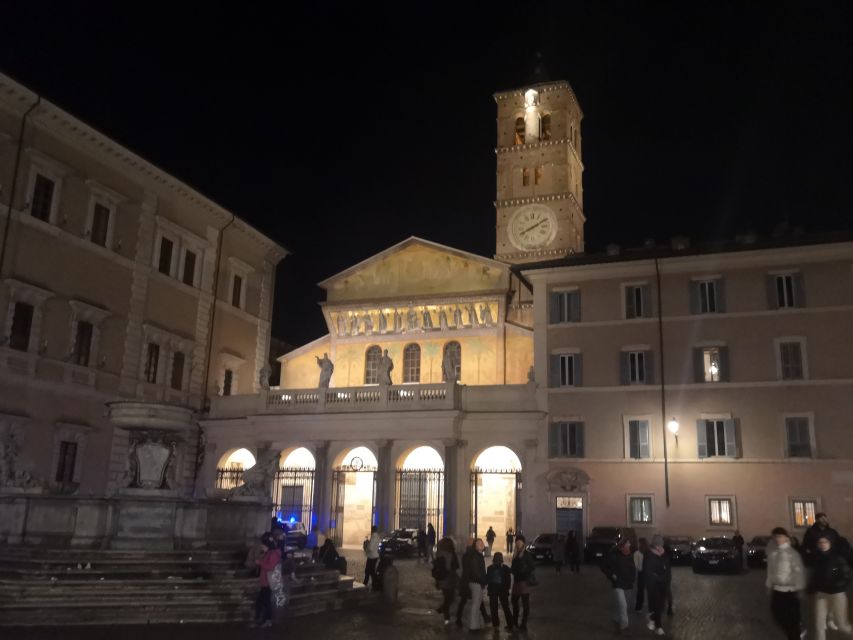
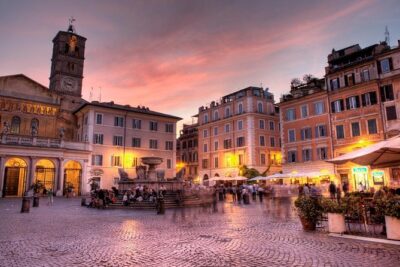
One of the standout highlights is the ancient Byzantine-style church Santa Maria in Trastevere. You don’t just pass it as background wallpaper. The tour is set up so you get context, then you connect that sense of place to the food story.
Right around this portion of the walk, you’ll also get a taste of crunchy Roman-style pizza from a famous bakery that’s been operating since 1870. That “since 1870” detail isn’t just trivia. It’s a way of signaling that you’re eating something with continuity, not a one-off trend.
For me, that’s the difference between a generic sampling and a Rome food experience. When the guide links a dish to a long-running place, the food has a backstory. You can taste it, but you also understand why it’s still there.
If you’re the kind of traveler who likes meaning behind meals, this is where the tour shines. If you only want food and don’t care about the history side, you might feel this segment slows slightly. But even then, the payoff is that you learn what to look for when you’re on your own afterward.
Campo de’ Fiori market time, suppli in hand
Next comes Campo de’ Fiori, and you get a proper market visit (about 25 minutes). This is the moment where the tour turns from “tastings on a route” into a mini education about how Romans actually buy food.
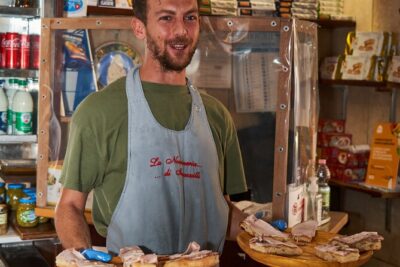
You’ll hear about the classic Roman snack suppli, those crunchy, fried rice balls that are basically made for walking. The tour explicitly highlights that you can grab the best fresh handmade suppli here, so you’re not just tasting from a random stand.
This is also a good time to pay attention to small details you can use later:
- How vendors package food for quick eating
- What the market sells that looks ready right now
- Which snacks feel like everyday habits, not tourist souvenirs
One practical tip: since you’re already eating earlier in the tour, don’t assume you need to clear your plate at every stop. Use the market time to sample and then return later, or just save your appetite for the gelato finish.
Campo de’ Fiori is also paired with a classic nearby visual route. After the market time, you pass Piazza Farnese and then you move toward the river area, so you get both food culture and postcard Rome in the same loop.
Piazza Farnese, Ponte Sisto, and river views that make the walking feel worth it
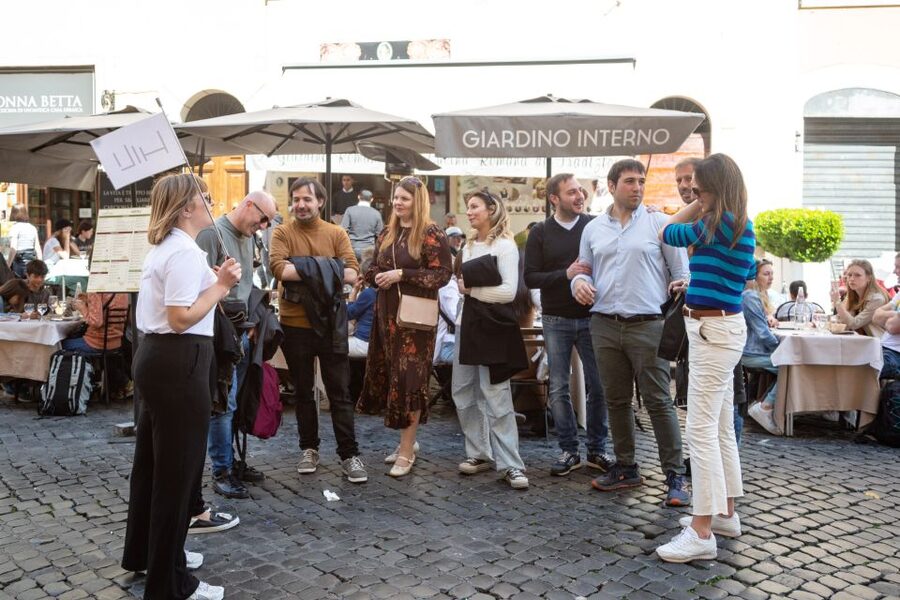
The itinerary includes scenic and pass-by moments that do real work. Ponte Sisto is the key one for views, with about 10 minutes of walking time. You’re crossing between neighborhood moods, and a river view break helps you stay comfortable rather than constantly power-walking.
You also pass Piazza Trilussa for a few minutes. These short stops are not there to take your attention away from food. They’re there to keep the walk pleasant and readable, especially when you’re moving between Trastevere and Campo de’ Fiori.
For you, this means a smoother experience. Instead of feeling trapped in a snack sprint, you get breathing room. For your photos, it’s useful too, since a food tour can otherwise feel like close-up eating only.
If you’re traveling with kids or teens, these view segments can also be helpful. They give everyone a chance to reset while the adults still get their Rome fix.
Our reviewers also walked through other food outings in Rome.




Trastevere second half eats, then gelato at Gelateria Regusto
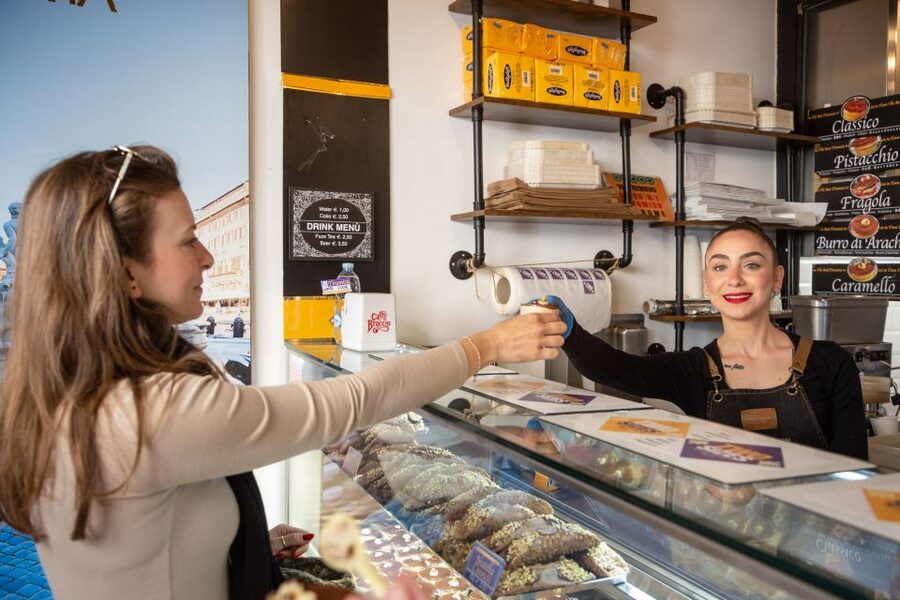
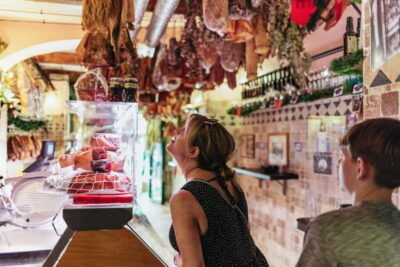
As you move into Trastevere, you get another local restaurant tasting stop (about 15 minutes). This is where variety often shows up. Based on guide performance in reviews, you may see options like porchetta, maritozzo, mortadella, and other Roman favorites alongside the core rotation of pizza and suppli.
The tour then includes a short Trastevere walking segment (about 10 minutes). That time is meaningful because it’s the transition into the “final act” portion of the experience.
Then you finish with dessert at Gelateria Regusto (about 15 minutes). A real gelato stop matters because the tour doesn’t end with a random store. It ends with the kind of place where gelato is the point.
This structure is smart for your stomach. Gelato is filling, but it’s also easier than trying to squeeze in something heavy at the end. If you love dessert, treat the gelato portion as your reward for walking with a full schedule.
The tour concludes at Piazza di San Giovanni della Malva, so you’re not stuck at the same place you started. It’s a smooth landing spot for heading into your next evening plans.
What you actually get to eat, and why it feels like good value
This tour is priced at $51 per person for 2.5 hours, which sounds simple until you factor in how Rome street food tours work in real life. You’re not just buying one snack. You’re buying multiple guided tastings, plus time with a licensed guide who helps you understand what you’re eating.
The itinerary structure strongly suggests several food stops:
- One restaurant tasting early (about 15 minutes)
- A secret stop tasting (about 15 minutes)
- A market snack moment around suppli
- Another restaurant tasting (about 15 minutes)
- A gelato dessert stop (about 15 minutes)
Even without naming every exact item at each stop, the theme is clear: you’re getting enough food that it can cover a full meal for many people, especially if you start hungry. Multiple reviews specifically mention that the tour is more filling than expected, and that portion sizes are generous.
For value-minded travelers, the real win is the combination of:
- Food access to specific places
- Guided context so you know what makes Roman street food Roman
- Small group size (limited to 14), which tends to improve the experience quality
If you’re planning your budget, think of it like an organized way to reduce trial-and-error costs. Rome can be great, but you can waste time and money chasing the wrong spot. This tour helps you avoid that.
The guides are the difference maker (and you can feel it in how they talk)
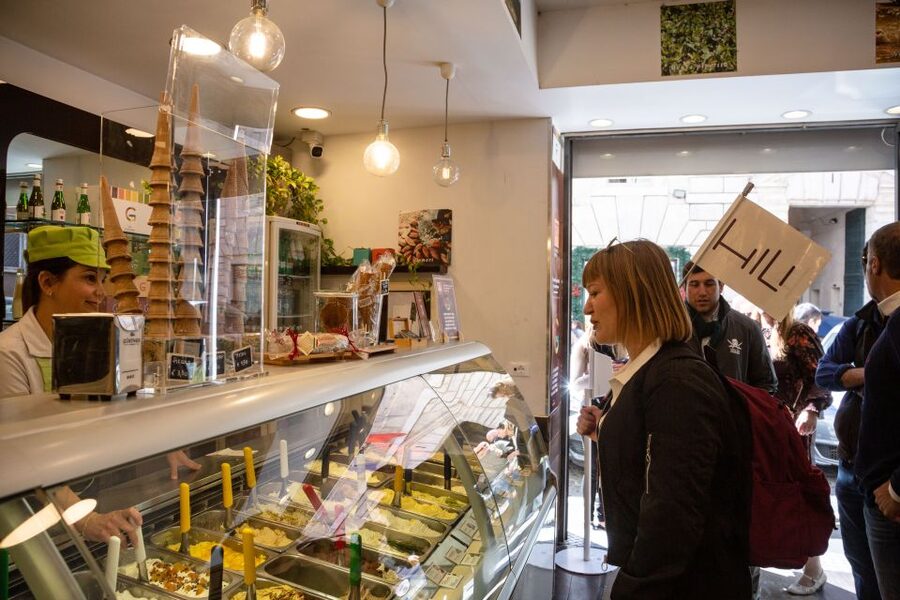
A huge theme in the reviews is the guide style. Names come up again and again: Daniele (including his local insight and even an archaeology background in one review), Leonardo, Alessandra, Caterina, Fiammetta, Simone, Max, Emilio, and Ferrara.
What I’d pay attention to, if you’re choosing when to book or what to expect, is the consistent pattern:
- Guides are friendly and engaging
- Tours include humor and interactive storytelling
- Guides give practical recommendations beyond the tour
One review even mentions a guide using a tablet to show images and videos during the walk. That kind of added context can turn normal street-food eating into something memorable.
If you want to get more out of your Rome trip, this matters. Food is never only food. In Rome, meals connect to neighborhood rhythms, family traditions, and local trade. When your guide brings that alive in plain words, you leave with better instincts.
So if you’re a first-timer, do this early. One of the most useful outcomes from these tours is that they give you a short list of places to return to later.
Dietary needs: what’s supported, and what’s not
The tour notes dietary options are available for vegetarian and other diets, as long as you inform the activity provider when booking. That’s helpful because it means the guide can plan tastings that fit your needs.
But there are clear restrictions. The tour is listed as not suitable for vegans and not suitable for people with gluten intolerance. If either of those applies to you, don’t assume the guide can substitute everything. Follow the provided suitability guidance.
Also, allergies are your responsibility to flag. The tour asks you to let them know any allergy and/or dietary restrictions. If you have serious allergies, send details early so the team has time to plan safe stops.
How to get the most out of 2.5 hours (without feeling rushed)
A 2.5-hour walking food tour is a “do it today, remember it tomorrow” experience. It’s short enough to fit into a travel day without swallowing half your vacation, but long enough to cover real neighborhood ground.
To get the most out of it, I’d do two things:
- Go in hungry, or at least not stuffed. The whole tour is built around frequent tastings.
- Bring a flexible mindset. The tour notes that the itinerary and tastings can change based on seasonal availability and local holidays.
That last point is important. Rome runs on real life schedules, not perfect tourist spreadsheets. When tastings shift, the tour is still aiming to hit the same core ideas: Roman classics, local market moments, and a gelato finish.
Also, because you walk across neighborhoods, you’ll get more than a food list. You’ll understand how to move through these areas and where the food culture lives.
Should you book this Trastevere and Campo de’ Fiori street food walk?
Book it if you want a guided way to eat Roman street food while learning why it exists, not just what it is. The small group size, the named stops like Santa Maria in Trastevere and Gelateria Regusto, and the repeated praise for guide energy and humor all point to a high-quality experience.
Skip or choose an alternative if you’re vegan or need gluten-free specifically, since this tour is listed as not suitable for gluten intolerance and vegans.
Finally, if you’re only doing one food tour in Rome, I’d pick this one early in your trip. You’ll leave with both a full stomach and a better map of where you actually want to go back.
Our Wider Tours File for Rome


Trastevere and Jewish Ghetto Walks in Rome, Written Up Separately
Not quite the day you had in mind? The rest of our Rome write-ups sit below
- Rome: Guided Tour of St. Peter’s Dome Climb, Basilica & Vatacombs★ 5.0 · 167 reviews
- St. Peter’s Basilica Guided Tour with Reserved Entrance★ 4.0 · 168 reviews
- Golf Cart Driving Tour in Rome: 2.5 hrs Catacombs & Appian Way★ 5.0 · 168 reviews
- Rome: Trastevere Wine Tasting with Food Pairing and Gelato★ 4.9 · 168 reviews
- Guided Tour of the Colosseum Palatine Hill and Roman Forum★ 4.7 · 168 reviews
- Vatican Museums, Sistine Chapel & Saint Peter’s Semi-Private Tour★ 4.5 · 169 reviews
- Hidden Rome: Small Group E-Bike Tour with Street Food Stops★ 5.0 · 169 reviews
- Rome: Papal Audience with Pope Leo IV★ 3.9 · 169 reviews
- Rome Golf Cart Tour: Highlights & Must See★ 4.5 · 170 reviews
Trastevere & the Jewish Ghetto, top to bottom.
 ★ 5.0Winner 2025 Rome Twilight Trastevere Food Tour by Eating EuropeFrom $1255,157 reviews
 ★ 4.8Rome: Trastevere or Jewish Quarter Street Food TourFrom $513,839 reviews
 ★ 5.0Rome: Trastevere Food tour with Free-Flowing Fine WineFrom $1022,853 reviews
 ★ 5.0Rome: Award Winning Trastevere Group Food Tour with WineFrom $812,273 reviews
 ★ 4.8Rome: Guided Food Tour in TrastevereFrom $1122,266 reviews
 ★ 4.5Jewish Ghetto and Trastevere Tour RomeFrom $41,729 reviews
 ★ 5.0Taste of Testaccio: Special 15 Year Anniversary EditionFrom $1311,658 reviews
 ★ 5.0Rome Food Tour: Hidden Gems of Trastevere with Dinner & WineFrom $521,166 reviews