
Reviewed · AMALFI COAST DAY TRIPS
Amalfi: Prepare fresh pasta, mozzarella and tiramisu
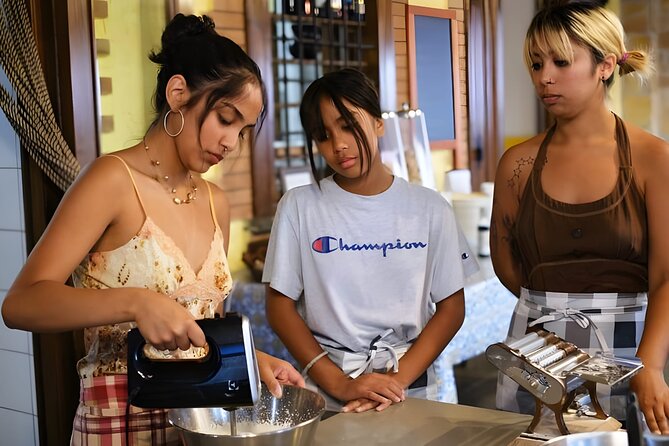
Hands-on cooking in the Amalfi hills. You’ll learn how to make fresh pasta and tiramisu from scratch in a real farmhouse setting with farm-made ingredients, plus you actually eat what you cook. One thing to consider is timing and transport, because the farm is up in the hills and the trip there can take a little planning.
What makes this class more than recipes is the family atmosphere. Hosts like Valentino and Giovanni bring a warm, funny teaching style, and the farm itself has deep roots in the Acampora family, plus a connection to poet Salvatore Di Giacomo and his Neapolitan poem Luna d’Agerola. The view over the Amalfi Coast is the kind you remember after you wipe chocolate smudges off your hands.
At $78.64 per person for about 3 hours, it can feel like good value because everything is built around doing, tasting, and eating together, not just watching. With a maximum of 50 people, you should expect a lively but not frantic group experience, and it’s offered in English. If you have food restrictions, you’ll need to flag them when booking so they can plan accordingly.
In This Review
- Key Things You’ll Notice
- Stepping Into an Amalfi Farm, Not a Kitchen Classroom
- The Hosts: Valentino and Giovanni Set the Tone
- Caprese Starter: Farm Mozzarella, the Simple Test
- Fresh Mozzarella: Why You Can Taste the Difference
- Tagliatelle and the Amalfi Coast Rhythm
- Nonna Maria Tiramisu: Coffee, Cream, and Two Layers
- Wine Tasting and Your Meal Payoff
- Time, Group Size, and English-Friendly Flow
- Getting There: The Hills Matter
- Price and Value on the Amalfi Coast
- Who Should Book This Cooking Class
- Should You Book Amalfi: Prepare Fresh Pasta, Mozzarella and Tiramisu?
- FAQ
- How long is the Amalfi cooking class?
- Where does the experience start and end?
- What is included in the price?
- Is the class offered in English?
- What dishes will I make and eat?
- Are alcoholic beverages served?
- Is there a maximum group size?
- Is there mobile ticketing?
- Can I bring a service animal?
- What if I have food restrictions?
- What is the cancellation policy?
Key Things You’ll Notice
- Farmhouse setting with coast views that make every break feel like a pause in a postcard
- Caprese to tiramisu, all made with what you learn instead of a pre-made plate
- Hands-on pasta and mozzarella workflow, with equipment and aprons provided
- Valentino and Giovanni’s family style teaching, lots of interaction
- Local wine tasting with your meal, with age rules for alcohol
- A structured 3-course rhythm that ends with everything you made on the table
Stepping Into an Amalfi Farm, Not a Kitchen Classroom
This experience starts at Via Radicosa, 42, 80051 Pianillo NA, Italy, and it ends back there. You’re welcomed at an authentic farmhouse overlooking the upper Amalfi Coast, so even before cooking starts, you get that hillside calm and the wide perspective that makes Agerola and the surrounding area feel special.
I like that the setting is part of the lesson. It’s not just ingredients and tools, it’s the place those ingredients come from, and the family behind the work. That matters on the Amalfi Coast, where many experiences are quick stops in busy spots, but here the pace is slower and more personal.
There’s also a historical and cultural layer. The farm has been associated with the Acampora family for centuries, and it inspired Salvatore Di Giacomo, who wrote Luna d’Agerola during rest there. You don’t need to be a literature fan to enjoy hearing that context, because it just reinforces that this isn’t a staged “theme” location.
Filed beside this one, more Amalfi Coast day trips in Positano.
- Private Amalfi Coast Boat Trip from Positano, Praiano or Amalfi
★ 5.0 · 431 reviews - Small Group Day Trip to Capri from Positano or Praiano
★ 4.5 · 354 reviews - From Positano: Sorrento Coast & Capri Full-Day Trip by Boat
★ 4.7 · 340 reviews - Very Small Group Capri Boat Excursion with Transfer from Positano
★ 4.5 · 334 reviews
The Hosts: Valentino and Giovanni Set the Tone
If you want a class where you’re not afraid to mess up flour or spill coffee into a bowl, this is the kind of setup that tends to work. The teaching style is credited to the family hosts, especially Valentino and Giovanni, who guide you through each step and keep the mood light.
In practical terms, that means you get a clear sequence. You’re taught, you repeat what you learned, and then you sit down to eat. That “do, then eat” structure is one reason the class earns such strong word-of-mouth, because the payoff is immediate.
It also helps that the hosts can explain in English, so you’re not stuck guessing what a gesture means. And with a group size that tops out at 50, you’re unlikely to feel swallowed by a huge crowd while you’re working at your station.
Caprese Starter: Farm Mozzarella, the Simple Test
The starter is Caprese, built around mozzarella and fresh cherry tomatoes, seasoned with extra virgin olive oil, salt, and oregano. This is a smart first move, because caprese is the kind of dish where quality shows fast. If the mozzarella is truly fresh, you taste it right away, not after a complex sauce rescues the flavor.
You’ll get a chance to understand how the mozzarella fits into Italian cooking without turning it into a science project. And because this class is built around making mozzarella later, caprese functions like a preview. You eat it, you notice the texture, and then you’re ready to learn how it gets there.
One consideration: since mozzarella is a dairy-based ingredient, if you have dairy restrictions, you’ll need to share that at booking. The experience does ask you to notify them about food restrictions, but the specific substitutions are not listed.
Fresh Mozzarella: Why You Can Taste the Difference
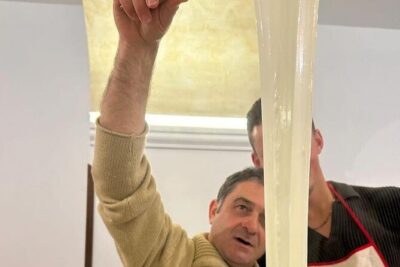
After the starter, the workflow shifts into what many people come for: making mozzarella using milk from cows raised and cared for on the farm. That farm-raised detail is the kind of thing that sounds small until you realize mozzarella is extremely ingredient-driven. You’re not building flavor from a strong sauce, you’re letting fresh dairy do the heavy lifting.
The class includes mozzarella equipment and aprons, which tells you the setup is meant for hands-on participation, not just observation. In other words, you’re expected to get your hands involved, and the process is paced so you can follow along step by step.
From a value standpoint, mozzarella is also where you get the most “I made this” reward. Pasta dough can feel like play. Dessert can feel like a sweet finishing touch. Mozzarella, though, has a distinct process, and the difference between store-bought and freshly made shows immediately in how it stretches, melts, and tastes.
Tagliatelle and the Amalfi Coast Rhythm
Next comes tagliatelle, made with help and fresh pasta equipment. The sample menu includes tagliatelle with vegetables and cherry tomatoes, and also a sauce made with aubergines, courgettes, and fresh cherry tomatoes.
What I like about this part is that it teaches a core skill while staying relevant to what you’d actually eat in the region. Tagliatelle is not complicated in concept, but it does reward patience. When the cooking is hands-on, you pick up practical cues like how dough should feel and how to manage timing once the sauce is ready.
And because the Amalfi Coast style often leans on simple ingredients used at their best, you’re not learning a trick that only works in a classroom. You’re learning a pattern you can reuse at home: pasta plus olive oil or tomato-forward ingredients plus seasonal vegetables.
One small practical note: pasta takes a little attention. If you’re the type who gets flustered when multiple things are happening at once, just remember that this is structured as a family-led station activity, so you can take it at your pace while the hosts keep the group moving.
Nonna Maria Tiramisu: Coffee, Cream, and Two Layers
Dessert is tiramisu, taught from scratch using the famous recipe of Nonna Maria. The classic structure is in the menu breakdown: two layers of ladyfingers dipped in coffee, covered with cream, and finished with cocoa.
If you’re worried about coffee taste, don’t skip this just yet. Tiramisu can taste strongly of coffee when the soak is heavy. But in a scratch-made class, you usually have more control over how things are assembled, and you’re eating it right after making it, not tasting a hotel version that sat around too long.
Still, it’s worth reading the ingredient reality: coffee and cocoa are part of the recipe. If coffee is a hard no for you, you should ask the host what flexibility exists before you book.
A short passeggiata through our other tiramisu and gelato classes in Positano.
Wine Tasting and Your Meal Payoff
After you cook, you relax and taste homemade wine. Alcoholic beverages are included, but the tour notes that anyone under the legal drinking age in Italy, 18, will not be served alcohol. That’s straightforward and saves you from awkward surprises.
A big part of why the reviews tend to feel so positive is that the meal isn’t a separate event. You prepare the dishes and then eat them as a shared experience. That gives you an immediate sense of success, plus it makes the time feel focused and satisfying.
The class also includes bottled water and soda/pop, so you’re not stuck planning hydration in the middle of cooking. For a hillside farmhouse, that’s exactly the kind of practical inclusion that helps.
And yes, you’ll have plenty of food by the end. The menu cycles through starter, pasta, and dessert, and you taste the homemade wine alongside what you made.
Time, Group Size, and English-Friendly Flow
This is an experience that runs for about 3 hours. That’s a sweet spot on the Amalfi Coast, where many activities are either too short to matter or too long to fit into a day of driving, ferry hopping, or beach time.
It’s also described as an English-offered experience, and the class includes mobile tickets. You should get confirmation at booking time, which helps you plan around timing on the coast.
The group size max is 50 travelers, so it’s not a private session, but it’s also not so large that your hands are just decoration. The best part of the format is that you learn in sequence, then repeat what you practiced, so you’re not left waiting through long stretches.
Getting There: The Hills Matter
The meeting point is fixed at Via Radicosa, 42 in Pianillo, and it’s in the hills above the coast. The tour data says it’s near public transportation, and some people plan around a bus to Agerola plus a short walk. If you want the least-stress route, I’d pick your transport plan early and give yourself buffer time.
Also, because the experience ends back at the meeting point, you want to make sure your ride back is lined up. You don’t want to sprint through a cooking class because you’re chasing the last bus.
If you’re traveling with a taxi, it can help to confirm your pickup point and timing. The class is timed, so late arrival can cut into your cooking and tasting.
Price and Value on the Amalfi Coast
At $78.64 per person, the math makes more sense when you look at what’s included. You get the tools (pasta machine and mozzarella equipment), the prep support (aprons), the food (starter, pasta, tiramisu, and included meals), and alcoholic beverages plus water and soda.
Many Amalfi-area activities charge for instruction alone, then you pay extra for food and drink. Here, the meal is the main event, and it’s centered on fresh output, not a small tasting. That’s why it tends to feel like good value for the time, especially if you’re coming from Positano and want an experience that isn’t just another view stop.
Is it worth it? If you like hands-on cooking and you want something more authentic than a restaurant dinner, yes. If you just want to sample food without participating, you might find the active format a bit much.
Who Should Book This Cooking Class
This works especially well for:
- Food lovers who want practical skills they can recreate later
- Couples or small groups who enjoy learning in a relaxed setting
- Families, since the structure is interactive and centered on shared cooking tasks
It may be less ideal if:
- You want a long lecture style tour instead of doing the work
- You hate coffee-based desserts
- You have strict dietary needs and haven’t told the organizers at booking
One minor caution I’d keep in mind: not every part will land equally for everyone. Some people found portions of the experience a little dry at times. That doesn’t mean it’s poorly run, it just means the pacing is practical and cooking-focused, not theater all the way through.
Should You Book Amalfi: Prepare Fresh Pasta, Mozzarella and Tiramisu?
I’d book it if you want an Amalfi Coast experience where the view, the family story, and the food all connect to the same moment. You’re not just tasting; you’re making. And because the menu includes caprese, tagliatelle, and Nonna Maria tiramisu, you get a full arc from savory to dessert in about 3 hours.
Skip it if you’re short on time, or if the idea of hands-on cooking doesn’t fit your travel style. Also, if coffee is a deal breaker, check with the host before booking.
If you do go, show up with a transport plan, bring your appetite, and expect to leave with more than memories. You’ll leave with techniques and flavors you can actually re-create back home.
FAQ
How long is the Amalfi cooking class?
It lasts about 3 hours (approx.).
Where does the experience start and end?
It starts at Via Radicosa, 42, 80051 Pianillo NA, Italy, and ends back at the meeting point.
What is included in the price?
The price includes bottled water, soda/pop, lunch and dinner, alcoholic beverages, aprons, and the equipment for making fresh pasta, mozzarella, and tiramisu.
Is the class offered in English?
Yes, it is offered in English.
What dishes will I make and eat?
You will prepare fresh pasta (tagliatelle), mozzarella, and tiramisu. The sample menu also includes a caprese starter.
Are alcoholic beverages served?
Alcoholic beverages are included, but you will not be served alcohol if you have not reached Italy’s legal drinking age of 18.
Is there a maximum group size?
Yes, the tour has a maximum of 50 travelers.
Is there mobile ticketing?
Yes, the experience uses a mobile ticket.
Can I bring a service animal?
Yes, service animals are allowed.
What if I have food restrictions?
You must notify the organizers at the time of booking about any food restrictions.
What is the cancellation policy?
You can cancel up to 24 hours in advance for a full refund. Cancellations within 24 hours of the start time are not refunded.
Further Tiramisu and Gelato Classes We Cover in Positano
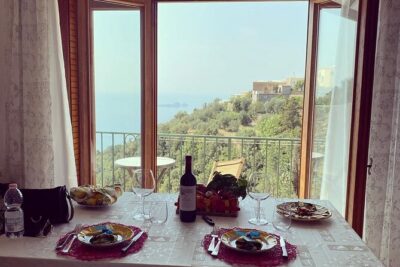
Other Amalfi Coast Day Trips in Positano From Our Notebook
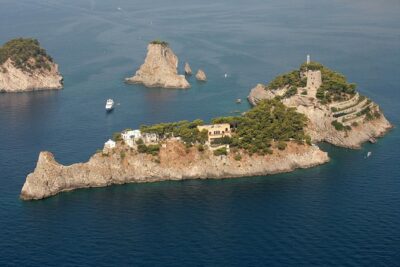

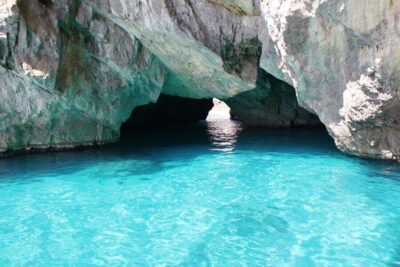
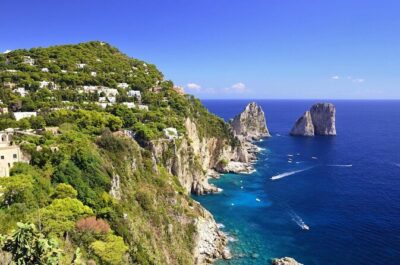
Not quite the day you had in mind? The rest of our Positano write-ups sit below
- Small Group Amalfi Coast Day Trip from Positano or Praiano★ 4.5 · 170 reviews
- Capri & Blue Grotto Small Group Full-Day Boat Tour from Positano★ 4.5 · 171 reviews
- From Positano: Amalfi Coast Boat Tour with Swimming Stop★ 4.9 · 177 reviews
- Small Group Amalfi Coast Boat Day Tour from Positano★ 5.0 · 184 reviews
- Positano: Shared Sunset Cruise★ 4.9 · 185 reviews
- Small-Group Cooking Class in Positano: Gnocchi, Tiramisù & Drinks★ 5.0 · 191 reviews
- From Positano: Day trip to Capri – Group Tour by boat★ 4.8 · 226 reviews
- Amalfi Coast Private Boat Tour from Positano, Praiano or Amalfi★ 5.0 · 235 reviews
- Full Day Capri Island Cruise from Praiano, Positano or Amalfi★ 4.5 · 255 reviews
Amalfi Coast Day Trips, top to bottom.
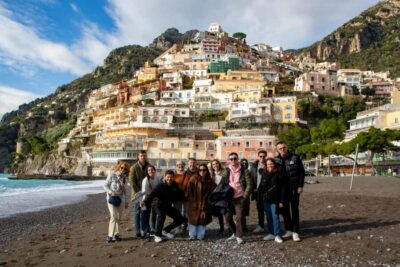 ★ 4.6From Naples: Sorrento, Positano and Amalfi Full-Day TourFrom $10710,988 reviews
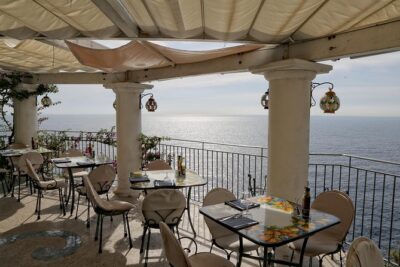 ★ 5.0From Naples: Sorrento, Positano & Amalfi Coast – Small Group TourFrom $768,643 reviews
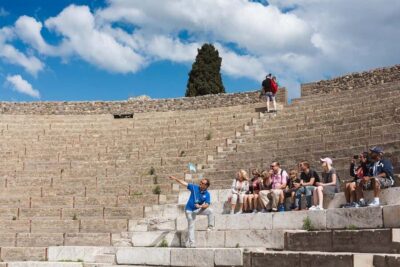 ★ 4.6From Rome: Pompeii, Amalfi Coast, and Sorrento Day TripFrom $797,031 reviews
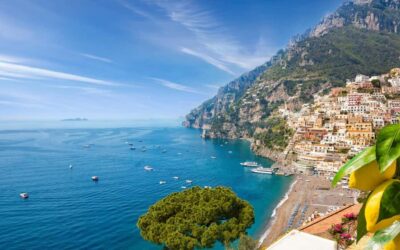 ★ 4.6From Rome: Pompeii, Amalfi Coast and Positano Day TripFrom $996,620 reviews
 ★ 4.5Pompeii, Amalfi Coast and Positano Day Trip from RomeFrom $1016,250 reviews
 ★ 4.5From Naples: Amalfi Coast Full-Day TripFrom $724,354 reviews
 ★ 4.3Naples: Boat Tour to Positano, Amalfi and RavelloFrom $954,000 reviews
 ★ 4.8From Naples: Exclusive Tour of Amalfi CoastFrom $843,970 reviews