
Reviewed · COLOSSEUM & ROMAN FORUM TOURS
Colosseum, Roman Forum & Palatine Guided Tour
The Colosseum is loud, even when it’s quiet. This tour leans on priority access so you spend less time stuck and more time looking, and the Roman Forum stops hit hard when a guide ties everything together. The one real consideration: you still have to pass security checks, so high season can add waiting even with the skip.
I also like that this is built for real listening. You get headsets, so you can hear your guide without doing the awkward lean-and-guess routine, and the group can be private or small, which usually means more questions and less crowd herding. One more note to keep in mind: this isn’t wheelchair accessible, so plan accordingly if mobility is a factor.
In This Review
- Key highlights to look for
- Priority Entry Gets You Past the Biggest Bottleneck
- Entering the Colosseum: Arena Views and the Emperor’s Palace Angle
- The Stories That Turn the Colosseum Into a Real Place
- Roman Forum: Where the Tour Gets Personal Fast
- Palatine Hill and the Emperor’s Perspective
- How the Timing Works: 1.5 to 2.5 Hours Without Feeling Rushed
- Price and Value: What $78.57 Really Covers
- Guide Quality: The Difference Between Reading Signs and Feeling the Place
- Practical Stuff You’ll Thank Yourself For
- Who Should Book This Tour, and Who Should Skip It
- Should You Book This Colosseum, Forum and Palatine Tour?
- FAQ
- What is the duration of the tour?
- Does this tour include skip-the-line entry?
- What is included in the price?
- Can I access the Colosseum arena?
- Which languages are available for the live guide?
- What do I need to bring?
- Is this tour wheelchair accessible?
- What items are not allowed?
Key highlights to look for
- Priority entry helps you bypass the longest lines at the start
- Headsets keep the story clear even in loud, packed spaces
- Colosseum arena access may be available if you choose the upgrade
- Forum and Palatine are the real payoff for the day’s big ideas about Roman life
- Multiple guide languages make the tour easier to follow and enjoy
Priority Entry Gets You Past the Biggest Bottleneck
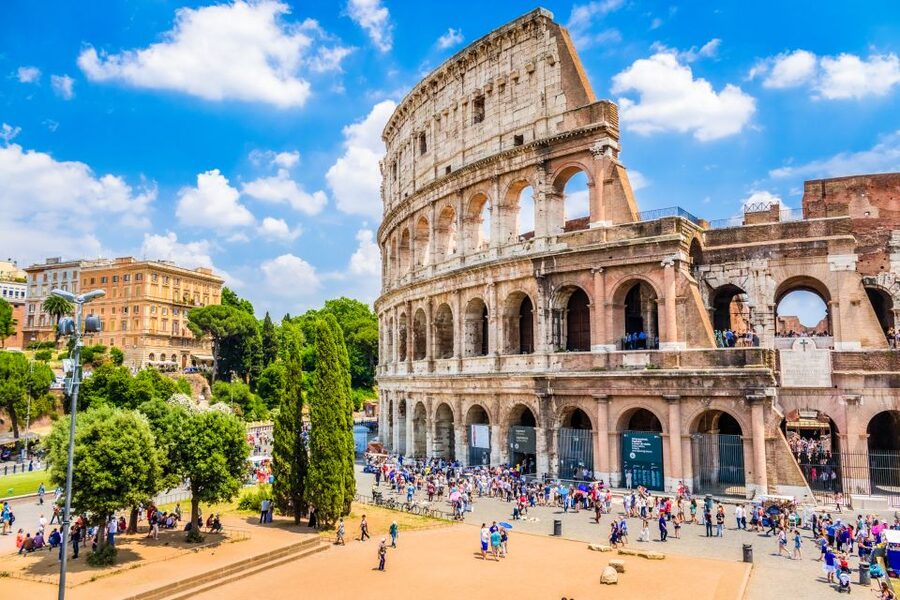
Rome has a way of testing your patience at ticket gates. What makes this tour worth considering is the promise of priority access and the practical result: you skip the worst of the waiting at the Colosseum entrance. Even if the site is crowded, organized entry can save you time you would otherwise spend standing in line, shifting your feet, and watching the same groups funnel past the same doors.
Security still happens. All guests go through security checks before entering the Colosseum and the Roman Forum, and in busy months the wait can be longer than you might expect. So I treat this as a time-saver, not a magic wand. If you want the best experience, show up a little early, wear comfortable shoes, and keep your day calm.
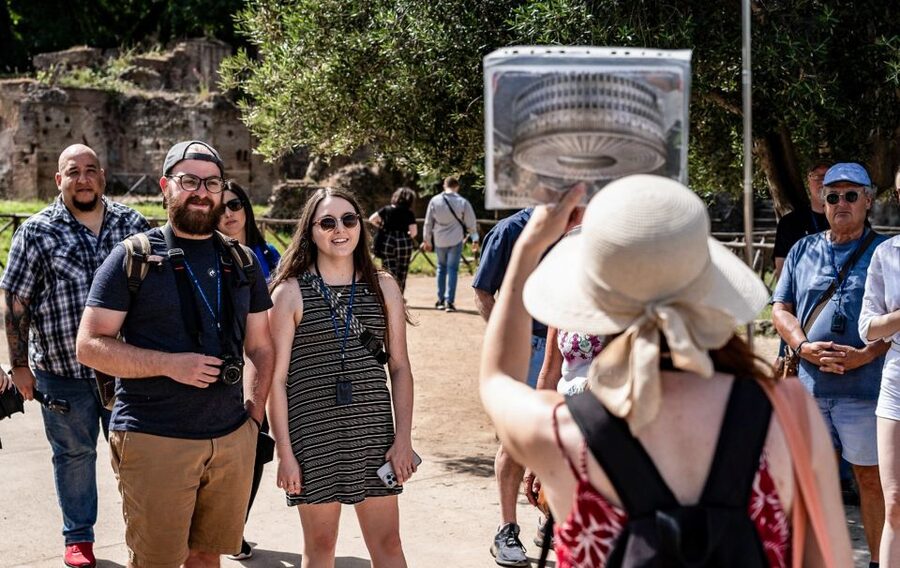
The headsets matter more than you think. The tour uses radios so you hear your guide clearly over crowds and street noise. And I’ve seen how good this can be when groups are small or when you are right up front. It makes a difference at the Forum, where it is easy to miss details if you are relying on lip reading.
Filed beside this one, more Colosseum and Roman Forum tours in Colosseum.
- Colosseum, Roman Forum & Palatine Guided Tour
★ 4.7 · 63,148 reviews - Rome: Colosseum, Roman Forum, Palatine with Multimedia Video
★ 4.0 · 12,766 reviews - Rome: Colosseum, Palatine Hill & Roman Forum Guided Tour
★ 4.7 · 8,425 reviews - Rome: Colosseum, Roman Forum & Palatine Hill Tour
★ 4.3 · 5,441 reviews
Entering the Colosseum: Arena Views and the Emperor’s Palace Angle
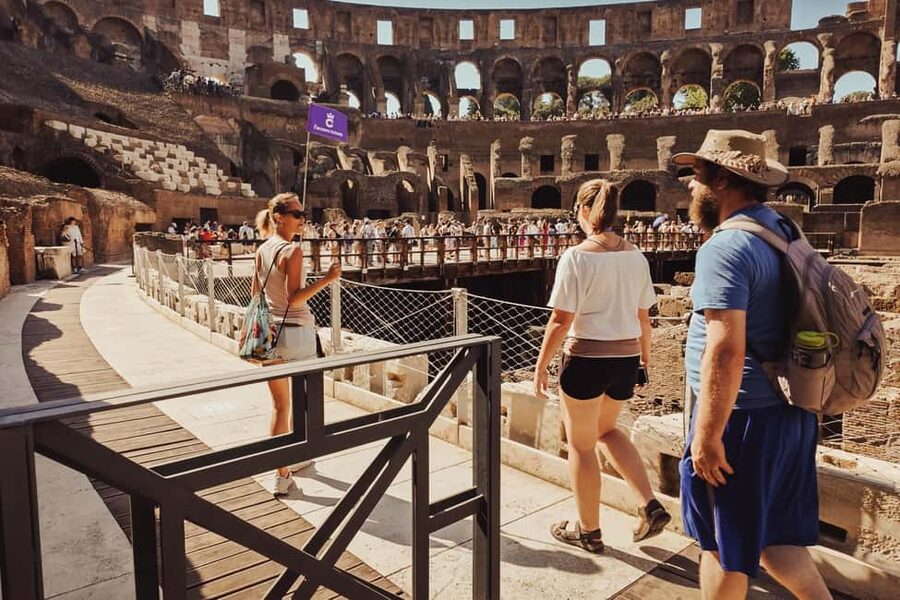
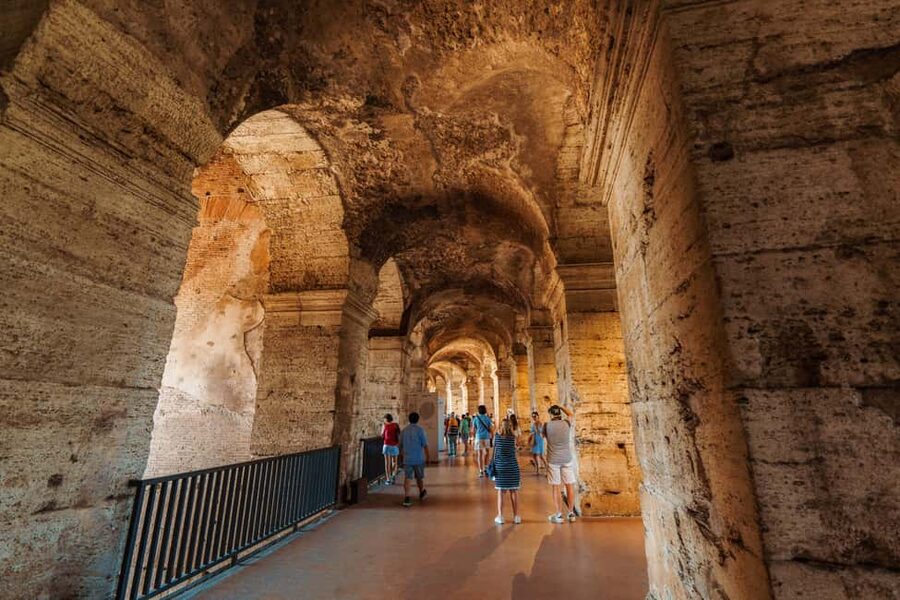
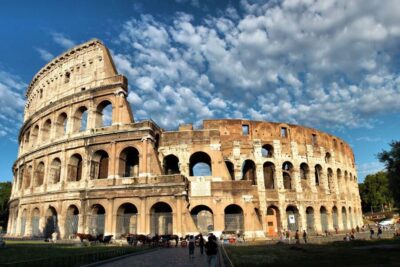
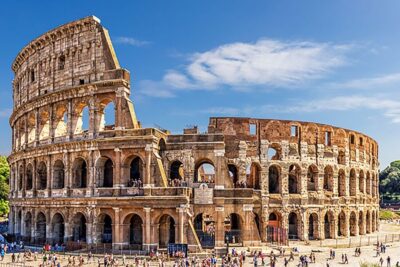
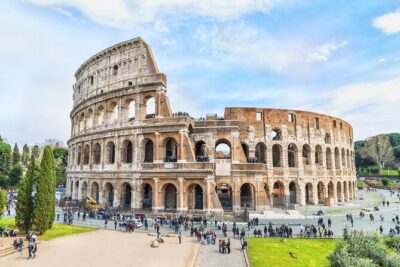
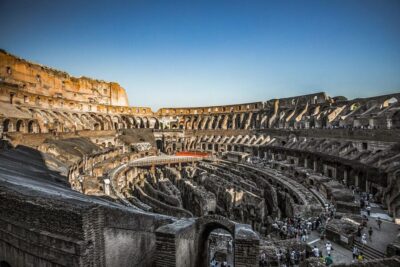
The Colosseum is the centerpiece, and the tour is designed to let you see it with context instead of just photo-stop hopping. Depending on the option you pick, you may get access to the arena, which is a big deal if you want to understand the geometry of the spectacle. Even without arena access, you’ll walk through the space with a guide who explains what you are seeing and why it mattered.
One of the tour’s standout features is the focus on the “how did they do that” side of Roman engineering. The structure looks familiar from postcards, but inside it becomes something else entirely: the scale, the sightlines, and the way crowds were funneled and controlled. The guide ties it to entertainment and power, not just architecture.
There’s also a note about panoramic views from the Emperor’s Palace. That matters because the Colosseum and the Palatine area are linked visually. When you later look out from higher ground, the sweep of Rome helps you understand why emperors liked this location. The city is not flat, and the viewpoints let the story make spatial sense.
If you choose the arena option, you can expect extra impact because you are closer to where events unfolded. In one of the guide experiences I’m drawing on, Andy was praised for finding excellent picture spots and for turning the arena visit into a memorable, practical experience rather than a rushed walk through. If you love photography, the arena option is usually the more satisfying choice.
The Stories That Turn the Colosseum Into a Real Place
This is not just, look at rocks, repeat. The whole point is that your guide connects the Colosseum to the types of events Romans staged, including gladiator combats, sea battles, and wild animal hunts. One clue you’ll hear is that these entertainments could run for long stretches, sometimes up to 100 days. That detail changes how you view the site. It’s not one-off entertainment. It is a big public machine.
A good guide will also translate the idea of power and performance. Rome used games as politics you could watch. Your guide explains how emperors, officials, and elites used spectacle to send messages, build loyalty, and project control. That is how the Colosseum becomes more than an old stadium. It becomes a communication tool.
This is where the guide quality really shows. I’ve seen multiple guide names highlighted in accounts of this exact experience, including Jessica, Aurora, Alexandra, Valerie, Yuri, and Daniele V. The common thread is style: not just facts, but storytelling that brings the present into the past, so you understand the why, not only the what.
One practical consideration: if you are sensitive to heat or you have kids who tire easily, the Colosseum is big and walking adds up. A couple of accounts noted needing to adjust pace mid-tour, especially toward the end. I’d plan your energy, bring water when allowed outside the strict rules, and be ready to move at a steady walking pace.
Roman Forum: Where the Tour Gets Personal Fast
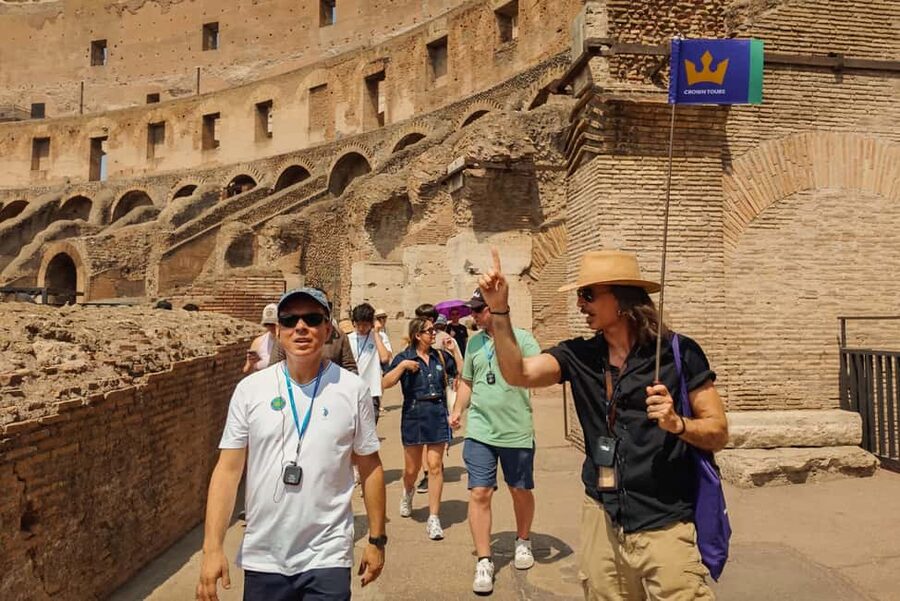
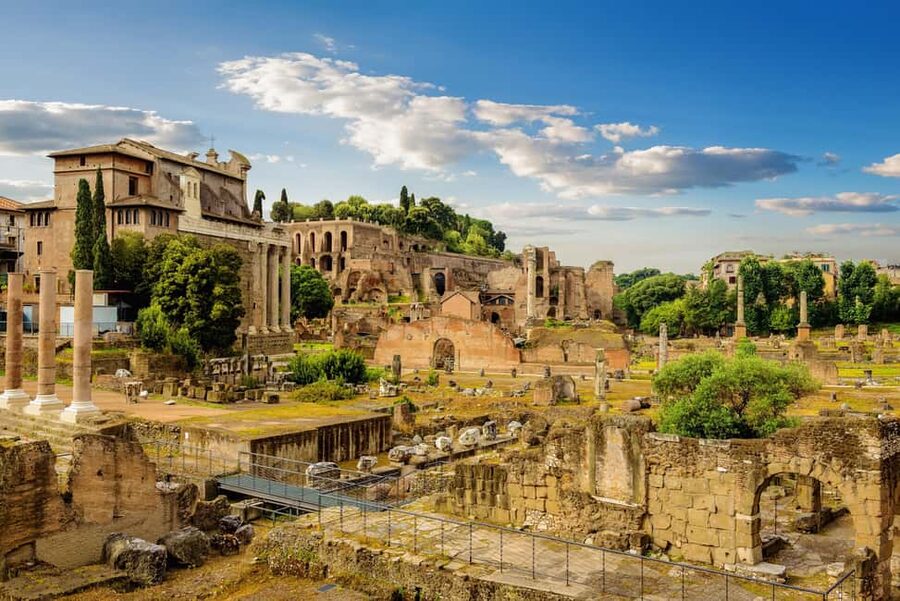
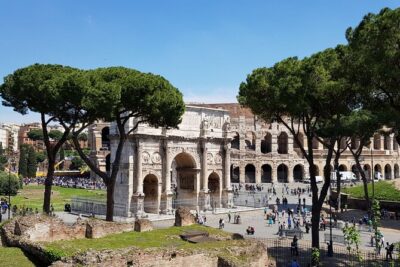
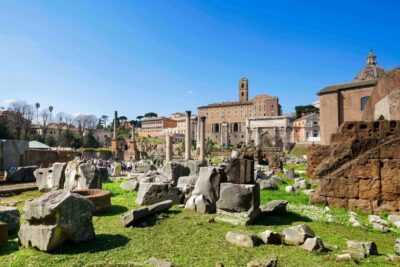
If you want your “wow” moments to become “oh, I get it,” the Roman Forum is usually where it clicks. This area functioned as Rome’s political, commercial, and religious center, so it is packed with the daily stuff of power. A guided visit is valuable because the Forum can feel like scattered ruins unless someone helps you connect the dots.
In a short guided stop, you will not cover everything. That is normal. The value is that your guide highlights the key parts and ties them to Roman life. You get stories about what people did here, who mattered here, and how the city worked. That makes even a 30-minute visit feel purposeful.
The Forum is also an ideal place for a “mindset shift.” Instead of treating it like an outdoor museum, treat it like a location where decisions happened. Your guide will help you see how religious ceremonies, business, and political power overlapped in the same shared public space. When you understand that, the ruins stop looking random.
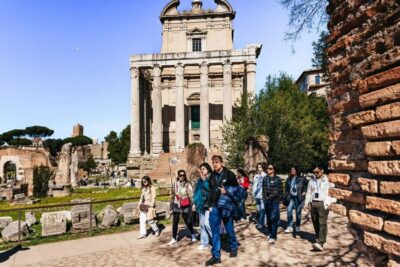
And yes, it is often crowded. Even with organization, you’ll still be moving through tight spaces. The headsets help a lot, and choosing small group options can reduce the constant stop-and-start that happens in larger crowds.
Palatine Hill and the Emperor’s Perspective
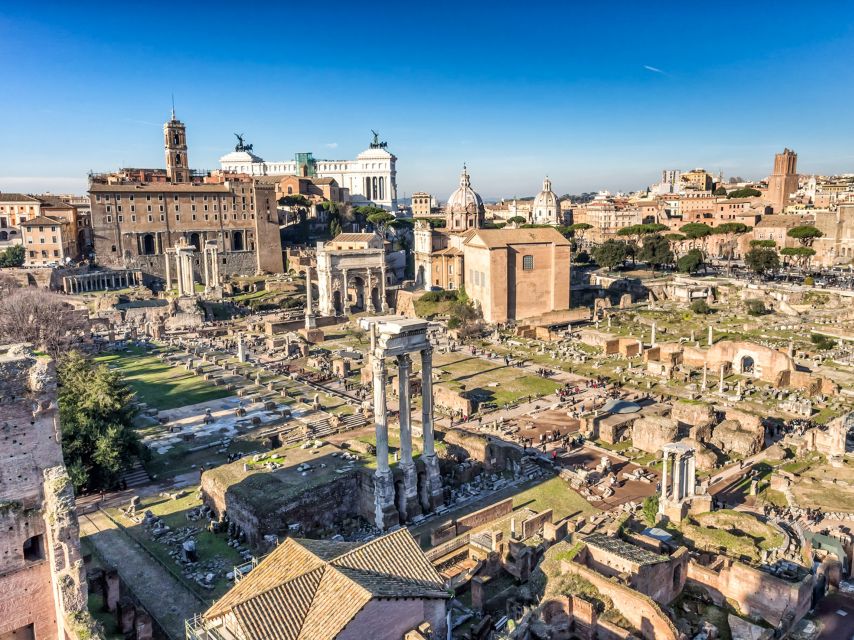
After the Forum, the Palatine Hill stop adds height, views, and a shift from civic life to elite life. Palatine is tied to the founding legends of Rome, so the guide can blend myth and history in a way that makes the setting feel alive. It is not just backstory. It helps you understand why this area carried so much meaning.
The tour includes a focus on panoramic views, including the Emperor’s Palace angle. That’s useful because it gives you a visual reason for why the powerful wanted to live and rule from these vantage points. Standing up here, Rome looks like a landscape with edges and corridors, not a sea of buildings.
This is also one of the stops where time feels tight but efficient. A 30-minute visit is enough to get the big picture, especially if you are listening and not constantly stopping for photos. If you want to linger, plan to revisit later on your own with more time in the day. But if you are doing a short, high-impact route, Palatine fits perfectly.
How the Timing Works: 1.5 to 2.5 Hours Without Feeling Rushed
The tour duration runs about 1.5 to 2.5 hours, with longer guided time in July and August (2 hours). That timing is a real factor for value. It’s short enough to fit into a first-time Rome itinerary, but long enough for a guide-led understanding of all three major sites.
Here’s how I’d think about it: Colosseum gets the longest guided block, and the Forum and Palatine are shorter. That makes sense because the Colosseum is where you need the most explanation to “unlock” what you’re looking at. The Forum then becomes the payoff, because it tells you how Rome functioned, and Palatine gives you the view-based closing scene.
A few accounts praised the fact that the tour does not feel rushed and that there is time for questions. Others noted they would have liked more independent wandering. So I’d set your expectation accordingly: this is a guided route built for understanding, not a flexible free-roam stroll where you can wander indefinitely.
Heat can also affect how fast you move. One guide was praised for making an effort to keep guests in the shade during a hot day. That’s not something you can control, but it’s a reminder: bring a practical plan for sun, hydration, and pace.
We wrote up further guided tours in Colosseum on the same pass through the archive.
Price and Value: What $78.57 Really Covers

At $78.57 per person, this isn’t a bargain-basement ticket. But when you break it down, it can be a solid value for first-timers.
What you’re paying for includes:
- Entry to the Colosseum, plus Roman Forum and Palatine Hill
- A licensed guide experience with headsets
- Priority access to help you skip long waits
- An optional arena upgrade (if you select it)
The tour notes that the archaeological site ticket fee for adults is 16 euros, and the arena option is 22 euros, with an extra 2 euros reservation fee. The additional amount covers the guide service, audio devices, reservation fees, and tour amenities. In other words, you’re not only buying access. You’re buying an interpretation layer that saves you time and helps you get more from the same places.
So when is the extra spend worth it?
- If you hate line time, you will feel the benefit immediately.
- If you want a structured walkthrough rather than reading ruins for yourself, you’ll get your money’s worth.
- If you care about being where gladiators and crowds gathered, the arena option is often worth considering.
When might it feel less valuable?
- If you already know a lot and prefer to wander slowly on your own, you might want a less guided or self-guided approach.
- If your group wants long pauses for exploring without a schedule, the guided timing may feel limiting.
Guide Quality: The Difference Between Reading Signs and Feeling the Place
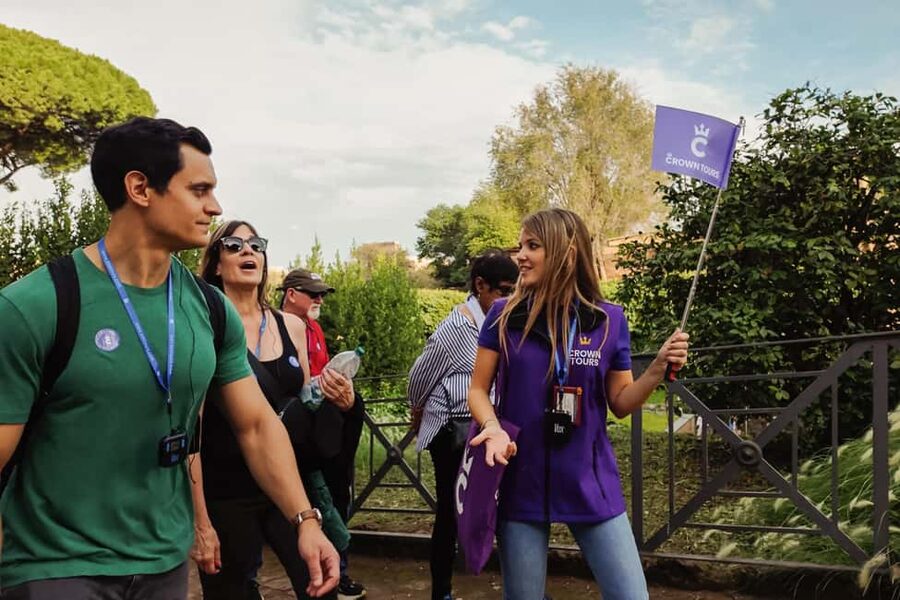
This tour’s success often comes down to guide skill and group management. Multiple guide names show up in praise, including Krista, Jessica, Aurora, Alexandra, Valerie, Andy, and Yuri. People specifically called out guides for being friendly, fun, and able to connect Roman life to the visible remains.
One theme I’d trust: the best guides handle two things at once. They explain what you see in plain language, and they keep the pacing reasonable so you do not feel bombarded. Several accounts highlighted that the tour was educational without becoming overwhelming. That is hard to get right at the Colosseum, where there is always pressure to speed up.
Another theme: guides who handle logistics well. One account praised navigating entry and exit points, which is exactly what you want when you are moving through high crowds. Less confusion means more time in the good spots.
If you do get a guide like Andy, who was praised for storytelling and finding view and photo angles, you are likely to leave with clearer mental pictures. If you get someone else, the headsets and structured stops still help, so you are not completely at the mercy of charisma.
Practical Stuff You’ll Thank Yourself For
A few rules and habits will make the experience smoother.
Wear comfortable shoes. The tour is walking-heavy across uneven ancient surfaces and crowded paths.
Bring your ID or passport. Security checks require it.
Do not plan on mobility tools. The tour specifically says it is not wheelchair accessible, and electric wheelchairs are not allowed.
Security is real. Oversize luggage is not allowed, and there are restrictions on smoking and on certain items like weapons or sharp objects.
Pets are not allowed, and unaccompanied minors are not allowed. Alcohol and drugs are also prohibited, and sprays or aerosols and glass objects are not allowed.
Rain or shine, tours continue. The guide team will adapt, which matters because Rome weather can change fast. If you’re going in rainy season, consider grippy shoes, a small umbrella or rain shell, and a plan for keeping your phone dry.
One small comfort note: some people said a bathroom break in the middle would have been nice. That’s not unusual on compact tours. If you can, use facilities before the Colosseum entrance and be ready to keep moving.
Who Should Book This Tour, and Who Should Skip It
This guided route is best if you:
- Have limited time and want all three icons in one go
- Want clear explanations rather than figuring out ruins from scratch
- Like interactive Q and A time in a smaller group
- Are traveling for a first taste of Roman history and want the big picture
You might want to look elsewhere if:
- You need wheelchair access or you have mobility limitations that make uneven walking hard
- You want long independent exploration without guidance or a schedule
- You dislike guided pacing and prefer to read at your own speed
If you travel with kids, plan for energy. The Colosseum is long, and even if the tour isn’t rushed, the site is still physically demanding. Consider bringing snacks and adjusting pace if needed when your group starts to flag.
Should You Book This Colosseum, Forum and Palatine Tour?
If you want the most efficient path through the Colosseum, Roman Forum, and Palatine Hill, I’d say yes, book it. The biggest selling point is practical: priority access plus headsets plus expert interpretation. That combination is how you convert a crowded monument day into something you remember for the right reasons.
Choose the arena option if you can. It tends to add the kind of close-up experience that makes the story feel real instead of academic. And if you are the type who likes asking questions, consider a smaller group option for a smoother experience.
Pass on this tour only if mobility access is required or if you already have a deep background and prefer self-paced wandering. Otherwise, this is a strong, time-smart way to see Rome’s most important layers, from imperial spectacle to civic life to the views that explain why the rulers picked this spot.
FAQ
What is the duration of the tour?
The tour lasts about 1.5 to 2.5 hours, with a longer 2-hour guided experience during July and August.
Does this tour include skip-the-line entry?
Yes. It includes priority access and lets you skip the ticket line, though you still go through security checks.
What is included in the price?
Included are entry to the Colosseum (and Roman Forum and Palatine Hill), headsets to hear the guide clearly, and the Colosseum entry ticket. There is also an optional arena access add-on, depending on the option selected.
Can I access the Colosseum arena?
You can access the Colosseum Arena only if you select the option that includes it. The arena option requires a higher ticket amount.
Which languages are available for the live guide?
The live guide is available in German, Italian, French, Spanish, English, Portuguese, Russian, and Japanese.
What do I need to bring?
Bring a passport or ID card and wear comfortable shoes.
Is this tour wheelchair accessible?
No. The tour is not wheelchair accessible, and it is not suitable for wheelchair users.
What items are not allowed?
Pets are not allowed, and items like weapons or sharp objects, oversize luggage, alcohol or drugs, smoking, and sprays or aerosols are prohibited. Glass objects are also not allowed.
Our Wider Tours File for Colosseum
Other Colosseum and Roman Forum Tours in Colosseum From Our Notebook
Not quite the day you had in mind? The rest of our Colosseum write-ups sit below
- Colosseum & Roman Forum Semi-Private Guided Tour★ 4.3 · 204 reviews
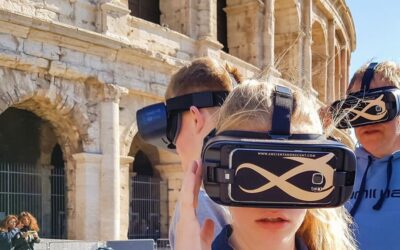
- Rome: Colosseum Access and Self-Guided Virtual Reality Tour★ 4.4 · 837 reviews
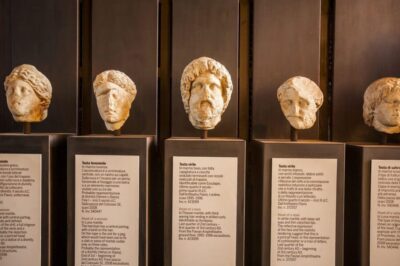
- Rome: Ancient History and Colosseum Underground Tour★ 4.5 · 996 reviews
- Rome: Colosseum, Roman Forum & Palatine Hill Tour★ 4.3 · 5,441 reviews
- Rome: Colosseum, Palatine Hill & Roman Forum Guided Tour★ 4.7 · 8,425 reviews
- Rome: Colosseum, Forum, Palatine Hill Entry & Audioguide App★ 4.4 · 10,957 reviews
- Rome: Colosseum, Roman Forum, Palatine with Multimedia Video★ 4.0 · 12,766 reviews
Colosseum & Roman Forum Tours, top to bottom.
 ★ 4.8Rome: Colosseum, Palatine Hill and Roman Forum Guided TourFrom $5232,814 reviews
 ★ 4.7Rome: Guided Tour of Colosseum, Roman Forum & Palatine HillFrom $5527,897 reviews
 ★ 4.2Rome: Colosseum & Forum with Audio Guide App -Optional ArenaFrom $4124,770 reviews
 ★ 4.5Rome: Colosseum, Roman Forum and Palatine Hill Guided TourFrom $5923,903 reviews
 ★ 4.4Rome: Colosseum, Forum & Palatine Hill Tour & Optional ArenaFrom $5813,839 reviews
 ★ 4.0Rome: Colosseum, Roman Forum, Palatine with Multimedia VideoFrom $3212,766 reviews
 ★ 4.6Rome: Colosseum, Palatine Hill & Roman Forum Guided TourFrom $5112,703 reviews
 ★ 4.7Colosseum: Underground and Ancient Rome TourFrom $16012,691 reviews
Filed under