
Reviewed · LUCCA, CARRARA & NORTHERN TUSCANY
Discover Lucca’s Secrets on a Guided Walking Tour
Lucca is history you can walk through. This guided walk strings together Roman bones, medieval churches, and Puccini’s neighborhood, with a finish at the Duomo di San Martino. I especially like the way it frames Lucca through big landmarks, like Piazza Anfiteatro, then fills in the why behind the scenes as you go.
Two things I’d call out as real wins: you get a smooth “first bearings” route for a short visit, and you see the signature sights up close without feeling rushed. The only caution: group size and how easy it is to hear can vary, and a few people found the meeting point directions a bit confusing at first.
In This Review
- Key Points at a Glance
- Why This 2-Hour Lucca Walk Is a Smart First Stop
- Meeting Point and Getting Oriented Before You Start
- Porta San Donato: Kicking Off at a Real City Wall Gateway
- San Michele in Foro and the Roman Spine of Lucca
- San Frediano Church, Via Fillungo, and the Towers You Must See
- Piazza Anfiteatro: How an Ellipse Explains an Ancient Amphitheater
- Duomo di San Martino Finish, and What’s Worth Paying Extra to See
- Price and Value: Is $18.14 Worth It?
- What I’d Expect as a First-Timer Walking Lucca
- Logistics That Can Affect Your Experience
- Who Should Book This Tour, and Who Might Skip It
- FAQ
- How long is the guided walking tour?
- How much does the tour cost?
- Is the tour offered in English?
- Where does the tour start and end?
- Is there a cost to enter the Duomo interior?
- Do I need a paper ticket?
- What group size should I expect?
- Are service animals allowed?
- Should You Book This Lucca Walking Tour?
Key Points at a Glance
- Roman street to Roman forum in a single walk, starting on Via San Paolino and ending at cathedral territory
- Puccini in the mix, with the exterior of his birthplace area tied into the city story
- San Frediano’s standout mosaic, plus tower views along Via Fillungo
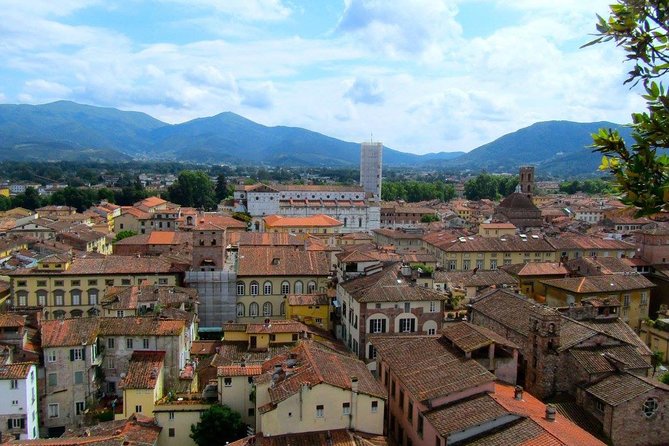
- Torre Guinigi and the clock tower, seen as part of the street-level Lucca experience
- Piazza Anfiteatro’s ellipse shape explained in plain language
- Optional Duomo interior with famous artworks and sculpture, if you have the energy
Why This 2-Hour Lucca Walk Is a Smart First Stop
If you have only a day in Lucca, this is the kind of tour that helps you spend less time guessing and more time exploring. In about two hours, you cover the core historic center, so the streets you’ll walk later start to make sense.
You also get a guide who turns architecture into story. Lucca can feel quietly complicated at first, but this route lays it out: Roman street geometry, medieval religious power, and Renaissance-era city planning all show up naturally as you walk.
Our reviewers also walked through other Lucca and Carrara marble trips in Lucca.
- Lucca: 2-Hour City Center Walking Tour
★ 4.7 · 1,314 reviews - Lucca: Puccini Festival Opera Recitals and Concerts
★ 4.7 · 1,278 reviews - Lucca: Guided Winery Tour with Wine Tasting
★ 4.7 · 611 reviews - Lucca: Wine Tasting Experience – Tenuta Adamo Winery
★ 5.0 · 400 reviews
Meeting Point and Getting Oriented Before You Start
The tour starts at Piazzale Giuseppe Verdi in Lucca, and it ends at Duomo di San Martino near Piazza Antelminelli. Start-time is 2:00 pm, and it’s set up so you can grab a mobile ticket and go.
Here’s the one practical tip that will save you stress: aim for the tourist information area at Piazzale Verdi. A handful of people said the map pin was slightly off, and in real life that turns into standing around, checking screens, and hoping you’re in the right spot. Arrive a few minutes early, then look for the guide and group.
Porta San Donato: Kicking Off at a Real City Wall Gateway
The walk begins at Porta San Donato, at the old gate area by the tourist office, right beside the historic Renaissance walls. This is a good start because it gives you a physical boundary for the city, like Lucca’s “inside” versus “outside.”
It’s also the right kind of opening scene. You’re not dropped straight into a church. You start at a place that tells you how the city protected itself, then the tour moves inward where the power and culture are.
San Michele in Foro and the Roman Spine of Lucca
Next you follow Via San Paolino, which traces the ancient Roman Decumanus Maximus, Lucca’s old main axis. The street itself becomes a timeline. You walk the line, then the guide explains how Roman planning still shapes the city.
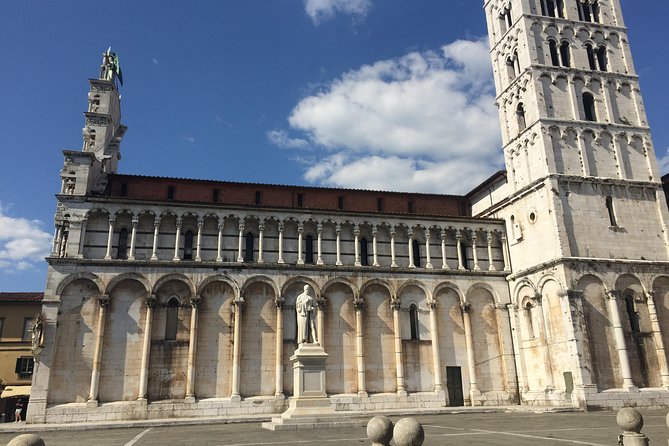
At the end of the street is Piazza San Michele, sitting over where the Roman forum was. Then you get the photo pause for the 12th-century church facade of San Michele, the kind of frontage that looks even better after you’ve been told what it used to represent.
And yes, Puccini shows up here in a natural way. You’ll pass by the spot tied to his birth and hear how Lucca’s identity moves from Roman and medieval to modern culture. If you’re a fan, it adds a personal hook that makes the history feel less like a museum.
San Frediano Church, Via Fillungo, and the Towers You Must See
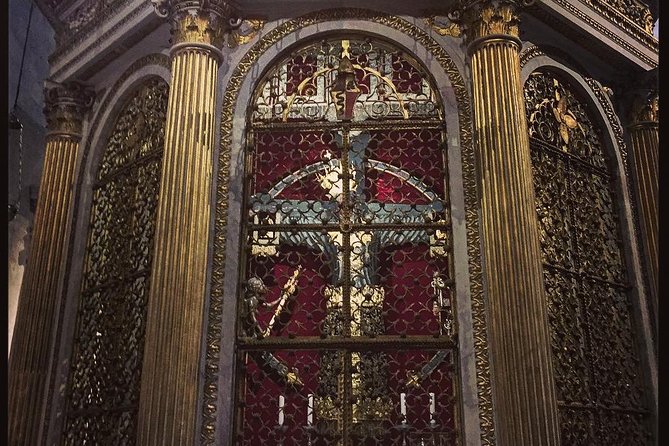
From the forum area you move toward San Frediano, and along the way you hit Via Fillungo, Lucca’s main shopping street. That matters more than it sounds. This is the living Lucca layer, where towers and older building shapes sit next to everyday storefronts.
You’ll also cover two major civic towers:
- Torre delle Ore, the clock tower
- Torre Guinigi, crowned by seven holm oak trees
Seeing Torre Guinigi from street level changes how you understand it. Instead of thinking of it as a postcard, you feel how it dominates the skyline and works as a city landmark.
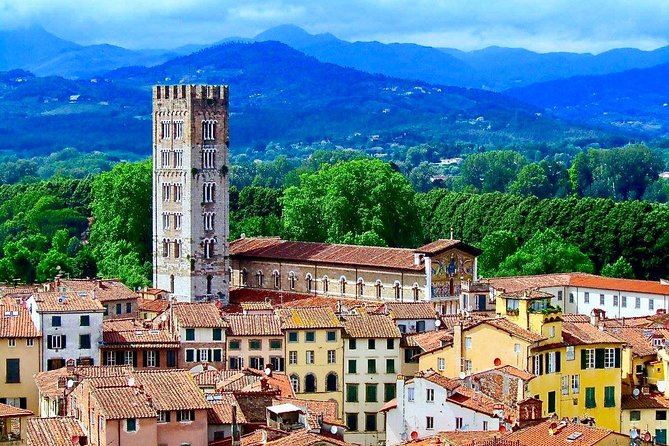
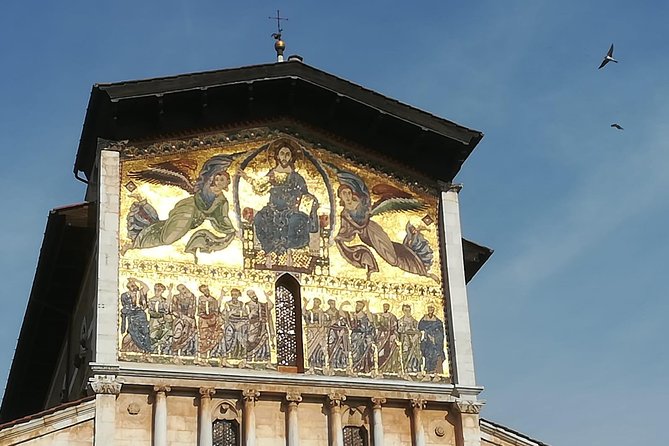
San Frediano adds the artistic punch. One highlight is a Byzantine-style mosaic on the church facade. It’s the kind of detail that’s easy to miss if you’re just strolling, which is why having a guide matters here.
Piazza Anfiteatro: How an Ellipse Explains an Ancient Amphitheater
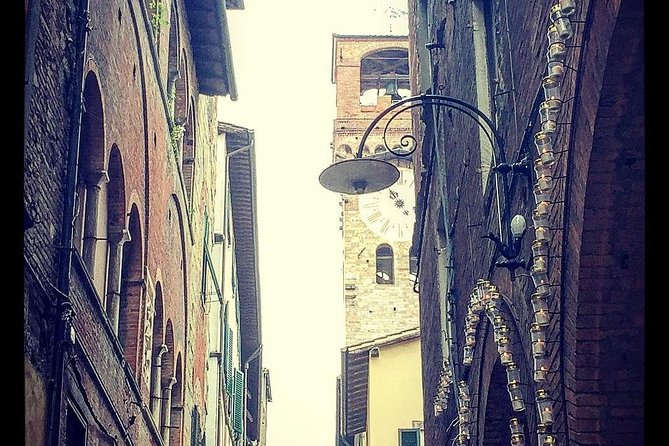
Then you step into Piazza Anfiteatro, one of Lucca’s most beautiful public spaces. The shape is the story: the piazza is elliptical because later buildings went up over the foundations of the ancient Roman amphitheatre.
This is where the tour pays off if you like understanding cities rather than just checking boxes. Once you know the reason for the shape, everything around the square feels intentional, not random.
It’s also a great pause stop. You get time to photograph, take in the flow of the square, and reset before the cathedral zone at the end.



Duomo di San Martino Finish, and What’s Worth Paying Extra to See
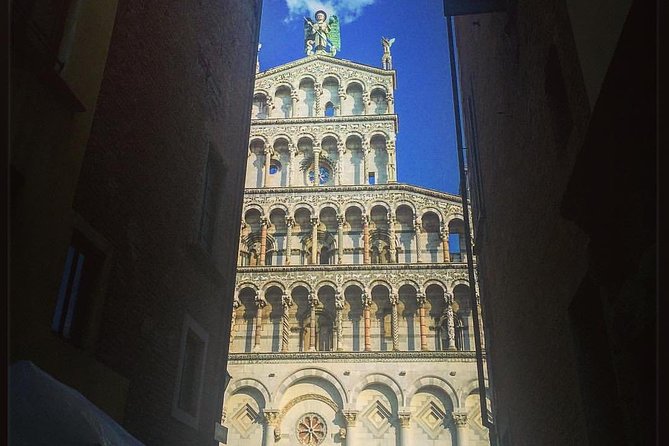
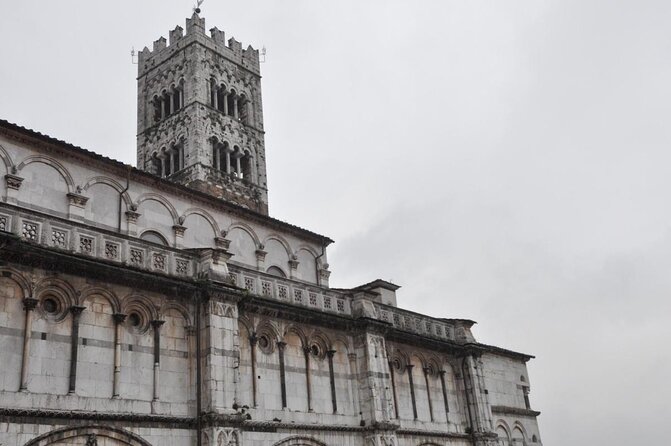
The tour ends at the Cathedral of San Martino with its striking Pisa-Lucca Romanesque facade. Even from outside, it’s unusual in a way that makes it worth slowing down.
If you still have energy, you can continue inside. The optional interior visit has an extra €3.00 entrance fee, and that cost is for a reason. Inside, you’ll find the Volto Santo (a revered wooden crucifix and a symbol of Lucca), plus the Last Supper painted by Tintoretto. In the sacristy, there’s also the marble sarcophagus of Ilaria del Carretto, sculpted by Jacopo della Quercia of Siena.
Practical note: don’t plan this like a quick photo stop. If you choose to go in, it’s best for visitors who enjoy art and funerary sculpture, not just big exterior views.
Price and Value: Is $18.14 Worth It?
At $18.14 per person for about 2 hours, this is priced like an efficient orientation tour with professional guidance. You’re paying for more than footsteps. You’re paying for the context that turns landmarks into a coherent walk.
Most of the major exterior stops don’t require extra admission. That said, the Duomo interior is optional and costs €3.00. So your real all-in number depends on whether you go inside. If you like to see churches beyond the facade, budget for that extra entry and you’ll likely feel the value quickly.
Group size is capped at 50, which keeps it from becoming a total stampede. Still, hearing can be an issue in large groups if there are no audio aids. If you’re sensitive to noise, try to position yourself closer to the guide during transitions.
What I’d Expect as a First-Timer Walking Lucca
This is a route that works well for first-time visitors and for people with limited time. You’ll leave with a mental map of where the Roman bits are, where medieval power shows up, and where the cathedral zone sits.
Pacing also seems designed for real walking, not marathon speed. Many people described an easy pace with regular information stops, which helps if you want to actually absorb what you’re seeing instead of rushing to the next corner.
One more detail I like: the tour weaves in local icons, like Puccini, into the broader city timeline. It gives you a reason to care about streets and facades that can otherwise feel like a list.
Logistics That Can Affect Your Experience
Here’s the honest part. A few people mentioned trouble with finding the start, mostly because the map pin or directions didn’t match what they expected. When rain hits, that problem gets louder, so plan to arrive early and confirm you’re at the tourist information area at Piazzale Verdi.
Some also raised an issue about group sound quality, especially when the group felt too big and there were no audio headsets or radio support. If you’re near the back, you may catch less of the guide’s commentary.
And one small behavior point: in any group tour, the guide’s flow depends on everyone being present at each stop. If you want the full value, make sure you’re with the group during the pauses so you don’t miss the explanation.
Who Should Book This Tour, and Who Might Skip It
Book this if you:
- want a solid orientation route through central Lucca
- care about Roman and medieval layers, not just a stroll
- enjoy church facades and art enough to consider the optional Duomo interior
Consider skipping or choosing a smaller group if you:
- need clear audio for every sentence and get frustrated in noisy crowds
- prefer to wander independently with fewer scheduled stops
- hate meeting points where the pin might not match the real landmark
FAQ
How long is the guided walking tour?
It runs for about 2 hours.
How much does the tour cost?
The price is $18.14 per person.
Is the tour offered in English?
Yes, it is offered in English.
Where does the tour start and end?
It starts at Piazzale Giuseppe Verdi, 55100 Lucca, and ends at the Duomo di San Martino in Piazza Antelminelli.
Is there a cost to enter the Duomo interior?
The optional inside visit requires a €3.00 entrance fee.
Do I need a paper ticket?
No. You’ll have a mobile ticket.
What group size should I expect?
The tour can include up to 50 travelers.
Are service animals allowed?
Yes, service animals are allowed.
Should You Book This Lucca Walking Tour?
Yes, if you want an efficient, high-impact introduction to Lucca’s Roman roots, major churches, and landmark towers, all in one organized walk. At this price point, you’re mostly buying context and a route that helps you navigate the rest of the day with confidence.
I’d book it with your eyes open about two things: plan extra time to find Piazzale Verdi correctly, and be ready for the occasional sound challenge that can happen in larger groups without audio support. If that doesn’t bother you, this tour is a strong way to get oriented fast, then go back out on your own with sharper eyes.
Our Wider Tours File for Lucca
The Rest of Our Lucca and Carrara Marble Trips in Lucca
Not quite the day you had in mind? The rest of our Lucca write-ups sit below
- From Lucca to Pisa: Self-Guided Bike Tour★ 4.7 · 175 reviews
- Cesarine: Small group Pasta and Tiramisu with Mamma in Lucca★ 4.5 · 181 reviews
- Tuscan Wine Tour in Lucca by van★ 5.0 · 200 reviews
- Lucca Bikes and Bites with food tastings for Small Groups or Private★ 5.0 · 249 reviews
- Lucca: Wine Tasting Experience – Tenuta Adamo Winery★ 5.0 · 400 reviews
- Lucca: Guided Winery Tour with Wine Tasting★ 4.7 · 611 reviews
- Lucca: Puccini Festival Opera Recitals and Concerts★ 4.7 · 1,278 reviews
- Lucca: 2-Hour City Center Walking Tour★ 4.7 · 1,314 reviews
Lucca, Carrara & Northern Tuscany, top to bottom.
 ★ 4.7Lucca: 2-Hour City Center Walking TourFrom $171,314 reviews
 ★ 4.7Lucca: Puccini Festival Opera Recitals and ConcertsFrom $351,278 reviews
 ★ 4.7Lucca: Guided Winery Tour with Wine TastingFrom $29611 reviews
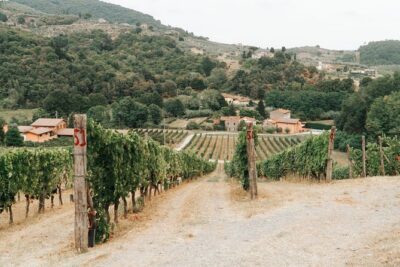 ★ 5.0Lucca: Wine Tasting Experience – Tenuta Adamo WineryFrom $24400 reviews
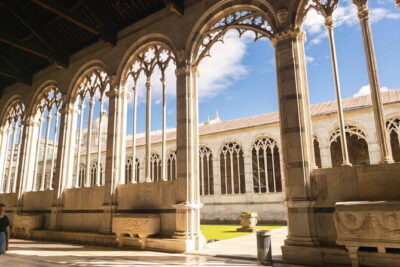 ★ 4.0Pisa and Lucca Day Trip from FlorenceFrom $78372 reviews
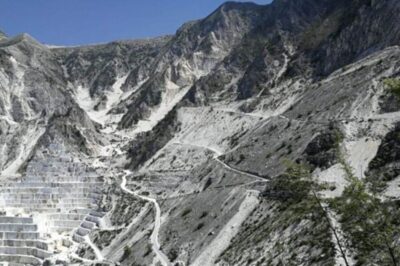 ★ 4.8From Carrara: Marble Quarries Jeep Tour with Lardo Tasting309 reviews
 ★ 4.4From Florence: Pisa & Lucca Day Tour with Buccellato TastingFrom $77307 reviews
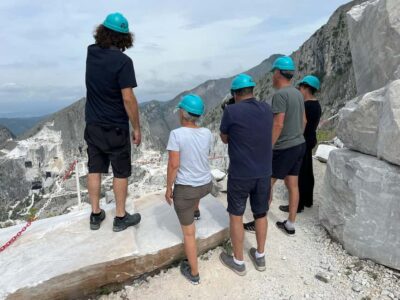 ★ 4.6From Tuscany Carrara: Marble Quarries Tour by JeepFrom $78295 reviews