
Reviewed · LUCCA, CARRARA & NORTHERN TUSCANY
From Carrara: Marble Quarries Jeep Tour with Lardo Tasting
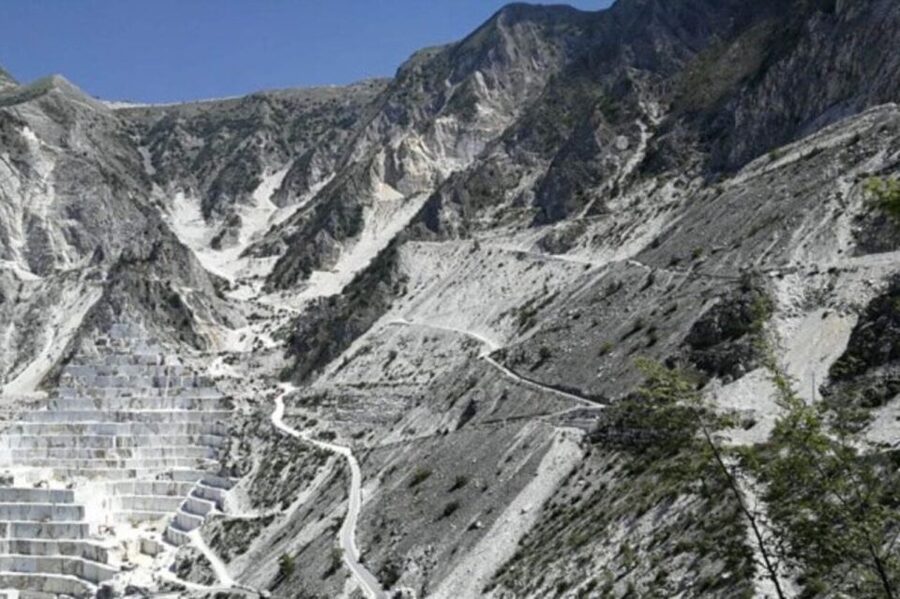
Jeep, marble, and lunch-like snacks. This Carrara marble caves tour swaps church lines for quarry views and a real look at where the white stone for Michelangelo came from. I love how the ride actually takes you to high quarries (up to about 1,000 meters), then back down through the working landscape that shaped the town.
You’ll also finish with an easy-to-like food stop, Lardo di Colonnata, a signature of the area. One thing to keep in mind: if you end up in the back of the jeep, it can be harder to hear every detail from your guide, so it helps to request front seating if possible.
In This Review
- Key things to know before you go
- Marble in Carrara: what you’re really seeing
- The 3-hour plan, and how to time it right
- Meeting up in Piazza Vittorio Veneto, then zooming into quarry territory
- The jeep ride up to 1,000 meters: thrilling, but also useful
- Inside the marble caves: where Michelangelo’s story becomes visual
- What your guide teaches: extraction then and now
- Lardo di Colonnata tasting: why it belongs on a marble tour
- Stops, photos, and practical ways to get the most out of 3 hours
- Who should book this Carrara jeep tour
- Value for your money: small group access to a rare place
- Should you book it? My straight recommendation
- FAQ
- Where do I meet the guide for the Carrara marble quarries jeep tour?
- How long is the tour?
- What does the tour include besides the marble caves?
- What is the group size?
- What languages are available for the live guide?
- How high do we drive during the jeep portion?
- Is there an indoor quarry or cave visit?
- What should I wear?
- Are there different start times?
- Is the tour refundable if I need to cancel?
Key things to know before you go
- Small group (up to 8) means more chances to ask questions about extraction, stone, and local life
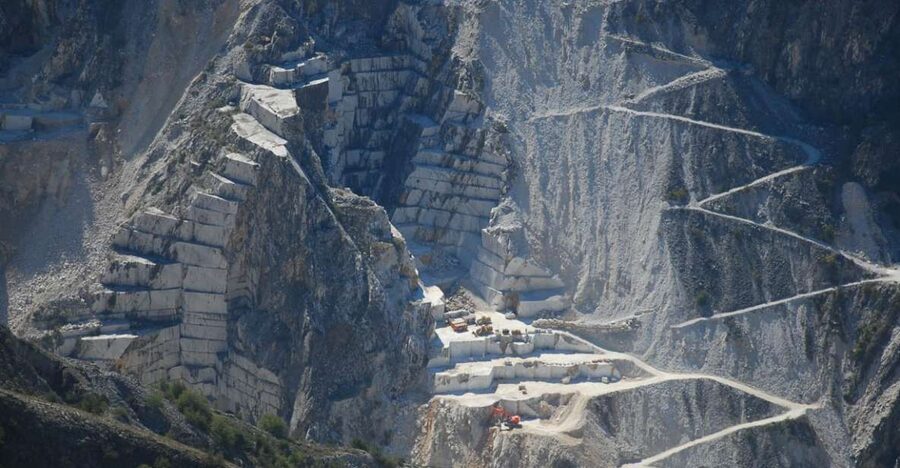
- Jeep access up to 1,000 meters gets you real quarry viewpoints without hiking in quarry terrain
- Michelangelo connection is woven into what you see, including the quarry areas tied to his marble choices
- Inside plus outside quarries gives you a sense of how the stone is cut and moved
- Lardo di Colonnata tasting adds a local food story to the marble history
- Guides such as Lucca, Tomas, Manuella, and Beatrice come up often in recent bookings, and the commentary tends to be thorough
Marble in Carrara: what you’re really seeing
Carrara’s marble is famous for a reason, and the quarries make that fame feel real fast. Instead of looking at polished slabs in a museum, you’re seeing the source material, split open from the Apuan Alps. That changes the whole experience. The stone stops being a product and becomes a workplace.
The tour is built around one main idea: Michelangelo’s marble country. You’ll visit the marble caves and quarry areas where the stone reputation started, and your guide will explain how extraction methods shifted over time, from older approaches used centuries ago to today’s more modern operations. If you like art, this gives context. If you like engineering, it’s the same story, just with a different audience.
And yes, you’ll also get a food payoff. Lardo di Colonnata is a local specialty tied to the traditional diet in the quarry area. It’s not a random souvenir snack. It fits the place, and it’s exactly the kind of “why does this exist here?” detail that makes Carrara more than another Tuscan day trip.
The 3-hour plan, and how to time it right
This is a 3-hour experience with two start times: 9:30 am or 2:30 pm. Your meeting point is Piazza Vittorio Veneto in Carrara, in front of the stadium. Getting there 10 to 15 minutes early is smart, since you’ll want to settle in before the jeep starts moving.
Why the timing matters: the quarries sit high enough that weather and light can change quickly. Morning tends to feel crisper for photos, while the afternoon can bring softer light over the stone and valleys. Either slot works, but if you’re sensitive to heat, the morning start is often the safer bet in summer.
The tour is also designed as a small-group drive. With a maximum of 8 participants, you’re not shuffled along like a number. It feels more like going with a local who knows where to stop and what to point out.
Meeting up in Piazza Vittorio Veneto, then zooming into quarry territory
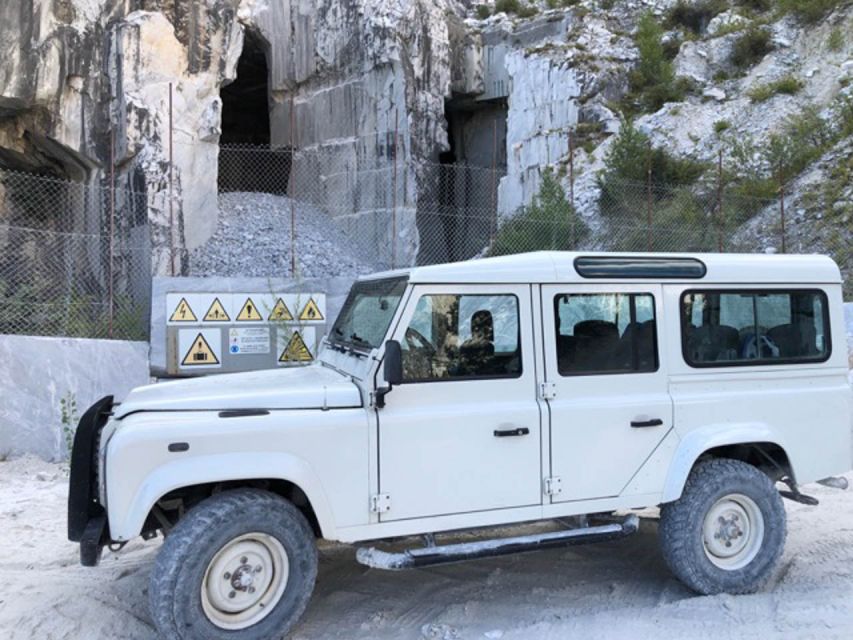
The meeting point in Piazza Vittorio Veneto is convenient, and it keeps the start simple. Once you meet your guide, you’ll head out in an off-road vehicle. This is not a slow “we’re just sightseeing” transfer. You’re going up.
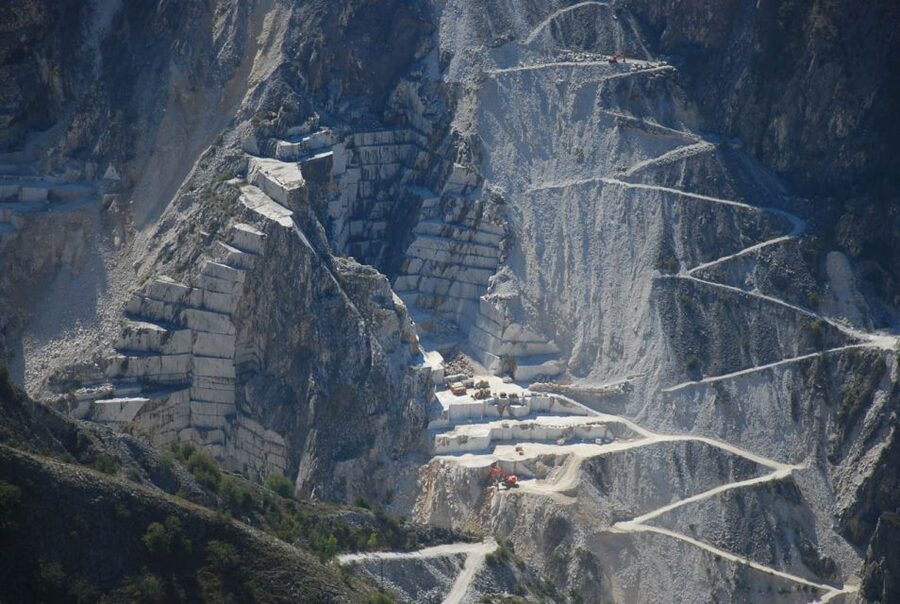
The jeep portion is part of the attraction, because it mirrors what makes Carrara different from other Italian towns. Here, your viewpoint changes based on where the stone sits. You get to see the town from below, then the quarry world on the way up, then the dramatic heights where the marble caves are located.
Several recent guides stand out in customer notes, especially Lucca, who comes up repeatedly, along with Tomas, Manuella, Beatrice, and Lavinia. Drivers also get mentioned, including Giorgio, which makes sense because the road conditions are part of the experience. A confident driver matters more here than it would on a city bus route.
If you’re the kind of person who likes clear communication, ask your guide to repeat key points if you’re in a noisier seat. The tour is short, so you’ll get more value by catching every explanation you can.
The jeep ride up to 1,000 meters: thrilling, but also useful
The “up to 1,000 meters” detail is more than trivia. Height affects views, air, and what you can see of the quarry footprint. On a jeep, you’re getting access to vantage points that would take much longer to reach on foot. That means more time looking at the stone and less time in transit.
Also, the drive helps you understand the scale. Carrara’s marble doesn’t come from a tiny backyard operation. From above, you can see how excavation shapes the terrain and how multiple quarry areas relate to each other.
The practical part: wear comfortable clothes and expect some uneven surfaces and cooler temperatures at altitude compared to the town center. Even on a comfortable day, you might feel the change once you climb.
And about the “hard to hear” consideration: one thing that can happen in any vehicle-based tour is sound bouncing around. If you care about every word, try to sit where you can hear your guide consistently. If you end up in the back, you may catch the big ideas, but the fine details might be harder to follow.
Inside the marble caves: where Michelangelo’s story becomes visual
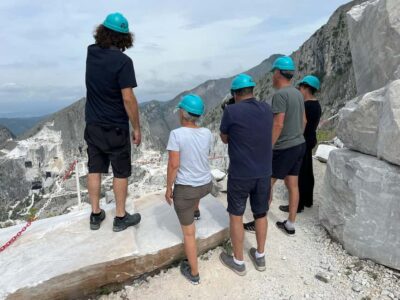
The heart of the tour is the marble caves and quarry stops. This is where Carrara shifts from “a famous name” to “a physical place you can point to.” When you step into quarry space, you start noticing things like tool marks, cut lines, and how the stone is separated.
Your guide ties the stops back to Michelangelo. The point is not to turn it into a lecture about one artist. It’s to show why marble from this region became the go-to material. The stone’s reputation is built on what it does well in sculpting, and the quarries explain how that stone gets to the point where artists can use it.
You’ll also learn how extraction techniques changed from older methods (with references back to Roman-era mining) to more modern ways of working. That story matters because it explains why quarry operations look the way they do today. It’s also a reminder that “modern” doesn’t mean “better in every way.” Quarrying evolved with tools, safety approaches, and practical needs.
One more detail that comes up in real-world experiences: the tour often includes at least one inside-the-mountain style stop. That’s the part that tends to stick in people’s minds because you’re literally seeing work happening in stone space, not just looking at an outdoor opening. It feels like you’re stepping into a different kind of workshop.
What your guide teaches: extraction then and now
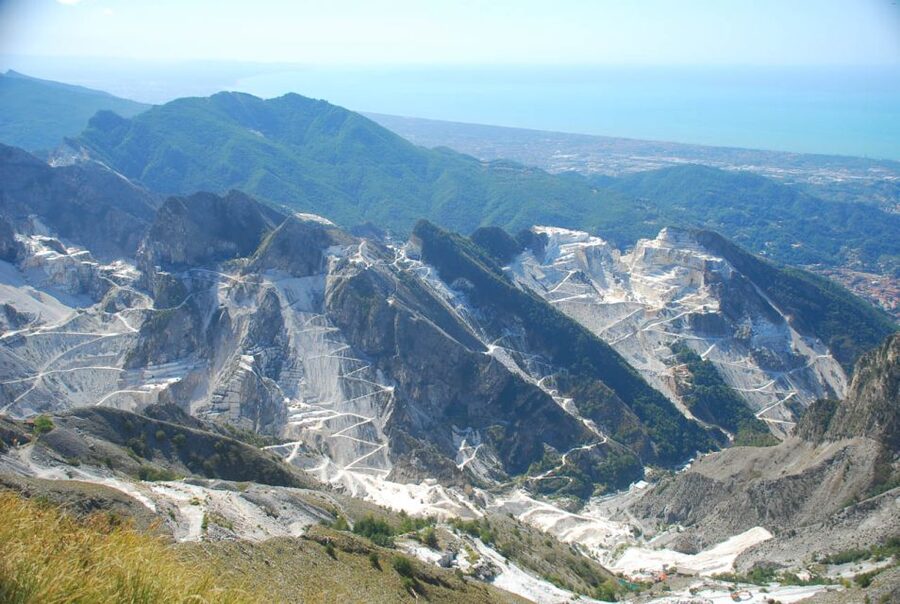
The best part of a small-group guided tour is how the guide can slow down for the questions you care about. With a group capped at 8, you’re more likely to get a direct answer instead of hearing a general script and moving on.
On this tour, your guide focuses on the evolution of extraction methods. Expect discussion of how marble is separated and processed, and how the layout of quarry areas supports moving stone. The Roman-to-today comparison gives you a clear timeline, even though quarrying is a craft that never fully stops changing.
If you’re interested in design and art history, ask your guide how the quarry material translates to sculpture. If you’re more into construction and industry, ask how the techniques today affect what can be cut and where.
A useful tip from the way guides are described: if your guide is speaking in multiple languages across the group, you may want to confirm you’re getting the full English explanation when you’re there. In some small groups, one person’s language can affect how much extra commentary you hear, so it helps to speak up early.
Lardo di Colonnata tasting: why it belongs on a marble tour
Food stops can be hit or miss on industrial sightseeing tours. Here, the tasting makes sense.
You’ll visit a lard factory and try Lardo di Colonnata, described as the most important product of the cavers’ diet. That phrasing is key. Lardo isn’t just a regional brand name. It’s tied to how people worked in these quarry areas, where calorie-rich, shelf-stable food mattered.
What to expect from the tasting itself: it’s a focused sample, not a long meal. You’ll get enough to understand the flavor and texture, and most importantly, enough to take the story home. Several people also note that it’s relatively easy to buy small amounts of lardo afterwards for gifts, since it’s a food you can bring with you.
If you’re not a big pork person, I’d still try it. The tasting is small, and the point is to understand the local diet that supported the labor behind the stone.
Stops, photos, and practical ways to get the most out of 3 hours
Because the tour is only 3 hours, every stop has a purpose. You’ll spend your time where it matters: the high quarry viewpoints, the marble cave/quarry spaces, and the lardo factory tasting.
Photo tip that’s actually practical: bring your phone charged and ready, but also accept that not every angle is ideal for pictures. Quarry interiors can be darker and uneven. When your guide points something out, pause and let them finish. You’ll usually get a better sense of what to photograph once you understand what you’re looking at.
A couple of experiences that can vary by day: some notes mention a brief roadside stop and a diamond saw demonstration. You might also have time for souvenirs. Those add-ons are not guaranteed in the core description, but they help explain why people often say this tour feels more than just a quick “look and go.”
Bottom line: if you want a day trip that changes your perspective, this is one of the best formats because the marble is the main character and the food is a supportive role, not an afterthought.
Who should book this Carrara jeep tour
This tour is a strong match if you like any of these:
- Art and sculpting history, especially the Michelangelo angle
- Industrial tourism where you learn how things actually get made
- Scenic drives with viewpoints you cannot easily reach on foot
- Food connected to place, not food stapled on as a souvenir
It’s also good for mixed groups. If one person wants history and the other wants views, the jeep ride delivers both.
If you’re traveling with someone who hates heights or is uncomfortable in vehicles on uneven roads, this might still work, but it’s worth thinking about comfort first. The drive is part of the point, and it goes up to significant elevation.
If you have super strong expectations of constant quarry “action,” adjust slightly. One note mentions that during a new year break, a mine might not be operating, but you can still see impressive quarry spaces. In other words, you’re visiting the marble world, and operations can change with schedules.
Value for your money: small group access to a rare place
Since no specific price is listed here, I’ll talk about value in a grounded way.
For a 3-hour tour, you’re paying for three things that are hard to replicate on your own:
- Jeep access to quarry heights without the hassle of figuring out routes
- Guided context that connects marble extraction to Michelangelo and local industry
- A food tasting tied to the quarry culture, not just a generic snack stop
The small-group limit of 8 helps the value because it reduces the “herding” problem. You get a tighter experience, and the guide can answer questions without the pressure of moving a crowd every few minutes.
Also, there’s a practical upside: if you end up wanting marble-related souvenirs, you’re often in the right place at the right time. Some notes mention souvenir opportunities and quick stops, which can be helpful if you’re trying to bring something home that isn’t just postcards.
Should you book it? My straight recommendation
If you want a Carrara day that feels real and different from the usual Tuscan circuit, I’d book this. The mix is smart: marble caves and Michelangelo context, plus Lardo di Colonnata so the tour reflects quarry life, not just quarry rocks.
I’d especially recommend it if you like a guided explanation and you’re happy to trade a long day for a concentrated, well-organized 3-hour hit. The small group size makes it feel personal, and the jeep format gets you to heights quickly.
The only real reason to hesitate is if you strongly care about hearing every word and you might end up seated where audio is harder. If that’s you, request a better seat. Otherwise, this is one of the more memorable ways to experience Carrara, because you see the stone where it comes from, not just where it ends up.
FAQ
Where do I meet the guide for the Carrara marble quarries jeep tour?
You meet your guide at 9:30 am or 2:30 pm in Piazza Vittorio Veneto in Carrara, in front of the stadium.
How long is the tour?
The duration is 3 hours.
What does the tour include besides the marble caves?
After the marble cave and quarry visits, you’ll also stop at a lard factory for a tasting of Lardo di Colonnata.
What is the group size?
The tour is a small group limited to 8 participants.
What languages are available for the live guide?
The live tour guide is available in English, Italian, and French.
How high do we drive during the jeep portion?
The jeep drives up to quarries at heights of up to about 1,000 meters above sea level.
Is there an indoor quarry or cave visit?
The experience focuses on marble caves and quarry areas, and the tour includes time at both quarry spaces inside and outdoors.
What should I wear?
Bring comfortable clothes.
Are there different start times?
Yes. The tour starts at 9:30 am or 2:30 pm.
Is the tour refundable if I need to cancel?
Yes, free cancellation is offered up to 24 hours in advance for a full refund.
Lucca, Carrara & Northern Tuscany, top to bottom.
 ★ 4.7Lucca: 2-Hour City Center Walking TourFrom $171,314 reviews
 ★ 4.7Lucca: Puccini Festival Opera Recitals and ConcertsFrom $351,278 reviews
 ★ 4.7Lucca: Guided Winery Tour with Wine TastingFrom $29611 reviews
 ★ 4.5Discover Lucca’s Secrets on a Guided Walking TourFrom $18485 reviews
 ★ 5.0Lucca: Wine Tasting Experience – Tenuta Adamo WineryFrom $24400 reviews
 ★ 4.0Pisa and Lucca Day Trip from FlorenceFrom $78372 reviews
 ★ 4.4From Florence: Pisa & Lucca Day Tour with Buccellato TastingFrom $77307 reviews
 ★ 4.6From Tuscany Carrara: Marble Quarries Tour by JeepFrom $78295 reviews