
Reviewed · MUSEUMS
Duomo Museum & Baptistry: Cathedral Complex & Bell Tower
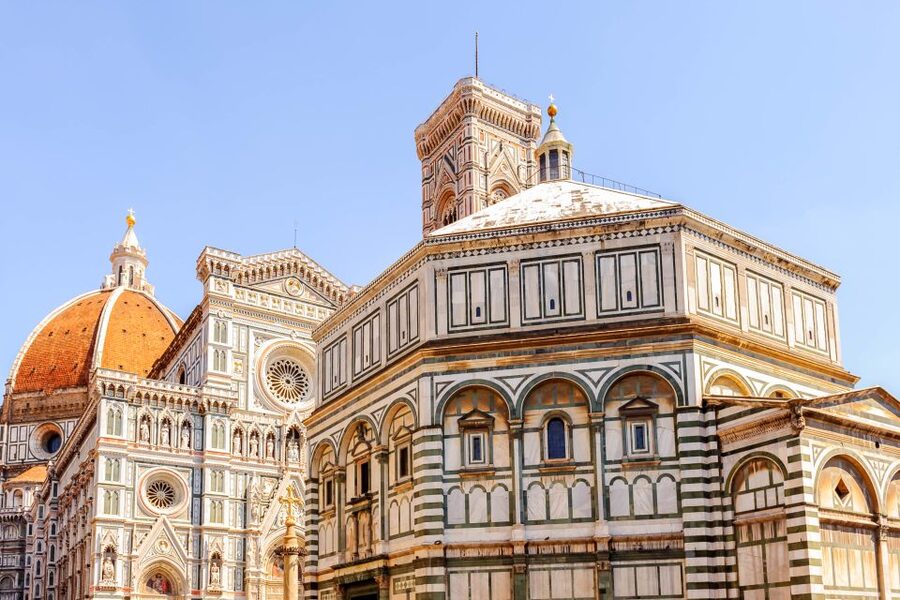
Florence’s Duomo complex can feel like chaos. This small-group tour turns it into a clear, art-first route with an expert guide plus headsets that keep you connected to every story.
I especially like two things: you get face-to-face time with major works in the Opera del Duomo Museum, including Michelangelo’s Bandini Pietà and the original Gates of Paradise, and you start in the square so the architecture makes sense before you step inside.
One consideration: the optional Bell Tower climb is physical. If you pick it, plan for 414 steps and know there’s no elevator in the tower.
In This Review
- Key things I’d plan around
- Why this Duomo experience feels different from the usual walk
- Starting in Duomo Square: where the stories make sense
- Opera del Duomo Museum: the art is the shortcut to understanding
- What to watch for while you’re with your guide
- Baptistery of St. John: golden mosaics and symbolism
- Crypt of Santa Reparata: the best self-guided option
- Giotto’s Bell Tower upgrade: the view is worth the climb
- If you are unsure, decide with honesty
- Getting the details right: dress code, bags, and lines
- Timing in the real world: 1.5 hours guided plus 72-hour freedom
- Who this tour suits best
- Who should skip it
- Practical checklist before you go
- Should you book the Duomo Museum and Baptistry tour?
Key things I’d plan around
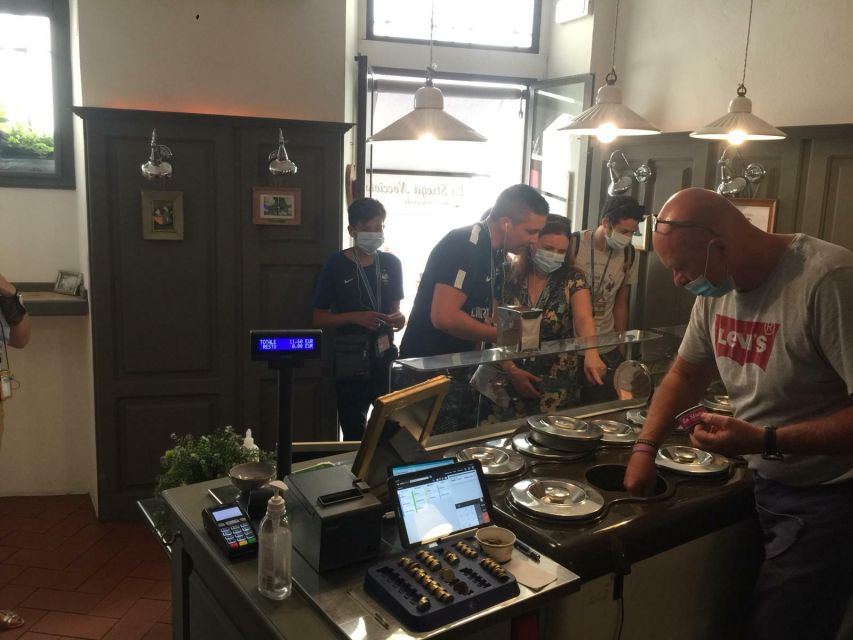
- Headsets included so you can hear your guide in a crowded, echoing complex.
- Museum-to-square flow helps you understand what you’re seeing instead of guessing.
- Michelangelo in the museum through the Bandini Pietà and the original Gates of Paradise.
- Self-guided Crypt time lets you slow down and explore Santa Reparata on your own.
- Giotto’s Bell Tower upgrade is a big view payoff, with 414 steps and no elevator.
- 72-hour ticket window gives you flexibility to fit the Crypt and Bell Tower around your day.
Why this Duomo experience feels different from the usual walk
The Duomo complex is one of those places where everyone moves fast, takes photos, and leaves with the feeling that they missed half the point. Here, the structure is calmer. You get a focused 1.5 hour guided visit, then you continue at your own pace in the areas that are ticketed for you.
The biggest quality-of-life detail is the small-group format plus high-quality headsets. When the crowd swells around Baptistery doors, sculpture plinths, and museum rooms, your guide’s voice stays clear instead of getting swallowed by the noise.
And unlike a lot of rushed tours, this one is built around understanding the complex as a system: square, Baptistery, museum sculpture, and the ancient layers underneath. That matters because Florence’s cathedral story is not just one building, it’s a whole evolution of ideas.
Kept in the same folder as this one, museum visits in Florence.
- Florence: Skip-The-Line Uffizi Gallery Timed Entry Ticket
★ 4.5 · 27,832 reviews - Florence: Leonardo Interactive Museum Entry Ticket
★ 4.5 · 11,763 reviews - Florence Accademia Gallery Tour with Entrance Ticket Included
★ 4.5 · 6,148 reviews - Uffizi Gallery Small Group Tour with Guide
★ 4.5 · 4,923 reviews
Starting in Duomo Square: where the stories make sense
Your tour begins at the Opera del Duomo Museum in Piazza del Duomo, right by the baggage deposit area. You’ll meet your host with the blue flag for Florence and Global Tours. It sounds small, but a clear meeting point saves time and stress in one of the most crowded corners of the city.
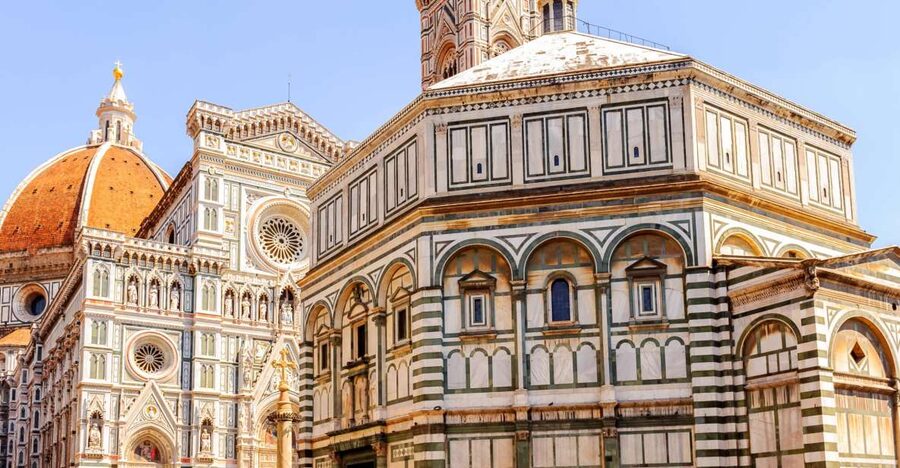
Starting in the square first is smart. The cathedral complex reads best when you understand the layout: where the Baptistery sits, how the museum connects the art to the site, and why the whole area is treated like a living museum. This is where legends and architecture come together, and your guide can point out details that you’d normally miss if you were just sightseeing.
I also like that the guided portion has a real rhythm. A museum room can get exhausting if you’re forced to stand still, but the pacing here is designed to keep you engaged for about 45 minutes of museum time and then transition into the Baptistery portion.
Opera del Duomo Museum: the art is the shortcut to understanding
The Opera del Duomo Museum is where the visit stops being abstract. It’s not only where you learn what the complex means, it’s where you can actually see major pieces up close.
This is the part of the experience I’d call the anchor. You’ll see works linked directly to the Cathedral complex, including Michelangelo’s Bandini Pietà. You’ll also encounter the original Gates of Paradise. Even if you have seen photos before, seeing these works in person changes the scale of what you think you know.
The museum visit is guided, so your time is spent on interpretation, not wandering. If you have ever walked through a museum and felt like you were following signs instead of understanding the art, this setup helps. The guide connects the pieces to the cathedral story, so your brain builds the timeline instead of collecting random impressions.
What to watch for while you’re with your guide
Focus on the parts you can’t fully appreciate from a distance. In a museum setting, details like surface treatment, proportions, and how sculptures relate to their original placement start to click.
If your guide is up for it, ask how the Baptistery’s design relates to the later cathedral phase. With a good guide, that question becomes a fast way to turn the whole complex into one coherent lesson.
Baptistery of St. John: golden mosaics and symbolism
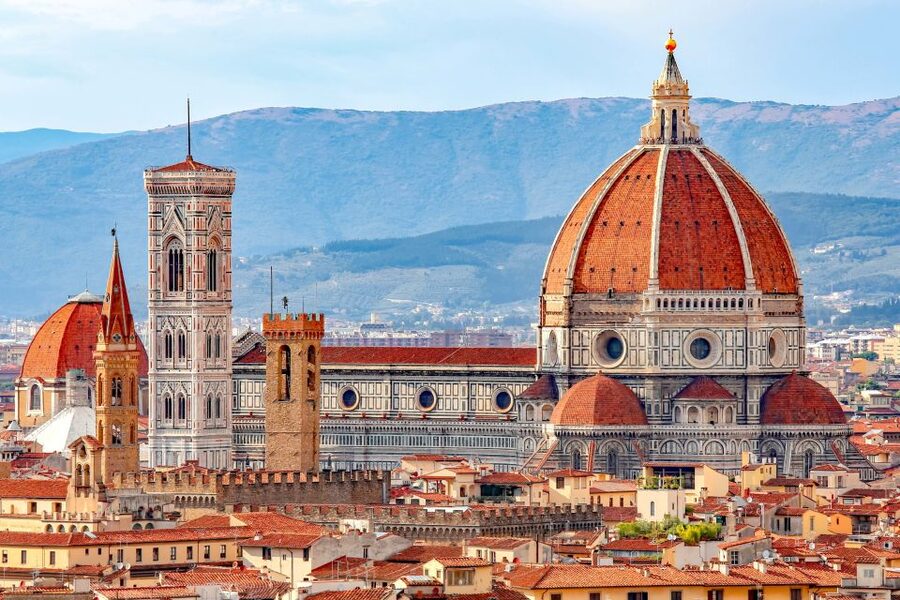
After the museum, you shift to the Baptistery of St. John, one of the most iconic elements of the square. Your guided segment here is about 30 minutes. That’s long enough to get the meaning, but short enough that you don’t lose the plot in crowds.
The Baptistery is famous for its golden mosaics. Even when people know that fact, they often don’t know what they’re looking at. In this tour format, your guide gives the context so you understand why the mosaics mattered and what message the space was designed to send.
One more thing I like: Baptistery time is not just about the building. The guide ties what you see to the bigger cathedral complex and the artistic choices that shaped the Florentine Renaissance voice.
Crypt of Santa Reparata: the best self-guided option
Then comes the change of pace. After the guided portion, you get a self-guided ticket to the Crypt of Santa Reparata. It’s included, and it’s part of the same complex experience. You can plan to visit after your tour, using your ticket validity window of 72 hours.
This is a great place to go slowly, because it feels different from the surface world. Beneath the cathedral floor, you’ll find an archaeological site that reveals the ancient foundations of the city and includes the tomb of the architect Brunelleschi.
Why self-guided works here: the Crypt is naturally quiet and layered. You don’t need a lecture while you stand in the dark with ancient stone around you. You need time to look, read what’s available, and let the scale of what’s underneath sink in.
Two practical notes from the rules you should know ahead of time: there is no elevator access in the Crypt, and it’s religious site territory, so plan to follow the strict dress code requirements.
- The Best tour in Florence: Renaissance & Medici Tales – guided by a STORYTELLER
★ 5.0 · 12,316 reviews


Giotto’s Bell Tower upgrade: the view is worth the climb
If you want the skyline payoff, you can upgrade with a ticket to climb Giotto’s Bell Tower. This is optional, but it’s one of the most satisfying “Florence in one angle” experiences.
The climb involves 414 steps, and the tower has no elevator access. That means it’s not an activity to casually add while you’re tired. It’s also why this is not recommended for vertigo.
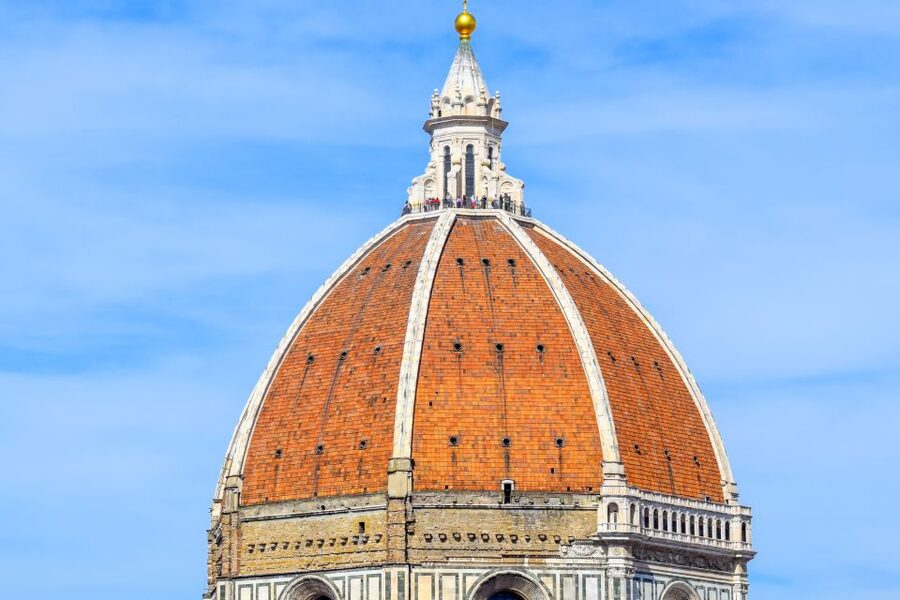
In exchange for the stairs, you get a serious reward: panoramic, 360-degree views of Florence, plus a unique eye-level perspective looking toward the Great Dome itself. For many people, this is the moment when the complex stops being a front-facing postcard and becomes a city map you can understand.
If you are unsure, decide with honesty
If your legs are fine but your comfort with enclosed stairways is shaky, you should think twice. If you’re generally okay with stairs and want the best vantage point, this upgrade tends to hit the right note. Either way, plan your day so you’re not trying to sprint from the museum to the tower when your energy is already spent.
Getting the details right: dress code, bags, and lines
This complex has a strict religious-site dress code, and it applies to everyone. Shoulders and knees must be covered for both men and women at all times. I’d treat this as non-negotiable. If you arrive dressed wrong, you can burn time fast, and it’s not fun waiting around while you fix it.
Also pay attention to the bag rules. Luggage or large bags, backpacks, and other bags are not allowed. You should leave them at the luggage drop, which is part of why the meeting point is described near the baggage deposit.
As for what you do and do not get inside the main Cathedral interior: entry to the Cathedral interior is not included in the tour. It’s free, but it requires a line. If you want it, you’ll likely need to plan for that time separately, even with this guided experience.
Timing in the real world: 1.5 hours guided plus 72-hour freedom
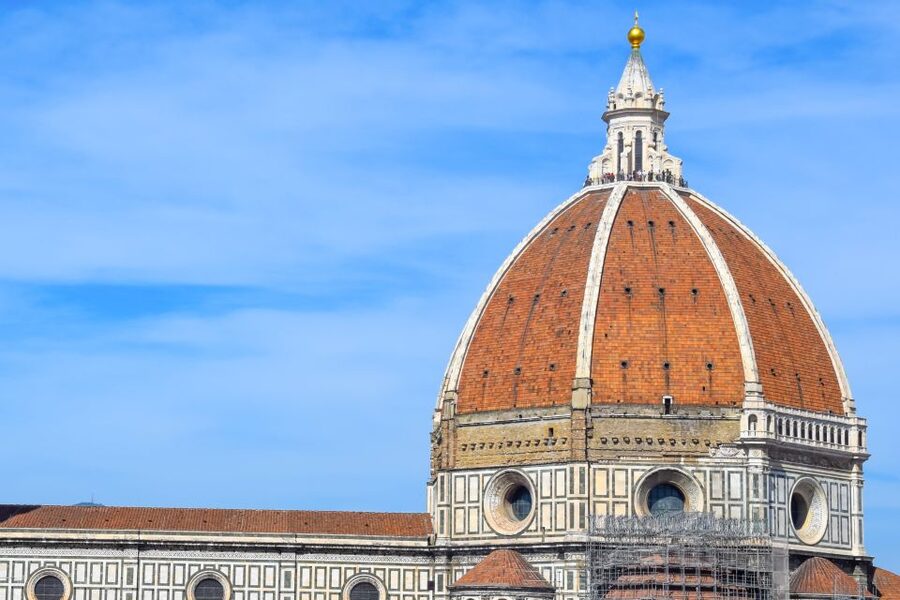
The guided portion lasts 1.5 hours total. That includes time in the museum and time with the Baptistery. After that, you use your included self-guided access to the Crypt of Santa Reparata and the optional Bell Tower climb.
The helpful part is the 72 hours of ticket validity for the self-guided locations in the complex. That gives you control. If you hit a long line elsewhere in Florence, you’re not forced to rush the cathedral area the same minute.
One more timing note: the Crypt and Bell Tower are self-guided and can be visited after the tour in a given time slot, and times might vary during busy seasons. I’d plan the rest of your day with the Duomo area as a flexible anchor, not a fragile deadline.
Who this tour suits best

This works well if you want the Duomo complex explained, without spending the whole day inside buildings. It’s also a good choice if you like small-group pacing and you don’t want to feel swallowed by big group noise.
You’ll get the most value if you care about art and architecture as a story, not as a checklist. The museum focus on major works like the Bandini Pietà and the original Gates of Paradise is the main reason to choose this over a purely outdoor stroll.
It’s also ideal for visitors who plan to climb something. The Bell Tower upgrade adds a different “time of day” angle to your Duomo experience, especially if you go later when the light changes.
Who should skip it
Based on the activity limits listed, it’s not suitable for pregnant women, people with mobility impairments, people with heart problems, and people with epilepsy. The rules about stairs and no elevator access in both the Bell Tower and the Crypt make that pretty clear.
Also, if you know you avoid stairs, remember the Bell Tower climb is 414 steps with no elevator. Even if you choose not to upgrade, you still have self-guided time in the Crypt with no elevator.
Practical checklist before you go
Bring a passport or ID card, including for children. Wear layers you can adapt for a dress code that requires covered shoulders and knees.
Wear comfortable shoes. Even on a guided tour, you’re moving through stone-heavy spaces with lots of walking. If you are doing the Bell Tower climb, comfortable shoes are not optional, they are part of making the experience enjoyable instead of miserable.
And yes, arrive 15 minutes before departure at the designated meeting point. This is one of those tours where being early is a quality-of-life upgrade in a crowded area.
Should you book the Duomo Museum and Baptistry tour?
If you want a clear, high-value Duomo experience, I’d book it. The price can be a little sharp on paper, but you’re paying for guided interpretation in the museum and Baptistery, plus entry fees handled for you, plus headsets that actually help in a noisy complex.
I’d especially recommend it if you care about seeing the right masterpieces in the right order. Michelangelo’s Bandini Pietà and the original Gates of Paradise are the kinds of works that reward a guide who can tell you what they mean.
Skip or reconsider if you can’t manage stairs, need accessibility support beyond what’s offered, or you are hoping for a fully guided walkthrough of every major interior space. The Cathedral interior is not part of the guided package, and you’ll still need to deal with lines if you want to go in.
Bottom line: for an intimate, story-driven Duomo visit with optional panoramic views, this is a strong fit.
Museum Visits in Florence That Made the Same Shortlist

Not quite the day you had in mind? The rest of our Florence write-ups sit below
- David & Accademia Gallery: 1-Hour Small Group Tour★ 4.5 · 169 reviews
- Cinque Terre & Pisa Premium Tour from Florence★ 5.0 · 170 reviews
- Chianti Wine Tastings Day Trip at Sunset from Florence★ 4.5 · 171 reviews
- Private Transfer from Florence Airport to your Hotel in Florence★ 4.5 · 172 reviews
- Private Uffizi Gallery Tour with Reserved Entry★ 5.0 · 174 reviews
- Tasty Florence Street Food with Guided Walking of the City★ 5.0 · 174 reviews
- Uffizi Gallery Timed Tickets with Audio guide★ 4.0 · 174 reviews
- Florence: Tuscany Bike Tour with Wine & Olive Oil★ 4.9 · 174 reviews
- Florence: Small Group Guided Walking Tour★ 4.7 · 176 reviews
Museums, top to bottom.
 ★ 4.5Vatican: Museums & Sistine Chapel Entrance TicketFrom $38144,003 reviews
 ★ 4.3Vatican Museums & Sistine Chapel Tour with Optional BasilicaFrom $7967,413 reviews
 ★ 4.5Vatican Museums, Sistine Chapel & St Peter’s Basilica Guided TourFrom $2239,149 reviews
 ★ 4.5Florence: Skip-The-Line Uffizi Gallery Timed Entry TicketFrom $3027,832 reviews
 ★ 4.3Rome: Vatican Museums, Sistine Chapel & Basilica TourFrom $13013,872 reviews
 ★ 4.4Vatican Museums & Sistine Chapel Skip-the-Line Entry TicketFrom $4313,838 reviews
★ 4.7Rome: Vatican Museums, Sistine Chapel & Basilica TourFrom $7213,217 reviews
 ★ 4.3Rome: Vatican Museums & Sistine Chapel Guided TourFrom $11812,117 reviews