
Reviewed · CATANIA, SYRACUSE & ORTIGIA
From Catania: Neapolis of Syracuse, Ortygia, and Noto Tour
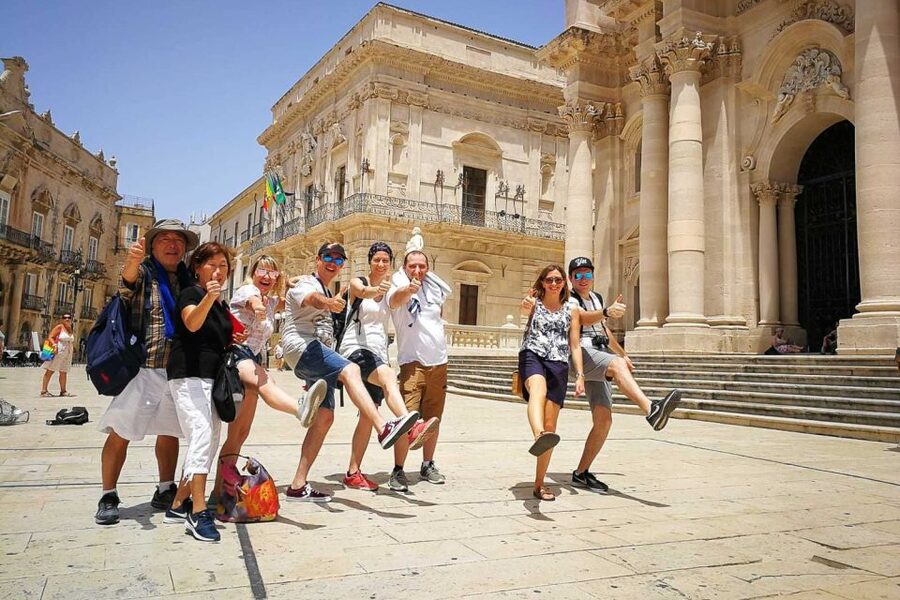
One day, three UNESCO-worthy scenes, and you walk it. This trip strings together Syracuse’s Neapolis ruins, the island of Ortigia, and the Baroque town of Noto, so you get ancient temples, Roman showpieces, and a dramatic stone-city makeover in one long outing. I especially like the way the Neapolis park time is self-guided, which lets you linger where your curiosity pulls you. I also like how the Ortigia stop centers on easy-to-find highlights like the Arethusa fountain and Piazza del Duomo. One drawback to consider: the day is packed, so if you’re the type who needs extra time in each place, you may feel the squeeze, especially in Noto and Ortigia.
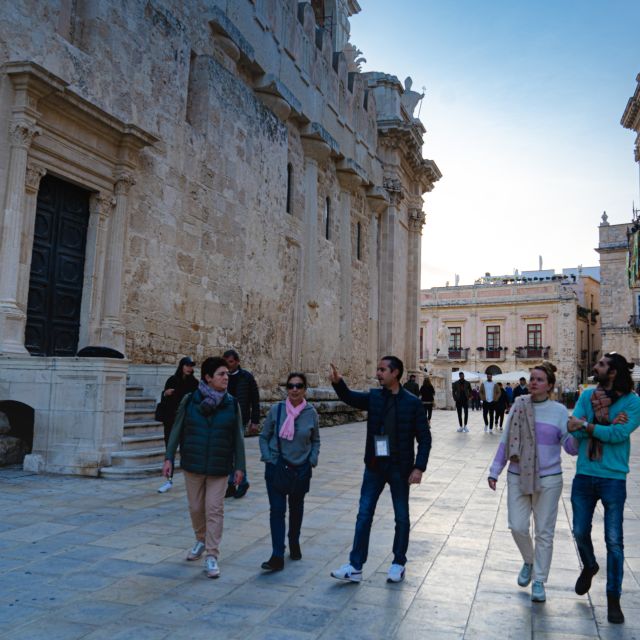
The biggest difference between this tour and a simple bus trip is the balance of guidance and freedom. You get a multilingual tour leader, plus a guided segment in Noto, but at Neapolis you’re free to set your own pace around the major sights. That combo works well for first-timers who want context without feeling herded.
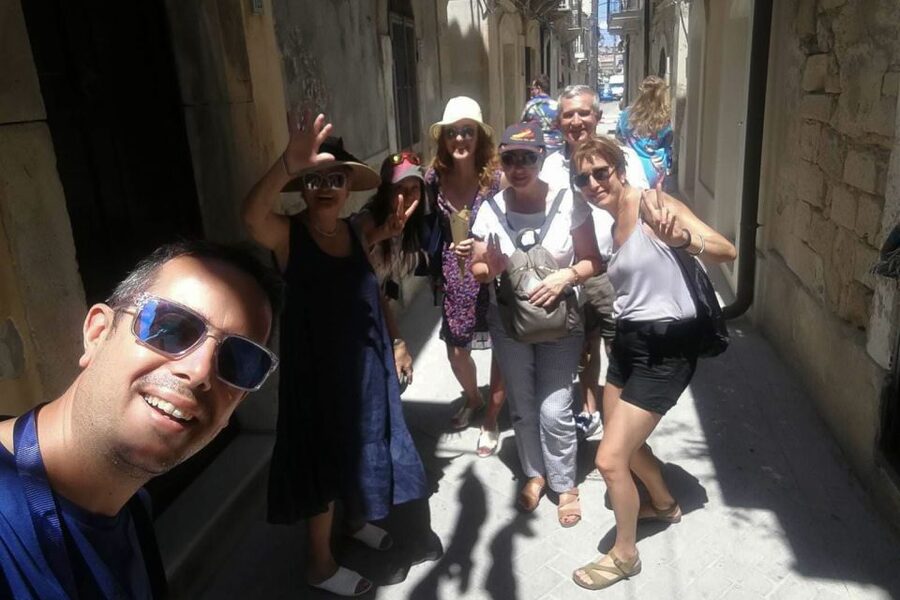
I also like the small-group setup, capped at 8 people. In practice, it makes it easier to hear the guide when the group is moving. It does mean the schedule can still feel long, and you should plan for a full day on your feet, because the real magic is in walking through streets and ruins.
In This Review
- Key Things to Know Before You Go
- The Big Picture: Ancient Syracuse, Ortigia, and Noto in One Long Day
- Getting From Catania: The Van Ride Is Part of the Experience
- Neapolis Archaeological Park: Greek Theatre, Latomie, and Roman Power
- Ortigia Island: Arethusa Fountain and Piazza del Duomo Views
- Noto’s Stone Garden: Guided Baroque on Foot
- Guide Quality in a Small Group: When Nando, Salvo, Lorena, or Franco Set the Tone
- How Much Time You Really Get, and How to Spend It Wisely
- Price and Value: What $130.28 Buys You Here
- Who This Tour Is Best For (and Who Should Skip It)
- Should You Book This Tour?
Key Things to Know Before You Go
- Neapolis is self-guided, but you still get guided context through the day.
- Greek Theatre and Roman Amphitheatre give you both sides of Syracuse.
- Ortigia focuses on walkable core sights, including Arethusa and Piazza del Duomo.
- Noto is a guided walk, then your time turns into a slow stroll through Baroque streets.
- Lunch is on your own, so where you eat can affect your pace.
- Small group means less chaos, but it can also mean timing depends on everyone.
The Big Picture: Ancient Syracuse, Ortigia, and Noto in One Long Day
This tour is built for people who like variety, not just one theme. You’ll start with the archaeological park of Neapolis, move to Ortigia for the old heart of Syracuse, and finish with Noto’s Sicilian Baroque in a town that feels like carved stone living in daylight.
Why it works: the stops are close enough to be reasonable, yet different enough that you don’t feel stuck in a single repeat mode. Neapolis gives you ruins that tell a story from Greek roots through Roman layers. Ortigia adds the human scale, sea breezes, and street-level views. Noto then flips the mood again, trading harsh stone ruins for a soft-focus Baroque look, all curving facades and ornate palaces.
Your pace is the main thing to manage. This is not a relaxed, sit-and-sip day. It’s a “see a lot” day, and your best move is deciding in advance what you’ll spend your time on once you’re there, like the Greek Theatre seating area or the Piazza del Duomo views.
Our reviewers also walked through other Catania, Syracuse and Ortigia walks in Catania.
- Catania: Mount Etna Morning or Sunset Day Trip with Tasting
★ 4.8 · 4,028 reviews - Catania: Sunset Jeep Tour of Mount Etna and Lava Flow Caves
★ 4.8 · 2,113 reviews - Catania: Etna Sunset Tour with Pickup and Drop-off
★ 4.8 · 1,348 reviews - Mt. Etna and Taormina village full day tour from Catania
★ 5.0 · 1,155 reviews
Getting From Catania: The Van Ride Is Part of the Experience
Pickup is from hotels and B&Bs in Catania, and you’ll ride in a shuttle bus. Expect about 1.5 hours of travel early on, then shorter transfers later. Over a day like this, the transit time matters because it eats into your sightseeing energy.
Here’s my practical advice: use the rides to get your bearings. Read up on what you’ll see, or just focus on the guide’s first orientation points. When you’re dropped at Neapolis and Ortigia, the sights can feel close together on a map, but walking makes the distance real. If you show up already thinking, you’ll waste less time figuring out where to go first.
Also, the schedule depends on the day and the order of stops you’re given. What stays consistent is that you’ll get Neapolis time (self-guided), an Ortigia exploration window, and Noto with a guided walk, with lunch done on your own somewhere along the way.
Neapolis Archaeological Park: Greek Theatre, Latomie, and Roman Power
Neapolis Archaeological Park is the anchor of the whole trip, and it has the kind of monuments you remember after the photos stop. You’ll have about 1 hour in the park, and it is self-guided. That sounds short, but the park includes major pieces spread in a walkable way.
Your must-see sequence is basically built into the layout:
- The Greek Theatre, famous for its cavea, the seating area. The cavea is described as the largest ever built by ancient Greeks, which is the kind of claim that makes you stop and stare once you’re in front of it.
- The latomie area, including the limestone cave known as the Ear of Dyonisius. Even if you don’t know the full legend, the sheer rock face and the idea of a carved-out space do a lot for your imagination.
- The Roman imperial amphitheatre, which shifts the mood from Greek ceremony to Roman spectacle.
- The Christian Church of San Nicolò ai Cordari, which adds the layered Sicily effect, where centuries keep stacking rather than replacing.
Because your time is limited, don’t aim to see everything. Aim to see the big forms. Look back and forth between seating, stone cuts, and open viewpoints. That is where your brain connects what you’re standing on with the power systems behind it.
One more practical note: some people want a simple park map or orientation help so they don’t wander. The tour provides your context with the guide during the day, but once you’re in the park you’re on your own. If you’re the type who needs a plan, take a second to decide your route before you start walking.
Ortigia Island: Arethusa Fountain and Piazza del Duomo Views
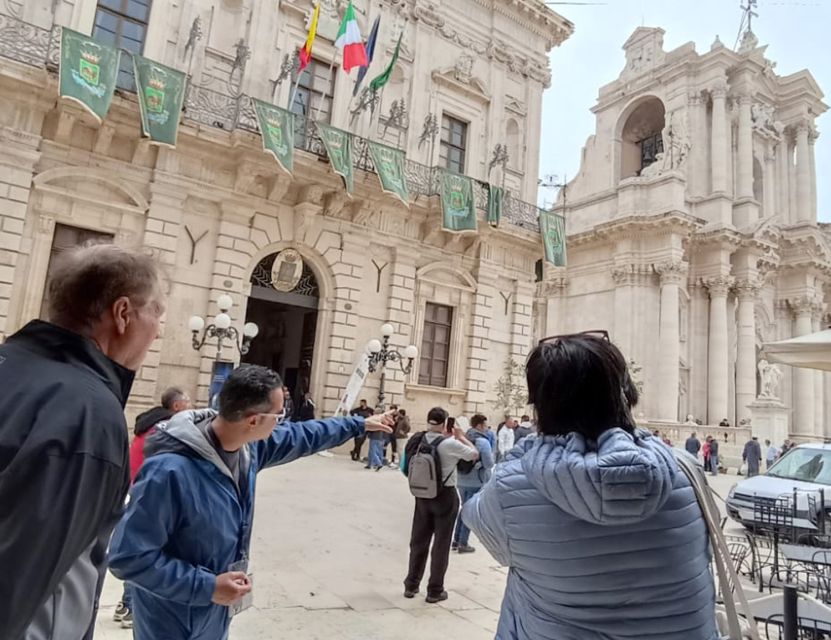
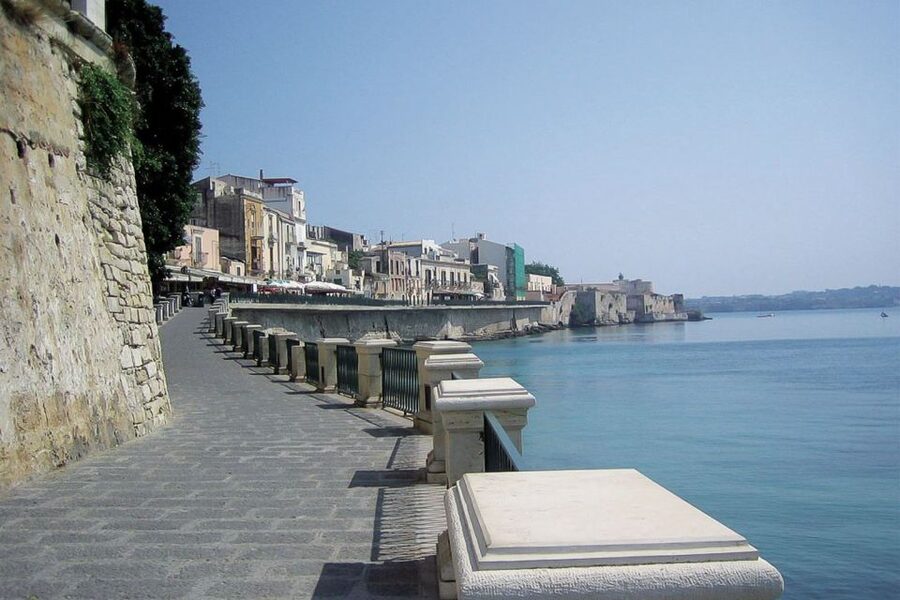
After Neapolis, you’ll head to Ortigia Island, the historic core of Syracuse. The vibe here changes fast. You trade ruins and stone drama for streets, churches, and the sea-adjacent feel of a working town.
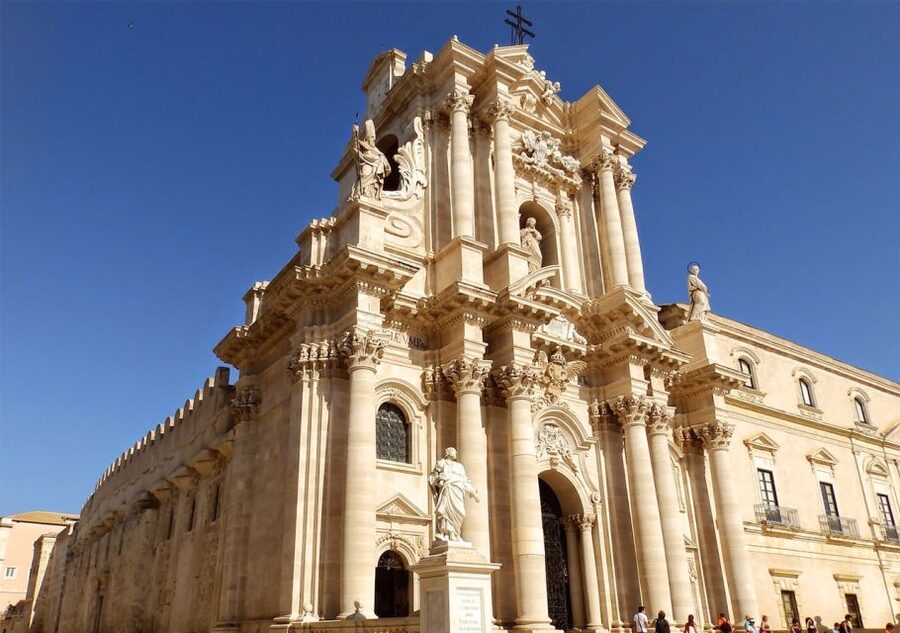
You’ll get about 1.5 hours on the island, and the highlights are easy to target:
- Arethusa fountain, a classic stop and a strong landmark for orienting yourself.
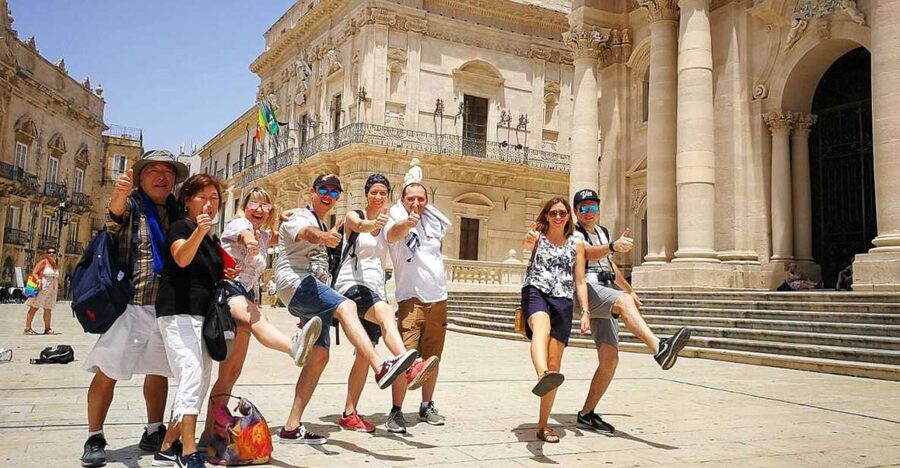
- Piazza del Duomo, where the surrounding architecture shows you why Syracuse became a showpiece across different eras.
- Baroque palaces around the square, including Beneventano del Bosco Palace and the Senate Palace.
If you like walking towns, Ortigia is the payoff stop. It’s also where you’ll likely feel how the day’s timing works. If your group is moving steadily, you’ll have time to pop into nearby areas at a slow stroll pace. If timing slips, you can still see the key sights, but you might miss some side streets.
Also, keep an eye on the weather. One guide-led day included a thunderstorm in the mix, and the key question became how quickly people adjust and keep moving. Bring weather-appropriate clothing, and you’ll be fine.
Noto’s Stone Garden: Guided Baroque on Foot
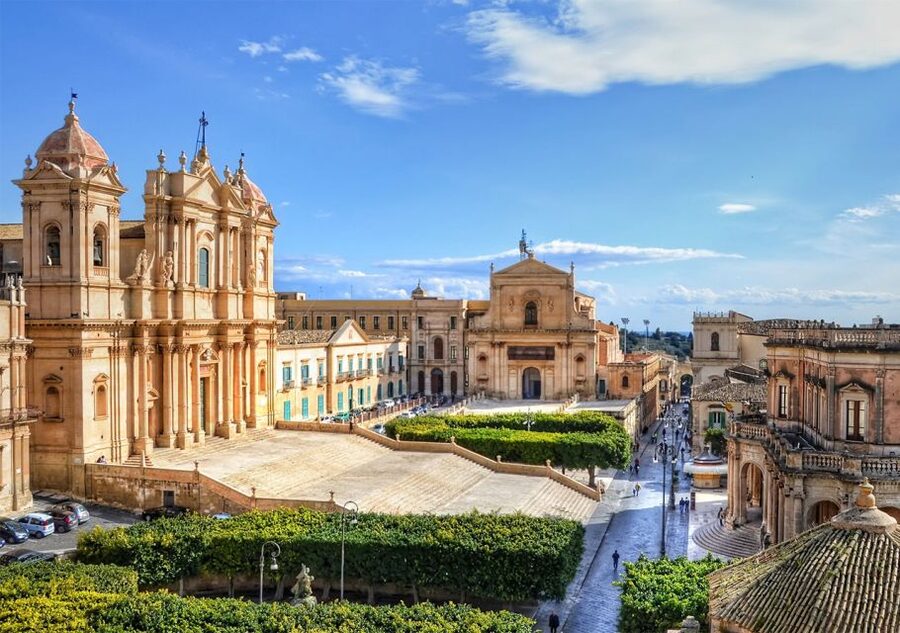
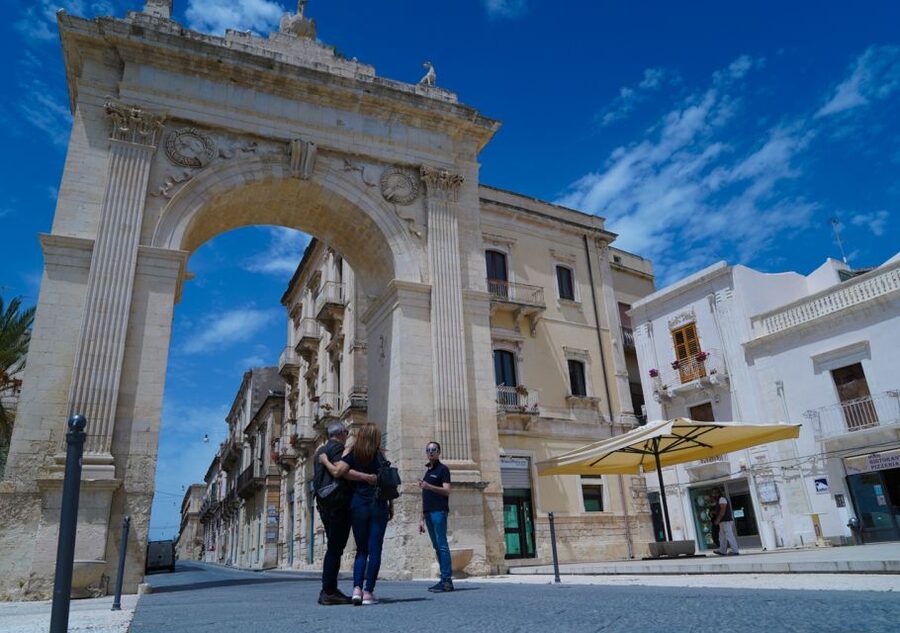
Noto is where the tour turns into art appreciation. You’ll spend about 1.5 hours with a guided walk, and this town is known for Sicilian Baroque architecture. It’s also recognized as a UNESCO World Heritage Site.
The way Noto hits you is through repetition and detail. You’ll walk Corso Vittorio Emanuele, and you’ll see palaces and churches grouped together like an open-air museum. The tour description calls the area a Stone Garden, and that makes sense once you start looking up. In Baroque towns, the street-level view is only half the story. The real action is on facades: columns, balconies, dramatic curves, and the way light plays on pale stone.
Here’s the practical trade-off. Because Noto is smaller and visually intense, you naturally want more time once you’re there. A common wish is for a little extra time in Noto or Ortigia, since food and bathroom breaks can quietly steal minutes. If you want the best chance at slower Baroque viewing, plan for quick meals and be ready to move when the group does.
Guide Quality in a Small Group: When Nando, Salvo, Lorena, or Franco Set the Tone
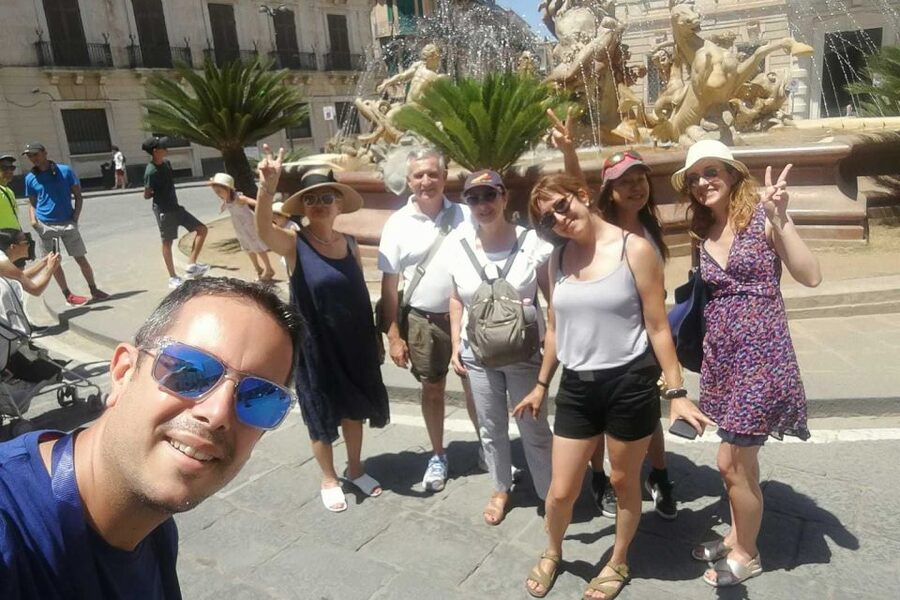
The guide is a major reason this tour gets strong ratings. The difference shows up in how clearly your guide frames the ruins and how smoothly they manage the group.
From the guide names you may encounter:
- Nando is repeatedly described as fantastic, looking after the group and making sure everyone gets a strong day, with enthusiastic explanations.
- Salvo stands out for clear English and solid coverage of sites, with a personable style and on-time professionalism.
- Lorena is mentioned as kind, funny, and very accommodating, with explanations that work across different group members.
- Andrea is described as taking time to answer questions and explain history in a way that people can understand.
- Franco is especially noted for flexibility, like arranging an unplanned boat ride around Ortigia when possible.
That “fit” matters. A good guide helps you pick priorities fast, especially when you only have about an hour in Neapolis. They also help you read what you’re seeing, so a theatre or latomie becomes more than just old stone.
That said, I also think it’s fair to mention a common snag in this kind of small-group setup. In at least one case, people noted the lack of a microphone or speaker system during parts of the ride, so audio from the guide to the back of the group might not be perfect. The guide may still be great, but your comfort depends on where you sit on the bus. If you can choose, pick a seat where you can hear without straining.







How Much Time You Really Get, and How to Spend It Wisely
This tour is long enough that you’ll feel every stop, not just see it. Total duration is 8 to 9 hours, and the sightseeing windows are roughly:
- Neapolis park: about 1 hour, self-guided
- Ortigia: about 1.5 hours
- Noto: about 1.5 hours, with guided walking
With transfers and pickup, you’ll likely spend a good portion of the day in motion.
Here’s the best way to make it feel like time well used: decide your “anchor” sights before you reach each location.
- In Neapolis, your anchor is the Greek Theatre cavea plus the latomie area. If you hit those with intent, you’ll feel satisfied even with the shorter time.
- In Ortigia, anchor around Arethusa fountain and Piazza del Duomo, then use the rest for side streets.
- In Noto, anchor along Corso Vittorio Emanuele and pick one or two churches or palaces to focus on rather than trying to photograph everything.
Also remember that lunch is on your own. That’s normal for many day tours, but it changes your rhythm. If lunch is rushed or expensive, you can end up feeling shorted at the end of the day. Plan for a simple meal close to where you are, and don’t spend 30 minutes searching after everyone else is ready to move.
Price and Value: What $130.28 Buys You Here
The price listed is $130.28 per person for an 8 to 9 hour day. That number can feel steep until you break down what’s included and what isn’t.
What you get included:
- Hotel pickup and drop-off in Catania only
- Shuttle transportation
- A multilingual tour leader (Italian, English, Spanish)
- Entry ticket to Neapolis Archaeological Park
What you pay separately:
- Food and drinks
- A guided tour inside Neapolis is not included, since Neapolis time is self-guided
So where is the value? In a day that covers three major places, the paid value is basically in logistics plus the entry ticket plus guide support where it counts. You’re not doing this with a rental car. You’re not buying park tickets. And you’re not figuring out how to connect ruins to a walkable island town to a Baroque UNESCO town.
If you’re staying in Catania and you want a single organized day that covers a lot without self-driving, the price is usually fair. If you already plan to rent a car and you like building your own route, this becomes less cost-effective. But most people are there for comfort, not extra planning, and for them this is a good fit.
Who This Tour Is Best For (and Who Should Skip It)
This is a strong match if you:
- Want an organized, one-day intro to Syracuse and its surrounding stops
- Like walking and photo stops without needing museum-level time
- Prefer a small group (max 8) so the day feels controlled
- Appreciate a guide explanation early, then room to explore on your own
It may be less ideal if you:
- Have mobility limitations, since the tour is not suitable for people with mobility impairments
- Need lots of time at each stop, since the schedule is tight
- Are sensitive to long seated travel plus walking, since it’s an all-day outing
Also, if you’re a detail hunter, you may feel tempted to “do it all” inside Neapolis or Noto. My advice is to focus on a few top anchors and let the rest be bonus.
Should You Book This Tour?
I’d book it if you want a high-impact day that hits the big Syracuse landmarks, plus Ortigia’s core sights and Noto’s Baroque architecture, without turning your trip into a navigation project. The self-guided Neapolis time is a smart choice for pacing, and the guides you might get, like Nando, Salvo, Lorena, Andrea, or Franco, seem to set a friendly tone while keeping the day moving.
Skip it or think twice if you know you’ll be unhappy with limited time in each place, or if you’re especially worried about hearing the guide during the van segments. The tour is designed to move, and your happiness will track how comfortable you are with that style of day.
If you go in with a few anchor sights in mind, this can be one of those Sicily days you talk about for a while.
Our Wider Tours File for Catania
The Rest of Our Catania, Syracuse and Ortigia Walks in Catania
Not quite the day you had in mind? The rest of our Catania write-ups sit below
- Catania: The heart of the City – Tour guidato in Italiano★ 4.8 · 171 reviews
- Catania: Pistachio Ravioli, Pasta Home Cooking Class w/ Wine★ 4.7 · 204 reviews
- Catania: Gulf Scuba Diving Tour with Marine Biologist★ 4.9 · 212 reviews
- From Catania: Neapolis of Syracuse, Ortygia, and Noto Tour★ 4.7 · 234 reviews
- Mount Etna: Return Funivia dell’Etna Cable Car Ticket★ 4.0 · 240 reviews
- Etna Morning Jeep Tour★ 4.5 · 241 reviews
- Mount Etna: Ascent to 2800m by 4×4★ 4.8 · 241 reviews
- Mount Etna: North Upper Craters Guided Tour by 4×4 with Trek★ 4.6 · 243 reviews
- From Catania: Day Trip to Mount Etna and Taormina★ 4.9 · 244 reviews
Catania, Syracuse & Ortigia, top to bottom.
 ★ 4.8Catania: Mount Etna Morning or Sunset Day Trip with TastingFrom $704,028 reviews
 ★ 4.8Catania: Sunset Jeep Tour of Mount Etna and Lava Flow CavesFrom $712,113 reviews
 ★ 4.9Catania: Mount Etna Trekking Trip off the Tourist PathFrom $781,351 reviews
 ★ 4.8Catania: Etna Sunset Tour with Pickup and Drop-offFrom $711,348 reviews
 ★ 5.0Mt. Etna and Taormina village full day tour from CataniaFrom $1181,155 reviews
 ★ 4.7From Catania: Mount Etna Sunset Tour with Tasting and CaveFrom $451,119 reviews
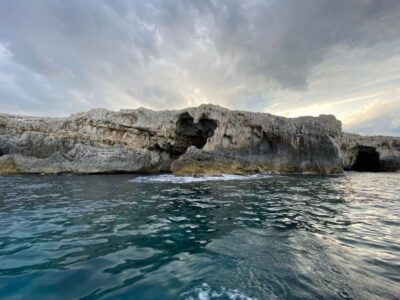 ★ 4.7Syracuse: Boat Trip of Ortigia Island and Sea CavesFrom $23937 reviews
 ★ 4.8Catania: Etna Morning Excursion with Tasting and PickupFrom $67820 reviews
Filed under