
Reviewed · PALERMO, MONREALE & CEFALù
From Palermo: Erice, Salt Pans, and Segesta Day Trip
Sicily in one long, scenic day. I like how this trip stitches Erice and Segesta into one clear route, then adds Trapani’s salt pans as a very different kind of Sicily. You get a strong sense of the island’s timeline, from Elymian roots to Greco-Roman style monuments, all while riding in an air-conditioned vehicle with a driver who keeps the day moving.
One thing to watch is the schedule on the hill at Segesta, since there can be shuttle-bus juggling for the amphitheater area. If you are the type who likes to linger for photos, it helps to know when you might need to move quickly.
In This Review
- Key highlights you will feel fast
- Leaving Palermo, then turning west toward three very different Sicily scenes
- Erice: medieval lanes, Elymian origins, and the Venus connection
- What to do with your free time in Erice
- Trapani salt pans: the sea-salt tradition still going today
- Segesta’s Doric Temple: hilltop views plus the reality of shuttles
- Time on the hill and why it can feel rushed
- Guides, drivers, and why their role is bigger than you think
- Price and what you still need to budget for
- Practical tips so the day feels smooth, not stressful
- Who this day trip suits best
- Should you book the Palermo to Erice, Trapani salt pans, and Segesta day trip?
Key highlights you will feel fast
- Erice’s hilltop altitude: You are around 700 m above sea level, and the views from those medieval lanes are a big part of the appeal.
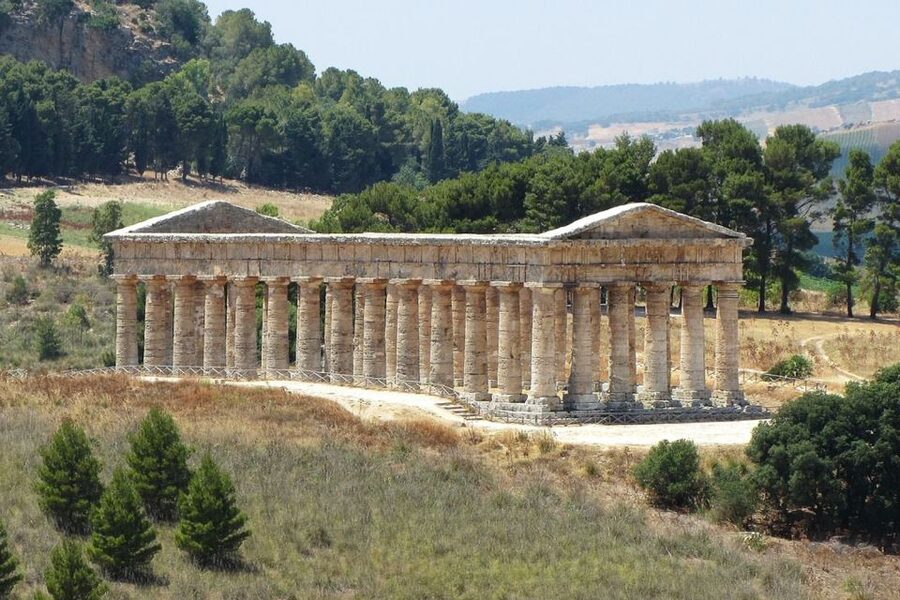
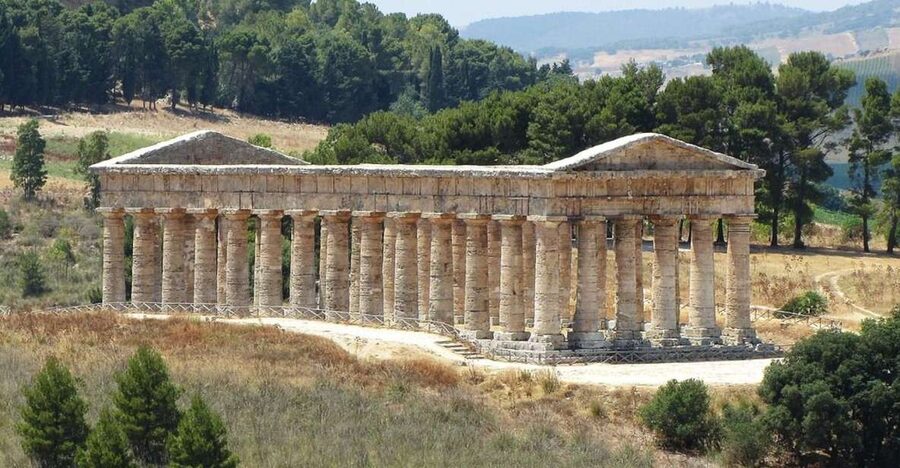
- Segesta’s Doric Temple: A 5th-century Doric temple sits dramatically on a hilltop just outside the ancient city.
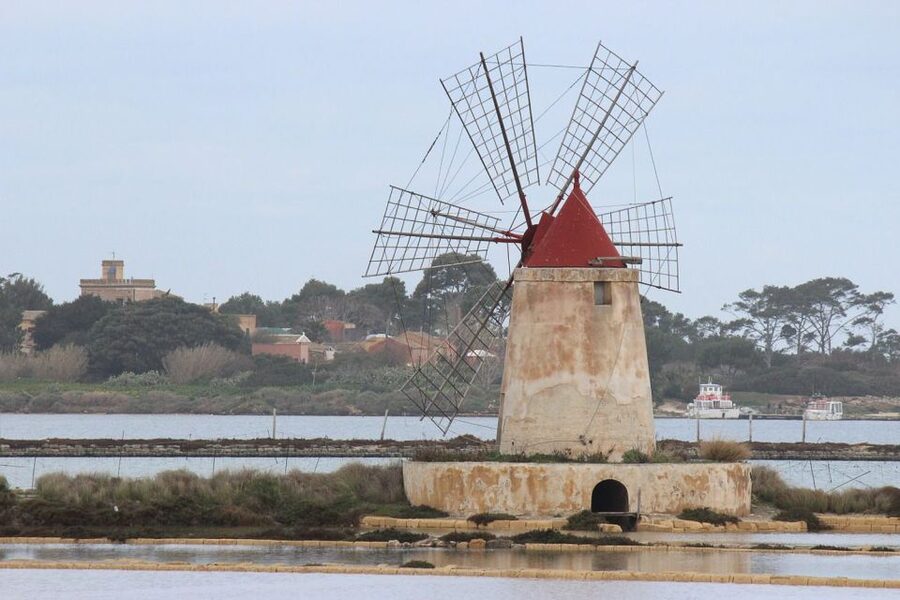
- Trapani salt pans tradition: Salt harvesting from the sea is still practiced, and you may spot local wildlife like flamingos depending on conditions.
- Small-group pacing: Many departures feel manageable, often around 16 to 17 people in a comfortable minibus.
- Guide energy and history talk: Hosts in English, Italian, and Spanish, such as Nicolò, Federico, Salvatore, and Giacomo, often bring Sicily to life with both ancient and modern context.
- Safety on the mountain roads: Palermo traffic plus hairpin turns up to Erice means you will appreciate a driver who knows the route.
Leaving Palermo, then turning west toward three very different Sicily scenes
You meet outside Hotel Politeama in Palermo, then you are on the road for the western corner of the island. The day is designed as a sequence: medieval hill town, coastal salt tradition, then an ancient temple viewpoint. It is a full 8.5 hours, so think of it as one long, efficient sampler platter rather than three separate half-days.
This is the kind of trip that works best when you show up with the right expectations. You will be in motion, you will walk some hills and uneven old-street surfaces, and you will rely on the timing the driver and host set for you. The good news is that the route makes sense geographically, and it keeps the big hits close together.
Also, it runs rain or shine. That matters in western Sicily because fog and clouds can swallow views on the hilltops, even when the sights still feel special. If the weather shifts, you will still see the main places, and your guide will usually help you adjust what you focus on.
Erice: medieval lanes, Elymian origins, and the Venus connection
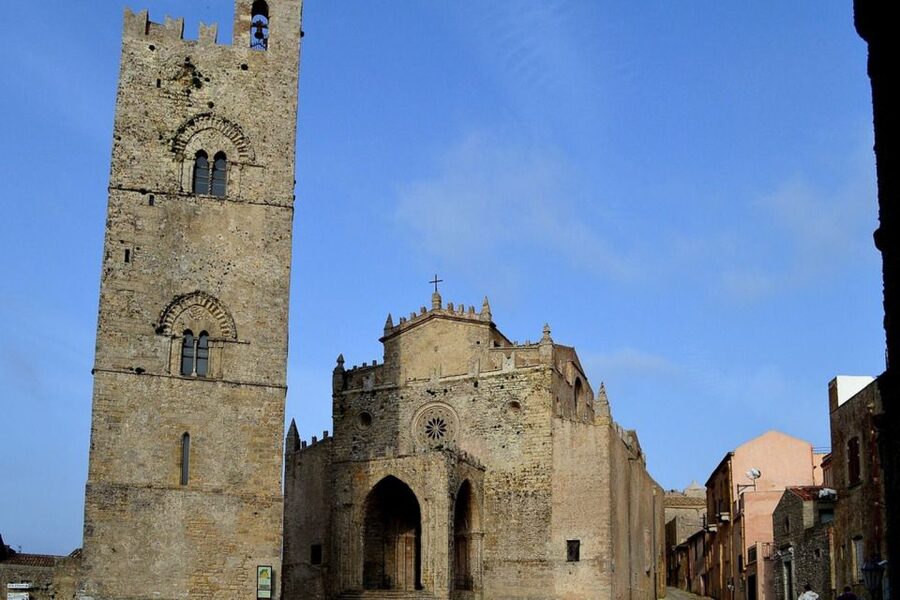
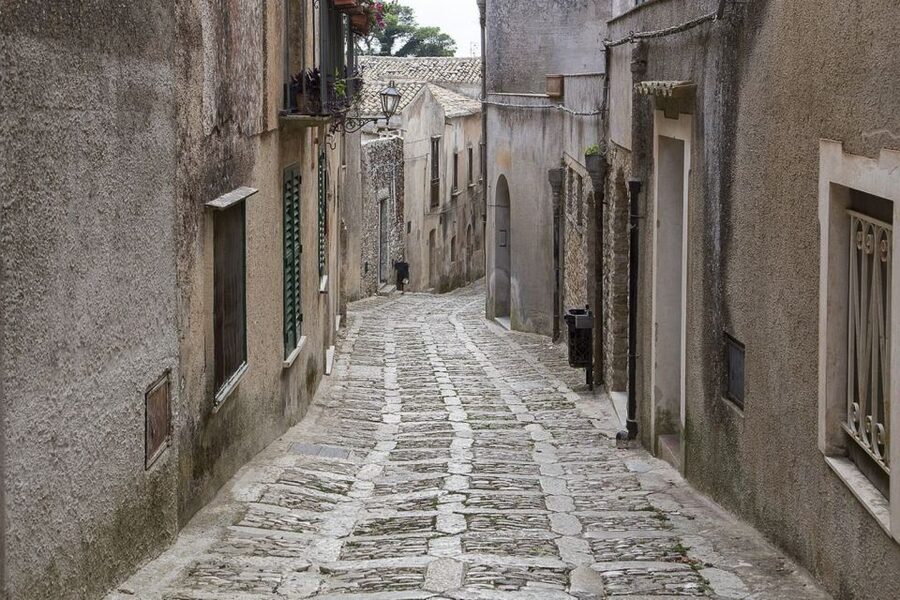
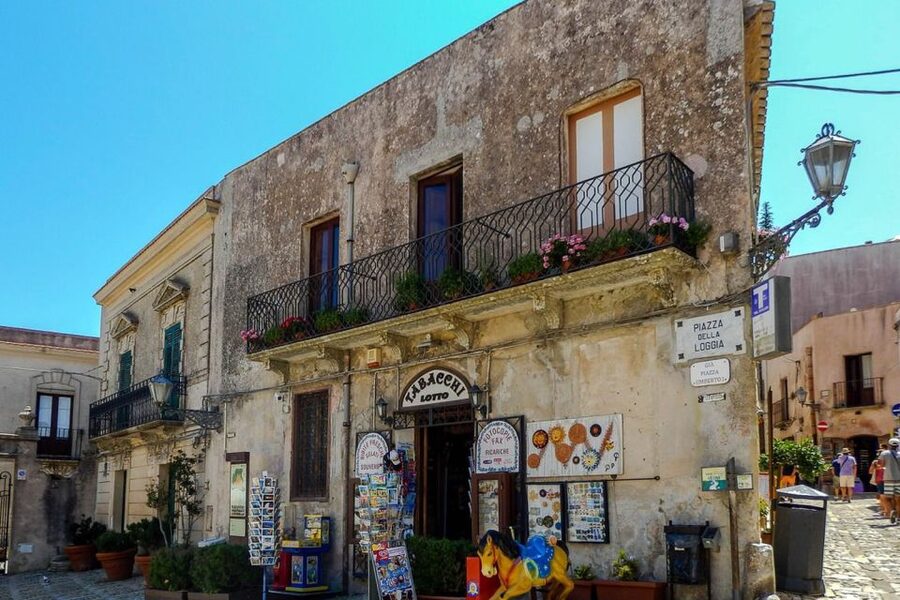
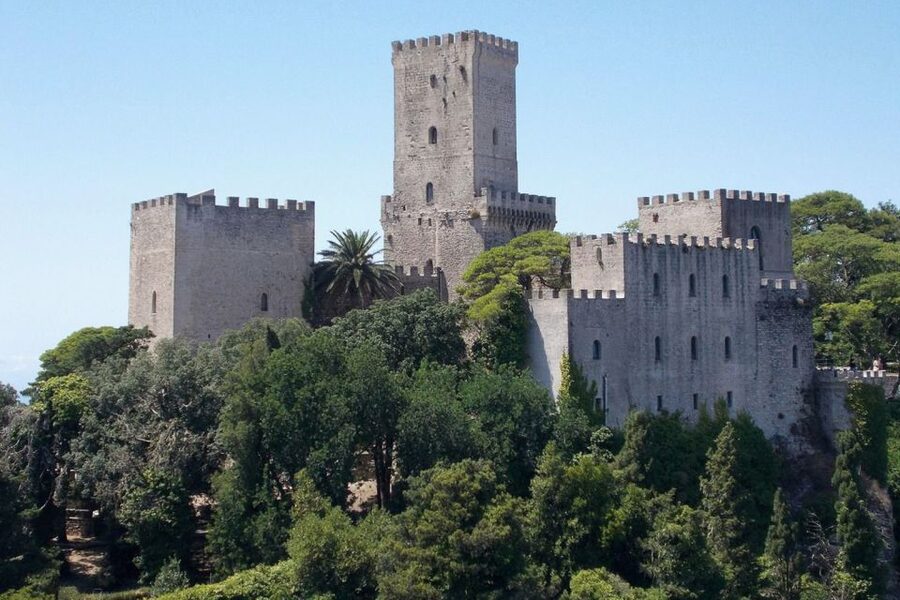
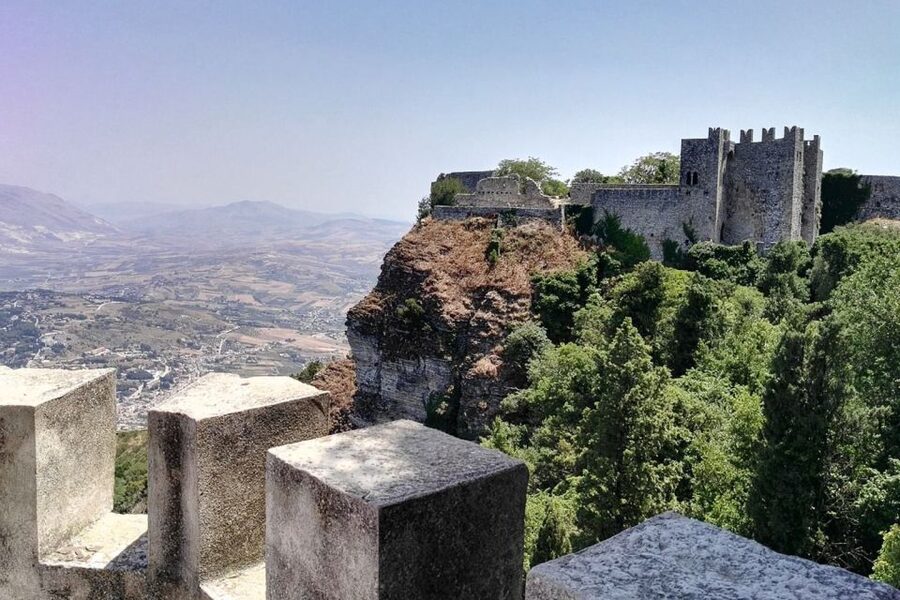
Erice is the first stop for most versions of this day trip, reached after pickup in Palermo and a drive to the hill. The whole town has that medieval feel, but the backstory is what makes it more than just pretty stone streets. Erice traces its roots to the ancient Elymian people, and it was once an important religious site associated with the goddess Venus.
I love a place where you can feel layers. In Erice, you can walk the lanes like you are moving through time, while your host explains how Elymians fit into Sicily’s broader story. Even without an in-depth museum visit, the setting does a lot of the teaching for you.
Your free time in Erice tends to be one of the best parts of the whole day. Many people end up using it to wander at their own pace, find a snack, and soak up the views. In places like this, “free time” is not a throwaway. It is what turns a bus tour into something that feels like a real visit.
What to do with your free time in Erice
Since you will be up on the hill, your priority is choosing where you want to spend your energy. Wear comfortable shoes, because you are walking old streets that can be uneven. If you want photos, pick one or two view spots rather than trying to hit every angle.
Food is another practical move. You can plan on getting a lunch or something sweet while you are there, because the timing is tight later in the day. If you are a pastry fan, the small-town rhythm in Erice makes it easy to slow down for a local bite.
One drawback to keep in mind is seasonal variation. In colder months, parts of a small hill town can feel quieter, and you may find fewer things open than in peak season. That does not ruin Erice, but it can change the vibe.
Trapani salt pans: the sea-salt tradition still going today
After Erice, you continue toward Trapani and the salt pans. This is the middle stop that balances the medieval and ancient chapters. Salt harvesting here is an old practice, and the key point is that it is still done, not just staged for visitors.
Even if your time in the salt-pans area is brief, it helps to treat it like a living process, not a single monument. Look for how the water and evaporation create the conditions for salt. If the sky is clear, it is also a unique photo scene, because the color and geometry of the pans can look almost unreal.
One thing I would not skip is wildlife possibilities. People have noted seeing flamingos in the salt-pan environment, and that is the kind of detail that makes a quick stop feel memorable. You might not get that moment every day, but you can keep an eye out and bring binoculars if you have them.
If you are hoping for a long, guided walk here, adjust your expectations. Some people feel the salt-pan segment is more of a look-and-shop moment than a deep immersion. Still, it is a meaningful contrast, and it keeps the day from feeling like only stone ruins and temple views.
Segesta’s Doric Temple: hilltop views plus the reality of shuttles
In the afternoon, the trip heads to Segesta, another city tied to the Elymian story. The star is the 5th-century Doric Temple, built on a hilltop outside the ancient city. It sits in a way that makes you feel the monument from far away, then you close in and it hits with clean, dramatic lines.
The views are part of why this stop works. Even when the weather is moody, Segesta still has that “big sky” feeling. One person described entering fog clouds on the way up, and while it can hide the panorama, the temple structure itself remains the main event.
Time on the hill and why it can feel rushed
Here is the practical part. There can be shuttle-bus time and walking time tied to the amphitheater area. One note you should take seriously is that shuttle buses have run about every 30 minutes, which can tighten your schedule if you are also trying to photograph both temple and theater viewpoints.
That is why I recommend having your photo game plan before you get dropped off. Decide what matters most to you: the temple exterior angles, the hilltop views, or the amphitheater route. If the priority is the temple, you can enjoy it without feeling like you are chasing a checklist.
If the timing feels short to you, you are not alone. More time at Segesta is often what people wish for. The good side is that the temple is the core experience, and it is still worth it even if you do not linger for long.
Guides, drivers, and why their role is bigger than you think
This tour is built around transportation plus a multilingual driver, and in practice, many departures also feel very guide-led. Names that have shown up include hosts like Nicolò, Federico, Salvatore, and guides who also make the ride part of the learning experience. The important point for your planning is language support: Italian, Spanish, and English are part of the setup.
I love when a Sicilian driver or host does more than point. On this route, it is especially helpful because the day has a lot of history in a short time. Your host typically gives context that makes Erice and Segesta feel connected instead of like two random ruins stops.
There is also a very real comfort factor. Palermo traffic plus steep roads up to Erice can feel intense if you are not used to it. People have praised how drivers handled hairpin turns and kept everyone safe on schedule. That sounds basic, but on an all-day mountain run, it is a major part of the value.
Group size matters too. Many participants have described a small-group feel around 16 to 17 people. That helps you hear the explanation, and it reduces the chaos of boarding and leaving multiple times.
Price and what you still need to budget for
The listed price is $112.15 per person for about 8.5 hours. For that, you are getting air-conditioned transportation, plus multilingual language help from the driver side. You are also getting a day that combines three major regions, with less stress than trying to coordinate bus connections yourself.
What you do need to pay for separately is the usual stuff. Food and drinks are not included, and entrance tickets to monuments are also not included. That means you should bring some cash or a card for meals in Erice and any ticket costs at the monuments.
Is it good value? For most people, yes, because you are paying for time saved and logistics handled. But it depends on your style. If you want long stays at each site and hate shuttle pressure, the “more value per hour” argument may not land as well. This is efficient. It is not slow travel.
Practical tips so the day feels smooth, not stressful
Bring comfortable shoes. That is the main non-negotiable. Erice means stairs and old streets, and Segesta means you are on uneven hill areas where you will want stable footing.
If you care about photos, plan for weather swings. The trip runs rain or shine, and fog can happen. When clouds roll in, focus on the temple structure first, then accept that the panorama might be muted. In fog, the monument still looks powerful, so shift from “views at all costs” to “best angles of the main subject.”
Lunch strategy matters. There is usually enough time to eat in Erice, and people have called out that lunch time can be a highlight of the day. If you skip lunch or arrive hungry, later segments feel more rushed.
If you want wildlife in the salt pans, binoculars can help. Since flamingos have been spotted in this salt-pan setting, a little extra gear gives you a better chance of turning a quick stop into a standout memory.
Who this day trip suits best
This is a smart choice if you want a single-day plan that covers the western Sicilian classics without juggling trains, buses, and parking. It is also a good fit for history-minded visitors who like explanations in English, Italian, or Spanish while the bus moves.
It is less ideal if you hate time pressure. Segesta can feel compressed because of shuttle timing for the amphitheater area. If you want to wander slowly with zero schedule stress, you may prefer staying overnight in one place.
If you are traveling as a couple, a family group, or a small group of friends, the pacing often works. The small-group rhythm makes it easier to follow the host’s instructions and to keep everyone together.
Should you book the Palermo to Erice, Trapani salt pans, and Segesta day trip?
I would book it if your goal is to see a lot of Sicily’s “best hits” in one long day and you are comfortable with a touring pace. The combination of Erice’s medieval character, Segesta’s Doric Temple, and the Trapani salt pans tradition gives you variety that stays interesting from morning to evening.
I would think twice if you are the type who needs extended time at each major site, especially Segesta. The hilltop and shuttle logistics can tighten things, and the salt-pan segment may feel short if you want a deeper walk.
If you are flexible, though, this trip is a solid value. It saves you a headache of coordinating west-Sicily logistics from Palermo, and the strongest feature is how well the day is explained and handled by the guide-driver team in your language.
Palermo, Monreale & Cefalù, top to bottom.
 ★ 4.8Palermo: NO Mafia Walking TourFrom $402,431 reviews
 ★ 3.9Palermo: Hop-on Hop-off Bus Tour 24-hour TicketFrom $172,410 reviews
 ★ 5.0Palermo Original Street Food Walking Tour by StreatyFrom $832,105 reviews
 ★ 4.2Segesta, Erice and Salt Pans Full-Day Excursion from PalermoFrom $821,791 reviews
 ★ 4.5Palermo: Teatro Massimo Opera House Guided TourFrom $141,573 reviews
 ★ 4.2From Palermo: Monreale and Cefalù Half-Day TripFrom $711,354 reviews
 ★ 4.9Palermo: Street Food and History Walking TourFrom $541,294 reviews
 ★ 4.2Palermo: Agrigento and the Valley of the Temples Day TourFrom $771,240 reviews