
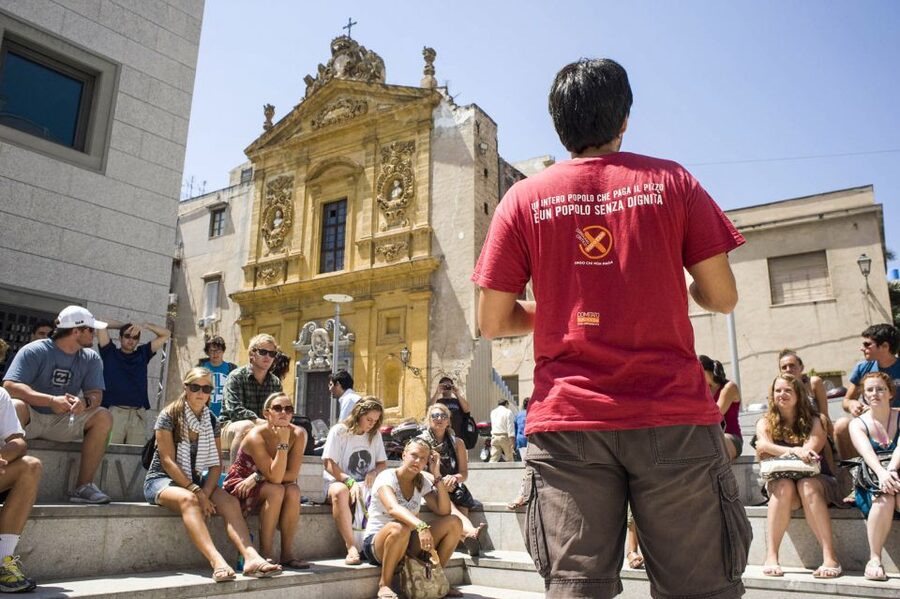
Reviewed · PALERMO, MONREALE & CEFALù
Palermo: NO Mafia Walking Tour
If you think you already know the Mafia, this walk will correct you. I like that the tour focuses on how power works in everyday Palermo, not just cinematic myths, and I also like the way it pairs famous landmarks with the grassroots anti-Mafia movement. One thing to consider: this is a serious topic, so it is not the right choice if you want a light, funny city stroll.
You cover a solid stretch of Palermo’s historic center over about 3 hours, led by a live guide (Spanish, French, English, Italian). The pace is walking-focused, so you’ll want sturdy shoes and the mindset of a history lesson on the move.
By the end, you should feel like you understand both sides of the story: how the Mafia shaped social life, and how Sicilians organized to fight back, publicly and persistently.
In This Review
- Key things that make this tour worth your time
- Palermo’s historic center, but with the power map turned on
- Meet your guide and start with landmarks that set the tone
- Teatro Massimo and Il Capo: two faces of public life
- Piazza Della Memoria: why this walk is not just about the past
- Piazza Beati Paoli, Palermo Cathedral, and the power layers you can still see
- Along the Cassaro: orange stickers and the anti-extortion mindset
- Finishing in the old town center, then turning history into good meals
- What the $40 price buys you, and why it feels like good value
- The biggest practical tips before you go
- Who should book this tour, and who should skip it
- Should you book Palermo: No Mafia Walking Tour?
- FAQ
- How long is the Palermo: No Mafia walking tour?
- How much does the tour cost?
- Where does the tour start?
- What’s included in the ticket price?
- Are museum or monument entrances included?
- What languages is the tour available in?
- Is this a private tour or small group?
- What should I bring?
- Is there free cancellation?
- Can I reserve without paying right away?
Key things that make this tour worth your time
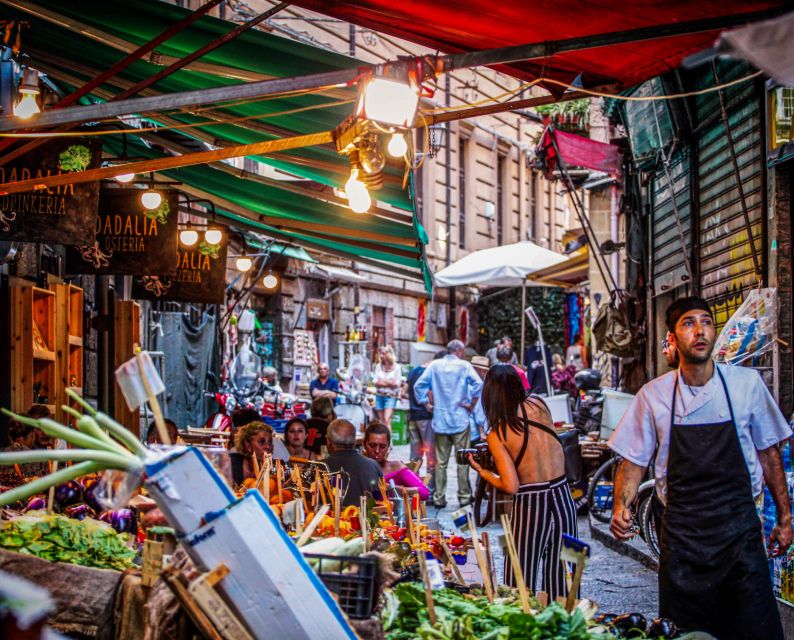
- Teatro Massimo + Il Capo: big public icons plus real local street life
- Piazza Della Memoria: a memorial grounded in the cost of opposing the Mafia
- Pigo chi non paga: the orange-sticker campaign that flags businesses saying no to extortion
- Cassaro corridor: the route where you see everyday commerce alongside anti-Mafia symbols
- No rose-colored myth: explanations aimed at reality, not movie-style glamour
- Addiopizzo contribution: part of your ticket supports the anti-Mafia work behind the scenes
Palermo’s historic center, but with the power map turned on
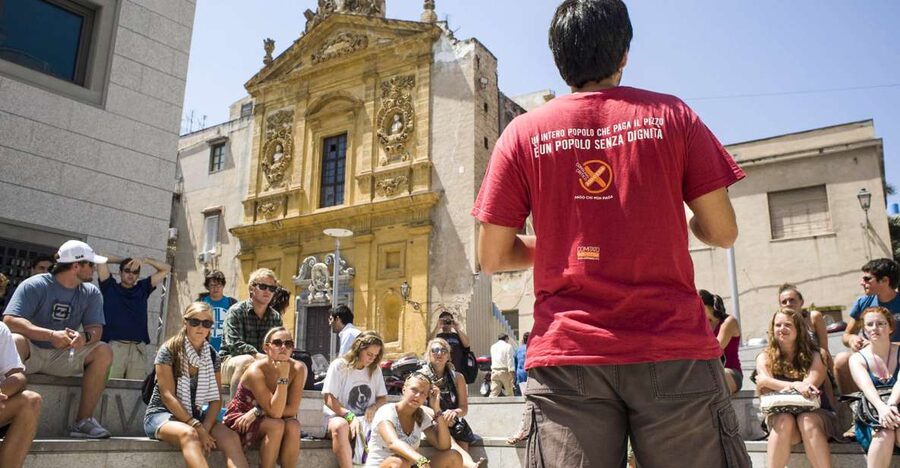
This is a walking tour built like a guided argument, in the best way. You start looking at Palermo’s landmarks and you quickly realize the story is not just architectural. It is about influence, intimidation, and what happens when ordinary people refuse to play along.
What I like most is the balance. Instead of treating the Mafia as a distant gang story, you hear how it connects to social norms, politics, and daily decisions. Then the tour shifts to the civic side, where people push back through the anti-Mafia movement and community pressure.
And yes, you still see famous sites. You just learn to see them differently. The buildings stop being postcard backdrops and start acting like stage props in a real civic drama.
Worth an aperitivo-hour scroll, our other Palermo, Monreale and Cefalu days in Palermo.
- Palermo: NO Mafia Walking Tour
★ 4.8 · 2,431 reviews - Palermo: Hop-on Hop-off Bus Tour 24-hour Ticket
★ 3.9 · 2,410 reviews - Palermo Original Street Food Walking Tour by Streaty
★ 5.0 · 2,105 reviews - Segesta, Erice and Salt Pans Full-Day Excursion from Palermo
★ 4.2 · 1,791 reviews
Meet your guide and start with landmarks that set the tone
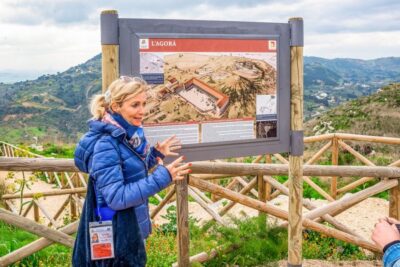
The tour begins with a live guide, and the exact meeting point can vary depending on the option you book. Plan to arrive a bit early, because once you start, the guide keeps the momentum. You’ll be walking in the historic center, taking in major sights while the talk builds a clear narrative.
Your guide will likely tailor the pacing to the group, and you’ll get the feeling this is not a read-from-a-script experience. The tour is offered in multiple languages, including English, and many guests describe the guides as engaging and question-friendly. If you enjoy asking, this is a good format. You’ll see Palermo through their explanations, but you can also steer the discussion toward what you care about most.
This tour does not dump you into facts without context. It uses Palermo’s geography as a timeline, so you connect places to events and to civic reactions.
Teatro Massimo and Il Capo: two faces of public life
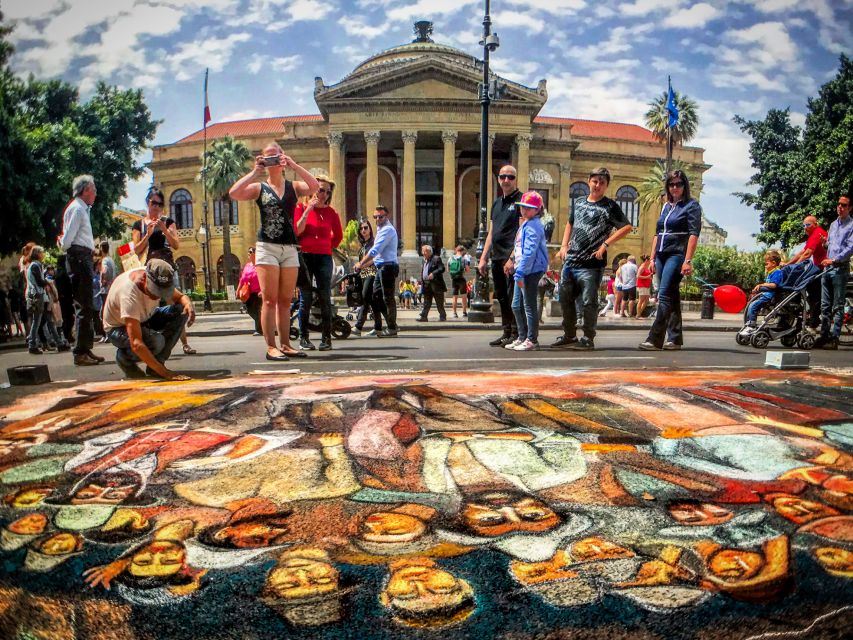
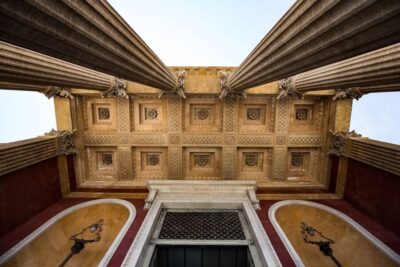
Early on, you pass by Teatro Massimo, Palermo’s major opera house. Even if you never plan to buy a ticket, this stop matters because it represents what the city puts on display: art, culture, and public identity.
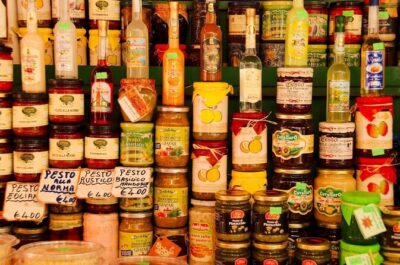
From there, you move toward Il Capo, the open-air market. This is where you get the lived-in side of Palermo: commerce, noise, and the daily rhythm of a neighborhood economy. The guide uses stops like this to show how influence can sit inside ordinary routines. Markets are not just places to buy food. They are places where people negotiate relationships, survival, and trust.
One practical advantage of mixing a landmark like Teatro Massimo with a market area is that you get variety in what you see and feel. It helps the history land, instead of turning the tour into one long lecture.
Piazza Della Memoria: why this walk is not just about the past
One of the strongest stops is Piazza Della Memoria, a memorial connected to prosecutors and judges killed by the Mafia. This is the point where the tour’s tone becomes clearly civic and human.
Memorial spaces can sometimes feel like a quick photo stop. Here, the guide uses it as an anchor for understanding consequences. You learn how the fight against Mafia impunity required courage from people in public roles, not only anonymous activists. It reframes the story from Mafia as abstract crime to Mafia as a system that attacks justice itself.
If you’re the type who reads plaques and wants the meaning behind the place, this is a highlight. Even if you are short on time in Palermo, this stop gives your visit a sharper moral and historical focus.
Piazza Beati Paoli, Palermo Cathedral, and the power layers you can still see
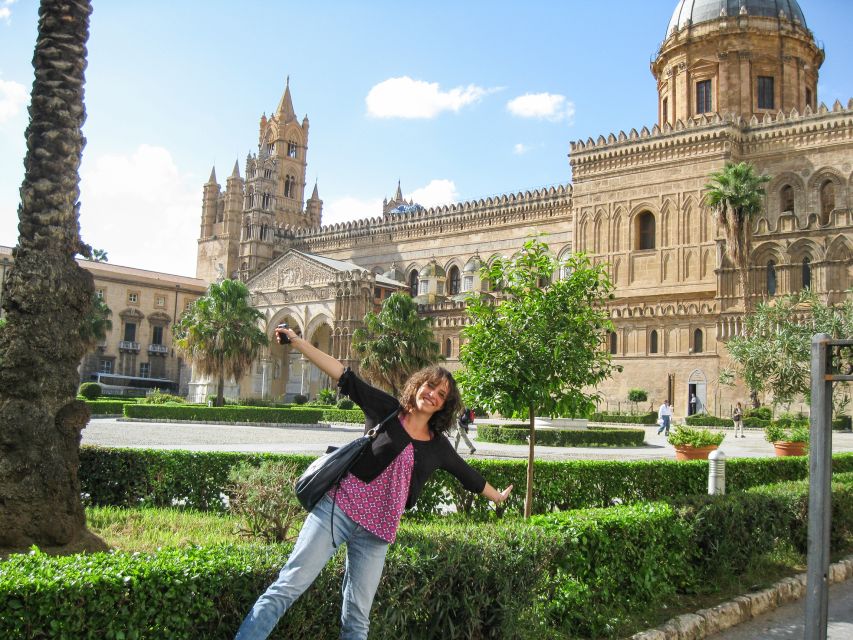
As you keep moving through the historic center, you’ll pass sites like Piazza Beati Paoli and Palermo Cathedral. These stops matter because Palermo is not one era. The city holds layers, and the Mafia story fits into that layering.
The cathedral area, for example, helps the guide connect ideas like authority, institutions, and how people relate to public power over time. Piazza Beati Paoli enters the conversation as a recognizable square within Palermo’s story world, letting the guide connect folklore and myth versus the real social structure that operated behind the scenes.
The big idea here is that the Mafia phenomenon was never isolated. It interacted with the institutions and with the everyday culture that shaped how people lived and made choices. This tour pushes you past clichés by showing the Mafia as a pressure system, not only a set of criminal acts.
Along the Cassaro: orange stickers and the anti-extortion mindset
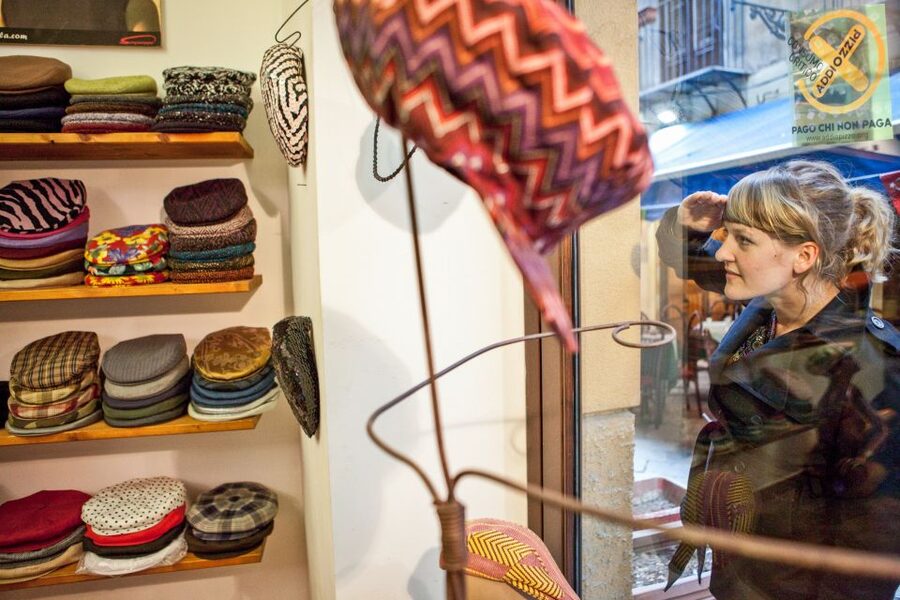
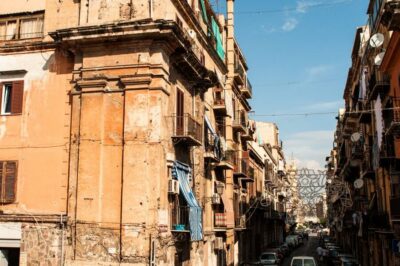
Now you get the tour’s most visual civic symbol: along the Cassaro, you see shops and businesses with orange stickers on their windows. Those stickers mark owners who have said no to paying the extortion racket and have subscribed to the ethical consumer campaign titled pago chi non paga (I pay who does not pay).
This is powerful because it turns an idea into something you can literally point at. Instead of hearing about resistance as theory, you see how it can look in daily life: a business choosing not to comply, and being publicly identified for that choice.
It also gives you a practical way to interpret the city after the tour. When you notice similar symbols or community cues in Palermo, you’ll understand what kind of civic message you are looking at, even if you are not inside a tour anymore.
Filed beside this one, more walking tours in Palermo.

Finishing in the old town center, then turning history into good meals
You finish in the heart of Palermo’s old town center. That matters because the tour is not trying to strand you at a random endpoint. It sets you up to keep exploring on your own with the guide’s local direction.
You’ll get tips from your guide on where to taste Sicilian specialties. The point is not just where to eat, but what kind of food to look for once you have the context of the city in your head. After a tour like this, you start noticing which parts of Palermo still feel like neighbor-to-neighbor life, not just sightseeing.
If you want to turn your day into a full experience, I’d plan for a meal right after. You’ll have strong opinions about the city by then, and food is a natural way to balance the hard history with something human.
What the $40 price buys you, and why it feels like good value
At $40 per person for a 3-hour walking tour, you’re paying for more than a route and a few landmarks. You’re paying for a live guide who can connect Palermo’s iconic sights to the anti-Mafia movement, plus a contribution to the Addiopizzo charitable organization.
Entrance fees are not included, which keeps the experience focused. You spend money where it counts: on interpretation, on walking time, and on supporting the civic work linked to the theme.
Compared with many city tours that feel like a checklist, this one tends to feel like a guided explanation with real moral weight. If you care about understanding place, not only seeing it, the price makes sense.
The biggest practical tips before you go
- Wear comfortable shoes. You’ll be walking through uneven historic streets.
- Bring curiosity for tough subjects. This is not Mafia as entertainment. It is Mafia as social reality and civic challenge.
- Come early in your Palermo visit. You’ll get more out of later explorations when you understand the power story behind what you see.
And if you like asking questions, do it. The tour is set up for a back-and-forth style of learning.
Who should book this tour, and who should skip it
Book it if you want an insider-style education focused on how the Mafia operates and how Palermo’s anti-Mafia citizens push back. This is ideal for people who prefer meaning over myths and who like history that explains modern behavior.
Skip it if you want a quick, light stroll, or if you’re not in the mood for a serious look at violence, intimidation, and civic resistance. The tour can be intense in theme, even when the guide keeps the conversation engaging.
Also, because it is walking-based and lasts about three hours, it is best for visitors who can handle steady time on their feet.
Should you book Palermo: No Mafia Walking Tour?
Yes, if you are in Palermo and you want the city to make sense beyond the usual tourist gloss. The strongest reason to book is the combination of major landmarks with the civic anti-Mafia story, plus the orange-sticker campaign that turns resistance into something you can see right on the street.
If you are the kind of traveler who likes to understand the human stakes behind a place, this tour is a high-value use of time. Just go in prepared for a serious topic, and you’ll leave with a Palermo you can explain to friends back home.
FAQ
How long is the Palermo: No Mafia walking tour?
The tour lasts 3 hours.
How much does the tour cost?
The price is $40 per person.
Where does the tour start?
The meeting point may vary depending on the option booked.
What’s included in the ticket price?
Included items are the guide, the walking tour, and a contribution to the Addiopizzo charitable organization.
Are museum or monument entrances included?
No. Entrance to museums and monuments is not included.
What languages is the tour available in?
The live guide is available in Spanish, French, English, and Italian.
Is this a private tour or small group?
A small group is available.
What should I bring?
Bring comfortable shoes.
Is there free cancellation?
Yes. You can cancel up to 24 hours in advance for a full refund.
Can I reserve without paying right away?
Yes. There is a reserve now & pay later option, which means you can book a spot and pay nothing today.
Our Wider Tours File for Palermo
Palermo, Monreale and Cefalu Days in Palermo, Written Up Separately
Not quite the day you had in mind? The rest of our Palermo write-ups sit below
- Palermo: Anti-Mafia Heroes Evening Walking Tour★ 4.6 · 172 reviews
- From Palermo: Half-Day Corleone Excursion★ 3.8 · 182 reviews
- Tour Cappella Palatina e palazzo Reale: patrimonio Unesco★ 4.8 · 183 reviews
- Palermo: Full-Day Snorkeling Boat Tour with Lunch and Wine★ 5.0 · 196 reviews
- Wanna be Sicilian: Palermo Cooking Class and Market Tour★ 5.0 · 197 reviews
- Sicily: Etna Volcano & Taormina Tour★ 4.4 · 199 reviews
- From Palermo: Erice and Marsala Day Trip with Lunch★ 4.8 · 199 reviews
- Palermo: Cappella Palatina and Palazzo dei Normanni Tour★ 4.8 · 214 reviews
- Palermo Half Day Boat Tour with Palermo Experiences★ 5.0 · 224 reviews
Palermo, Monreale & Cefalù, top to bottom.
 ★ 3.9Palermo: Hop-on Hop-off Bus Tour 24-hour TicketFrom $172,410 reviews
 ★ 5.0Palermo Original Street Food Walking Tour by StreatyFrom $832,105 reviews
 ★ 4.2Segesta, Erice and Salt Pans Full-Day Excursion from PalermoFrom $821,791 reviews
 ★ 4.5Palermo: Teatro Massimo Opera House Guided TourFrom $141,573 reviews
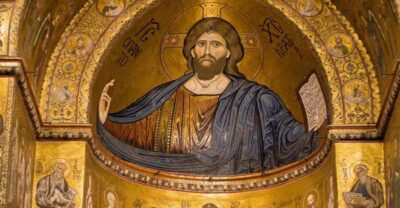 ★ 4.2From Palermo: Monreale and Cefalù Half-Day TripFrom $711,354 reviews
 ★ 4.9Palermo: Street Food and History Walking TourFrom $541,294 reviews
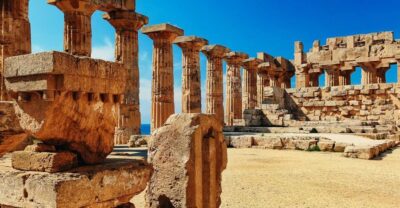 ★ 4.2Palermo: Agrigento and the Valley of the Temples Day TourFrom $771,240 reviews
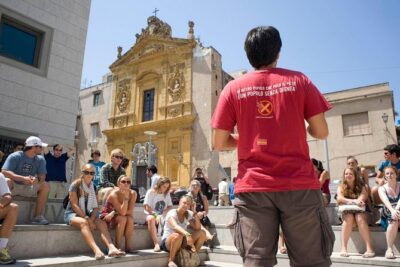 ★ 5.0Palermo No Mafia walking tour: discover the Anti-mafia culture in SicilyFrom $391,011 reviews
Filed under