
Reviewed · HERCULANEUM, VESUVIUS & OPLONTIS
Herculaneum: Tickets & Tour with a Local Archaeologist
Skip the lines, then meet the Romans. This 2-hour Herculaneum visit is special because you get skip-the-line access and a licensed expert archaeologist who points out what the ruins are telling you, including scenes most people miss. I also love how the preservation here feels intimate, from frescoes and mosaics to the unsettling reality of human remains.
One thing to plan around: this is a walking, stairs-in places site visit, and the tour is not suitable for wheelchair users (electric wheelchairs are also not allowed). If anyone in your group has mobility limits, you’ll want to think carefully about comfort and pace before booking.
In This Review
- Key highlights at a glance
- Why Herculaneum feels more personal than Pompeii
- Biglietteria Ercolano meeting point, and getting oriented fast
- Casa dei Cervi: deer imagery and upper-floor luxury
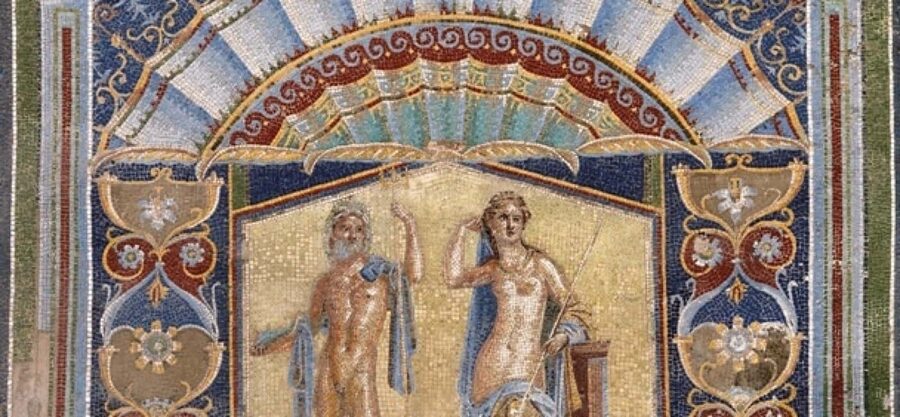
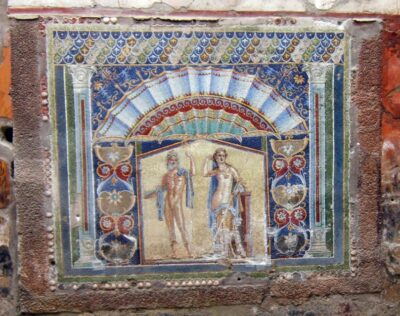
- Casa di Nettuno ed Anfitrite: sea gods in a real home
- Sacellum of the Augustales: faith, status, and community spaces
- House of Skeletons: the moment that stays with you
- Casa dell’Albergo and the town’s day-to-day rhythm
- Archaeological Site of Herculaneum: baths, water, and the final walk
- What you actually get from 2 hours, and how to maximize it
- Price, and whether it is good value at $58
- The guide factor: what stands out from real-world experiences
- Who should book, and who might prefer another approach
- Should you book this Herculaneum archaeologist tour?
- FAQ
- Where is the tour meeting point?
- How long is the Herculaneum tour?
- What is included in the ticket price?
- Do I need to wait in line?
- What languages are available for the live guide?
- Is hotel pickup or drop-off included?
- What should I bring?
- Is the tour wheelchair accessible?
- Is free cancellation available?
Key highlights at a glance
- Skip-the-line tickets so you waste less time waiting at the ticket office
- Licensed archaeologist guide who explains what you are seeing, not just where it is
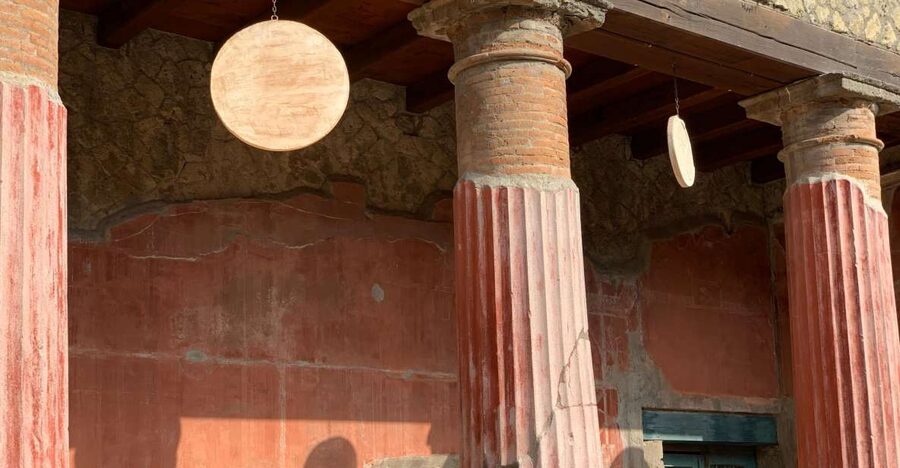
- House stops that show luxury up close, like Casa dei Cervi and Casa di Nettuno ed Anfitrite
- The House of Skeletons, with a rare chance to see remains in context
- Headset support if your group is larger than 11
- A focused 2-hour route, designed to cover a lot without racing you through the site
Why Herculaneum feels more personal than Pompeii
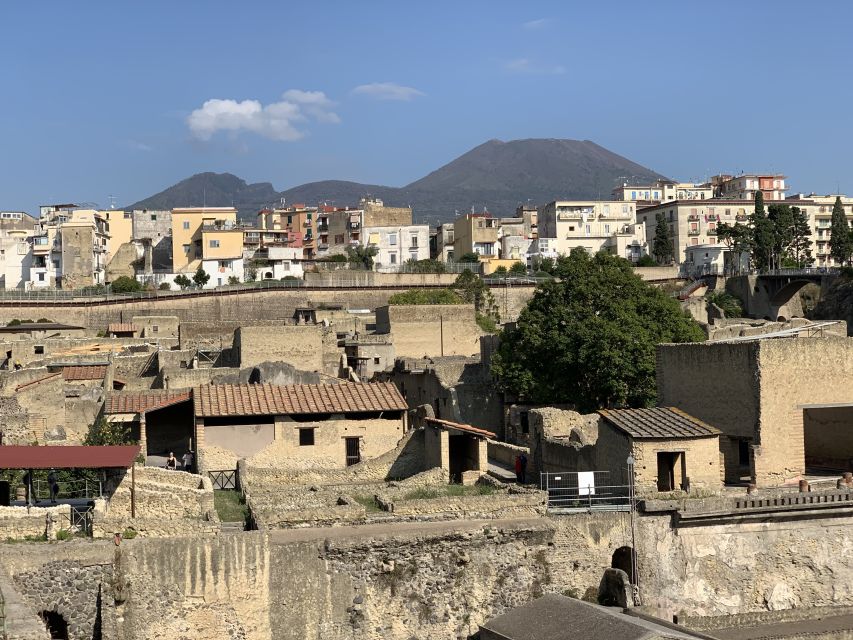
Herculaneum is one of those places where the big story is not just what happened, but why it survived. When Mount Vesuvius erupted in 79 AD, this Roman seaside town was buried under volcanic material, and those unusual conditions preserved more than stone walls. You can see details that are usually gone, including wooden doors and furniture, carbonized food, and even the skeletons where people fell.
That preservation changes the emotional feel. Pompeii can be loud and crowd-heavy, and the remains there are often what people remember. Herculaneum gives you a calmer, more close-up sense of everyday life, because you are walking streets and rooms that still feel like they belong to a real neighborhood, not a museum.
The best tours here focus on interpretation, not memorizing dates. With a good archaeologist guide, you start noticing how villas were arranged, how art was used in daily spaces, and how the town’s public areas worked as part of the routine. That is the difference between looking at ruins and understanding a city.
Kept in the same folder as this one, Herculaneum and Vesuvius visits in Archaeological Site Of Herculaneum.
- Herculaneum: 3D Walking Tour with Skip-the-Line Ticket
★ 4.3 · 313 reviews - Ercolano: Herculaneum Skip-the-Line Ticket & Audio Guide
★ 4.0 · 275 reviews
Biglietteria Ercolano meeting point, and getting oriented fast
You meet at Biglietteria Ercolano, and you should arrive about 10 minutes early. This matters more than it sounds. Even with skip-the-line tickets, you still want a few minutes to settle your group, hear instructions, and get your bearings before entering the archaeological area.
The tour runs for about 2 hours, so you should show up ready to walk and pay attention. The site includes cobbled streets and indoor stops, so plan on some uneven ground and steps. Bring water, and bring your passport or ID card, since it is specifically listed as needed.
If you are traveling with kids or anyone who gets impatient with long speeches, this format helps. It is structured with multiple guided segments, and the guide keeps moving you through spaces that naturally raise questions: What was this room used for? Why is this decoration here? How do these buildings connect to daily life?
Casa dei Cervi: deer imagery and upper-floor luxury
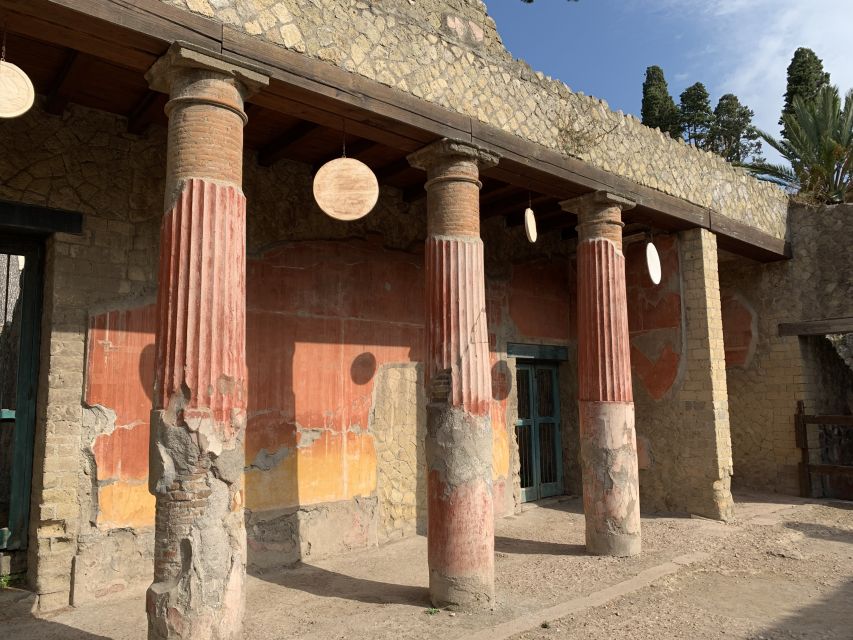
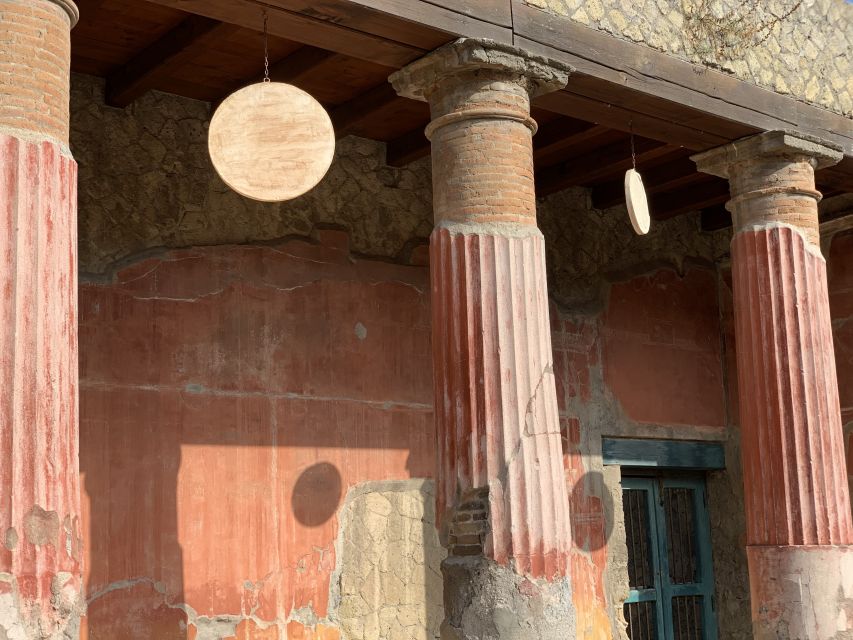
The route begins with Casa dei Cervi, one of the villa stops that helps you grasp the scale of Herculaneum’s wealth. The name is linked to the famous deer imagery, and what I like about starting here is that you immediately shift from the general idea of Roman ruins to something concrete: how elite homes looked and how they were decorated.
In a guided visit, the big payoff is learning how to read the space. A living-room wall with painting or mosaic is not just decoration, it is a social signal. The guide’s job is to help you notice what is preserved and why it matters, especially in rooms where the layout is still understandable.
A drawback is that villa stops can take on different personalities depending on your guide’s focus. If you are hoping for one single highlight, like only mosaics or only frescoes, you might feel a little pulled across multiple themes. The upside is that you get a balanced view of how art and architecture worked together.
Casa di Nettuno ed Anfitrite: sea gods in a real home
Next up is Casa di Nettuno ed Anfitrite. This is the kind of location that makes Roman mythology feel less like textbook content and more like something homeowners invested in. When the name points to Neptune and Amphitrite, it is a reminder that the sea was part of the town’s identity, since Herculaneum lived with the coast and the movement of water.
What you get from a licensed archaeologist guide here is context. You will not just hear the story behind the figures. You’ll learn what the imagery likely meant to residents, how it fit with surrounding spaces, and how similar themes show up across the town.
The practical consideration is time. In a 2-hour tour, each stop must be meaningful. That means you might not linger as long as you would at a museum gallery, especially if you stop for extra photos. If photography matters, decide early what you want a clear shot of, then let the guide lead the rest.
Sacellum of the Augustales: faith, status, and community spaces
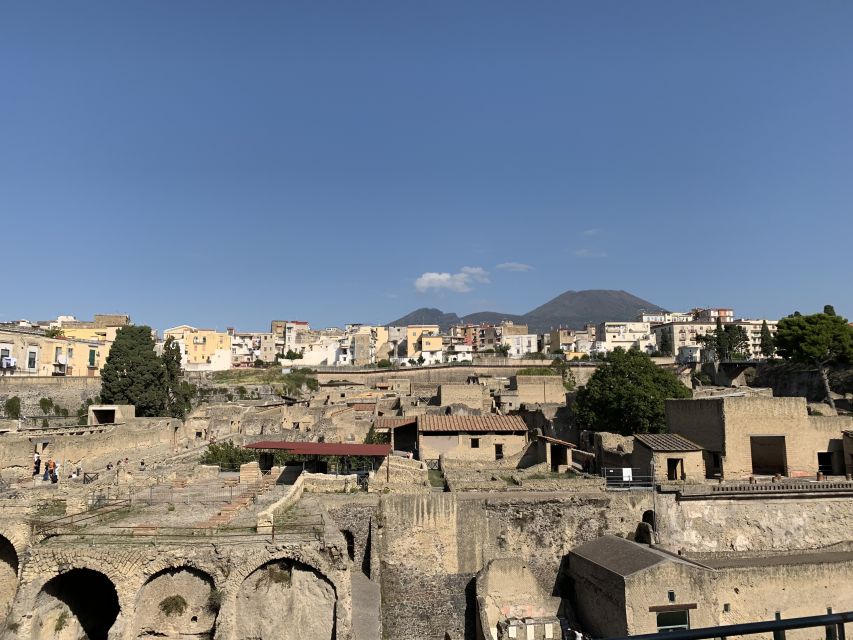
At Sacellum of The Augustales, you pivot from private villa life to a more communal, religious feel. This is a crucial stop because it expands the picture beyond wealthy homes. Herculaneum was not only about family houses and public streets, it was also about the groups people belonged to and the rituals they participated in.
A good archaeologist guide helps you understand why certain spaces were built and how they connected to civic identity. You’ll likely be looking for the clues the site gives you: where the room sits, what surrounds it, and what kind of activities such a setting suggests.
If you are the type who loves the human side of ancient life, this stop can be especially satisfying. Religion and social standing are easy to gloss over when you only see ruins. Here, the guided narration makes the space feel used, not just preserved.
House of Skeletons: the moment that stays with you
The emotional center of the tour is often House of Skeletons. Seeing remains in their original context is difficult to forget, and it is also where expert guidance matters most. Without a guide, you might look at skeletons as a shock photo moment. With a guide, you learn what you are looking at, how to interpret the scene, and why the details are important.
This is also where the contrast with Pompeii comes into focus. In Pompeii, the famous human remains are often what crowds gather around. In Herculaneum, people’s final moments are presented in a more intimate, quieter way, and that can feel more respectful, especially when the group slows down.
A consideration: if your group includes anyone who has trouble with human remains, you should warn them in advance. The site preserves bodies because of burial conditions, and this stop is not avoidable if you want the full route. If that is a concern, it is worth discussing with your guide at the start so you know how the tour will handle it.
Casa dell’Albergo and the town’s day-to-day rhythm
The next stop is Casa dell’Albergo, Herculaneum. Even if you only remember the name, it helps you shift attention to how Herculaneum functioned day to day. Unlike isolated monuments, parts of this town connect directly to movement: entrances, rooms, and the way people likely interacted with visitors, workers, and neighbors.
What you will want from this segment is practical understanding. A guide can point out how the building relates to surrounding streets and how features you might otherwise ignore fit into daily life. In a place like Herculaneum, tiny architectural choices can tell big stories, like where someone could meet, wait, work, or rest.
One thing to keep in mind: “more rooms” does not always mean “more time.” If your guide is pacing to keep the group together, you may be seeing several meaningful spaces fairly quickly. This is where headsets can be a big help. If your group is larger than 11, you’ll have headset support, so you can still hear the details while you walk and look.
Archaeological Site of Herculaneum: baths, water, and the final walk
After the core house stops, the tour continues within the Archaeological Site of Herculaneum with a photo stop and guided time through additional areas. This is where you get some of the most cinematic contrasts: elegant homes and public functions in the same walkable neighborhood.
You should expect to see the grand public baths and to hear about the clever engineering of ancient water systems. Baths were not just for washing. They were social hubs, full of routine, conversation, and movement. When you understand the water setup and how rooms likely worked together, the architecture makes a lot more sense.
You may also encounter the darker side of Herculaneum’s story in areas associated with victims seeking refuge. The tour description highlights Boat Houses where people tried to escape the disaster. Even if the exact stop order varies slightly by route flow, this theme is part of the guided experience, and it is where the guide’s storytelling skills really matter.
What you actually get from 2 hours, and how to maximize it
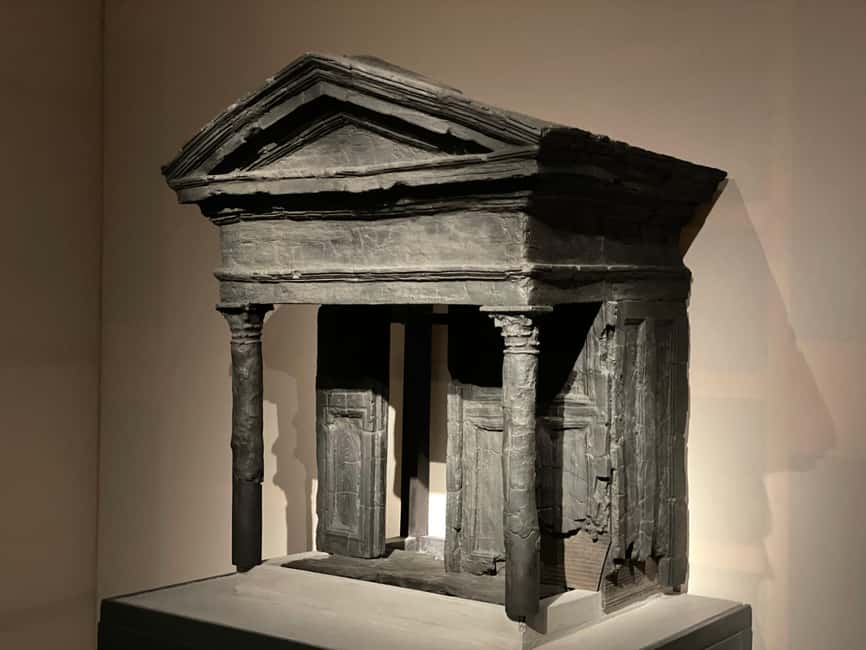
Two hours at Herculaneum is a sweet spot. You are not trying to cover everything in a single day, and you are not stuck in a half-hour sprint. The route is designed around the most readable parts of the site, so you can connect art, architecture, and the eruption story without your brain feeling overloaded.
To maximize your time, do two simple things. First, listen for the guide’s “why this matters” explanation, not only the place name. Second, save your toughest questions for the moments when the group stops, because the guide can point out specific details while you are standing in front of them.
There is also a pacing tradeoff. Some people finish the tour wanting more time in one particular house or for one more mosaic. That is not a sign the tour is bad. It is a sign you are seeing a site where the details reward repeat visits. For first-timers on a tight schedule, though, this 2-hour structure is efficient and satisfying.
Price, and whether it is good value at $58
At $58 per person for a 2-hour guided visit, the value comes from three things that are actually built into the ticket. You get skip-the-line entrance, a licensed guide, and headset support if the group grows beyond 11. If you were trying to do it on your own, you would still be spending time at entry and you would lose the interpretation that makes preserved details legible.
This is not a long sightseeing day, so pricing should be judged by how much you learn per hour. A guide trained to read Roman architecture can turn a short walk into a clear understanding of what you are seeing: why villas look the way they do, how art functioned in homes, and how public spaces shaped daily life.
If your priority is photography only, you might find a self-guided visit cheaper. But if your priority is understanding the site, especially the preservation details like skeletons and the way the volcanic burial made wood and even furniture survivable, the guided format is the smart match for your money.
The guide factor: what stands out from real-world experiences
The most repeated theme in what works well here is simple: the guide helps Herculaneum feel alive. Many guides described for this tour combine archaeology credentials with storytelling that is easy to follow. In particular, you’ll see names like Enrica, Carlo, Giovanni, Livio, Riccardo, Ornella, and Dr Rafaelle Romano popping up in people’s accounts, and the consistent praise is that explanations feel personal, not like a scripted lecture.
A strong guide also handles the emotional moments well. The stop featuring human remains can feel heavy, and several accounts highlight how the guide’s tone and pacing make it more respectful and easier to process. That is a real benefit, because this is not an ordinary sightseeing stop.
Language is another plus. The tour lists Spanish, English, Italian, and French, and with a headset when needed, you have the tools to keep up even if the group is larger. If you have hearing challenges, you might consider arriving early so you can test how comfortable the headset is before the walk begins.
Who should book, and who might prefer another approach
This tour is a great fit if you want the best of Herculaneum without turning it into a scavenger hunt. If you care about Roman daily life, you like mosaics and frescoes, or you want the story of Vesuvius explained with archaeological context, this is exactly the kind of guided route that pays off.
It is also a strong option if you already did Pompeii or plan to. Herculaneum is different in feel, and a good archaeologist guide can help you compare what preserved remains look like in each place and why that shapes what you remember.
Skip it or plan carefully if your group includes someone who cannot handle uneven ground and stairs, because the tour is not suitable for wheelchair users, and electric wheelchairs are not allowed. Also consider whether the 2-hour time box will frustrate you. If you want a slow, fully unhurried museum-style pace, you might prefer a longer independent visit.
Should you book this Herculaneum archaeologist tour?
Yes, if you want Herculaneum explained by someone who can translate preserved details into daily-life meaning. The ticket includes skip-the-line entry, a licensed archaeologist guide, and headsets when groups are bigger, which makes the $58 price feel more like a learning experience than just an access fee.
Book it especially if you want the moments that need context, like frescoes, mosaics, and the House of Skeletons. If mobility is a concern for your group, double-check your comfort level first. Otherwise, this is one of the best ways to turn a buried ancient city into a story you can actually follow.
FAQ
Where is the tour meeting point?
The tour meeting point is Biglietteria Ercolano. You should arrive there about 10 minutes before the tour starts.
How long is the Herculaneum tour?
The tour duration is 2 hours.
What is included in the ticket price?
The ticket includes a guided tour with a licensed guide, skip-the-line entrance tickets, and headsets if the group exceeds 11 people.
Do I need to wait in line?
No. The tour includes skip-the-line access to enter Herculaneum.
What languages are available for the live guide?
The tour offers live guiding in Spanish, English, Italian, and French.
Is hotel pickup or drop-off included?
No. Hotel pickup and drop-off are not included.
What should I bring?
Bring your passport or ID card and water.
Is the tour wheelchair accessible?
No. It is not suitable for wheelchair users, and electric wheelchairs are not allowed.
Is free cancellation available?
Yes. You can cancel up to 24 hours in advance for a full refund.
Our Wider Tours File for Archaeological Site Of Herculaneum
Herculaneum and Vesuvius Visits in Archaeological Site Of Herculaneum That Made the Same Shortlist
Not quite the day you had in mind? The rest of our Archaeological Site Of Herculaneum write-ups sit below
- Ercolano: Herculaneum Skip-the-Line Ticket & Audio Guide★ 4.0 · 275 reviews
- Herculaneum: 3D Walking Tour with Skip-the-Line Ticket★ 4.3 · 313 reviews
Herculaneum, Vesuvius & Oplontis, top to bottom.
 ★ 4.3From Naples: Pompeii Ruins & Mount Vesuvius Day TourFrom $12011,459 reviews
 ★ 4.5Pompeii and Mount Vesuvius Day Trip from Rome with Pizza LunchFrom $906,151 reviews
 ★ 4.6From Rome: Pompeii Day Trip with Optional Vesuvius and LunchFrom $885,067 reviews
 ★ 4.6Naples or Sorrento: Full-Day Pompeii and Mount Vesuvius TourFrom $1044,235 reviews
 ★ 4.8Herculaneum: Skip-the-Line Guided Tour with ArchaeologistFrom $533,439 reviews
 ★ 4.0Pompeii & Mt.Vesuvius Day Tour from Naples with Pizza LunchFrom $1492,901 reviews
 ★ 4.2Mount Vesuvius: Skip-the-Line Ticket and Smart Digital GuideFrom $182,780 reviews
 ★ 4.5Naples: Pompeii & Mt Vesuvius All-Inclusive Small Group w/ LunchFrom $1312,748 reviews
Filed under