

Reviewed · HERCULANEUM, VESUVIUS & OPLONTIS
Herculaneum: Skip-the-Line Guided Tour with Archaeologist
Herculaneum hits you with quiet power fast. This skip-the-line tour gets you into one of Italys most intact Roman cities with an archaeologist guide and headsets so you can actually hear the story as you walk the streets. I also like that it feels calmer than Pompeii, because Herculaneum is smaller and the route keeps you moving through the most meaningful sights.
My favorite part is how the guide turns ruins into daily life, from merchants and nobles to the waterfront where so many people tried to flee. One thing to keep in mind: this is a two-hour walk, and the site is exposed, so you need good shoes and sunscreen, plus a raincoat if the weather changes.
If you want Roman ruins with real context, plus an efficient way to see the highlights, this tour is a strong bet.
In This Review
- Key Takeaways Before You Go
- Herculaneum’s Roman Streets, Without the Pompeii Feeling
- Price and Value: What You’re Really Paying For
- Where the Tour Starts, and Why You’ll Want to Arrive Ready
- The First Big Goal: Port Town Life and the Vesuvius Timeline
- Casa dei Cervi: Seeing a Named Home Like a Layout, Not Just Ruins
- Casa di Nettuno ed Anfitrite (House of Neptune): Art That Still Feels Alive
- The House of Skeletons: When Evidence Gets Personal
- Casa dell’Albergo and Casa del Salone Nero: Wealth in the Details
- Public Life on the Route: Baths, Forum, and the Temple of the Augustales
- The Waterfront Angle: Why This Tour Feels More Personal
- Two Hours: The Sweet Spot, With One Real Warning
- What to Bring and Wear, So You Don’t Hate the Ground
- Who This Tour Suits Best
- Should You Book This Skip-the-Line Archaeologist Tour?
- FAQ
- How long is the Herculaneum skip-the-line guided tour?
- Where do I meet the guide?
- Does the tour include admission fees?
- Are headsets provided?
- What languages are available for the live guide?
- What should I bring for the visit?
- Is food or transportation included?
- Is the tour suitable for wheelchair users or limited mobility?
- Can children attend?
Key Takeaways Before You Go
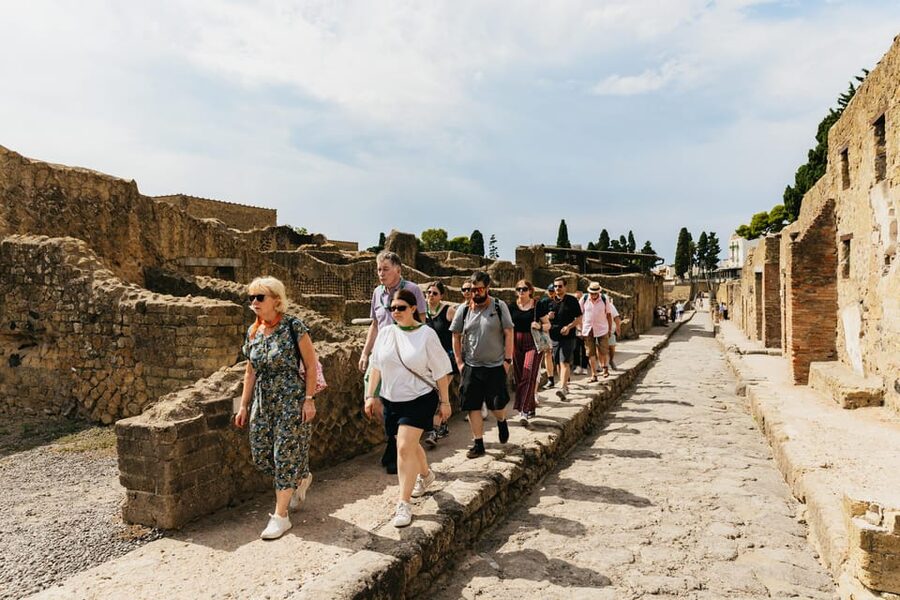
- Skip-the-line entry saves time for a site that fills quickly, especially in peak hours.
- Archaeologist-led commentary makes the buildings and artifacts make sense, not just look pretty.
- Homes with names and details (like Casa dei Cervi and Casa del Salone Nero) help you understand how people lived.
- Art survival is the point here, with ceramics, paintings, and mosaics preserved in a way Pompeii often cannot match.
- Group size tends to stay manageable (often around 15 to 20), which helps you keep up with the route.
Herculaneum’s Roman Streets, Without the Pompeii Feeling
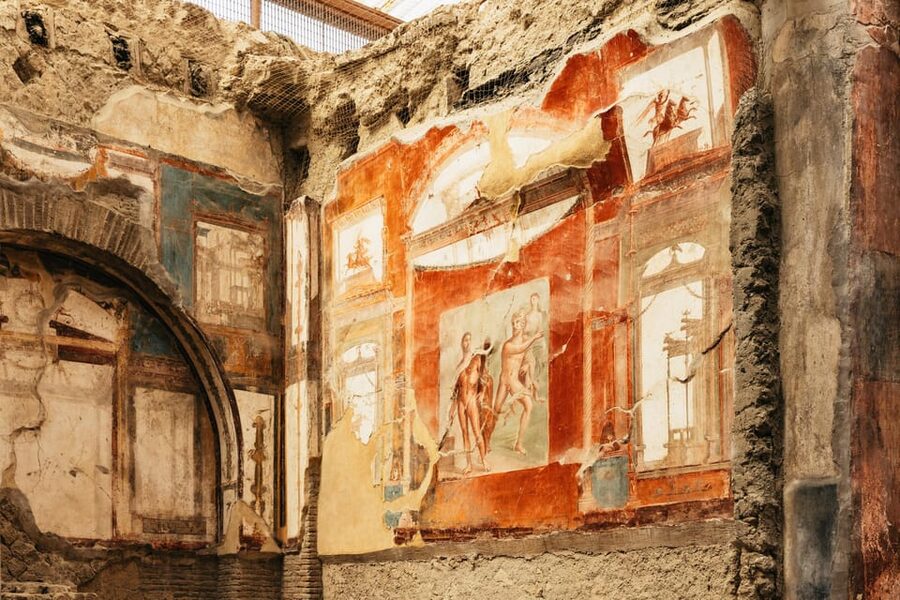
Herculaneum is the Roman tragedy you wish school had covered better. When you walk the streets here, you are not just looking at walls, you are seeing a town plan that still feels human, close enough to picture daily routines. The eruption did not only bury buildings, it froze moments, and the results are often more intimate than what people expect from Roman ruins.
I like that the tour is built around that intimacy. Instead of bouncing between random highlights, you get a guided route that keeps returning you to themes: wealth and work in a port town, public life, private homes, and then the sudden end. This helps you feel the difference between Herculaneum and Pompeii in a way that actually sticks.
Kept in the same folder as this one, Herculaneum and Vesuvius visits in Naples.
- From Naples: Pompeii Ruins & Mount Vesuvius Day Tour
★ 4.3 · 11,459 reviews - Naples or Sorrento: Full-Day Pompeii and Mount Vesuvius Tour
★ 4.6 · 4,235 reviews - Herculaneum: Skip-the-Line Guided Tour with Archaeologist
★ 4.8 · 3,439 reviews - Pompeii & Mt.Vesuvius Day Tour from Naples with Pizza Lunch
★ 4.0 · 2,901 reviews
Price and Value: What You’re Really Paying For
At about $53 per person for a two-hour guided visit, this tour is not the cheapest option. But you are paying for three things that add up: the archaeologist guide, admission fees, and a smoother entry experience with skip-the-line access.
Here is the math that matters for value. The Herculaneum site admission is listed at 16 euros for adults (with lower pricing for EU citizens aged 18 to 25). Because your tour price includes admission, you are not double-paying just to get in the gate. Then you layer on the guide, plus headsets so the information lands clearly even when the group spreads out.
You also get something that is hard to buy later with a self-guided visit: interpretation. One of the most repeated praises in the guide feedback is the way archaeologists explain the eruption, the differences from Pompeii, and how the excavations connect to what you can see today. If Roman ruins are your kind of history, that turns the time into real value.
Where the Tour Starts, and Why You’ll Want to Arrive Ready
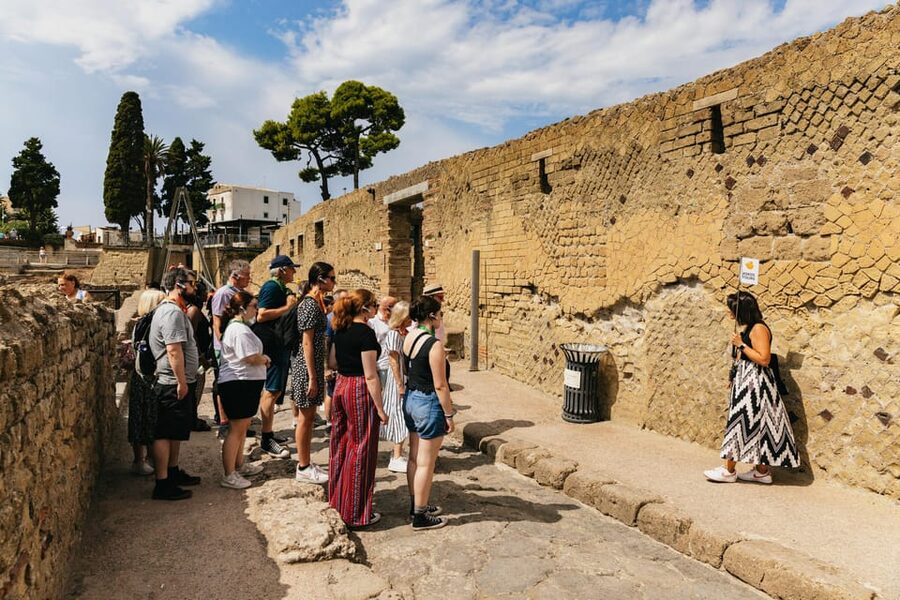
Meet at the ticket office at the Herculaneum Ruins. Your guide will be holding an Askos Tours sign. This matters because Herculaneum is a place where you do not want to be late, the entry flow can move quickly, and you are walking exposed areas almost immediately once you begin.
You should also come with the right basics. Bring a passport or ID card. Wear closed-toe shoes, since uneven ground and slick patches can make open sandals a pain. And if the forecast looks questionable, bring a raincoat. The tour runs rain or shine, and the site can turn damp fast.
The First Big Goal: Port Town Life and the Vesuvius Timeline
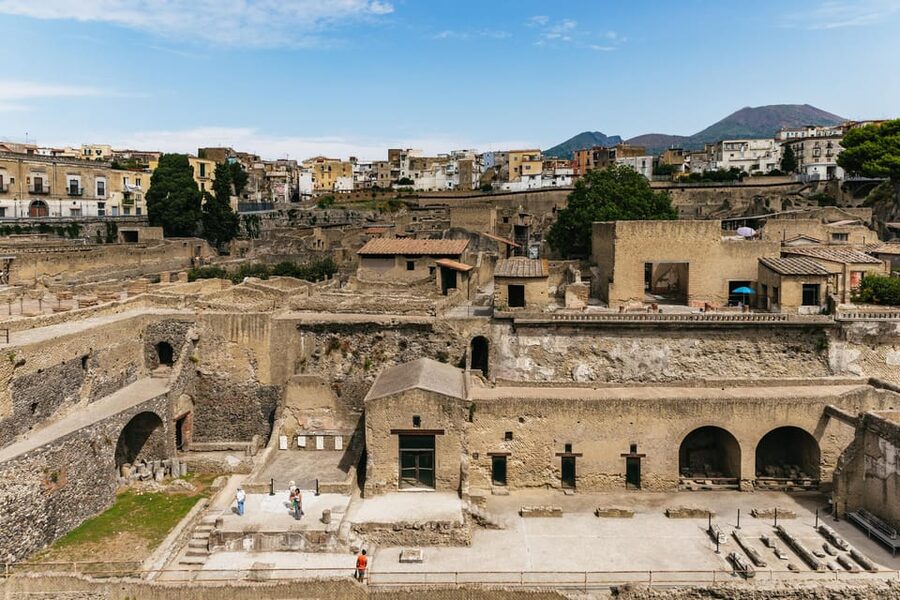
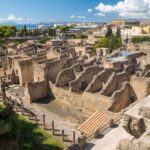
The tour’s main entry is a guided walk through the archaeological site of Herculaneum. You are not wandering aimlessly. The route is built to give you a clear mental map, then keep layering meaning onto what you see.
You’ll start with the story of Herculaneum as a former port town, including how it worked socially and economically. Merchants and higher-status families lived here, and the buildings show it. Then the guide brings in the eruption timeline and what likely happened in the final moments.
One detail that makes this site hit differently is the waterfront story. You’ll get the explanation for the remains of more than 300 people who died trying to escape by taking to the ocean. It is the kind of moment that turns an archaeological site into something emotional, but the guide keeps it grounded in what evidence suggests.
This opening section is also where the archaeologist help really matters. Herculaneum has a “compact, fast to see” reputation, but it can feel confusing without context. The tour helps you connect street level remains to the larger picture of Roman daily life.
Casa dei Cervi: Seeing a Named Home Like a Layout, Not Just Ruins
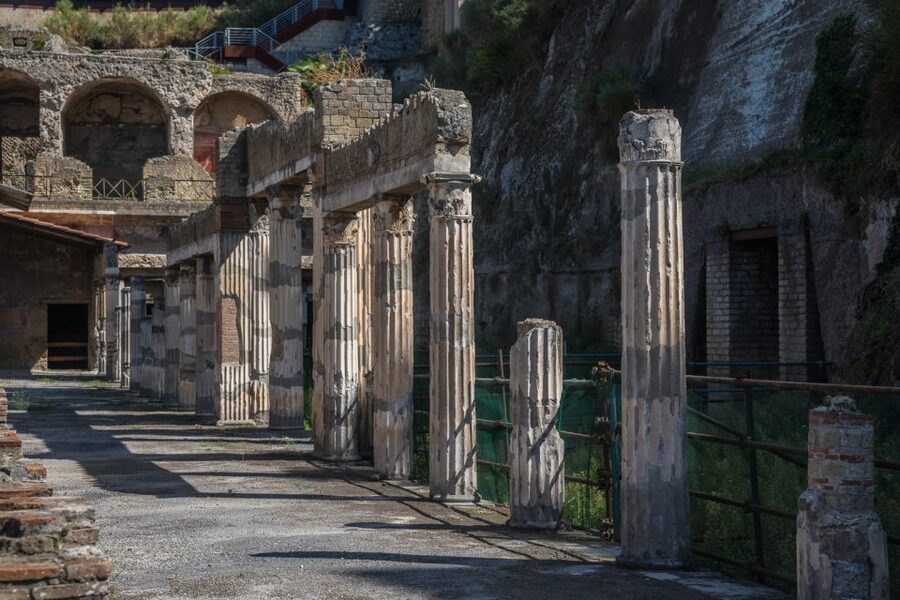
After the main walk, the tour heads to Casa dei Cervi. Even if you only remember the name later, the value here is what the home teaches you.
Roman houses are often more than rooms. They reflect wealth, family life, privacy, and how people moved through space. At Casa dei Cervi, you get to see how a domestic setting differs from public areas, and how details you might miss on your own become obvious with guidance.
A good sign that this tour works: you will not just hear descriptions of what a building used to be. You will also get reasons behind the design. That is why the archaeologist factor matters. The best guides in this experience are praised for turning observations into explanations, often with visual aids like pictures and overlays that show how the site looked before destruction and excavation.
Casa di Nettuno ed Anfitrite (House of Neptune): Art That Still Feels Alive
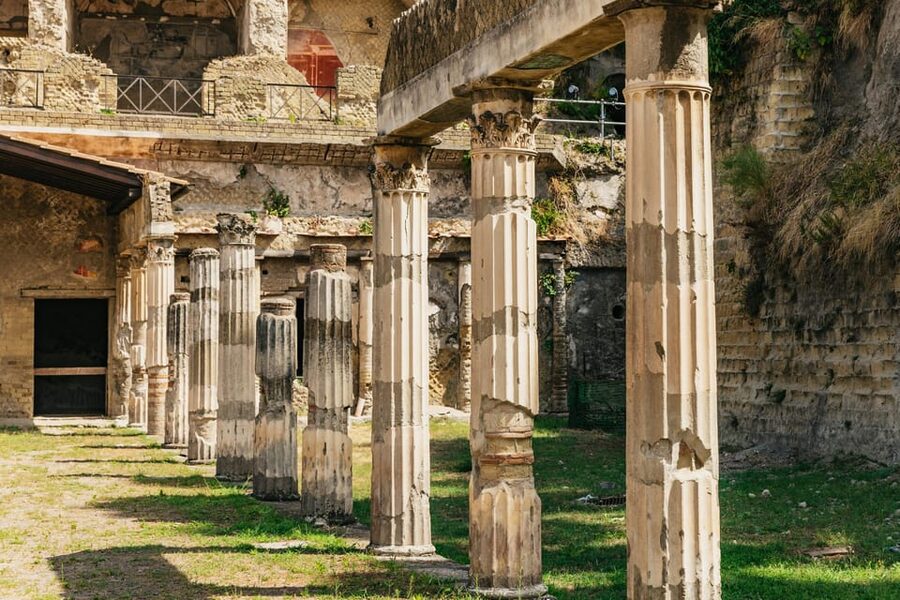
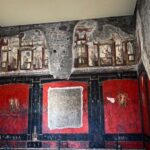
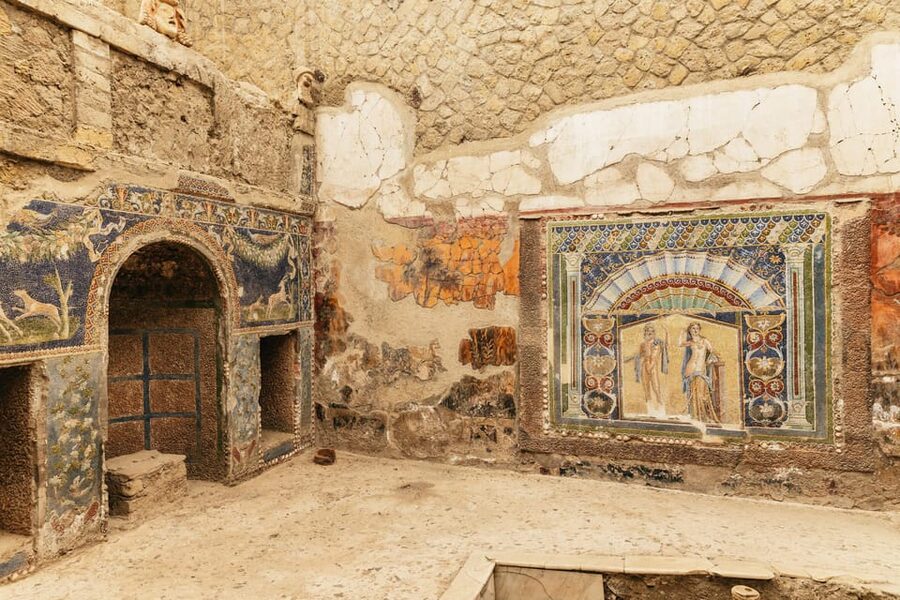
Next comes Casa di Nettuno ed Anfitrite, often referred to in tour descriptions as the House of Neptune and Amphitrite. This is where Herculaneum’s reputation becomes real for many people, because the house is tied to art that survived in striking ways.
The tour focus includes how preserved materials tell you about Roman taste. You’ll hear about ceramics, paintings, and mosaics that endured, plus other evidence that survived even when it looks badly altered. The point is not just that the art is beautiful, it is that it gives you a window into daily aesthetics, spending power, and how people decorated domestic space.
I also like the way this stop supports the larger story. The eruption was catastrophic, but the evidence you can see here still communicates human habits. That contrast is what makes Herculaneum so effective as a visit.
If you happen to get a guide like Luciano Leone or Diego, the feedback highlights how they use humor and story tools to keep the art meaningful, not lecture-like. Either way, the best guides will help you learn to look. You will leave this stop understanding what you just saw, not just recognizing it as impressive.
If the dates do not line up, these skip-the-line tickets in Naples are reviewed too.

The House of Skeletons: When Evidence Gets Personal
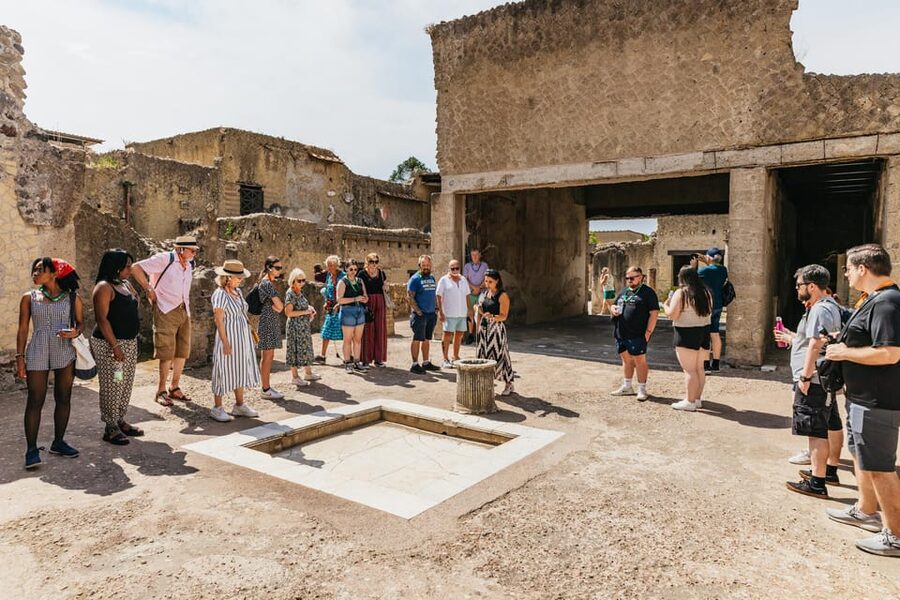
Then you’ll visit the House of Skeletons. This is one of the more direct stops for the tragedy side of Herculaneum, but it is still approached through archaeology, not shock.
The value here is how the guide connects the preserved evidence to the human reality of what happened. When a site includes remains, the meaning can become blurry if you do not have context. A good archaeologist guide helps you interpret the site respectfully, and it clarifies what the evidence suggests about timing and movement during the catastrophe.
This stop is not always everyone’s favorite emotionally. Still, it is one of the most important stops in the tour because it anchors the entire story in bodies and circumstances, not just buildings and artifacts.
Casa dell’Albergo and Casa del Salone Nero: Wealth in the Details
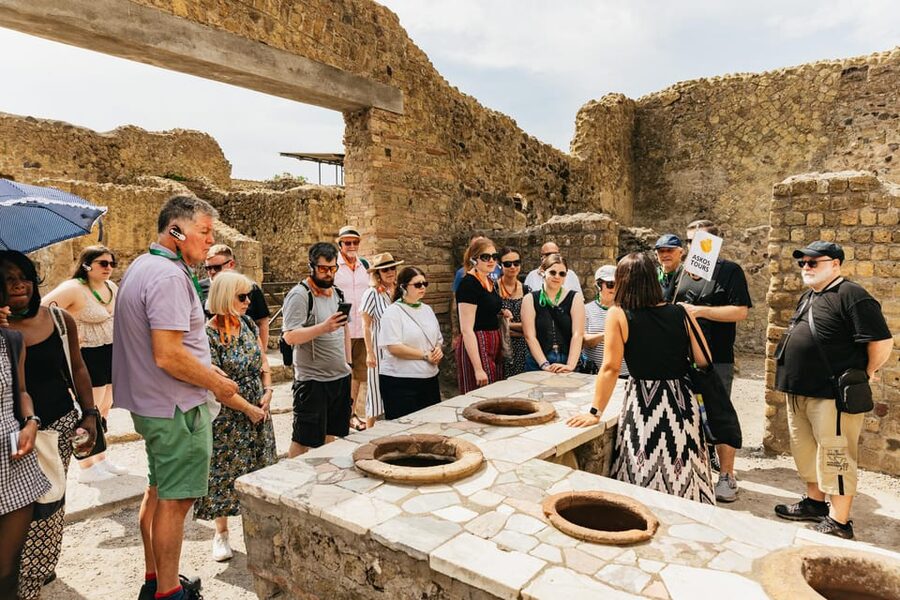
The tour also includes Casa dell’Albergo, Herculaneum and Casa del Salone Nero. These are the kinds of places that help you understand how Herculaneum’s residents lived differently depending on status and needs.
In a home like this, you are not only looking at walls. You are looking at how space served multiple purposes: receiving guests, managing daily routines, storing goods, and living through seasons. The tour route helps you see those transitions instead of just viewing isolated rooms.
Casa del Salone Nero is particularly memorable because the name points you toward the kind of dramatic interior feature that visitors often notice once the guide explains what to look for. This is where the headsets matter too. The group moves along a set route, and the guide’s pacing means you will often be close enough to hear every key point.
If you are someone who likes to photograph, this is also a useful time. You can capture the structure and later review the guide’s explanation, which makes your photos more than souvenirs.
Public Life on the Route: Baths, Forum, and the Temple of the Augustales
Between the named houses, you will cover major public or semi-public spaces during the guided portion of the site. The highlights commonly include the thermal baths, the Forum, and the Temple of the Augustales (also described as the Sacellum of the Augustales).
This public-life section is what prevents Herculaneum from turning into only a collection of homes. Roman public spaces reveal what mattered in everyday community life: health, civic pride, religion, and social structure.
The thermal baths help you understand Roman technology and routine. They are physical spaces tied to habits, not just decorative ruins. The Forum provides context for how people gathered and conducted business. And the Temple of the Augustales helps explain religious and civic identity, including the kinds of honors and groups that existed in the town.
This is also the part where the tour can feel like the best kind of efficiency. In two hours, you will likely see far more than if you walked in cold and tried to figure out what belonged together. That efficiency matters because Herculaneum does not reward slow wandering the way some sites do, especially when weather turns.
The Waterfront Angle: Why This Tour Feels More Personal
You will get the waterfront story directly, including that grim count of those who died attempting to escape by sea. This helps explain why Herculaneum can feel more personal than Pompeii for many first-time visitors.
Pompeii often reads as a city of scenes, but Herculaneum can feel like a single neighborhood with a clear emotional ending. When your guide ties the waterfront evidence back to the city layout and the eruption story, the site stops being a random timeline and becomes a lived experience.
It also changes how you walk the route. After that explanation, you tend to notice the logic of movement and access. You start to picture where people could go, where they might have tried to run, and how quickly everything became impossible.
Two Hours: The Sweet Spot, With One Real Warning
The tour is 2 hours, and for most people it is the right length. You cover the key named houses, major site themes, and the tragic arc that makes Herculaneum famous. The experience also leaves you with momentum to explore on your own afterward, if you want.
Still, there is one consideration. The site is vast and exposed. You can feel it in your legs and your head. If you go during hot weather, sunscreen becomes non-negotiable. Also, tours happen rain or shine, so plan like you are dressing for two different days.
A couple reviews also point to a practical reality: the headset audio can drop out for people at the back if the group spacing gets wide. That is usually more about positioning than about the tour itself. If you want the clearest audio, try to stay mid-group rather than trailing far behind.
What to Bring and Wear, So You Don’t Hate the Ground
Here’s the small packing list that will make the biggest difference:
- Comfortable closed-toe shoes you can walk on uneven stone in
- Sunscreen and ideally a hat, because the site is exposed
- Your ID or passport
- A raincoat if the forecast looks shaky
And one more practical rule: no luggage or large bags. If you are carrying more than a small daypack, you might feel rushed. Light is better here.
Also, the tour is not suitable for mobility impairments or wheelchair users, since it takes place on a site with walking and uneven surfaces.
Who This Tour Suits Best
You’ll probably be happiest with this tour if you like Roman history that feels grounded and specific. It is ideal for first-timers who want the highlights but also want real explanation, not just “this is a bath, this is a street” type of signage.
It is also a good match if you are comparing Herculaneum to Pompeii. The archaeologist guides are praised for highlighting the differences in what happened and why it matters, and that kind of comparison turns two visits into one connected understanding.
If you are traveling with kids, this tour can work well when the guide keeps energy up. Some families note that a child who already did Pompeii may get a bit bored by the second major Roman site. If your child is sensitive to long explanations, bring snacks and expect you might need a few short breaks after the tour.
Should You Book This Skip-the-Line Archaeologist Tour?
I think you should book it if your priorities are clear: time saved at the entrance, a guided route that covers the most important parts of Herculaneum, and an archaeologist’s explanations that make the buildings and artifacts click.
Skip it only if you prefer total freedom with no structured route, or if you have mobility needs that make walking through exposed ruins difficult. Otherwise, for most people visiting from Naples, this is a smart way to get the value of admission and the payoff of interpretation in just two hours.
FAQ
How long is the Herculaneum skip-the-line guided tour?
The duration is 2 hours.
Where do I meet the guide?
Meet at the ticket office of the Herculaneum Ruins. The guide will be holding an Askos Tours sign.
Does the tour include admission fees?
Yes. Admission fees to Herculaneum are included.
Are headsets provided?
Yes. Headsets are included, which helps you hear the live guide as you move through the site.
What languages are available for the live guide?
The live tour guide is available in English, Italian, German, Spanish, and French.
What should I bring for the visit?
Bring passport or ID, plus comfortable shoes. Sunscreen is recommended.
Is food or transportation included?
No. Food and drinks and transportation are not included.
Is the tour suitable for wheelchair users or limited mobility?
No. The tour is not suitable for people with mobility impairments or wheelchair users.
Can children attend?
Children must be accompanied by an adult, and unaccompanied minors are not allowed.
Our Wider Tours File for Naples
Herculaneum and Vesuvius Visits in Naples That Made the Same Shortlist
Not quite the day you had in mind? The rest of our Naples write-ups sit below
- From Naples: Pompeii and Vesuvius Guided Day Trip with Lunch
- From Naples: Mount Vesuvius and Pompeii Ruins Combo Day Trip
- Pompeii: Private Tour with an Archaeologist★ 4.9 · 168 reviews
- Herculaneum Guided Group Tour from Naples★ 4.5 · 169 reviews
- Semi Private Amalfi Coast Shore Excursion with Pick Up★ 4.5 · 174 reviews
- Private Transfer from Multiple Locations in Naples to Sorrento★ 5.0 · 175 reviews
- Naples: Capri Transfer with Island Boat Tour and Free Time★ 4.3 · 176 reviews
- Naples Shore Excursion: Sorrento and Amalfi Coast Independent Day Trip from Naples★ 4.0 · 177 reviews
- Naples: National Archaeological Museum Tour & Digital Guide★ 4.2 · 177 reviews
Herculaneum, Vesuvius & Oplontis, top to bottom.
 ★ 4.3From Naples: Pompeii Ruins & Mount Vesuvius Day TourFrom $12011,459 reviews
 ★ 4.5Pompeii and Mount Vesuvius Day Trip from Rome with Pizza LunchFrom $906,151 reviews
 ★ 4.6From Rome: Pompeii Day Trip with Optional Vesuvius and LunchFrom $885,067 reviews
 ★ 4.6Naples or Sorrento: Full-Day Pompeii and Mount Vesuvius TourFrom $1044,235 reviews
 ★ 4.0Pompeii & Mt.Vesuvius Day Tour from Naples with Pizza LunchFrom $1492,901 reviews
 ★ 4.2Mount Vesuvius: Skip-the-Line Ticket and Smart Digital GuideFrom $182,780 reviews
 ★ 4.5Naples: Pompeii & Mt Vesuvius All-Inclusive Small Group w/ LunchFrom $1312,748 reviews
 ★ 4.5Naples: Pompeii and Mt. Vesuvius with Lunch and Wine TastingFrom $1412,454 reviews
Filed under