
Reviewed · FERRARI, LAMBORGHINI & MOTOR VALLEY
Maranello: Ferrari Museum Entrance Ticket
Ferrari history, wrapped in steel and glass. This Maranello museum entrance ticket takes you straight into Ferrari’s past, present, and future, inside a striking futuristic building. The big emotional payoff is the Hall of Victories, built around Ferrari World Champions.
I love how close you get to the cars, especially the classic 12-cylinder Ferraris that let you see what makes the engineering so iconic. I also like that the experience is easy to follow, with exhibits presented in English and Italian, so you can actually connect the story to the machines without a headache.
One thing to consider: it can get crowded, and the suggested 1.5 hours can feel tight if you want to read every panel, take lots of photos, or try the simulators (if available during your visit).
In This Review
- Key highlights to know before you go
- Maranello Ferrari Museum, the futuristic building you cannot miss
- Ticket collection timing: the 09:30 IAT desk inside the museum
- Flow of the galleries, from Ferrari’s beginnings to the future
- Hall of Victories, world champions from 1999 to today
- Seeing V12 Ferraris and racing machines up close
- How long it really takes, and where crowds can slow you down
- Food, restrooms, and the small practical saves
- Getting to Maranello from Modena, Bologna, and beyond
- Value at $32, who this ticket is for
- Should you book this Ferrari Museum entrance ticket?
- FAQ
- Where is the Ferrari Museum in Maranello located?
- How much is the entrance ticket?
- How long should I plan to visit?
- Is there skip-the-line entry with this ticket?
- What time do I collect my tickets at the IAT office?
- Is it free cancellation?
- Is food and drink included?
- Is the museum wheelchair accessible, and are there rules for kids?
Key highlights to know before you go
- Skip-the-line entry helps you get in fast once you pick up your ticket.
- Hall of Victories showcases Ferrari World Champions from 1999 to today.
- Classic V12s up close give you that wow factor without needing technical expertise.
- Permanent and temporary exhibitions keep the museum from feeling static.
- Food is nearby but can be busy, so plan a quick snack break rather than a long sit-down.
Maranello Ferrari Museum, the futuristic building you cannot miss
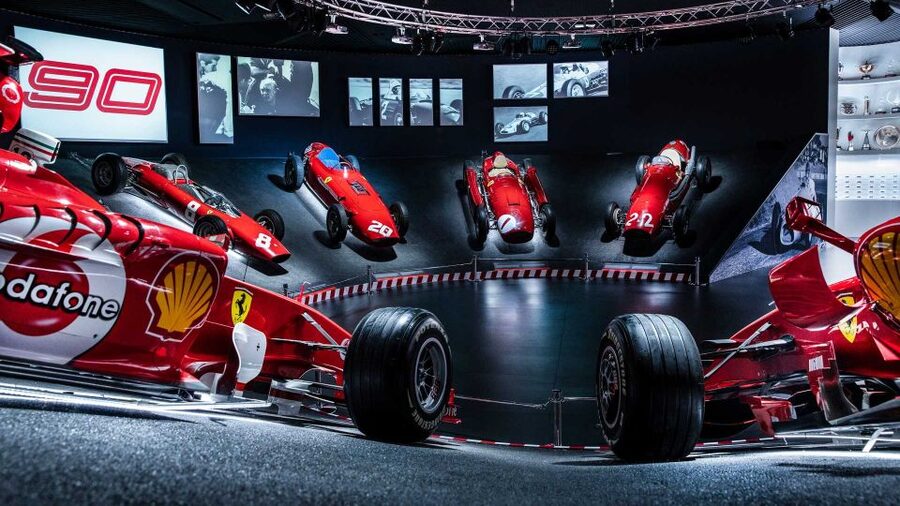
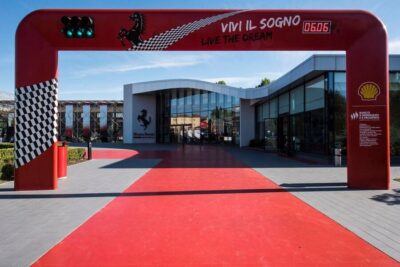
The Ferrari Museum in Maranello is in Italy’s engine country, Emilia-Romagna, and it feels built for drama. Even before you see a single car, the architecture gives you a hint that this is not a sleepy collection in a back room. It is modern, bold, and very on-brand for Ferrari.
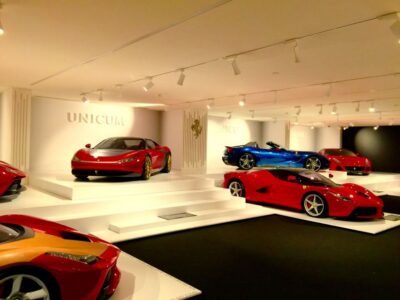
Inside, the museum is designed to make the cars feel like the stars while still telling the story behind them. You get a mix of exhibition zones focused on history, plus space dedicated to the brand’s more recent achievements and future direction. That mix matters because it helps you avoid the common problem of car museums that feel like one long hallway of metal.
If you like engines, you’ll get extra satisfaction from the way the displays frame the importance of performance. And if you do not care about horsepower details, the museum still works because the layout supports a simple idea: Ferrari is a global icon with a clear timeline.
Worth an aperitivo-hour scroll, our other Motor Valley and Ferrari experiences in Maranello.
- Maranello: Ferrari Museum Entrance Ticket
★ 4.6 · 1,505 reviews - Maranello and Modena: Ferrari Museums Combo Tickets
★ 4.7 · 994 reviews - Maranello: Ferrari Museum and Fiorano Track Combo Eco Tour
★ 4.4 · 515 reviews - Maranello: Ferrari Museum Entry Ticket and Simulator
★ 4.5 · 261 reviews
Ticket collection timing: the 09:30 IAT desk inside the museum
There is one logistics detail I think you should treat as non-negotiable. Even when the museum opens at 09:00 in summer, the ticket collection time is still 09:30 at the IAT office, located inside the museum.
This matters because the fast entry you are paying for depends on arriving at the right stage. If you show up early expecting a smooth handoff, you can waste time figuring out where to go. Instead, aim to be ready for pickup around that 09:30 window, then use your reserved entry to start moving through the galleries.
Also note the experience runs about 1.5 hours, but that is a typical visit pace, not a hard rule. If you like reading, photographing, or lingering near your favorite displays, plan on stretching a bit past the estimate.
Flow of the galleries, from Ferrari’s beginnings to the future

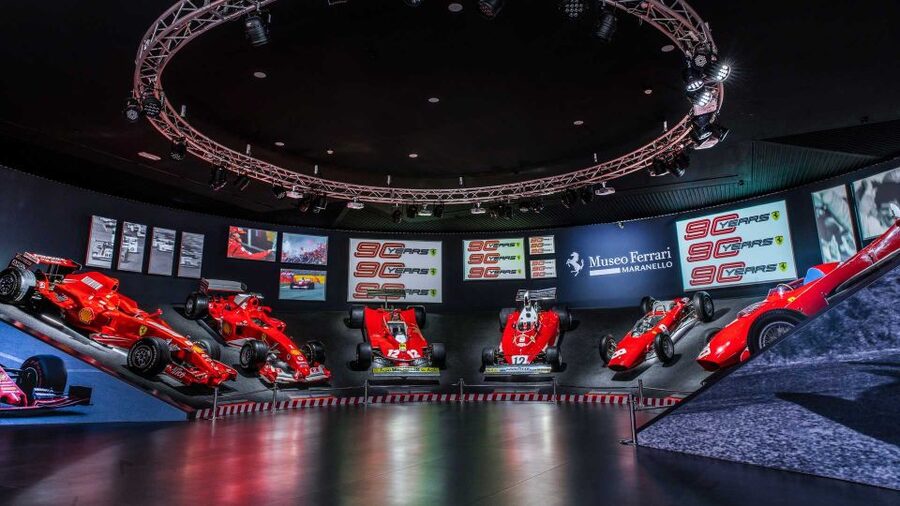
A well-designed museum does two things: it keeps you oriented and it makes you care. This one largely does both. The exhibits are arranged to take you through Ferrari’s development as a brand, with sections that connect the past to what Ferrari is planning for the future.
One practical advantage is that you are not stuck guessing what to look at next. The museum has a clear progression, so you can walk with confidence instead of feeling lost in a maze of rooms. You also get permanent and temporary exhibitions, which is great if you visit more than one Ferrari site in the region, since you are less likely to feel like you saw the exact same content twice.
I like that the museum does not rely only on visuals. There are informative displays throughout, and you can choose how deep you want to go, depending on your time. If you are traveling with kids, this flexibility helps them stay engaged, because the story is easy to follow even when they skip reading everything.
Hall of Victories, world champions from 1999 to today
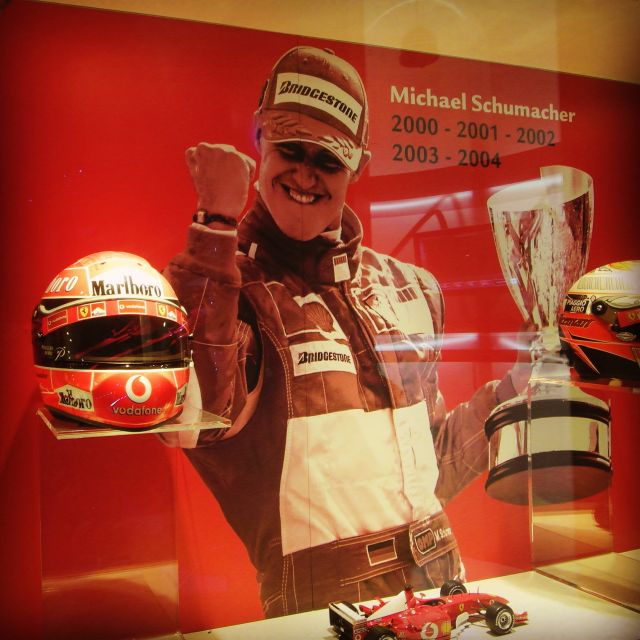
The Hall of Victories is the part of the ticket that feels most ceremonial. Instead of focusing only on design or classic styling, it highlights Ferrari’s competitive wins in a way that makes the brand’s success feel real, not just marketing.
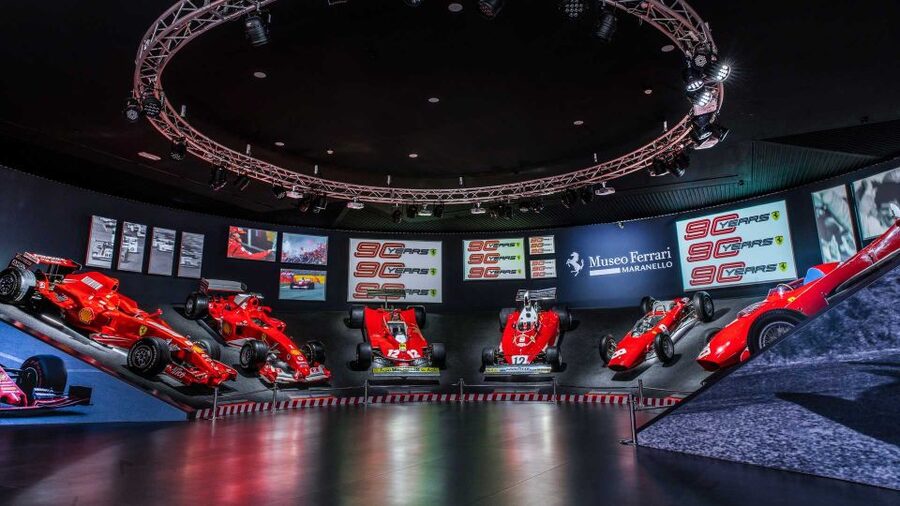
You will see Ferrari World Champions from 1999 to today, and the presentation is built to make those achievements feel connected. For racing fans, this is the section that likely gives you goosebumps, because it turns a long list of seasons into a physical walk through Ferrari’s peak eras.
Even if Formula 1 is not your obsession, this hall is still worth your attention. It helps you understand why Ferrari’s machines matter to people beyond car lovers. It is part museum, part motivation wall, with the message that Ferrari built its identity through results.
Seeing V12 Ferraris and racing machines up close
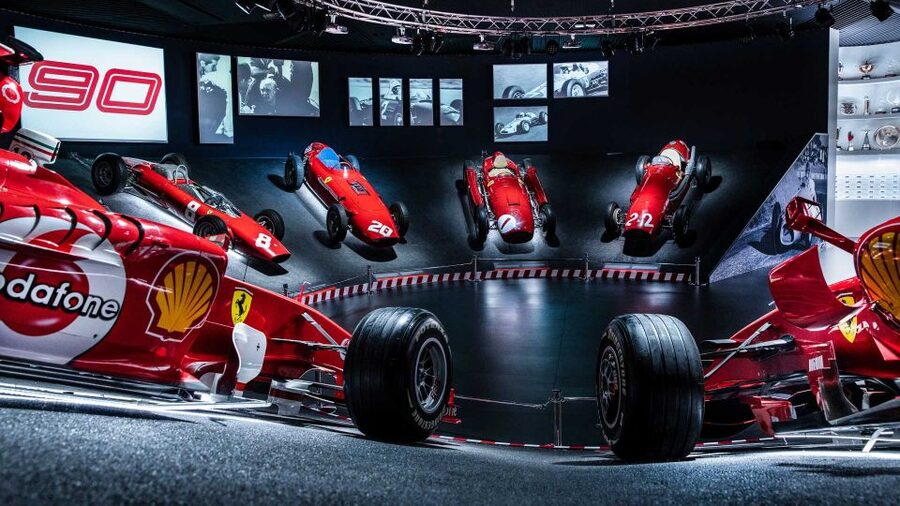
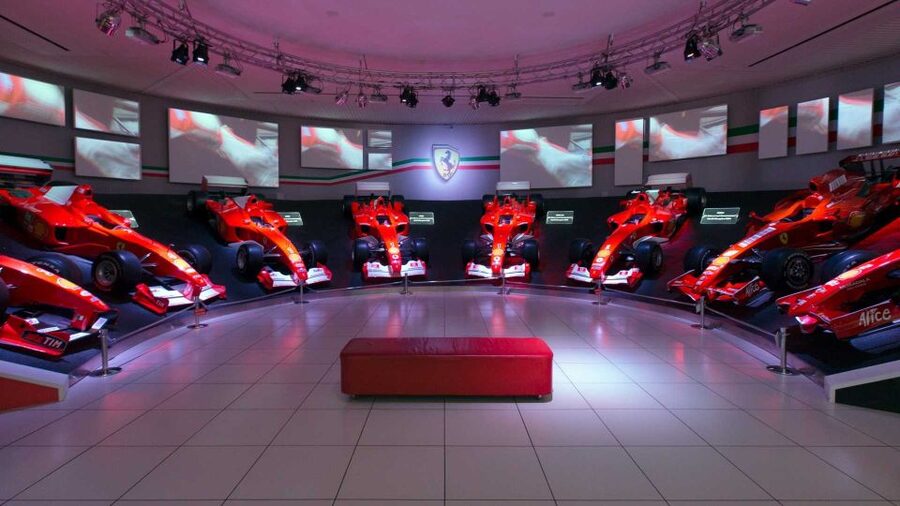
The cars are the heart of the experience, and you can tell the museum wants you to slow down near the most famous models. The highlight most people zero in on is the chance to see classic 12-cylinder Ferraris up close, the kind of engines and proportions that are hard to truly appreciate from pictures.
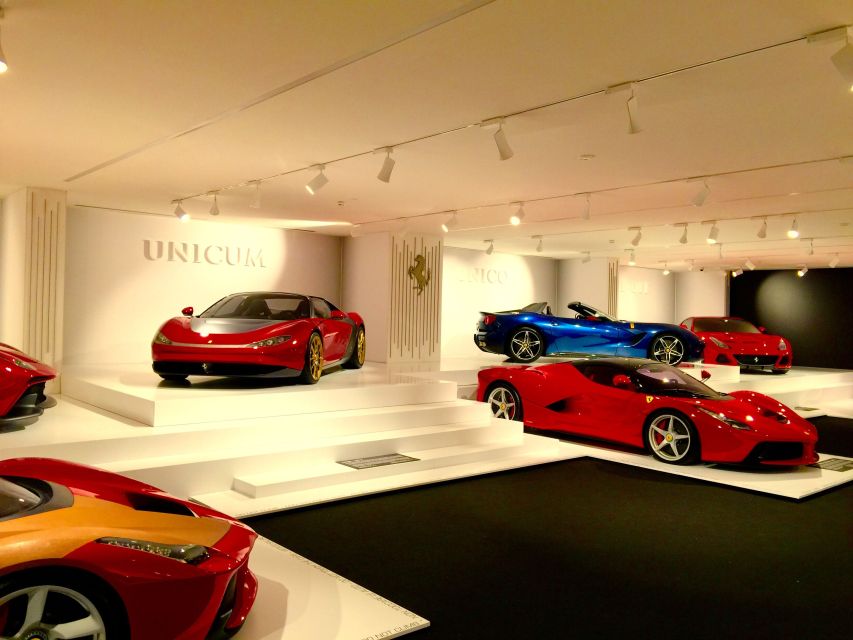
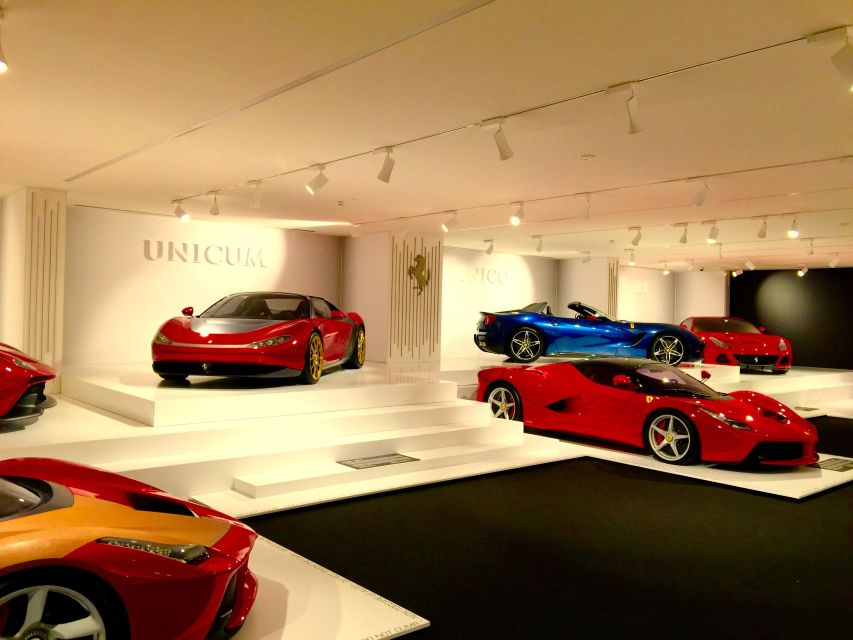
You should also expect a selection that spans multiple eras. Some days focus more on older legends, while others emphasize current or racing-oriented showcases. On at least one visit, a classic like the 1963 250 GTO was not on display, which is a reminder that specific cars can vary. If there is one model you are chasing, keep expectations flexible.
The museum also includes racing elements and Formula-style highlights, so it works for motorsport fans even when they are not in love with road cars. One review pattern I found especially consistent was how people felt the display choices cover both history and performance culture, including the racing machines tied to Ferrari’s competitive identity.
If you are a photo person, go in with a small plan. The museum is popular, and some areas can get busy fast. That means you might want to arrive at a time slot that gives you calmer views, then take your best shots near the spaces where cars are staged for viewing rather than trying to photograph through crowds.
How long it really takes, and where crowds can slow you down
The ticket is listed as 1.5 hours, and it is realistic for many visitors if you move steadily and read only the key labels. But I would not treat 90 minutes like a strict finish line. A few people found they needed longer because the museum flows through the years in a way that encourages lingering, especially when the displays include interactive moments or extra context panels.
The crowd factor is real. During busy periods, you can feel it most around the most popular cars and near areas where people stop to read. The good news is that the museum is not huge in footprint compared with some major museums, so even when it is busy you can still cover everything without feeling stuck forever.
One small strategy: when you enter, decide on your top two or three priorities. Then work through the halls with those in mind. This keeps you from getting swept up in every display equally, which is how time disappears.
Also, if simulators are part of the experience during your visit, plan for the possibility they are booked. One person mentioned simulators were fully booked at their time, so if that is on your must-do list, you will want to ask about availability as early as you can.

Food, restrooms, and the small practical saves
You can buy food and drinks on site, but do not assume you will find a calm, spacious café. One common note is that the cafeteria area can feel tight when the museum is busy. If you want a drink or a snack, treat it like a quick stop rather than a long break.
Restrooms are available inside the museum, and there is also one outside. That is useful if you are planning a walk that includes a photo-heavy section, then a quick reset before you head into the next gallery.
Right next to the museum area, there is also a coffee or snack shop option. It is handy for a caffeine pause, but again, it can get crowded. If you are sensitive to waiting, time your snack break between major sections rather than right when everyone else is finishing the same hall.
Finally, the museum shop is at the end of the route. If you love Ferrari gear, check it at the end because you might spend more time browsing if you are not distracted earlier in the visit. One review noted they wanted a specific clothing item that was not available, which is a gentle reminder that stock changes.
Getting to Maranello from Modena, Bologna, and beyond
Maranello is not on every major rail line the way some larger cities are, so travel planning matters. If you are coming from somewhere like Bologna, I recommend using the regional logic people follow in practice: take a train to Modena, then use local transport up to Maranello.
This kind of route can be simple, but it is also the kind of detail that can make or break your day. One person said the museum description did not make the travel complexity obvious enough for Bologna visitors. So if you are planning from a farther base, give yourself extra time for the last leg.
If you have a car, parking can be limited. That is worth knowing so you are not surprised after a long drive. If you are traveling without a car, taxis and shuttles can work well for the final stretch, especially if you are pairing this stop with other activities around Modena.
And a nice bonus: the Ferrari factory is nearby and visible from outside, just a few steps from the museum. You can add a quick look without it taking over your schedule.
Value at $32, who this ticket is for
At $32 per person, this ticket is priced like a major-brand experience, not a small local museum. The value comes from two things: the quality of the collection presentation and the fact that you get a structured visit that moves from Ferrari’s story into its competitive achievements.
If you are a Ferrari fan, this is an easy yes. You get the kind of museum that feels made for the brand, with the cars presented in a way that signals importance. For Formula 1 fans, the Hall of Victories is the key. For classic car lovers, the chance to see V12 cars up close is the main draw.
If you are traveling with someone who likes racing or engines, this is also one of those rare tickets where you can satisfy both the gearhead and the casual visitor. The museum explains Ferrari’s history while still keeping the cars as the center of gravity.
A balanced note: the museum can feel smaller than some people expect. If you come in expecting hundreds of cars, you might feel you wanted more models on display. For me, that is not necessarily a deal-breaker, because the key is how well the collection is staged and how clearly the story is told.
Should you book this Ferrari Museum entrance ticket?
Book it if you want a high-impact, brand-focused museum visit in the Ferrari home region. I would especially plan to reserve in advance if you want skip-the-line entry, because the museum is popular and waiting can steal time from the displays.
If you are short on time, this ticket makes sense because you can comfortably cover the highlights in about 1.5 hours. If you are the type who reads every sign and wants to linger, give yourself a little breathing room so you do not feel rushed.
Pass or rethink if you are only casually interested in Ferrari and you are not motivated by racing history or car design. This museum is built for people who want the machines and the story behind them. If that is you, then the ticket is a straightforward value play for your Emilia-Romagna day.
FAQ
Where is the Ferrari Museum in Maranello located?
It is in Maranello, in Italy’s Emilia-Romagna region.
How much is the entrance ticket?
The price is $32 per person.
How long should I plan to visit?
The experience duration is listed as about 1.5 hours. Check availability for your starting time.
Is there skip-the-line entry with this ticket?
Yes, the ticket includes skip-the-ticket-line entry.
What time do I collect my tickets at the IAT office?
Ticket collection is always from 09:30 at the IAT office inside the museum, even in summer months when the museum opens at 09:00.
Is it free cancellation?
Yes. You can cancel up to 24 hours in advance for a full refund.
Is food and drink included?
No. Food and drinks are available to purchase at the attraction, but they are not included with the ticket.
Is the museum wheelchair accessible, and are there rules for kids?
The museum is wheelchair accessible. Guests aged 5 to 18 must be accompanied by an adult family member.
Museum Visits in Maranello That Made the Same Shortlist
Motor Valley and Ferrari Experiences in Maranello, Written Up Separately
Not quite the day you had in mind? The rest of our Maranello write-ups sit below
- Pushstart Ferrari Portofino – Test Drive in Maranello★ 5.0 · 180 reviews
- Maranello: Ferrari Museum Entry Ticket and Simulator★ 4.5 · 261 reviews
- Maranello: Ferrari Museum and Fiorano Track Combo Eco Tour★ 4.4 · 515 reviews
- Maranello and Modena: Ferrari Museums Combo Tickets★ 4.7 · 994 reviews
- Maranello: Ferrari Museum Entrance Ticket★ 4.6 · 1,505 reviews
Ferrari, Lamborghini & Motor Valley, top to bottom.
 ★ 4.7Maranello and Modena: Ferrari Museums Combo TicketsFrom $50994 reviews
 ★ 4.4Maranello: Ferrari Museum and Fiorano Track Combo Eco TourFrom $60515 reviews
 ★ 4.5Modena: Enzo Ferrari Museum Entrance TicketFrom $32422 reviews
 ★ 4.9Maranello: Test Drive Ferrari 458From $124344 reviews
 ★ 4.3Bologna: Lamborghini Museum Entrance TicketFrom $20330 reviews
 ★ 4.5Maranello: Ferrari Museum Entry Ticket and SimulatorFrom $75261 reviews
 ★ 4.5Bologna/Maranello: Lamborghini & Ferrari Museum Entry TicketFrom $48221 reviews
 ★ 5.0Pushstart Ferrari Portofino – Test Drive in MaranelloFrom $435180 reviews
Filed under