
Reviewed · UMBRIA: ASSISI, PERUGIA & ORVIETO
Orvieto: Pozzo della Cava Entry Ticket
Orvieto has a well you can walk through. The Pozzo della Cava takes you under the medieval streets to see how people collected and used water for centuries, with artifacts preserved right where the stories happened. It is one of those rare stops where the setting does half the teaching.
I love that it is a self-guided visit with clear explanations in multiple languages, so you can go at your own pace and pause to read what matters to you. I also like that it feels like a temperature reset, which is a big deal in Orvieto when the sun is doing its job.
The main drawback to keep in mind is that this is not a guided tour, so if you want a person to narrate the details start to finish, you might wish you had that extra layer. Also, it is on the far side of town from the Duomo area, so you need a little planning to fit it into a tight day.
In This Review
- Key Highlights at a Glance
- Why This Underground Well Matters in Orvieto
- Finding the Pozzo della Cava Entrance (and What Comes First)
- The Oldest Section: Cistern Lined With Cocciopesto
- Urbs Vetus Hypogeum: Medieval Houses and Three-Story Basements
- The Renaissance Additions and the Final Cavern
- Multilingual Panels, Child-Friendly Routing, and Self-Paced Flow
- Time on the Clock: How Long Pozzo della Cava Actually Takes
- Price and Value: Why About $5 Works So Well
- Who Should Book This Ticket (and Who Might Skip It)
- Should You Book Pozzo della Cava?
- FAQ
- How long does the Pozzo della Cava underground visit take?
- Is this ticket self-guided or does it include a guide?
- What languages are the explanations available in?
- What’s included with the entry ticket?
- How much does it cost?
- Can I cancel later if my plans change?
Key Highlights at a Glance
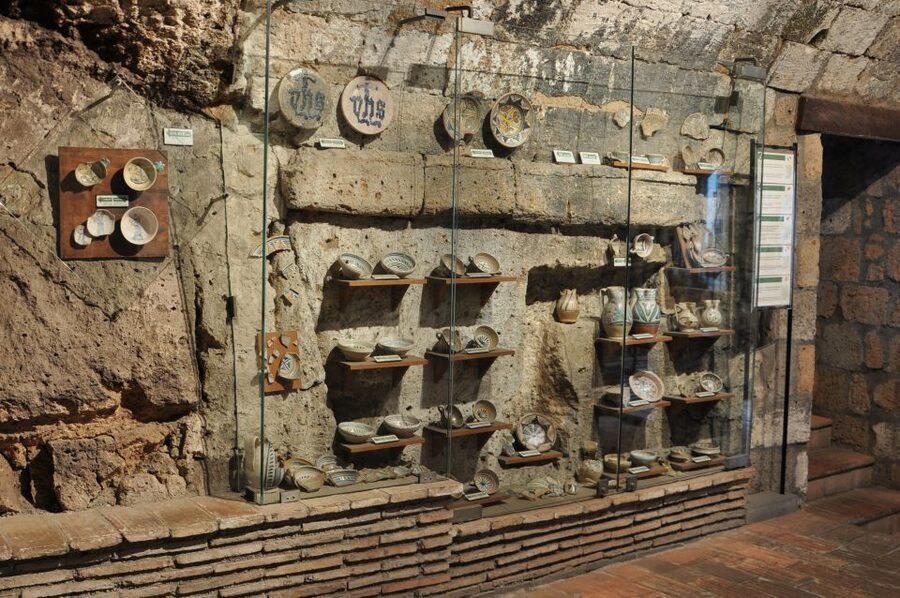
- Nine caverns that connect Etruscan, medieval, and Renaissance phases of life below Orvieto
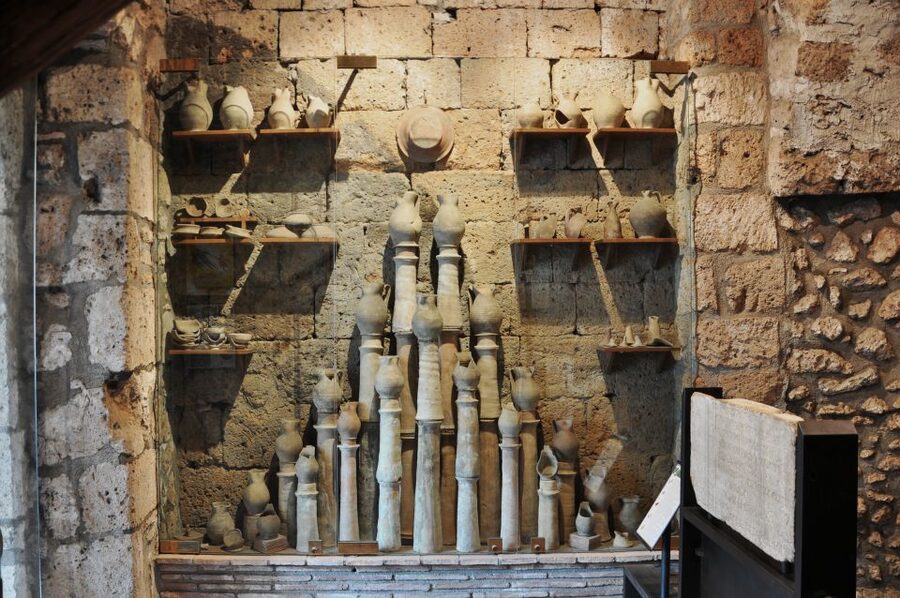
- Coccio pesto lined cistern in the oldest section, with artifacts including Etruscan burial remains
- Urbs Vetus hypogeum maze, showing how medieval houses worked with three-story basements
- Renaissance excavations that preserve evidence of change across 28 centuries
- Multilingual explanations in Italian, English, and French, plus a child-focused itinerary
Why This Underground Well Matters in Orvieto
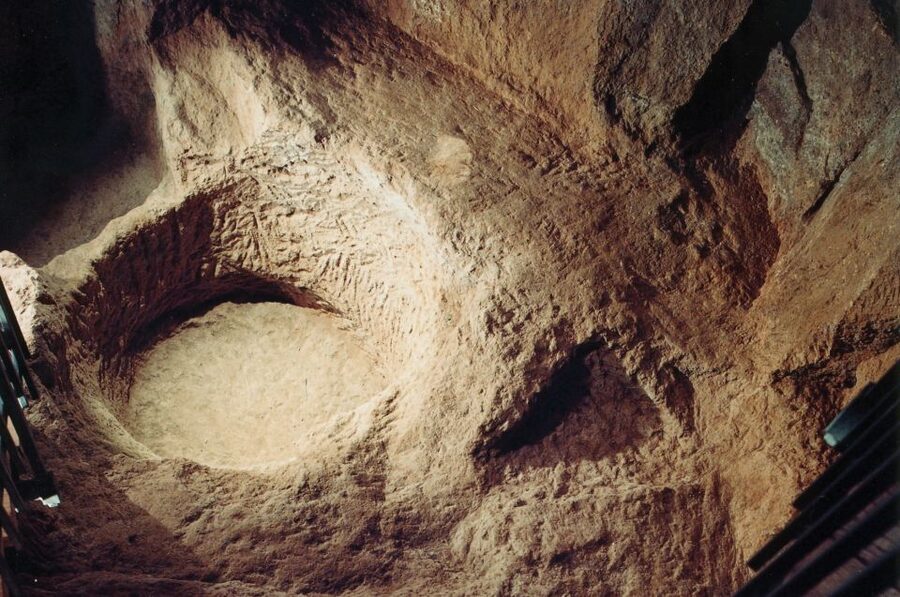
Orvieto’s medieval streets sit on top of earlier worlds, and Pozzo della Cava is a rare way to see that layering in real space. The experience centers on the idea of a spring water well and how it shaped daily life, not just once but again and again as different cultures took over the same neighborhood.
You’re not looking at a polished model or a quick museum stop. You’re walking through a complex that once helped solve a practical problem: getting reliable water underground. That is why the structure matters. It shows engineering choices made for real people, with real constraints, and it keeps those choices visible as time passed.
The other reason I think this works so well is scope. You move from the oldest phase to later phases, so you can feel how the same underground space kept being used, adapted, and interpreted. In a place like Orvieto, that is what history feels like on the ground, not just in a textbook.
Finding the Pozzo della Cava Entrance (and What Comes First)
Start by planning around the fact that this visit is in the Cava neighborhood, not right next to the Duomo. The good news is that it is still close enough to reach on foot for most people, but it is not the kind of stop you can casually add without checking where you are.
Once you’re at the ticket point, you’ll use your entry ticket to get into the underground complex. The experience is designed to be easy to run without staff leading you through each moment, and it includes skip-the-ticket-line entry.
From there, your first job is simple: get oriented. The route is self-guided, and the signage and panels do the heavy lifting. That means you can decide how long to spend in each cavern and which artifacts you want to linger over. You’ll also see that the site is set up for different visitors, including families, so the explanations are presented in a way that doesn’t require a long attention span to enjoy.
The Oldest Section: Cistern Lined With Cocciopesto
The visit begins with the oldest part of the complex. This is where you learn the structure’s foundation, the cistern that collected and stored water. What makes it especially striking is that the lining uses cocciopesto plaster, an older plastering technique that you don’t usually see explained in street-level archaeology.
In this section, you’ll notice artifacts preserved in the underground environment. One of the most compelling parts is the presence of Etruscan burial remains. That combination does something clever: it ties water infrastructure to human life and death. It reminds you that this underground space wasn’t only practical. It became part of a longer cultural timeline.
Here is how to get the most out of this first stop. Don’t rush it. Read the panels once, then look again at what they describe. The underground setting can make details feel small, but the signage helps you spot what you would otherwise miss. This is also a good moment to take a breather, because the walk continues downward and you’ll want steady focus.
Urbs Vetus Hypogeum: Medieval Houses and Three-Story Basements
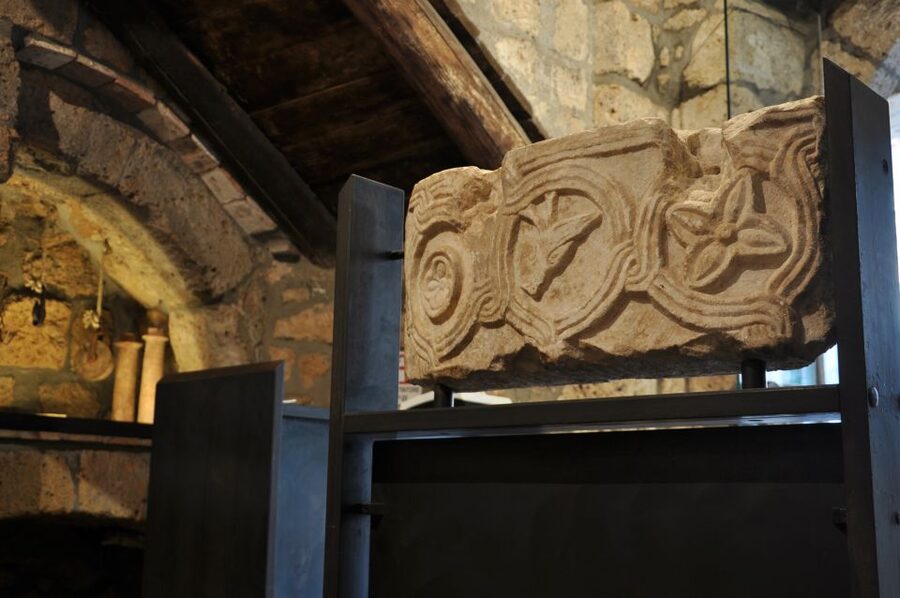
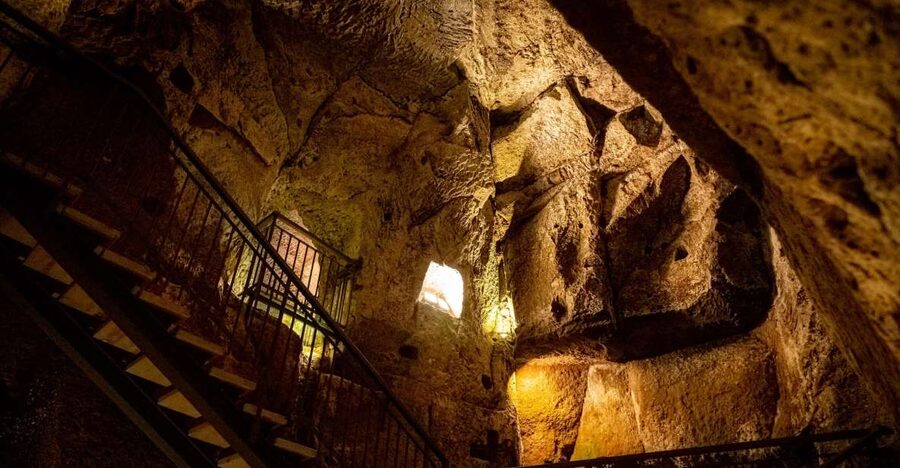
After the oldest cistern area, you descend into the hypogeum maze connected to Urbs Vetus, Orvieto’s medieval name. This part is about architecture and daily routines, not just ancient artifacts.
The standout idea here is the way the site shows three-story basements linked to the houses above. That means you’re seeing more than one layer of living space. People didn’t just go underground for one purpose. They used the underground levels as part of how a neighborhood functioned.
Expect a maze-like feel as you follow the route between caverns. The atmosphere is part of the experience, but you still have direction. The complex is arranged so you can find your way without a guide, and the panels explain what you’re looking at and why it matters.
A practical consideration: this is a self-paced circuit, so your walking pace controls how long you spend in the maze. If you like structure, give yourself time to follow the full route. If you prefer short visits, you can still enjoy the medieval section quickly, but you’ll miss some of the storytelling that comes from seeing how the basements connect.
The Renaissance Additions and the Final Cavern
The final part of the complex focuses on developments from the Renaissance, when the most recent sections were excavated. This matters because it turns the site into a timeline you can walk through. You’re not just seeing one period, you’re seeing evidence of change.
The last cavern is described as impressive, and what you’re really looking for is evidence of transformations across twenty-eight centuries. That number gives you permission to think bigger than one era. It’s not only about Etruscans, or only about the Middle Ages. It’s about how one underground space kept being understood, used, and reinterpreted as Orvieto changed.
If you tend to enjoy artifacts, this is where the interpretive story can click. The earlier sections show origins and daily use. The later sections show how excavation and later understanding shaped what you can observe today. It’s a reminder that archaeology is not only digging. It is also how each era records what came before.
Multilingual Panels, Child-Friendly Routing, and Self-Paced Flow
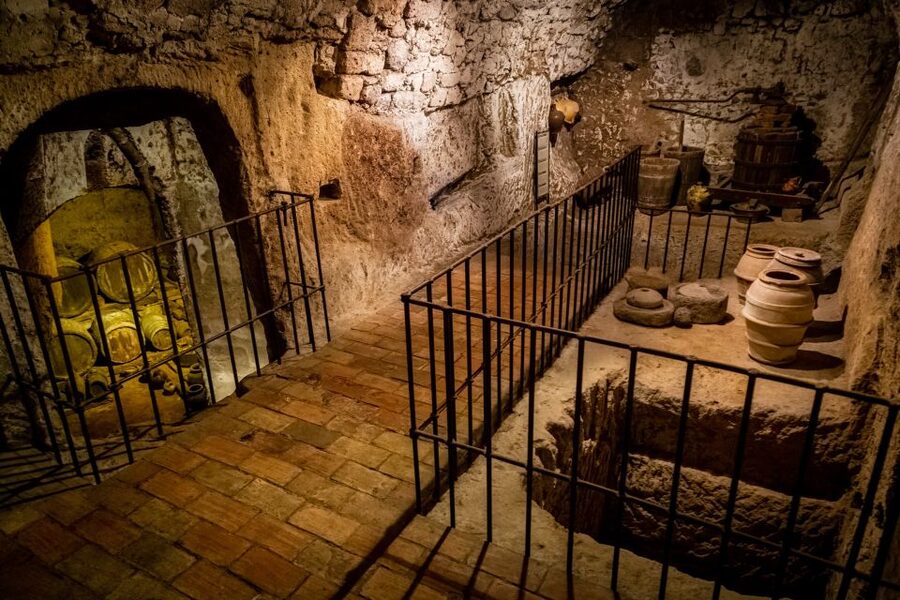
One of the most praised practical features is the way the site uses multilingual explanations and readable panels. You can expect Italian, English, and French guidance, which makes it easy to explore without needing an app or a human guide.
I like self-guided sites for one reason: you control your attention. If you want to focus on artifacts, you can. If you want to focus on construction materials and water systems, you can. And if you simply need a calm indoor walk, you can do that too.
The site also includes a special itinerary designed for children. That doesn’t mean it turns into a theme park. It means the information is framed to keep younger visitors oriented and engaged. For families, that often makes the difference between a short stop and a frustrating one.
In addition, you’ll find a sense of visitor comfort. Reviews highlight that it is well signposted, and I agree that the signage is doing real work here. Underground spaces can feel disorienting. The panels help you get your bearings fast and keep moving at a pace that suits you.
Time on the Clock: How Long Pozzo della Cava Actually Takes
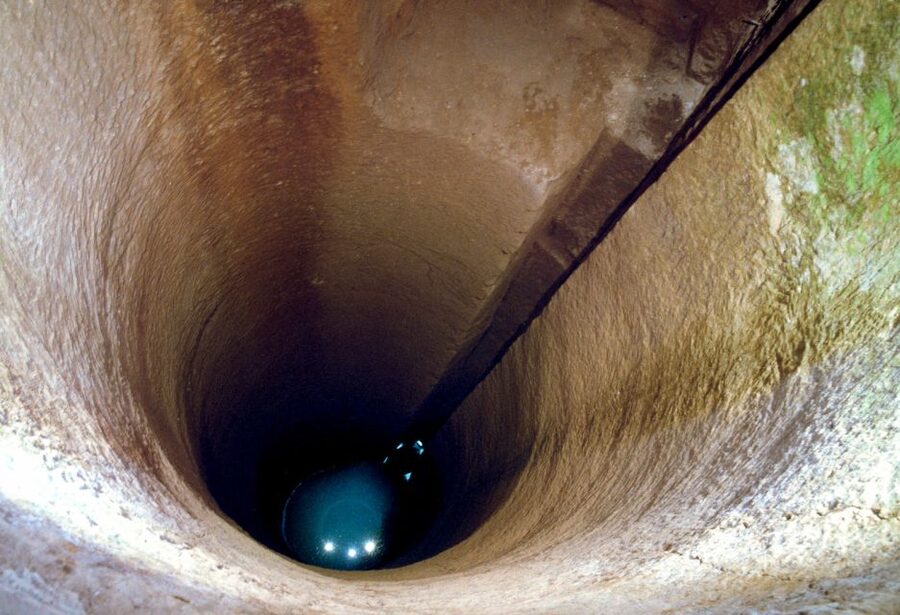
Even though the ticket is valid for one day, the visit itself is short. The most common experience length is about 30 minutes to around an hour, depending on how much you read and how often you pause.
For planning, that makes it a smart add-on. You can fit it between outdoor sights, or use it as your midday indoor break when the light and heat can make walking feel like a chore. One of the best comments about the experience is that it’s a nice way to get out of the heat, and the underground temperature drop makes sense once you’re down there.
A simple strategy: if you’re touring Orvieto during warmer months, schedule this as an anchor. Start with the Duomo or another major landmark, then make Pozzo della Cava your cool-down. You’ll come out ready to keep exploring instead of moving in a slow, sun-baked fog.
Price and Value: Why About $5 Works So Well
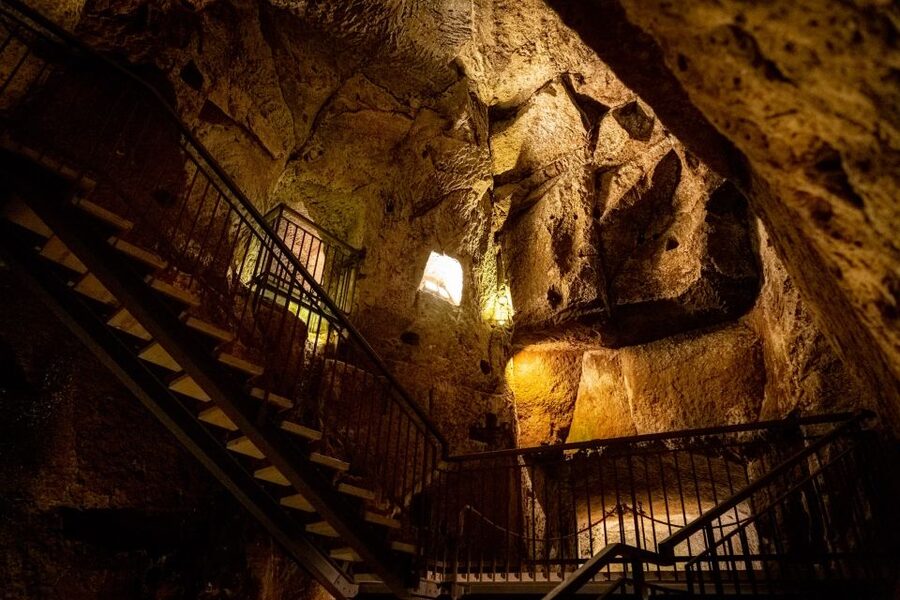
At around $5 per person, the value is strong because you’re paying for a lot of experience per minute. You get entry into a multi-cavern complex that covers long time periods, not a quick hallway exhibit.
Also, the ticket includes multi-lingual explanations and a child-focused itinerary. That means you’re not paying extra to understand what you’re seeing. And since it is self-guided, you avoid the common problem of being rushed by a group schedule.
Is it worth it if you’re a serious archaeology nerd who wants expert commentary? It depends. The experience does not include a guided tour. But if you like reading, you enjoy architecture, and you want to feel history under your feet, the structure and panels do a lot of the explaining.
Compared to many paid attractions, this one shines in practicality. It is short, it’s inexpensive, and it uses its location better than most. You’re not just entering a building. You’re walking through a system that has mattered for thousands of years.
Who Should Book This Ticket (and Who Might Skip It)
This ticket is a great fit if you want:
- A self-guided underground walk with clear interpretive signage
- A short indoor stop that helps you manage time and heat
- A place where artifacts and architecture tell a connected story from Etruscans to later eras
- Something that works for kids thanks to the kid-friendly itinerary
You might think twice if you strongly prefer guided tours. Since no guide is included, the experience leans on panels and your own pace. And if you hate reading or you want a step-by-step spoken narrative, you’ll get less from the visit.
Should You Book Pozzo della Cava?
If you’re in Orvieto and you want an authentic feeling of how layers of the city lived and changed, I think this is a smart buy. The price is low enough that you can take the chance, and the format is easy enough to fit into almost any itinerary.
Book it if you want a cool, short, self-paced walk through a rare underground complex with explanations in Italian, English, and French. Skip it only if you already know you won’t enjoy self-guided interpretation, or if you are looking specifically for a guided tour format.
FAQ
How long does the Pozzo della Cava underground visit take?
The experience is typically short, around 30 minutes to about an hour depending on how long you spend reading the panels and moving through the nine caverns.
Is this ticket self-guided or does it include a guide?
This ticket is self-guided. A guided tour is not included.
What languages are the explanations available in?
The explanations are available in Italian, English, and French.
What’s included with the entry ticket?
Your ticket includes entry to the underground complex of Pozzo della Cava, multi-lingual explanations, and a special itinerary for children.
How much does it cost?
The price is listed as $5 per person.
Can I cancel later if my plans change?
Free cancellation is available up to 24 hours in advance for a full refund.
Umbria: Assisi, Perugia & Orvieto, top to bottom.
 ★ 4.6From Rome: Bagnoregio & Orvieto Day Trip with Wines & LunchFrom $931,075 reviews
 ★ 4.0Assisi and Orvieto Guided Day Tour from Rome with LunchFrom $1981,031 reviews
 ★ 4.6Perugia: Entry Ticket and Guided Tour of Perugia UndergroundFrom $14579 reviews
 ★ 4.5Assisi & Orvieto Day Trip from RomeFrom $174341 reviews
 ★ 4.8Perugia: Old Town Walking Tour, Piazza IV NovembreFrom $35304 reviews
 ★ 4.0Heart of Italy Day Trip: Visit Perugia and Assisi from FlorenceFrom $111287 reviews
 ★ 4.55-Day Best of Italy: Assisi, Siena, Florence, Venice and moreFrom $1,031285 reviews
 ★ 4.8Assisi: Walking Tour with St. Francis Basilica VisitFrom $71259 reviews
Filed under