
Reviewed · ROME CATACOMBS, BASILICAS & THE APPIAN WAY
Rome: Capuchin Crypts Skip-the-Line Ticket and Tour
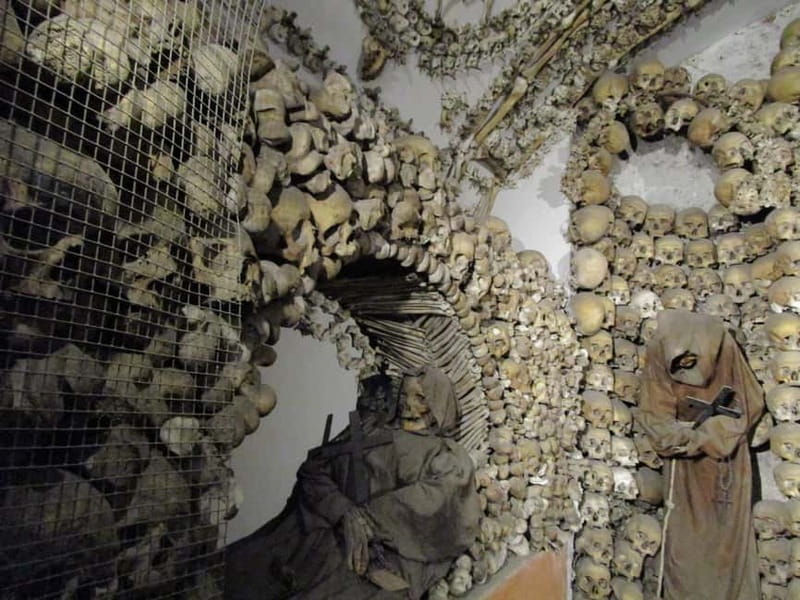
Bones turn Rome into a living lesson. In the underground Capuchin Crypt, human remains are arranged into chapels and crypts that explain faith, ritual, and history in a way you will not see anywhere else in the city.
I especially like two things. First, you get skip-the-line entry, so you spend your time looking, not waiting. Second, the group stays small, up to 10 people, which makes it easier to ask questions and actually follow the story as you walk from chamber to chamber.
One thing to plan for is the dress code. To enter the crypts, your shoulders and knees must be covered, and if you show up underdressed you will have to fix it on the spot.
In This Review
- Key highlights to know before you go
- Why The Capuchin Crypt Feels Like No Other Roman Stop
- Skip-The-Line Ticket Value: What You’re Actually Paying For
- Meeting at Via Vittorio Veneto 27, and How the Tour Moves
- Capuchin Museums First: Setting the Tone Before the Crypts
- Crypt of the Three Skeletons: The Complete Figure
- Leg Bones, Thigh Bones, and the Crypt of Pelvises
- The Ground Crosses and the Seven Capuchins Detail
- Crypt of the Skulls and the Hourglass
- Mass Chapel: Where the Symbols Feel Most Serious
- The Role of an English Guide, Including Luigi and Slobodan
- Dress Code and Comfort: Small Planning That Prevents Big Friction
- How Long Should You Spend at the Capuchin Crypt?
- Who This Tour Is Best For (And Who Might Want to Skip)
- Should You Book This Capuchin Crypt Tour?
- FAQ
- How long is the Capuchin Crypt guided tour?
- Where do I meet for the tour?
- What is included with the ticket?
- Is this a skip-the-line ticket?
- What group size should I expect?
- What languages are available for the tour?
- Are there any dress requirements to enter the crypts?
- Where does the tour end?
- Is free cancellation offered, and can I pay later?
Key highlights to know before you go
- Skip-the-line entry to start seeing the crypts fast
- Small group size (max 10) for a calmer, more personal pace
- English-speaking guide to translate symbols and history clearly
- Stop-by-stop bone chapels, from the Three Skeletons to the Mass Chapel
- A macabre, but meaningful visit, built around faith, order, and symbolism
Why The Capuchin Crypt Feels Like No Other Roman Stop
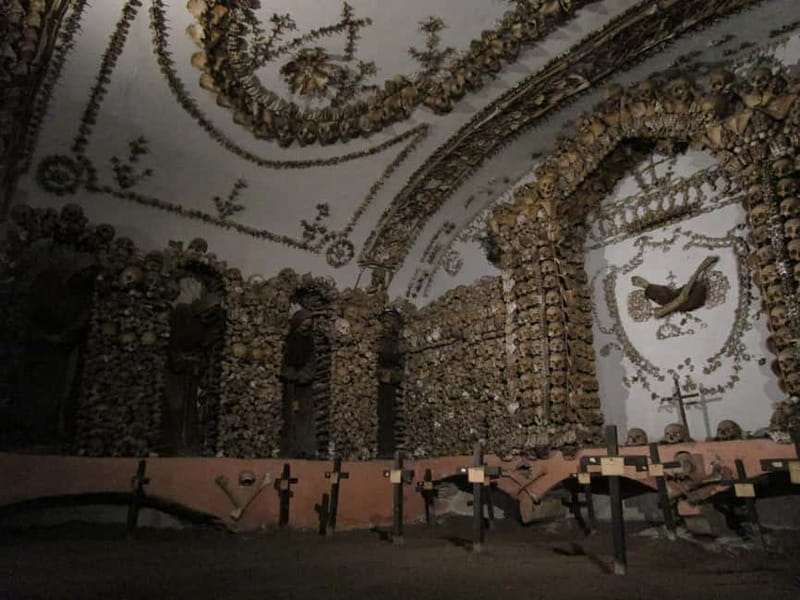
The Capuchin Crypt is not just a curiosity. It is a designed underground space where human bones are arranged with intention, turning death into a kind of visual language about life, spirituality, and community.
What I like about doing it as a guided small-group tour is that you get context quickly. The bones can feel shocking on first glance, but the guide helps you read the site as a sequence of meanings, not random remains. You also get to see the highlights without rushing through the darkest corners alone.
This visit focuses on a specific story. You are looking at the remains of about 3,700 individuals, gathered over the centuries and organized into multiple crypts, each with its own theme.
Our notebook holds other catacomb, basilica and Appian Way tours in Rome if you are still weighing options.
- Rome: Crypts and Catacombs Underground Tour with Transfers
★ 4.6 · 5,341 reviews - Rome: Catacombs of St. Callixtus Entry Ticket & Guided Tour
★ 4.6 · 3,037 reviews - Rome: Guided Roman Catacombs Tour with Transfers
★ 4.6 · 1,830 reviews - Rome: Catacombs Guided Tour with Transfer
★ 4.2 · 1,808 reviews
Skip-The-Line Ticket Value: What You’re Actually Paying For
At $44.41 per person, the price is less about the ticket itself and more about what comes attached to it: a live English guide, a time-saving skip-the-line entry, and a tour pacing that keeps you moving through key rooms in roughly 50 minutes to 1 hour.
In practical terms, this matters in Rome. You can easily lose an hour to lines and backtracking if you go on your own. Here, you start at a clear meeting point, you enter efficiently, and you get the symbolism explained while you are standing in front of it.
The money also buys you a better visit if you are short on time. The Capuchin Crypt is compact, but it can be easy to miss details that make the place work. With a guide, you know where to look and what you are looking at.
Meeting at Via Vittorio Veneto 27, and How the Tour Moves
You meet at street level at Via Vittorio Veneto, 27, right in front of the bronze gate. The tour ends back at the same place, which is handy because you do not have to plan your next step while you are thinking about bones and chapels.
Because the group max is 10 participants, you typically avoid the feel of a crowded shuffle. That is not a minor point here. The crypts are intimate by nature, and you want a group size that lets the guide talk clearly and lets you see what is arranged in front of you.
Also, plan your timing around the dress code. If your plan is to do this and then jump straight to a dinner reservation, make sure your outfit works for shoulders and knees covered.
Capuchin Museums First: Setting the Tone Before the Crypts
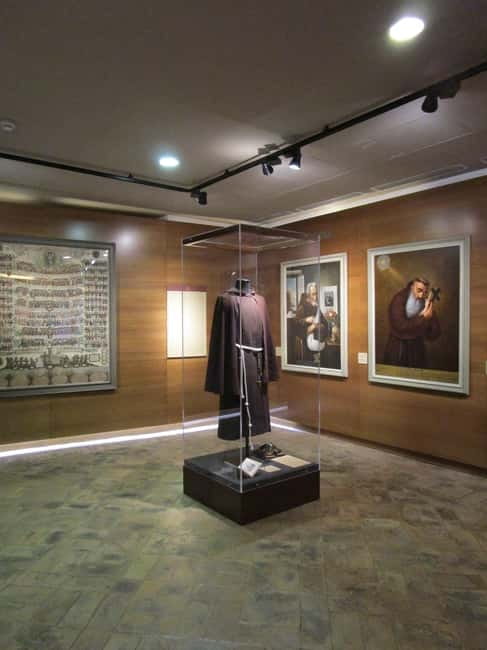
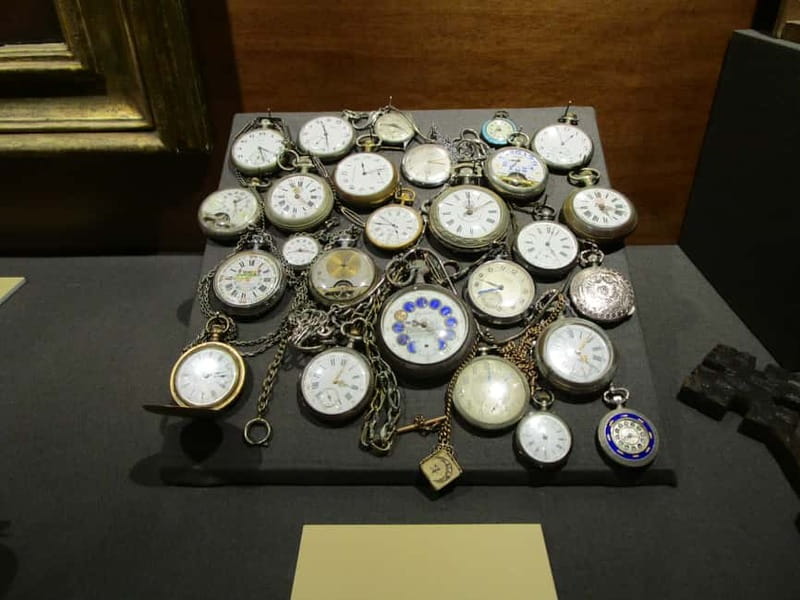
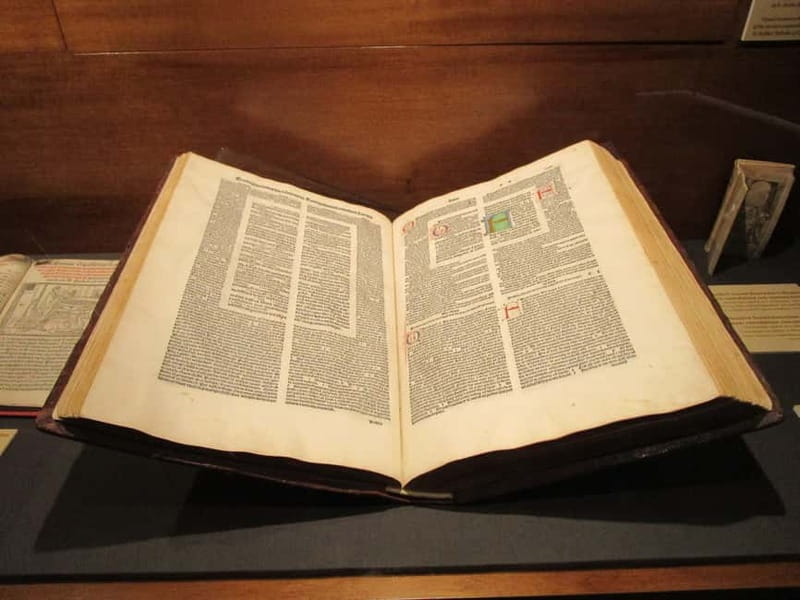
The experience begins at the Capuchin Museums, where you get background before you step underground. This is a big part of the value. Without context, the bone rooms can feel like shock value. With context, they start to feel like an organized spiritual and cultural space.
You learn the purpose of the site and how the Capuchins understood their burial practices. The key idea is simple and helps everything else click: their religious rules influenced where remains were placed, and the underground space became the solution.
This museum start also helps your eyes adjust. You are going from normal daylight to darker chambers, and having the story first makes it easier to notice details that might otherwise pass by.
Crypt of the Three Skeletons: The Complete Figure
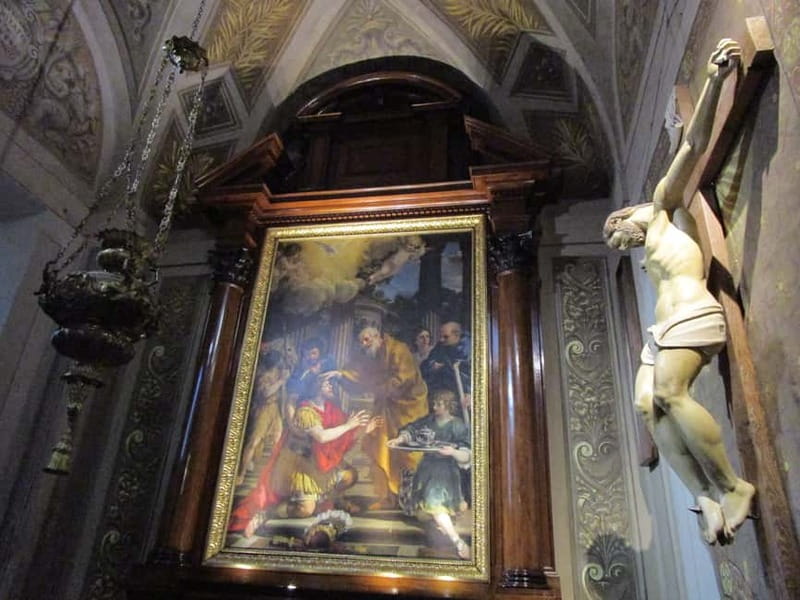
Next comes the Crypt of the Three Skeletons, the only area where a complete human skeleton is shown in its natural state. That matters because the rest of the crypt world here is more curated and fragmented: leg bones, skulls, pelvises, and symbolic placements.
This stop is your reality check. Your brain is trying to categorize what you are seeing, and seeing a full skeleton helps you reset your expectations. It makes the later bone arrangements feel purposeful rather than random.
If you are worried this will be too much, this is still the best first visual anchor. You can process the full figure before the tour shifts into the more thematic bone displays.
Leg Bones, Thigh Bones, and the Crypt of Pelvises
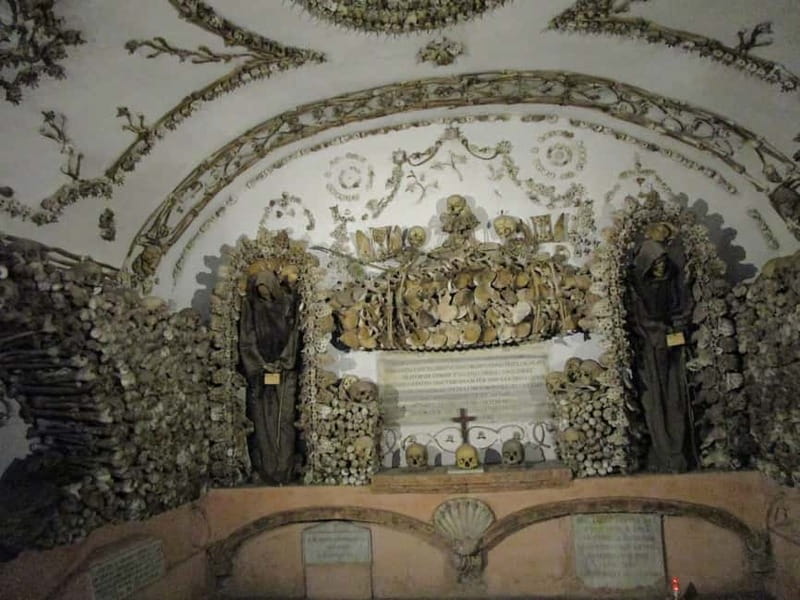
As you move on, you see smaller, more specific arrangements that make the symbolism easier to track. The tour includes the Crypt of the Leg Bones and Thigh Bones, where you can watch how the bones are displayed as sets.
Then you reach the Crypt of the Pelvises. Here, two Capuchin friars appear peacefully positioned in an arched formation. It is one of those moments where the site stops being about anatomy and becomes about expression, calm, and placement.
The guide’s job is to slow your reading down. You are not just seeing bones, you are seeing how the site uses structure to communicate ideas, like status, memory, and humility.
We wrote up further entry tickets in Rome on the same pass through the archive.






The Ground Crosses and the Seven Capuchins Detail
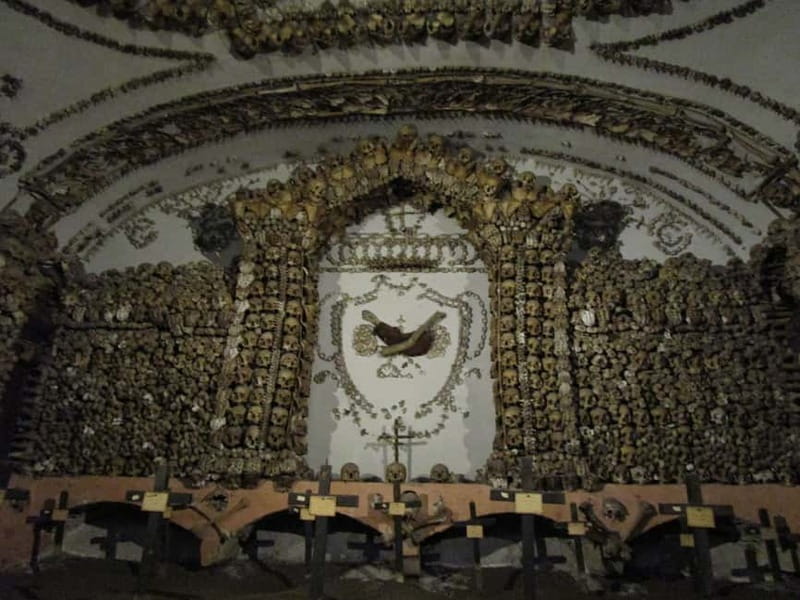
One of the most memorable parts of the tour is the moment you notice the crosses on the ground. They indicate the resting places of seven Capuchins, which adds a specific, human scale to an environment that can otherwise feel abstract.
This is where a guide really helps. A written sign might tell you what something is, but in a small-group guided format, you can ask a follow-up and get a fuller explanation of what the symbol is trying to say.
If you like tours that connect small details to the bigger story, you will appreciate this stop. It gives you a concrete marker inside a place that is otherwise made of fragments.
Crypt of the Skulls and the Hourglass
The tour then moves into the Crypt of the Skulls, where you will see its famous hourglass. Even if you think you already know what you will see, the hourglass is the kind of detail that makes the entire room click into place.
The hourglass is a clear visual reminder about time and mortality. But the site also uses skulls to suggest memory and reflection. Standing in front of it, you can see how the crypt turns a religious message into a physical design.
The guide also explains the bone history. You learn that friars’ remains were moved from an older friary near the Trevi Fountain to this location because Capuchin law prohibited burials within churches. That restriction helped create an underground cemetery, and this crypt then became the final resting place for the Capuchins.
Mass Chapel: Where the Symbols Feel Most Serious
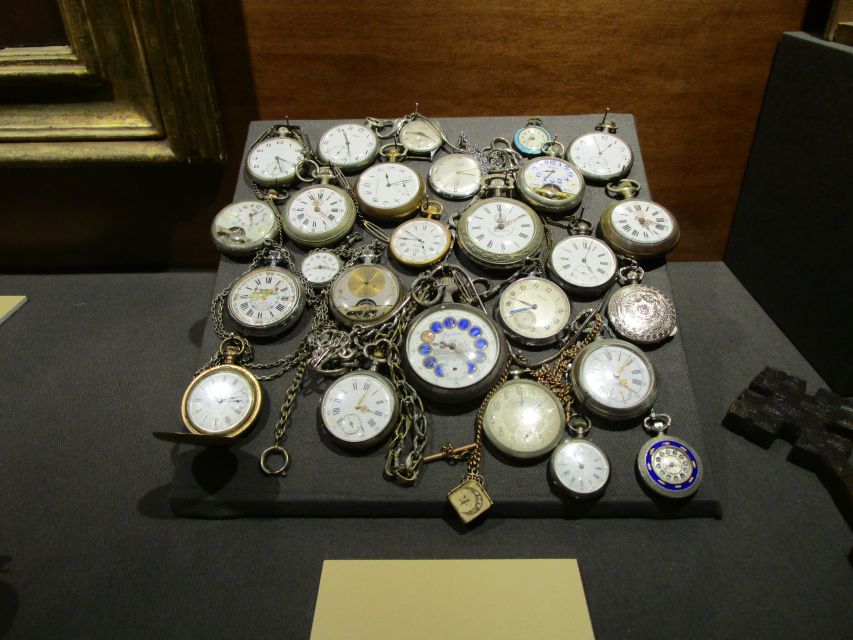
You will also see the Mass Chapel, which brings a more solemn tone to the visit. This is not just a set of bone arrangements. It is tied to worship and ritual space.
In moments like this, the best part of the guided format is that you do not have to guess what you are looking at. The guide helps you connect the room’s organization back to the spiritual purpose of the whole site.
It is also a strong stop for people who want meaning, not just shock. The bones are hard to ignore, but the chapel setting nudges the experience toward reflection.
The Role of an English Guide, Including Luigi and Slobodan
The tour is led by an English-speaking guide, and the style can make a big difference here. Past guides associated with this experience, including Luigi and Slobodan, have a reputation for balancing humor with explanation, which can turn a heavy topic into something you can actually process in one visit.
I like that approach for two reasons. First, it keeps energy up in a confined space where a monotone lecture could feel like too much. Second, it helps you stay engaged with the symbols, not just the macabre appearance.
The guide also helps you notice what is easy to miss. Small bone arrangements, placements, and symbolic elements are clearer when someone points them out while you are looking at them.
Dress Code and Comfort: Small Planning That Prevents Big Friction
You need to plan around one clear requirement: shoulders and knees must be covered. That is not optional for entry into the crypts.
For a smooth visit, wear something that keeps you comfortable as you stand, listen, and move slowly underground. If you are visiting in warm weather, bring a light layer that still covers your shoulders. If you are traveling with kids or teens, it is worth checking outfits before leaving your hotel.
This is also where small-group tours help. Less crowding means it is easier to adjust, ask the guide a quick question, and not feel rushed.
How Long Should You Spend at the Capuchin Crypt?
Plan for 50 minutes to 1 hour. That length is a good fit because the crypts are dense with details, but you do not want to feel like you are stuck in one underground space for hours.
A short, focused tour works well because you can absorb the main rooms and leave with a coherent understanding of the site’s logic. If you try to do it in a long, unstructured way, you might spend too much time staring and not enough time interpreting.
After the tour ends, it is also helpful that the experience finishes back at the same meeting point. You can head off for your next Rome stop without mental baggage.
Who This Tour Is Best For (And Who Might Want to Skip)
This is a great fit if you want a guided, efficient experience that covers the key crypts and explains the meaning behind the bone displays. It is also ideal if you like Rome sites that are unusual and have a strong cultural story, not just famous architecture.
It can be a tough match if you feel uneasy about skeletal imagery or you know you are not up for macabre themes. In that case, you might choose another attraction and save this one for a time when you feel emotionally ready.
If your main goal is to learn, a guided tour is especially helpful here. You will get more from it because the symbolism depends on interpretation.
Should You Book This Capuchin Crypt Tour?
I think this is worth booking if you meet the dress code, you want a short guided visit, and you like getting the story behind what you see. The skip-the-line access plus an English guide plus a max 10-person group is a strong value combo for a site like this, where context can turn an unsettling visual into a meaningful one.
I would skip or reconsider only if skeletal imagery is likely to ruin your day. Otherwise, this is a rare Rome experience that feels specific, intentional, and memorable in a way that most stops do not.
If you can, check the start times so you can slot the visit when you are not rushed. Then show up covered up, go in with an open mind, and let the symbolism do its work.
FAQ
How long is the Capuchin Crypt guided tour?
It runs about 50 minutes to 1 hour, depending on the tour timing you book.
Where do I meet for the tour?
Meet in front of Via Vittorio Veneto, 27, at street level next to the bronze gate.
What is included with the ticket?
You get an entry ticket to the Capuchin Crypt and an English-speaking guide.
Is this a skip-the-line ticket?
Yes. The ticket is described as skip-the-line, and you join the guided tour for entry.
What group size should I expect?
The tour is a small group, with a maximum of 10 participants.
What languages are available for the tour?
The tour is available in English.
Are there any dress requirements to enter the crypts?
Yes. Shoulders and knees must be covered to enter the crypts.
Where does the tour end?
The activity ends back at the meeting point.
Is free cancellation offered, and can I pay later?
Free cancellation is offered up to 24 hours in advance for a full refund, and there is also a reserve now and pay later option.
Our Wider Tours File for Rome

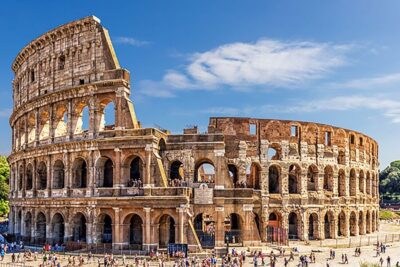
Also Written Up in Rome, Catacomb, Basilica and Appian Way Tours
Not quite the day you had in mind? The rest of our Rome write-ups sit below
- Rome: Guided Tour of St. Peter’s Dome Climb, Basilica & Vatacombs★ 5.0 · 167 reviews
- St. Peter’s Basilica Guided Tour with Reserved Entrance★ 4.0 · 168 reviews
- Golf Cart Driving Tour in Rome: 2.5 hrs Catacombs & Appian Way★ 5.0 · 168 reviews
- Rome: Trastevere Wine Tasting with Food Pairing and Gelato★ 4.9 · 168 reviews
- Guided Tour of the Colosseum Palatine Hill and Roman Forum★ 4.7 · 168 reviews
- Vatican Museums, Sistine Chapel & Saint Peter’s Semi-Private Tour★ 4.5 · 169 reviews
- Hidden Rome: Small Group E-Bike Tour with Street Food Stops★ 5.0 · 169 reviews
- Rome: Papal Audience with Pope Leo IV★ 3.9 · 169 reviews
- Rome Golf Cart Tour: Highlights & Must See★ 4.5 · 170 reviews
Rome Catacombs, Basilicas & the Appian Way, top to bottom.
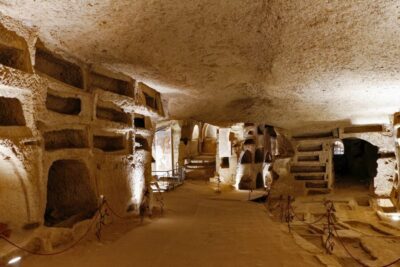 ★ 4.6Naples: Catacombs of San Gennaro Entry Ticket & Guided TourFrom $157,941 reviews
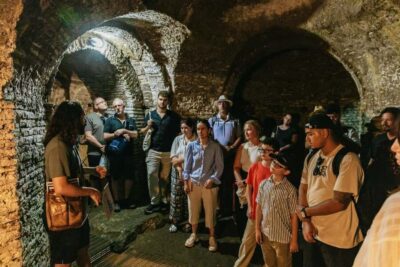 ★ 4.6Rome: Crypts and Catacombs Underground Tour with TransfersFrom $745,341 reviews
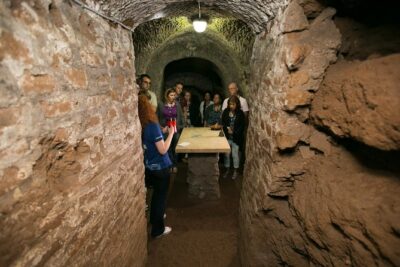 ★ 4.5The Original Roman Crypts and Catacombs Tour with TransfersFrom $664,896 reviews
 ★ 4.6Rome: Catacombs of St. Callixtus Entry Ticket & Guided TourFrom $163,037 reviews
 ★ 4.6Rome: Guided Roman Catacombs Tour with TransfersFrom $651,830 reviews
 ★ 5.0Rome EBike Tour: Appian Way, Catacombs & Roman AqueductsFrom $1021,766 reviews
 ★ 4.9Rome: Appian Way, Catacombs, & Roman Aqueducts E-bike TourFrom $851,421 reviews
 ★ 4.9Rome:Appian Way E-bike Tour with Catacombs, Aqueducts & FoodFrom $961,210 reviews
Filed under