
Reviewed · ROME CATACOMBS, BASILICAS & THE APPIAN WAY
Rome: Catacombs of St. Callixtus Entry Ticket & Guided Tour
Rome’s underground history hits different. This Catacombs of St. Callixtus tour turns a ticket into a guided walk through early Christian burial culture, not just spooky tunnels. I love the Crypt of the Popes stop and the professional guides who explain what you’re seeing. The main drawback is that it is a short visit, so you won’t get the long, slow exploration some people hope for.
What makes this worthwhile is how much context you get in about 30 minutes, while the site stays real and grounded. I also like the practical focus, like comfortable shoes and the clear rule of no photos inside. Still, the catacombs can feel chilly underground and the passages are not for everyone, especially if you get claustrophobic.
If you want a value-priced Rome detour off the main tourist loop, this one is easy to justify. You’ll learn names, burial practices, and why this cemetery mattered for the Christian community in Rome, including places like the Crypt of St. Cecilia and the earliest frescoes you can actually view on a guided route. Just give yourself time to reach the ticket office at the meeting point, because this stop is not right around the corner from the center.
In This Review
- Key highlights worth planning around
- Where the St. Callixtus catacombs fit into Rome
- The 30-minute plan, stop by stop
- Check-in at the ticket office, voucher in hand
- The oldest cemetery context and why it’s named St. Callixtus
- Crypt of the Popes: the headline stop
- Crypt of St. Cecilia: martyrs and proper burial
- Oldest frescoes and the “what am I looking at?” moment
- Area I and the cubicles of the sacraments
- How good is the guided part in real life
- Value math: $16 for what you actually get
- Logistics that can make or break your day
- Getting there from central Rome
- Dress code and comfort
- What is not allowed
- Who this tour suits best
- Final verdict: should you book the St. Callixtus tour?
Key highlights worth planning around
- Skip-the-line style entry: you move straight into the tour flow once you check in at the ticket office.
- Crypt of the Popes focus: you visit the resting area of 9 popes and 3 bishops.
- St. Cecilia stop: you see the adjoining area tied to a Roman matron linked with proper burials for martyrs.
- Old frescoes without the guesswork: your guide explains what you’re looking at on the walls.
- Short and structured: about 30 minutes of guided content, with a packed route for the time.
- Chill factor: the underground temperature stays cool, so a light layer helps.
Where the St. Callixtus catacombs fit into Rome
The Catacombs of St. Callixtus sit in the Lazio countryside area, not in the middle of Rome’s postcard core. The setting matters because these were burial grounds on the edge of the city world, tied to the older roads and communities outside the dense urban center. On this tour, you’re not just visiting stone rooms. You’re stepping into the way early Christians in Rome organized death, memory, and community.
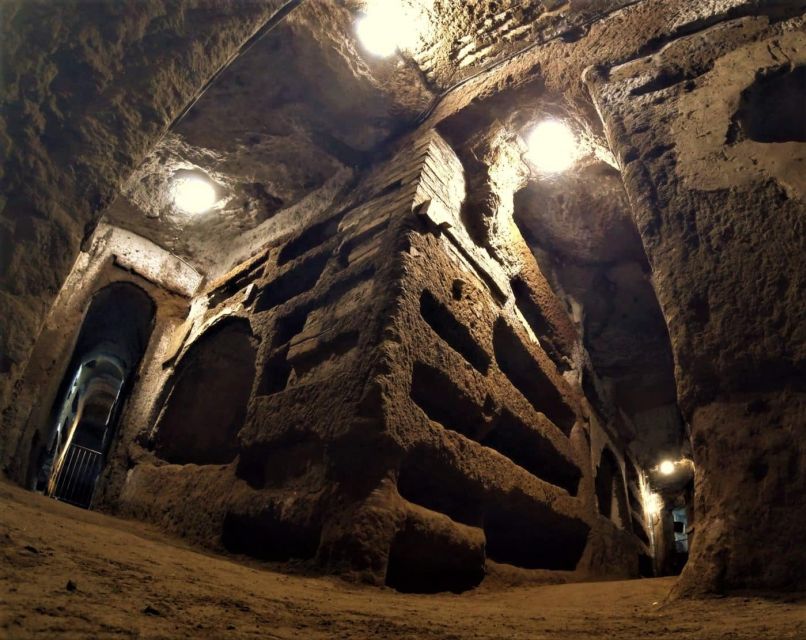
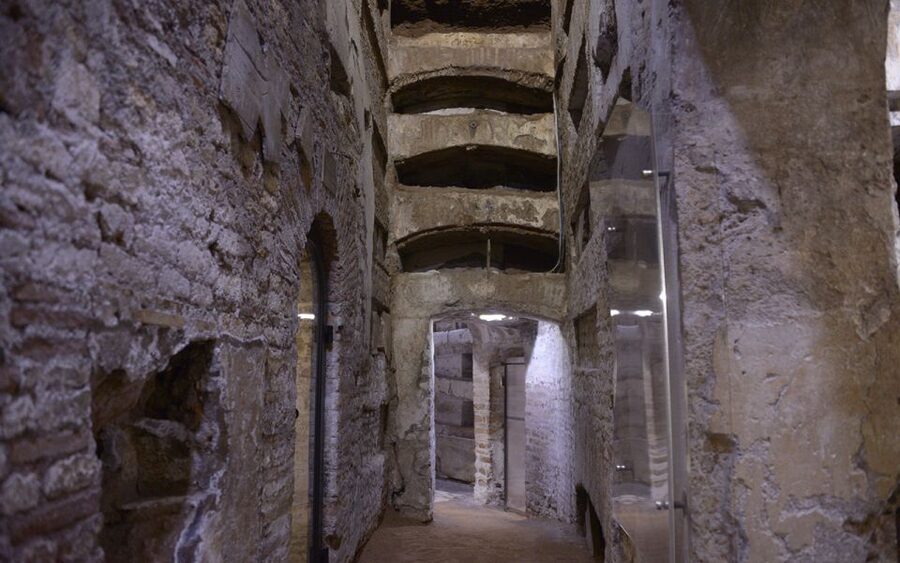
This cemetery is often described as one of the largest underground burial areas in Rome. What that means for you is scale. Even a short guided route can feel like a lot because you’re looking at walls carved for generations of burials, plus pictorial art like frescoes. And because you have a guide, the symbols and scenes make more sense than if you wander alone.
Price helps too. At about $16 per person for an entry ticket plus a live guide, this is one of the more cost-friendly “big sights” in Rome. You are paying for a structured visit, not just access to a building.
Our notebook holds other catacomb, basilica and Appian Way tours in Rome if you are still weighing options.
- Rome: Crypts and Catacombs Underground Tour with Transfers
★ 4.6 · 5,341 reviews - Rome: Catacombs of St. Callixtus Entry Ticket & Guided Tour
★ 4.6 · 3,037 reviews - Rome: Guided Roman Catacombs Tour with Transfers
★ 4.6 · 1,830 reviews - Rome: Catacombs Guided Tour with Transfer
★ 4.2 · 1,808 reviews
The 30-minute plan, stop by stop
This tour is built as a compact guided circuit. Expect a guided walk around major areas rather than a full-day expedition.
Check-in at the ticket office, voucher in hand
Your first job is simple: go directly to the ticket office at the catacombs and show your voucher at least 10 minutes before your scheduled tour time. That early arrival helps you avoid a frantic scramble, especially since you are traveling out from central Rome.
A small practical tip: the exact meeting spot can be easy to miss if you arrive and then start asking from the wrong side. When you get there, orient yourself at the ticket office area first, then follow the staff’s direction for where to wait for the guide.
The oldest cemetery context and why it’s named St. Callixtus
After check-in, you meet your guide and start with the basics that make the rest of the visit click. You learn where the complex gets its name and what “official cemetery” meant for Rome’s Christian community at the time. This is one of the best uses of your short time here. Instead of learning everything at the end, you build a simple mental map first.
This is where a good guide earns their keep. In feedback from people who booked in multiple languages, guides were praised for explaining clearly and sticking with questions. You should expect a respectful tone too, since the setting is sacred for many visitors.
Crypt of the Popes: the headline stop
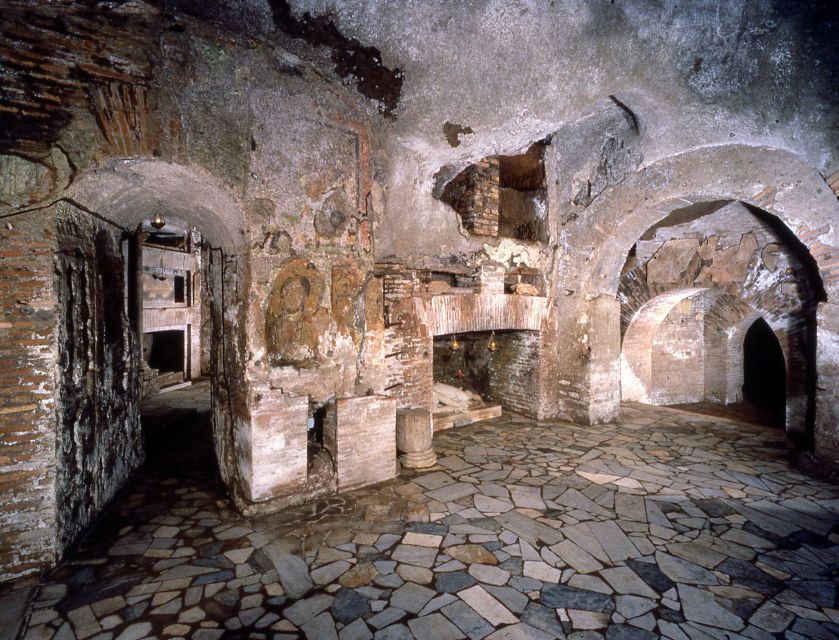
Then you reach the Crypt of the Popes, one of the most famous areas in this underground world. The key detail you get on the tour is specific: this is where 9 popes and 3 bishops were laid to rest.
What you should take away is not just the list of names, but what they represent. This is a place where the early church recorded authority and memory through burial, long before churches as we know them dominated Rome’s landscape. Seeing it with a guide makes the symbolism feel less abstract.
Crypt of St. Cecilia: martyrs and proper burial
After the papal crypt, you head to the adjoining room for the Crypt of St. Cecilia. Here the story centers on a Roman matron and the role she played in ensuring that many martyrs received proper burial.
This stop matters because it ties the catacombs to real human action, not just stone craftsmanship. It also helps explain how communities protected the dignity of the dead when doing so was risky and complicated.
We wrote up further entry tickets in Rome on the same pass through the archive.







Oldest frescoes and the “what am I looking at?” moment
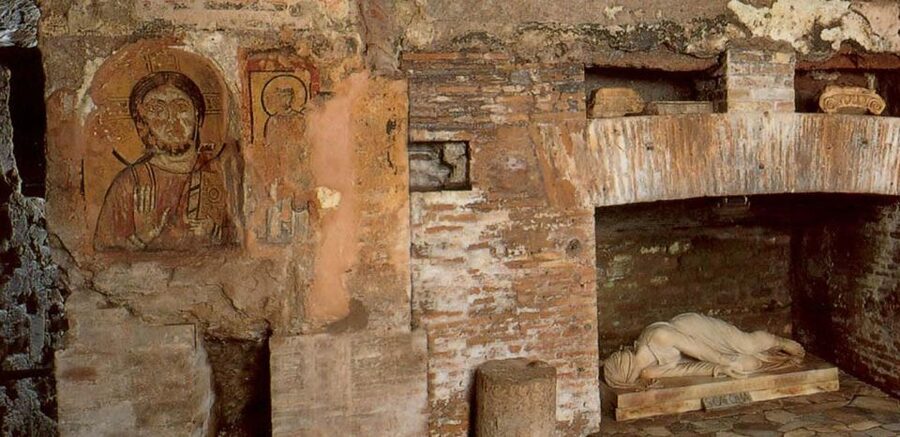
Next comes the visual side. You visit areas with some of the oldest frescoes decorating the catacombs’ walls. Even if you think you’re “not an art person,” don’t skip this part. These images are not random decorations. Your guide helps translate what the artwork likely signaled for early Christians.
A practical note: the catacombs are not bright in the way museums are. The tour format, plus the no-photography rule inside, keeps you paying attention. Bring a light layer, because even in warm Rome, underground space can feel cool.
Area I and the cubicles of the sacraments
Finally, the route includes Area I, tied to cubicles connected to the sacraments. This is one of those details that can sound technical until your guide puts it into everyday meaning: how rituals and commemoration were structured in the burial setting.
You leave this part of the tour with a better sense of how early Christian communities used the catacombs as both a memorial space and a place with ongoing meaning.
How good is the guided part in real life
This tour lives or dies on the guide, and the feedback pattern is strong. People praised guides for being organized, respectful, and ready to answer questions. Names that come up include Arishba, Comfort, Sam, Francesca (including a description of her as an archaeologist), and clergy guides like Fr Peter and Don Sam.
More importantly, the guides were described as engaging, funny at times, and careful with group pacing, which matters in tunnels where you want everyone to hear the story. Since the tour is only about 30 minutes, you benefit from a guide who can explain without racing.
Also, you should know the tour is 100% guided. That means you stay with the group and follow instructions through the site. If you like freedom to wander, this will feel structured. If you want meaning and context, that structure is a feature.
Value math: $16 for what you actually get
At $16 per person for entry plus a live guide, the value is mostly in two places.
First, skip-the-line style entry. You do not want to waste half your time outside waiting, especially when you’re heading out to a site that takes planning to reach.
Second, you pay for interpretation. Catacombs can look like a lot of corridors and stone rooms if you don’t know what to look for. A 30-minute guide who explains the name origins, the Crypt of the Popes, the Crypt of St. Cecilia, and the significance of frescoes turns your visit into a real lesson.
One consideration: because it is short, you should come with a clear goal. If your ideal catacombs day is hours of exploration, this may feel like a quick introduction. If you want a focused taste of the major areas, it’s a solid deal.
Logistics that can make or break your day
Getting there from central Rome
The tour meeting point is at the catacombs ticket office area. From Termini Station, one route is:
- Metro A (direction Anagnina) to San Giovanni
- Bus 218 (direction Ardeatina) to Fosse Ardeatine
- Entrance should be right in front of you
Another option is:
- Metro B (direction Laurentina) to Colosseo or Circo Massimo
- Bus 118 (direction Appia/Villa Dei Quintili) to Catacombe di San Callisto
If you are trying to keep the day easy, plan your arrival around bus schedules and walking time. A common mistake is expecting the route to be “simple and quick” without buffering for transfers.
Dress code and comfort
Bring comfortable shoes. Also wear comfortable clothes. The no-photo rule inside helps people stay focused, but it also means you’ll want to notice details with your eyes, not your camera.
And do not ignore the chill factor. One tip you’ll hear is that the underground areas are cool, around 15 degrees. A light jacket or sweater is a smart move even if Rome feels warm.
What is not allowed
- Photography is not allowed inside
- Baby carriages are not allowed
- No hotel pickup or drop-off is included, so you handle your own transport
Who this tour suits best
This is a strong choice if you want a short, meaningful history visit that adds a different side of Rome to your trip. It also works well as a break from heat, since the underground environment stays cooler.
It is especially suitable for:
- History-minded visitors who like context
- Families with older kids and teens, as the tour is structured and not painfully long
- People who want to see famous spaces like the Crypt of the Popes without spending the whole day traveling
It may not be ideal if:
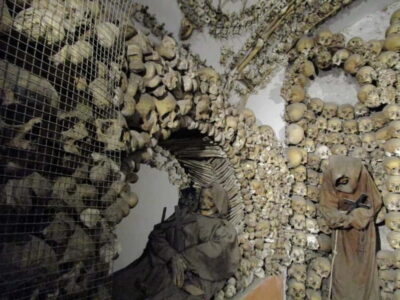
- You expect to see bones or skeletons. This is a burial-site visit focused on chambers and history, not a spooky anatomy exhibit.
- You have mobility limitations, since the site is not designed for wheelchair-style access.
- You have claustrophobia, since underground passages are enclosed.
Final verdict: should you book the St. Callixtus tour?
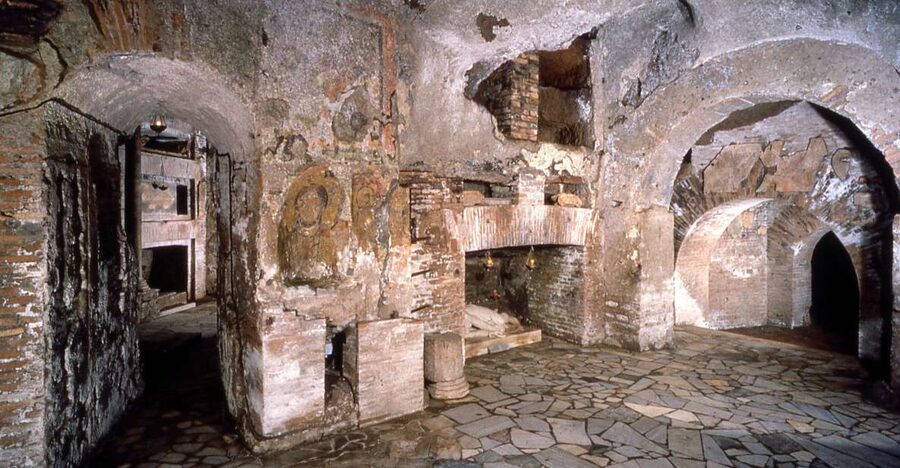
If you want a value-priced, guided catacombs visit that hits the major highlights, I recommend booking. The tour’s strength is its focus. You get the names, the burial context, and the big rooms like the Crypt of the Popes and Crypt of St. Cecilia in a tight time window.
Book it if you like learning from a guide and you’re okay with a structured, group-led route with no photos inside. Skip or consider another format if you want hours underground, or if you are expecting a “see bones” type attraction.
If you’re doing Rome classics like the Colosseum and Vatican sites, this is a different mood. Calm, historical, and quietly powerful, especially when a good guide helps you understand what your eyes are seeing.
Our Wider Tours File for Rome

Also Written Up in Rome, Catacomb, Basilica and Appian Way Tours

Not quite the day you had in mind? The rest of our Rome write-ups sit below
- Rome: Guided Tour of St. Peter’s Dome Climb, Basilica & Vatacombs★ 5.0 · 167 reviews
- St. Peter’s Basilica Guided Tour with Reserved Entrance★ 4.0 · 168 reviews
- Golf Cart Driving Tour in Rome: 2.5 hrs Catacombs & Appian Way★ 5.0 · 168 reviews
- Rome: Trastevere Wine Tasting with Food Pairing and Gelato★ 4.9 · 168 reviews
- Guided Tour of the Colosseum Palatine Hill and Roman Forum★ 4.7 · 168 reviews
- Vatican Museums, Sistine Chapel & Saint Peter’s Semi-Private Tour★ 4.5 · 169 reviews
- Hidden Rome: Small Group E-Bike Tour with Street Food Stops★ 5.0 · 169 reviews
- Rome: Papal Audience with Pope Leo IV★ 3.9 · 169 reviews
- Rome Golf Cart Tour: Highlights & Must See★ 4.5 · 170 reviews
Rome Catacombs, Basilicas & the Appian Way, top to bottom.
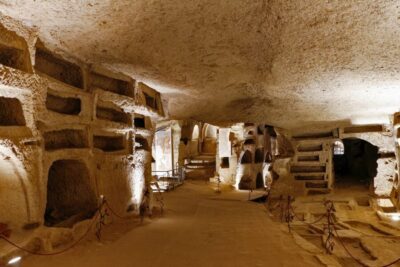 ★ 4.6Naples: Catacombs of San Gennaro Entry Ticket & Guided TourFrom $157,941 reviews
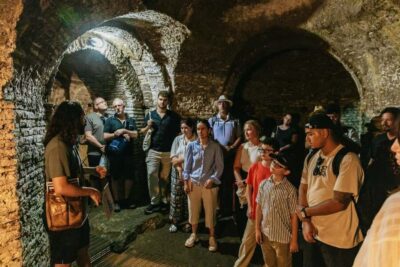 ★ 4.6Rome: Crypts and Catacombs Underground Tour with TransfersFrom $745,341 reviews
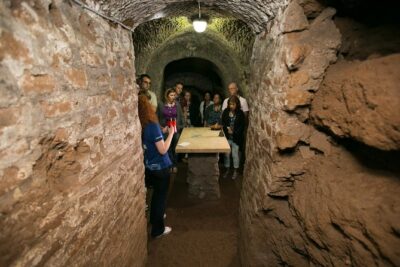 ★ 4.5The Original Roman Crypts and Catacombs Tour with TransfersFrom $664,896 reviews
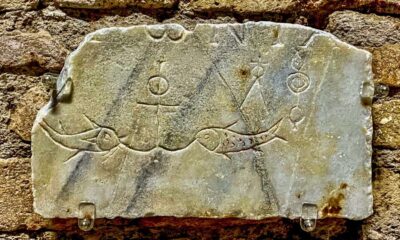 ★ 4.6Rome: Guided Roman Catacombs Tour with TransfersFrom $651,830 reviews
 ★ 5.0Rome EBike Tour: Appian Way, Catacombs & Roman AqueductsFrom $1021,766 reviews
 ★ 4.9Rome: Appian Way, Catacombs, & Roman Aqueducts E-bike TourFrom $851,421 reviews
 ★ 4.9Rome:Appian Way E-bike Tour with Catacombs, Aqueducts & FoodFrom $961,210 reviews
 ★ 4.7Rome: Capuchin Crypts Skip-the-Line Ticket and TourFrom $441,162 reviews
Filed under