
Reviewed · ROME CATACOMBS, BASILICAS & THE APPIAN WAY
Rome: Catacomb of St. Callixtus and Appian Way Guided Tour
Underground Rome feels completely different. This guided trip trades the crowds for the Catacombs of St. Callixtus and the quieter, ancient roads beyond the city walls.
I love how the tour gives you both the spooky scale of early burial spaces and the open-air calm of the Appian Way. You also get real context for why these sites exist, not just a list of stops.
My second favorite part is the chance to spot the earliest examples of Christian art in a setting that still feels close to the original world. One consideration: the catacombs are not wheelchair accessible and the underground passages can be intense if you have claustrophobia (especially severe cases).
In This Review
- Key highlights you’ll care about
- A 3-hour Rome escape past the city walls
- Meeting at Via Cavour 224, and how the day flows
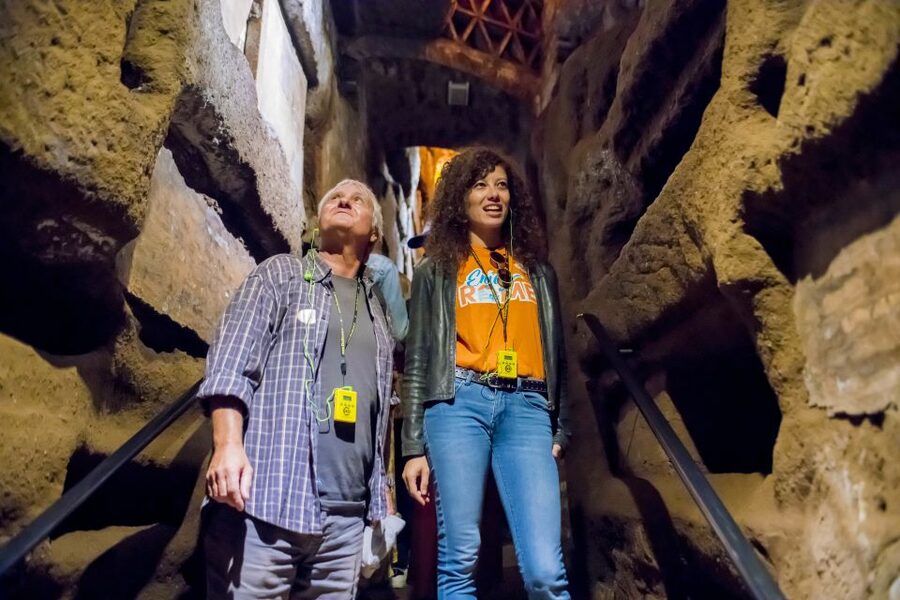
- Catacombs of St. Callixtus: built for mass burial
- Crypt of the Popes and the earliest Christian art
- Cecilia Metella stop: Roman monumental power without the full crowd
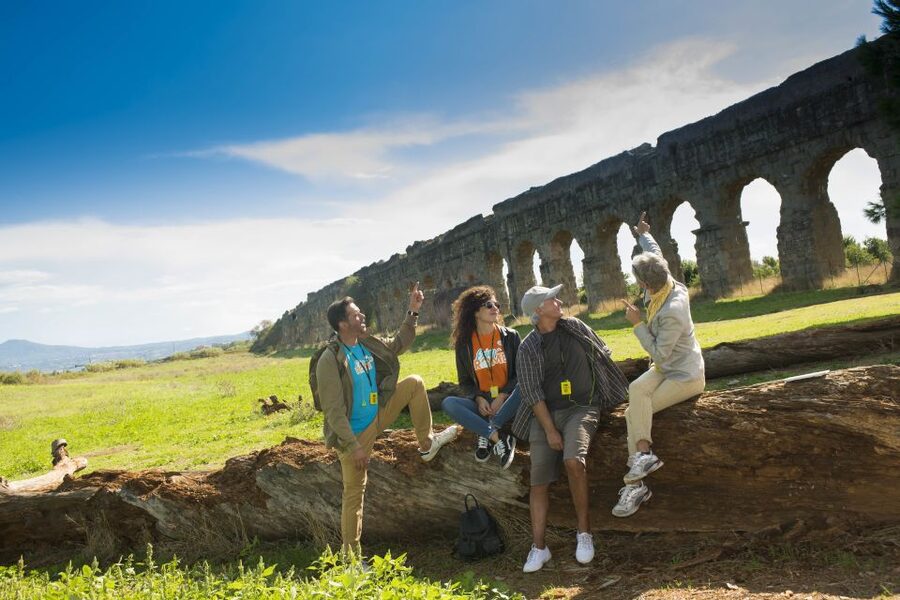
- Walking the Appian Way and aqueduct park views
- What the guides add, from Catia to Marije
- Comfort tips: heat, stairs, and how to dress
- Is it good value at about $80 for 3 hours?
- Who should book this catacombs and Appian Way tour?
- Should you book this tour or skip it?
- FAQ
- How long is the Rome Catacomb of St. Callixtus and Appian Way guided tour?
- Where is the meeting point, and which metro station is closest?
- Is hotel pickup included?
- Is lunch included?
- Are photographs allowed in the catacombs?
- What is the dress code?
- Is the tour wheelchair accessible?
- Is it suitable for people with claustrophobia?
- What’s included in the tour price?
- What happens if the tour does not have enough participants?
Key highlights you’ll care about
- Catacombs of St. Callixtus with guided time inside real early burial areas
- Crypt of the Popes plus some of the earliest Christian visual symbols
- Mausoleum of Cecilia Metella (exterior view), a striking reminder of Roman monumental scale
- A guided walk on the Appian Way on older stone paths with fewer crowds
- Aqueduct views near Parco degli Acquedotti, including a classic Rome engineering moment
- Headsets included, so you can hear the guide clearly during bus rides and walking segments
A 3-hour Rome escape past the city walls
Rome can feel like one long blur of marble, basilicas, and lines. This tour breaks that spell by taking you outside the urban center and into the rock tunnels where early Romans laid their dead. The result is a different kind of Roman education, one that’s tactile, quiet, and a little haunting in the best way.
You’re also not stuck underground the whole time. The schedule blends bus travel with walk time along ancient roads and in open-air areas, so the day has breathing space instead of pure sightseeing fatigue. It’s a smart option if you want “one memorable extra” without committing to a full day trip.
The tour runs for about 3 hours, and that limited time matters. It forces the experience to be focused: you hit a few big themes, burial culture, early Christianity, and Roman engineering, then you’re back with energy left for the rest of your Rome day.
Meeting at Via Cavour 224, and how the day flows
Your starting point is the bus stop at Via Cavour 224, and the nearest metro station is Cavour (Line B). Plan to arrive about 25 minutes early so you’re not rushed, and you’ll have time to check in and settle.
From there, the day moves by bus and on foot between sites. In practice, this is a big win because Rome traffic and scattered landmarks can burn time fast when you’re doing it on your own. Plus, having transport from and back to the meeting point means you can focus on the experience, not the logistics.
Most people praise the overall organization, and the driving is part of that. Guides and drivers like Mario are repeatedly mentioned for making the transit smoother and faster through traffic, which helps you actually arrive ready to pay attention at each stop.
Catacombs of St. Callixtus: built for mass burial
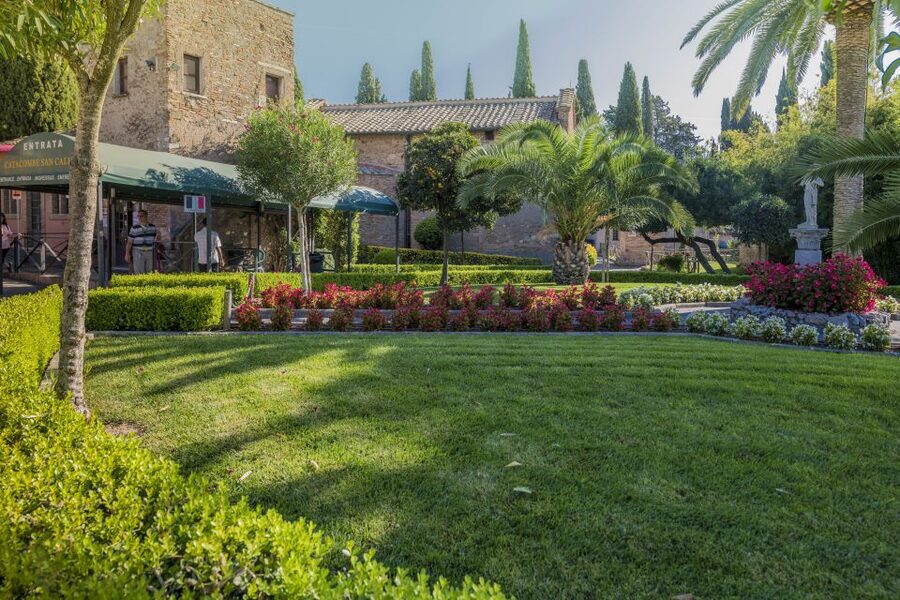
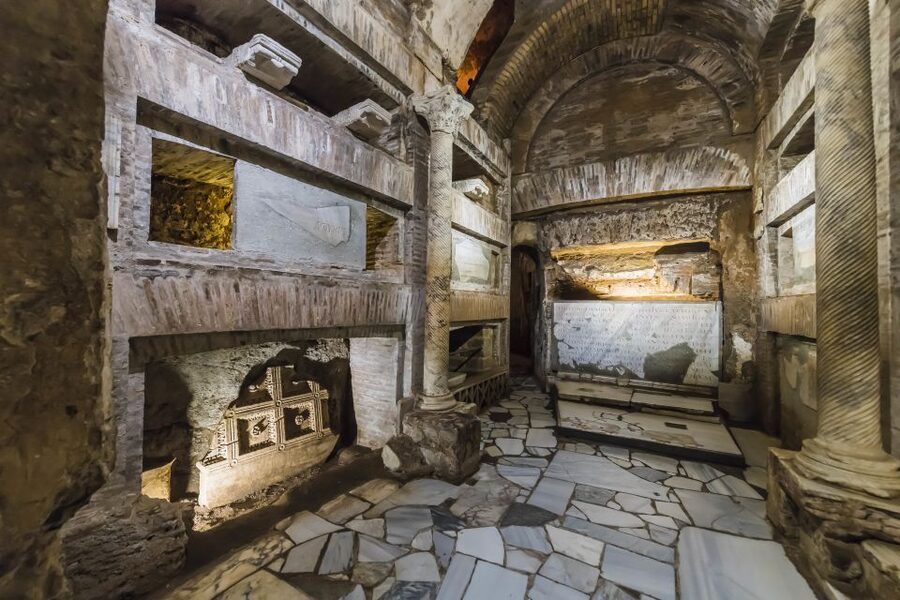
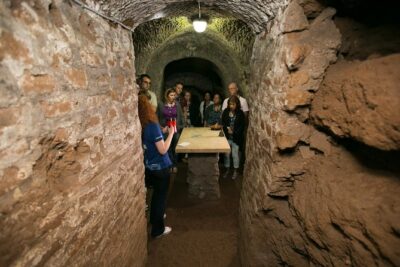
The heart of this outing is the guided visit to the Catacombs of St. Callixtus. These weren’t decorative tombs. They were functional burial spaces, carved into the tufa rock surrounding Rome, because early Christians needed a solution that worked for large numbers of people, many of whom did not have money for elaborate tombs.
What makes the catacombs such a powerful stop is how physical the system is. You’ll see burial niches, and you’ll get a sense of the layered complexity of these spaces, which were used over long periods. The tour also frames the scale of the catacomb world: from the 2nd through the 5th centuries, catacomb complexes were dug in multiple layers, and the city system became extensive.
Inside, you should expect a guided pace that balances explanation with time to look. That’s crucial, because the information is not just “where things are,” it’s “what they mean,” including how religious communities used art and symbols to communicate faith.
One practical point: the tour includes headsets, which helps a lot underground where acoustics can make it harder to hear. Also, note that photographs are not permitted inside the catacombs, so plan on relying on memory and whatever your guide describes.
Crypt of the Popes and the earliest Christian art
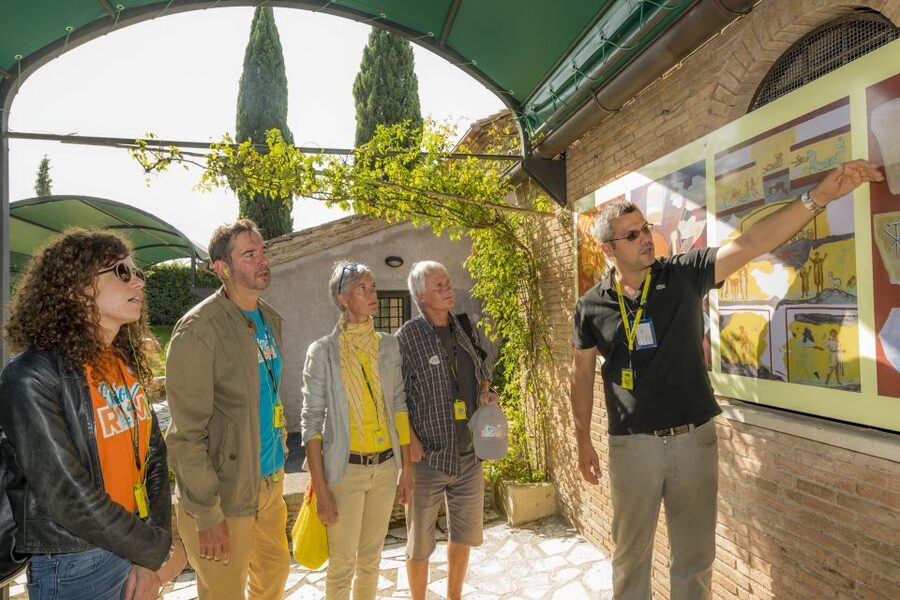
After time in the catacombs proper, you’ll explore the Crypt of the Popes. This is where the tour’s religious-historical angle really lands, because you’re seeing early Christian burial culture in a space tied to leadership and memory.
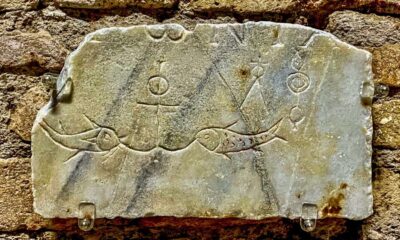
The highlight here is the chance to see some of the earliest Christian art. Instead of icons in bright museum lighting, you’re encountering symbols in their original kind of environment. It changes how you interpret the artwork, because you’re not viewing it as “art history,” you’re seeing it as part of everyday survival and belief.
The tour also talks about why Christianity created new burial needs in Rome as it spread. The big idea is simple and sobering: as more people became part of Christian communities, burial systems had to keep up. Catacombs offered a practical answer, and the rock architecture made it possible.
If you’re the kind of person who likes to understand the “why” behind what you see, this part will feel especially satisfying. You’ll come away with a better mental model for how early Christians navigated faith, community, and death in a city that was already crowded with competing religious identities.
Cecilia Metella stop: Roman monumental power without the full crowd
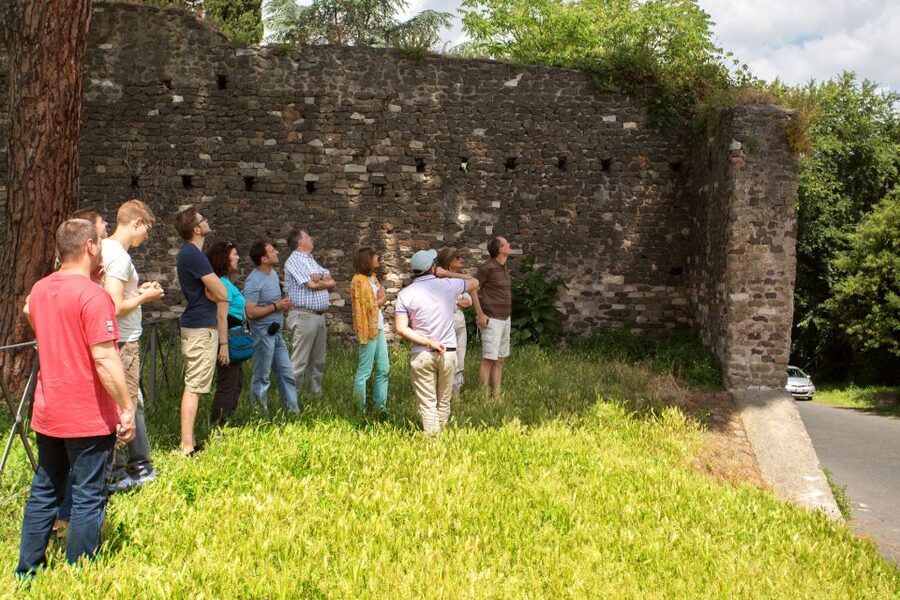
Between underground darkness and outdoor walking, the day includes time to view the Mausoleum of Cecilia Metella (exterior). Even as an exterior stop, it hits a different note than the catacombs. It’s Roman monumental culture at work: big, confident, and designed to last.
This is also a useful contrast stop. The catacombs explain how early Christians handled limited resources. The Cecilia Metella exterior reminds you that Rome also had a very different burial and memorial culture for those with wealth and political importance.
In the provided experience details, people connect this stop with a St. Cecilia-related tomb display, and it can be surprisingly moving. Whether you’re drawn to the Roman architecture or the Christian association, it’s a moment that helps you connect threads between the empire’s world and the later rise of Christianity.
Expect this part to be a brief but meaningful pause. You’ll have enough time to look and listen without feeling like the day is running past you.
Walking the Appian Way and aqueduct park views
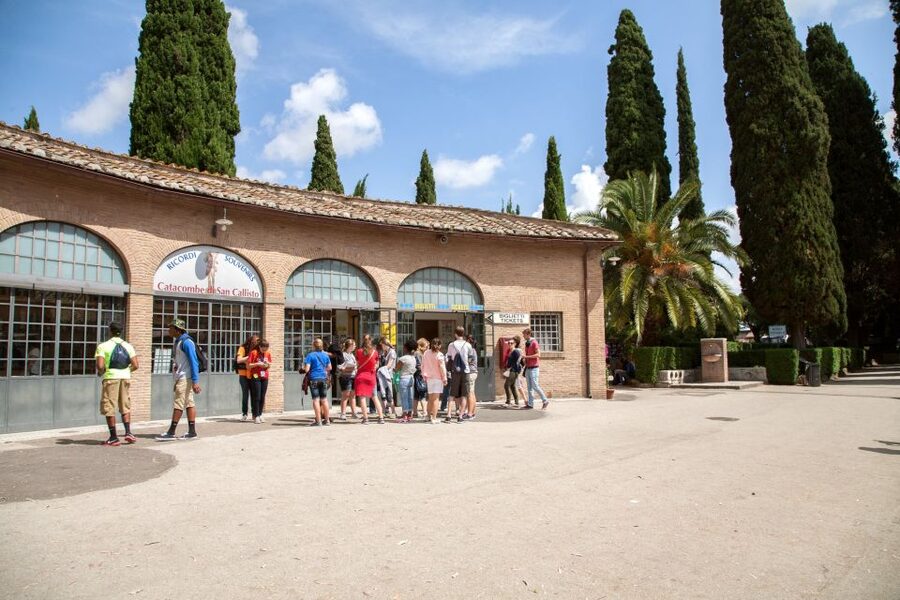
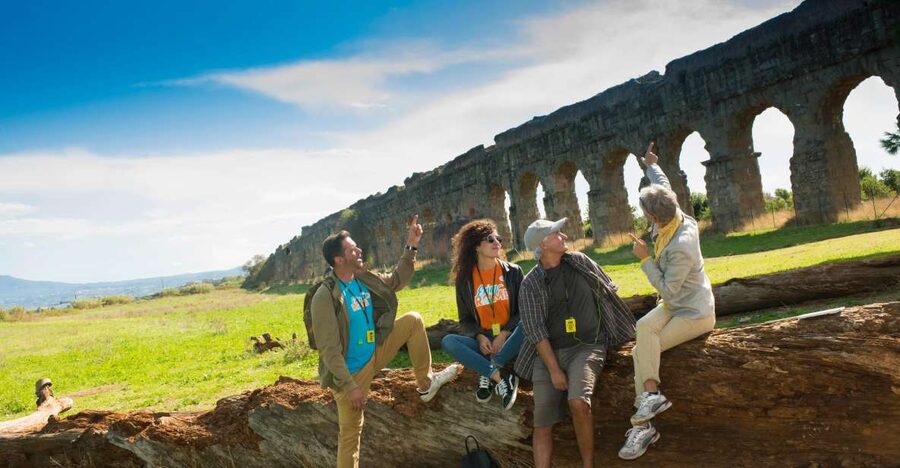
Then you move into one of Rome’s most iconic “outside the center” sensations, walking along part of the Appian Way. This road matters because it’s old in a direct way, older than the Rome you’ll feel walking around the Trevi Fountain area. The stone and the route itself bring you closer to how Romans moved goods, armies, and people.
You’ll also pass scenery that feels calmer than central Rome. That contrast is part of the value: you get a different mood, less rush, more open air, and views that let you breathe.
After the Appian Way segment, the tour heads toward the aqueduct area, associated with Parco degli Acquedotti in the experience details. This is where Roman engineering stops being “a chapter in a book” and becomes something you can actually look at from a comfortable path.
Some people note that the coach or van gets positioned under aqueduct structures so you can experience their scale quickly. Then you get walking time for better views. It’s a great pairing with the catacombs because both reflect how people built systems for very different needs: one for burial and community memory, the other for water and city survival.
What the guides add, from Catia to Marije
A tour lives or dies by the guide, and this one gets strong praise for storytelling and clarity. You’ll likely hear from different guides across dates, but names like Catia, Marije, Katya, Lara, Francesca, and Maria come up again and again, often described as engaging, fun, and willing to answer questions.
The best part is not just facts. The guides are praised for helping you connect what you’re seeing to the larger Rome story, including details you might pass by later. That’s why the transit time matters: guides often point out what you’re seeing along the road and how it fits together historically.
You’ll also appreciate the “two-level” approach. There’s the specialist catacomb portion, then the outdoor portions like Appian Way and aqueducts where the guide brings engineering and geography into focus. It creates a full picture instead of three disconnected stops.
Comfort tips: heat, stairs, and how to dress
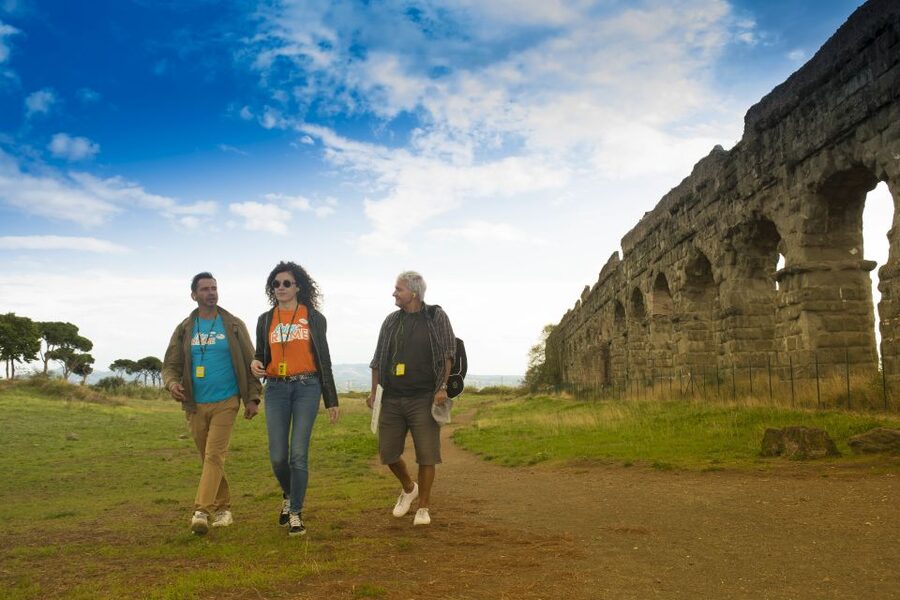
Catacombs are cool compared to summer Rome, but you still may start the day in heat and finish in sunlight. Planning matters. Wear comfortable walking shoes because you’ll be on your feet during the Appian Way portion and while moving around entrances.
Stairs and uneven steps are part of the catacomb experience, and some reviews specifically mention that ability to go up and down matters. If walking is difficult, you’ll want to think carefully. This tour is also not wheelchair accessible.
Dress code is strict because you’re visiting places of worship and related sacred spaces. No shorts, no short skirts, and no sleeveless shirts. For women, shoulders must be covered and skirts or trousers must be below knee level. For men, sleeveless shirts are not allowed.
Two more small, practical notes: you’ll need to accept that photos are not allowed in the catacombs, and headsets are provided so you can hear the guide easily. That setup tends to make a real difference when sound bounces weirdly in tunnels.
Is it good value at about $80 for 3 hours?
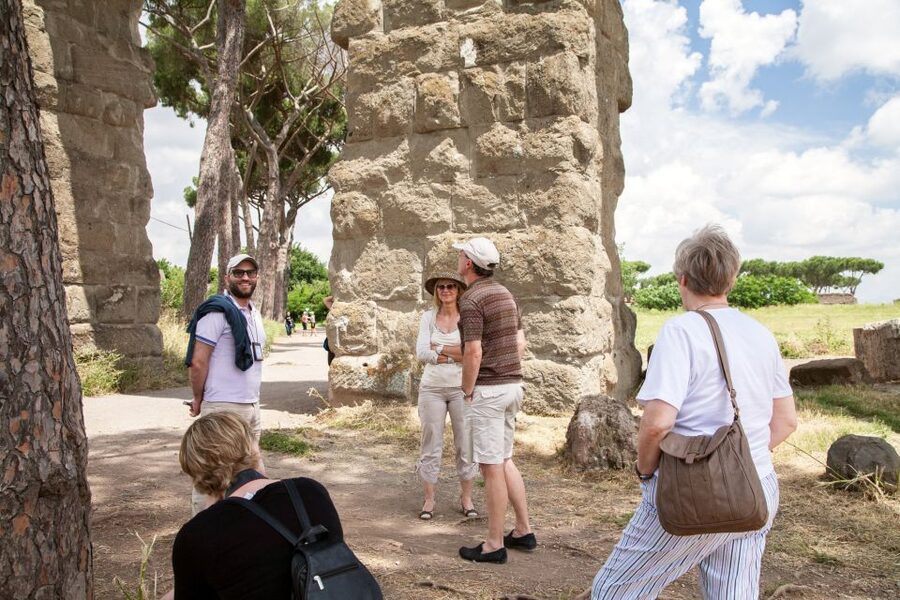
At $80 per person for a 3-hour guided experience, you’re not paying for “a long day.” You’re paying for access, interpretation, and the convenience of transport.
Here’s why that can be good value. First, you’re getting entry and a booked, guided catacomb visit to a site many people can struggle to reach efficiently. Second, you’re bundling in multiple major themes in one morning or early afternoon: early Christian burial culture, a Cecilia Metella exterior look, a slice of the Appian Way, and aqueduct-area views.
So the cost is partly about time saved. Getting from central Rome to these locations can mean multiple transfers or a lot of planning. The included transport from and back to the meeting point reduces stress, especially if you’re trying to fit this into a tight itinerary.
The other value driver is the guide quality. Many people highlight how guides make the history come alive with clear explanations and humor. When the guide is strong, a shorter tour becomes more satisfying because you’re not wasting time figuring things out yourself.
Who should book this catacombs and Appian Way tour?
Book it if you want a Rome experience that feels outside the usual postcard loop. This tour is great for history fans who like their facts tied to real spaces. It’s also a strong choice if you’ve already seen the biggest city-center hits and you want something that changes your mood.
You’ll likely enjoy it if you:
- Like early Christianity and want context beyond museum labels
- Want Roman engineering without the full crush of central landmarks
- Prefer a guided explanation that connects catacombs to the broader story of Rome
- Want fewer crowds and a more peaceful walk along ancient roads
Avoid it if you:
- Have severe claustrophobia due to the catacomb setting
- Need wheelchair access, since the tour is not wheelchair accessible
- Want to take photos inside the catacombs, since photography is not allowed
Should you book this tour or skip it?
If you’re deciding between another city-center stop and something different, I’d lean toward booking this. The mix is hard to beat: catacombs with early Christian art, the Appian Way on old stones, and aqueduct views that remind you why Romans were so good at building systems.
The biggest “no” is claustrophobia or mobility limits. If those aren’t issues for you, the tour is a smart way to see Rome from a completely different angle in just a few hours. You’ll likely walk away with a stronger understanding of how burial, belief, and engineering all shaped how Rome worked.
FAQ
How long is the Rome Catacomb of St. Callixtus and Appian Way guided tour?
The tour duration is 3 hours.
Where is the meeting point, and which metro station is closest?
Meet at the bus stop on Via Cavour 224. The nearest metro station is Cavour on Line B. Show up about 25 minutes early.
Is hotel pickup included?
No. Pickup from hotels is not included.
Is lunch included?
No. Lunch is not included.
Are photographs allowed in the catacombs?
No. Taking photographs is not permitted in the catacombs.
What is the dress code?
Shorts, short skirts, and sleeveless shirts are not allowed. For women, shoulders must be covered and skirts or trousers must be below knee level.
Is the tour wheelchair accessible?
No. This tour is not wheelchair accessible.
Is it suitable for people with claustrophobia?
It is not recommended if you suffer from severe claustrophobia.
What’s included in the tour price?
Included items are transport from and to the meeting point, a 3-hour guided tour, guided tour to the Catacombs of St. Callixtus, entrance and booking fees, and headsets.
What happens if the tour does not have enough participants?
This tour requires a minimum of 5 participants. If there are not enough participants, it may be rescheduled or cancelled, with a full refund, and you will be informed in advance.
Rome Catacombs, Basilicas & the Appian Way, top to bottom.
 ★ 4.6Naples: Catacombs of San Gennaro Entry Ticket & Guided TourFrom $157,941 reviews
 ★ 4.6Rome: Crypts and Catacombs Underground Tour with TransfersFrom $745,341 reviews
 ★ 4.5The Original Roman Crypts and Catacombs Tour with TransfersFrom $664,896 reviews
 ★ 4.6Rome: Catacombs of St. Callixtus Entry Ticket & Guided TourFrom $163,037 reviews
 ★ 4.6Rome: Guided Roman Catacombs Tour with TransfersFrom $651,830 reviews
 ★ 5.0Rome EBike Tour: Appian Way, Catacombs & Roman AqueductsFrom $1021,766 reviews
 ★ 4.9Rome: Appian Way, Catacombs, & Roman Aqueducts E-bike TourFrom $851,421 reviews
 ★ 4.9Rome:Appian Way E-bike Tour with Catacombs, Aqueducts & FoodFrom $961,210 reviews
Filed under