
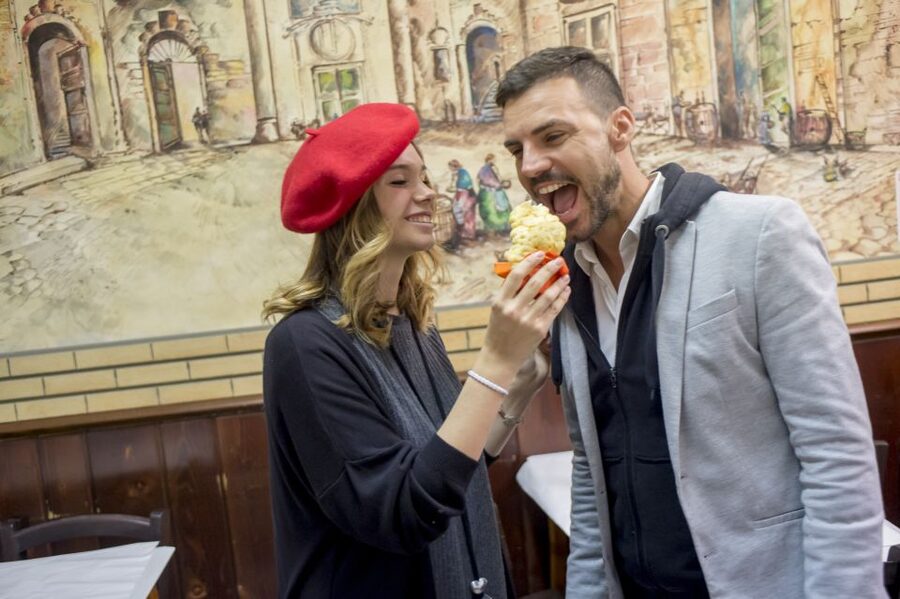
Reviewed · WINE TOURS
Rome: Food Tour and Wine Tasting in a Traditional Trattoria
Rome tastes best on foot. This 4-hour route strings together the kinds of Roman meals you actually want to remember, starting in lively Campo de’ Fiori and ending in the restaurant-heavy streets of Trastevere.
I especially like the first stop baccalà, crispy fried salted cod, paired with a carefully chosen glass of Italian wine. The second thing I like is the built-in payoff in Trastevere, where you sit for a proper supper with antipasto, two first courses, and two Italian wines. One possible drawback, expect a moderate amount of walking, and the tour is not wheelchair accessible.
In This Review
- Key reasons this tour works
- Rome’s best bites start in Campo de’ Fiori, then swing to Trastevere
- The guides earn their keep, from Katia to Fiammetta
- Stop 1 at Dar Filettaro: baccalà fritto and wine that makes sense
- Viola for ham and cheese: the clean, classic intro
- Da Venanzio for supplì: crispy rice balls with molten joy
- Ristorante Spaghetteria: Roman pasta, fried zucchini flowers, and wine pairing
- Trastevere supper: antipasto, two first courses, and two Italian wines
- Gelateria Gunther to close the loop with real Italian ice cream
- Price and value: what $100 buys you in Rome time and food
- Pacing, comfort, and who should book
- Should you book this Rome food and wine tour?
- FAQ
- Where is the meeting point?
- How long is the tour?
- How much does it cost?
- What is included in the price?
- Is pickup or drop-off included?
- What language is the guide?
- Is the tour wheelchair accessible?
- Are pets allowed on the tour?
- Can you handle dietary requirements?
- What foods and drinks can I expect to taste?
- FAQ
- What is the cancellation policy?
- Can I reserve without paying right away?
Key reasons this tour works

- Campo de’ Fiori to Trastevere gives you a real change of scenery, not just one busy neighborhood loop
- Baccalà first means you start with something crunchy, iconic, and very Roman-Jewish in origin
- Street food plus sit-down dinner keeps the pacing fun and then ends with a full meal
- Wine pairings at multiple stops help you understand what you are tasting, not just what you are eating
- Gelato to finish is the easy, civilized way to end the night without wrecking your stomach
Rome’s best bites start in Campo de’ Fiori, then swing to Trastevere
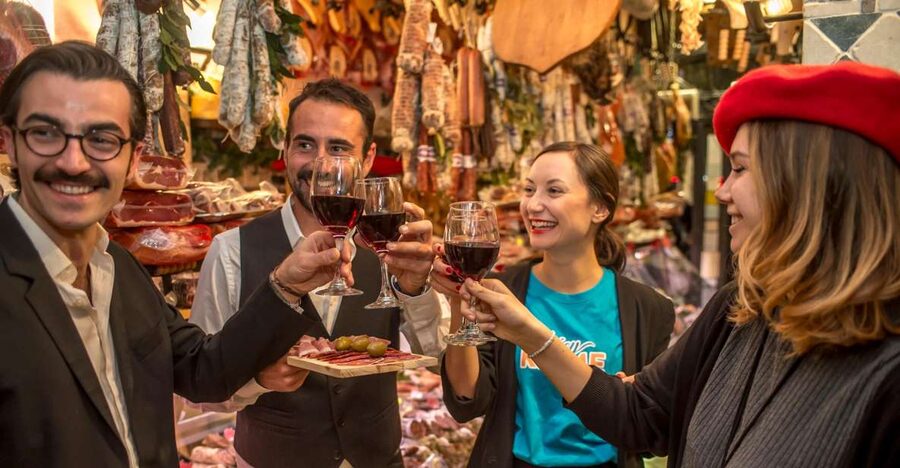
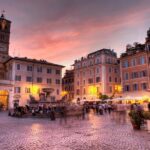
You meet at Campo de’ Fiori, in front of the restaurant La Carbonara. From there, you head into a walking itinerary that feels like a food compass. The route matters because it connects two of Rome’s most fun “eat and wander” areas, rather than bouncing around for transfers you do not need.
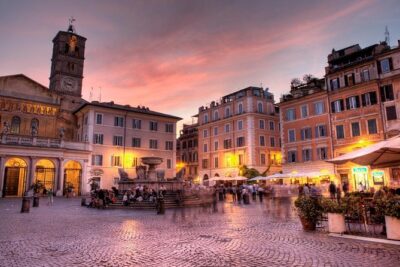
Campo de’ Fiori is all energy. Trastevere is all atmosphere, the kind of place where you slow down because the streets are inviting. That shift is a big part of why the experience feels like more than a checklist of tastings.
Our reviewers also walked through other food outings in Rome.
- Winner 2025 Rome Twilight Trastevere Food Tour by Eating Europe
★ 5.0 · 5,157 reviews - Rome: Trastevere or Jewish Quarter Street Food Tour
★ 4.8 · 3,839 reviews - Rome Food Tour: Unlimited Tastings with Fine Wine & Barolo
★ 5.0 · 3,365 reviews - Rome: Trastevere Food tour with Free-Flowing Fine Wine
★ 5.0 · 2,853 reviews
The guides earn their keep, from Katia to Fiammetta
This tour’s reputation is strongly tied to the guide. Names show up again and again in the feedback, including Katia or Cátia, and also Fiammetta, plus other guides who keep groups moving and happy. The best part is not just facts. It is the way the guide ties food to place, and helps you understand why a dish is popular where it is eaten.
I also like that the tour does not treat you like a passive audience. You are guided through each stop, but you also get that “walk with someone who loves the city” feeling. That shows in how guides handle larger groups with patience.
If you are picky about attention and pacing, pay attention to group size. One comment suggests a maximum group size is best when it stays around 10 to 12. Another highlights a guide who managed a bigger group of over 20. So if you want quieter, more personal service, you might prefer smaller groups when possible.
Stop 1 at Dar Filettaro: baccalà fritto and wine that makes sense
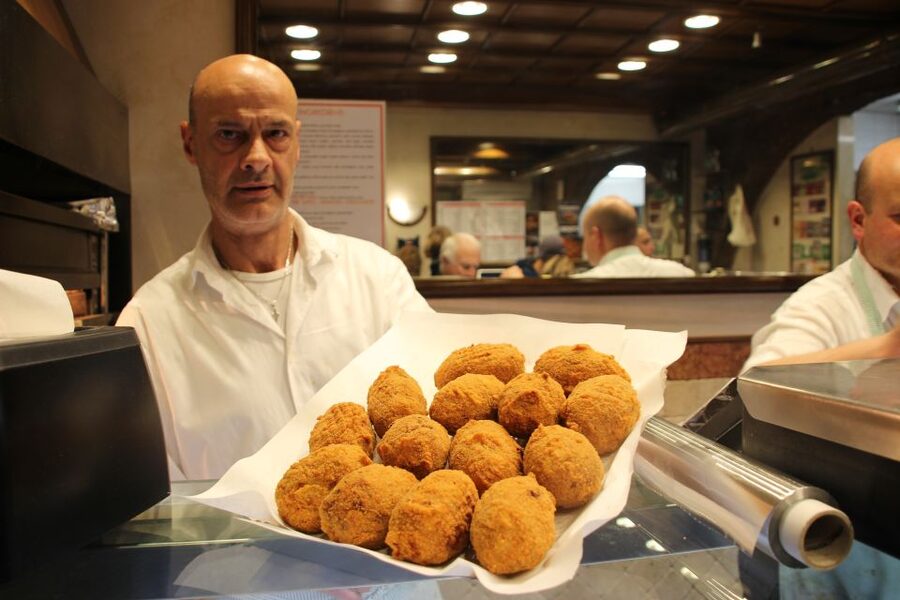
The tour starts with one of Rome’s most traditional specialties: fried baccalà. This is crispy on the outside and tender inside, and it is a classic Jewish-Roman dish. That background matters, because it explains why this dish feels so “local” in a city that mixes influences.
What you’ll get here is straightforward: fried baccalà plus a glass of Italian wine that is meant to go with it. The value is in the pairing logic. Salty, fried fish tends to need something that can handle richness without tasting flat. Starting with wine early also sets your taste buds up for the rest of the night.
A small consideration: if you do not like fried seafood, this might not be your favorite first bite. But it is also the easiest way to get why Romans treat this as comfort food.
Viola for ham and cheese: the clean, classic intro
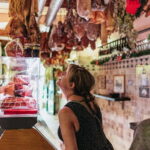
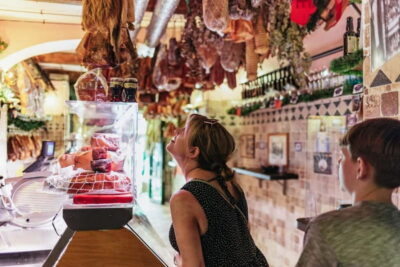
Next is Viola, a stop built around Italian cured meats and cheese. It is not flashy, and that is why it works. You get a simple but essential introduction to Roman flavors, with high-quality cured ham and local cheeses.
This part is useful because it teaches you the difference between “tasting random cheese” and tasting with purpose. Cold cuts and cheese are also a smart reset before you hit heavier fried items and pasta. Expect a guided experience where the guide helps you notice differences instead of just moving you along.
Da Venanzio for supplì: crispy rice balls with molten joy
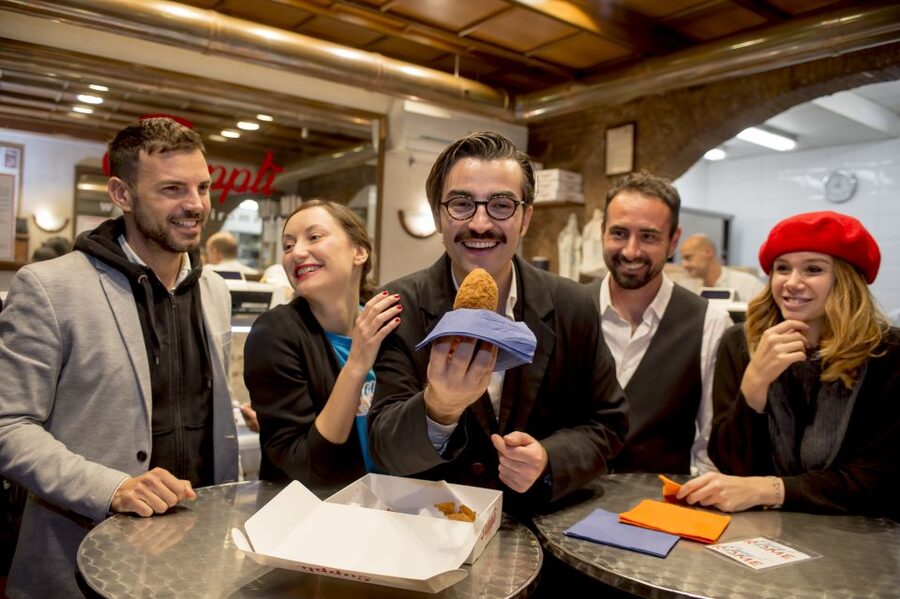
In Trastevere, you stop at Da Venanzio for supplì, Rome’s famous fried rice balls. The key detail here is what is inside: tomato rice and melted mozzarella. When it comes right, the outside is crisp and the center is gooey, like the best kind of snack chemistry.
This stop is also a great “feel Rome” moment. Supplì is street food, not fine-dining theater. You are standing and eating in a way that matches how locals grab bites, then you keep walking.
If you are cautious about very cheesy, stretchy textures, know what you are choosing. But if you like crispy comfort food, this is one of the most satisfying tastes on the route.
Ristorante Spaghetteria: Roman pasta, fried zucchini flowers, and wine pairing
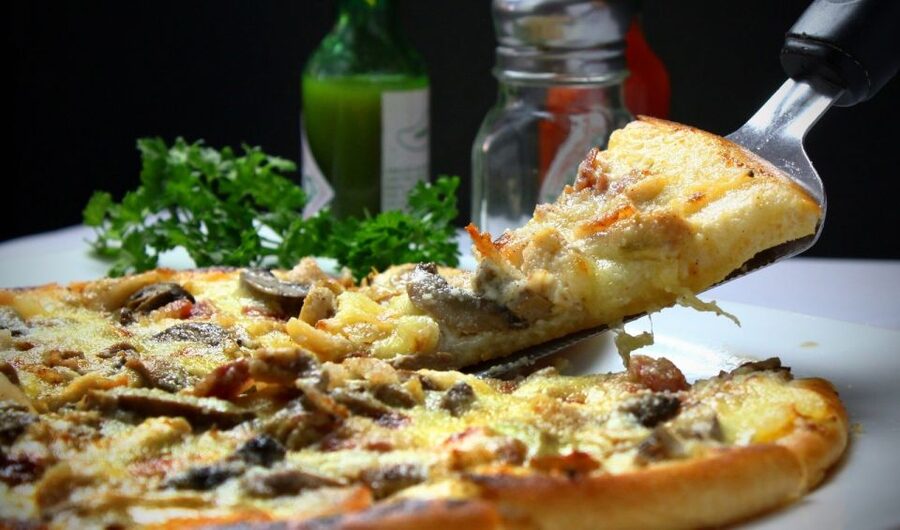
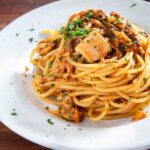
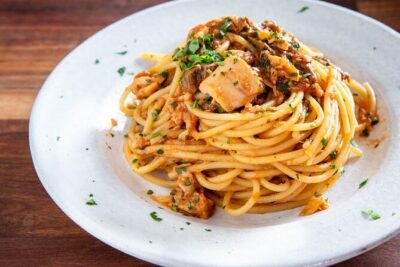
Now you get to sit down and eat like a Roman. At Ristorante Spaghetteria, you taste key Roman dishes including cacio e pepe and amatriciana, plus fried zucchini flowers (fiori di zucca). You also get wine pairing here, which matters because these pasta styles can be very different in texture and intensity.
Here is what makes this stop feel real:
- Cacio e pepe is pepper-forward and creamy, built around cheese and black pepper. The wine needs to handle fat and spice without turning everything harsh.
- Amatriciana leans rich and savory, often with tomato and pork elements. This kind of sauce usually loves a wine that can stand up to the flavor load.
- Fried zucchini flowers add something seasonal and lighter than you might expect, still crisp, still shareable.
A potential drawback is seating time. Pasta stops can slow groups down, especially if the group is large. It is not a problem if you expect a full-food evening and you do not rush.
Kept in the same folder as this one, food and drink outings in Rome.

Trastevere supper: antipasto, two first courses, and two Italian wines
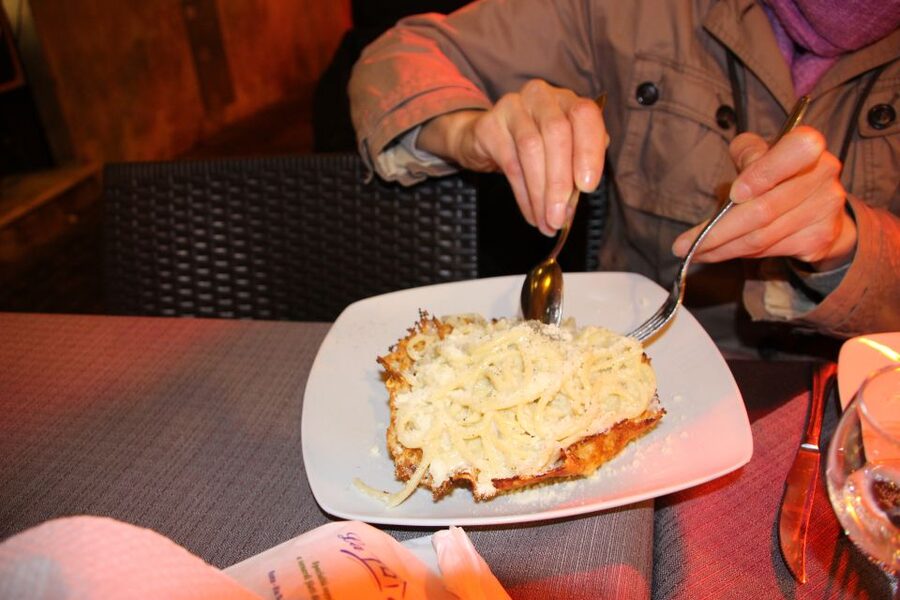
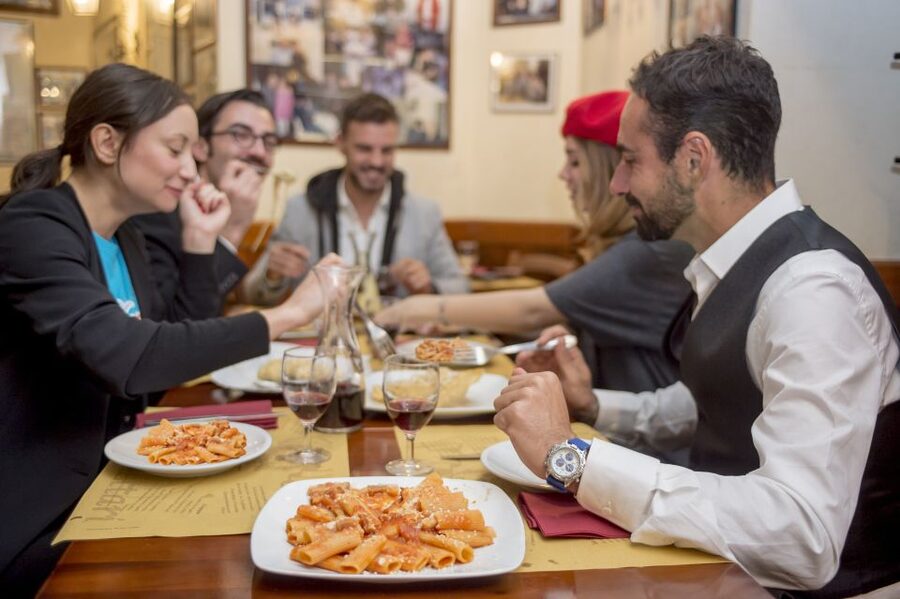
After the walking stops, the tour ends with a sit-down meal in Trastevere, one of the city’s best restaurant neighborhoods. This is where you finally get that “okay, I am eating dinner in Rome” feeling.
You are served Roman-style antipasto and two first courses, paired with two different Italian wines. The description also notes these wines are of protected production and origin. That is a hint that you are not just getting random house pours. The pairings are picked with the food in mind.
One practical tip: come hungry. Multiple people stress not to eat beforehand because the tour is not a light sampling. You end up with plenty of food, enough that the gelato finish feels like dessert, not damage.
Gelateria Gunther to close the loop with real Italian ice cream
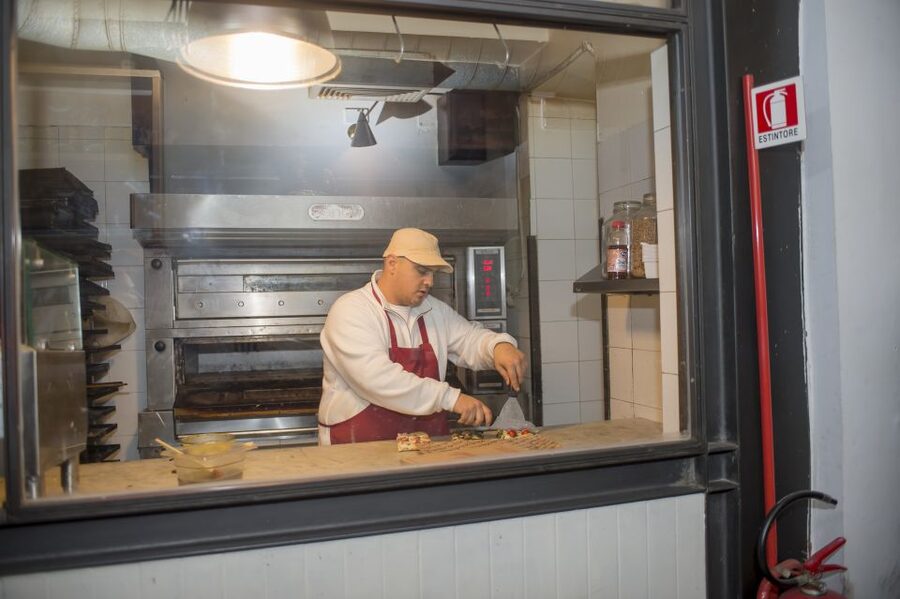
The last stop is Gelateria Gunther for artisanal gelato. You get to choose flavors and enjoy that final taste while strolling in Trastevere.
This is more than a sweet ending. It is also a smart way to wrap your taste experience. If your night includes fish, fried foods, pasta, and cheese, gelato resets your palate and helps you remember the whole arc of flavors.
Pick flavors that give you contrast. If you spent the night on salty and savory, choose something fruity or creamy. If you want to stay classic, you can go for chocolate or hazelnut style options.
Price and value: what $100 buys you in Rome time and food
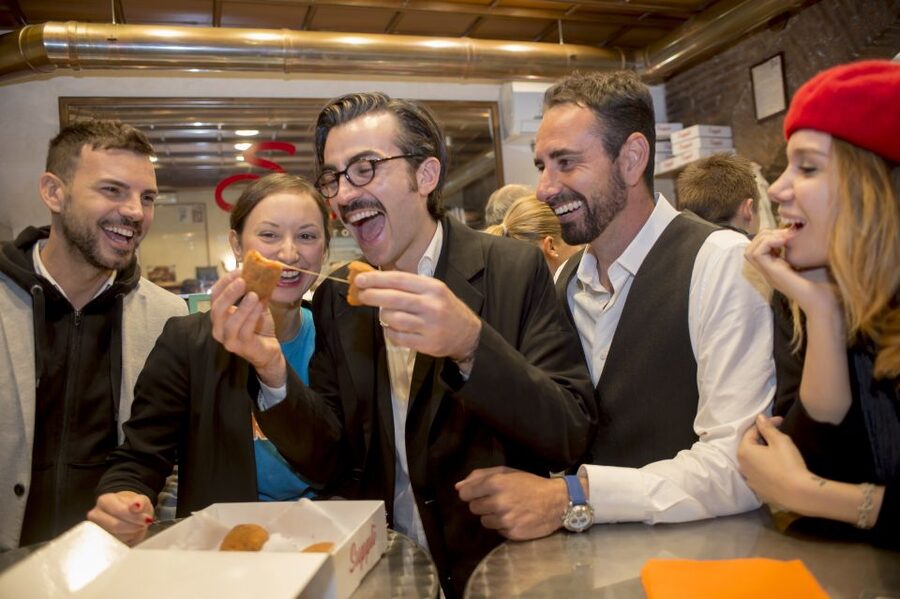
At $100 per person for about 4 hours, this is not a “cheap snack tour.” You are paying for three things that add up quickly in Rome: a guided route, multiple tastings, and wine service across the experience.
What makes it feel like value is that it does not stop at one bite per stop. You get a sequence of meaningful Roman items: baccalà, cheese and cured ham, supplì, Roman pasta classics with fried zucchini flowers, then a dinner that includes antipasto and two first courses with two wines, and finally gelato.
Also, it saves you from the hardest part of planning in Rome. You are not guessing where to eat, what to order, and how to pair wine. The guide gets you into places and helps you eat efficiently while still enjoying the city.
Pacing, comfort, and who should book
This is a walking tour with a moderate amount of walking. It is not wheelchair accessible, and pets are not allowed. If you have mobility limits, you should think twice.
For comfort:
- Wear shoes you can stand in for a few hours.
- Plan for getting full. The tour is designed around that.
- If you have dietary needs, advise of them when booking. The info says you should flag specific dietary requirements, and the team can respond based on their options.
Who this suits best:
- First-time visitors who want an efficient food intro to Rome
- People who like wine pairings and want to taste with context
- Anyone who gets bored with “just walking photos” and wants a food reason to slow down
Should you book this Rome food and wine tour?
I think you should book it if you want a concentrated Rome evening built around classic flavors, a real dinner finish, and wine pairings that are part of the point. The stop selection is smart: fried baccalà starts strong, supplì keeps it street-level fun, Roman pasta turns it into a proper meal, and gelato ends the night clean.
If you hate fried foods, cannot handle moderate walking, or want a quiet, small-group experience with very little food, this may not match your style. But if you are game for a full 4-hour tasting and you want the kind of Rome meal that makes you feel like you understood the city’s food culture, this is a very solid choice.
FAQ
Where is the meeting point?
Meet your guide at Campo de’ Fiori square, in front of the restaurant La Carbonara.
How long is the tour?
The tour lasts 4 hours.
How much does it cost?
It costs $100 per person.
What is included in the price?
Food, wine, a live guide, and a walking tour are included.
Is pickup or drop-off included?
No. Pickup and drop-off are not included.
What language is the guide?
The live guide is in English.
Is the tour wheelchair accessible?
No, the tour is not wheelchair accessible.
Are pets allowed on the tour?
Pets are not allowed.
Can you handle dietary requirements?
You should advise of any specific dietary requirements at the time of booking.
What foods and drinks can I expect to taste?
You’ll taste fried baccalà (Roman-style salted cod), cured ham and cheese, supplì, Roman pasta dishes including cacio e pepe and amatriciana, fried zucchini flowers, Roman antipasto and two first courses with Italian wines, and artisanal Italian gelato.
FAQ
What is the cancellation policy?
You can cancel up to 24 hours in advance for a full refund.
Can I reserve without paying right away?
Yes, reserve now and pay later is offered.
The Rest of Our Food Outings in Rome
Our Wider Tours File for Rome


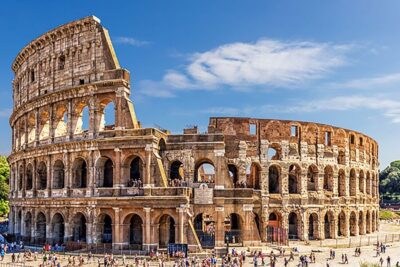
Not quite the day you had in mind? The rest of our Rome write-ups sit below
- Rome: Guided Tour of St. Peter’s Dome Climb, Basilica & Vatacombs★ 5.0 · 167 reviews
- St. Peter’s Basilica Guided Tour with Reserved Entrance★ 4.0 · 168 reviews
- Golf Cart Driving Tour in Rome: 2.5 hrs Catacombs & Appian Way★ 5.0 · 168 reviews
- Rome: Trastevere Wine Tasting with Food Pairing and Gelato★ 4.9 · 168 reviews
- Guided Tour of the Colosseum Palatine Hill and Roman Forum★ 4.7 · 168 reviews
- Vatican Museums, Sistine Chapel & Saint Peter’s Semi-Private Tour★ 4.5 · 169 reviews
- Hidden Rome: Small Group E-Bike Tour with Street Food Stops★ 5.0 · 169 reviews
- Rome: Papal Audience with Pope Leo IV★ 3.9 · 169 reviews
- Rome Golf Cart Tour: Highlights & Must See★ 4.5 · 170 reviews
Wine Tours, top to bottom.
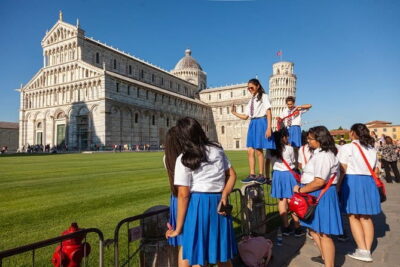 ★ 5.0Tuscany Day Trip from Florence: Siena, San Gimignano, Pisa and Lunch at a WineryFrom $11421,634 reviews
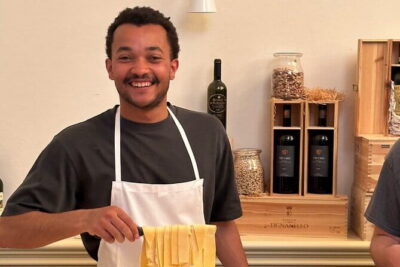 ★ 4.9Florence: Pasta Cooking Class with Unlimited WineFrom $2110,285 reviews
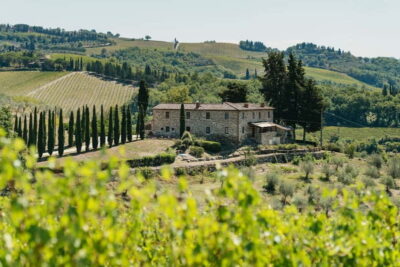 ★ 4.5Florence: Chianti Wineries Tour with Wine TastingFrom $568,301 reviews
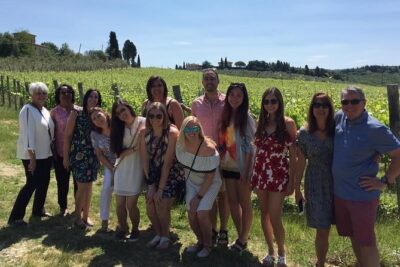 ★ 5.0Small-Group Wine Tasting Experience in the Tuscan CountrysideFrom $1077,392 reviews
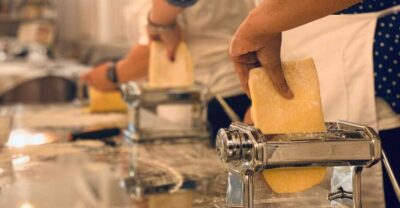 ★ 4.9Florence: Pasta & Tiramisu Cooking Class with Unlimited WineFrom $566,708 reviews
★ 5.0Florence: Pasta Cooking Class with Unlimited Wine6,413 reviews
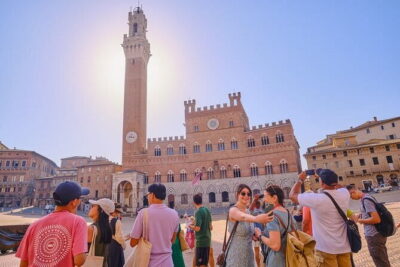 ★ 4.5Pisa, Siena and San Gimignano Day Trip with Lunch & Wine PairingFrom $786,006 reviews
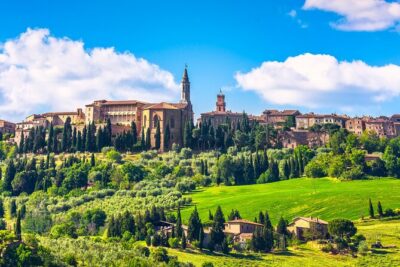 ★ 4.5Rome: Tuscany & Montepulciano Day Trip with Lunch & Wine TastingFrom $835,232 reviews
Filed under