
Reviewed · FOOD & DRINK
Rome Food Tour in the Historic Centre with 8+ Food Tastings
Rome is best eaten slowly. This 3-hour food walk packs in 8+ tastings across the Historic Centre without turning into a museum day. You’ll move from iconic squares into a neighborhood that still feels lived-in, and every stop pairs a bite with the place it came from.
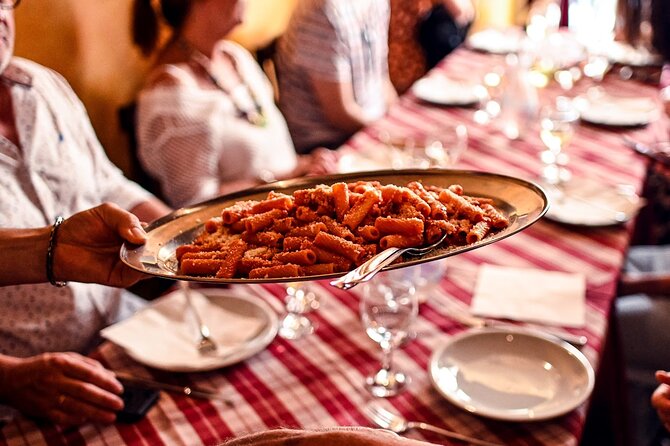
What I like most is the sheer food volume, including two types of homemade pizza plus two Roman pastas. Second, the pacing works: you get history tied to real eating habits, not just facts on a plaque. One thing to plan for, though, is that it’s a serious walking tour, and you really will end up full.
In This Review
- Key Takeaways Before You Go
- A Three-Hour Rome Food Walk That Actually Feeds You
- Start at Piazza Navona, Then Let the Square Set the Mood
- The French Embassy Palace Stop: High-Renaissance Beauty, Low-Key Food Talk
- Crossing Into the Roman Ghetto: Food in a Neighborhood With Deep Roots
- Fontana dei Quattro Fiumi and Ancient Footsteps
- Campo de’ Fiori: The Square That Explains Street Life
- Ending at Largo di Torre Argentina: Temples, Theatre, and Your Finale
- What You Actually Eat: Pizza, Supplì, Pastas, Gelato, Cannoli, and the Secret Dish
- Price and Value: Is $118.51 Worth It?
- Logistics That Matter More Than They Sound
- My Take: Who This Tour Fits Best
- Should You Book This Rome Food Tour?
- FAQ
- How long is the Rome Food Tour?
- What’s the price per person?
- Is the tour offered in English?
- Where does the tour start and end?
- How many people are in the group?
- What food is included?
- Is alcohol included, and is there an age requirement?
- Can I bring a pet?
- What if the weather changes?
Key Takeaways Before You Go
- Eight-plus tastings across multiple classic Roman dishes, not just one meal’s worth
- Small group size (max 12), which makes questions and food explanations easier
- Stops built around Piazza Navona, the Jewish Ghetto, Campo de’ Fiori, and Largo di Torre Argentina
- You’ll sample homemade pizza, supplì, cold cuts and cheeses, cannoli, and gelato, plus a Secret Dish
- Alcohol is part of the experience for some tastings, with a minimum drinking age of 18
A Three-Hour Rome Food Walk That Actually Feeds You
This tour is built for people who want Rome in two languages: Italian food and the stories behind it. In about three hours, you’ll be guided through some of the city’s most recognizable neighborhoods, while a steady string of tastings keeps things from feeling like a long lecture.
The value is not just the price. It’s that $118.51 buys you real portions at multiple spots: pizza, pastas, street snacks, dessert, and gelato, plus that extra Secret Dish. If you’re trying to cram “must-eats” into a limited time in Rome, this format makes sense.
And yes, the reviews do point to one repeatable theme, guides who connect food and context well. Names that show up often include Massimiliano, Rocio, Manuel, Luda, Federico, and Eduardo, with people praising how they explain both the dishes and the neighborhoods.
Our reviewers also walked through other food outings in Rome.
- Winner 2025 Rome Twilight Trastevere Food Tour by Eating Europe
★ 5.0 · 5,157 reviews - Rome: Trastevere or Jewish Quarter Street Food Tour
★ 4.8 · 3,839 reviews - Rome Food Tour: Unlimited Tastings with Fine Wine & Barolo
★ 5.0 · 3,365 reviews - Rome: Trastevere Food tour with Free-Flowing Fine Wine
★ 5.0 · 2,853 reviews
Start at Piazza Navona, Then Let the Square Set the Mood
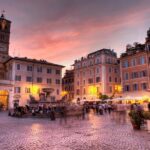
You begin at Sant’Agnese in Agone, Piazza Navona, 14, and from the first minutes, you get a classic Rome setup: fountains, baroque drama, and a food culture that’s been here for a long time. Piazza Navona sits on the site of an ancient stadium, so it’s a place where the layers are visible even if you’re just looking at the street life.
This stop matters because it’s where the tour tells you how to “read” Rome through eating. You’re in a square where you can easily imagine Romans doing the same everyday things visitors do now: grabbing a quick bite, ordering espresso, and choosing dessert on impulse. It’s also a strong orientation point, which helps later when the walking pulls you into smaller streets.
You can also expect an early taste of the “Rome in your hand” style, the kind of food that’s meant for moving, chatting, and grazing. The tour’s whole method is that you eat as you walk, so by the time you reach the deeper neighborhoods, you’re already in the rhythm.
The French Embassy Palace Stop: High-Renaissance Beauty, Low-Key Food Talk
Next up is a major palazzo tied to the French embassy in Italy. Even if you don’t go inside, the scale and importance of the building change how you see the area. This stop is useful because it sets a contrast: Rome’s grandeur can feel remote, but food culture is still a daily anchor.
For me, that’s where a good food guide earns their keep. They don’t just point at pretty architecture. They connect why wealthy patrons, changing styles, and shifting street life all shaped what people ate and where.
A practical note: don’t expect every stop to be purely about the view. Sometimes the value is how the guide uses the location to explain a food habit, like how certain dishes fit into social life, timing, or neighborhood identity.
Crossing Into the Roman Ghetto: Food in a Neighborhood With Deep Roots
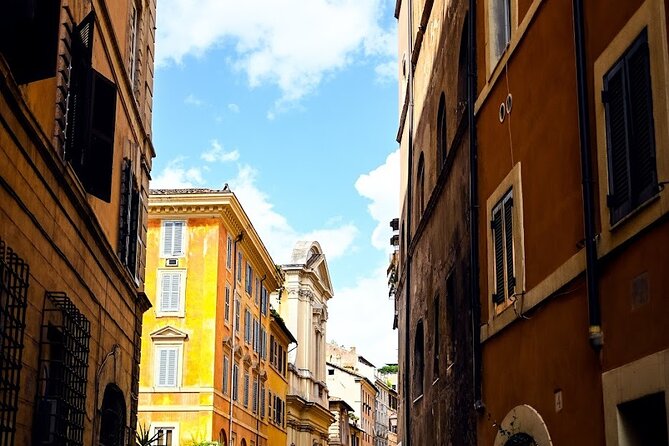
One of the most memorable parts is walking through the Jewish ghetto established in 1555 in the Rione Sant’Angelo. This is not “old town” in a generic sense. It’s a real neighborhood with history that’s still part of the atmosphere.
Why it’s valuable on a food tour is simple. Food traditions don’t survive in isolation. They travel through families, markets, religious calendars, and everyday community life. And in Rome, that shows up in the mix of flavors and the way certain foods became normal street choices.
This stop also helps you understand the logic of the tour’s menu. Roman food is not one flavor profile. It’s a history of trade, migration, and neighborhood identity, all showing up at the level of what you can buy quickly and eat without making it a formal meal.
In reviews, guides often get praised for exactly this kind of connection. People highlight how guides share stories you can’t just Google, and that the history lands because it’s tied to what you’re eating in that moment.
Fontana dei Quattro Fiumi and Ancient Footsteps
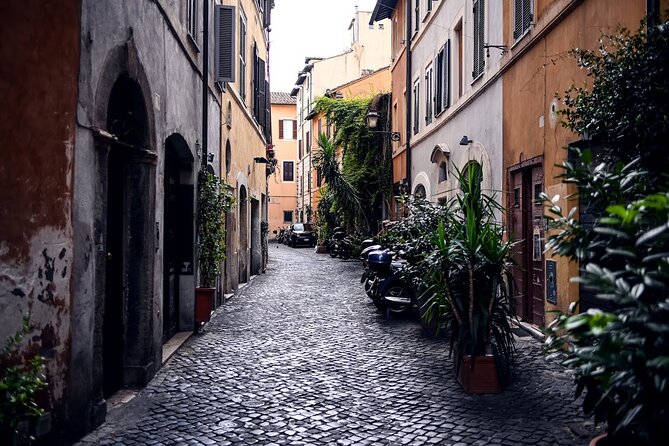
After the ghetto, the route moves toward landmarks that remind you Rome was built in layers, not eras. You’ll see a classical fountain honoring the four rivers, with a Roman obelisk topped by a dove. It’s the kind of scene that instantly makes photos look more “Rome,” but it’s also a checkpoint that helps you track where you are in the city.
Then you’ll pass the remains of an ancient walkway originally built in the 2nd century BC to connect two Roman temples. This is a good moment to slow down mentally. A food tour moves fast by design, so when you hit something like this, it’s a reminder that Roman history isn’t only marble and plaques. It’s infrastructure.
If you like learning through place, this is a strong stretch. The guide can explain why Roman food culture developed the way it did while you’re standing in what used to be part of the city’s movement system.
Campo de’ Fiori: The Square That Explains Street Life
Next is Campo de’ Fiori, the square south of Piazza Navona. The name literally translates to field of flowers, which you’ll understand in a more practical way once you see how the square functions. It’s a classic Roman public space where markets and eating habits meet.
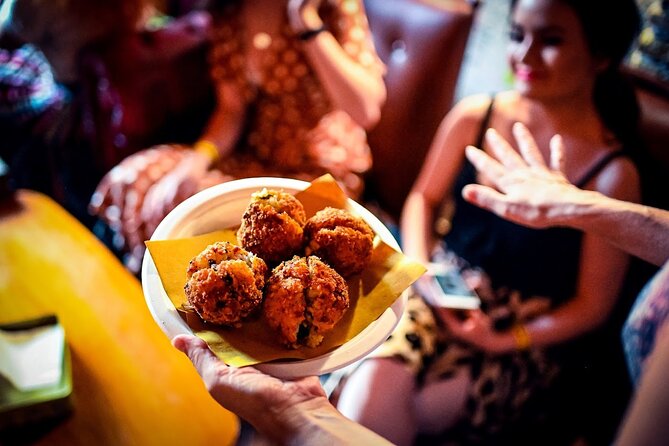
This stop is where street food energy takes center stage. It’s a great setting for tasting dishes that feel designed for real daily life, not formal dining. Think snacks you can eat in conversation: things like supplì, which fits the “quick, satisfying, and absolutely Roman” category.
You’ll also appreciate the tour’s structure here. You’re not just walking from one “picture spot” to another. You’re walking between places with different roles in the city’s food calendar. That makes the food feel more intentional.
Kept in the same folder as this one, food and drink outings in Rome.

Ending at Largo di Torre Argentina: Temples, Theatre, and Your Finale
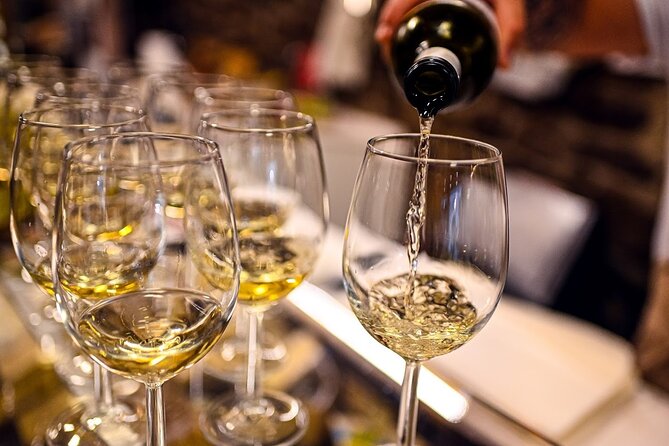
The tour finishes at Largo di Torre Argentina, where you’ll find a square with four Roman Republican temples and the remains of Pompey’s Theatre. The contrast is great. After dessert and gelato, it’s oddly satisfying to end in a place that feels ancient, dramatic, and slightly surreal.
This ending location also makes sense geographically. Torre Argentina is a well-known anchor in the historic center, so it’s easier to plan what comes next after the tour.
If you’re wondering what “a tour ending with a wow factor” looks like, this is it. You’ve eaten through the city’s food culture, and then you step into a setting that makes Rome feel like a continuous story.
What You Actually Eat: Pizza, Supplì, Pastas, Gelato, Cannoli, and the Secret Dish
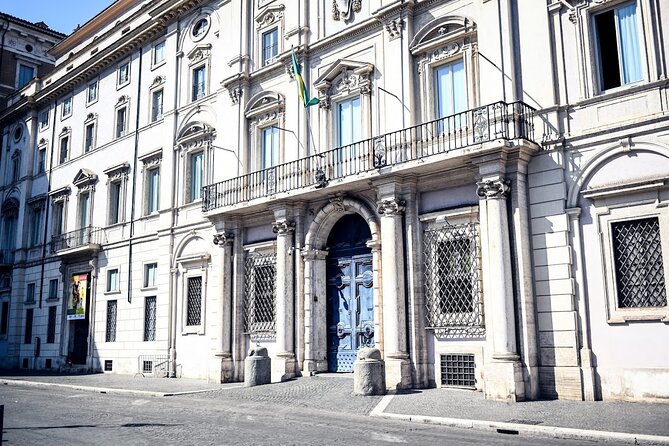
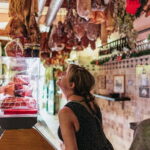
This is a food-first tour, and the included list is clear. Here’s what you should expect to be part of your tasting plan:
- Two different types of homemade pizza
- Supplì
- Italian cold cuts and cheeses
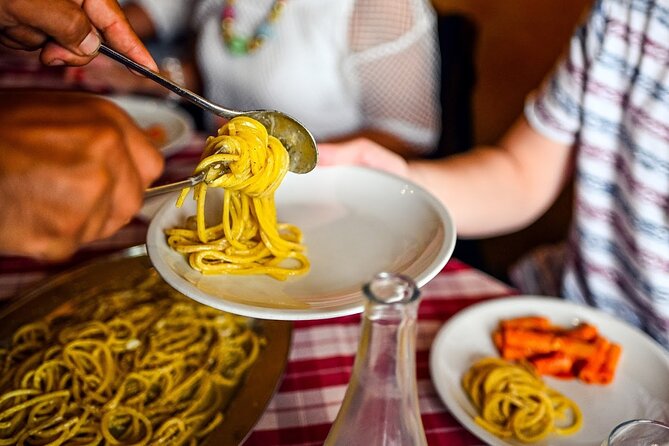
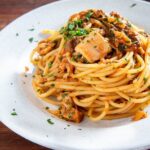
- Two Roman pastas
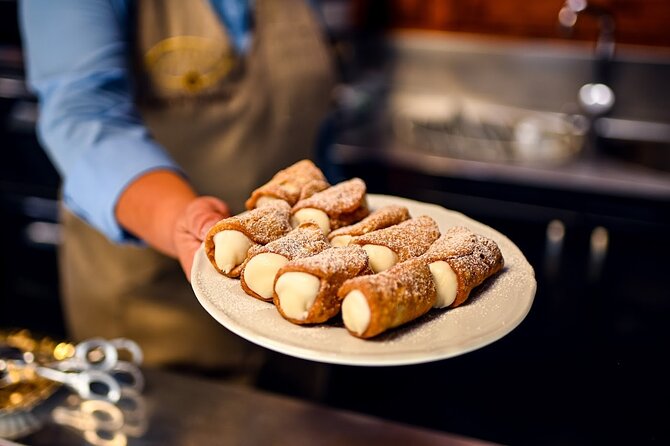
- Cannoli
- Artisanal gelato
- Our Secret Dish
A few things to keep in mind as you plan your day. First, Rome portions are famously generous, and this tour is intentionally built to keep feeding you through the walk. Second, the “8+ tastings” promise is not just marketing language. The included list contains enough variety that you’ll likely feel like you did more than one sit-down meal.
Also, this is where your guide’s ordering matters. A good guide chooses spots that fit the flow, so you don’t end up waiting around or repeating foods. Reviews repeatedly mention that variety, with people describing the spread as full meals worth of food, from pizza and pasta to meats and cheeses, plus espresso and gelato.
If you’re vegetarian, I can at least say one review mentioned vegetarian pasta being offered. That’s a good sign, but it’s not a guarantee for every situation. If your dietary needs are strict, I’d message at booking and ask how they handle them.
Price and Value: Is $118.51 Worth It?
At $118.51 per person for around three hours, you’re paying for three things: guided storytelling, a planned route, and a lot of food in the right order.
Is it cheaper than eating on your own? Not really. But the value is that you don’t have to figure out where to go, what to order, or how to fit it together. You get a pre-built tasting path that also includes key Rome locations, which can save your time if you only have a couple days in the city.
Also, the small group size, maximum 12 travelers, helps the whole experience feel more human. You’re more likely to get answers, and the guide can keep the pacing smooth.
Finally, the tour is English-speaking, which matters. If your Italian is limited, the guide’s explanations can turn ordinary bites into a deeper understanding of why Roman food has the habits it does.
Logistics That Matter More Than They Sound
A few practical points will make or break your experience:
- You’ll use a mobile ticket
- The start is at Piazza Navona (Sant’Agnese in Agone, 14) and you end at Largo di Torre Argentina
- It’s listed as near public transportation, so you can usually plug it into your day without stress
- The minimum drinking age is 18, so if alcohol tastings are part of your plan, plan accordingly
- The operator notes the itinerary and menu can change based on availability and weather, so wear flexible expectations
You should also assume you’ll be eating and walking at the same time. That means comfortable shoes are not optional. Bring water if you tend to get thirsty while walking, and plan your next meal late, or go light on dinner.
A final detail: pets can’t join these tours. If you’re traveling with a dog, you’ll need a backup plan.
My Take: Who This Tour Fits Best
This is a strong pick if you want an organized way to taste Roman staples without spending your precious energy on restaurant research. It’s also good for people who like history but get impatient with slow pacing. This tour keeps the brain busy and the hands full.
It’s especially a good choice if you:
- want a high hit-rate of food types in a single afternoon
- like combining neighborhoods with what people actually eat there
- prefer a small group vibe
It might not be ideal if you:
- hate walking and tight timelines
- have very strict dietary needs you want guaranteed accommodations for
- are trying to keep the day light on food
Should You Book This Rome Food Tour?
Yes, if your priority is tastings plus context, and you want to leave Rome already knowing how Roman classics stack up against each other. The mix of pizza, supplì, pastas, cold cuts and cheeses, cannoli, and artisanal gelato, plus the Secret Dish, is a lot of variety for one guided walk. Add in the route through Piazza Navona, the Jewish Ghetto, Campo de’ Fiori, and Torre Argentina, and you’re getting more than snacks, you’re getting a working map of the city’s food identity.
If you’re unsure, decide based on one question: do you want your Rome day to be about eating your way through neighborhoods? If yes, book it early. The tour is commonly booked about 73 days in advance, and the group is capped at 12.
FAQ
How long is the Rome Food Tour?
It runs about 3 hours.
What’s the price per person?
The price is $118.51 per person.
Is the tour offered in English?
Yes, it is offered in English.
Where does the tour start and end?
It starts at Sant’Agnese in Agone, Piazza Navona, 14, 00186 Roma and ends at Largo di Torre Argentina, 00186 Roma.
How many people are in the group?
The tour has a maximum of 12 travelers.
What food is included?
Included tastings include homemade pizza (two types), supplì, Italian cold cuts and cheeses, two Roman pastas, cannoli, artisanal gelato, and a Secret Dish.
Is alcohol included, and is there an age requirement?
The tour lists a minimum drinking age of 18, so alcohol tastings may be part of the experience.
Can I bring a pet?
No, the tour cannot accommodate pets.
What if the weather changes?
The operator notes that the itinerary and menu can change based on availability, weather, and other circumstances.
If you want, tell me your travel dates and whether you eat vegetarian or anything else specific, and I’ll suggest the best time of day to slot this in for the smoothest schedule.
The Rest of Our Food Outings in Rome
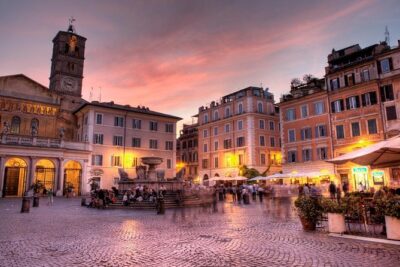
Our Wider Tours File for Rome
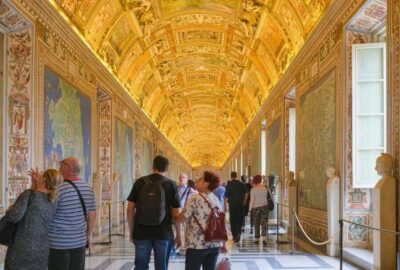

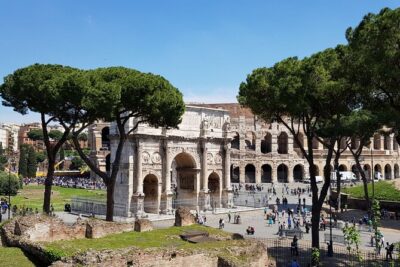
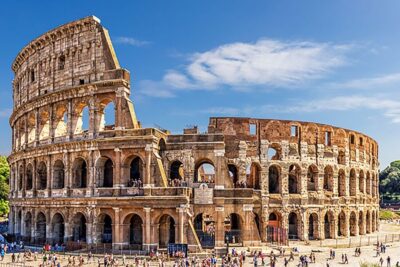
Not quite the day you had in mind? The rest of our Rome write-ups sit below
- Rome: Guided Tour of St. Peter’s Dome Climb, Basilica & Vatacombs★ 5.0 · 167 reviews
- St. Peter’s Basilica Guided Tour with Reserved Entrance★ 4.0 · 168 reviews
- Golf Cart Driving Tour in Rome: 2.5 hrs Catacombs & Appian Way★ 5.0 · 168 reviews
- Rome: Trastevere Wine Tasting with Food Pairing and Gelato★ 4.9 · 168 reviews
- Guided Tour of the Colosseum Palatine Hill and Roman Forum★ 4.7 · 168 reviews
- Vatican Museums, Sistine Chapel & Saint Peter’s Semi-Private Tour★ 4.5 · 169 reviews
- Hidden Rome: Small Group E-Bike Tour with Street Food Stops★ 5.0 · 169 reviews
- Rome: Papal Audience with Pope Leo IV★ 3.9 · 169 reviews
- Rome Golf Cart Tour: Highlights & Must See★ 4.5 · 170 reviews
Food & Drink, top to bottom.
 ★ 4.5Florence: Chianti Wineries Tour with Wine TastingFrom $568,301 reviews
 ★ 5.0Small-Group Wine Tasting Experience in the Tuscan CountrysideFrom $1077,392 reviews
 ★ 4.5Rome: Tuscany & Montepulciano Day Trip with Lunch & Wine TastingFrom $835,232 reviews
 ★ 5.0Winner 2025 Rome Twilight Trastevere Food Tour by Eating EuropeFrom $1255,157 reviews
 ★ 5.0SMALL-GROUP Wine Safaris: Tuscan Wine Tasting Tours from FlorenceFrom $1575,088 reviews
 ★ 4.8Naples: Street Food Walking Tour with Local GuideFrom $474,256 reviews
 ★ 4.8Catania: Mount Etna Morning or Sunset Day Trip with TastingFrom $704,028 reviews
 ★ 4.9From Florence: Small Group Wine Tasting Tour to TuscanyFrom $1053,902 reviews
Filed under