
Reviewed · TRASTEVERE & THE JEWISH GHETTO
Rome: Jewish Ghetto & Campo de Fiori by Night Food Wine Tour
This night walk feeds your curiosity. You start in the Jewish Ghetto at Piazza Mattei, then connect candlelit squares to ancient sites, with stops for food and wine along the way. The route hits Campo de’ Fiori and Piazza Navona, so the history feels like it’s happening right in front of you.
I love the food-and-drink payoff, including wine and beer with up to 15 samples in only four hours. I also love that the guide shares local recipes and neighborhood stories, so each bite has a reason behind it, not just a menu description.
One real consideration is that it’s a walking tour and it is not wheelchair-friendly. Also, it does not accommodate vegans, gluten-free, or dairy-free diets, and it is not a kosher food tour.
In This Review
- Key highlights I think you should know
- Why this Jewish Ghetto and Campo de’ Fiori night tour works so well
- Piazza Mattei start point, then a smart rhythm through the Ghetto
- Seven tasting stops, up to 15 samples, and why that order feels right
- Food and drink tip I’d use
- Jewish Ghetto stories you’ll actually remember
- Piazza Navona at night, Bernini’s Four Rivers, and baroque energy
- Ancient Rome highlights around Theatre of Pompey and major ruins
- Campo de’ Fiori medieval market atmosphere
- What pacing feels like for a 4-hour food and wine walk
- Group size, guides, and the vibe of the evening
- Price and value: $105 for 4 hours, wine included
- Dietary limits and who should book this tour
- Should you book Rome: Jewish Ghetto and Campo de’ Fiori by Night?
- FAQ
- Where do I meet the guide?
- How long is the tour?
- What’s included in the tastings and drinks?
- How many places do we stop to eat?
- Is transportation included?
- Does the tour offer vegetarian options?
- Does the tour accommodate vegans or gluten-free or dairy-free diets?
- Is this tour kosher?
- Is the tour suitable for wheelchair users?
- Does it run in bad weather?
- What are the cancellation terms and payment options?
Key highlights I think you should know
- Meet at Piazza Mattei by the Turtle’s Fountain and get your bearings fast in the Jewish Ghetto
- 7 tasting venues with up to 15 samples, plus wine, beer, and soft drinks
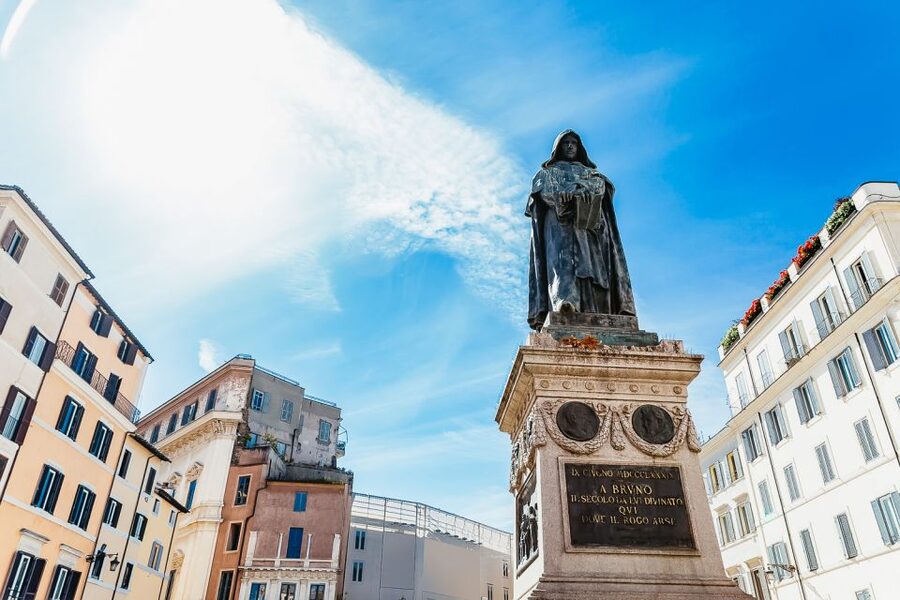
- Piazza Navona by night, including Bernini’s Fontana dei Quattro Fiumi
- Ancient Rome stops that connect the Theatre of Pompey to other major ruins
- Campo de’ Fiori market atmosphere, where the medieval vibe still shapes the streets
Why this Jewish Ghetto and Campo de’ Fiori night tour works so well
Rome at night is when the city starts feeling human. This tour uses that timing on purpose, pairing evening walking with food stops and story stops, so you get both the taste and the context.
What I like most is the balance. You are not just eating your way through neighborhoods, you’re also learning how the streets, markets, and monuments shaped daily life. And since the day is over, you can enjoy the sights without the daytime crowds pressing in.
You should also know this is designed for a small group. Maximum size is 14 people (unless special arrangement), which helps the pace stay friendly and keeps questions from getting lost.
Worth an aperitivo-hour scroll, our other Trastevere and Jewish Ghetto walks in Rome.
- Winner 2025 Rome Twilight Trastevere Food Tour by Eating Europe
★ 5.0 · 5,157 reviews - Rome: Trastevere or Jewish Quarter Street Food Tour
★ 4.8 · 3,839 reviews - Rome: Trastevere Food tour with Free-Flowing Fine Wine
★ 5.0 · 2,853 reviews - Rome: Trastevere & Campo de Fiori Street Food Walking Tour
★ 4.9 · 2,768 reviews
Piazza Mattei start point, then a smart rhythm through the Ghetto
You meet at Piazza Mattei, by the Turtle’s Fountain. It’s a solid start because the Jewish Ghetto area gives you immediate texture, not just a landmark photo.
From there, you stroll through squares and streets that are still tied to restaurant and market life. The tour is built around an easy walking rhythm, where the guide alternates between what you’re seeing and what you’re about to eat next.
A detail I appreciate: the experience isn’t only about famous monuments. It also includes places the guidebooks often skip, and that matters in Rome. When you leave, you should feel like you can return on your own and recognize why a street corner matters.
Seven tasting stops, up to 15 samples, and why that order feels right
This is a progressive dinner style setup. The idea is you keep moving, and the food shows up in stages as you walk, so you’re never stuck in one place for too long.
The tour includes tastings at 7 different eateries, with up to 15 samples overall. That’s a big range for a 4-hour evening, and the drinks are part of the plan too: wine, beer, and soft drinks are included.
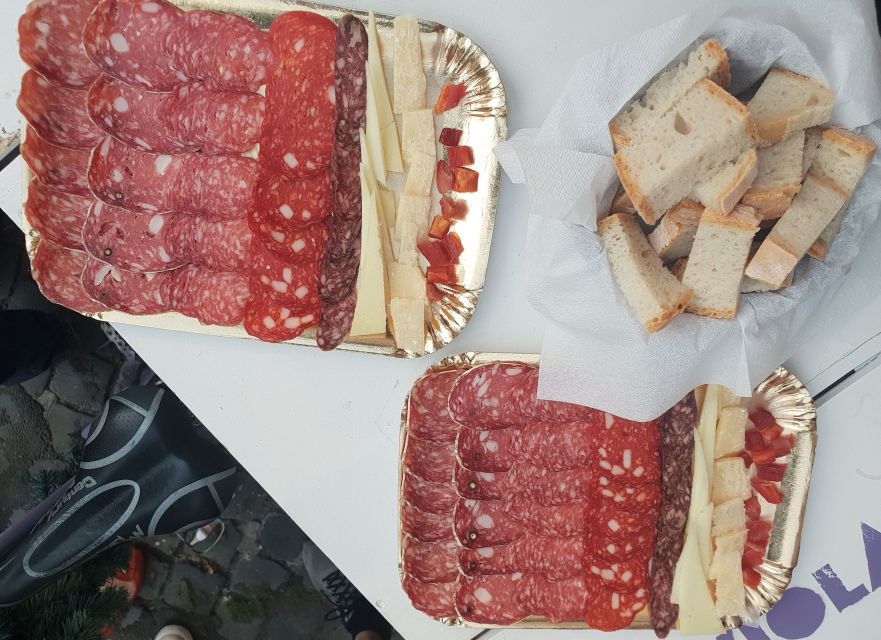
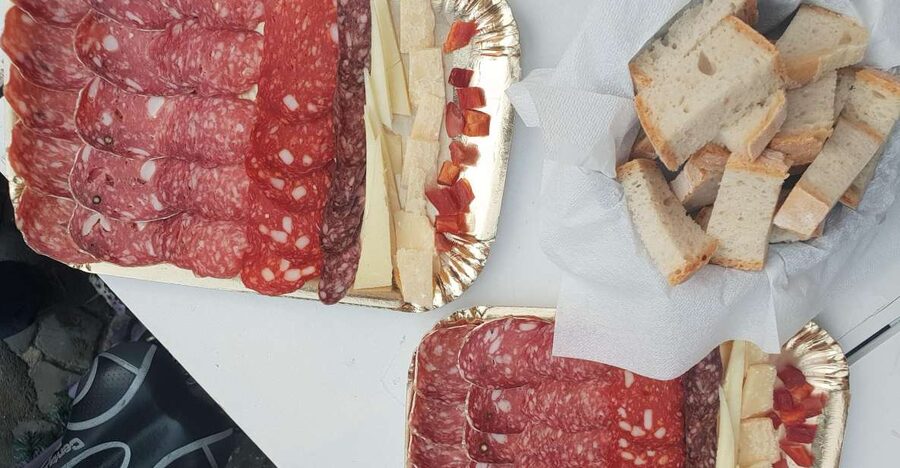
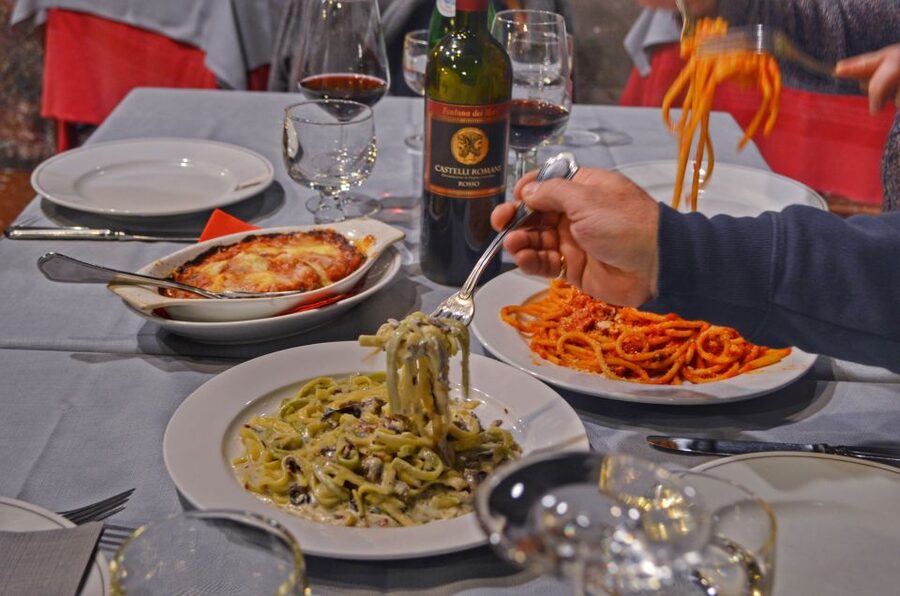
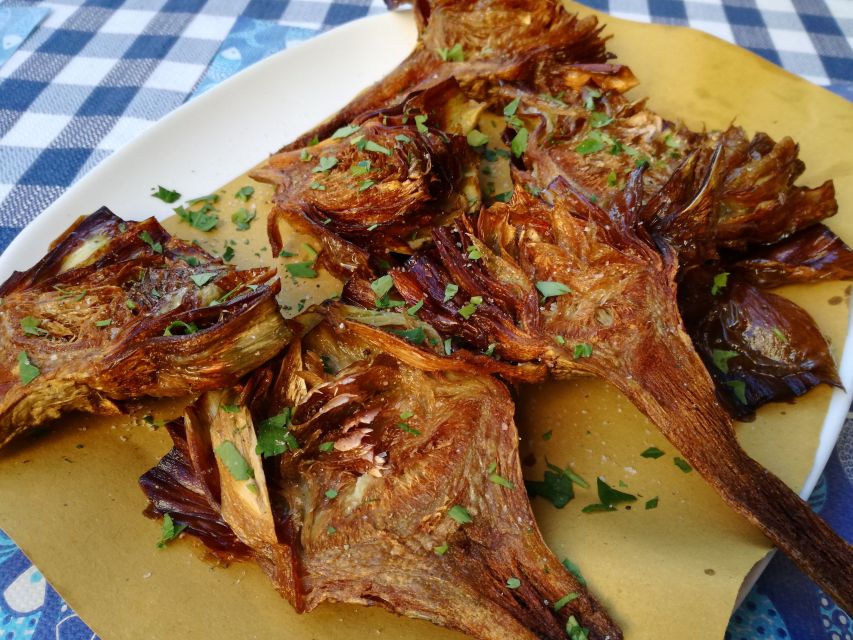
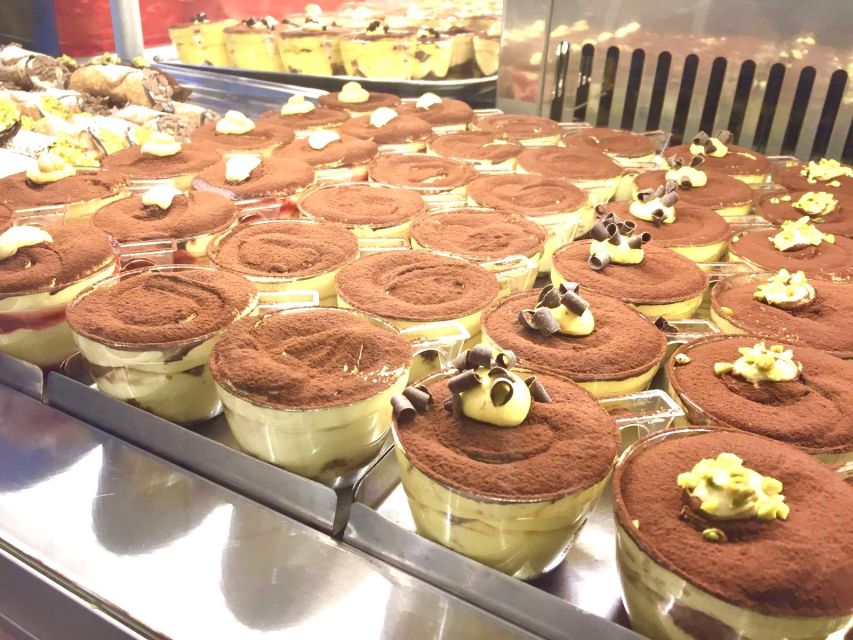
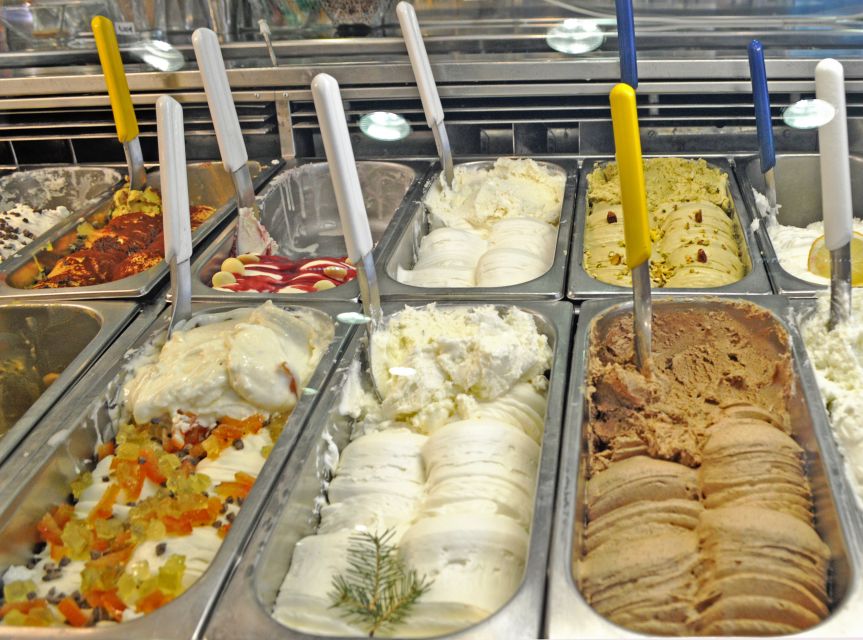
You can expect Roman comfort food plus classic local specialties. The description calls out homemade pasta and pastries, and the broader experience also lines up with what people commonly end up tasting on this route, like pasta courses, Jewish-influenced bites, and dessert favorites such as tiramisu and gelato. You should also be ready for the kind of portions that add up. Multiple guides and participants describe leaving full, not just lightly fed.
Why the food variety matters: it teaches your palate what to look for later. After you’ve tasted fried vegetable starters, pasta with wine pairings, and sweet closers, you’ll have a better sense of what’s worth ordering again when you sit down somewhere on your own.
Food and drink tip I’d use
If your schedule allows it, skip a heavy lunch before this tour. Even with a walking pace, the sample count plus wine and beer adds up fast.
Jewish Ghetto stories you’ll actually remember
The Jewish Ghetto part is not a side note. It’s treated as a central chapter, with the guide sharing history and culture tied to the neighborhood streets you’re walking.
This is where the tour earns its standout reputation. People repeatedly highlight how the guide makes the Jewish community’s story feel understandable, not like a textbook lecture. You also get local lore tied to the places you see, so the meaning of a square or a building is clearer before you move on.
You’ll also hear about recipes that have been passed down through generations. Even when you don’t catch every detail, that idea helps you appreciate why certain foods show up again and again in Roman culture, not only on menus but in how people cook.
If you care about food as a form of culture, this segment will land well. If you care only about eating, you’ll still benefit because the tastings are explained in context.
Piazza Navona at night, Bernini’s Four Rivers, and baroque energy
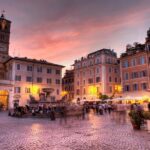
Piazza Navona is one of Rome’s best “look up” spaces, especially at night. This tour takes you there because it sits on layers of Roman life.
You get the background: it’s built on the site of the Stadium of Domitian and it also served as a city market area in the late 15th century. That history matters because it explains why the square feels like a place that was meant for gathering, eating, and people-watching.
Then comes Bernini’s Fontana dei Quattro Fiumi. Even if you’ve seen it in photos, seeing it in person at night is different. Light on stone changes how the figures read, and the soundscape of the square makes it feel alive.
A practical note: Piazza Navona can have more foot traffic than the quiet lanes in the Ghetto. If you’re sensitive to crowds, bring patience, and let the guide handle the timing so you can still enjoy the tasting stops without feeling rushed.
Our reviewers also walked through other food outings in Rome.


Ancient Rome highlights around Theatre of Pompey and major ruins
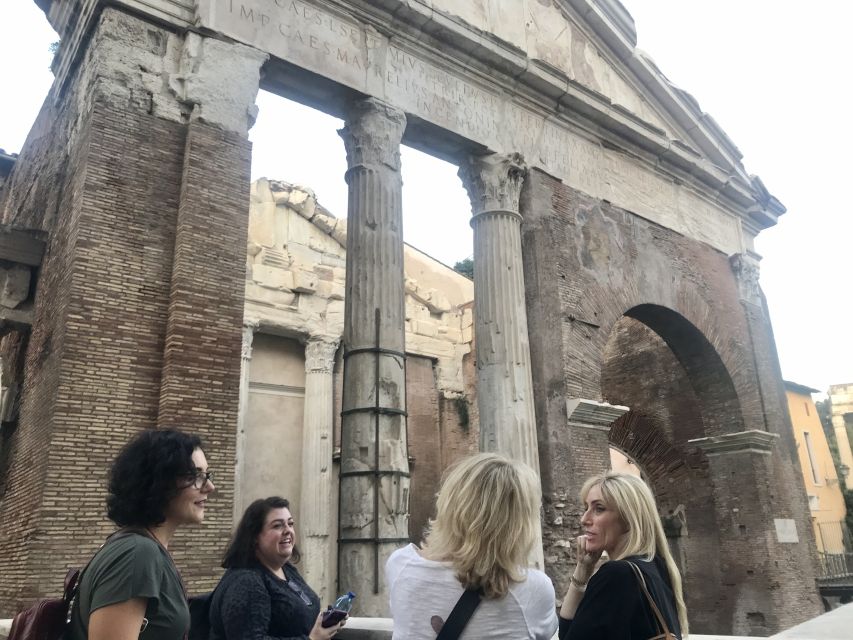
This tour includes a history thread that connects power, politics, and public spaces. One of the anchors is the episode around the death of Julius Caesar at the Theatre of Pompey. The guide uses this moment to bring the ancient setting to life as you walk.
You also pass significant remains that help you build a mental map of central Rome. The stops named include the Theatre of Marcellus, the Temple of Apollo, and the Portico of Octavia.
Here’s the value for you: you’re not just seeing rubble. You’re learning how these places worked as part of daily city life. When you connect a theatre, a temple, and a portico in one walking route, you start understanding how Rome’s center kept reinventing itself around public spectacle and civic identity.
One consideration: you should enjoy history at a walking pace. If you prefer very detailed museum-style explanations, you might want to pair this with something more formal during another day. This tour is a blend, and the “story” section stays light enough to keep the food and walking moving.
Campo de’ Fiori medieval market atmosphere
Campo de’ Fiori is a great closer because it anchors everything you’ve learned in the reality of Rome street life. The experience points out the medieval market site, and that atmosphere is the whole point.
At night, the square feels like a stage set for daily rituals: eating, chatting, and choosing where to stop next. The tour doesn’t just show you the location, it frames why the market tradition mattered in shaping what Roman food looks like today.
If you’re the type who likes to walk into a place and instantly understand the vibe, this final segment helps. You’ll leave with a mental picture of where people go when the city is alive, and that’s useful on the next night too.
What pacing feels like for a 4-hour food and wine walk
The tour runs for 4 hours on foot. That’s a long-ish time for “only strolling,” but the structure prevents fatigue. You get frequent short breaks via tastings, and the guide keeps the narrative moving so you’re not just white-knuckling your way to the last stop.
Comfort matters. Wear shoes you can trust for uneven sidewalks and a few cobblestone patches. Also bring a light layer. This is Rome, and temperatures swing, especially later.
Weather is part of the deal. The tour operates rain or shine. Guides are described as continuing the stories and adapting when rain hits hard, so do your part with a compact umbrella or a rain jacket.
Group size, guides, and the vibe of the evening
This is designed for a max group size of 14 people. In practice, that means you’re not shouting across rows of strangers. You’re able to ask questions and get answers without the tour becoming a lecture.
Guide quality is a huge factor in why the reviews run so high. You may meet different guides, and names that come up often include Marco, Fabrizia, and Andrea, with many comments praising their warmth, energy, and ability to keep conversations going. A standout pattern is how they handle odd questions with humor and still bring it back to food, history, or the neighborhood’s meaning.
One more thing: organization seems tight. People note they did not have long waits at stops, and that the tour keeps moving so hunger stays satisfied rather than delayed.
Price and value: $105 for 4 hours, wine included
At $105 per person, you’re paying for an evening that bundles three things: expert guidance, multiple food stops, and drinks. The math is interesting because the tour includes up to 15 samples plus wine, beer, and soft drinks.
If you use the upper end as a rough guide, that’s about $7 per sample before you even count walking time and history narration. In a city like Rome, that can make sense, especially when you’d otherwise need to line up multiple meals or tastings to get a similar variety.
You also get value in what you’re buying beyond food. A good guided food walk saves you guesswork. Instead of searching for what’s worth eating in the Jewish Ghetto or around Campo de’ Fiori, you follow a route that connects tastes to real place.
If you’re on a budget, the only “cost” to consider is calories and pacing. You will likely eat more than you planned, and you’ll want to clear your next day accordingly.
Dietary limits and who should book this tour
This tour offers vegetarian options, but it does not accommodate vegan diets, gluten-free diets, or dairy-free diets. It is also not a kosher food tour.
So this is a strong match if you eat typical Roman ingredients and you can handle dairy. It can still work well for vegetarians, because vegetarian choices are explicitly mentioned.
It’s a poor match if you need vegan, gluten-free, or dairy-free meals. Food tours are hardest at the tasting stage, and this one is set up for a specific menu range.
Accessibility is another filter: it is not suitable for wheelchair users. It’s a walking route, and the terrain isn’t described as wheelchair-friendly.
Should you book Rome: Jewish Ghetto and Campo de’ Fiori by Night?
Book it if you want a first-night style Rome experience that mixes food, wine, and neighborhood history in one compact route. It’s especially worth it when you like your sightseeing to come with context and your city walks to end in full satisfaction, not just photos.
Skip it if your diet needs vegan, gluten-free, or dairy-free options. Also skip it if long walking tours feel like a bad trade for your energy level, or if wheelchair access is required.
If you do book, go hungry but not reckless. Eat normally earlier in the day, then treat the evening like your main meal. And do yourself a favor by setting an expectation: the goal is not museum depth at every stop. The goal is a well-paced night that leaves you understanding why these Roman streets and foods belong together.
FAQ
Where do I meet the guide?
You meet your guide at Piazza Mattei by the Turtle’s Fountain.
How long is the tour?
The tour lasts 4 hours.
What’s included in the tastings and drinks?
The tour includes several different food tastings (up to 15 samples), plus wine, beer, and soft drinks.
How many places do we stop to eat?
You visit 7 different tasting venues en route.
Is transportation included?
No. Transportation is not included.
Does the tour offer vegetarian options?
Yes, vegetarian options are available.
Does the tour accommodate vegans or gluten-free or dairy-free diets?
No. This tour does not accommodate vegans or gluten or dairy-free diets.
Is this tour kosher?
No. This is not a kosher food tour.
Is the tour suitable for wheelchair users?
No. It is not suitable for wheelchair users.
Does it run in bad weather?
Yes. Tours operate rain or shine.
What are the cancellation terms and payment options?
You can cancel up to 24 hours in advance for a full refund, and you can reserve now and pay later.
Our Wider Tours File for Rome
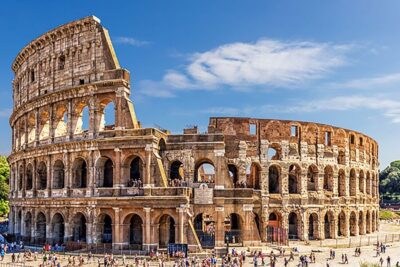
Trastevere and Jewish Ghetto Walks in Rome, Written Up Separately
Not quite the day you had in mind? The rest of our Rome write-ups sit below
- Rome: Guided Tour of St. Peter’s Dome Climb, Basilica & Vatacombs★ 5.0 · 167 reviews
- St. Peter’s Basilica Guided Tour with Reserved Entrance★ 4.0 · 168 reviews
- Golf Cart Driving Tour in Rome: 2.5 hrs Catacombs & Appian Way★ 5.0 · 168 reviews
- Rome: Trastevere Wine Tasting with Food Pairing and Gelato★ 4.9 · 168 reviews
- Guided Tour of the Colosseum Palatine Hill and Roman Forum★ 4.7 · 168 reviews
- Vatican Museums, Sistine Chapel & Saint Peter’s Semi-Private Tour★ 4.5 · 169 reviews
- Hidden Rome: Small Group E-Bike Tour with Street Food Stops★ 5.0 · 169 reviews
- Rome: Papal Audience with Pope Leo IV★ 3.9 · 169 reviews
- Rome Golf Cart Tour: Highlights & Must See★ 4.5 · 170 reviews
Trastevere & the Jewish Ghetto, top to bottom.
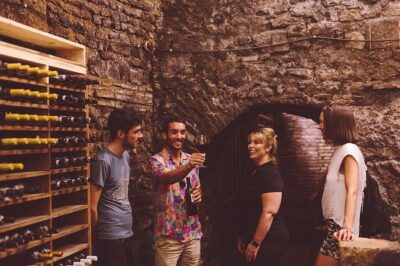 ★ 5.0Winner 2025 Rome Twilight Trastevere Food Tour by Eating EuropeFrom $1255,157 reviews
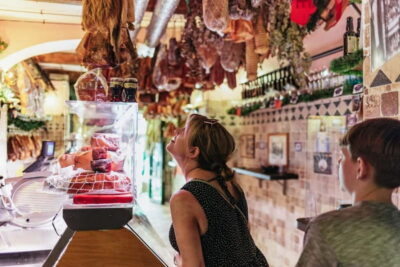 ★ 4.8Rome: Trastevere or Jewish Quarter Street Food TourFrom $513,839 reviews
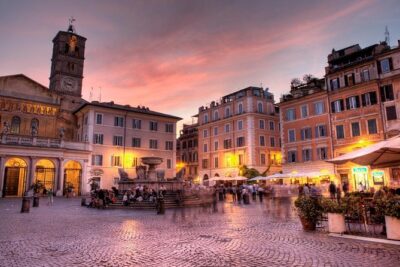 ★ 5.0Rome: Trastevere Food tour with Free-Flowing Fine WineFrom $1022,853 reviews
 ★ 4.9Rome: Trastevere & Campo de Fiori Street Food Walking TourFrom $512,768 reviews
 ★ 5.0Rome: Award Winning Trastevere Group Food Tour with WineFrom $812,273 reviews
 ★ 4.8Rome: Guided Food Tour in TrastevereFrom $1122,266 reviews
 ★ 4.5Jewish Ghetto and Trastevere Tour RomeFrom $41,729 reviews
 ★ 5.0Taste of Testaccio: Special 15 Year Anniversary EditionFrom $1311,658 reviews