
Reviewed · PIZZA MAKING & NAPLES STREET FOOD
Rome: Pizza Making Class Small Group Experience
Making pizza in Rome feels instantly doable. It is a small-group, hands-on class near the Vatican Museums, and you learn the real workflow from dough to oven. I like that each person works at their own station and that the chef teaches technique, not just a recipe, in English.
Two things I especially like: the class starts with a proper Roman aperitivo, the Spritz plus homemade chips setup makes it feel like a mini meal, not a lecture. And you get to eat what you make right after baking, with wine or a soft drink included, so your time feels like it earns its keep.
One consideration: you are mixing dough and learning the process, but the class runs on a tight schedule. You will likely not control the full long fermentation window yourself, since the timing needs to work for every group.
In This Review
- Key highlights to know before you go
- Finding the class: a practical Rome location near the Vatican
- The aperitivo start: Spritz, Roman-style chips, and a calm before cooking
- What you actually learn: dough, shaping, topping, and the oven workflow
- Your meal: chips, your pizza, and the included drinks that make it feel complete
- Dietary needs and menu flexibility: vegan, vegetarian, gluten-free
- Small-group energy: your own workstation and a chef who teaches
- Price and value: what $64.09 buys you in Rome
- Who should book this pizza class, and who might skip it
- Should you book it
- FAQ
- How long is the pizza-making class?
- What is included in the price?
- Is the class offered in English?
- Can the class accommodate dietary restrictions like vegan, vegetarian, or gluten-free?
- Where do I meet for the experience?
- How big is the group?
Key highlights to know before you go
- Vatican Museums area meet-up, so it fits well into a busy Rome day
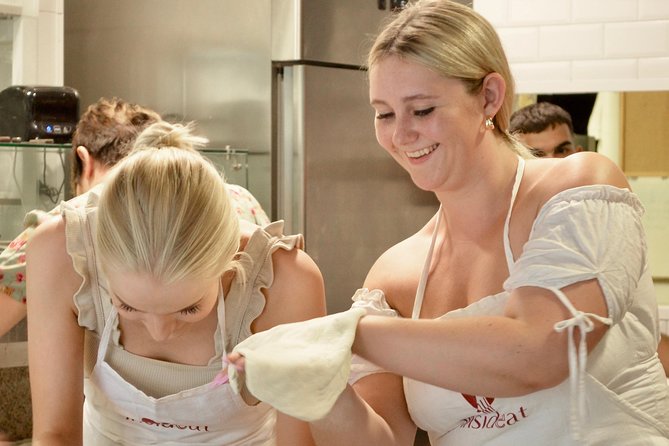
- Small group up to 14, which helps you get attention at your station
- Hands-on pizza work, from dough mixing and kneading to stretching and topping
- Food and drinks included, including Spritz, chips, your pizza, plus wine or soft drink and water
- Dietary options by request, including vegan, vegetarian, gluten-free, and lactose-intolerant accommodations
Finding the class: a practical Rome location near the Vatican
This pizza-making class is based in Rome, steps from the Vatican Museums area. The meeting point is Via Andrea Doria, 41 M, 00192 Roma RM, Italy, and the activity ends back at the same spot. That matters because you can plan it as a “do something useful today” stop between sightseeing blocks, rather than adding extra travel time across town.
The setting is also built for comfort: the restaurant is air-conditioned, so you cook in cool comfort instead of heat-wrangling your way through dough. And for timing, think of it as about a 2-hour experience. In Rome, that is a sweet spot, enough time to learn the technique and eat, without turning your afternoon into a half-day project.
Group size is capped at 14 travelers, and the format is small-group. Translation: you are more likely to get hands-on feedback on stretching, topping, and oven handling, instead of watching from the sidelines.
We wrote up further pizza making and Naples street food in Rome on the same pass through the archive.
- Pompeii and Mount Vesuvius Day Trip from Rome with Pizza Lunch
★ 4.5 · 6,151 reviews - Cooking Class in the Heart of Rome: Pizza and Tiramisu Making
★ 5.0 · 1,330 reviews - Rome: Traditional Pizza Cooking Class near Piazza Navona
★ 4.7 · 1,241 reviews - Pizza Cooking Class in Rome – Near Piazza Navona
★ 5.0 · 1,001 reviews
The aperitivo start: Spritz, Roman-style chips, and a calm before cooking
You do not jump straight to flour. The class kicks off with a classic Italian aperitivo: a refreshing Spritz paired with crunchy chips and typical Romano cheese and pepper chips. It is a clever start because it lowers the stress level. You are not standing around hungry, and you are already in the Rome rhythm.
The chips also set expectations for what comes next. The class leans into Roman flavors and simple ingredients, the kind you can picture later when you try to recreate it at home. You are learning technique, but you are also learning what tastes “right” in this style of pizza.
After the pizza is baked, you sit back in a cozy restaurant or on the outdoor terrace. There is a glass of wine or soft drink included, plus water. And yes, there is no cleanup on your end. That is not a small point. Cooking classes can be a mess in the real world, and here the payoff is: make the pizza, then enjoy it.
What you actually learn: dough, shaping, topping, and the oven workflow
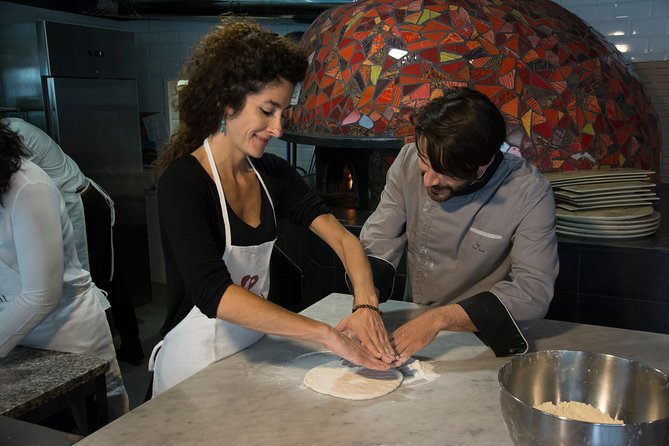
The heart of the class is a 1 hour hands-on cooking session focused on pizza. You work with ingredients and equipment you may not have at home, and the chef walks you through the traditional technique from mixing and kneading to shaping and topping.
Here is what that means for you as a practical learner:
- Mixing and kneading with purpose
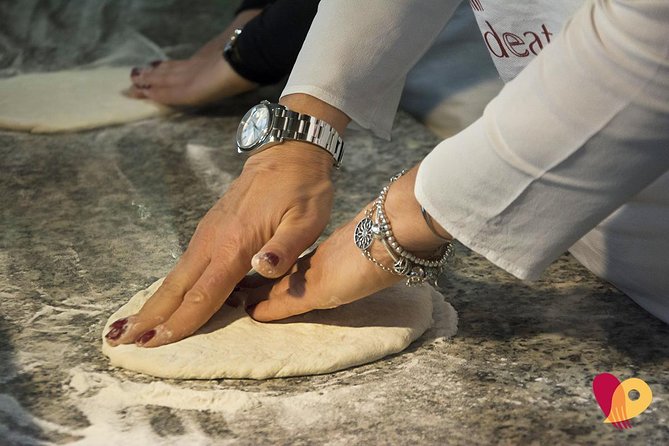
The goal is not just to make dough, it is to understand why each step matters. Kneading is where you learn how the dough becomes workable and how it behaves when you stretch it.
- Stretching and shaping
Pizza dough has opinions. If it resists, it usually means you are rushing the texture or handling it the wrong way. Shaping is taught as a skill, so you leave with a mental model, not just a memorized routine.
- Topping with seasonal ingredients
You can keep it classic, like a Margherita style pizza, or experiment with your favorite flavors. The class structure supports both. You are guided, but you still get choices when it comes to toppings.
- Baking in a wood-fired oven
Several people describe sliding the pizza into the oven as a high point. That is usually where the class shifts from “skill practice” to “I can do this for real.” And because you are not standing in line for oven time, you stay engaged.
One thing I would keep in mind: the class is timed to fit everyone into the same service window. That is why you might not personally manage every long-rest step of fermentation from start to finish. In other words, it is true hands-on learning, but not the slowest, most obsessive version of pizza making.
Your meal: chips, your pizza, and the included drinks that make it feel complete
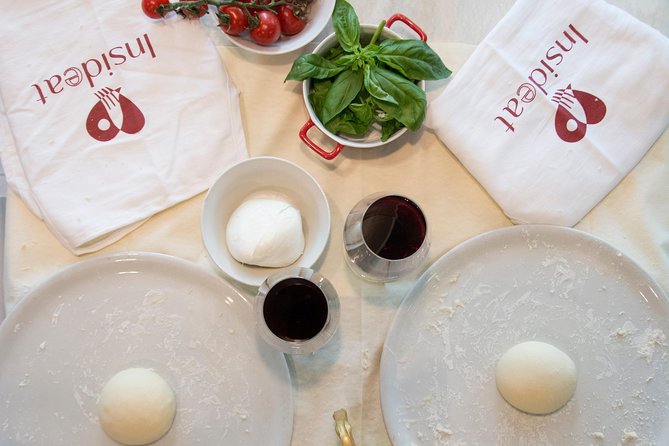
Lunch is built into the experience, not added as a separate plan. You get:
- Spritz cocktail or sparkling wine to start
- Homemade chips served with typical Roman cheese
- Your pizza, made and baked during the session
- Wine, beer, or soft drink, plus water
There is no mystery here. You make the main event and eat it. That keeps the class from feeling like a snack-sized demonstration.
What also helps is that the class works for different energy levels. If you are the kind of traveler who wants something practical and hands-on after a morning of museums, this gives you a “reset” activity that ends with a real meal. If you are more food-motivated, you still get technique, not just a plate in front of you.
And because you get to relax afterward on the terrace or inside, you can pace the meal. You are not rushing to catch a train right after oven time.
Dietary needs and menu flexibility: vegan, vegetarian, gluten-free
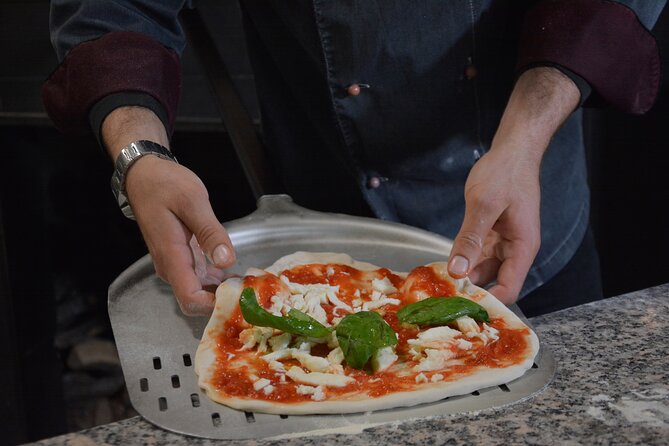
This is one of the more adaptable cooking experiences in terms of dietary accommodations. You can request vegan, vegetarian, and gluten-free options, and you can also note lactose-intolerant needs in advance. For lactose-intolerant guests, it is specifically called out as suitable.
A practical tip for you: if you need gluten-free, communicate it when you book. The class does have gluten-free options on request, but that usually means planning is required so ingredients are set before you arrive.
It is also described as suitable for vegetarians and pescatarians, so if your group includes different eating styles, you should not need to scramble for a workaround. The structure is: you learn the technique, and then your toppings and ingredients match your needs.
Small-group energy: your own workstation and a chef who teaches
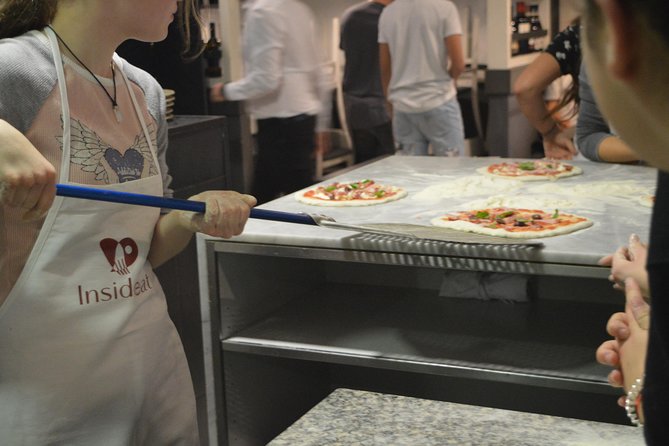
With up to 14 travelers, this is not a crowded cattle-call. Each guest gets a fully equipped workstation, which is important. Pizza-making is not a skill where you can learn much while watching from behind someone else’s shoulder. You need hands on dough, hands on topping choices, and hands on oven timing.
The chef is described as passionate and local, and the teaching style comes up repeatedly in the reviews. People praise instructors for being warm and funny, plus patient and clear. One name that stands out in the feedback is Chef Carlo, alongside Davide and David, and that gives you a sense that the class leaders tend to work well with different groups, including families.
If you travel solo, this is also a plus. With small groups and active stations, you are not stuck as a bystander. If you travel with kids, the format is set up for that too. The class is described as ideal for all ages and skill levels, and children must be accompanied by an adult.
Other workshops in Rome that earned their own write-up.



Price and value: what $64.09 buys you in Rome
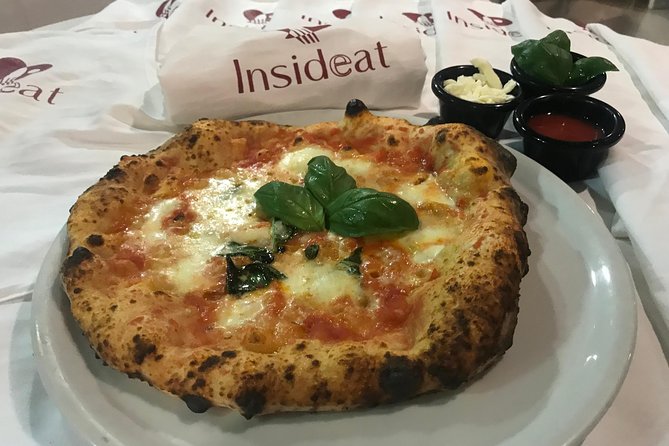
At $64.09 per person for about 2 hours, you are paying for more than flour and fire. You are buying:
- A chef-led skill lesson on traditional pizza technique
- All ingredients plus cooking utensils and an apron
- Your own workstation so you actually participate
- Lunch and drinks included, not just the dough part
To judge value, think of what you would otherwise spend on ingredients, plus a guided food experience, plus lunch. In Rome, an equivalent meal on its own can cost a noticeable chunk of the price. Here, lunch is tied to the activity, and you also get take-home recipes via an exclusive cookbook.
If you are the kind of traveler who likes to eat well but also wants a souvenir that is useful later, this has that advantage. A cookbook recipe is not the same as a memory, but it does make your learning practical.
Where you might question the value is if you are expecting a long, day-long pizza production experience from scratch with every step managed in real time by you. This is a focused class that delivers results quickly.
Who should book this pizza class, and who might skip it
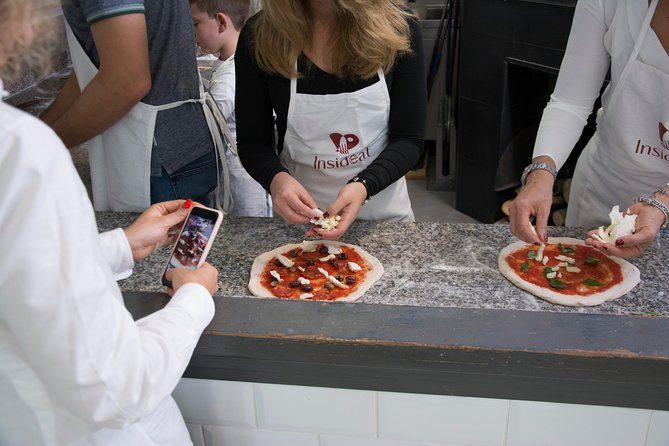
This class is a strong fit if you want an enjoyable, hands-on activity that ends with a meal. It works well for:
- Food lovers who want to learn the technique, not just eat
- Families looking for a bonding activity that kids can enjoy
- Solo travelers who want something social without being exhausting
- People who want an indoor-friendly plan, since the restaurant is air-conditioned
You might consider skipping if you prefer strict sightseeing blocks only, or if you already make pizza often at home and want a deeper, longer fermentation workshop. But even then, the oven experience and the structured teaching can still be worth it.
Should you book it
Yes, I would book it if you want a reliable “learn and eat” Rome activity near the Vatican area. The combination of small-group attention, hands-on dough work, included lunch, and that Spritz-and-chips start makes it feel like a complete afternoon, not a rushed gimmick.
Just go in with the right expectations: you are learning real pizza-making steps, but the schedule is designed for an easy, tasty session, so you will not be managing every long fermentation stage yourself.
If you want one fun, practical way to bring Rome flavors home, this is a very solid choice.
FAQ
How long is the pizza-making class?
The class lasts about 2 hours.
What is included in the price?
You get the Spritz cocktail or sparkling wine, homemade chips, your pizza, wine or beer or soft drink, and water. You also use an apron and cooking utensils, get chef instruction, and receive an exclusive cookbook with recipes.
Is the class offered in English?
Yes, it is offered in English.
Can the class accommodate dietary restrictions like vegan, vegetarian, or gluten-free?
Yes. Vegan, vegetarian, and gluten-free options are available on request. Lactose-intolerant guests can be accommodated as well. If you need gluten-free, you should inform the provider in advance.
Where do I meet for the experience?
The meeting point is Via Andrea Doria, 41 M, 00192 Roma RM, Italy, and the activity ends back at the meeting point.
How big is the group?
The class is limited to a maximum of 14 travelers.
Beside This One, Workshops in Rome
Pizza Making and Naples Street Food in Rome We Also Walked
Not quite the day you had in mind? The rest of our Rome write-ups sit below
- Rome: Guided Tour of St. Peter’s Dome Climb, Basilica & Vatacombs★ 5.0 · 167 reviews
- St. Peter’s Basilica Guided Tour with Reserved Entrance★ 4.0 · 168 reviews
- Golf Cart Driving Tour in Rome: 2.5 hrs Catacombs & Appian Way★ 5.0 · 168 reviews
- Rome: Trastevere Wine Tasting with Food Pairing and Gelato★ 4.9 · 168 reviews
- Guided Tour of the Colosseum Palatine Hill and Roman Forum★ 4.7 · 168 reviews
- Vatican Museums, Sistine Chapel & Saint Peter’s Semi-Private Tour★ 4.5 · 169 reviews
- Hidden Rome: Small Group E-Bike Tour with Street Food Stops★ 5.0 · 169 reviews
- Rome: Papal Audience with Pope Leo IV★ 3.9 · 169 reviews
- Rome Golf Cart Tour: Highlights & Must See★ 4.5 · 170 reviews
Pizza Making & Naples Street Food, top to bottom.
 ★ 5.0Florence Pizza or Pasta Class with Gelato Making at a Tuscan FarmFrom $1456,801 reviews
 ★ 4.5Pompeii and Mount Vesuvius Day Trip from Rome with Pizza LunchFrom $906,151 reviews
 ★ 4.9Naples: Pizza-Making Workshop with Drink and AppetizerFrom $395,411 reviews
 ★ 5.0Authentic Pizza Making Class in Naples with Appetizers and DrinkFrom $593,178 reviews
 ★ 4.0Pompeii & Mt.Vesuvius Day Tour from Naples with Pizza LunchFrom $1492,901 reviews
 ★ 5.0Florence Cooking Class The Art of Making Gelato & Authentic PizzaFrom $642,053 reviews
 ★ 5.0Sorrento: Pizza Lesson, Wine, and Limoncello at a Local FarmFrom $941,513 reviews
 ★ 5.0Cooking Class in the Heart of Rome: Pizza and Tiramisu MakingFrom $561,330 reviews