
Reviewed · PANTHEON, TREVI & PIAZZA NAVONA
Pizza Cooking Class in Rome – Near Piazza Navona
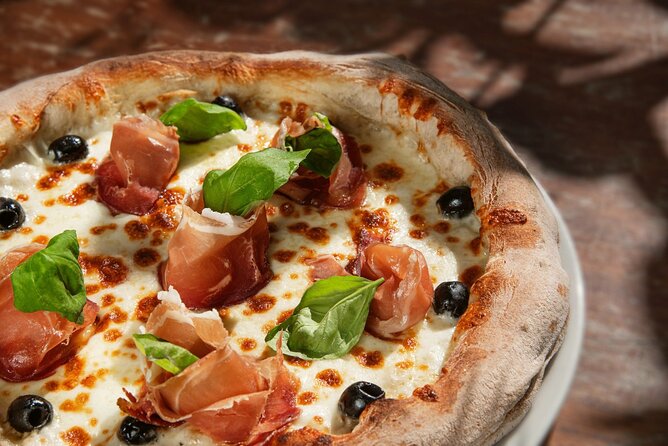
Dough, drinks, and Roman sights. This small-group pizza workshop near Piazza Navona teaches you how to build a classic Roman pie from sauce to toppings, and you finish with a proper sit-down meal at Osteria Pasquino. I especially like that you get a welcome prosecco plus additional drinks at the table, not just a quick cooking demo. One heads-up: it is geared for beginners, and if you already make pizza often, you might find it basic rather than truly advanced.
You’re not stuck in a classroom, either. The class happens in the historic-center rhythm of an osteria, and the experience ends where you started, with a plate of what you made in your hands. Still, if gluten is a concern, this isn’t the right fit, and the pace may be relaxed rather than nonstop baking instruction.
In This Review
- Key things to know before you make dough
- Rome pizza starts at Osteria Pasquino, steps from Piazza Navona
- The short “Rome highlights” walk that sets the mood
- How the class works in a small group (what you actually do)
- Roman pizza tips you’ll remember long after dinner
- Drinks, bruschetta, and the osteria meal that makes it feel like Rome
- The cooking moment: wood-fired heat and a little controlled chaos
- Price and value: what $67.72 buys in a city full of options
- Is it worth it for families, solo travelers, and picky schedules?
- Health and dietary notes you should take seriously
- Should you book the pizza-making class near Piazza Navona?
- FAQ
- Where does the pizza class start?
- Is the class offered in English?
- How long is the experience?
- How many people are in the group?
- What will I eat and drink?
- Is this class suitable for gluten intolerance?
- What if I have lactose intolerance?
- Can I cancel for a refund?
Key things to know before you make dough
- Max 10 people means you get real help while you mix, roll, and top your pizza.
- Roman pizza, not generic Italian: you focus on the sauce and toppings style associated with Roman pies.
- Drinks are part of the deal: prosecco on arrival, plus water and a choice of wine/beer/soda during your osteria seating.
- You eat what you make at the restaurant after cooking, with bruschetta first and limoncello or coffee at the end.
- Beginner-friendly by design: a lot of value comes from doing, not from technical, advanced pizza science.
- Gluten intolerance note: it’s not recommended if you need a gluten-free experience.
Rome pizza starts at Osteria Pasquino, steps from Piazza Navona
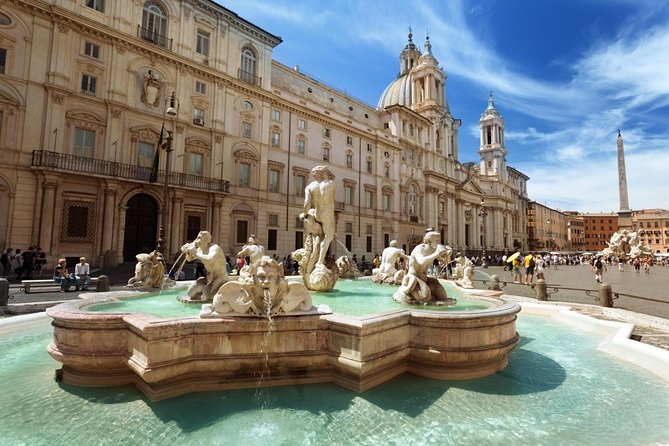
This class is built around one simple idea: learn to make Roman pizza, then enjoy it in the restaurant setting Italians expect. The meeting point is Osteria Pasquino, Piazza di Pasquino 1. That location matters because it keeps the experience inside the historic-center vibe. You’re close to major sights, so the day doesn’t feel like a detour.
The class is also designed for comfort in the real world. You’ll have a mobile ticket, and you’re told it’s near public transportation, which helps if you’re mixing this with museums and walking later.
One practical point: the experience is listed as about 2 hours, but the hands-on portion can feel tight. Some people mention a shorter-feeling instruction window and then more time moving into the cooking and eating. That’s not necessarily bad, it just means you should treat this as a fun, guided introduction rather than a long masterclass.
Between an espresso and the next booking, compare these Pantheon, Trevi and Piazza Navona walks in Rome.
- 3 in 1 Cooking Class near Navona: Fettuccine, Ravioli & Tiramisu
★ 5.0 · 7,376 reviews - Rome: Pantheon Timeless Marvel Guided Tour with Entry Ticket
★ 4.9 · 4,002 reviews - Rome: Pantheon Priority Entry Ticket & Audio Guide App
★ 4.1 · 3,234 reviews - Enjoy Spritz and Pasta Making in Piazza Navona
★ 5.0 · 1,681 reviews
The short “Rome highlights” walk that sets the mood
As you go, the experience includes major Rome landmarks in sequence, so it feels like you’re pairing pizza-making with a sightseeing loop. The stops listed are Piazza Navona, the Pantheon area, Vatican City, Trevi Fountain, Piazza Venezia, Campo de’ Fiori, and Castel Sant’Angelo.
Now, don’t expect a deep museum day from those names alone. In a 2-hour framework, it’s more like you’re getting views and quick moments at iconic spots while moving through the city’s layers. The value here is psychological as much as scenic. You’re not only thinking about dough for the whole time. You’re seeing where Rome food culture lives, then returning to a warm, practical cooking setup.
If you’re the type who likes food experiences that connect to the street level of a place, this format works. If you prefer stand-alone sightseeing time, you might want to schedule this when you still have energy for a walk after.
How the class works in a small group (what you actually do)
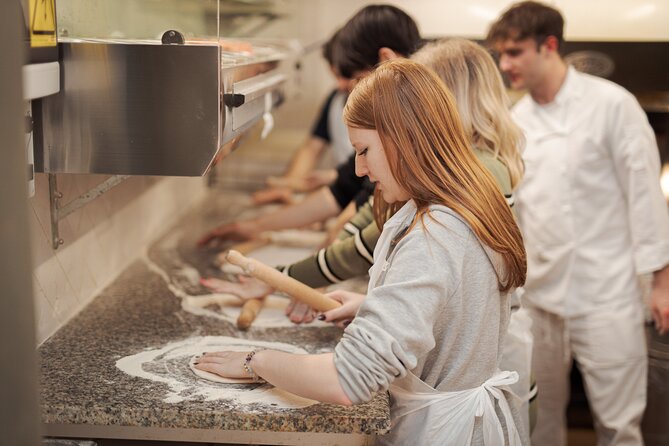
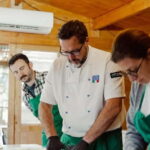
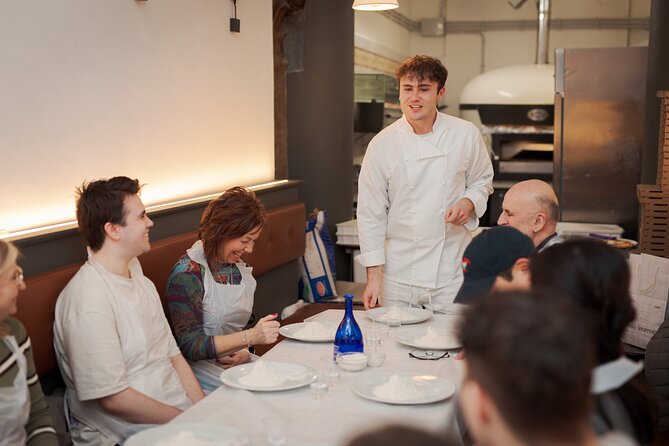
This is capped at 10 travelers, and that’s a big reason it gets such high marks. When the group is small, instructors can correct small mistakes fast, like how the dough stretches, how you spread sauce, and how you place toppings so they cook evenly.
The flow is straightforward and hands-on:
- You’ll work with dough and help shape it.
- You’ll roll it out and get guided on classic topping choices.
- You’ll finish by cooking and eating the pizza you made.
Some reviews mention the experience feeling simple in the best way, especially for families or first-timers. Others wanted more technique or more explanation about what makes pizza great from scratch. So my advice is to calibrate expectations: this is a guided activity that teaches the basics you need to produce a satisfying Roman pie, not a deep dive into fermentation schedules or dough hydration percentages.
Roman pizza tips you’ll remember long after dinner
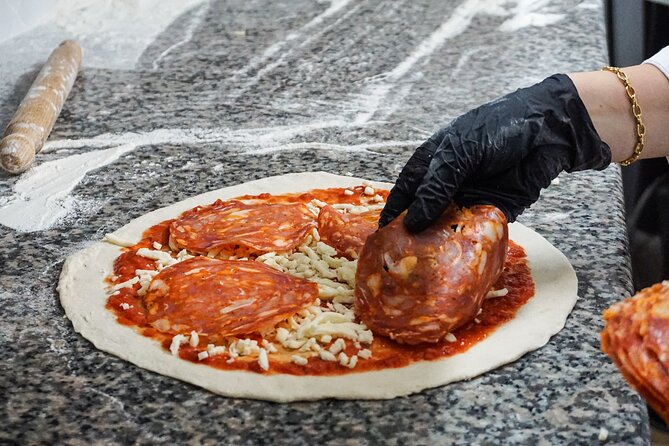
The best praised part of the experience is the teaching itself. Multiple instructors are named in feedback, and a theme shows up: they make the process understandable and not intimidating.
You might meet people like Cleo, who gets credit for explaining Italian cuisine and the pizza-making intricacies in a way that sticks. Sara also earns strong mentions for being organized and informative, while Elisa is praised for being knowledgeable and funny, with helpful tips for making a more authentic Roman pizza. Other names that come up include Luca, Paloma, Simone, Anastasia, Alessandra, and Georgia. Even if you don’t get the same instructor, that consistency of style matters.
What kind of tips are we talking about? Based on what’s repeatedly described, it’s practical stuff:
- How to handle and stretch dough without turning it into a sticky mess
- The right approach to sauce and topping placement
- Small timing and handling habits that keep the pizza from turning uneven
The “Roman” focus is also key. Roman pizza is often associated with a thinner, crisp-leaning style and a sauce-to-topping balance that doesn’t overwhelm. This class is positioned around those fundamentals, so you’re not leaving with a generic margherita idea. You’re leaving with a process you can repeat back home.
Drinks, bruschetta, and the osteria meal that makes it feel like Rome
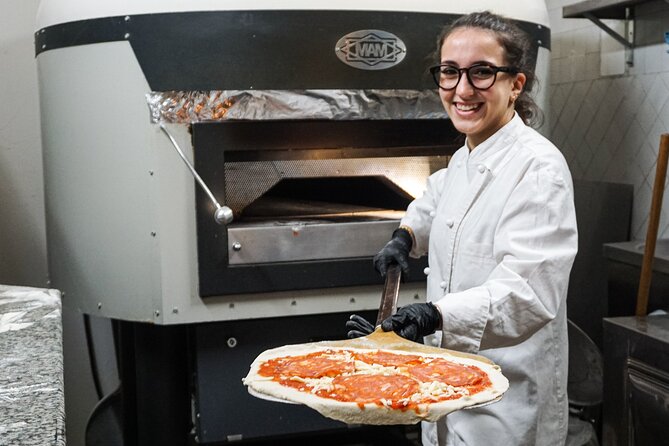
Here’s where this class starts feeling more like an evening out than a workshop. After the pizza-making, you sit down at the osteria and get served.
The package includes:
- Complimentary prosecco as a welcome drink from the restaurant
- Water and a glass of wine, beer, or soda while you’re seated
- Appetizers, including bruschetta
- After your pizza, limoncello or coffee
That matters because you’re not just making food and then eating whatever happens next. You’re eating in a real Roman dining rhythm, with staff attention and a full finish. Several reviews call out that drinks kept flowing and that staff were friendly and welcoming.
One small caution based on feedback: a handful of comments say parts of the service did not match the booking details, like missing the welcome drink until asked, or needing to request items at the end. That doesn’t mean it’s common, but it does mean you should politely confirm early on that you’ve received what your ticket includes. In a class environment, quick communication fixes a lot.
The cooking moment: wood-fired heat and a little controlled chaos
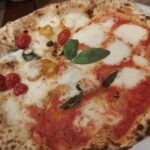
At some point, your pizza ends up in a wood-fired oven. That’s a big part of why people remember the experience. Wood-fired heat cooks fast and encourages the kind of browning that makes a pizza taste like it came from a neighborhood place, not a home oven.
Logistically, a few reviews describe the pacing as “you roll and then you wait,” including time spent outside while pizzas cook. Again, not wrong, just different from an all-day cooking flow. If you hate waiting, go in knowing you’re paying for a combination of instruction, cooking, and then eating.
And yes, expect a bit of mess. Dough gets everywhere if you get excited. The upside is that you’re doing something real, not just watching someone else work.
We wrote up further pizza making and Naples street food in Rome on the same pass through the archive.



Price and value: what $67.72 buys in a city full of options
At $67.72 per person for about 2 hours, this isn’t a bargain workshop. It’s priced more like a guided meal experience.
So where does the value come from?
- Small-group attention (max 10) rather than a crowd
- Hands-on pizza-making, not a passive tasting
- Food and drinks that extend the class into a meal, including prosecco, bruschetta, and a final drink (limoncello or coffee)
If you compare this to paying for dinner in central Rome, the drink inclusions and the fact that you eat your own pizza can make it feel more reasonable. The reviews also point to good organization, friendly chefs, and a fun break from the crowds.
Where the price can feel less justified is when you expect a high-level technical class or a longer training session. A few people say it felt basic or shorter than they wanted, and one note mentions lack of working air conditioning in peak heat, which can impact comfort even when the pizza is great.
My bottom line: book it if you want an easy, social, guided way to make a solid Roman pizza in a beautiful central setting. If you’re an experienced home baker looking for advanced technique, you may want a different type of class.
Is it worth it for families, solo travelers, and picky schedules?
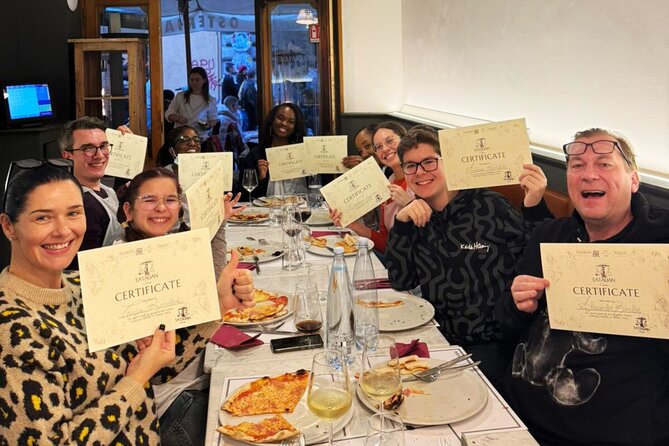
This class seems to fit a wide range of people, especially because it’s beginner-friendly and family-friendly in practice. Reviews mention kids following directions, enjoying the hands-on work, and thinking the whole thing was a fun break from sightseeing.
For solo travelers, the small group format helps with conversation. People also mention chatting with other participants, which turns the cooking into a more social moment.
For couples, it can work nicely as a low-stress “Rome night.” You get a guided activity, then you sit down and eat, so you’re not scrambling to find a dinner plan in a crowded neighborhood.
For timing, it’s great if you want pizza without losing half a day. You can slot it between big sights and still have energy to walk afterward.
Health and dietary notes you should take seriously
This isn’t a gluten-free class. It’s explicitly not recommended for those with gluten intolerance. If gluten is a serious requirement for you, you should look for a different offering.
If it’s lactose you’re managing, there’s guidance: keep the cheese away from the pizza if you have lactose intolerance. That suggests you can participate while adjusting toppings.
Allergies can be handled with care in at least some cases. One review specifically praises the restaurant for taking time to go over ingredients for peanut/tree nut/soy allergies. Still, don’t assume every ingredient substitution is possible. If you have allergies, contact the operator in advance or ask the instructor early so you can confirm what goes where.
Should you book the pizza-making class near Piazza Navona?
Book it if:
- You want a hands-on Roman pizza experience with real guidance
- You like the idea of turning cooking into a full osteria-style meal with prosecco, bruschetta, and a finish of limoncello or coffee
- You’re traveling with family or you want something beginner-friendly and fun
Consider skipping or adjusting your expectations if:
- You already make pizza often and want advanced fermentation, dough science, or a longer technical training session
- You need gluten-free, because the experience isn’t recommended for gluten intolerance
- You’re extremely sensitive to comfort issues in hot weather, since at least one review mentions an air conditioning problem
FAQ
Where does the pizza class start?
It starts at Osteria Pasquino, Piazza di Pasquino 1, 00186 Roma RM, Italy.
Is the class offered in English?
Yes, it’s offered in English.
How long is the experience?
The duration is listed as about 2 hours.
How many people are in the group?
The class has a maximum of 10 travelers, so it stays small.
What will I eat and drink?
You’ll make your own pizza and then you’ll be seated at the osteria with water and a glass of wine, beer, or soda. You’ll also have bruschetta. After your pizza, you’ll get limoncello or coffee. You should also expect a complimentary prosecco from the restaurant.
Is this class suitable for gluten intolerance?
No. It’s not recommended for anyone with gluten intolerance.
What if I have lactose intolerance?
The guidance is to keep the cheese away from the pizza if you have lactose intolerance.
Can I cancel for a refund?
Yes. You can cancel up to 24 hours in advance for a full refund.
Pizza Making and Naples Street Food in Rome We Also Walked
More Pantheon, Trevi and Piazza Navona Walks Pinned to Our Rome Map
Not quite the day you had in mind? The rest of our Rome write-ups sit below
- Rome: Guided Tour of St. Peter’s Dome Climb, Basilica & Vatacombs★ 5.0 · 167 reviews
- St. Peter’s Basilica Guided Tour with Reserved Entrance★ 4.0 · 168 reviews
- Golf Cart Driving Tour in Rome: 2.5 hrs Catacombs & Appian Way★ 5.0 · 168 reviews
- Rome: Trastevere Wine Tasting with Food Pairing and Gelato★ 4.9 · 168 reviews
- Guided Tour of the Colosseum Palatine Hill and Roman Forum★ 4.7 · 168 reviews
- Vatican Museums, Sistine Chapel & Saint Peter’s Semi-Private Tour★ 4.5 · 169 reviews
- Hidden Rome: Small Group E-Bike Tour with Street Food Stops★ 5.0 · 169 reviews
- Rome: Papal Audience with Pope Leo IV★ 3.9 · 169 reviews
- Rome Golf Cart Tour: Highlights & Must See★ 4.5 · 170 reviews
Pantheon, Trevi & Piazza Navona, top to bottom.
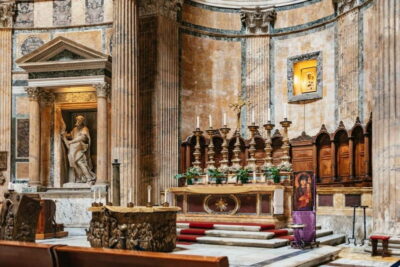 ★ 4.3Rome: Pantheon Fast-Track Ticket and Official Audio GuideFrom $621,008 reviews
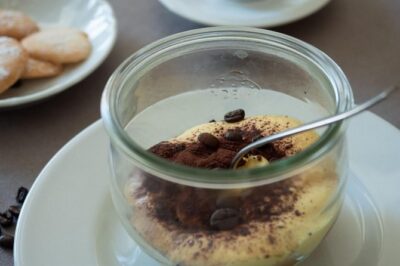 ★ 5.03 in 1 Cooking Class near Navona: Fettuccine, Ravioli & TiramisuFrom $837,376 reviews
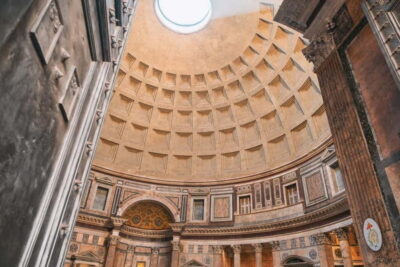 ★ 4.0Pantheon Reserved Entry Ticket with Audio GuideFrom $134,486 reviews
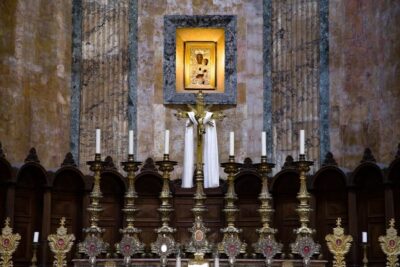 ★ 4.9Rome: Pantheon Timeless Marvel Guided Tour with Entry TicketFrom $214,002 reviews
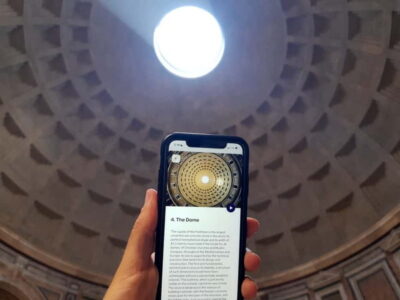 ★ 4.1Rome: Pantheon Priority Entry Ticket & Audio Guide AppFrom $63,234 reviews
 ★ 5.0Enjoy Spritz and Pasta Making in Piazza NavonaFrom $901,681 reviews
 ★ 4.3Rome: Trevi Fountain and Underground Guided TourFrom $411,664 reviews
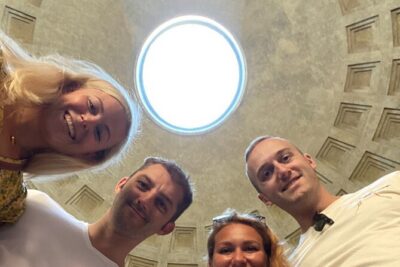 ★ 5.0Pantheon Elite Guided Tour – Rome’s Iconic Ancient TempleFrom $411,447 reviews