
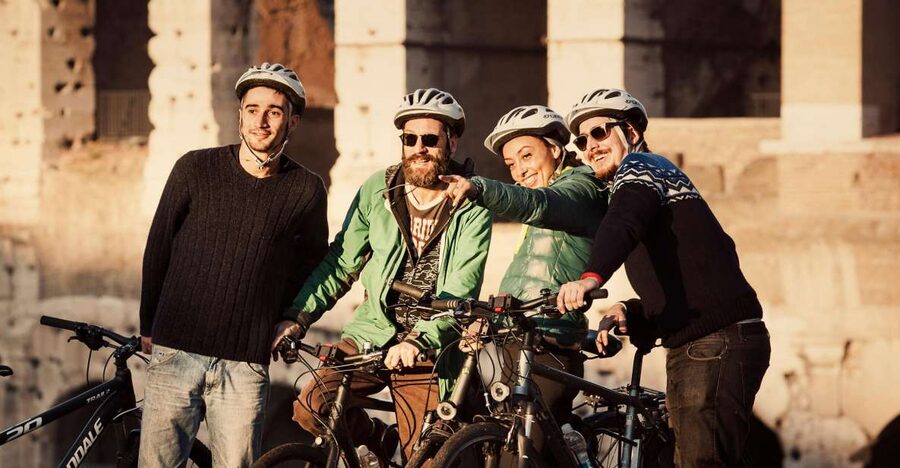
Reviewed · E-BIKES
Rome: Top Highlights & Hidden Gems Tour by Cannondale E-Bike
Rome has too much to see in too little time. This 4-hour Cannondale e-bike loop fixes that by pairing top sights with quieter streets. I like that you get big monuments plus the smaller squares and alleyways that make Rome feel like Rome.
My other favorite part is the way the tour is built around safety and flow. The bikes are set up for city riding, you ride mostly connected routes in a small group, and the guide keeps everyone together. One thing to consider: you are riding streets and stepping off for photos, so you should be comfortable riding with traffic nearby, even if the guide keeps it sensible.
In This Review
- Key things I’d watch for before you book
- Why an e-bike tour is the smart match for Rome’s center
- Getting started at Via Labicana 49, and why the first 10 minutes matter
- Colosseum and Roman Forum: the headline stops, timed for sanity
- Trevi Fountain to Spanish Steps: seeing icons without turning the day into a sprint
- Piazza del Popolo and Villa Borghese: the payoff viewpoint moment
- Piazza Navona to Pantheon: mixing grand form with street-level atmosphere
- Jewish Ghetto and Portico di Ottavia: where the day turns more human
- Theatre of Marcellus and Imperial Fora: finishing with sweeping Roman scale
- How much effort is this, really (14 km, leisure pace, and hills covered)
- Value check: $85 for four hours of landmarks plus real routing
- Who this Rome e-bike tour suits best
- The bottom line: should you book this tour?
- FAQ
- How long is the Rome top highlights e-bike tour?
- Where does the tour start?
- How far do you ride?
- What’s the difficulty level?
- How big is the group?
- What’s included with the e-bike?
- Which languages are available for the live guide?
- Are helmets required?
- Is it suitable for children and infants?
Key things I’d watch for before you book
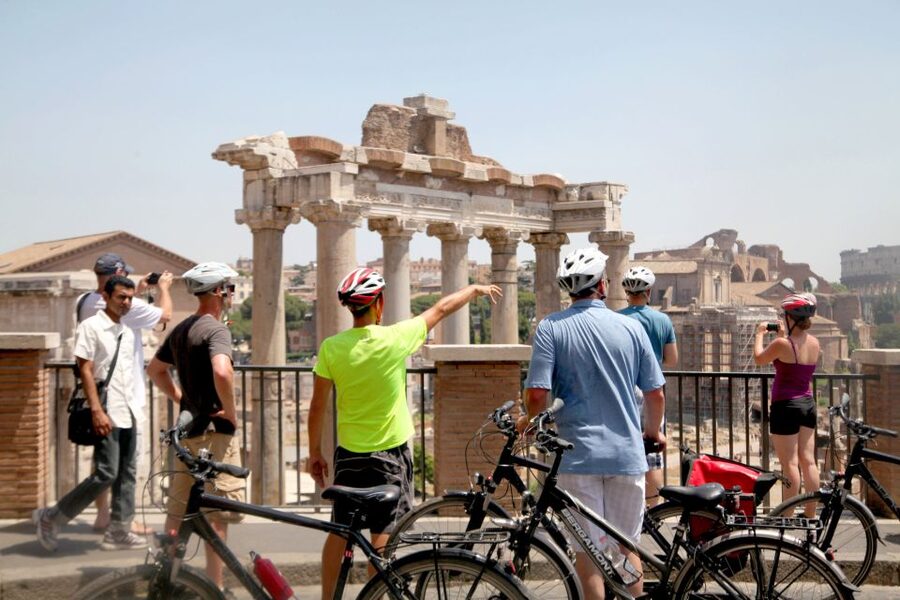
- Small group (up to 10), so stops feel more controlled than a mass bus crowd.
- 14 km in 4 hours, a leisure pace that still gives you a real overview of Rome’s center.
- Cannondale e-bikes with anti-puncture tires, plus mandatory helmets.
- A guide who runs a tight timing rhythm, including photo breaks and story stops.
- Route choices that favor back streets and lanes, not constant grinding through main traffic.
- A mix of icons and neighborhood stops, including the Jewish Ghetto area and viewpoints.
Why an e-bike tour is the smart match for Rome’s center
Rome’s center can feel like a maze, and on foot you either move too slowly to cover much or you push too hard and get grumpy. This tour is designed to solve that exact problem by using electric assistance to keep you moving, while your guide steers the group through the right connections.
You’re not just jumping between landmarks. The format links famous places like the Colosseum and Pantheon with shorter detours into smaller squares, fascinating alleys, and less obvious corners. That matters because it helps you build a mental map fast. After one afternoon on two wheels, you usually know where things are, which makes the rest of your trip easier.
The biggest value of the e-bike here is not speed. It’s the ability to keep the day enjoyable. A cooler ride with steady effort means you’re still ready to explore more later, instead of spending your evening recovering.
We wrote up further cycling tours in Rome on the same pass through the archive.
- Rome EBike Tour: Appian Way, Catacombs & Roman Aqueducts
★ 5.0 · 1,766 reviews - Rome: Top Highlights & Hidden Gems Tour by Cannondale E-Bike
★ 4.9 · 1,760 reviews - Rome: Appian Way, Catacombs, & Roman Aqueducts E-bike Tour
★ 4.9 · 1,421 reviews - Rome City Small Group Bike Tour with quality Cannondale EBike
★ 5.0 · 1,380 reviews
Getting started at Via Labicana 49, and why the first 10 minutes matter
The tour meets at the shop on Via Labicana, 49, a few minutes’ walk from the Colosseum area. This is a practical setup, because it puts you close to the action without making you fight across the city to begin.
Once you arrive, you’ll get the key rider basics:
- Helmet is mandatory
- Cannondale e-bike with anti-puncture tires
- A handlebar bag and a biodegradable bottle of water
Then comes the part you should treat seriously: bike comfort and basic handling. Several guides in this kind of program are known for patient check-ins, and that’s a big deal when the whole city is built on tight corners, sudden pedestrian crossings, and stop-and-go moments.
Here’s a small tip pulled from real rider advice: one person specifically mentioned a clear rule about braking behavior. The safe move is simple. Listen carefully to the guide’s bike briefing and follow whatever quick instruction they give you, especially if your bike controls feel different than what you’re used to.
Colosseum and Roman Forum: the headline stops, timed for sanity
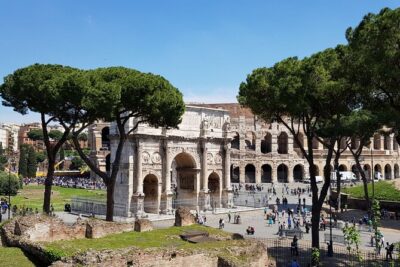
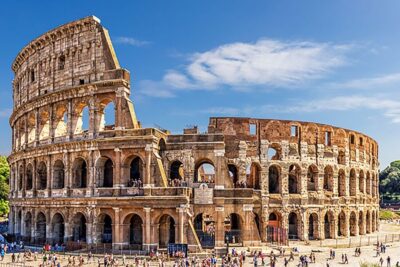
The day starts with the Colosseum and then continues to the Roman Forum. These are the big magnets for first-time Rome visits, but what makes them work on a bike tour is the pacing. You get to see them, take photos, and then move on, instead of waiting through long bottlenecks or spending your entire time in one crowded block.
A helpful detail in the tour style is that it’s not only “look and go.” The route includes panoramic moments linked to the Forum area, so you’re not stuck facing one angle. You also get the kind of context that helps the monuments make sense in your head, not just impress you for five seconds.
What to watch for: the streets near major sites can be unpredictable. You’ll want to keep a steady posture on the bike, stay aware of pedestrians stepping from sidewalks, and follow the group rhythm. That’s where an experienced guide earns their pay, and the program’s reviews consistently highlight safety and staying together.
Trevi Fountain to Spanish Steps: seeing icons without turning the day into a sprint
Next up are Trevi Fountain and the Spanish Steps. These places are famous enough that you almost can’t avoid them in Rome. The difference is how you reach them and what you do while you’re there.
On a bike, you can approach with less stress than walking long distances back to back. And because the tour is structured, you’re not wandering around trying to make the “next stop” happen. The guide’s job is to keep the group moving while also giving you time to look, photograph, and catch your breath.
Practical expectation: you’ll likely spend short, focused windows at each icon. That’s perfect if you want a first pass, then return later for longer time on the places that grab you. If you’re hoping for an all-day deep study, you’ll still need extra time in the museums and ticketed areas after.
Piazza del Popolo and Villa Borghese: the payoff viewpoint moment
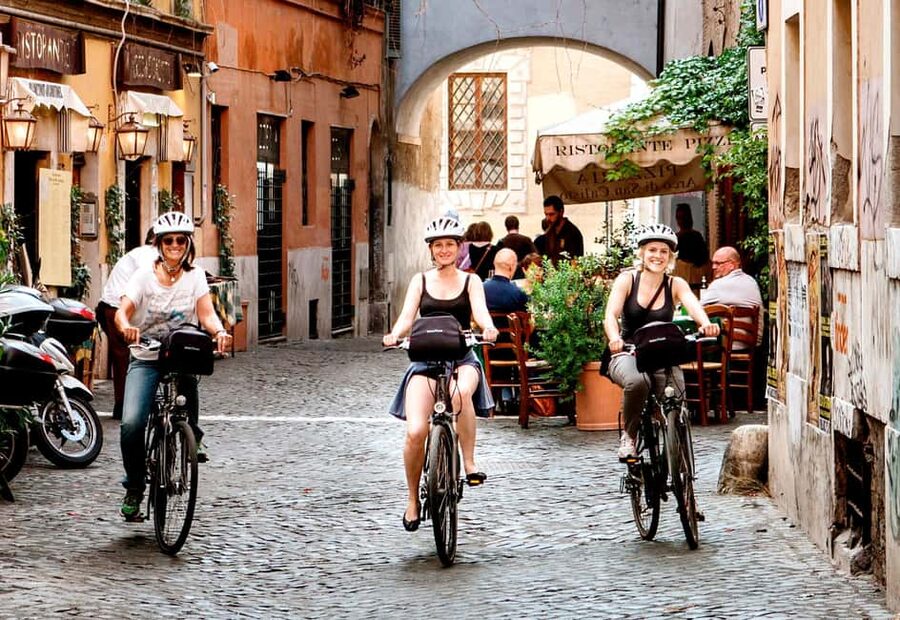
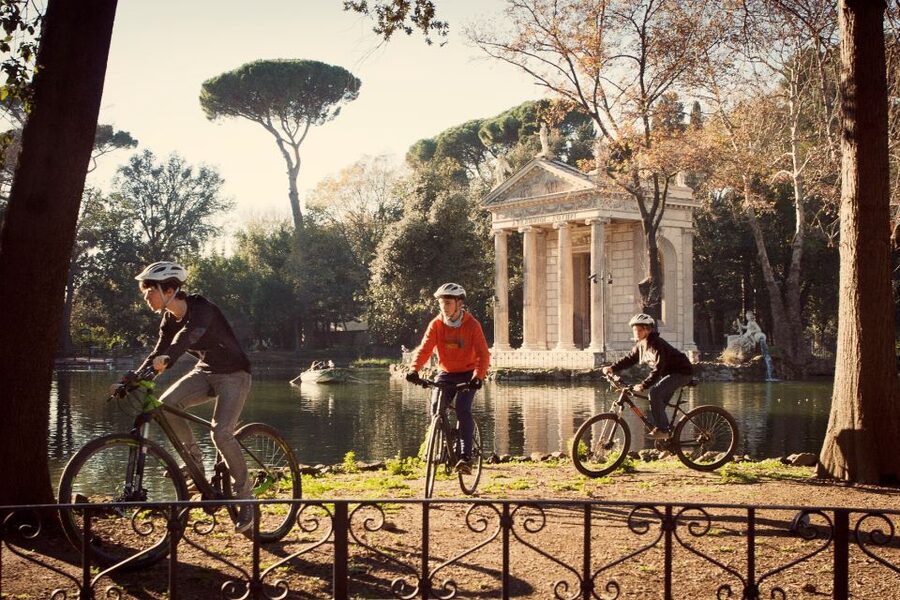
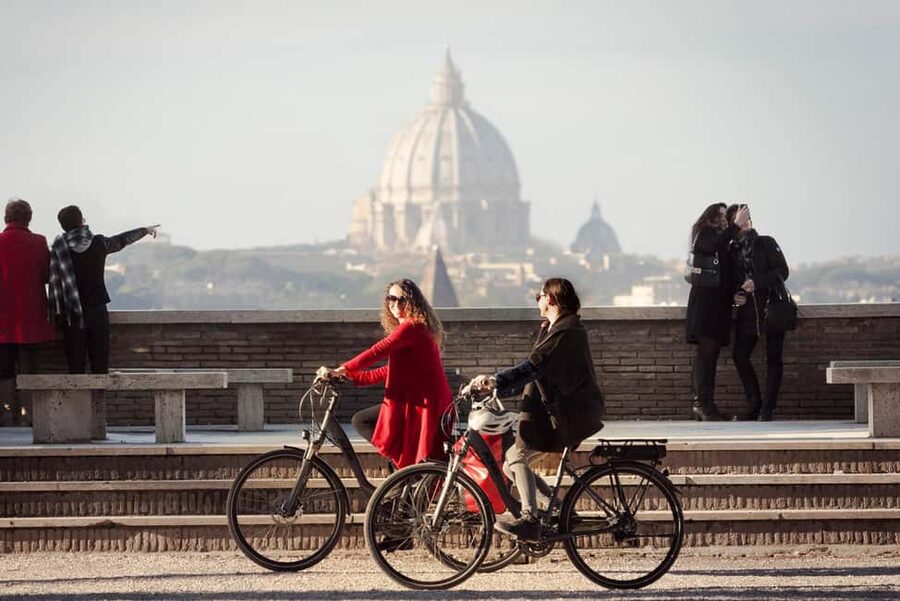
After the big-name sights, the route shifts toward Piazza del Popolo and then to Villa Borghese and a scenic view of Rome. This is a smart change of pace. When your eyes have been trained on monumental facades, a viewpoint reset helps you breathe and reframe the city.
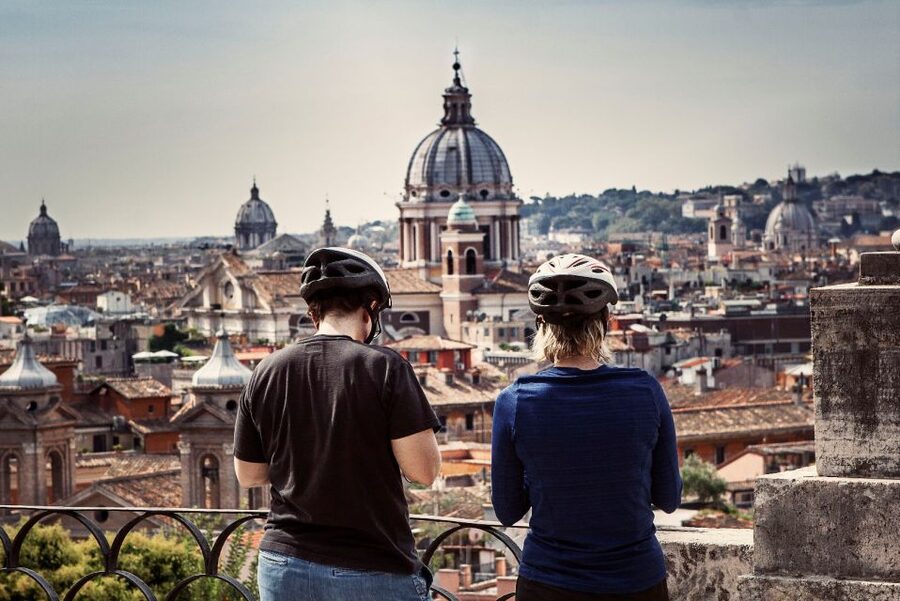
This is also where the tour’s “Rome from above” element shows up through a viewpoint stop, including the Pincio terrace mentioned in the highlights. Even if you’ve seen Rome photos before, it hits different when you get a real sense of how the city layers over hills and neighborhoods.
A nice bonus here is that the ride to the viewpoint is part of the experience. You’re not just standing in one place, you’re getting that transition feeling, moving through the center and then rewarding yourself with a panorama.
Piazza Navona to Pantheon: mixing grand form with street-level atmosphere
The tour heads to Piazza Navona, then onward to the Pantheon. Piazza Navona is listed with a special note: it’s described as the former stadium of Domitian. That kind of quick historical framing is useful, because it helps you see the shape and scale with more meaning than “big square with buildings around it.”
Then you shift to the Pantheon. Even if you don’t go inside on this kind of ride, the stop gives you a clear anchor point. You see how it sits in the city fabric, which is the part most guidebook descriptions miss. You’re standing in Rome, not just reading about Rome.
What I like about the order: you get a mix of open space and monumental “you-can’t-ignore-it” architecture. That balance keeps your attention sharp through the afternoon.
If the dates do not line up, these e-bike rides in Rome are reviewed too.


Jewish Ghetto and Portico di Ottavia: where the day turns more human
One of the most interesting parts of the route is the stop in the Jewish Ghetto area, including the Portico di Ottavia. This is where the tour starts to feel less like a checklist and more like a ride through lived-in city streets.
The value here is that you see Rome at street level. You move through quieter feeling blocks, then get back on track toward more major classics. This kind of contrast is what makes a bike tour worthwhile. You’re not only traveling between famous spots, you’re getting glimpses of neighborhood texture.
If you’re the type of traveler who loves architecture but also loves how people move through a place, this segment usually becomes one of the most memorable. It’s also a great moment to slow down mentally and notice details, because it’s easier to do on a controlled stop than in a rush through a bigger attraction zone.
Theatre of Marcellus and Imperial Fora: finishing with sweeping Roman scale
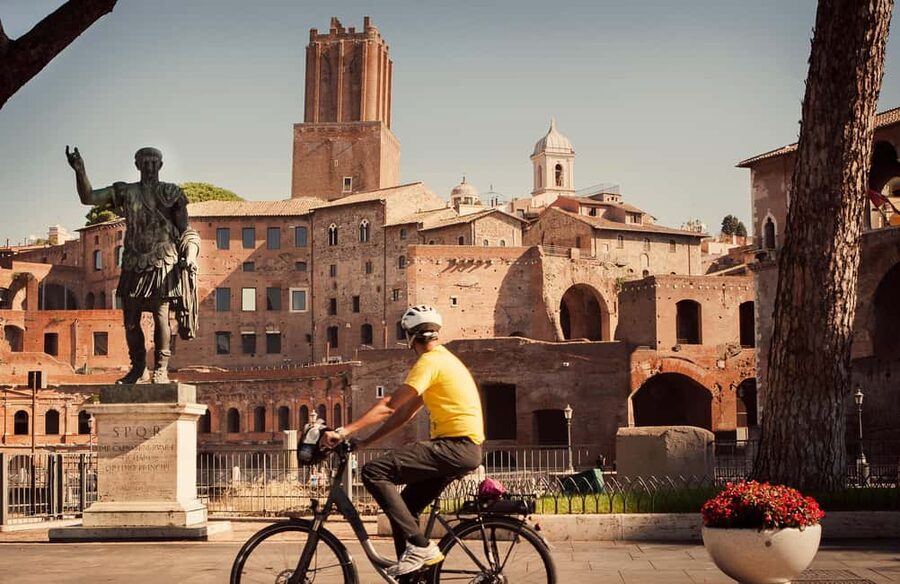
Near the end of the tour, you visit the Theatre of Marcellus and then the Imperial Fora, with a panoramic view of the Roman Forum called out in the tour highlights.
This is a strong closer because it brings together the “Rome as power and planning” feeling. You’ve already seen the Colosseum and the Forum basics, so these final stops act like a broader lens. It’s a way to end with scale and context, not just another crowded photo stop.
What to watch for at the end: keep your energy steady. Most people do fine because the e-bike takes the grind out of hills, but your legs still remember that you’re riding 14 km total. The smart move is to treat the last segment as scenic and observational, not gym time.
How much effort is this, really (14 km, leisure pace, and hills covered)
The tour distance is 14 kilometres (8.5 miles), and the difficulty is leisure. That means the intent is comfortable riding. In practice, it’s still a real ride, so you should expect a bit of seated effort and some stop-and-start.
The e-bike changes everything, especially on Rome’s uneven hills and short climbs. If you can walk at a normal pace and you can ride a bike calmly in urban traffic, you’ll be fine.
And if you’re traveling with kids, the tour has clear categories:
- Infants under 1 year are not allowed for safety
- 1 to 4 years travel on a child seat (up to 49 lbs / 22 kg) and come free
- 5 to 8 years get a child extension (tag-along)
- 9 and above can ride independently on an appropriately sized e-bike
Also note the rider equipment limit: the bike equipment has a 300 lbs (136 kg) weight limitation. That’s important if you’re choosing between child seats, or if you’re traveling with someone who needs to confirm fit and safe load.
Value check: $85 for four hours of landmarks plus real routing
At $85 per person, you’re paying for three main things:
- A guide who keeps a small group moving
- A high-quality e-bike setup, including mandatory helmet and anti-puncture tires
- Time saved by using routes that are often better connected than walking routes
Is it cheaper than doing everything solo? Usually no, because you’re buying organization and bike transport. But in a city where logistics can eat hours, this is often a good value. You get a compact “Rome overview” that helps you decide what to return to for deeper exploring later.
The small group size matters for value too. With a limit of 10 participants, you spend less time waiting and more time riding and looking. The guide’s attention also tends to be better in a smaller group, and the reviews consistently mention safety and staying together.
If you want to do one “orientation-style” experience early in your trip, this fits that job nicely. And if you’re returning later for museums, tours, and longer stays, this ride gives you the map in your head.
Who this Rome e-bike tour suits best
I think this tour is a great fit if you want:
- A fast overview of Rome’s city center in one afternoon
- A mix of major landmarks and side-street moments
- A guided ride that keeps you from getting lost in the city’s one-way, crowd, and traffic chaos
It also works well for people who don’t love walking for hours but still want to see the icons up close. You’ll cover more ground than most walking tours without feeling like you’re chasing your own schedule.
It’s less ideal if you hate crowds completely and can’t handle being in lively city areas around famous sites, even briefly. It’s also not for babies under 1.
The bottom line: should you book this tour?
Yes, if you want a single, well-paced afternoon that connects Rome’s biggest highlights with lesser-noticed streets, this is a strong choice.
I’d especially book it if:
- You want the Colosseum and Roman Forum plus a guided flow that makes the rest of the day make sense
- You’d like a viewpoint reset at Villa Borghese / Pincio terrace
- You value small-group riding with a helmet, reliable bikes, and a guide focused on keeping everyone together
If you’re only interested in one monument and want hours there, then you might prefer ticketed timed entrances and skip the ride. But if you want to understand the center quickly and then choose what to revisit, this 4-hour e-bike tour earns its place on your Rome plan.
FAQ
How long is the Rome top highlights e-bike tour?
The tour lasts 4 hours.
Where does the tour start?
It starts at Via Labicana 49, at the operator’s shop.
How far do you ride?
You’ll cover about 14 kilometres (8.5 miles).
What’s the difficulty level?
The tour is leisure. It can be intermediate if a child seat or child extension is mounted on the bicycle.
How big is the group?
The tour is a small group, limited to 10 participants.
What’s included with the e-bike?
Included are a Cannondale e-bike with anti-puncture tires, a local guide, a mandatory helmet, a handlebar bag, and a biodegradable bottle of water.
Which languages are available for the live guide?
Guides are available in Spanish, French, German, Dutch, Italian, and English.
Are helmets required?
Yes. Wearing a helmet is mandatory on the tour.
Is it suitable for children and infants?
Babies under 1 year are not allowed. Ages 1 to 4 travel on a child seat (up to 49 lbs / 22 kg) and come free. Ages 5 to 8 use a tag-along extension. Ages 9 and above can ride independently on an appropriately sized e-bike.
Cycling Tours in Rome We Also Walked
Our Wider Tours File for Rome
Not quite the day you had in mind? The rest of our Rome write-ups sit below
- Rome: Guided Tour of St. Peter’s Dome Climb, Basilica & Vatacombs★ 5.0 · 167 reviews
- St. Peter’s Basilica Guided Tour with Reserved Entrance★ 4.0 · 168 reviews
- Golf Cart Driving Tour in Rome: 2.5 hrs Catacombs & Appian Way★ 5.0 · 168 reviews
- Rome: Trastevere Wine Tasting with Food Pairing and Gelato★ 4.9 · 168 reviews
- Guided Tour of the Colosseum Palatine Hill and Roman Forum★ 4.7 · 168 reviews
- Vatican Museums, Sistine Chapel & Saint Peter’s Semi-Private Tour★ 4.5 · 169 reviews
- Hidden Rome: Small Group E-Bike Tour with Street Food Stops★ 5.0 · 169 reviews
- Rome: Papal Audience with Pope Leo IV★ 3.9 · 169 reviews
- Rome Golf Cart Tour: Highlights & Must See★ 4.5 · 170 reviews
E-Bikes, top to bottom.
 ★ 5.0Rome EBike Tour: Appian Way, Catacombs & Roman AqueductsFrom $1021,766 reviews
 ★ 4.9Rome: Appian Way, Catacombs, & Roman Aqueducts E-bike TourFrom $851,421 reviews
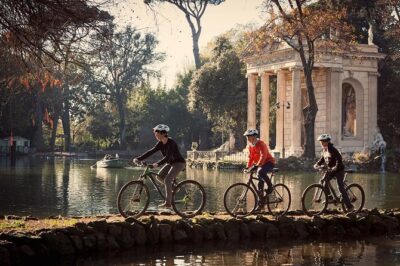 ★ 5.0Rome City Small Group Bike Tour with quality Cannondale EBikeFrom $1021,380 reviews
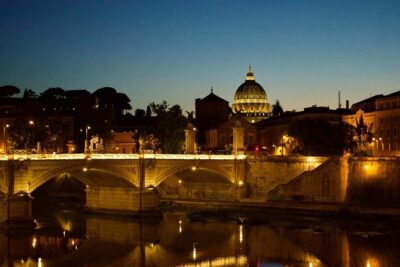 ★ 5.0Rome by Night – Ebike Small Group Tour – Food and Wine (Option)From $711,275 reviews
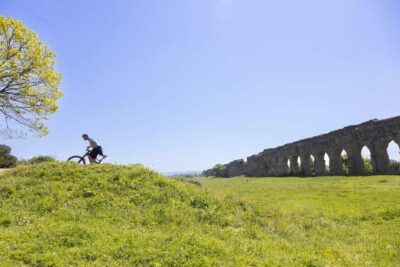 ★ 4.9Rome:Appian Way E-bike Tour with Catacombs, Aqueducts & FoodFrom $961,210 reviews
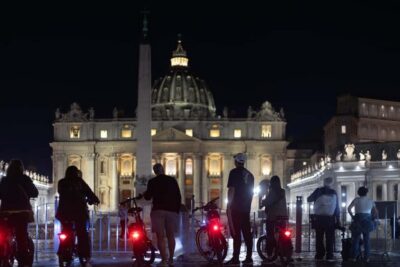 ★ 4.9Rome: E-Bike Night Tour with Food and Wine TastingFrom $891,131 reviews
 ★ 4.5Florence: E-Bike Tour with Michelangelo SquareFrom $431,035 reviews
 ★ 5.0Private Self-Guided E-Bike Ride in Tuscany with Vineyard VisitFrom $96775 reviews
Filed under