
Reviewed · SIENA & SAN GIMIGNANO DAY TRIPS
Siena: Cathedral Complex Pass with Audio Guide (OPA SI PASS)
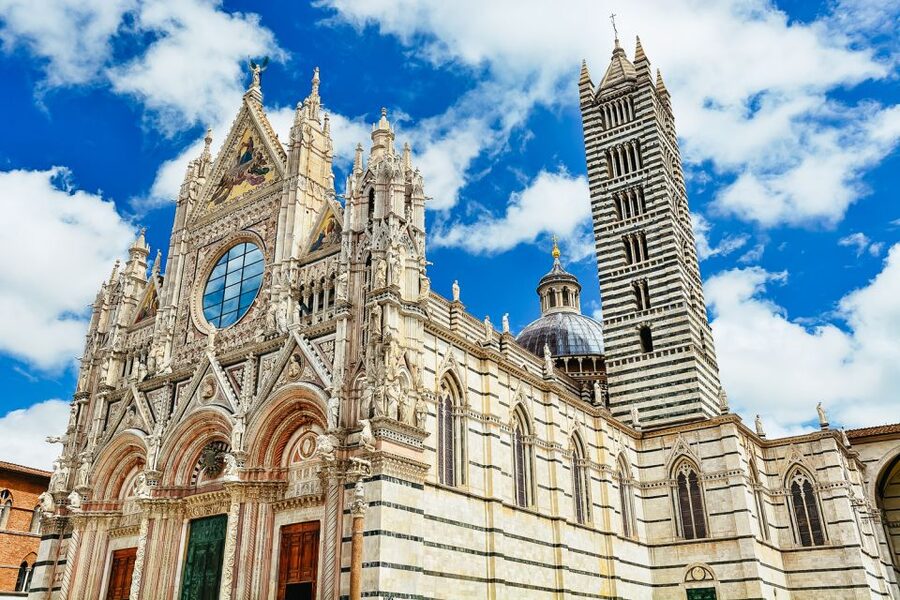
Siena packs power into one ticket. With the OPA SI PASS, you get access across Siena’s Duomo complex plus a smartphone digital audio guide, so you can learn as you wander at your own pace. I especially like that the pass strings together the big showpieces, like the Crypt and Piccolomini Library, without forcing a rigid guided route.
The one thing to plan around is logistics: you still have to exchange your voucher at the official ticket office at the Cripta del Duomo di Siena, and in busier periods that step can add a wait. Still, the payoff is real if you want maximum sites with minimal fuss.
In This Review
- Key highlights you should care about
- OPA SI PASS in plain English, what you really get
- Exchanging your voucher at Cripta del Duomo di Siena
- Inside the Duomo: mosaic floor, big sculptures, and scale
- Baptistery of San Giovanni: the Baptismal Font moment
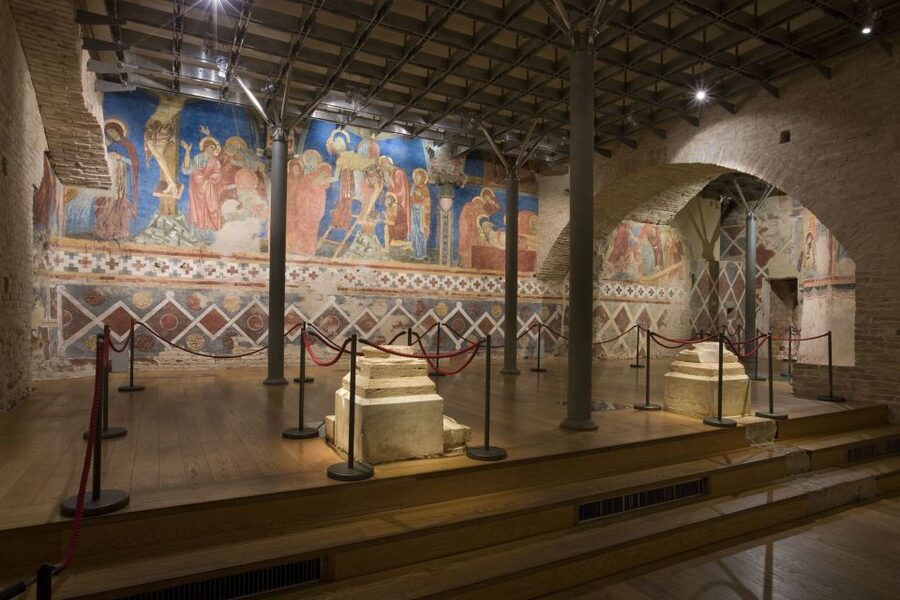
- Crypt below the city: hidden spaces you can actually reach
- Piccolomini Library and Pinturicchio: look up, then read the story
- Museo dell’Opera: where the cathedral’s past gets physical
- Oratory of San Bernardino: a museum stop inside the sacred complex
- Facciatone viewpoint: stairs, small group flow, and the payoff view
- How to make the most of the smartphone audio guide
- Price and value: is $21 worth it for the Duomo complex?
- Who should book the OPA SI PASS, and who might want a different plan
- Should you book this pass?
- FAQ
- What is the OPA SI PASS?
- What areas are not included with this pass?
- How long is the pass valid?
- Where do I exchange my voucher?
- What is the last time I can enter Siena Cathedral?
- What do I need for the audio guide?
- Does the voucher need to be used on a specific date?
- Is there a live guide included?
- What is the cancellation policy?
Key highlights you should care about
- Access-all-areas entry to the Duomo complex (with the rooftop/Gate of Heaven excluded)
- Smartphone audio guide that explains what you’re seeing, not just dates on a wall
- Museo dell’Opera stops for sculptures and artworks connected to the cathedral’s past
- Piccolomini Library with Pinturicchio frescoes and episodes from the life of Pope Pius II
- Facciatone viewpoint for city views, with a note that the climb and exit work in small groups
OPA SI PASS in plain English, what you really get
This pass is built for one goal: getting you through Siena’s cathedral complex efficiently. Think of it as a master key for the main indoor and underground spaces, with a built-in learning tool.
With the OPA SI PASS, you can enter the Duomo of Siena, the Baptistery of San Giovanni, the Crypt, the Piccolomini Library, the Museo dell’Opera, and the Oratory of San Bernardino. You also get access to the Facciatone viewpoint. The one clear exclusion is the rooftop portion, sometimes referred to as the Gate of Heaven.
You’ll also receive a digital audio guide. It’s not a live guide, so you won’t have a person corralling you or answering questions on the spot. What you do get is narration you control, which is ideal in a place like Siena where the details matter and you’ll want time to look up, look down, and pause.
Other Siena and San Gimignano day trips in Siena that earned their own write-up.
- From Florence: San Gimignano, Siena, and Chianti Wine Tour
★ 4.5 · 3,762 reviews - Siena: Siena Cathedral and Piccolomini Library Entry Ticket
★ 4.5 · 3,462 reviews - Siena: Cathedral Complex Pass with Audio Guide (OPA SI PASS)
★ 4.4 · 2,773 reviews - Siena: Walking Tour and Skip-the-Line Duomo Tickets
★ 4.8 · 1,116 reviews
Exchanging your voucher at Cripta del Duomo di Siena
Start with the practical bit. Your voucher needs to be exchanged at the official ticket office at Cripta del Duomo di Siena, before you can use your timed access.
A couple of small realities are worth knowing:
- The exchange point can be a little confusing to locate, so give yourself extra minutes at the start.
- The last entry to Siena Cathedral is 30 minutes before closing time, so don’t plan to wander in near closing and hope for the best.
If you want a smoother first hour, show up ready to act: have your voucher ready, and treat the exchange like part of the experience, not a speed bump. Once you’re inside the complex, the pass works like what it is, a connected ticket to multiple sites.
Inside the Duomo: mosaic floor, big sculptures, and scale
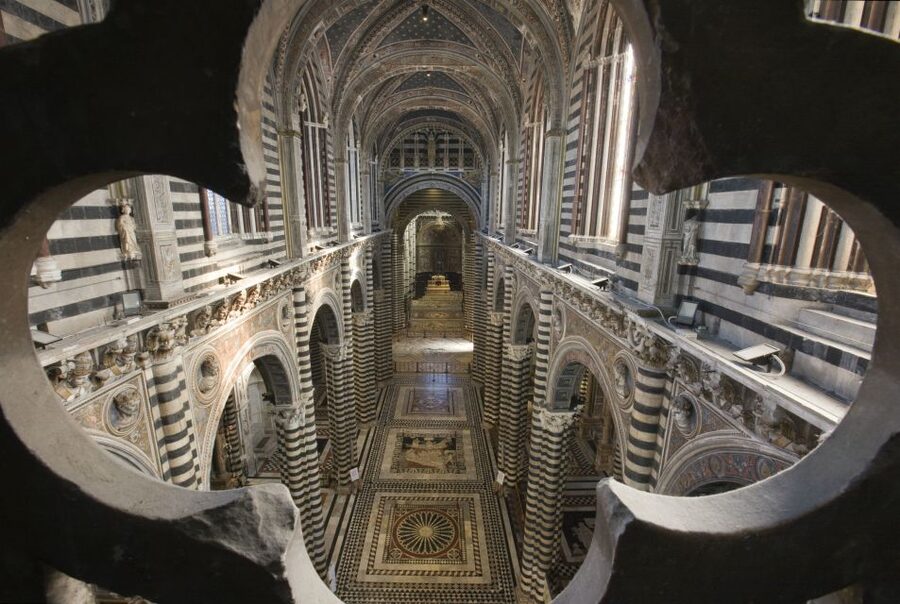
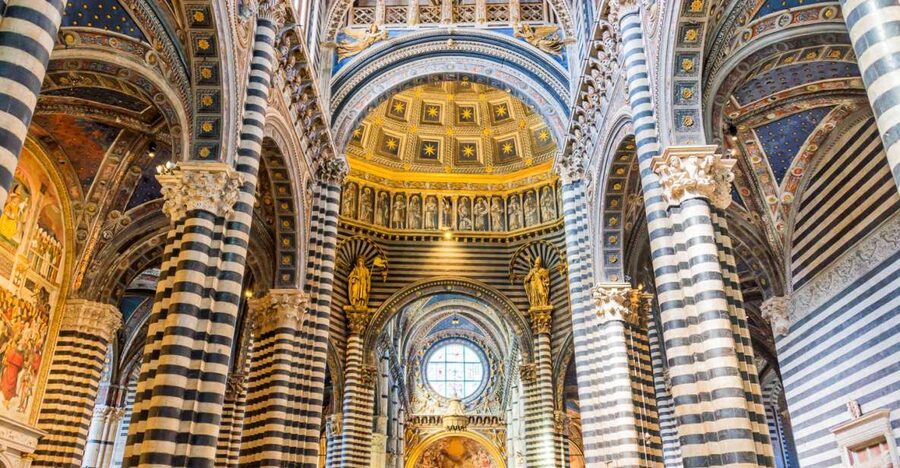
Walking into the Duomo is the first moment where you feel why this area is so famous. Siena’s cathedral is not just a building, it’s a whole layered set of spaces and artwork. With the pass, you can take your time through the interiors without worrying about separate tickets for each stop.
One of the best things you’ll notice is the mosaic marble floor, the kind that rewards slow feet. You’ll see biblical stories worked into the patterning as you walk. It turns the act of moving through the cathedral into a quiet guided lesson.
Art comes at you from multiple angles. You’ll see sculptures placed around the cathedral, including The Feast of Herod by Donatello and St. Paul by Michaelangelo. Even if you are not a museum person, you’ll likely recognize these names or at least the confidence of the work.
Practical tip: use the cathedral time to do two things in order. First, get your bearings inside. Then, switch modes from looking for landmarks to looking for detail, especially along the floor and around the sculptures. That’s where the audio guide tends to make the space click.
Baptistery of San Giovanni: the Baptismal Font moment
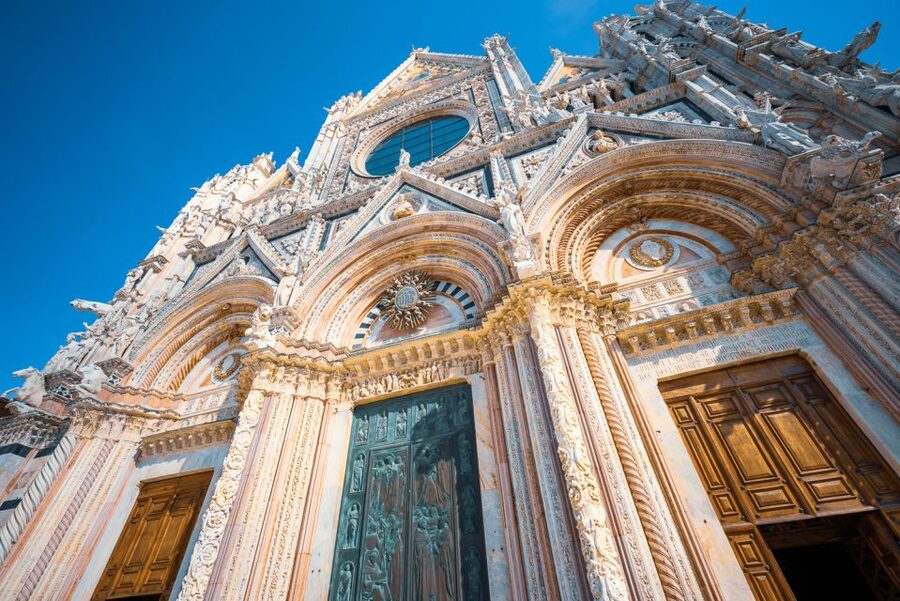
Next up is the Baptistery of San Giovanni, still part of the Duomo complex. This stop is a reset from the main cathedral room, and it helps you understand how Siena treated baptism, ritual, and sacred art as central themes.
The star here is the Baptismal Font. Plan to slow down. Fonts sound like a small item until you see one in context, when it becomes the focal point for how the space wants you to look and think.
If you like religious art, this is a strong moment. If you don’t, it’s still worth your time because it’s one of those “this is why people built these places” objects. The pass gets you there without extra friction, which is why it’s a good value.
Crypt below the city: hidden spaces you can actually reach
Then you go underground to the Crypt. This is one of those areas that feels almost like a different building, because it is literally lower and separate in feel.
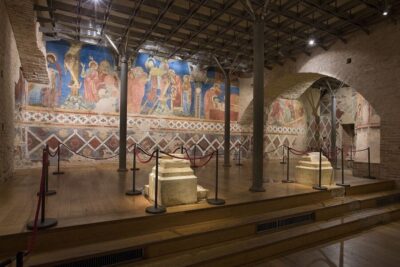
What I like most about the Crypt stop is the contrast. You start in grand architecture above, then you’re in a space that remained hidden for more than seven centuries. That detail changes your mindset. You’re not just seeing old walls, you’re stepping into a protected layer of Siena’s religious life.
The Crypt is also where the site tends to show off its visual storytelling. You’ll come across frescoes, and it’s the kind of setting where you’ll benefit from listening to the audio narration as you walk, because the meaning lands better when you don’t feel rushed.
If you’re trying to fit everything in one day, this is the stop where you should protect time. It’s easy to “technically” visit the Crypt and still miss what makes it special.
Piccolomini Library and Pinturicchio: look up, then read the story
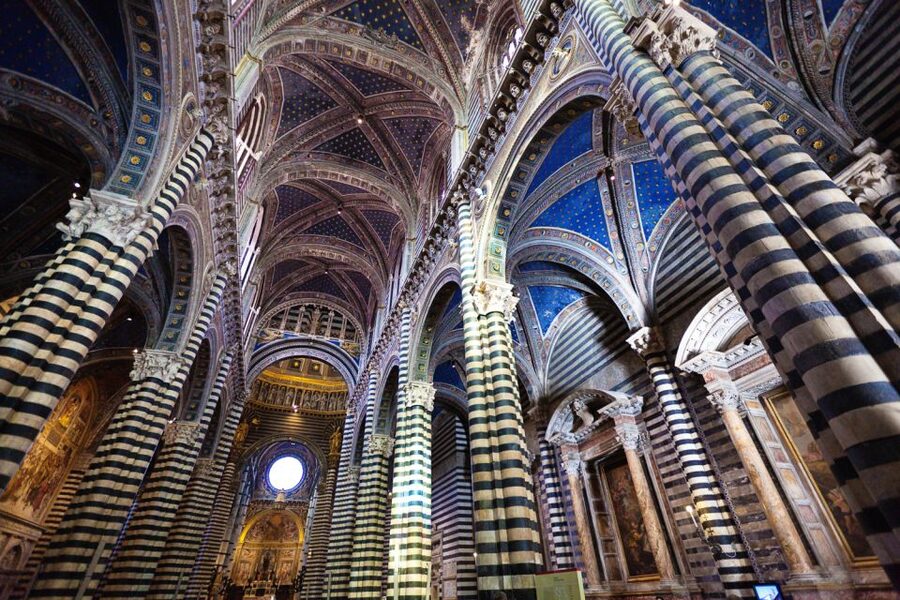
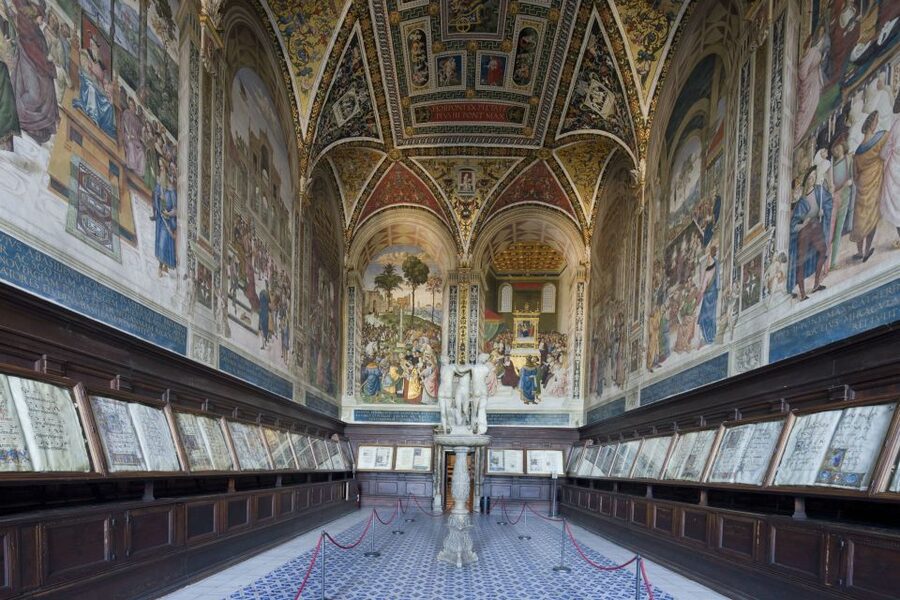
Now for the wow factor. The Piccolomini Library is all about frescoes and upward attention. With the pass, you can get in and spend time in the library without juggling tickets.
Here’s what makes it matter: you’ll see frescoes by Pinturicchio, telling ten episodes from the life of Pope Pius II. That narrative structure helps you look past the beauty and into the storyline. Instead of treating the frescoes like wall decorations, you start mapping scenes to meanings.
A simple way to use your time well:
- Look up first to get the composition in your head.
- Then let the audio guide connect the scenes and episodes.
This is also a great stop for any “I like art but I need context” mindset. You don’t need to be an expert to enjoy it. The pass gives you enough framing to make the visuals feel intentional.
We wrote up further guided tours in Siena on the same pass through the archive.
Museo dell’Opera: where the cathedral’s past gets physical
The Museo dell’Opera is the place where you get to see the cathedral’s story as objects. This is not just “stuff in a room.” It’s a collection tied to the Duomo’s earlier works and decorative life.
Expect archaeological fragments and artworks connected to the cathedral. You’ll also find sculptures and paintings, including Gothic sculptures by Giovanni Pisano and works by Ambrogio and Pietro Lorenzetti.
One practical reason I love this stop is that it balances the earlier experiences. Above ground you’re surrounded by the Duomo complex, but inside the museum you can slow down and study without the same architectural pressure. You can stand, read, and connect names to the spaces you already visited.
A detail worth noting from the experience reports you provided: there’s a sky-walk route included in the museum portion that is worth factoring into your planning. If you want city views and a different perspective on the cathedral complex, you’ll probably enjoy that added route.
Oratory of San Bernardino: a museum stop inside the sacred complex
After the cathedral spaces and museum objects, the Oratory of San Bernardino brings you into a different kind of viewing. Here you’ll find the Diocesan Museum of Religious Art, centered on the upper oratory chapel.
This is where the pass helps you if you like variety. You’re not just repeating the same type of room. The museum focus means you’ll see Siennese paintings ranging from the 13th to the 18th century.
If you came for the big-famous cathedral moments, this can still be a strong payoff because it shows how the sacred world in Siena kept evolving across centuries. It also gives your legs a break from constant stair and corridor movement, since museum pacing is easier to control.
Facciatone viewpoint: stairs, small group flow, and the payoff view
You finish with the Facciatone viewpoint access. This climb is often what makes people say the whole trip was worth the effort.
The view is the point: you’ll look out over Siena, and on clear days you’ll also catch the rolling Tuscan countryside. This kind of vantage is where you stop thinking like a visitor and start thinking like a planner. You begin to understand how Siena’s layout and hills shape what you’ve been walking through.
One planning note: the route works in small groups, and visitors are sent out sporadically in groups of 15 to 20 because the way out and the way back are narrow. Translation for your day: don’t schedule the viewpoint as the last stop of your itinerary without buffer time.
If a 7:00 entry time is available, it’s been described as perfect for sunset from the top. Even if you are not chasing sunset, any later slot tends to make the viewpoint feel more like a moment than a task.
How to make the most of the smartphone audio guide
The audio guide is digital and designed for self-guided use. You’ll want your own cell phone, since the guide runs through it.
The biggest value is how it changes your pacing. Instead of walking room to room hoping you’ll remember what mattered later, you hear context while you’re standing in the space. The guide is especially helpful for understanding how each part of the complex fits together: cathedral, baptism space, underground layers, curated artworks, and then the panoramic conclusion.
My practical suggestion is simple: don’t hit play and keep walking. Pause for major stops. Listen for the bits that tell you what to look for, then look. You’ll get more from less time.
Also, you’ll get more from repeating a habit: look up in the library, look down at the mosaic floor, look around in the cathedral for sculpture placements. The guide makes those habits more meaningful.
Price and value: is $21 worth it for the Duomo complex?
At $21 per person (plus a booking fee), this pass is priced for one clear category of buyer: the person who wants a lot of access without spending time and energy on separate ticket purchases.
Here’s what you’re really paying for:
- Entry into multiple distinct spaces in the Duomo complex
- A digital audio guide that gives you context for the time you spend inside
- A viewpoint finish that helps the day feel complete
This is also a good value if you prefer independent travel. You can move at your speed, stop for a long look at fresco episodes, or spend extra time in the Crypt without waiting for a group to catch up.
The only caution on value is time pressure. The pass covers many areas, but you still have to fit them into opening hours. Since the last entry to the Cathedral is 30 minutes before closing, you’ll want to start with enough daylight and energy that you don’t feel rushed at the end.
Who should book the OPA SI PASS, and who might want a different plan
This pass fits you best if:
- You want self-guided access to many parts of the Siena Duomo complex
- You like using audio narration to understand places on your own schedule
- You care about both the visual spectacle and the object-based museum side, like Museo dell’Opera
It might be less ideal if:
- You strongly want rooftop access, because the rooftop Gate of Heaven entrance is not included in this pass
- You prefer a live guide experience where questions and explanations happen in real time
If rooftop is a must, plan on adding it separately. One report you provided noted that the Gate of Heaven option was only 5 EUR when added, but you should verify current pricing when you are in town.
Should you book this pass?
Yes, I’d book it if you’re prioritizing Siena’s Duomo complex as a full highlight day. The combination of multi-site access plus a smartphone audio guide is exactly what helps you connect the Crypt, Piccolomini Library fresco story, the Museo dell’Opera objects, and the final Facciatone viewpoint into one coherent experience.
But if you are traveling with a strict time budget and you know you only want the main cathedral highlights, you might consider whether you truly need every included area. The pass is at its best when you use it like what it is: a sampler of Siena’s sacred and artistic layers, not a quick peek.
FAQ
What is the OPA SI PASS?
It is an access pass for Siena’s Cathedral complex. It includes entry to the Duomo, Baptistery, Crypt, Piccolomini Library, Museo dell’Opera, Oratory, and the Facciatone viewpoint, plus a digital audio guide.
What areas are not included with this pass?
The Gate of Heaven entrance, which is the rooftop of the cathedral, is not included.
How long is the pass valid?
The pass is valid for 3 days. You should check availability to see starting times.
Where do I exchange my voucher?
You exchange your voucher at the official ticket office at Cripta del Duomo di Siena.
What is the last time I can enter Siena Cathedral?
The last entry to Siena Cathedral is 30 minutes before closing time.
What do I need for the audio guide?
It is a digital audio guide for your smartphone, so you should bring your own cell phone.
Does the voucher need to be used on a specific date?
Yes. The voucher must be used on the booked date.
Is there a live guide included?
No. A live guide is not included.
What is the cancellation policy?
You can cancel up to 24 hours in advance for a full refund.
Guided Tours in Siena We Also Walked
Beside This One, Siena and San Gimignano Day Trips in Siena
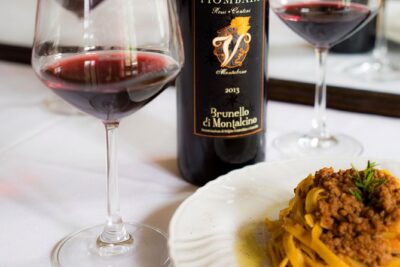
Not quite the day you had in mind? The rest of our Siena write-ups sit below
- San Gimignano, Siena, Monteriggioni: Fully Escorted Tour, Lunch & Wine Tasting★ 4.5 · 171 reviews
- Hidden Castles & Chianti Wine Experience– Small Group★ 4.5 · 172 reviews
- Siena: Horseback Riding Tour in the Tuscany Countryside★ 4.8 · 177 reviews
- Small-Group San Gimignano and Volterra Day Trip from Siena★ 5.0 · 180 reviews
- Siena: San Gimignano, Chianti & Montalcino Small-Group Tour★ 4.6 · 195 reviews
- Siena’s Ultimate Food Tour: Full Tuscan Meal by Do Eat Better★ 5.0 · 203 reviews
- Siena: Educational Wine Tour & Tasting★ 5.0 · 203 reviews
- From Siena: Pienza and Montepulciano Small-Group Tour★ 4.9 · 220 reviews
- A Brunello Cooking Class with Vineyards View Winery★ 5.0 · 221 reviews
Siena & San Gimignano Day Trips, top to bottom.
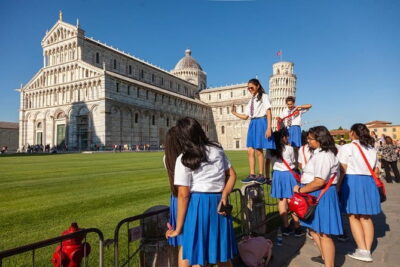 ★ 5.0Tuscany Day Trip from Florence: Siena, San Gimignano, Pisa and Lunch at a WineryFrom $11421,634 reviews
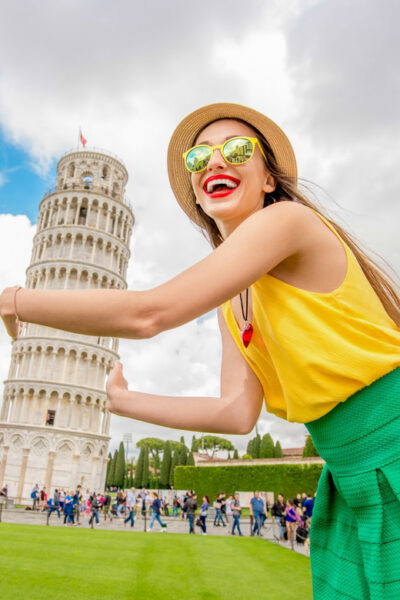 ★ 4.6Florence: Pisa, Siena and San Gimignano Day Trip with LunchFrom $589,771 reviews
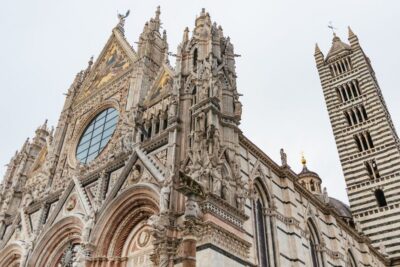 ★ 4.5Florence: Pisa, Siena, San Gimignano, and Chianti ExperienceFrom $528,393 reviews
 ★ 4.5Pisa, Siena and San Gimignano Day Trip with Lunch & Wine PairingFrom $786,006 reviews
 ★ 4.8From Florence: Siena, San Gimignano, Pisa & Lunch at WineryFrom $1124,538 reviews
 ★ 4.6Florence: Pisa, Siena, S. Gimignano, Chianti Wine & LunchFrom $774,354 reviews
 ★ 4.5From Florence: San Gimignano, Siena, and Chianti Wine TourFrom $1643,762 reviews
 ★ 4.5Siena: Siena Cathedral and Piccolomini Library Entry TicketFrom $93,462 reviews