
Reviewed · COOKING CLASSES
Tuscan Cooking Class
If you want a real Tuscan meal, cook it first. This class is a 3-hour hands-on lesson in a local farmhouse kitchen near San Gimignano, where you help prepare a full lunch or dinner. I especially like the small group feel, with a maximum of 8 travelers, and the farm-to-table approach that keeps the menu seasonal and local.
You can also expect actual technique, not just watching. You’ll learn how to build a proper Tuscan meal across multiple courses, including handmade pasta like pici or tagliatelle, plus sauces you can recreate at home. One possible drawback to plan for is that the farmhouse location can be tricky to find unless you know the roads, so give yourself buffer time or arrange a driver.
In This Review
- Key things to know
- A farmhouse kitchen lesson near San Gimignano
- The 3-hour flow, from antipasto to handmade pasta
- Starter: Antipasto and the art of simple starters
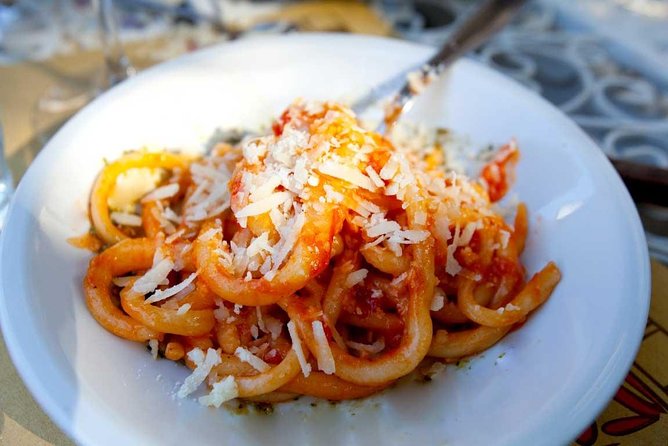
- Primo: pici or tagliatelle, plus sauce technique
- Secondo: meat or vegetarian, built for a real lunch
- The last step: sit down and eat with wine
- Handmade pasta and sauces you can recreate at home
- Wine pairings that teach your palate
- Vegetarian, gluten free, and allergy planning done in advance
- The truffle hunt add-on and how it changes the meal
- Location and timing: getting to Agriturismo Il Vicario
- Price and value: what $157.21 buys you in real life
- Who this class is best for
- Should you book this Tuscan cooking class?
- FAQ
- How long is the Tuscan cooking class?
- Where does the class start in San Gimignano?
- How much is it per person?
- How many people are in the group?
- What will I cook during the class?
- Is there wine included?
- Can the class accommodate vegetarian or gluten free needs?
- Are allergies accommodated?
- Is the truffle hunt available?
- What is the cancellation policy?
Key things to know
- 5 to 6 course Tuscan meal: You help prep multiple courses, then you sit down and eat what you made.
- Handmade pasta in the mix: Options include pici or tagliatelle, plus accompanying sauces.
- Wine pairings with each course: Local Tuscan wines are matched to what you’re cooking and tasting.
- Optional truffle hunt add-on: If you add it, you’ll shift into truffle-based specialties.
- Accommodates diets: Vegetarian and gluten free classes are available, and allergies can be handled if you tell them.
A farmhouse kitchen lesson near San Gimignano
San Gimignano is famous for its towers, but the real Tuscany vibe comes when you get off the main drag and into a working-style farmhouse setting. This Tuscan cooking class starts at Agriturismo Il Vicario, Loc. S. Andrea, 1 in San Gimignano, and you end right back at the same meeting point. The format is simple: you arrive, you learn, you cook, then you relax and eat.
What makes this experience worth your time is the way it treats cooking as a full evening rhythm, not a quick demo. The class is built around a traditional 5 to 6 course lunch or dinner, and each course has a purpose: texture, flavor balance, and how one dish leads into the next.
Most importantly, it is hands-on. You’re not just there to collect recipes you can barely read later. You’re working the dough, chopping the components for antipasto, and learning how sauces come together. That’s why so many people rate this so highly. Even if you’re not a confident home cook, you’ll leave with a plan you can actually follow.
Still weighing it up? We have written up plenty of other tours and tickets across San Gimignano.
- Tuscan Cooking Class
★ 5.0 · 584 reviews - Visit Best Wineries in Tuscany – Wine Tasting & Tour
★ 4.5 · 263 reviews - San Gimignano: Lunch or Dinner at a Winery with Wine Tasting
★ 4.7 · 177 reviews
The 3-hour flow, from antipasto to handmade pasta
The timing is tight in a good way. Expect about 3 hours, and within that window you’ll prep and eat a multi-course Tuscan meal. The class is organized so everyone gets involved, and because the group is capped at 8 travelers, you’re less likely to get stuck on the sidelines.
Starter: Antipasto and the art of simple starters
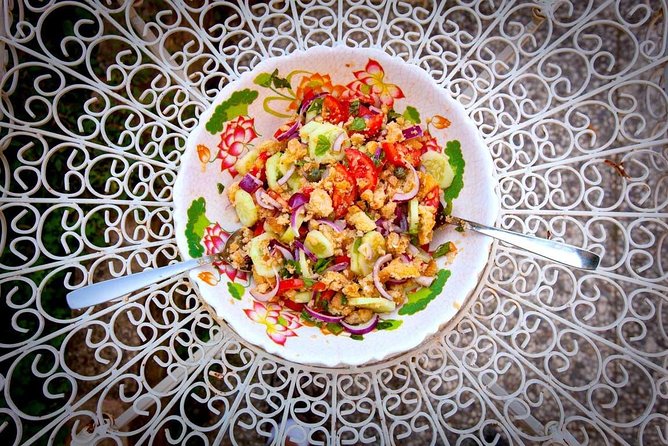
The sample menu starts with bruschette. You may do bruschetta with tomatoes, bruschetta with extra virgin olive oil, and you can also have a cheese tasting with jam and honey. This is where you get a quick lesson in Tuscan flavor logic: quality olive oil matters, tomatoes should taste like tomatoes, and sweet touches like honey can balance a cheese’s tang.
In real kitchens, starters set the tone for what comes next. If your bruschetta is too bland, your pasta sauces will seem flat. If your cheese plate is harsh or unbalanced, your palate won’t be ready for the heavier secondo course later.
Primo: pici or tagliatelle, plus sauce technique
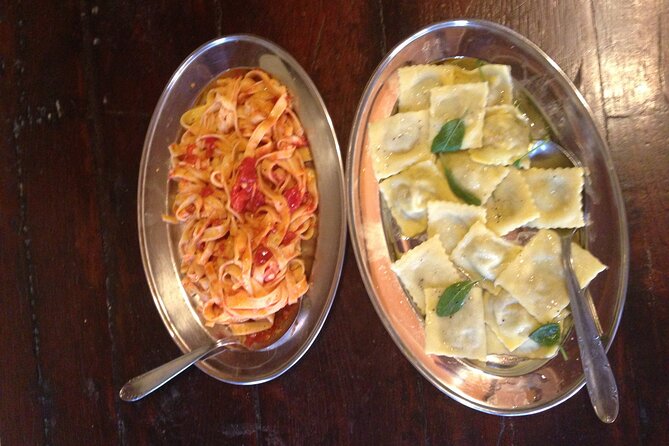
Next comes the primo portion. The sample menu includes pici or hand-made tagliatelle, served with sauces. You’ll also make pasta with another sauce, so there’s usually more than one pasta element in the plan.
Pasta-making is often where people get nervous. But the class is designed to make it feel doable. One strong theme in the instructor style is teaching you how to make pasta from a small set of ingredients, then adjusting the result through technique. You’ll learn not just how to roll or shape, but how to think about sauce pairing, because in Tuscany pasta is not a side dish. It is the core.
Secondo: meat or vegetarian, built for a real lunch
The final main course in the sample menu is secondo, either meat or vegetarian. The point here is variety. After bread, cheese, bruschetta, and pasta, you shift to a dish that feels complete and satisfying.
One nice detail is that the class doesn’t treat vegetarian as a reduced option. Vegetarian cooking is offered as its own class format, and you’ll still get a full meal structure rather than a token swap.
The last step: sit down and eat with wine
Because this is a cooking class that ends with lunch or dinner, the meal is the payoff. You prepare the courses, then you relax and taste the final lineup. The class also pairs your food with local Tuscan wines, which helps you understand why Tuscan cooking works. When you taste the wine next to the sauces and cheese, you start spotting flavor balance fast.
Handmade pasta and sauces you can recreate at home
The best cooking classes leave you with repeatable skills. This one focuses on that. The hosts teach you how Tuscany cooking should taste, using a blend of tradition and practical guidance.
Here are the skills that tend to stick:
Sauce logic, not just recipes. You learn how to balance ingredients so the final sauce tastes correct, not just “close.” One recurring theme from past participants is that instructors explained why certain combinations work, and why other mixes can fight each other on the palate.
The sauce match to your pasta. In Tuscany, sauce is not an afterthought. You’ll prep pasta and also work on sauces that fit. If you’ve ever made pasta at home and watched the sauce slide off or taste weirdly dull, this structure helps you correct that.
Real kitchen adaptation. Some instructors share how to improvise using what you have. That means you can build a Tuscan-style sauce from a few core ingredients instead of chasing an impossible list.
If you’re an experienced cook, you’ll still like this because it teaches technique and taste, not just tradition for tradition’s sake. If you’re a beginner, the small group helps, since someone can guide you while you’re actually working.
Wine pairings that teach your palate
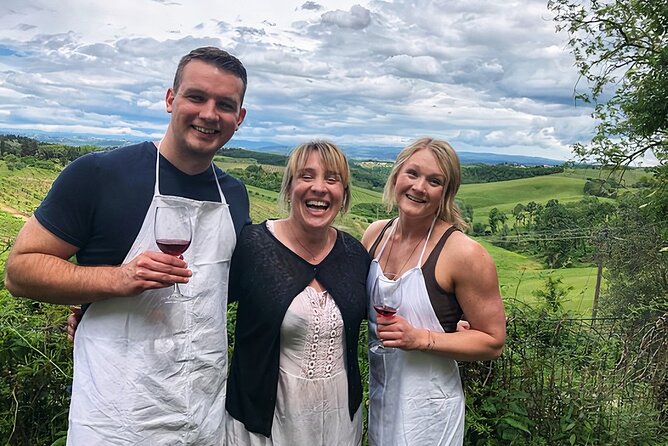
Wine pairing can be hit or miss in some classes. Here, it is part of the course design. Your meal is paired with local Tuscan wines across the menu, so your tasting is tied to what you’re cooking in real time.
That matters because wine is not just a “free drink.” It’s a flavor lens. When you match wine to bruschetta, cheese, pasta, and secondo, you start learning what Tuscan cooking is aiming for: savory depth, olive oil brightness, and sauces that don’t overwhelm the pasta.
Also, the hosts treat the meal like a celebration. Several people describe a warm, family-style atmosphere, with plenty of laughter and conversation. That’s not fluff. When you’re relaxed, you learn faster, and the class becomes memorable instead of stressful.
Vegetarian, gluten free, and allergy planning done in advance
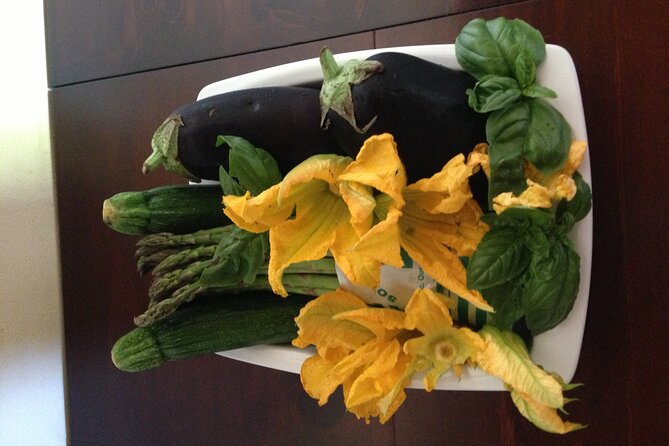
Good meals are inclusive meals. This class specifically mentions vegetarian and gluten free cooking classes, and it also accommodates food allergies if you tell the provider.
That’s practical for you, because the key question is not whether they can adjust. It is whether they adjust without rushing you through a separate plan. The format here is structured around courses, so if you’re vegetarian or gluten free, you’re still cooking through the flow of a full Tuscan menu.
My advice: when you book, be clear and simple about what you need to avoid. Don’t just say allergies in general terms, list them. That gives the hosts time to plan a meal that matches the menu rhythm.
The truffle hunt add-on and how it changes the meal
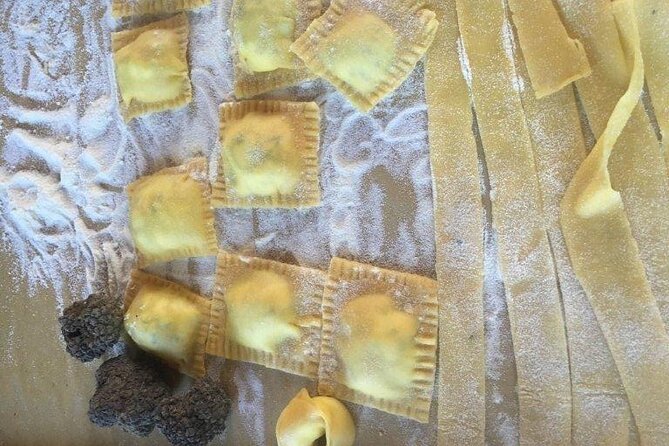
If you want something extra, there’s an optional truffle hunt add-on. If you add it, you’ll prepare truffle-based specialties.
Even without more detail, you can treat this as a “theme shift.” The core class is traditional Tuscan cooking with seasonal ingredients. The truffle option adds a more specific flavor direction, and it’s a fun way to connect Tuscany with one of its most famous ingredients.
If you’re a truffle fan, this is an easy decision. If you’re not, the base class menu still sounds strong, with handmade pasta and a full course structure.
Location and timing: getting to Agriturismo Il Vicario
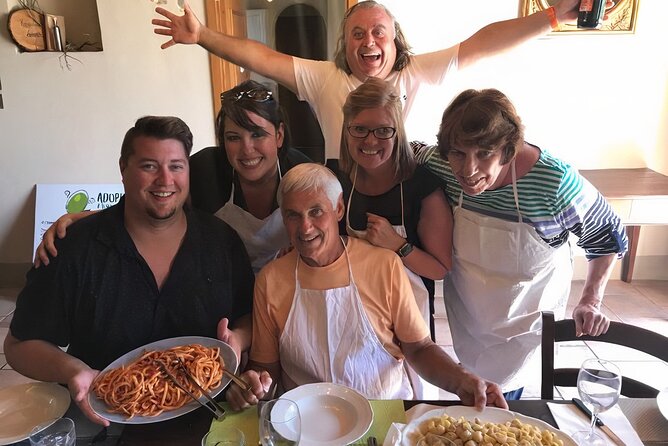
The meeting point is Agriturismo Il Vicario-Tuscan cooking class, Loc. S. Andrea, 1, 53037 San Gimignano SI, Italy. The class ends back at the same spot.
This kind of farmhouse setting can be hard to find if you’re driving without local knowledge. A past participant even noted it can be tough to locate the house, and suggested getting a driver if you are not comfortable with the roads. I agree with that approach as a traveler. Tuscany back roads can be fine, until you lose the one turn that gets you there.
Practical take: plan for a little extra travel time and consider transport help, especially if you want to drink wine with your meal.
Price and value: what $157.21 buys you in real life
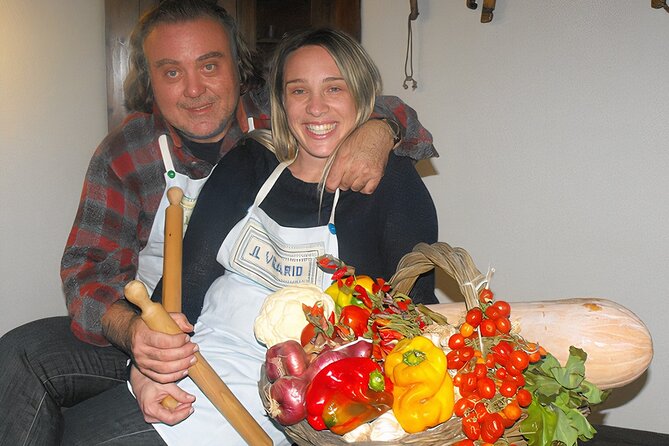
At $157.21 per person, you’re paying for more than a recipe session. You’re paying for a guided, hands-on Tuscan meal in a farmhouse kitchen, plus wine pairings tied to the courses.
Here’s why that can feel like good value. Many cooking activities either:
- teach you one dish, or
- let you watch, or
- end without a meal you actually made.
This format aims for the best combo: you prep up to six courses, including fresh pasta, then you eat them. Add in the fact that the group is small, maximum 8 travelers, and the instructor can keep your station moving. You’re not competing for time on a shared counter.
So if your priority is a full Tuscan dinner experience, with learning you can repeat at home, this price is easier to justify than it looks.
Who this class is best for
This Tuscan cooking class near San Gimignano is a strong fit for:
- Couples and small groups who want something more personal than a big-group tour
- Food lovers who want to learn why sauces and pairings work, not just copy steps
- Travelers who want a Tuscan experience beyond tasting wine, and instead cooking it into your meal
- Families, since past classes included kids and the hosts were patient and engaging
If you hate kitchen mess, this may still work, because the pace is organized and everyone cooks family-style. Just expect flour on your hands and the satisfaction of doing it for real.
Should you book this Tuscan cooking class?
If you want a true Tuscany experience that is more than sightseeing, I think you should book it. The combination is hard to beat: hands-on cooking, a 5 to 6 course meal structure with wine pairings, and a small group setting in a farmhouse kitchen near San Gimignano.
Book this if you care about learning technique and you like the idea of making fresh pasta and eating what you cooked. Skip it only if you want a passive, watch-from-the-chair activity. This class rewards participation.
If you’re going in with a clear goal, like learning pasta shaping or mastering sauce balance, you’ll get exactly the kind of lesson you can use again at home.
FAQ
How long is the Tuscan cooking class?
The class runs for about 3 hours.
Where does the class start in San Gimignano?
The meeting point is Agriturismo Il Vicario-Tuscan cooking class, Loc. S. Andrea, 1, 53037 San Gimignano SI, Italy. It ends back at the meeting point.
How much is it per person?
The price is $157.21 per person.
How many people are in the group?
The class has a maximum of 8 travelers.
What will I cook during the class?
You’ll prepare a traditional Tuscan lunch or dinner made up of 5 to 6 courses, which can include fresh pasta such as pici or hand-made tagliatelle, plus antipasto items and a secondo course.
Is there wine included?
Yes. Each course is paired with local Tuscan wines.
Can the class accommodate vegetarian or gluten free needs?
Yes. Vegetarian and gluten free cooking classes are available, and you can request adjustments for your needs.
Are allergies accommodated?
The provider says they can accommodate food allergies if you let them know.
Is the truffle hunt available?
There is an optional truffle hunt add-on, and it includes truffle-based specialties.
What is the cancellation policy?
Free cancellation is available up to 24 hours in advance for a full refund. If you cancel less than 24 hours before the start time, the amount paid will not be refunded.
Not quite the day you had in mind? The rest of our San Gimignano write-ups sit below
- Wine and food tasting in an organic family winery★ 5.0 · 170 reviews
- San Gimignano: Lunch or Dinner at a Winery with Wine Tasting★ 4.7 · 177 reviews
- Visit Best Wineries in Tuscany – Wine Tasting & Tour★ 4.5 · 263 reviews
Cooking Classes, top to bottom.
 ★ 4.9Florence: Pasta Cooking Class with Unlimited WineFrom $2110,285 reviews
 ★ 5.03 in 1 Cooking Class near Navona: Fettuccine, Ravioli & TiramisuFrom $837,376 reviews
 ★ 4.9Florence: Pasta & Tiramisu Cooking Class with Unlimited WineFrom $566,708 reviews
★ 5.0Florence: Pasta Cooking Class with Unlimited Wine6,413 reviews
 ★ 5.0Cooking Class and Lunch at a Tuscan Farmhouse with Local Market Tour from FlorenceFrom $1454,831 reviews
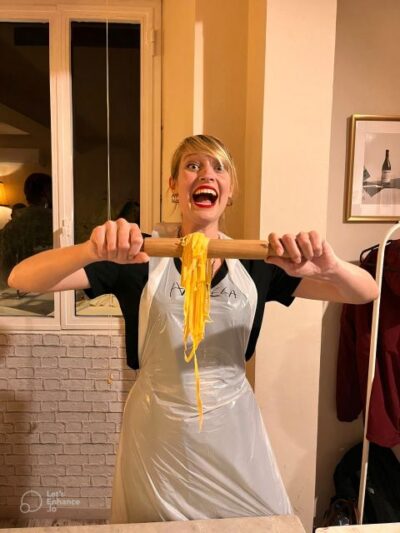 ★ 4.9Rome: Pasta Making Class with Wine, Limoncello, and DessertFrom $483,177 reviews
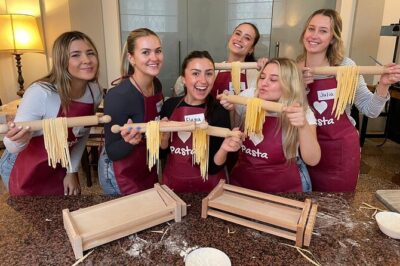 ★ 5.0Pastamania – Florence Pasta Making ClassFrom $493,050 reviews
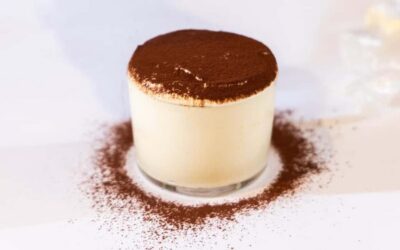 ★ 4.9Rome: 3-in-1 Fettuccine, Ravioli, and Tiramisu Cooking ClassFrom $812,704 reviews
Filed under