
Reviewed · WALKING TOURS
Walking Food Tour of Milan with Tastings
Milan gets more delicious on foot. This walking food tour ties Milanese eating to the city’s Roman and medieval layers, so every stop feels like more than a photo. I love the way a great guide (people name Francesca, Maria Christina, and Agnes often) connects what you taste to why Milan eats the way it does.
My second favorite is the tasting flow itself, usually a progressive set of bites plus wine, so you get a real sense of Milan and Lombardy without planning a food crawl. Come ready for an active 3 hours, because the portions and wine can leave you pleasantly full, not exactly hungry for a second dinner right after.
In This Review
- Key highlights I’d plan around
- Why this Milan food tour is more useful than it looks
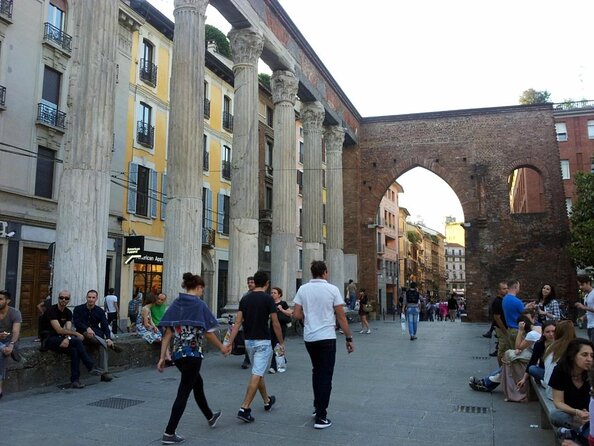
- Meeting at Colonne di San Lorenzo, the start of the story
- Basilica San Lorenzo Maggiore: mosaics and the city’s long memory
- Constantine’s statue: a quick lesson with big historical stakes
- Piazza Vetra: a tranquil pause tied to ancient canals
- Sant’Eustorgio to Porta Ticinese: where medieval Milan meets the lively edge
- What you’ll actually eat and drink (and why it matters)
- The guide experience: how guides like Francesca, Maria Christina, and Agnes raise the bar
- Price and value: is $141 a good deal for Milan?
- Logistics that affect your comfort (and your appetite)
- Who should book this Milan walking food tour
- Should you book this tour?
Key highlights I’d plan around
- Roman to Renaissance sights paired with food stops, so your senses and your history brain both get fed
- Small group size (max 15), which makes it easier to ask questions and pace the tasting
- Wine tastings included, with a clear 18+ drinking rule
- Milanese classics on the menu, like risotto alla Milanese, fresh pasta, cheeses, and more
- A route built for wandering, from Colonne di San Lorenzo to Porta Ticinese toward the Navigli area
- One paid entry included, plus other sights that are free to enter
Why this Milan food tour is more useful than it looks
A lot of food tours in big cities end up being simple errands with snacks. This one works better because it pairs tastings with specific places that shaped Milan over centuries. You’re not just eating, you’re learning the logic of the city as you walk.
I also like the time commitment. About three hours is long enough to feel like you did something substantial, but short enough that you can still fit in Duomo area sightseeing, a late aperitivo, or a real meal afterward. And the small group cap of 15 matters more than it sounds. When you’re tasting and moving, crowding turns fun into waiting.
If you are the type who wants to order for yourself, you’ll still like it, but with a twist. A good guide helps you taste things you might skip when you are scanning menus solo. If you are a wine drinker, this is also an efficient way to understand what local producers taste like, without buying a whole bottle and then getting stuck with it.
Our reviewers also walked through other food outings in Milan.
- Milan’s Authentic Street Food tour: A Gourmet Experience
★ 4.5 · 717 reviews - Milan: Guided Street Food Walking Tour with Food Tasting
★ 4.8 · 654 reviews - Milan: Sunset Navigli Food & Drinks Tour by Do Eat Better
★ 4.5 · 517 reviews - Milan: Italian Cooking Class with Food and Wine
★ 4.7 · 509 reviews
Meeting at Colonne di San Lorenzo, the start of the story
You begin at Colonne di San Lorenzo, a lively landmark near Basilica San Lorenzo Maggiore. It’s a strong first choice because it immediately signals that Milan is not only a fashion-and-cathedrals city. This spot is linked to ancient Roman presence, and the meeting point is easy to orient around once you arrive.
Here’s what this stop does for your tour experience. It sets expectations for the whole route. The guide can frame the city as layered, not linear, and that helps when the tastings come later. Food in Milan makes more sense when you understand it developed under different influences over time.
Practical note: the tour includes the admission ticket for this first stop, so you are not scrambling for entrance fees immediately. You can also settle into the group rhythm quickly since this first segment is only about 30 minutes.
Basilica San Lorenzo Maggiore: mosaics and the city’s long memory
Next you visit Basilica San Lorenzo Maggiore. It’s one of Milan’s oldest churches, and it blends Roman and Renaissance architecture, plus it’s known for beautiful mosaics. Even if you’re not a “museum person,” basilicas are great on food tours because they pause the movement just enough to let the group recalibrate.
The main consideration here is money timing. Admission for this basilica is not included, so you should expect to pay separately if the stop involves entering inside. If you want to keep your budget tight, you can still appreciate the exterior and surrounding space, but it will limit what you get from the mosaics.
Why I like this as a tour stop: it adds texture to the word Milanese. The city’s cuisine feels proud and specific, and the architecture mirrors that same identity. Milan doesn’t feel like it borrows an identity from elsewhere, it keeps rebuilding its own.
Constantine’s statue: a quick lesson with big historical stakes
Then you move to the statue of Emperor Constantine near Colonne di San Lorenzo. The statue references the Edict of Milan, which ended Christian persecution, and it’s a signpost for Milan’s Roman and early Christian heritage.
This isn’t the kind of stop where you need to read a textbook. It’s more like a short history story the guide tells while you’re walking. That matters because it makes the route easier to remember later, including the food parts. When you hear why Milan became a place of shifting power and belief, the idea of tradition meeting new ideas stops feeling abstract.
From a pacing standpoint, this segment is also about 30 minutes, and it keeps the tour from dragging. You’re not just standing around. You’re getting context while still moving through neighborhoods.
Piazza Vetra: a tranquil pause tied to ancient canals
Piazza Vetra is a quieter park stop, and it once belonged to Milan’s ancient canal system. This is the kind of place that resets your senses during a walking tour. After churches and statues, a green patch and open space helps you actually enjoy the walk instead of only enduring it.
The other value here is perspective. Milan’s canals shaped how people moved goods and lived. If you’ve ever wondered why Lombardy food feels both hearty and refined, this is the kind of geographic clue that helps. Even if the tour does not explain canal history for long, the setting supports the story.
Entry is listed as free for this stop. So you can spend time here without worrying about extra fees. I also recommend using this moment to check your appetite level. If you’re already feeling snacky from travel, this is a great time to pace yourself before the tastings stack up.
Sant’Eustorgio to Porta Ticinese: where medieval Milan meets the lively edge
Piazza di Sant’Eustorgio is next. This charming square is home to Basilica di Sant’Eustorgio and is connected to the Three Magi. It’s peaceful in a way that makes it feel like you’ve stepped out of the rush, even though you’re still in the city center.
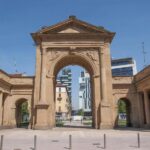
Then you head to Arco di Porta Ticinese, a neoclassical arch marking one of Milan’s historic city gates. This is a smart architectural transition because it signals movement toward the Navigli district, which is known for its local life and food culture. In other words, the route shifts from stone and story to street-level appetite.
These two stops are also free, so they keep your budget steady. And in terms of tour payoff, they set you up for tasting in neighborhoods that feel more real than tourist-only zones. One theme you’ll likely notice from experiences shared by others: the best tasting moments often happen when a guide points you to places you would not think to search for on your own.
Kept in the same folder as this one, food and drink outings in Milan.

What you’ll actually eat and drink (and why it matters)
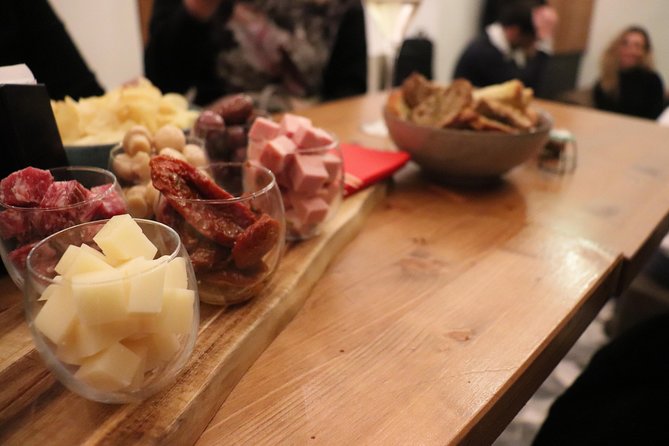
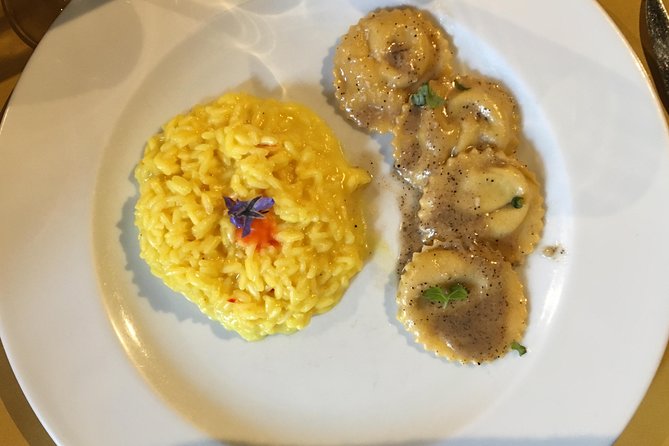
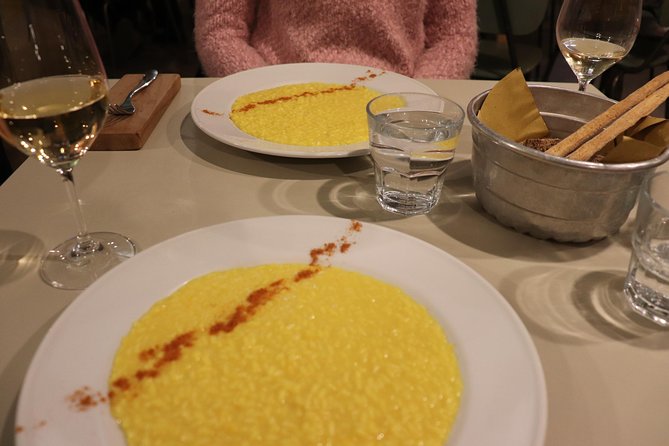
The tasting lineup is built around Milanese and Lombardy classics, including risotto alla Milanese, fresh pasta, local wines, cheeses, and more. That list is a strong start because it covers the core identity of Milanese food: starch and savor, dairy richness, and a local wine culture that fits the table.
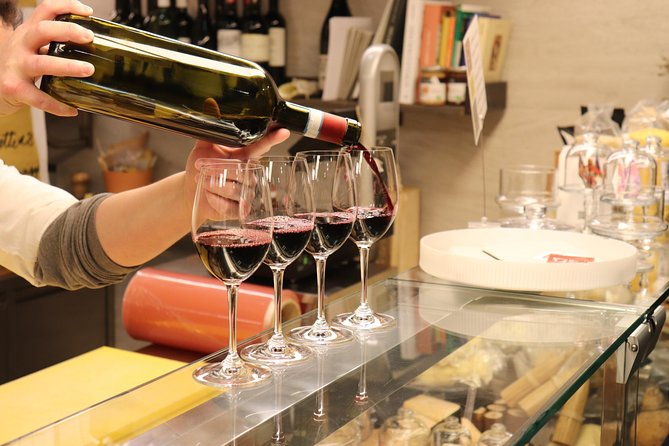
What makes this tour practical is that you taste across categories instead of one heavy meal. You might get something creamy and comforting from the risotto side, something lighter from pasta, then cheese that shows how local producers think about flavor. The wine tastings are included, and because the minimum drinking age is 18, you know the group is handled with that rule in mind.
A detail to plan for: the tour format can feel like a progressive “dinner” style sequence. In plain terms, you may eat several bites that together add up to more than you expect. That’s great if you like variety. It can be a problem if you arrive already stuffed from a late lunch. If you want room for everything, eat something light beforehand and drink water during the walk.
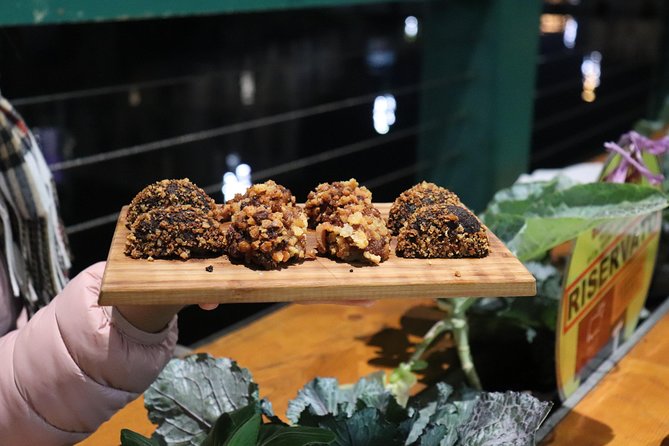
Also, pace your wine. People often say the food is generous, and then dessert can appear right when you’re already full. Even if cannoli is part of the ending at times, you’ll enjoy it more if you’ve saved a little space.
The guide experience: how guides like Francesca, Maria Christina, and Agnes raise the bar
This tour lives and dies by the guide. The standout pattern across feedback is simple: when the guide is strong, you get both food detail and city understanding without sounding like a lecture.
In particular, guides named Francesca, Maria Christina, and Agnes are praised for mixing history with practical food talk. You should expect the kind of explanations that help you order later, like what makes the dishes feel Milanese, not just Italian. You also get local recommendations that can extend your trip beyond the tour, which is a big value add.
You’re also walking with a group that is small enough for interaction. At max 15 travelers, the guide can address questions without the vibe turning into a headset monologue. If you like asking why something is done a certain way, you’ll get more out of it than if you prefer to just follow along.
Price and value: is $141 a good deal for Milan?
At $141 for about three hours, you’re paying for three things at once: a professional local guide, food tastings, and wine tastings. You’re also getting one included admission ticket at the starting landmark.
If you tried to recreate this on your own, you would spend time finding multiple places that serve small tastings, you’d pay full menu prices at restaurants, and you’d lose the history framing that makes Milanese food click. The tour compresses all that into one organized route.
Is it worth it? For me, it is when you want an efficient introduction to Milan’s food culture. If you already have a tight list of restaurants and you love menu research, you might not need the structure. But if you want a smart start to your Milan trip, this is a solid way to spend an evening or arrival-day dinner time without overthinking.
Logistics that affect your comfort (and your appetite)
This is an all-weather tour. That means you should dress appropriately even if the forecast looks uncertain. Also, it’s a walking route, so comfortable shoes matter. You’ll be on your feet between landmarks and food stops.
You’ll also want to consider the drinking rule. Wine tastings are included, but the minimum drinking age is 18. If you are under 18, you can still participate, but wine service would follow the policy. If you’re not drinking, let the guide know early.
Dietary needs are handled on request. If you have specific dietary requirements, advise at booking. Do that as early as possible so the guide and tasting partners can plan. Since tastings are the core of the experience, accommodations need time.
Finally, the meeting point is clearly set at Colonne di San Lorenzo, and the tour ends back at the meeting point. That loop is helpful because you can plan the rest of your night without wandering for transit.
Who should book this Milan walking food tour
Book it if you:
- Want Milanese food and Lombardy flavors without building a custom itinerary
- Like learning while walking, even if you do not want a museum day
- Drink wine and want tastings included in the price
- Prefer small groups, not big bus energy
You might skip it if you:
- Want only one restaurant meal and nothing else
- Hate walking or have mobility issues that make short city distances stressful
- Already know exactly what you want to eat and where you want to eat it
If you’re traveling with kids, children must be accompanied by an adult. Since the tour includes wine tastings, it’s best to be clear about what your child will experience during those stops.
Should you book this tour?
Yes, if you want a simple, high-signal first taste of Milan. The value is in the mix: guide-led history tied to real tastings, in a small group, with wine included and a route that goes beyond the most obvious squares.
One last tip before you commit: plan to arrive hungry enough for multiple bites, but not so hungry that you feel rushed through the wine. If you pace yourself, you’ll leave with both a fuller stomach and better instincts for ordering Milanese food on your own the next day.
The Rest of Our Food Outings in Milan

Our Wider Tours File for Milan
Not quite the day you had in mind? The rest of our Milan write-ups sit below
- Milan: Duomo and The Last Supper Skip-the-Line Guided Tour
- From Milan: Exclusive Boat, Lake Como, Bellagio, and Lugano Tour★ 4.5 · 168 reviews
- Pinacoteca Ambrosiana and da Vinci’s Codex Atlanticus admission in Milan★ 4.5 · 169 reviews
- Pizza Cooking Class with Tiramisù and Wine Tasting in Milan★ 5.0 · 172 reviews
- Milan: Exclusive Access with Last Supper visit & Guided Tour★ 4.5 · 173 reviews
- Milan: Private Professional Photoshoot at the Duomo★ 4.7 · 174 reviews
- Step Into History: Leonardo Vinci’s Last Supper Tour★ 4.5 · 175 reviews
- Small-Group Lake Como Experience with boat and van, from Milan★ 5.0 · 179 reviews
- Milan: Street Food Walking Tour★ 4.7 · 180 reviews
Walking Tours, top to bottom.
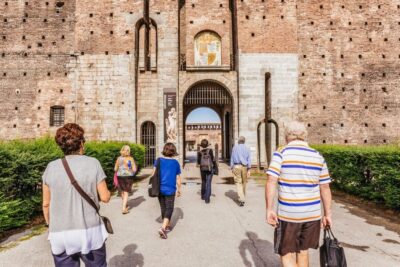 ★ 4.7Milan: Guided Walking Tour & Last Supper Visit with TicketFrom $1015,409 reviews
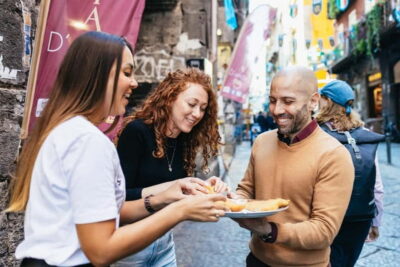 ★ 4.8Naples: Street Food Walking Tour with Local GuideFrom $474,256 reviews
 ★ 3.5Venice Walking Tour and Gondola RideFrom $723,630 reviews
 ★ 4.2Venice: Rialto Bridge & Offbeat Unusual Venice Walking TourFrom $283,538 reviews
 ★ 4.5Bologna: City Center Walking TourFrom $263,478 reviews
 ★ 4.0Private 3 hrs Venice Tour: St Mark’s, Walking tour & Boat tourFrom $4803,372 reviews
 ★ 4.5Florence: Guided Walking TourFrom $313,334 reviews
 ★ 4.5Skip the line: Uffizi and Accademia Small Group Walking TourFrom $1483,135 reviews
Filed under