
Reviewed · PANTHEON, TREVI & PIAZZA NAVONA
Cooking Class 2 Hour Spanish Steps – Fettucine and Tiramisù
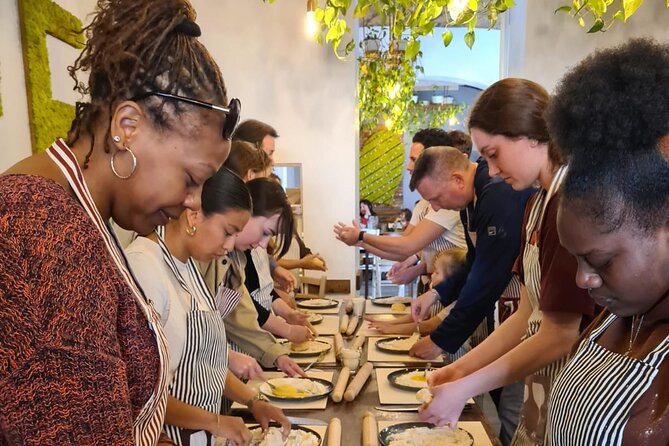
Fresh pasta in Rome is the fast track to happy. This 2-hour cooking class has you mixing dough by hand, learning the steps behind classic Italian flavors, and finishing with tiramisù you helped make. It also slots nicely into a sightseeing day, since you can head to the Spanish Steps right after.
Two things I really like: you learn in a real Roman restaurant setting with a pro instructor, and the format is hands-on enough that you leave with a repeatable skill. The classes you might experience have been led by instructors like Lucas, Luca, Lillo, Irina, or Gaby, depending on the group. One thing to consider, though: it’s a tight 2-hour session focused on technique and production, so if you expect extra time for chatting, making every component separately, or a huge sit-down meal, you may want to set your expectations.
In This Review
- Key highlights at a glance
- Fresh pasta and tiramisù in the heart of Rome: what you’ll do
- What you’ll make
- Where the class meets: V. della Croce and the restaurant entrance trick
- The 2-hour flow: from dough to dinner, with a real chef lead
- Step 1: pasta dough, by hand
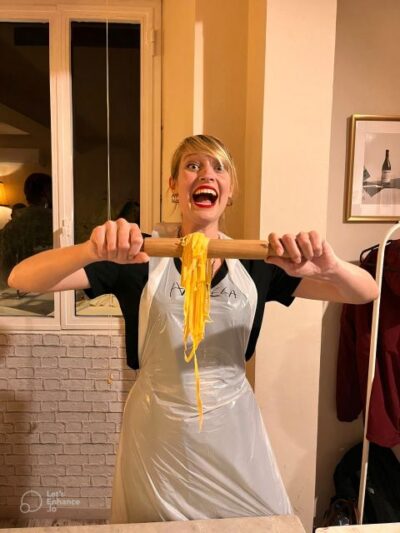
- Step 2: rolling and shaping
- Step 3: sauce choice, then group cooking
- Step 4: tiramisù, made as a group
- A note about who teaches
- Wine, limoncello, and what’s actually included
- Why the alcohol inclusion is more than a perk
- About the meal timing
- After the class: using the Spanish Steps window
- How much you learn: beginner-friendly, but not a slow lesson
- Small group size and the social bonus
- Price and value in Rome: is $113.72 worth it?
- Tips so you get the best experience (and avoid common hiccups)
- Should you book this Rome pasta class?
Key highlights at a glance
- Handmade fresh pasta skills taught step by step in a restaurant kitchen
- Tiramisù plus pasta made together, then you eat what you make
- Wine and limoncello included, plus a choice of soft drink if you prefer
- Central Rome location, easy to pair with a visit to the Spanish Steps
- Small group size (max 20), so it stays friendly and not chaotic
- Certificate and recipes help you recreate the dishes at home
Fresh pasta and tiramisù in the heart of Rome: what you’ll do
This is the kind of Rome experience that beats yet another selfie session. You start with simple ingredients, then learn how they become proper fresh pasta, and you end with tiramisù that rounds out the meal in classic Italian style. The class is built around technique, not just watching someone else cook.
You’re taught the simplest and oldest method for making pasta, using your hands. That matters because pasta making can feel mysterious until someone shows you what the dough should look and feel like as you work. Once you know that, you can reproduce it at home instead of just chasing a memory.
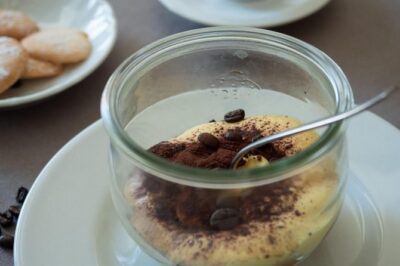
The tiramisù part is more than dessert theater. You’ll make it as part of the group process, then sit down and enjoy a meal that’s tied to your work. In a lot of Rome cooking experiences, the food is mainly an afterthought. Here, it’s the point.
Between an espresso and the next booking, compare these Pantheon, Trevi and Piazza Navona walks in Rome.
- 3 in 1 Cooking Class near Navona: Fettuccine, Ravioli & Tiramisu
★ 5.0 · 7,376 reviews - Rome: Pantheon Timeless Marvel Guided Tour with Entry Ticket
★ 4.9 · 4,002 reviews - Rome: Pantheon Priority Entry Ticket & Audio Guide App
★ 4.1 · 3,234 reviews - Enjoy Spritz and Pasta Making in Piazza Navona
★ 5.0 · 1,681 reviews
What you’ll make
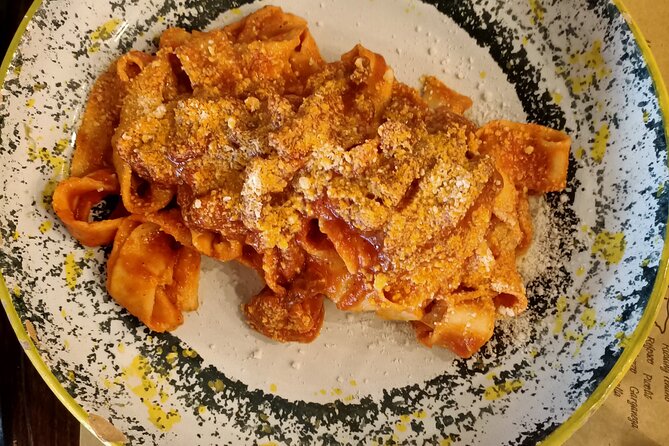
- Fresh pasta, with your chosen sauce
- Tiramisù, prepared as a group effort
One small production detail that affects your experience: pasta is cooked together in the end, and then divided by sauce. That keeps things moving in a 2-hour format, and it also explains why the class is likely to feel fast-paced in a good way.
Where the class meets: V. della Croce and the restaurant entrance trick
You meet at V. della Croce, 34, 00187 Roma RM, Italy. The class ends back at the meeting point, so you do not have to plan an awkward transfer halfway across town.
Here’s the practical tip that saves time: the cooking space is inside a restaurant. If you arrive and do not see a giant tour sign, just ask a waiter or staff member for the cooking class entrance. That advice shows up again and again because Rome street entrances can be low-key, and it’s easier to ask than to wander.
Because it’s near public transportation, it’s also a solid rain-day or heat-day option. A couple of class reports specifically called out doing this to escape bad weather or high temperatures. In other words, you can keep your itinerary moving without losing an entire afternoon.
The 2-hour flow: from dough to dinner, with a real chef lead
This class is designed for about 2 hours, and you can pick from multiple start times. That flexibility is key in Rome, where your best time to do anything depends on what time you plan to see museums, churches, or just wander.
Step 1: pasta dough, by hand
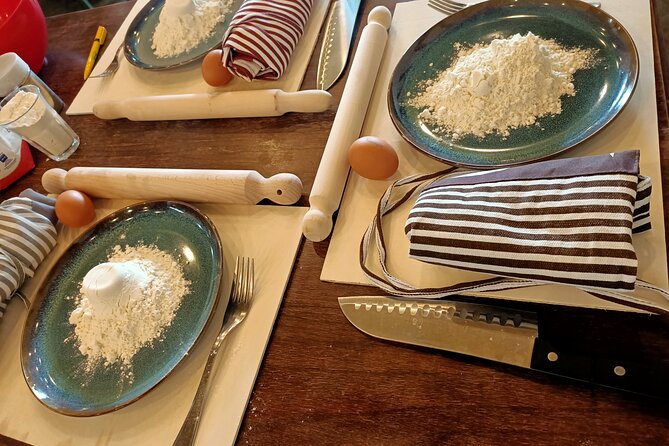
You begin with the core pasta work: turning eggs and flour into dough you can shape. The teaching style is very practical. Expect a step-by-step approach where the instructor explains what to do and why it matters. That’s the part that separates a fun cooking show from a skill you can reuse.
A repeated theme from class reports: people love learning the dough consistency. Once you get the feel right, everything else becomes easier, including rolling. If you’re a beginner, that coaching makes this far less intimidating.
Step 2: rolling and shaping
After the dough, you move into rolling and shaping. Several reports highlight the moment when people realize pasta-making is physical and learnable, not magic. If you’ve never rolled dough thin before, you might find the learning curve quick, and that is exactly why the time format works.
A short passeggiata through our other tiramisu and gelato classes in Rome.


Step 3: sauce choice, then group cooking
You choose a sauce for the pasta. You will not be cooking every sauce component from scratch in your personal station, since pastas get cooked together and divided by sauce. But you still get the satisfaction of making the pasta itself, then seeing it finished with your chosen flavor direction.
Note on sauces: the info also includes a note that sauces are not included. That can be confusing when paired with sauce choice language. My practical advice: when you book, double-check what is covered, especially if you have a specific sauce expectation.
Step 4: tiramisù, made as a group
Tiramisù gets cooked all together. Translation: the class keeps momentum by doing dessert in a shared workflow. This usually means less waiting and more tasting energy once dinner starts.
People often mention how much fun the dessert part is, especially when everyone works on the same final outcome. It’s also a good group activity for couples and parents with older kids because it’s interactive without being physically intense.
A note about who teaches
You might see names like Chef Paolo referenced in the class info, and there’s also a note that Chef Paolo might not be the teacher. In practice, what matters is that you get a chef-led session with a real pro instruction style. Class reports mention instructors like Lucas, Luca, Lillo, Irina, Paulo, and Gaby, so you should feel confident that a skilled lead shows up even if the specific name varies by date.
Wine, limoncello, and what’s actually included
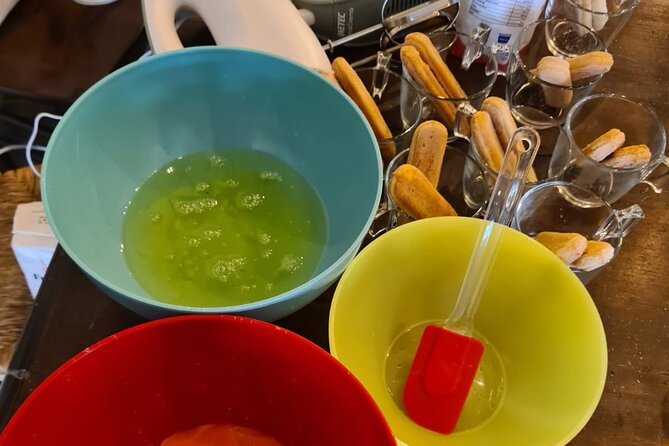
This class packs value because it includes the adult-drink pairing that typically costs extra on many tours. You can choose between a glass of wine (white or red) or a soft drink. At the end, you get a limoncello shot (or an espresso option, depending on what time you finish and how the class runs).
You also get bottled water. That sounds basic, but in Rome, it matters. You’ll be standing and working with dough, so you want water that’s easy to access.
Why the alcohol inclusion is more than a perk
When a tour includes wine and limoncello, it usually signals they want this to feel like a real meal, not a cookie-cutter workshop. It also changes the pacing. You’ll feel more like you’re dining with a group than racing a checklist.
A practical thing to know: there are age rules. Alcohol is not served to anyone under Italy’s legal drinking age (18). If you are traveling with teens, that’s fine, since non-alcoholic soft drink options are available.
About the meal timing
Dinner time is included as part of the overall experience, but the info also notes that time to eat is not included. That detail can affect how you plan your schedule. If you’re the type who books another timed reservation right after, leave buffer time.
Also, one balanced note from a smaller set of reports: one person felt the portion at the eating stage was flatter than expected for the price. That’s not the majority opinion, but it’s worth knowing if you tend to measure value by volume. If you want a bigger sit-down meal, you can treat this class more like hands-on cooking plus a solid dinner, not an all-you-can-eat feast.
After the class: using the Spanish Steps window
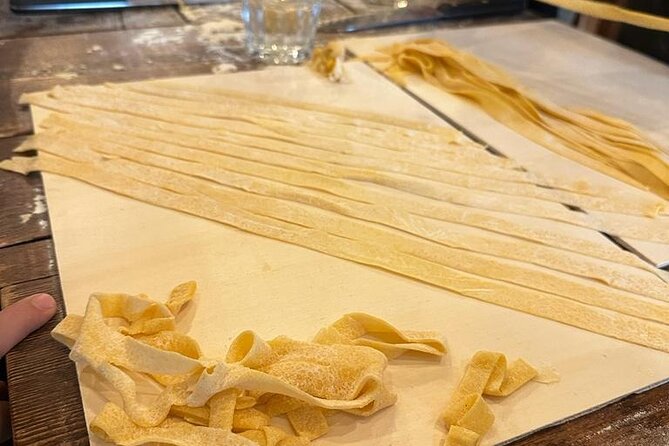
The highlight list points you toward the nearby Spanish Steps after your class. This is smart. Cooking classes in central Rome can leave you with a strong appetite, and the Steps are a natural next stop once you’re done.
You’ll likely have energy for a short walk and a view, not a long museum slog. Aim for a light stroll, take photos, and enjoy the location advantage. Rome is built for pairing activities like this, and this class does it well.
How much you learn: beginner-friendly, but not a slow lesson
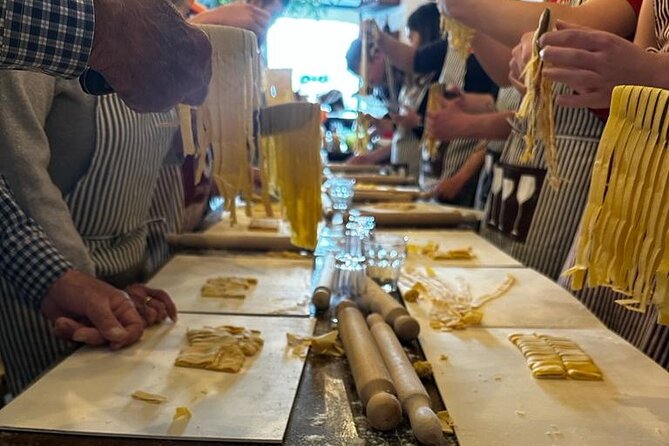
This is generally a beginner-friendly class. Multiple reports describe it as fun and easy to follow, with instructors who are patient and encouraging. Even people who had never made pasta before said they left able to repeat the basics at home.
Still, it is not an advanced pasta workshop. It’s designed to fit a 2-hour window and keep the group moving. If you’re a serious home cook chasing mastery of multiple pasta shapes, you might want something longer. One report even wished the class were about 3 hours, especially for more sauce-making involvement.
That said, you can still come away with the most important part: dough feel and rolling technique. Those basics count for a lot.
Small group size and the social bonus

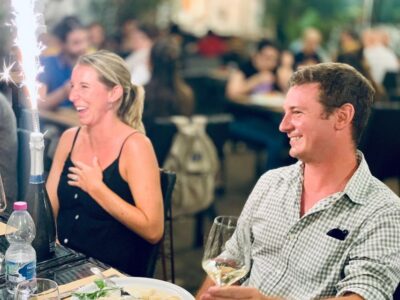
The group size max is 20 travelers, and a common reason people loved this class is the atmosphere. You’re not stuck watching from the sidelines. You work, laugh, and end up eating together.
Several class reports mention meeting other people quickly, and for families or couples it can turn into an instant social win. It’s also a good option if you want something indoor during bad weather or too-hot afternoons.
If you’re traveling with a teen, this can work nicely. Reports mention teens doing it with parents and enjoying the structured activity plus the food payoff.
Price and value in Rome: is $113.72 worth it?
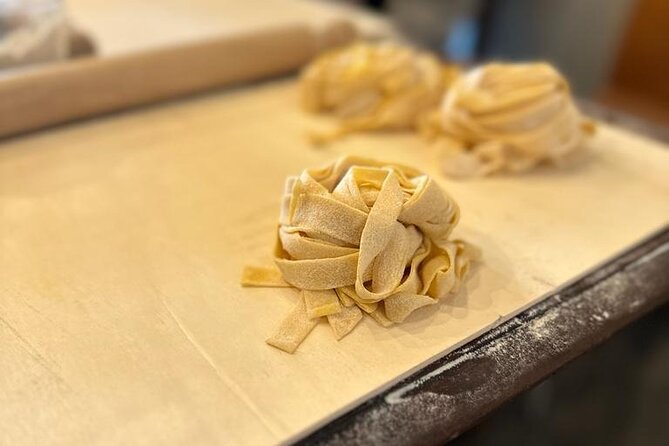
At $113.72 per person, this isn’t a bargain-basement activity. But it can feel like solid value because you’re paying for four things that add up fast in Rome:
- A real chef-led class with equipment provided
- Hands-on pasta making plus shared tiramisù production
- Included drinks (wine or soft drink, limoncello, plus water)
- An experience certificate that makes it feel official, not casual
Add in the central location and the fact that you can tie it right into sightseeing, and the total package becomes easier to justify.
If your main goal is to learn technique and get a meal out of it, this price can make sense. If your main goal is to spend hours cooking with deep ingredient breakdowns and you expect a larger portion, you might feel more picky.
My practical take: treat it as a skill-building foodie evening with included drinks. If that matches your style, it’s a great deal. If you want a long cooking seminar, look for a longer class.
Tips so you get the best experience (and avoid common hiccups)
- Arrive a little early. Some reports say staff were accommodating once people arrived early, and the space is inside a restaurant.
- Ask about drinks early if you want wine during the pasta work. One report suggests asking while pasta is being made to enhance the experience, since it can get busy.
- Pay attention to the dough consistency lesson. That’s the takeaway that helps you replicate pasta later.
- Treat the time like a sprint, not a slow workshop. The 2-hour structure means the chefs keep things moving. It’s part of the charm.
- Clarify any sauce expectations when booking. The class info mentions sauce choice, but it also notes sauces are not included. A quick question can remove surprises.
- Plan your next stop with buffer time. Eating time is part of the experience, but the schedule note says time to eat is not included, so don’t stack back-to-back reservations.
Should you book this Rome pasta class?
You should book if you want a fun, hands-on cooking class in central Rome that teaches you fresh pasta basics, then rewards you with tiramisù and a proper drink-and-dinner vibe. It’s also a great choice when the weather is bad or hot, because you can keep the day from collapsing into indoor boredom.
Skip or choose another option if you’re expecting a long, slow, advanced cooking course with lots of individual sauce prep and a very generous meal portion. The class is built for technique and shared production in a short time.
If you’re deciding between “learn something useful” and “just eat,” this leans strongly toward learn-and-eat. And when a class is this highly rated for the combination of instruction, atmosphere, and food payoff, it usually earns its reputation.
Further Tiramisu and Gelato Classes We Cover in Rome
More Pantheon, Trevi and Piazza Navona Walks Pinned to Our Rome Map
Not quite the day you had in mind? The rest of our Rome write-ups sit below
- Rome: Guided Tour of St. Peter’s Dome Climb, Basilica & Vatacombs★ 5.0 · 167 reviews
- St. Peter’s Basilica Guided Tour with Reserved Entrance★ 4.0 · 168 reviews
- Golf Cart Driving Tour in Rome: 2.5 hrs Catacombs & Appian Way★ 5.0 · 168 reviews
- Rome: Trastevere Wine Tasting with Food Pairing and Gelato★ 4.9 · 168 reviews
- Guided Tour of the Colosseum Palatine Hill and Roman Forum★ 4.7 · 168 reviews
- Vatican Museums, Sistine Chapel & Saint Peter’s Semi-Private Tour★ 4.5 · 169 reviews
- Hidden Rome: Small Group E-Bike Tour with Street Food Stops★ 5.0 · 169 reviews
- Rome: Papal Audience with Pope Leo IV★ 3.9 · 169 reviews
- Rome Golf Cart Tour: Highlights & Must See★ 4.5 · 170 reviews
Pantheon, Trevi & Piazza Navona, top to bottom.
 ★ 4.3Rome: Pantheon Fast-Track Ticket and Official Audio GuideFrom $621,008 reviews
 ★ 5.03 in 1 Cooking Class near Navona: Fettuccine, Ravioli & TiramisuFrom $837,376 reviews
 ★ 4.0Pantheon Reserved Entry Ticket with Audio GuideFrom $134,486 reviews
 ★ 4.9Rome: Pantheon Timeless Marvel Guided Tour with Entry TicketFrom $214,002 reviews
 ★ 4.1Rome: Pantheon Priority Entry Ticket & Audio Guide AppFrom $63,234 reviews
 ★ 5.0Enjoy Spritz and Pasta Making in Piazza NavonaFrom $901,681 reviews
 ★ 4.3Rome: Trevi Fountain and Underground Guided TourFrom $411,664 reviews
 ★ 5.0Pantheon Elite Guided Tour – Rome’s Iconic Ancient TempleFrom $411,447 reviews