
Reviewed · THE LAST SUPPER & LEONARDO IN MILAN
Da Vinci Museum: Discover a World of Genius in the Heart of Rome
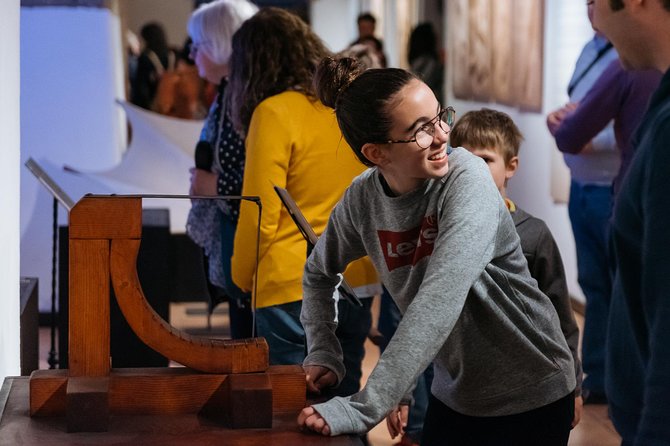
Leonardo in Rome, in 90 minutes or less. This museum sits inside the Basilica Santa Maria del Popolo, and you can walk in with pre-booked admission without the usual Rome scramble. I love the life-size machines built from Leonardo’s codices, and the way they translate his sketches into ideas you can actually follow.
One possible drawback: the museum is small, so if you’re expecting a giant collection or original masterpieces, you’ll likely breeze through fast. Also plan ahead, because there are no restroom facilities in or around the museum.
In This Review
- Key things to know before you go
- Entering Basilica Santa Maria del Popolo, right on Piazza del Popolo’s doorstep
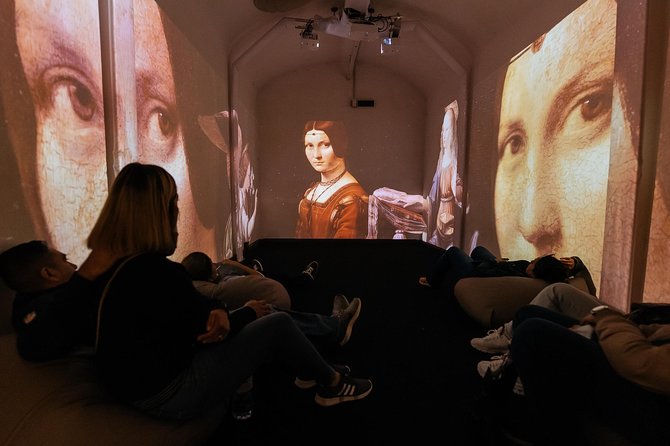
- What you’ll see: machines, studies, anatomy, and multimedia storytelling
- The exhibit highlights that make the visit feel worth your time
- Vitruvian Man: the science and the proportions
- Last Supper and the story connections
- The machine gallery: where replicas become understandable
- A realistic itinerary for 1 to 2 hours (and how to pace it)
- Phase 1: get oriented and choose your audio level
- Phase 2: focus on the machines first
- Phase 3: slow down for anatomy and drawings
- Phase 4: the VR flight (optional, but plan your timing)
- Pricing and value: is $14.38 a fair deal?
- Who this museum is best for (and who should rethink it)
- Practical tips that make your visit smoother
- Should you book Museo Leonardo da Vinci?
- FAQ
- How long does the Museo Leonardo da Vinci visit take?
- Where is the museum located in Rome?
- How close is it to landmarks like the Spanish Steps?
- What is included with the ticket price?
- Is an audioguide included?
- Is the experience offered in English?
- Are there restroom facilities available?
- Is this a group tour?
- What is the cancellation policy?
Key things to know before you go
- Inside a working landmark: the exhibits are housed within Basilica Santa Maria del Popolo, right in the Piazza del Popolo area.
- Hands-on style machines: life-size models connect to Leonardo’s codices, studies, and engineering thinking.
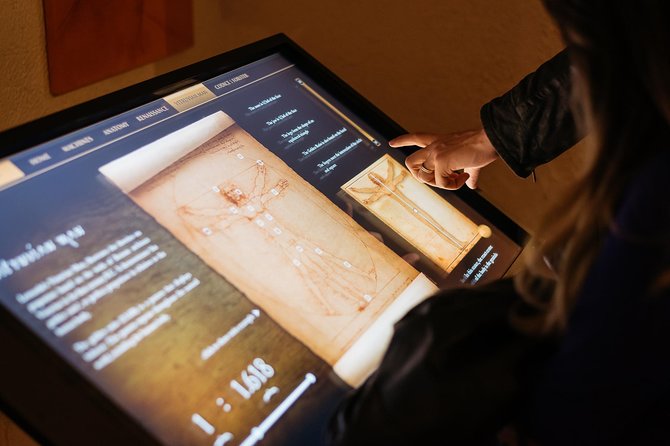
- Art, anatomy, and stories: expect multimedia explanations tied to famous works like the Last Supper and Vitruvian Man.
- Short and focused visit: the visit window is about 1 to 2 hours, with plenty of nearby sightseeing afterward.
- Self-guided audio is optional: an audioguide is available to purchase (about €3 per person), but you can also read your way through.
- VR exists, but plan for it: there’s a virtual reality flight option, but there’s only one and it can create a wait.
Entering Basilica Santa Maria del Popolo, right on Piazza del Popolo’s doorstep
This is one of those Rome experiences where the setting does part of the job for you. The Museo Leonardo da Vinci is located inside the Basilica Santa Maria del Popolo, and you’re in the middle of the Piazza del Popolo world, not tucked away on some distant side street.
The location is also convenient for planning. It’s described as a short walk from major sights like the Spanish Steps and Villa Borghese. In real life terms, that means you can fit this museum into a day without losing momentum, then step back outside and keep going.
And since the tour format is basically “go in, follow the exhibits, come out,” this is great when you want control of your pace. There’s no required sequence that forces you to sprint from one room to the next.
Filed beside this one, more Last Supper and Leonardo tours in Rome.
- Rome: Leonardo da Vinci Exhibition Entrance Ticket
★ 4.4 · 2,885 reviews - Leonardo da Vinci Airport Plaza Premium Lounge, Terminal 3 Departures
★ 3.5 · 267 reviews
What you’ll see: machines, studies, anatomy, and multimedia storytelling
The core of the museum is Leonardo as an inventor, artist, scientist, anatomist, engineer, and architect. That sounds broad, but the exhibits are built to make those connections feel concrete rather than academic.
Here are the main types of things you’ll encounter:
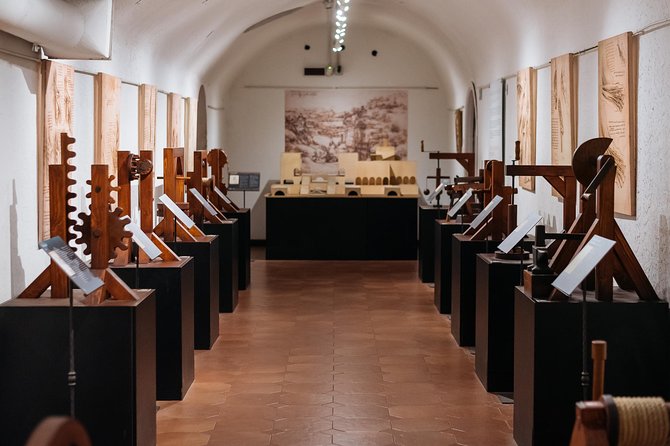
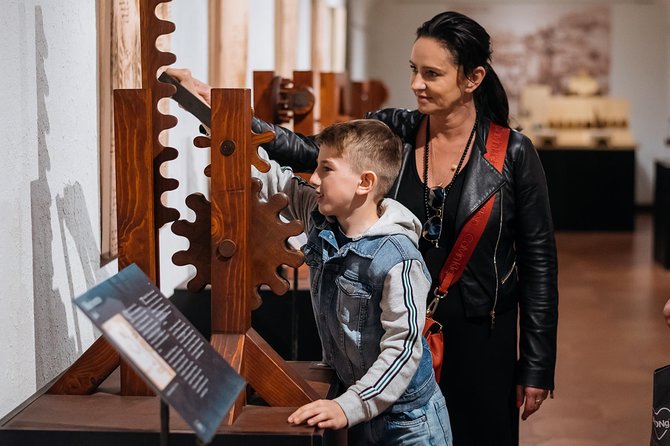
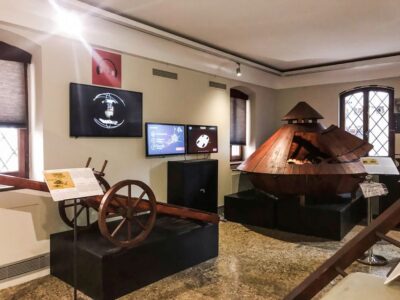
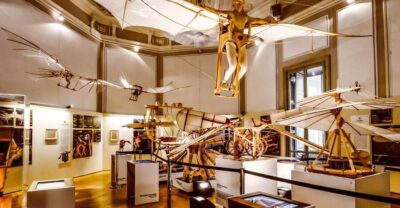
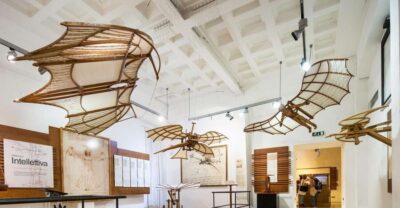
- Life-size machine models made by Italian artisans, based on Leonardo’s codices and drawings.
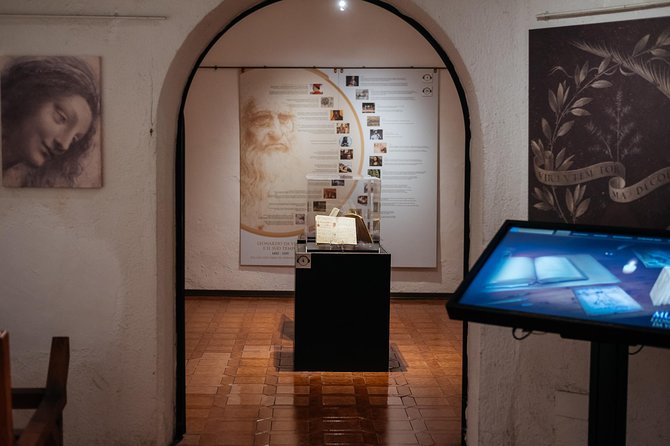
- Studies connected to famous Renaissance works, with explanations that tie ideas together.
- Anatomical sketches and human-body research themes, presented alongside the broader curiosity Leonardo is famous for.
- Multimedia animations that help translate what you’re looking at, especially if engineering diagrams aren’t your usual thing.
A big reason this museum earns steady praise is that it doesn’t just point at ideas, it shows how Leonardo’s thinking worked. The machines are recreated so you can see the logic of the design: gears, mechanisms, proportions, and the practical goal behind the sketch.
The exhibit highlights that make the visit feel worth your time
If you want the “why this is fun” version of this museum, focus on the big named anchors and what they represent. The museum is described as covering Leonardo’s Last Supper, Vitruvian Man, and the Sforza equestrian sculpture, plus studies around his drawing and design process.
Vitruvian Man: the science and the proportions
Vitruvian Man is often treated like a standalone icon. Here, it’s used as a way into Leonardo’s blend of art and measurement. You’ll see how the body and proportions connect to his larger obsession with understanding the world through observation.
This matters because it helps you move past the “that looks cool” reaction. Instead, it makes you ask a better question: how did Leonardo convert curiosity into repeatable research?
Last Supper and the story connections
Leonardo’s work on the Last Supper isn’t just presented as a famous painting. The museum uses it to frame his process, including how ideas become studied designs and how observation leads to decisions. If you like stories that connect art to engineering thinking, you’ll probably enjoy this part.
The machine gallery: where replicas become understandable
Leonardo’s engineering drawings can be hard to read if you don’t have a lot of background. That’s where these recreated machines shine. They turn notes and diagrams into physical objects you can grasp faster.
Even better, some displays are set up to let you interact with concepts, not just look from behind glass. That’s the “aha” for many people, especially families.
Kept in the same folder as this one, museum visits in Rome.



A realistic itinerary for 1 to 2 hours (and how to pace it)
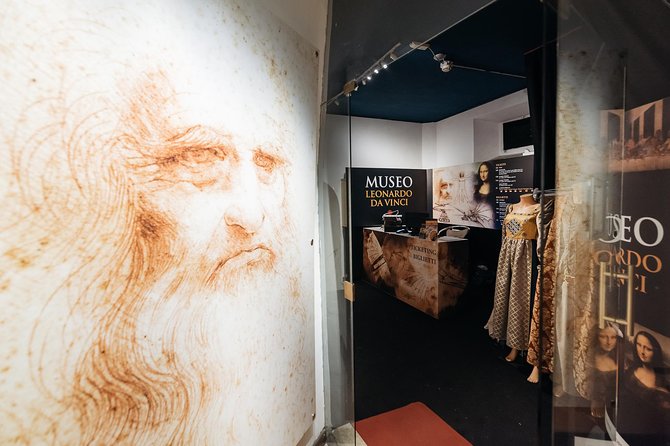
There’s only one main stop here: Museo Leonardo da Vinci. But within that stop, you can think of it as a few practical phases.
Phase 1: get oriented and choose your audio level
You enter, grab the flow, and start moving through the rooms and machine displays. An audioguide is not included in your price, but it’s available to purchase for about €3 per person.
The audioguide option can be useful if you want the explanations without doing a lot of reading. It can also help if a display is visually busy and you’d rather have the museum interpret it for you.
One caution from the experience vibe: the audio system uses a handheld device style, and that can feel annoying to hold during longer stretches. If you dislike holding devices, plan to do a little reading instead, and treat the audio as an “as needed” add-on.
Phase 2: focus on the machines first
If you love engineering or you want the most memorable stuff early, start with the machine recreations. They’re the heart of the museum, and you’ll likely want that energy at the beginning while you’re fresh.
Also, these recreate Leonardo’s practical thinking from his codices and studies. That makes them an easier entry point than jumping straight into art history only.
Phase 3: slow down for anatomy and drawings
Next, shift to the themes of human anatomy and Leonardo’s research approach. This is where the museum earns respect, because it frames Leonardo as a serious observer, not just an artist with inventions.
If you’re visiting with kids or teens, this is often the moment that makes Leonardo feel modern. It’s about questioning, testing ideas, and trying to understand how bodies and systems work.
Phase 4: the VR flight (optional, but plan your timing)
There’s a virtual reality flight experience included as an add-on attraction. The main practical downside: there’s only one VR setup, so you may wait in line, and it’s been described as overpriced.
So here’s my advice: only spend time on the VR if it’s something you specifically want. Otherwise, you can put your time into the machines and the study displays, which are the strongest part of the museum.
Pricing and value: is $14.38 a fair deal?
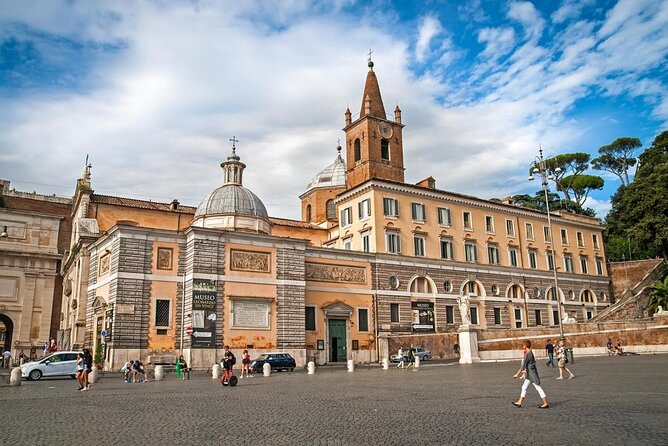
At $14.38 per person, the ticket price includes admission. That’s already a good baseline because the museum itself is the product. You’re not paying extra just to enter the exhibits.
The one predictable additional cost is the audioguide, listed at about €3 per person. In other words, your “all in” budget is usually ticket plus optional audio. If you’re a fast reader and you like exploring without gadgets, you may skip it. If you want explanations that connect drawings, machines, and famous works, you’ll likely feel the audio is worth it.
How long the visit takes is part of the value equation too. At about 1 to 2 hours, you’re buying a compact experience with strong educational content. You can stack it with nearby sights the same day, which helps you get more from your Rome day.
Also, the museum has a solid 4 out of 5 rating from about 196 reviews. That’s not a guarantee, but it does suggest consistent satisfaction, especially around the interactive parts and the clarity of the setup.
Who this museum is best for (and who should rethink it)
This is a good fit for:
- Older kids and teens who like science, art, or hands-on models.
- Adults who want Leonardo’s inventions explained in plain terms, not just labeled diagrams.
- Families who prefer a shorter museum stop that doesn’t drag.
You might want to adjust expectations if:
- You’re hunting for original paintings or museum-grade masterpieces. One review notes there are no original artwork here, with items presented as replicas and reproductions. This is still worthwhile, but it’s not a rare-art museum.
- You want a big museum day. This one is small. You’ll likely be done quickly, which is great if you planned a light schedule, but disappointing if you wanted hours upon hours.
If you’re going with a group of people who have very different interests, this can still work. Leonardo is the common thread, and the museum mixes science-like models with art-linked explanations.
Practical tips that make your visit smoother
These are the small details that can make the experience better.
- Bring water: the interior can feel warm, so plan for comfort.
- Use the museum’s time window well: if you’re only in Rome for a short stretch, treat this as a focused stop, then pivot to Piazza del Popolo area walks.
- Expect short lines sometimes: one review notes there was no trouble redeeming and little waiting, so the pre-booked admission mainly helps you keep your schedule steady.
- Watch the VR line: if you choose VR, treat it as optional and be ready for a queue because there’s only one setup.
Should you book Museo Leonardo da Vinci?
Book it if you want a short, high-impact Leonardo experience with hands-on machine models and clear connections between art, science, and anatomy. The setting in Basilica Santa Maria del Popolo makes it easy to bundle with other sights, and the visit length is perfect when you want education without spending half your day inside.
Skip it or lower expectations if you’re looking for a museum of original masterpieces or a long, large-scale collection. This is smaller, and that’s part of the charm for some people and a letdown for others.
My take: at $14.38 with admission included, this is a strong value stop for families and curious adults. If you’re already near Piazza del Popolo, it’s an easy choice to add, especially on a day when you want something indoor and smart without the stress of a huge itinerary.
FAQ
How long does the Museo Leonardo da Vinci visit take?
Plan for about 1 to 2 hours.
Where is the museum located in Rome?
It’s inside Basilica Santa Maria del Popolo in the Piazza del Popolo area.
How close is it to landmarks like the Spanish Steps?
It’s described as about a five-minute walk from the Spanish Steps and Villa Borghese.
What is included with the ticket price?
Your purchase includes the admission ticket to Museo Leonardo da Vinci.
Is an audioguide included?
No. An audioguide is available to purchase for approximately €3 per person.
Is the experience offered in English?
Yes, it’s offered in English.
Are there restroom facilities available?
There are no restroom facilities in or around the museum, so plan ahead.
Is this a group tour?
The experience listing notes a maximum of 1 traveler.
What is the cancellation policy?
You can cancel for free up to 24 hours in advance for a full refund. Within 24 hours, the amount paid is not refunded.
Museum Visits in Rome That Made the Same Shortlist
Other Last Supper and Leonardo Tours in Rome From Our Notebook

Not quite the day you had in mind? The rest of our Rome write-ups sit below
- Rome: Guided Tour of St. Peter’s Dome Climb, Basilica & Vatacombs★ 5.0 · 167 reviews
- St. Peter’s Basilica Guided Tour with Reserved Entrance★ 4.0 · 168 reviews
- Golf Cart Driving Tour in Rome: 2.5 hrs Catacombs & Appian Way★ 5.0 · 168 reviews
- Rome: Trastevere Wine Tasting with Food Pairing and Gelato★ 4.9 · 168 reviews
- Guided Tour of the Colosseum Palatine Hill and Roman Forum★ 4.7 · 168 reviews
- Vatican Museums, Sistine Chapel & Saint Peter’s Semi-Private Tour★ 4.5 · 169 reviews
- Hidden Rome: Small Group E-Bike Tour with Street Food Stops★ 5.0 · 169 reviews
- Rome: Papal Audience with Pope Leo IV★ 3.9 · 169 reviews
- Rome Golf Cart Tour: Highlights & Must See★ 4.5 · 170 reviews
The Last Supper & Leonardo in Milan, top to bottom.
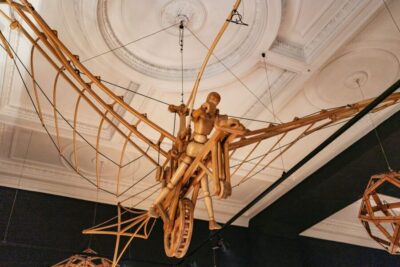 ★ 4.5Florence: Leonardo Interactive Museum Entry TicketFrom $911,763 reviews
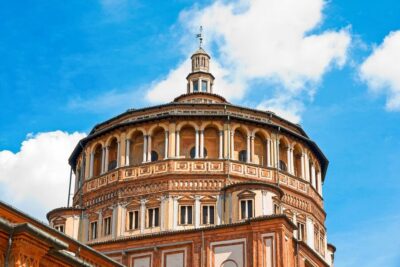 ★ 4.7Milan: Da Vinci’s Last Supper Guided TourFrom $7510,143 reviews
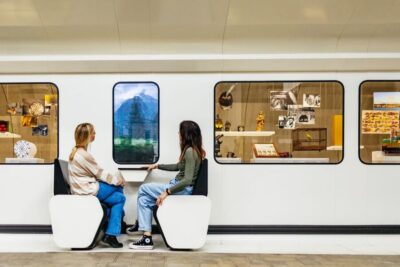 ★ 4.5Milan: Science and Technology Leonardo da Vinci Museum EntryFrom $157,169 reviews
 ★ 4.7Milan: Guided Walking Tour & Last Supper Visit with TicketFrom $1015,409 reviews
 ★ 4.0Milan’s Must See: Half-Day Tour of Last Supper, Duomo & La ScalaFrom $1304,193 reviews
 ★ 4.5Venice: Leonardo Da Vinci Museum Entrance TicketFrom $103,560 reviews
 ★ 4.4Milan: Leonardo3 The World of Leonardo Museum Entry TicketFrom $183,241 reviews
 ★ 4.4Rome: Leonardo da Vinci Exhibition Entrance TicketFrom $102,885 reviews
Filed under