
Reviewed · THE LAST SUPPER & LEONARDO IN MILAN
Milan: Leonardo3 The World of Leonardo Museum Entry Ticket
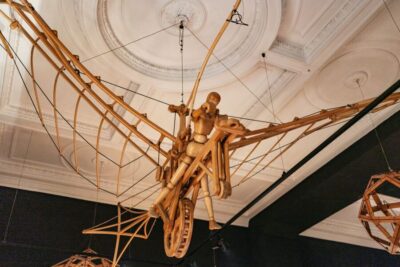
A da Vinci brain in model form. Leonardo3 turns sketchbook ideas into working, interactive machines and a digital Last Supper that you can experience at your own pace. I particularly love how the exhibit connects inventions back to Leonardo’s manuscripts, and how the audioguide makes all the details usable, even if you are not a technical expert. One thing to keep in mind, the museum layout can feel a bit tight in spots, so if you hate crowds or slow-moving lines at interactive stations, plan your time accordingly.
If you want a straightforward Milan add-on that is part museum, part workshop, this is a smart pick. At around $18 per person for a 1-day entry window, it is also good value compared with many single-gallery stops, especially if you use the audioguide. The main drawback is that you cannot bring food, drinks, or cameras, so you will want to plan around your snack routine and photo habits.
In This Review
- Key highlights at a glance
- Finding Leonardo3 at Galleria Vittorio Emanuele II (Piazza della Scala)
- What Leonardo3 is doing with da Vinci’s inventions (and why it works)
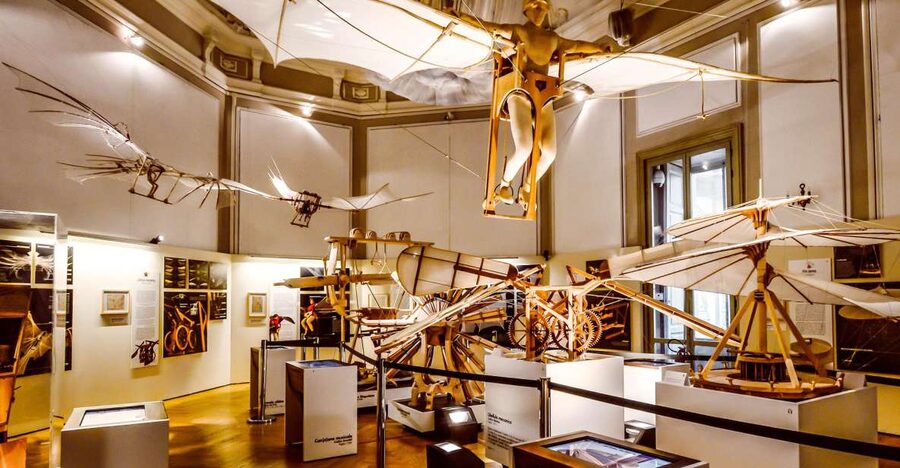
- The heart of the visit: 200+ interactive 3D machines
- The reconstructed codex experience in 3D (where the learning clicks)
- The Last Supper digital restoration, and what to watch for
- Audioguide strategy: use it, and plan your pace
- Workshops for kids and curious adults: certificates and bridge building
- Rules, room feel, and smart comfort tips
- Price, value, and the Milan bookshop perk
- Who Leonardo3 is best for (and who might not love it)
- Should you book Leonardo3 in Milan?
- FAQ
- Where is the meeting point for the Leonardo3 ticket in Milan?
- How long is the ticket valid?
- Is the audioguide included?
- What languages are available for the audioguide?
- Are cameras allowed inside the museum?
- Are food and drinks allowed during the visit?
- Is the museum wheelchair accessible?
- Is transportation included in the ticket price?
Key highlights at a glance
- 200+ interactive 3D machines recreated from Leonardo’s studies
- Fully functioning models built by following Leonardo’s manuscript logic
- Digital restoration of the Last Supper, tied to Santa Maria delle Grazie
- Multi-language audioguide for Leonardo’s secrets behind each invention
- Hands-on workshop area where kids can print an inventor certificate and build a bridge
- Da Vinci ideas made accessible, with stations designed for both adults and older kids
Finding Leonardo3 at Galleria Vittorio Emanuele II (Piazza della Scala)
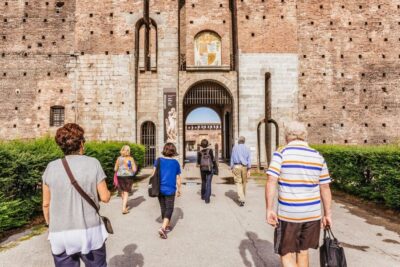
The ticket experience starts at the Galleria Vittorio Emanuele II entrance in Piazza della Scala. When you arrive, you show your ticket at the ticket office, right where you enter through the arcade, so it is easy to get oriented fast.
This is one of those Milan stops where location matters. You are already in the core sightseeing zone, so you can slot Leonardo3 between bigger landmarks without losing half the day to transit. Also, the activity ends back at the same meeting point, which is handy when you are planning dinner nearby.
Practical tip: arrive a little early for your chosen time slot. The museum is not large, and once you are inside, you will move through rooms quickly unless you pause often at the machines and audio stations.
Filed beside this one, more Last Supper and Leonardo tours in Milan.
- Milan: Guided Walking Tour & Last Supper Visit with Ticket
★ 4.7 · 5,409 reviews - Milan’s Must See: Half-Day Tour of Last Supper, Duomo & La Scala
★ 4.0 · 4,193 reviews - Milan: Leonardo3 The World of Leonardo Museum Entry Ticket
★ 4.4 · 3,241 reviews - Milan: Last Supper Guided Visit
★ 4.7 · 2,854 reviews
What Leonardo3 is doing with da Vinci’s inventions (and why it works)
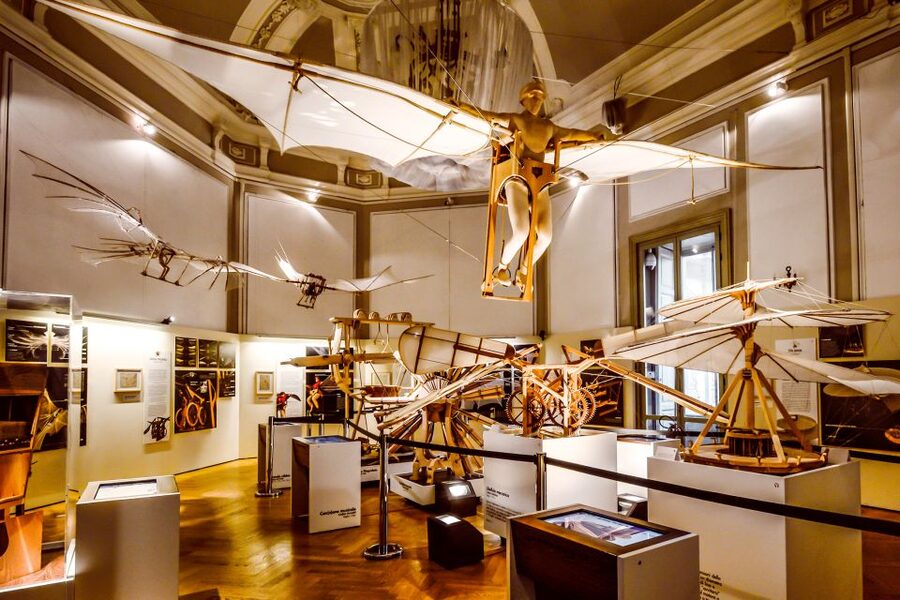
Leonardo3 is not trying to be a quiet art museum. It is an interactive, engineering-focused exhibition built around the idea that Leonardo was thinking like a scientist and an inventor, not just a painter.
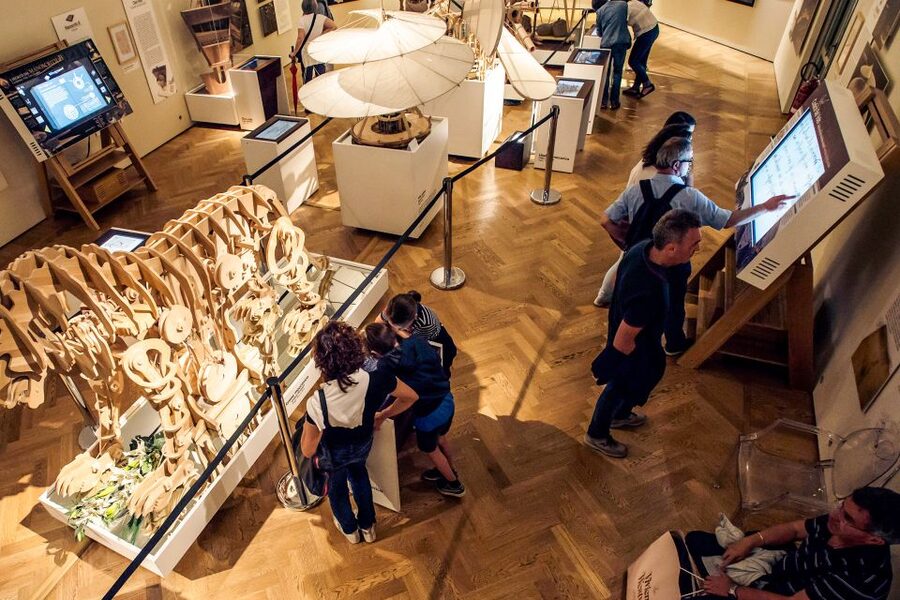
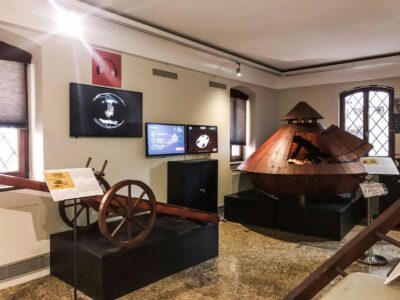
The exhibit brings you 3D reconstructions and models made from Leonardo’s manuscript studies. Instead of only showing drawings, it recreates concepts as machines you can watch, test, and understand in physical space. That is why it feels different from typical museum panels: you spend time with the mechanism, not just the story about it.
The best part for most people is the mix of approaches. Some rooms are very visual, some are more technical, and the audioguide stitches it together so the details do not stay locked in the background. If you like hands-on learning, you will feel rewarded quickly.
The heart of the visit: 200+ interactive 3D machines
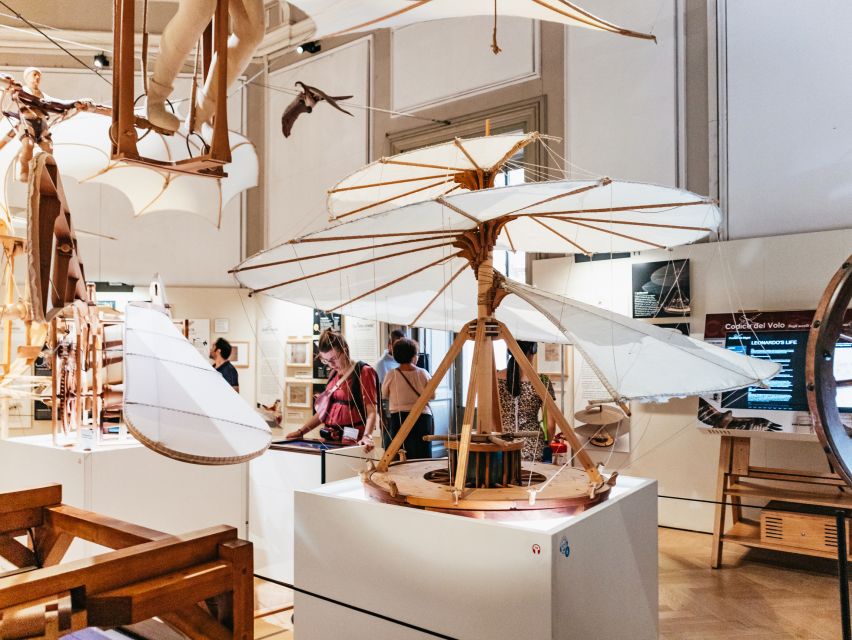
If you only have one museum ticket to spend on da Vinci, this is the one that feels most directly about his engineering mind. The headline promise is more than 200 interactive 3D machines, and the concept behind the exhibit is exactly what you hope it would be: it makes Leonardo’s ideas tangible.
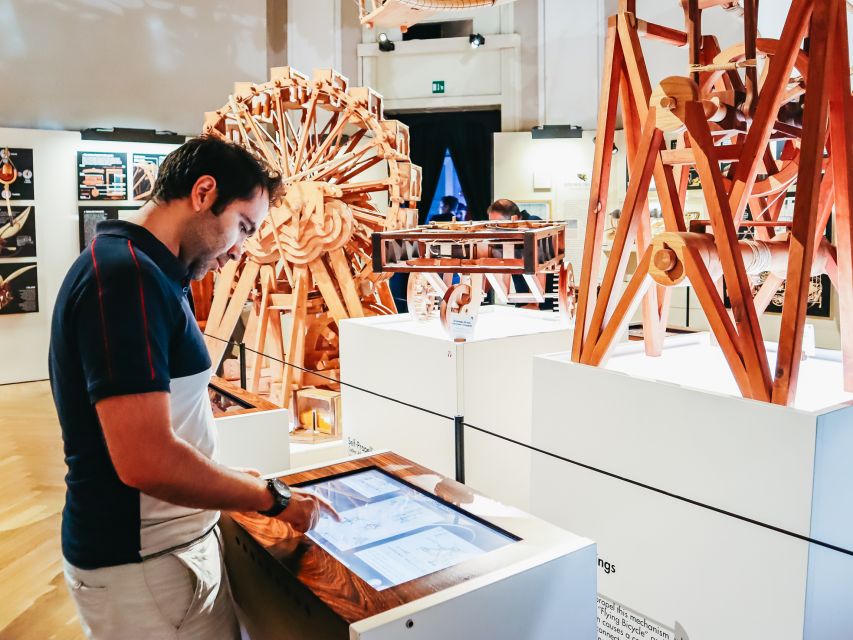
You should expect stations where you can see how parts connect and how movement might work. Many of the models are fully functioning reconstructions, built by studying Leonardo’s manuscripts. That means you are not just looking at replicas, you are seeing how the design choices translate into motion.
One standout example mentioned in the experience details is a mechanical dragonfly. It is the kind of model that changes your mental model of Leonardo. Instead of imagining him as an artist with occasional doodles, you start seeing him as someone obsessed with how nature and mechanics can be compared.
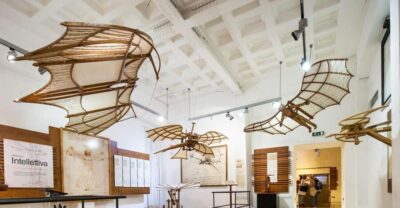
Also, the exhibit does not limit itself to one theme. You will find inventions spanning different categories, including war-related machinery and flight-oriented concepts, plus engineering ideas linked to real-world construction.
The reconstructed codex experience in 3D (where the learning clicks)
Many people walk in thinking they will see machines. They end up staying because the exhibit makes Leonardo’s notebooks feel immediate.
The ticket experience highlights a focus on the codex material and 3D reconstruction of what Leonardo recorded. You get more than a flat scan of drawings. The design logic is presented so you can understand how a notebook concept becomes a buildable mechanism.
Some of the most praised moments are exactly this 3D translation. It helps you see Leonardo’s thought process: he sketches, annotates, tests ideas, and then attempts to translate that thinking into form. The exhibit tries to show that chain of reasoning, which is why it works so well for non-experts.
If you like details, you can slow down here and let the audioguide do the heavy lifting. If you rush, you might only catch the wow-factor without fully absorbing why the reconstructions are plausible.
The Last Supper digital restoration, and what to watch for
Yes, the Last Supper is a huge draw. But Leonardo3 treats it differently than a standard museum room.
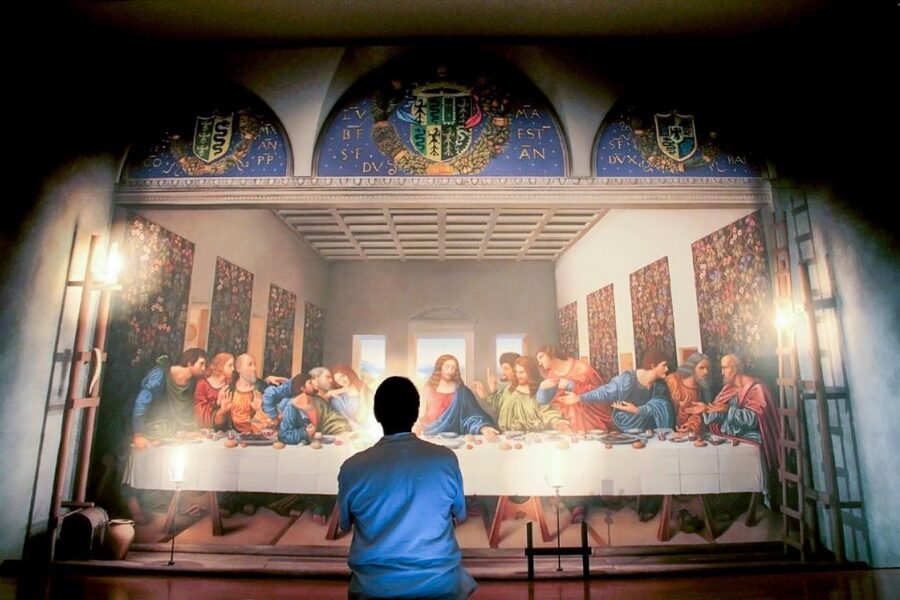
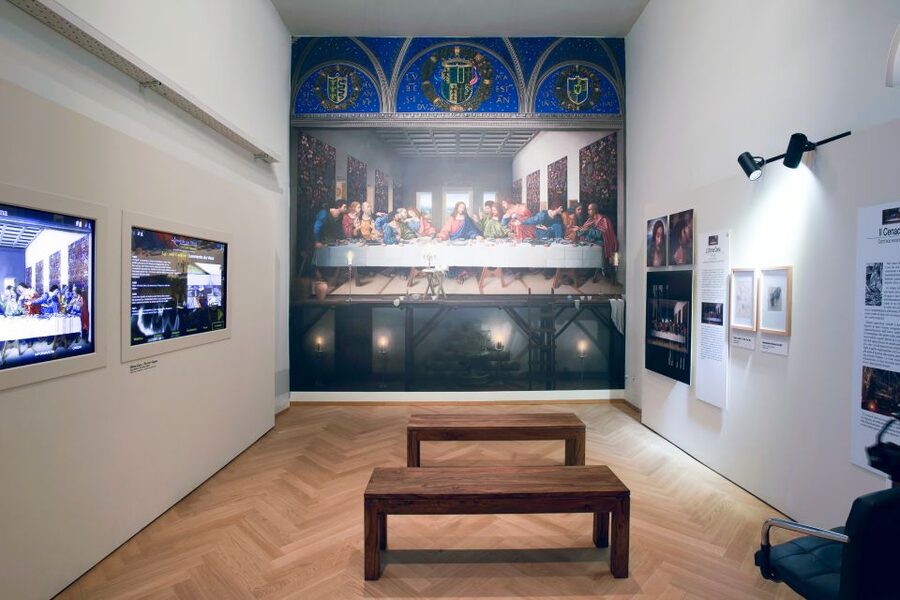
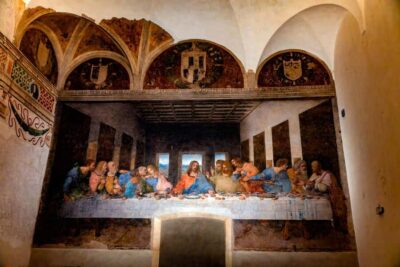
Instead of asking you to travel for the real fresco, the exhibition presents an immersive digital restoration of Leonardo da Vinci’s Last Supper, connected to the context of the church of Santa Maria delle Grazie. It is designed to help you understand the work and its visual impact while keeping you inside the exhibit environment.
To get the most from this section, do not just treat it as a quick photo moment. Even if the restoration is digital, pay attention to how the presentation frames the composition. Think of it as a way to connect Leonardo’s painting skill with the same precision mindset he used in engineering.
A small note for realistic expectations: some visitors feel the AI-like look of digital restorations does not always capture emotional texture the way the original artwork does. Still, it is often described as incredible, especially if you are seeing it as a learning tool rather than a replacement for the original.
Audioguide strategy: use it, and plan your pace
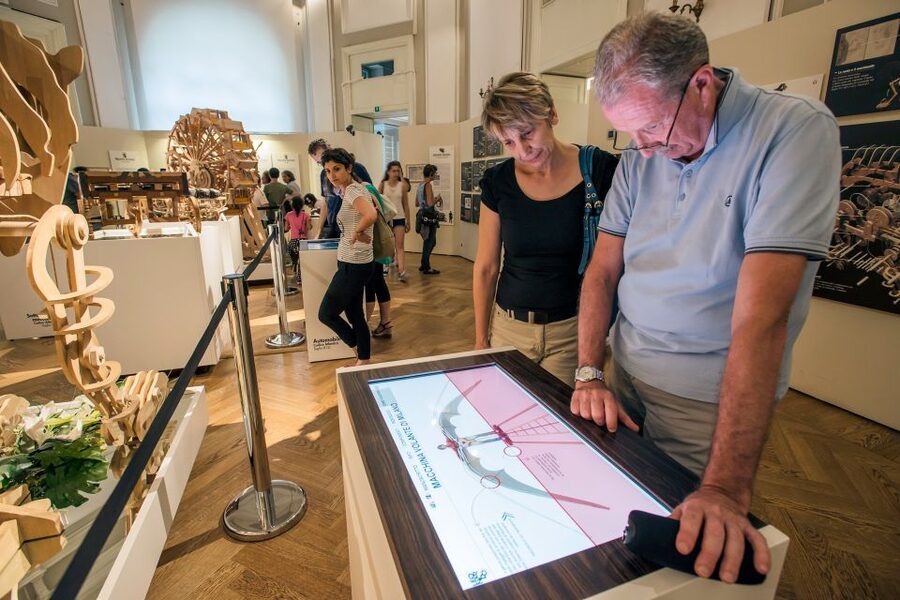
The audioguide is one of the biggest quality multipliers for Leonardo3. The experience notes that the audio content includes Leonardo’s secrets behind the machines, and interactive exhibits are available in English and Italian, with audioguides offered in multiple languages.
The audio guide languages listed include Italian, English, Russian, German, French, Spanish, Portuguese, and Chinese. So even if you are traveling with mixed-language friends or family, you can keep everyone included without turning it into a translation project.
When I think about value, this is where Leonardo3 holds up. The exhibit is packed with detail, and the audio guide turns those stations into a coherent walkthrough rather than a corridor of interesting gadgets. If you skip it, you will still enjoy the models, but the meaning might not fully land.
Pacing tip: use audio like a throttle. Spend more time at the machines where you want explanation, then let the audio guide carry you through the rooms you want to see efficiently. This keeps the visit from feeling like an endurance test.
Kept in the same folder as this one, museum visits in Milan.



Workshops for kids and curious adults: certificates and bridge building
One reason Leonardo3 earns repeat visits from families is the workshop area. The experience includes interactive activities designed for younger inventors, and older kids can join in too.
You can find a workshop where kids can print an inventor’s certificate. That is a simple souvenir, but it also gives the experience a “you did something” feeling, not just “you watched something.”
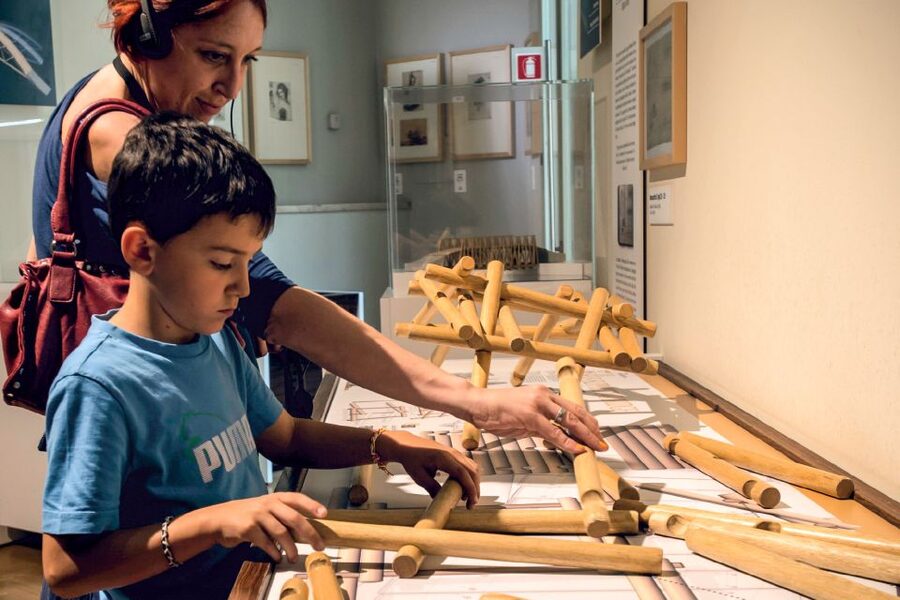
There is also a self-supporting bridge workshop with wooden parts. Even if you are not a builder, it is a great way to connect Leonardo’s structural thinking to a physical build you can understand quickly.
If you are traveling as a couple or solo adult, you might think workshops are optional. But they are often a good reset. After you have spent time with detailed models and audio, these hands-on sections bring you back into a playful, problem-solving mode.
Rules, room feel, and smart comfort tips
A few practical constraints shape how your visit will feel.
Food and drinks are not allowed, and cameras are not allowed. So keep your phone pocketed and plan a snack stop before or after you enter. If you are the kind of person who likes to take pictures of museum labels, you will have to rely on memory, notes, or whatever is offered inside the exhibit experience.
The rules also mean you can focus. Museums with no food tend to feel less messy. Still, you might notice some rooms get warm, and the layout can feel tight, especially near interactive stations. Some interactive parts can be tough to access if you are in a hurry or the room is crowded.
My best advice is to treat it like a “one good flow” experience. Decide whether you want to linger at machines or catch everything quickly. If you try to do both, you will end up stuck behind other people.
Wheelchair accessibility is listed, which is good to know for planning. If you or someone you are traveling with uses a wheelchair, you should still expect that interactive stations might require a bit of careful maneuvering, because the space can feel compact.
Price, value, and the Milan bookshop perk
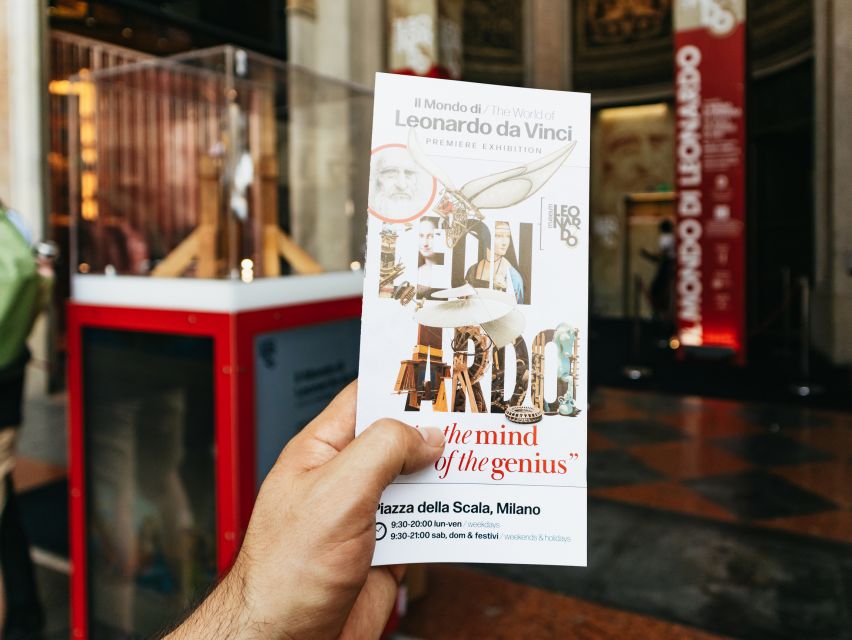
The ticket price is listed as $18 per person. It covers museum entrance, and the audioguide is included only if you select that option.
At this price, the value comes from the density of what you get. You are paying for a full exhibition experience, not just a single highlight. With 200+ interactive machines plus the digital Last Supper restoration and the option for a full audioguide, you are buying time with real learning.
You also get a perk at the bookshop: a 10% discount on books if you show your GetYourGuide voucher at the counter. If you are the type who wants a souvenir that is actually useful, this is a nice close-out move.
Duration-wise, your ticket is valid for 1 day, and you should check availability to see starting times. That flexible window can help you adjust based on your Milan schedule, whether you are doing a morning Duomo plan or saving the evening for Aperitivo.
Who Leonardo3 is best for (and who might not love it)
Leonardo3 is a strong match for:
- Families with kids who enjoy doing rather than just looking
- Science, engineering, and maker-minded travelers
- Fans of da Vinci who want the engineering side, not only the famous artworks
- Anyone who likes audio-based museum experiences in multiple languages
It might be less perfect if:
- You want a massive museum with lots of space to wander slowly
- You are hoping for unrestricted photography
- You are visiting primarily for the real-world Last Supper experience itself, since this is a digital restoration
Should you book Leonardo3 in Milan?
I would book Leonardo3 if you want a practical, high-impact da Vinci experience that stays interesting from start to finish. The interactive machines are the main reason, and the audioguide is what turns the visit from fun to genuinely informative.
Choose it especially if you are traveling with children, or if you like the idea of learning through mechanism, not text panels. If you hate tight spaces and interactive bottlenecks, plan your timing carefully and be ready to move room by room instead of expecting endless space.
If your schedule is packed, this ticket offers a focused, worth-it use of time in Milan. For $18, with the potential to add the audioguide, it is one of the easier “yes” decisions you can make on a da Vinci day.
FAQ
Where is the meeting point for the Leonardo3 ticket in Milan?
You enter through the Galleria Vittorio Emanuele II in Piazza della Scala. You show your ticket at the ticket office.
How long is the ticket valid?
The ticket is valid for 1 day. Starting times depend on availability, so you should check when you book.
Is the audioguide included?
An audioguide is included if you select the option that includes it. The exhibit also states the interactive experiences are in English and Italian.
What languages are available for the audioguide?
Audioguides are available in Italian, English, Russian, German, French, Spanish, Portuguese, and Chinese.
Are cameras allowed inside the museum?
No, cameras are not allowed.
Are food and drinks allowed during the visit?
No, food and drinks are not allowed.
Is the museum wheelchair accessible?
Yes, wheelchair accessibility is listed.
Is transportation included in the ticket price?
No, transportation to and from the museum is not included.
Museum Visits in Milan That Made the Same Shortlist

Other Last Supper and Leonardo Tours in Milan From Our Notebook
Not quite the day you had in mind? The rest of our Milan write-ups sit below
- Milan: Duomo and The Last Supper Skip-the-Line Guided Tour
- From Milan: Exclusive Boat, Lake Como, Bellagio, and Lugano Tour★ 4.5 · 168 reviews
- Pinacoteca Ambrosiana and da Vinci’s Codex Atlanticus admission in Milan★ 4.5 · 169 reviews
- Pizza Cooking Class with Tiramisù and Wine Tasting in Milan★ 5.0 · 172 reviews
- Milan: Exclusive Access with Last Supper visit & Guided Tour★ 4.5 · 173 reviews
- Milan: Private Professional Photoshoot at the Duomo★ 4.7 · 174 reviews
- Step Into History: Leonardo Vinci’s Last Supper Tour★ 4.5 · 175 reviews
- Small-Group Lake Como Experience with boat and van, from Milan★ 5.0 · 179 reviews
- Milan: Street Food Walking Tour★ 4.7 · 180 reviews
The Last Supper & Leonardo in Milan, top to bottom.
 ★ 4.5Florence: Leonardo Interactive Museum Entry TicketFrom $911,763 reviews
 ★ 4.7Milan: Da Vinci’s Last Supper Guided TourFrom $7510,143 reviews
 ★ 4.5Milan: Science and Technology Leonardo da Vinci Museum EntryFrom $157,169 reviews
 ★ 4.7Milan: Guided Walking Tour & Last Supper Visit with TicketFrom $1015,409 reviews
 ★ 4.0Milan’s Must See: Half-Day Tour of Last Supper, Duomo & La ScalaFrom $1304,193 reviews
 ★ 4.5Venice: Leonardo Da Vinci Museum Entrance TicketFrom $103,560 reviews
 ★ 4.4Rome: Leonardo da Vinci Exhibition Entrance TicketFrom $102,885 reviews
 ★ 4.7Milan: Last Supper Guided VisitFrom $752,854 reviews
Filed under