
Reviewed · HERCULANEUM, VESUVIUS & OPLONTIS
Herculaneum: Skip-the-Line Entry Ticket with Audio Guide
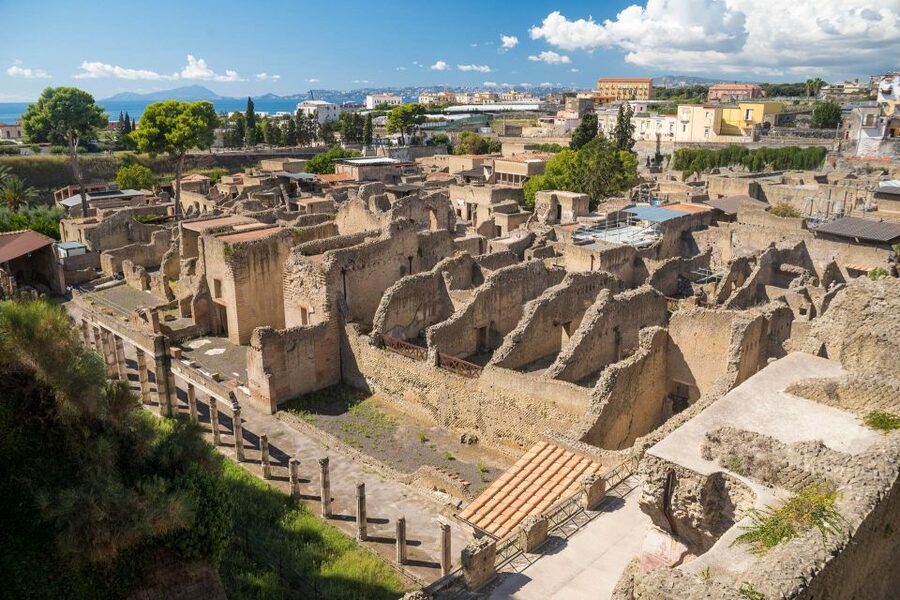
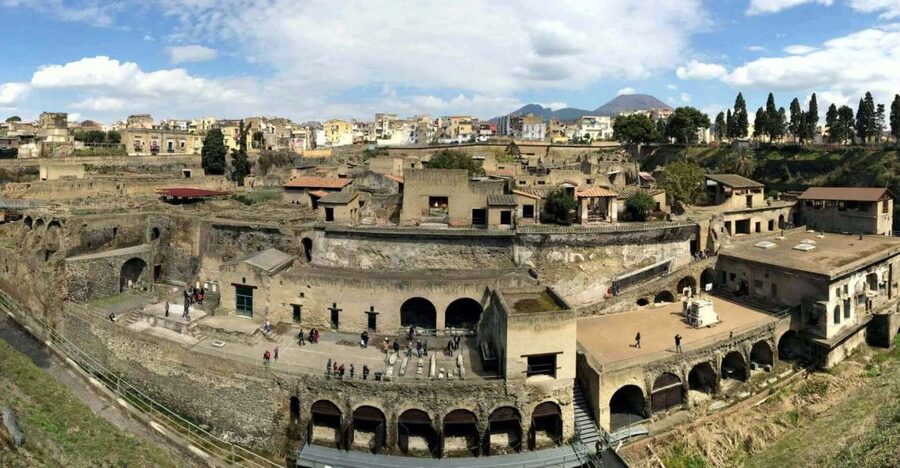
Herculaneum feels like stepping into a sealed past. This skip-the-line entry ticket plus audio guide lets you wander a compact ruin where daily Roman life is still visible, including villas buried under volcanic ash from Vesuvius in 79 AD. I like that the experience is self-paced, so you can stop when something grabs your attention, not when a group leader decides.
My favorite part is the clarity you get once you’re inside: you have an included map and an audio program designed to guide you through the key areas. You’ll be able to spot well-preserved walls, paintings, statues, and even original details like wooded doors, which is exactly what makes Herculaneum so different from bigger, more ruined sites.
The main consideration is that the audio experience is not always frictionless. A number of visitors noted that the audio cues can feel a bit confusing in the field, especially when site numbering does not perfectly match what you hear, and you may also need to do a bit of back-and-forth to collect audio and tickets.
In This Review
- Key Highlights That Make This Worth It
- Entering Herculaneum: What Happens at the Ticket Office
- Your Audio Guide and Map: How to Use Them Without Getting Stuck
- The Vesuvius Moment: Villas Buried in 79 AD Ash
- Market Streets, Fountains, and the Theatre: Following the Included Map
- Homes With Real Social Clues: Slaves, Owners, and Everyday Design
- Temples, Gods, and Surviving Art: What You’ll Notice Up Close
- The Poignant Finish: Where Rescue Hopes Turned to Tragedy
- How Long You Really Need: A Practical Timing Guide
- Price and Value: Is $15 a Good Deal?
- Getting There: Naples Area Tips That Actually Help
- Who This Works Best For
- Should You Book This Herculaneum Ticket?
- FAQ
- Where do I meet for entry?
- What’s included in this experience?
- What languages are available for the audio guide?
- How long should I plan to spend at Herculaneum?
- What should I bring with me?
- Is the skip-the-line part separate from getting the audio?
Key Highlights That Make This Worth It
- Self-guided Roman realism, with houses, streets, and market-style spaces instead of just monuments
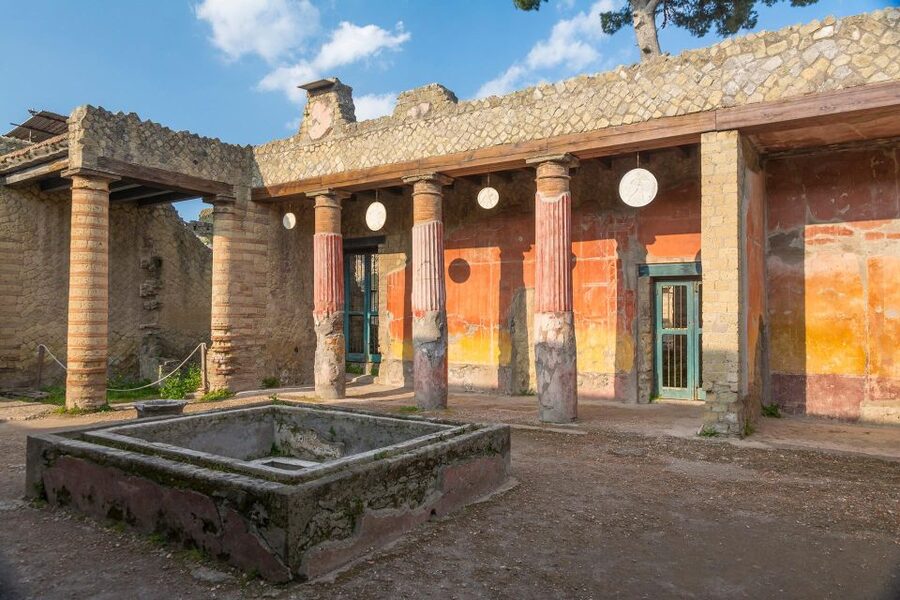
- Well-preserved interior details, including fresco-like wall paintings and wooden elements that Pompeii visitors often envy
- An included map and audio points of interest, which help you navigate without needing a human guide
- A more manageable size than Pompeii, often felt as quieter and easier to finish in a single visit
- A moving ending section, tied to victims’ remains near the sea, where the story gets personal
- A practical day plan, where many people naturally settle in for around 3 to 4 hours at their own pace
Entering Herculaneum: What Happens at the Ticket Office
This is straightforward. You show your ticket at the Herculaneum ticket office, and you start from there. The experience is designed around a simple idea: get you in quickly, then let the site unfold at your rhythm.
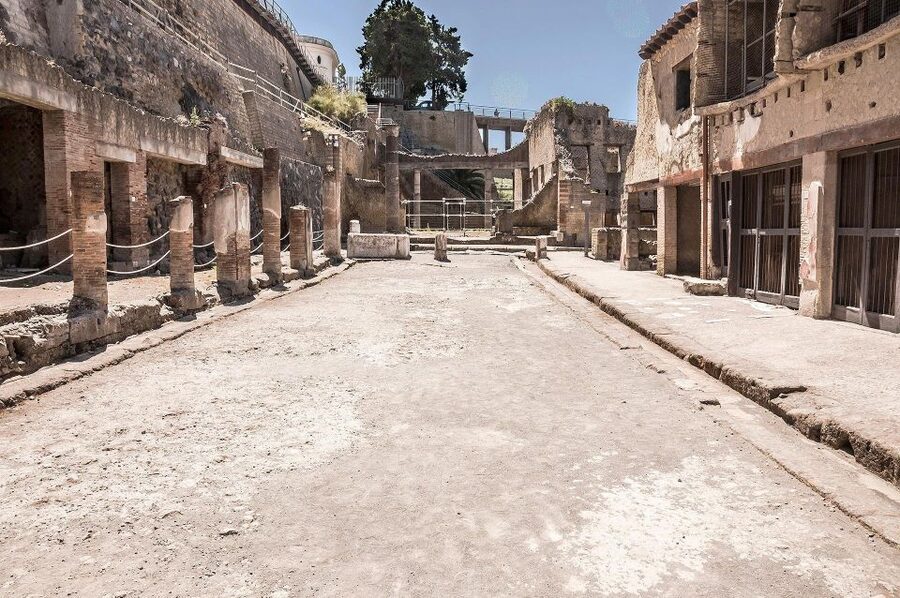
You should plan on comfortable shoes. The ground is cobblestones, and there are steep steps in spots. That matters because Herculaneum is compact, but it is not flat. If you have mobility limits, you’ll want to go slowly, take breaks often, and focus on the areas that catch your eye rather than trying to see everything at full speed.
One practical detail: some visitors have mentioned that you may be asked for identification when collecting the audio. Bring your passport or ID card. It’s also wise to keep the ID you need handy, because being sent back to retrieve documents is the kind of small hassle that can throw off your timing.
Kept in the same folder as this one, Herculaneum and Vesuvius visits in Naples.
- From Naples: Pompeii Ruins & Mount Vesuvius Day Tour
★ 4.3 · 11,459 reviews - Naples or Sorrento: Full-Day Pompeii and Mount Vesuvius Tour
★ 4.6 · 4,235 reviews - Herculaneum: Skip-the-Line Guided Tour with Archaeologist
★ 4.8 · 3,439 reviews - Pompeii & Mt.Vesuvius Day Tour from Naples with Pizza Lunch
★ 4.0 · 2,901 reviews
Your Audio Guide and Map: How to Use Them Without Getting Stuck
The audio guide is included, and the language options are English, French, German, Italian, and Spanish. It’s available as a handheld device, and some versions also use a phone or app style experience with a map you can view as you walk.
Here’s the key to making it work smoothly. Before you commit to a route, get oriented with the map and take a quick lap to understand the layout. Then follow the audio points in the order that makes sense for your feet and attention span. Even if numbering is not perfectly aligned from one place to another, the audio still helps you match what you’re seeing to the story being told.
A recurring note from visitors is that the audio can be slightly confusing when it asks you to look for something specific, especially if you’re not standing in the exact spot the narrator expects. My advice is simple: if you hear a description that doesn’t seem to match what you’re looking at, pause, re-check where you are on the map, and then listen again closer to the feature.
If you want extra media, you might find that the audio experience includes advanced views for some objects, such as 3D or 360-style visuals. That’s a good bonus because you’ll be comparing what you see now to what these places may have looked like before the eruption.
One tech note that came up: some visitors wished they could use Bluetooth earbuds for hands-free listening. If you rely on your own earbuds, consider testing your setup ahead of time, because the site experience is quieter and you’ll likely hear the audio most clearly when everything is properly connected.
The Vesuvius Moment: Villas Buried in 79 AD Ash
The heart of Herculaneum is the way it preserves what people actually lived with. The site is shaped by the eruption aftermath, and that context shows up again and again. You’ll see villas and spaces buried under volcanic ash from the day Vesuvius erupted in 79 AD, turning houses into a time capsule.
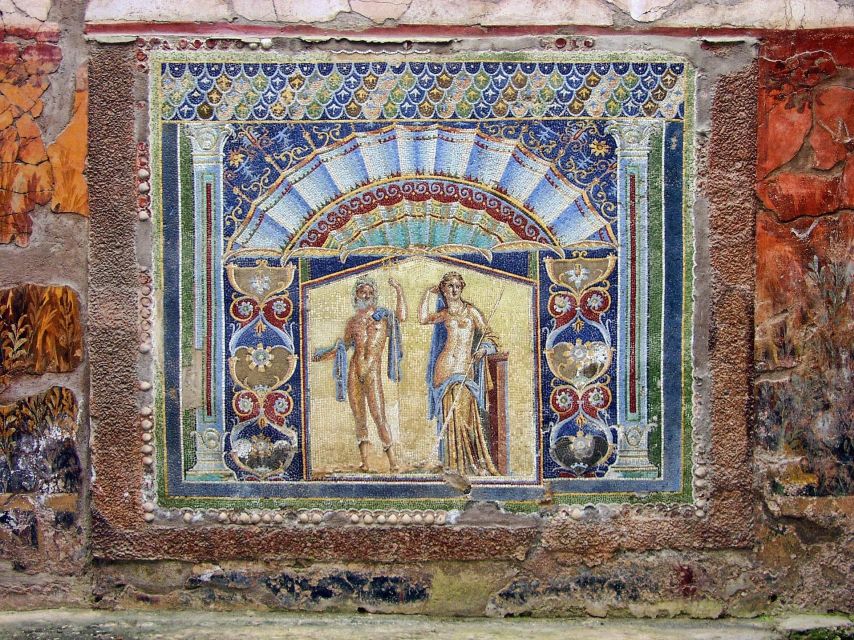
What makes this section hit hardest is how ordinary the details feel. Instead of only seeing ruined outer walls, you’ll encounter well-preserved interiors and decorative elements. Visitors often point out the survival of wall paintings and statues, and you can also spot intact features like wooded doors in certain areas.
There’s also a strong emotional angle here. Even though this is a ruin you can explore at your own pace, the stories connected to it are heavy. The eruption wasn’t abstract. It was a real disaster, and Herculaneum’s preservation makes that scale difficult to ignore.
To get the most out of this part, don’t treat it like a checklist. Pick one villa or one interior space, listen carefully to the audio description, then spend an extra few minutes just looking. The value of Herculaneum is not just what’s there. It’s how much you can still recognize as home.
Market Streets, Fountains, and the Theatre: Following the Included Map
One of the best reasons to book a structured audio ticket is how it helps you move through the site. Herculaneum has a layout that makes sense once you’re inside, and the included map is meant to guide you toward major areas.
You’ll get the chance to walk through an ancient market area and see what a daily Roman commercial life might have felt like. The audio is designed to explain what you’re looking at as you move, which helps you avoid that common problem of staring at ruins without knowing what part of life they represent.
The map also points you toward public fountains and the theatre. These are the kinds of stops that can feel boring in the abstract, but they become much more interesting when you pair them with context. A fountain is more than stone. It’s water, routine, neighbors, and public space. A theatre is more than seating. It’s entertainment, status, and civic identity.
A practical tip: if you notice sections feel less clearly numbered, slow down. Use the map to re-align yourself rather than rushing ahead. Cobblestones and steps make speed feel tempting, but it’s easier to enjoy the site when you keep your bearings.
Homes With Real Social Clues: Slaves, Owners, and Everyday Design
Herculaneum isn’t only about gorgeous decoration. It’s also about the social structure of Roman life, and the audio guide helps connect spaces to people.
You’ll be able to compare how enslaved people were housed versus the living spaces of richer Romans. That contrast is one reason this site can feel more intimate than bigger archaeological parks. You are not just seeing wealth. You’re seeing domestic organization.
Look for cues in layout and preserved details. The audio descriptions are built around exactly those elements, such as decorative features and architectural choices that differentiate one household area from another. This is where the audio guide can add real value over simply walking around with a general sense of history.
For many visitors, the most fascinating moments are not the obvious ones. It’s the small preserved features: wall surfaces that still show decoration, wooden elements that survived in forms that feel almost impossible, and household design clues you might miss without narration.
And yes, there’s a lighter side too. One visitor mentioned cats around the site that don’t mind a scratch. It’s a reminder that a living environment has grown around these ruins, and that the experience is not trapped in tragedy. It’s history, present-tense.
Temples, Gods, and Surviving Art: What You’ll Notice Up Close
As you continue, you’ll move through areas that connect to religious life. The audio guide is set up to describe temples and depictions of ancient gods, so you can understand what you’re seeing without guessing.
You’ll also encounter impressive preserved artwork. Many visitors highlight well-preserved paintings and statues, and the overall effect is that Herculaneum looks less like a shattered city and more like it froze mid-life. That preservation changes the way you interpret the site. It stops feeling like only a warning sign and starts feeling like a window.
In places, the audio may ask you to find details on walls or at a specific viewpoint. When that happens, I recommend treating the description like a treasure hunt. Stand, listen, look, and when you find the feature, spend a minute or two longer just absorbing it visually. This is one site where pausing is actually part of the experience.
We wrote up further entry tickets in Naples on the same pass through the archive.




The Poignant Finish: Where Rescue Hopes Turned to Tragedy
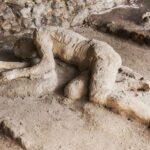
One of Herculaneum’s most difficult parts to describe is also one of the most important. The experience includes an area connected to the victims who perished while hoping for rescue from the sea.
If you’ve visited sites like Pompeii, you might expect something similar. Herculaneum can still surprise you because the storytelling and preservation are more personal. The audio guide helps you connect the physical spaces to the human reality behind them.
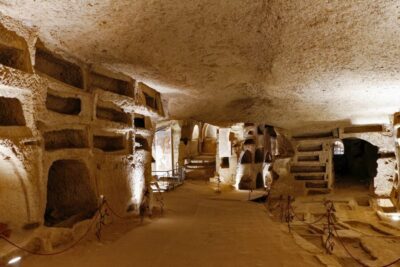
Visitors have said the ending moments can be among the most moving parts of the visit, especially in sections tied to remains and the caves-adjacent areas. When that emotional tone arrives, let it. Don’t rush through it to get your pictures and move on.
If you’re traveling with kids or anyone who might find the subject heavy, you can still keep things manageable. Use the audio to understand what you’re seeing, then decide how long you want to stay with the most intense sections.
How Long You Really Need: A Practical Timing Guide
The duration is listed as 1 day, with starting times based on availability. In practice, many visitors report spending around 3 to 4 hours wandering calmly with the audio guide.
That timing works well because it leaves space to:
- Stop often and match audio points to what you see
- Spend extra time in preserved homes and painted spaces
- Walk to the market, fountains, and theatre area without feeling rushed
- End with the most emotionally heavy sections at a pace you control
If you also plan to see Pompeii, I’d treat Herculaneum as the one you prioritize for quality time. The site is smaller, often easier to finish in one go, and it rewards careful attention.
Price and Value: Is $15 a Good Deal?
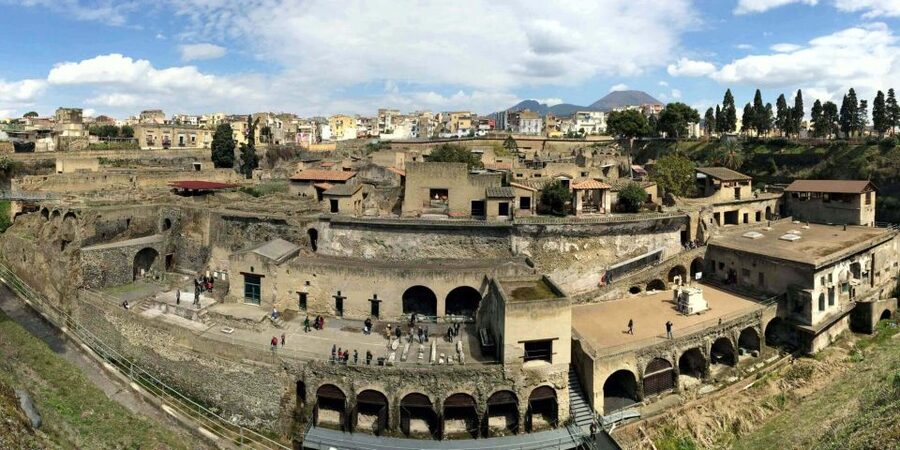
At about $15 per person, this ticket style often feels like strong value, especially if you want a one-day plan that doesn’t require a live guide.
Here’s the value logic I’d use:
- You get entry plus an audio guide and a map, so your cost covers the core self-guided experience.
- Herculaneum’s preservation level makes your viewing time count. You’re not just passing through broken walls.
- The audio guide helps you understand what you’re looking at, which boosts satisfaction when you’re not paying for a human guide.
You are not getting a guide included with this option, so your understanding depends on the audio quality and your willingness to stop and listen. If you enjoy history but get frustrated when you cannot match narration to the exact spot, you might feel some friction.
On the other hand, if you like exploring at your own pace, this is a good setup. Some visitors also mention an option to upgrade to a live guided tour on-site, with guides such as Tony or Fabio named in that context. If you’re the kind of person who wants a person to answer questions, that upgrade route may be worth considering.
Getting There: Naples Area Tips That Actually Help
You can reach the area around Herculaneum from Naples using public transport. One visitor specifically mentioned the EAV train from Naples Garibaldi, followed by a short walk down from the station (about 12 minutes). That is the kind of detail you want if you’re mapping your day.
The broader idea is that you should plan your arrival so you have time to pick up your audio smoothly. When you arrive early, the site can feel less crowded, which makes it easier to enjoy the audio at a slower pace.
Who This Works Best For
This experience is a great fit if you want:
- A self-guided visit where you can linger
- Roman daily life details, not just grand ruins
- An easier one-day archaeological stop that feels more manageable than Pompeii
It’s less ideal if:
- You need perfect alignment between audio cues and numbered spots
- You strongly prefer an on-site guide who can instantly correct confusion
If you love contrasts, you’ll probably enjoy Herculaneum even more. Wealth versus slavery. public space versus private interior. rescue hopes versus catastrophic reality. The site turns those contrasts into something you can walk through.
Should You Book This Herculaneum Ticket?
I think you should book it if you want a meaningful one-day Roman ruin visit without adding the cost of a full guided tour. The included audio guide in multiple languages, plus the map, gives you enough structure to navigate confidently and get more out of what you’re seeing.
Skip it only if you know you hate audio tours, or if you need a guide to handle uncertainties on the ground. Also, be realistic about the terrain. Cobblestones and steep steps mean you’ll enjoy the day more with solid shoes and a relaxed pace.
If you do book, my practical advice is this: orient first, then listen and look together. When you treat the audio like a walking companion rather than a strict script, Herculaneum clicks.
FAQ
Where do I meet for entry?
Show your ticket at the Herculaneum ticket office.
What’s included in this experience?
You get the Herculaneum entry ticket (for the audio guide ticket option), an audio guide, and a map. A guide is not included.
What languages are available for the audio guide?
The audio guide is available in English, French, German, Italian, and Spanish.
How long should I plan to spend at Herculaneum?
It’s a 1-day experience. Many visitors naturally plan around 3 to 4 hours to explore at an unhurried pace.
What should I bring with me?
Bring your passport or ID card and wear comfortable shoes.
Is the skip-the-line part separate from getting the audio?
You should expect to collect the audio guide as part of the on-site process after entering. Some people have found the flow not perfectly signposted, so it helps to follow staff directions on arrival.
Entry Tickets in Naples We Also Walked


Herculaneum and Vesuvius Visits in Naples That Made the Same Shortlist
Not quite the day you had in mind? The rest of our Naples write-ups sit below
- From Naples: Pompeii and Vesuvius Guided Day Trip with Lunch
- From Naples: Mount Vesuvius and Pompeii Ruins Combo Day Trip
- Pompeii: Private Tour with an Archaeologist★ 4.9 · 168 reviews
- Herculaneum Guided Group Tour from Naples★ 4.5 · 169 reviews
- Semi Private Amalfi Coast Shore Excursion with Pick Up★ 4.5 · 174 reviews
- Private Transfer from Multiple Locations in Naples to Sorrento★ 5.0 · 175 reviews
- Naples: Capri Transfer with Island Boat Tour and Free Time★ 4.3 · 176 reviews
- Naples Shore Excursion: Sorrento and Amalfi Coast Independent Day Trip from Naples★ 4.0 · 177 reviews
- Naples: National Archaeological Museum Tour & Digital Guide★ 4.2 · 177 reviews
Herculaneum, Vesuvius & Oplontis, top to bottom.
 ★ 4.3From Naples: Pompeii Ruins & Mount Vesuvius Day TourFrom $12011,459 reviews
 ★ 4.5Pompeii and Mount Vesuvius Day Trip from Rome with Pizza LunchFrom $906,151 reviews
 ★ 4.6From Rome: Pompeii Day Trip with Optional Vesuvius and LunchFrom $885,067 reviews
 ★ 4.6Naples or Sorrento: Full-Day Pompeii and Mount Vesuvius TourFrom $1044,235 reviews
 ★ 4.8Herculaneum: Skip-the-Line Guided Tour with ArchaeologistFrom $533,439 reviews
 ★ 4.0Pompeii & Mt.Vesuvius Day Tour from Naples with Pizza LunchFrom $1492,901 reviews
 ★ 4.2Mount Vesuvius: Skip-the-Line Ticket and Smart Digital GuideFrom $182,780 reviews
 ★ 4.5Naples: Pompeii & Mt Vesuvius All-Inclusive Small Group w/ LunchFrom $1312,748 reviews