
Reviewed · POMPEII ARCHAEOLOGICAL SITE
Pompeii: Private Tour with an Archaeologist
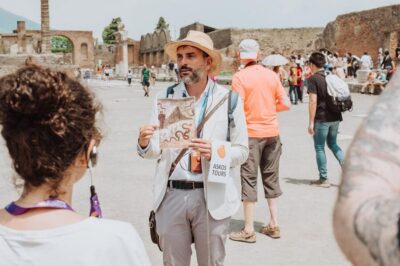
Pompeii feels close when the guide is hands-on. This private 3-hour walk through western Pompeii brings the city to life with an archaeologist-guide, including standout storytelling from guides like Nicoletta and Paola, plus a strong focus on what Roman daily life looked like before Vesuvius. I like the private pacing that lets you ask questions and slow down when something catches your eye, and I also like that you hit major sights in a logical route instead of wandering. One thing to keep in mind: Pompeii is still a lot of walking on uneven stone, so wear comfortable shoes, and double-check the wheelchair situation because the info here is a bit mixed.
If you want more than postcard ruins, this is built for that. You get skip-the-line admission, disposable earphones if needed, and a guide who can explain both the public monuments and the more personal corners like houses and the Lupanare (brothel). It’s a focused slice of Pompeii, so it’s ideal if you’re short on time but want real context, not just names and dates.
In This Review
- Key Things That Make This Pompeii Private Tour Worth It
- What You’re Really Buying: An Archaeologist Walk Through Daily Life
- Start at Porta Marina Superiore: Where the City Begins
- Porta Marina and the Street-Level Feel of an Ancient Town
- Temple of Apollo and the Forum Area: Pompeii’s Public Center
- House of Menander: When Pompeii Gets Personal
- Forum Baths: Social Space, Hygiene, and Routine
- Lupanare: The Brothel Stop You’ll Want Context For
- House of the Faun and House of the Vettii: Wealth, Taste, and Space
- Large Theatre and the Amphitheater: Imagine the Crowd
- Plaster Casts and the Aftermath of 79 A.D.
- How the 3 Hours Usually Feel on the Ground
- Walking Logistics, Weather, Shoes, and Umbrella Rules
- Price and Value: $508.15 for a Private Group
- Who This Pompeii Tour Suits Best (And Who Might Prefer Something Else)
- Should You Book This Pompeii Private Tour?
Key Things That Make This Pompeii Private Tour Worth It
- Archaeologist-led interpretation: you’re not just seeing stone, you’re learning how and why it mattered.
- Western Pompeii highlights in one route: from Porta Marina to the Large Theatre and Amphitheater.
- A slower, question-friendly pace: private group means you spend time on what you care about.
- Skip-the-line entry: fewer delays means more time on the ground in Pompeii.
- Human details, not just big facts: guides often point out small things, including how people lived and what happened in 79 A.D.
- Workable for families with older kids: several guides have handled question-heavy groups and kept teens engaged.
What You’re Really Buying: An Archaeologist Walk Through Daily Life
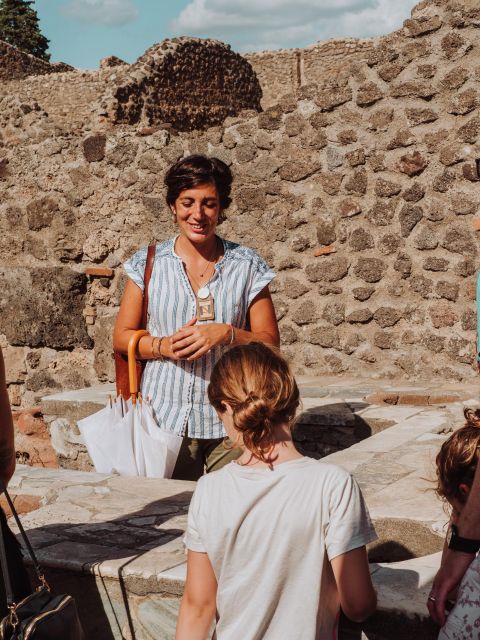
Pompeii is famous for being frozen in time, but most visits feel like a race. This tour changes the tone. Instead of moving fast from one highlight sign to the next, you walk a curated path through the western part of the city and get explanations along the way, including how Romans lived before Mount Vesuvius erupted in 79 A.D.
I also like that you’re not limited to only public buildings. You’ll see the forum area, temples, baths, and theaters, but you’ll also spend time in residential spaces and smaller, more personal sites. That balance matters because Pompeii stops being abstract. The city becomes a place where real people ate, worked, socialized, worshipped, and dealt with risk.
And since it’s a private group, you can ask follow-up questions when you get curious. That’s a big deal here, because Pompeii rewards attention. The more your guide connects the dots, the more you notice.
Our reviewers also walked through other Pompeii site visits in Naples.
- From Naples: Pompeii Ruins & Mount Vesuvius Day Tour
★ 4.3 · 11,459 reviews - Naples or Sorrento: Full-Day Pompeii and Mount Vesuvius Tour
★ 4.6 · 4,235 reviews - Pompeii & Mt.Vesuvius Day Tour from Naples with Pizza Lunch
★ 4.0 · 2,901 reviews - Naples: Pompeii & Mt Vesuvius All-Inclusive Small Group w/ Lunch
★ 4.5 · 2,748 reviews
Start at Porta Marina Superiore: Where the City Begins
You meet your guide at Pompeii’s main gate, Porta Marina Superiore, right in front of the bar-restaurant Hortus, the building with lemons and oranges hanging outside. This is a practical start point because it’s easy to recognize, and it also sets you up for a route that moves through the western streets logically.
At the very beginning, I find it helps to get oriented. Pompeii can feel like it’s all “important stuff everywhere,” but your guide can help you understand the city’s layout and what you’re about to see. Starting with a gate area is smart because gates are where movement happens, and that sense of flow is what you need to think like a Roman instead of a visitor.
If you arrive early, take a minute to scan your surroundings. Even on a private tour, you’ll enjoy it more once you understand where you are and what direction you’ll be moving.
Porta Marina and the Street-Level Feel of an Ancient Town
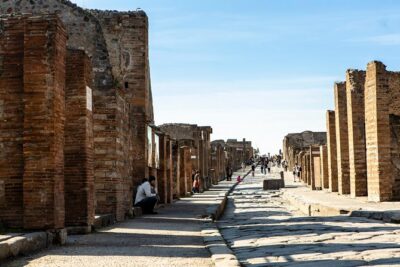
Your first stop includes Porta Marina itself, and this is where the tour’s tone starts to click. Roman gates weren’t just entrances, they were part of a living transport system. Standing there, you can start imagining merchants, residents, and travelers moving in and out, long before anyone ever heard of Vesuvius.
This kind of stop matters because Pompeii can turn into a list. When you begin at a functional point in the city, the rest of your walk feels connected. You’re not just ticking boxes, you’re building a mental map.
A practical tip: Pompeii can have uneven ground right near entrances. Go slow in the first minutes, get your stride, and then settle into your guide’s rhythm.
Temple of Apollo and the Forum Area: Pompeii’s Public Center
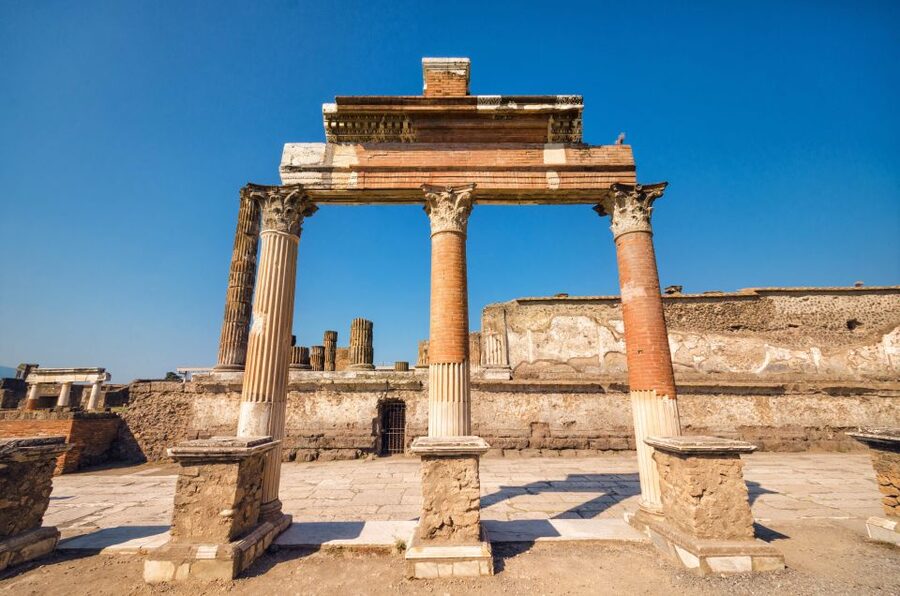
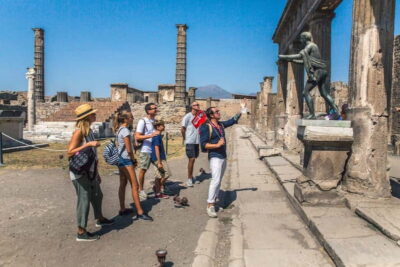
Next comes the Temple of Apollo, followed by the Foro Civile di Pompei and the Basilica. This is the public spine of Pompeii, the space where civic life played out.
Here’s what makes this section valuable: Pompeii’s public architecture is built to express power, order, and community life. A guide can explain how these buildings functioned together, not as isolated landmarks. You’ll see how people gathered for decisions, ceremonies, and everyday business, then you’ll shift from the “who was in charge” feeling into the “how life worked” feeling.
The Basilica stop is especially useful on a guided tour. Even if you understand the building’s rough purpose, the guide can point out what the layout meant in daily use, and how that connects to what you see elsewhere.
This part of the tour is also where crowds can get concentrated. A private guide can help you manage pacing so you’re not stuck behind slow-moving groups for long stretches.
House of Menander: When Pompeii Gets Personal
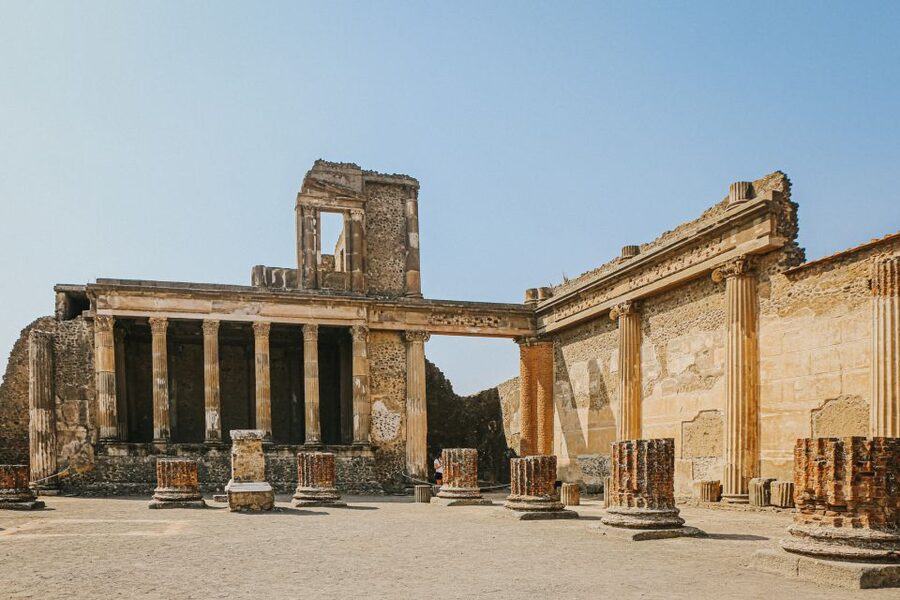
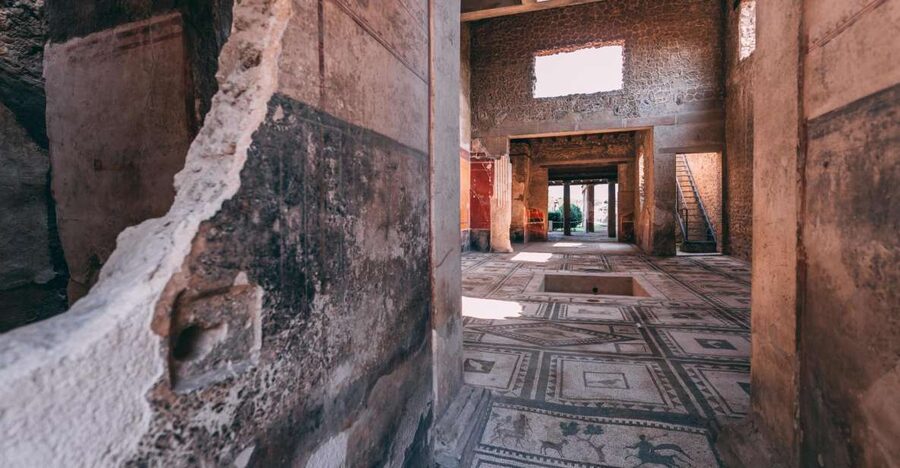
Then you move into more intimate territory with the House of Menander. Residential stops are where Pompeii shifts from a civic stage to a lived space.
You’ll feel it right away because the scale changes. In houses, you’re dealing with rooms, circulation, and privacy. A good archaeologist-guide helps you understand what those spaces likely meant to their owners and how domestic life differed from the public forum areas.
I like residential stops on private tours because the guide can answer the questions that come up naturally. Where did people spend time? How did day-to-day routines work? What did residents value enough to preserve? Guides like Patrizia and Serenella are often praised for adapting explanations to interests, and that adaptability is a real advantage in houses.
Forum Baths: Social Space, Hygiene, and Routine
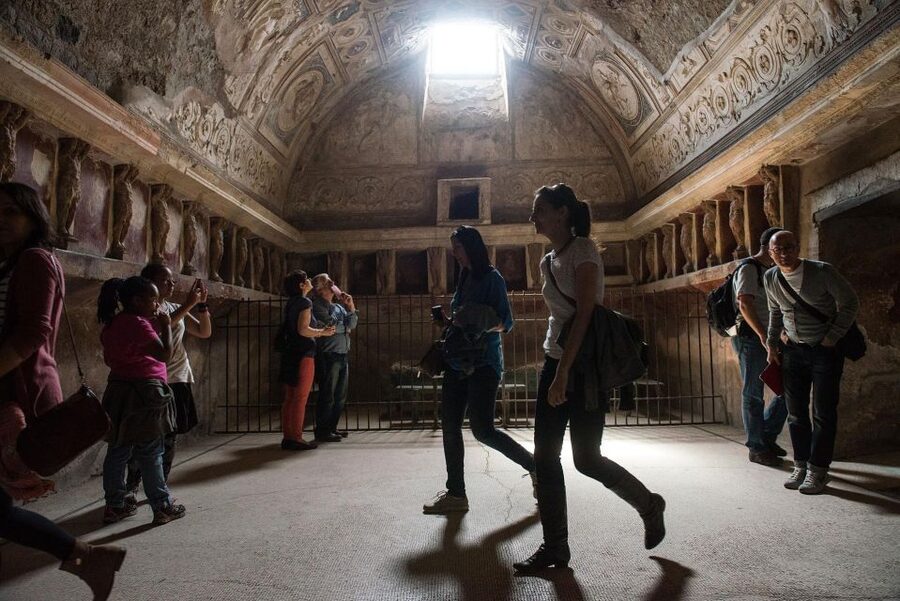
The Forum Baths (a key baths stop in your route) bring you back to communal life. Baths weren’t only about cleanliness. They were a social hub, a place to talk, relax, and build relationships.
On your walk through the baths area, your guide can explain why bath complexes mattered in Roman culture. The layout tells you a story about routine: movement through spaces, how people used the environment, and how public comfort turned daily life into something more than chores.
This is also a great stop to ask questions, because baths invite practical curiosity. You can ask about timing, use patterns, and the general logic of Roman design. A private setting keeps the conversation flexible.
The same shortlist carries more private tours in Naples.







Lupanare: The Brothel Stop You’ll Want Context For
Then comes one of Pompeii’s most talked-about places: the Lupanare, the brothel. It can feel jarring at first, and that’s exactly why a guide matters.
A strong archaeologist-guide does more than point at the building. They help you understand how such spaces fit into the broader city, and why Pompeii shows the whole range of human behavior, including the parts people prefer to ignore.
If you’re traveling with teens, this is also the stop where a guide’s tone matters. Several guides have kept younger visitors engaged by explaining history and human behavior without making it sensational. If you care about the balance, this is where your guide’s style really shows.
Practical note: expect this stop to be emotionally intense for some people. If you need a moment, take it. Private tours are good for giving yourself breathing room.
House of the Faun and House of the Vettii: Wealth, Taste, and Space
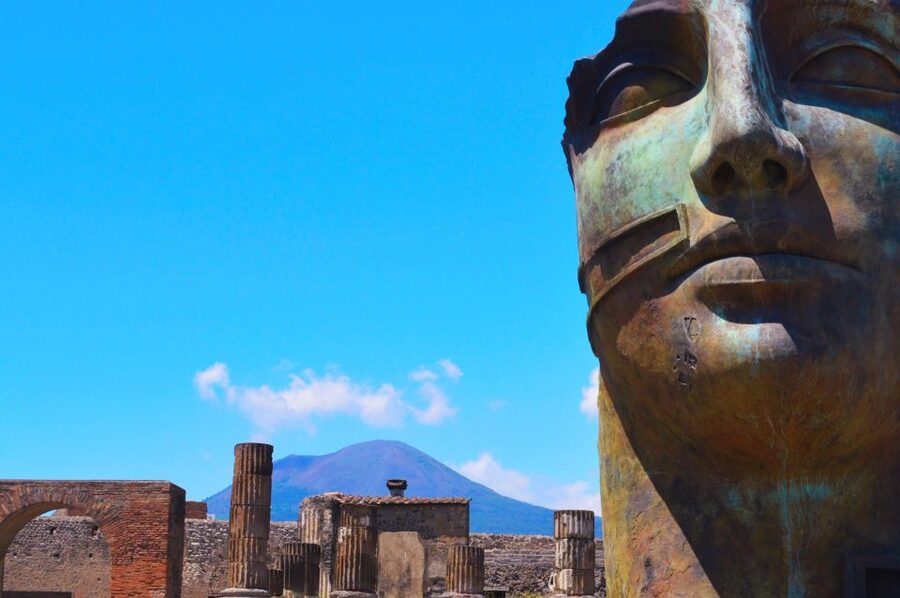
After the Lupanare, you visit the House of the Faun and later the House of the Vettii. These residential stops round out the private-life picture of Pompeii.
What’s useful here is how houses can show social differences. Even without getting technical, your guide can help you interpret what the spaces suggest about status, daily routines, and how people organized private life around work and social hosting.
I like that this tour doesn’t treat homes as just “pretty ruins.” Instead, the guide ties features to how Romans likely lived, which makes the scale and design feel purposeful rather than random.
You’ll also benefit from the pacing here. Houses take time to read. Without a guide, it’s easy to walk past details you don’t know how to interpret. With a guide, you get the story behind what you’re seeing.
Large Theatre and the Amphitheater: Imagine the Crowd
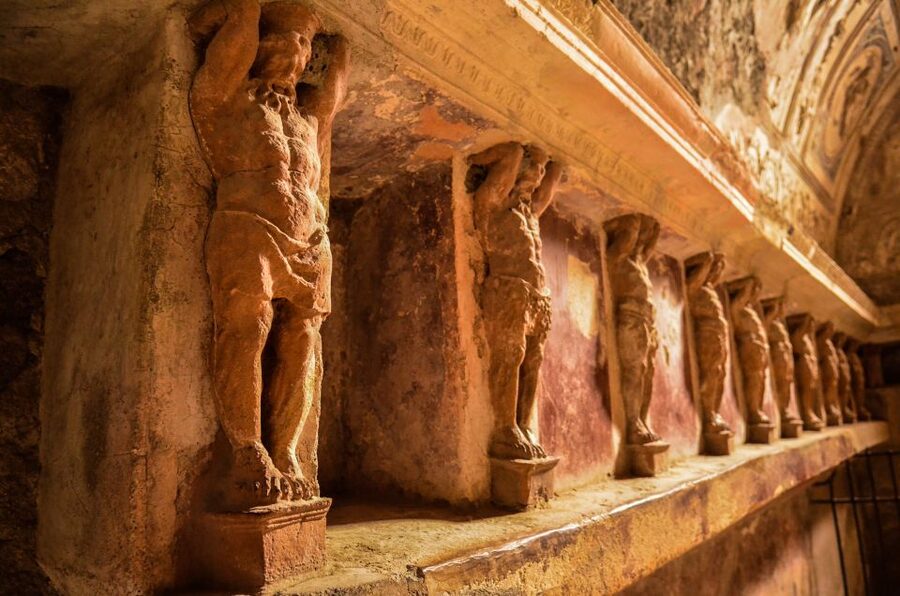
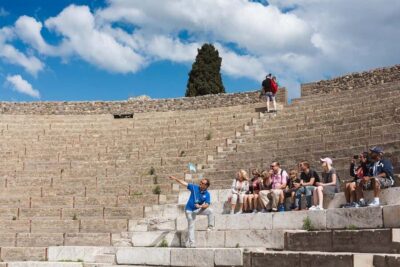
Next are the Large Theatre and then the Amphitheater of Pompeii. These are big-stage moments, but the real value is understanding how performances and events worked in Roman culture.
When you stand in theatre spaces, you start thinking about sight lines, movement, and the social role of public entertainment. A guide can explain what these spaces meant for community energy, and how the city used entertainment as a shared experience.
The Amphitheater stop feels different because it’s built for a particular kind of spectacle. Even if you don’t know the details beforehand, your guide can give you the historical framing so the ruins don’t feel like empty architecture. You can imagine noise, crowds, and tension in a way that a quick self-guided visit rarely achieves.
If you’re sensitive to crowds, you’ll likely appreciate that a private guide can help manage the flow of when you enter and how long you linger in each area.
Plaster Casts and the Aftermath of 79 A.D.
One of the highlights of this Pompeii experience includes seeing plaster casts of victims. This is the emotional core of Pompeii for many people, because it turns a massive historical event into individual human stories.
On a guided tour, this stop tends to hit harder in a good way. Your guide can explain what the casts represent and how they help researchers and visitors understand the scale and suddenness of what happened in 79 A.D. It’s not “morbid trivia.” It’s history that humanizes.
If you’d prefer to keep the tour lighter, you can ask for a slower pace around this topic. Private tours make it easier to set the emotional tempo.
How the 3 Hours Usually Feel on the Ground
A Pompeii walk can sound simple, but it’s intense in reality. You’ll be moving through open archaeological areas, stepping over uneven surfaces, and absorbing a lot of information in a short window.
This is why I think 3 hours works well for this format. It’s long enough to see meaningful public sites and real domestic life, but not so long that you lose focus. If you try to cram Pompeii into a half-hearted stop, you end up with a blur. With a guide, you get more clarity in fewer hours.
Walking Logistics, Weather, Shoes, and Umbrella Rules
Your main requirement is comfortable shoes. That’s not a generic suggestion. Pompeii is rough underfoot, and you’ll want traction and support.
The tour takes place in any weather condition. In rain, the guidance says to bring a small umbrella and/or a raincoat, but umbrellas are also listed as not allowed. Practically, I’d plan on a raincoat instead of relying on an umbrella.
Two more “know before you go” items: pets are not allowed, and umbrellas are not allowed. If you’re traveling with a small service animal, confirm what applies to your situation before you go.
Finally, there’s a confusing accessibility note in the information: it says wheelchair accessible, but it also says not suitable for wheelchair users. If mobility is a factor for you, don’t assume either way. Confirm with the operator before you book so you get a straight answer for your needs.
Price and Value: $508.15 for a Private Group
This tour is priced at $508.15 per group, for up to 1 person (as listed). For a private guide plus skip-the-line admission, it’s not “cheap,” but it can be good value if Pompeii is a top priority in your trip.
Here’s what you’re really paying for:
- An archaeologist-guide (not just a casual guide)
- Skip-the-line admission fees
- A structured route that hits major sights in the western part of Pompeii
- A private pacing style where you can ask questions and move at a comfortable speed
If you’re traveling alone, the cost will feel steep because you can’t split it. If you’re able to travel with more people, the value can improve if the price is applied per group rather than per person. The key question is whether you’ll use the guide time. If Pompeii is just a “someday” stop, you might not squeeze enough value out of a private setting.
But if you want the story behind what you’re walking through, this is one of the more practical ways to do it in only a few hours.
Who This Pompeii Tour Suits Best (And Who Might Prefer Something Else)
This works best for you if you:
- Want Roman life explained at street level, not just landmark facts
- Like asking questions and having your route shaped by your interests
- Prefer a focused session rather than getting lost in the full site
- Are traveling with kids who can handle history explanations, including questions (several guides have handled groups with young people successfully)
You might want to consider a different plan if:
- You have very limited mobility or can’t handle uneven walking for a multi-stop route
- You dislike emotional stops like plaster casts of victims
- You want more than 3 hours, since Pompeii is huge and you’re seeing a western slice, not the whole site
Should You Book This Pompeii Private Tour?
My take: book it if Pompeii is a must-do and you want a guide who can translate the site into daily life and human stories, not just dates. The itinerary is strong for a short visit because it covers the public center, key residential areas, baths, and the big entertainment spaces, plus it includes emotional context through the plaster casts highlight.
If you’re on the fence, use this checklist:
- Do you care about Pompeii beyond photos?
- Can you handle 3 hours of walking on uneven ground?
- Is the wheelchair situation clear for your specific needs?
Answer yes to those, and this private archaeologist-led format is likely to be one of the best uses of your time in Campania.
Our Wider Tours File for Naples

The Rest of Our Pompeii Site Visits in Naples

Not quite the day you had in mind? The rest of our Naples write-ups sit below
- From Naples: Pompeii and Vesuvius Guided Day Trip with Lunch
- From Naples: Mount Vesuvius and Pompeii Ruins Combo Day Trip
- Pompeii: Private Tour with an Archaeologist★ 4.9 · 168 reviews
- Herculaneum Guided Group Tour from Naples★ 4.5 · 169 reviews
- Semi Private Amalfi Coast Shore Excursion with Pick Up★ 4.5 · 174 reviews
- Private Transfer from Multiple Locations in Naples to Sorrento★ 5.0 · 175 reviews
- Naples: Capri Transfer with Island Boat Tour and Free Time★ 4.3 · 176 reviews
- Naples Shore Excursion: Sorrento and Amalfi Coast Independent Day Trip from Naples★ 4.0 · 177 reviews
- Naples: National Archaeological Museum Tour & Digital Guide★ 4.2 · 177 reviews
Pompeii Archaeological Site, top to bottom.
 ★ 4.8Pompeii: Entry Ticket and Guided Tour with an ArchaeologistFrom $3519,459 reviews
 ★ 4.2Pompeii: Entry Ticket with Optional Audio GuideFrom $2612,360 reviews
 ★ 4.8Pompeii: Small Group Tour with an ArchaeologistFrom $4012,264 reviews
 ★ 4.3From Naples: Pompeii Ruins & Mount Vesuvius Day TourFrom $12011,459 reviews
 ★ 4.6From Rome: Pompeii, Amalfi Coast, and Sorrento Day TripFrom $797,031 reviews
 ★ 4.6From Rome: Pompeii, Amalfi Coast and Positano Day TripFrom $996,620 reviews
★ 5.0Pompeii Small Group Tour with an ArchaeologistFrom $356,593 reviews
 ★ 4.5Pompeii, Amalfi Coast and Positano Day Trip from RomeFrom $1016,250 reviews
Filed under