
Reviewed · LECCE & THE SALENTO COAST
Lecce: Pasta Making Class in 1400s-Era Courtyard with Wine
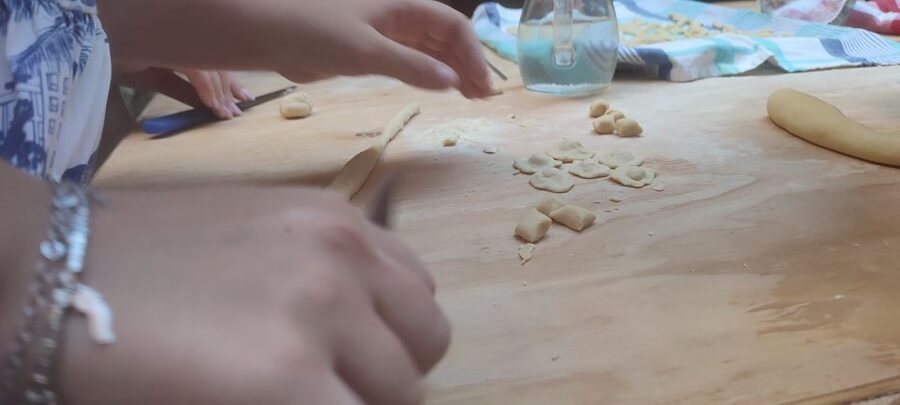
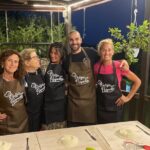
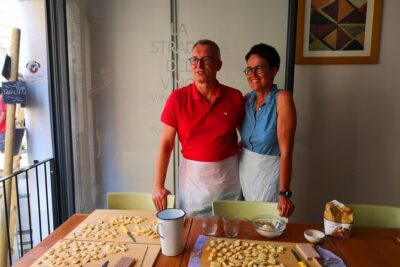
Pasta, made in a 1400s Lecce courtyard. What makes this class fun is the hands-on work shaping Orecchiette and Sagne, then eating your pasta right there with a glass of wine. The one caution I’d flag is that it can run with a fairly lively group size, so you may not get constant one-on-one attention while you’re still learning.
You meet at the Faggiano Archaeological Museum in the center of town, right on via Ascanio Grandi 58. You can expect a guided session in Italian, English, and French, and it runs rain or shine.
In This Review
- Key highlights you should care about
- Why Orecchiette and Sagne are worth your time in Apulia
- Meeting in Lecce’s old center at the Faggiano Archaeological Museum
- The 2.5 hours: from flour and water to a workable dough
- Learning Orecchiette the Apulian way, one thumb at a time
- Making Sagne, the Puglia pasta that’s less touristy and more local
- What you actually eat after class, plus wine with your work
- Price and value: is $68 a fair trade in Lecce?
- Who this class suits best, and how to get the most out of it
- Should you book this LecceGo pasta class?
- FAQ
- Where is the meeting point for the pasta class?
- How long is the pasta-making experience?
- What pasta will I learn to make?
- Do I eat and drink after the class?
- What languages are available during the class?
- What do I need to bring with me?
- Does the class run if it rains?
- Can I cancel and get a full refund?
- Is transport included, and is it wheelchair accessible?
Key highlights you should care about
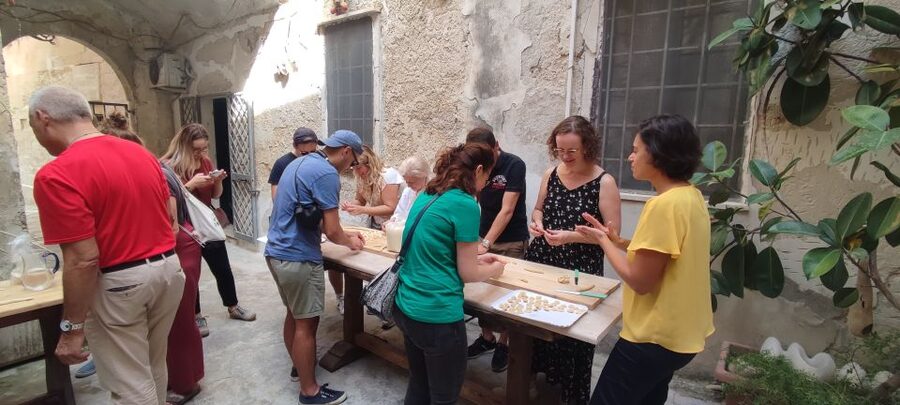
- 1400s courtyard setting that makes the whole evening feel like part lesson, part family gathering
- Hands-on shaping of two Apulian favorites: Orecchiette and Sagne
- Real local instruction from a cook who walks you through dough and tools step by step
- Food plus wine after class, so you actually taste what you made
- Multilingual guidance in Italian, English, and French for smoother learning
- Museum location in central Lecce, convenient if you’re already touring the old town
Why Orecchiette and Sagne are worth your time in Apulia
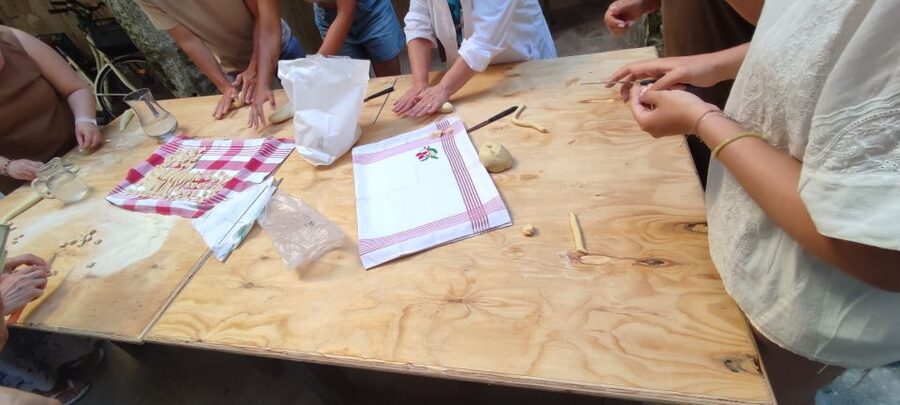
If you only eat pasta on a trip, you miss half the story. In Apulia, the charm is that pasta isn’t just a dish. It’s technique you can feel with your hands: the dough texture, the pressure of your thumb, and the rhythm of shaping.
This class centers on two types with strong regional identity. Orecchiette is famous for its little “ear” shape, made to hold sauce. Sagne is a Puglia specialty, and the fact that it’s tied so closely to the region is a big part of the appeal. You’re not just learning a recipe, you’re learning how local people think about food: simple ingredients, precise technique, and an easy confidence that comes from doing it often.
And after the work, you get the payoff: you eat what you make, with wine. That turns a cooking class into a real meal, not just a demonstration.
The same shortlist carries more Lecce and Salento coast outings in Lecce.
- Lecce: Baroque Architecture and Underground Walking Tour
★ 4.7 · 842 reviews - Small group tour of the caves of Santa Maria di Leuca
★ 5.0 · 806 reviews - 3 Hour Group Tour by Boat to the Caves of Santa Maria di Leuca
★ 5.0 · 472 reviews - Lecce: Pasta Making Class in 1400s-Era Courtyard with Wine
★ 4.7 · 369 reviews
Meeting in Lecce’s old center at the Faggiano Archaeological Museum
You’ll start at via Ascanio Grandi 58, at the Faggiano Archaeological Museum. That’s a practical detail because Lecce is easiest to navigate on foot, and being in the central old-town area means you can pair this with other evening browsing without complicated logistics.
The class location matters more than it sounds. You’re cooking in a courtyard that’s described as dating back to the 1400s style. That historic setting changes the tone of the evening. You’re not stuck in a modern studio, you’re working in a space that already feels like a gathering place.
Plan on arriving a little early so you can settle in, meet your instructors, and get your bearings before the dough starts flying.
The 2.5 hours: from flour and water to a workable dough
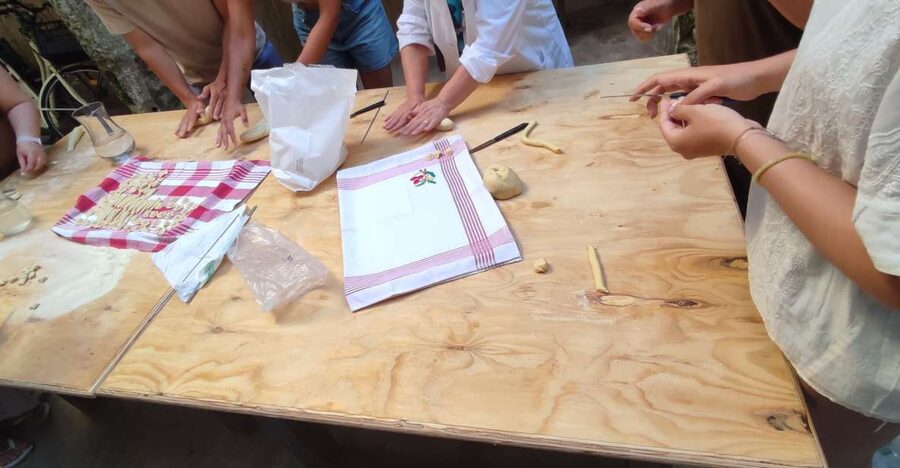
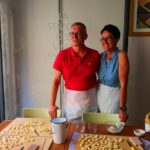
The session is designed to be hands-on. The instructor and cook guide you through mixing water and flour, then into how to use the tools properly. This is where most first-timers get value, because fresh pasta is all about texture.
Here’s what that usually means in practice:
- You learn what dough should feel like before shaping begins.
- You get coached on how to handle it so it doesn’t dry out too quickly.
- You practice the motion and pressure needed for the pasta type, not just the final shape.
The class format is friendly for beginners, but don’t expect “instant perfect.” Fresh pasta can be slightly stubborn, and you’ll likely need to repeat a couple steps to get comfortable. The upside is that patience is part of the teaching style. You’ll have time to redo what needs redoing, and you’ll learn by making.
Also, the tour languages include Italian, English, and French, so you’re not stuck playing charades with ingredients. One of the best parts of any cooking class is understanding what the instructor wants from your hands, and language support helps a lot here.
Learning Orecchiette the Apulian way, one thumb at a time
Orecchiette is the headline pasta for a reason. The “ear” shape is iconic, but the real lesson is how to create that shape consistently from dough.
During the Orecchiette portion, your focus is on technique:
- Getting the dough into a shape that’s easy to work with.
- Learning the specific hand movement that forms the bowl-like pocket.
- Understanding how the pasta texture helps it hold sauce later.
One thing I like about this kind of class is that it teaches you why the shape matters. Orecchiette isn’t just cute. Its form is built to catch and cling to sauces, which is exactly what makes it so satisfying as a meal.
You’ll probably notice that some people pick up the motion fast, others take longer, and the instructors keep you moving without leaving you behind. It’s a fun dinner activity where you can laugh at the imperfect first attempts and still end up with something you can be proud of.
Making Sagne, the Puglia pasta that’s less touristy and more local
Sagne gets less global hype than Orecchiette, but that’s exactly why it’s compelling. The class frames it as a type of pasta made exclusively in Puglia. That gives you the experience of learning something with stronger local specificity, not just the most famous Italian brand-name dish.
The sagne portion typically asks you to focus on:
- How to handle the dough and keep it workable.
- The shaping approach tied to this particular pasta style.
- Consistency, so the pieces cook evenly and look right on the plate.
If you love food culture, this is where the class feels especially worth it. You’re learning a regional identity, and you’ll have a tangible way to remember it later. Even if you only reproduce a rough version at home, you’ll understand the technique you used and why it matters.
What you actually eat after class, plus wine with your work
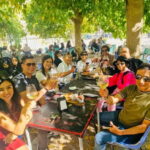
A cooking class is only half the story if you don’t eat. Here, you finish by eating your pasta with a glass of wine. That transforms your work into a shared meal, and it’s a big part of why the evening feels social.
You should expect an Apulian-style rhythm:
- You make the pasta during the class.
- You let it cook as the session moves along.
- Then you sit down and share the results with the group.
Some participants also mention an appetitive course and dessert, but the consistent core is that you eat what you made and drink wine. That pairing makes sense in Lecce, where food and conversation are the real evening plan.
If you’re the type who wants to do one great activity instead of stacking five mediocre ones, this meal component is a strong reason to book.
Filed beside this one, more wine tours in Lecce.
Price and value: is $68 a fair trade in Lecce?
At $68 per person for a 2.5 hour experience, the value depends on what you want out of your evening.
Here’s the honest breakdown of what you get in the package:
- A professional cook leading the practical parts
- Cooking equipment provided
- A museum-based location in central Lecce
- Food you make, plus wine afterward
The value is strongest if you care about technique and want a guided, structured experience. You’re not paying just for dinner. You’re paying for instruction, equipment, and a venue that would be hard to replicate on your own.
It’s less of a bargain if you’re only looking for a quick photo stop or you already know pasta-making technique well. But if you’re learning from scratch, the time plus hands-on coaching is where the price starts to make sense.
Who this class suits best, and how to get the most out of it
This is ideal if:
- You want a food activity in Lecce that feels local, not just touristy browsing
- You enjoy interactive classes where you work with your hands
- You’re happy meeting people from different countries and sharing the table afterward
- You want a relaxed evening that still gives you a skill to take home
You’ll also likely enjoy it if you’re a first-time pasta maker. Fresh pasta is tricky at first, but the teaching style described is hands-on and corrective. The instructors coach your hand position and the dough behavior, so you keep improving as you go.
One practical note: because the session can run with a crowd, show up ready to learn quickly. Wear comfortable clothes, be prepared to get a little flour on your sleeves, and don’t overthink the first pieces you shape. The class is designed for progress, not perfection.
Should you book this LecceGo pasta class?
I think it’s a solid yes if you want an evening that mixes Apulian technique, a historic courtyard setting, and a real meal at the end. The strongest reasons to book are the hands-on instruction for Orecchiette and Sagne, plus the fact that you eat what you make with wine.
Skip it only if you hate group formats or you want a super quiet, slow, individualized lesson with zero distractions. If you’re happy to learn with others and treat it like an evening of food and conversation, this is the kind of activity you’ll remember long after the pasta is gone.
If you’re considering it as one “anchor plan” for your time in Lecce, this is the kind of plan that actually delivers: you leave with new skills, a full stomach, and a story that feels distinctly Apulian.
FAQ
Where is the meeting point for the pasta class?
You meet directly in via Ascanio Grandi 58, at the Faggiano Archaeological Museum.
How long is the pasta-making experience?
The class lasts 2.5 hours.
What pasta will I learn to make?
The focus is on making Orecchiette and Sagne, typical to Apulia.
Do I eat and drink after the class?
Yes. After your course, you eat your pasta and have a glass of wine.
What languages are available during the class?
The instructor provides instruction in Italian, English, and French.
What do I need to bring with me?
Bring a passport or ID card.
Does the class run if it rains?
Yes, the tour takes place rain or shine.
Can I cancel and get a full refund?
Yes. You can cancel up to 24 hours in advance for a full refund.
Is transport included, and is it wheelchair accessible?
Transport is not included. The experience is wheelchair accessible.
Other Wine Tours in Lecce From Our Notebook
Lecce and Salento Coast Outings in Lecce Worth Weighing Up
Not quite the day you had in mind? The rest of our Lecce write-ups sit below
- Ostuni, Alberobello and Polignano a Mare. Departing from Lecce★ 5.0 · 195 reviews
- Lecce: Street Food Tasting and Sightseeing Tour★ 4.8 · 197 reviews
- Orecchiette Cooking Class and Wine Pairing in Lecce★ 4.5 · 205 reviews
- Porto Selvaggio kayak tour + cliff diving + cold spring immersion★ 5.0 · 227 reviews
- Lecce guided tour with underground discoveries★ 4.5 · 230 reviews
- 3-hour Boat Tour in Santa Maria di Leuca★ 5.0 · 233 reviews
- Lecce: City Highlights Guided Tour by Rickshaw★ 4.8 · 236 reviews
- Santa Maria di Leuca: Capo di Leuca Boat Tour★ 4.8 · 245 reviews
- Discovering Lecce★ 5.0 · 247 reviews
Lecce & the Salento Coast, top to bottom.
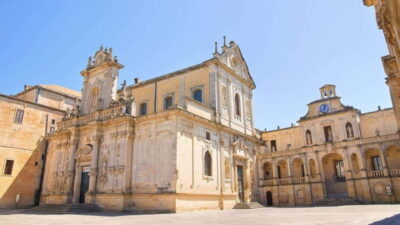 ★ 4.7Lecce: Baroque Architecture and Underground Walking TourFrom $28842 reviews
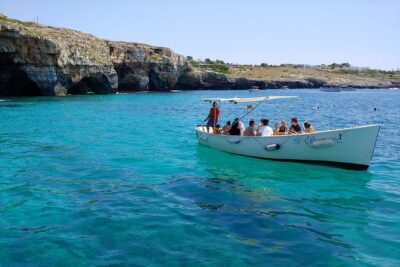 ★ 5.0Small group tour of the caves of Santa Maria di LeucaFrom $25806 reviews
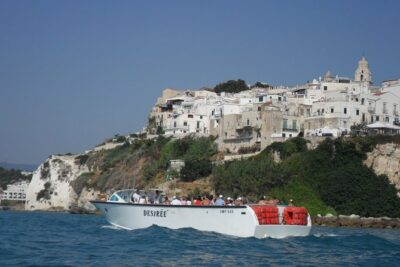 ★ 5.0Desirèe experience. Visit of the marine caves of ViesteFrom $30732 reviews
 ★ 5.03 Hour Group Tour by Boat to the Caves of Santa Maria di LeucaFrom $54472 reviews
 ★ 4.8Lecce: City Highlights Guided Tour by BikeFrom $58362 reviews
 ★ 5.0Tour to 4 Towns of Salento: Otranto, Leuca, Gallipoli, GalatinaFrom $145360 reviews
 ★ 5.0Cooking class, dinner and wine tasting near LecceFrom $95350 reviews
 ★ 5.0Strolling through LecceFrom $36289 reviews