
Reviewed · BOLOGNA, MODENA & PARMA FOOD TRAILS
Ravenna: UNESCO Mosaics Entry Tickets
Ravenna’s mosaics stop you in your tracks. This combo ticket is interesting because it gives you access to several of the city’s top UNESCO sites in one shot, and most of them can be tackled on foot. I love San Vitale for its Roman and Byzantine mix, and I love St Andrew’s Chapel for how it feels like a secret side story inside the Archiepiscopal Museum. The main drawback to consider is that this is self-guided, so if you want a spoken walk-through, you may miss some context.
You do get to move at your own pace across Ravenna’s most important churches and buildings, with enough flexibility to plan around crowds and photo rules. The value is strongest if you’re the type who lingers over details like tiny mosaic tesserae, not the type who power-walks and snaps a few pictures.
In This Review
- Key things to know before you go
- Ravenna’s UNESCO mosaics, in one practical pass
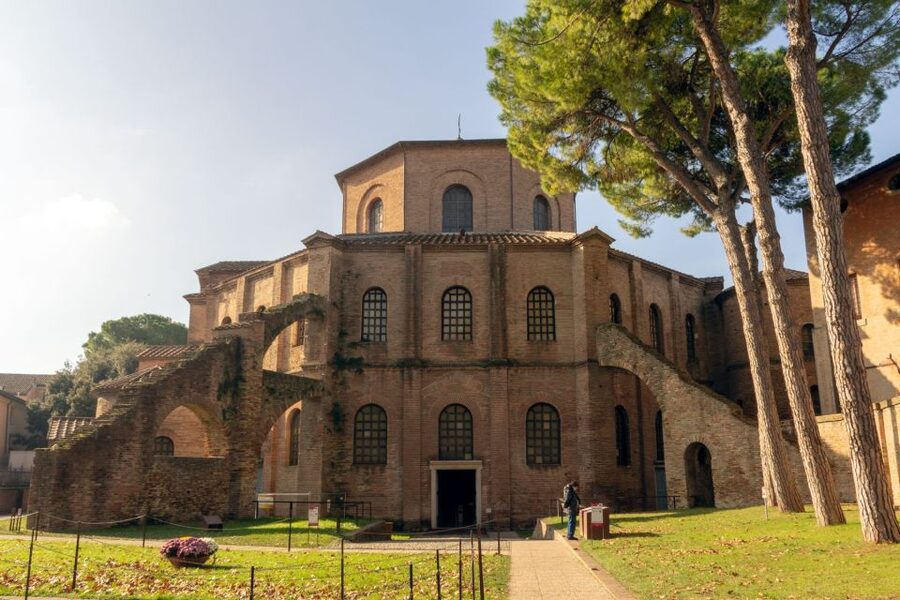
- San Vitale: the octagon that mixes Roman order and Byzantine glow
- Sant Apollinare Nuovo: a quieter church with serious mosaic storytelling
- St Andrew’s Chapel inside the Archiepiscopal Museum: the religious divide shown in mosaics
- Optional add-ons: Galla Placidia and the Neonian Baptistery
- Mausoleum of Galla Placidia
- Neonian Baptistery (Battistero Neoniano)
- Timing, walking plan, and how to avoid feeling rushed
- Price and value: what $14 really buys you
- Practical rules that actually affect your visit
- Ticket and entry
- Photography
- Dress code
- What to bring
- Who should book this Ravenna mosaics entry ticket
- Should you book?
- FAQ
- How much does the Ravenna UNESCO mosaics entry ticket cost?
- How long is the ticket valid?
- How many monuments can I visit?
- Do I get a guided visit with this ticket?
- What’s included in the access?
- Is flash photography allowed?
- What dress code do I need to follow?
- Can I visit each monument more than once?
- Where do I show my ticket?
- Is this entry ticket wheelchair accessible?
Key things to know before you go
- One ticket, multiple UNESCO stops: San Vitale, Sant Apollinare Nuovo, and St Andrew’s Chapel come as part of the core entry.
- Optional add-ons for up to five monuments: choose extra access to Mausoleum of Galla Placidia and/or the Neonian Baptistery.
- Mosaics you can read with your eyes: Old Testament scenes, imperial portraits of Justinian and Theodora, and Christ-life cycles.
- No flash photography: plan on natural light and patient looking instead of quick snapshots.
- Dress and entry rules matter: knees and shoulders must be covered, and there are restrictions on clothing and flash.
Ravenna’s UNESCO mosaics, in one practical pass
If you have limited time in Ravenna, a combo ticket is a smart way to avoid decision fatigue. Instead of hunting down separate entries and opening hours, you follow a clear hit list: San Vitale and Sant Apollinare Nuovo for the big mural-style mosaics, plus the Archiepiscopal Museum with St Andrew’s Chapel for the more concentrated, chapel-level story.
This ticket also works well because you can spread it across days. It’s valid for 7 days, and you get one visit per monument. That means you can pick the time of day that suits you, rather than forcing everything into one long morning.
One more practical note: this is entry access, not a guided tour. There’s no guided visit included, so you’ll want to arrive ready to explore on your own, and use on-site signage or ask staff for short explanations when you can.
The same shortlist carries more Emilia food trails in Ravenna.
- Ravenna: UNESCO Monuments and Mosaics Guided Tour
★ 4.8 · 3,108 reviews - Guided Tour of Mosaic Tiles in Ravenna
★ 5.0 · 1,693 reviews
San Vitale: the octagon that mixes Roman order and Byzantine glow
San Vitale is the kind of church where the building itself sets the mood. The church is octagonal, and it’s a 6th-century wonder that blends classic Roman and Byzantine architectural elements. Even if mosaics are your main focus, the structure matters, because it shapes how you move your gaze around the interior.
What makes San Vitale so worth your time is the way the mosaics tell stories like they’re carved from light. Along the walls, Old Testament scenes appear using thousands of tiny tiles, creating dense, intricate imagery that you can appreciate at two speeds: from a distance you see the overall composition, and up close you start to notice patterns inside the patterns.
Then you hit the imperial layer. Adjacent mosaics pay tribute to Roman royalty, including Emperor Justinian I and Empress Theodora. This is one of the key reasons to go: you’re not only seeing religious scenes, you’re seeing how power wanted to be seen in late antiquity.
If you want an efficient plan, I’d put San Vitale early in your Ravenna days. It’s often the place where your expectations reset in the best way, because once you’ve seen how detailed these mosaics are, everything else feels sharper.
Sant Apollinare Nuovo: a quieter church with serious mosaic storytelling
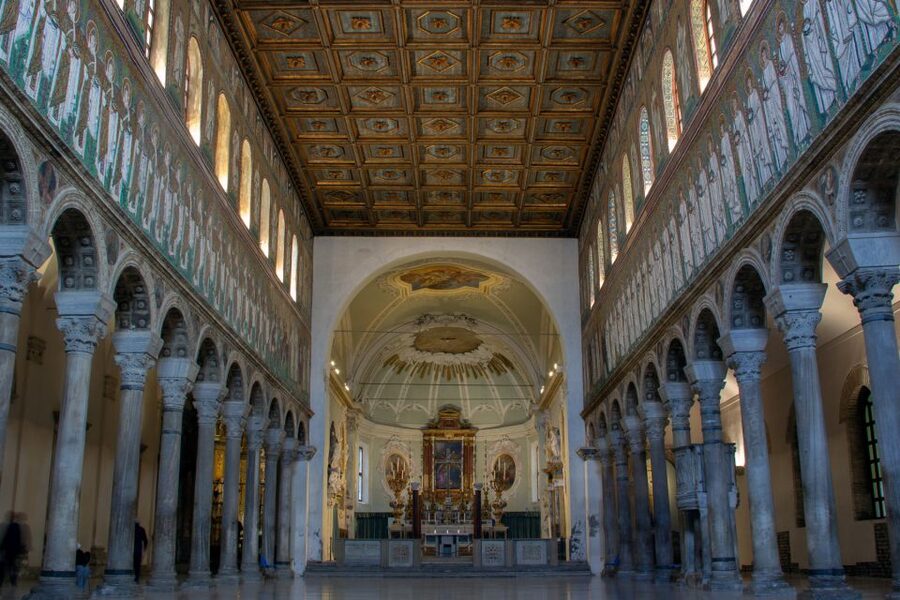
Sant Apollinare Nuovo is an impressive 6th-century achievement tied to political history too. It was erected by Ostrogoth king Theodoric the Great in the 6th century, and the church delivers its mosaics in a more discreet, less showy way than San Vitale. In practice, that can be a good thing, because you can spend more time actually looking.
Inside, you’ll find floor-to-ceiling mosaics from the Byzantine era. One of the most eye-catching details is that the mosaics were once painted black by Pope Gregory the Great to keep parishioners focused on prayer. Later, they were reconstructed after damage from World War I, which adds emotional weight to what you see now.
This is also where the “story” part becomes very clear. You can see what’s described as the oldest mosaic cycle related to the life of Christ. That matters because it turns the church into a visual timeline, not just decoration.
Practical tip: because photography with flash is prohibited, you’ll do better if you pace yourself. Give your eyes time to adjust, and you’ll start to notice how the mosaic scenes guide your movement through the space.
St Andrew’s Chapel inside the Archiepiscopal Museum: the religious divide shown in mosaics
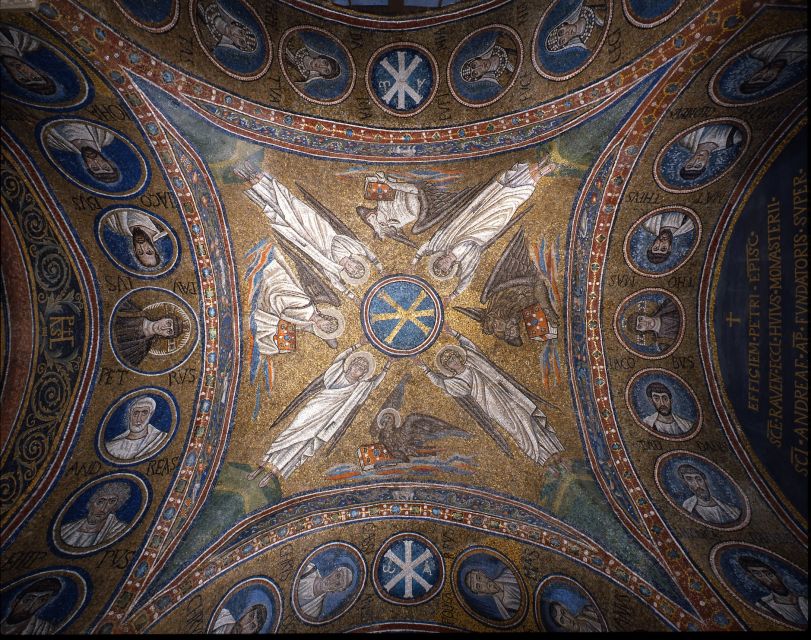
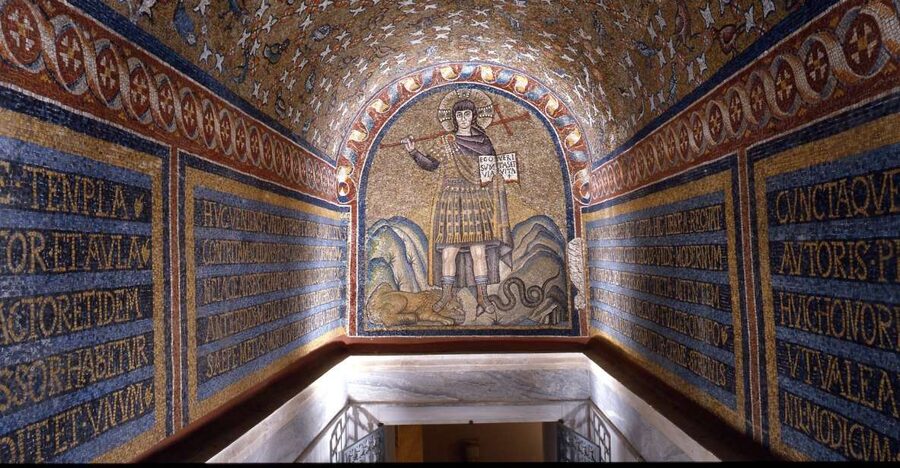
St Andrew’s Chapel is where Ravenna shifts from “big church spectacle” to something more intimate and specific. It’s located inside the Archiepiscopal Museum, and it’s described as the private chapel for the bishops of Ravenna.
This is one of the most compelling stops because the chapel makes an early Byzantine theme visible: it shows evidence of the religious divide in that era. You don’t just look at images, you can sense how different groups and ideas were communicated through art, layout, and patronage.
The chapel also gives you a sense of what mattered to church leaders beyond walls and ceiling. Inside, you can see epigraphs, the Cathedral treasure, and an ivory throne of bishop Maximian. That ivory piece is the kind of detail that instantly makes the chapel feel less like an empty room and more like a working space with real objects of authority.
If you’re visiting Ravenna mainly for mosaics, this is the stop where you’ll likely slow down the most. The mosaics here help tell the story of important people and places tied to Ravenna, and they connect art directly to the people who used it.
Optional add-ons: Galla Placidia and the Neonian Baptistery
The combo ticket can be tailored, depending on which set of monuments you select. If you choose the option that covers five monuments, two additional sites come into play: the Mausoleum of Galla Placidia and the Battistero Neoniano (Neonian Baptistery).
Mausoleum of Galla Placidia
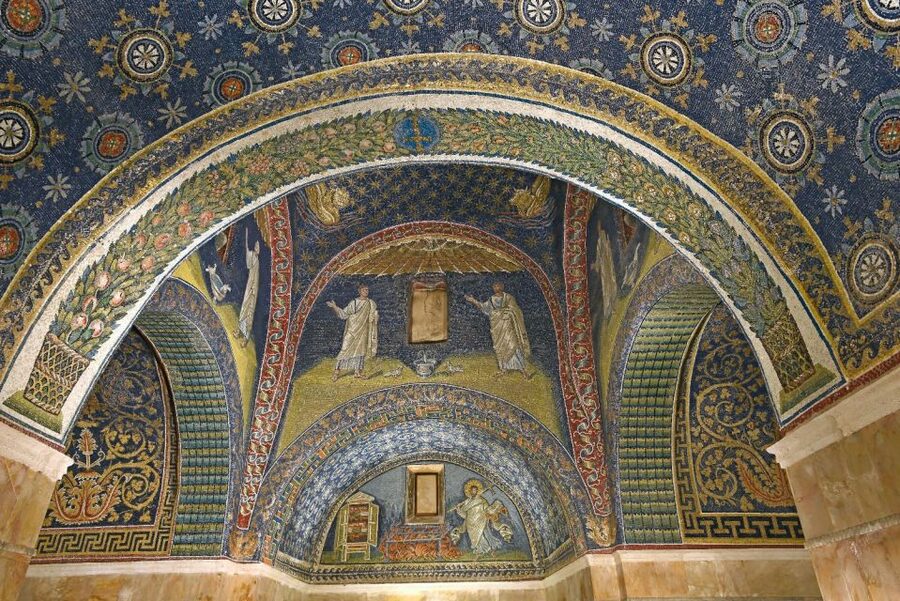
Galla Placidia’s mausoleum dates from the first half of the 5th century. It’s also noted as not far from Basilica of San Vitale, which is helpful if you’re building a walking loop. Even though this stop is optional, it’s valuable because it adds an earlier layer of Ravenna’s mosaic tradition and broadens your timeline.
Neonian Baptistery (Battistero Neoniano)
The Neonian Baptistery is included only with the five-monument option. It’s named after Bishop Neon, who continued the construction after his predecessor, Ursus.
What you’ll likely notice most is the mosaic dome decoration dating back to the time of Bishop Neone. This is a classic example of why Ravenna is so famous: religious architecture and mosaic art evolve across generations, and you can see that progression by comparing different buildings.
My practical advice: if you’re even slightly mosaic-obsessed, choose the five-monument version. The added time is usually worth it because the extra sites fit naturally into Ravenna’s tight historic core.
Timing, walking plan, and how to avoid feeling rushed
Ravenna is small enough that your feet do a lot of the work. The ticket’s key buildings are part of the same historic cluster, and the information even points out that Galla Placidia is not far from San Vitale.
A good way to plan without guesswork is to group your day like this:
- Start with San Vitale and take your time with the octagonal interior mosaics.
- Add Sant Apollinare Nuovo later, when you can still focus but you’re not starting fresh.
- Finish with St Andrew’s Chapel at the museum, so you get the most interpretive, story-driven experience while you still have energy for details.
Because this is self-guided and valid for 7 days, you can also split it across two shorter outings. That often feels better than trying to cram everything into one day, especially since you’ll be reading mosaics closely and dealing with a no-flash rule.
Also plan on comfortable shoes. These churches reward patience, but they also require standing and walking.
Price and value: what $14 really buys you
You’re looking at a starting price around $14 per person. The real value is not the number on the ticket, it’s what you get for it: access to multiple UNESCO-designated sites centered on Ravenna’s mosaic legacy.
A few value signals stand out:
- Multiple monuments included with one arrangement, so you’re not paying separately for each major stop.
- A 20% discount in the bookshops of the sites, which can add up if you like taking reference books home.
- 7-day validity, so you can schedule around your energy and avoid peak crowd times when possible.
The price gets especially fair when you choose the option that brings you closer to the full five-site experience. In a city where the key attractions are concentrated, combo pricing usually means you spend less time on logistics and more time on art.
Practical rules that actually affect your visit
Here’s the stuff you want to know before you get to the door, because these rules can slow things down.
Ticket and entry
You must show the official ticket at the attraction entry. Your ticket booking may be shared in a separate email, so it helps to keep that email handy on your phone or paper.
This is where you should build in a small buffer. If an entry staff member needs clarification, you’ll save time by having the exact ticket details ready.
Photography
Flash photography is prohibited. That means your best tool is your eyes, not your camera. Bring patience and expect to rely on existing lighting.
Dress code
Knees and shoulders must be covered. Avoid clothing with rips, holes, or transparent material. If you’re traveling in warmer weather, pack a light layer so you can meet the rule without suffering.
What to bring
Wear comfortable shoes. You’ll likely walk between sites and spend time standing in interiors.
Who should book this Ravenna mosaics entry ticket
This is a great fit if you:
- Want UNESCO mosaics without booking separate tickets for each site.
- Enjoy self-guided museum time and want control over pacing.
- Like religious art details, especially scenes built from countless small tiles.
- Plan to spend at least one full day in Ravenna, or split across two days using the 7-day validity.
It may be less ideal if you want:
- A fully interpreted, spoken explanation of everything as you go, since a guided visit is not included.
- A fast, photo-first stop where you only need a quick overview.
If you do want more context, I suggest doing one simple thing: ask on-site staff for short explanations, then use what you learn to focus your looking. Even a few pointed details can change how you read the mosaics.
Should you book?
Yes, book it if you’re planning Ravenna around UNESCO mosaics and you’re comfortable exploring on your own. The ticket’s value is strong because it packages multiple major stops into one plan, gives you a week to use it, and keeps you in the historic core where most sites are within an easy walking pattern.
Skip it only if you strongly prefer a guided tour with narration built in, or if you’re in Ravenna for sights that don’t center on mosaics and church interiors.
If you’re the mosaic type, Ravenna is one of Italy’s most rewarding places to slow down, and this ticket is an efficient way to do it.
FAQ
How much does the Ravenna UNESCO mosaics entry ticket cost?
The price is listed as $14 per person.
How long is the ticket valid?
The ticket is valid for 7 days. Starting times depend on availability, so check what times are offered when you book.
How many monuments can I visit?
You get access to the core monuments, and the ticket can include additional sites depending on the option you select. Access to Galla Placidia and the Neonian Baptistery is included only if the option for 5 monuments is selected.
Do I get a guided visit with this ticket?
No. A guided visit is not included. You’ll enter and explore on your own.
What’s included in the access?
Included access covers San Vitale Basilica, Sant Apollinare Nuovo Basilica, the Archiepiscopal Museum and St Andrew’s Chapel. Optional included access includes the Mausoleum of Galla Placidia and the Neonian Baptistery if you select the 5 monuments option.
Is flash photography allowed?
No. Flash photography is prohibited.
What dress code do I need to follow?
Knees and shoulders must be covered. Clothing should not have rips, holes, or transparent material.
Can I visit each monument more than once?
No. The ticket is valid for 7 days, and it allows 1 visit per monument.
Where do I show my ticket?
You must show the official ticket at the attraction entry. Booking ticket details are shared in a separate email.
Is this entry ticket wheelchair accessible?
Yes, wheelchair accessibility is listed as available.
Emilia Food Trails in Ravenna Worth Weighing Up
Not quite the day you had in mind? The rest of our Ravenna write-ups sit below
- Guided Tour of Mosaic Tiles in Ravenna★ 5.0 · 1,693 reviews
- Ravenna: UNESCO Monuments and Mosaics Guided Tour★ 4.8 · 3,108 reviews
Bologna, Modena & Parma Food Trails, top to bottom.
 ★ 4.5Bologna: City Center Walking TourFrom $263,478 reviews
 ★ 4.8Ravenna: UNESCO Monuments and Mosaics Guided TourFrom $333,108 reviews
 ★ 5.0Guided Tour of Mosaic Tiles in RavennaFrom $331,693 reviews
 ★ 5.0Bologna Food & Market Tour with 6 Tastings, Pasta, Wines & MoreFrom $1181,328 reviews
 ★ 5.0Bologna Food Experience: Factory tours & Family-Style LunchFrom $2161,201 reviews
 ★ 4.7Maranello and Modena: Ferrari Museums Combo TicketsFrom $50994 reviews
 ★ 4.8Bologna: Walking Food Tour with a Local GuideFrom $90882 reviews
 ★ 5.0Bologna Food Tour from a local perspectiveFrom $133860 reviews
Filed under