
Reviewed · BOLOGNA, MODENA & PARMA FOOD TRAILS
Ravenna: UNESCO Monuments and Mosaics Guided Tour
Ravenna’s mosaics feel like time travel. This guided tour is a smart way to see the city’s UNESCO treasures and learn how to read what you’re looking at, all while walking through a town shaped by its East-West crossroads. I love how the guide turns mosaics into stories you can actually follow, and I also like that UNESCO sites are handled in a practical order so you do not lose time.
Two things I especially appreciate: entrance tickets are included, so you spend your money on interpretation instead of logistics, and you get skip-the-line access so the “look, then explain” rhythm stays smooth. One possible drawback: you should expect cobblestones, uneven ground, and standing for parts of the visit, since not every monument offers seating.
In This Review
- Key takeaways before you go
- Picking Essential vs Complete, and what you gain in real time
- From Piazza San Francesco to five UNESCO sites on foot
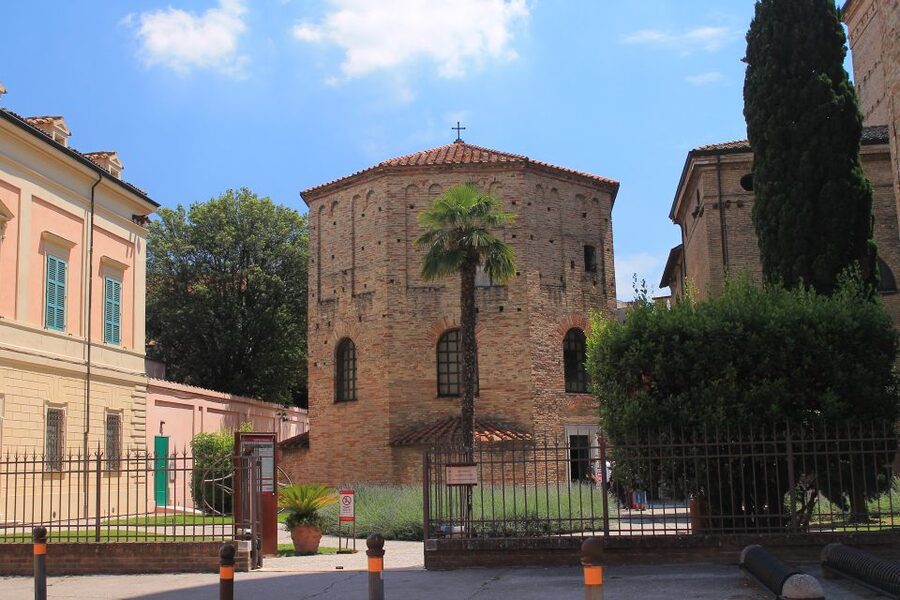
- Neonian Baptistery: Hellenistic-Roman influence in your first stop
- San Vitale: Justinian and Theodora in the Basilica’s golden light
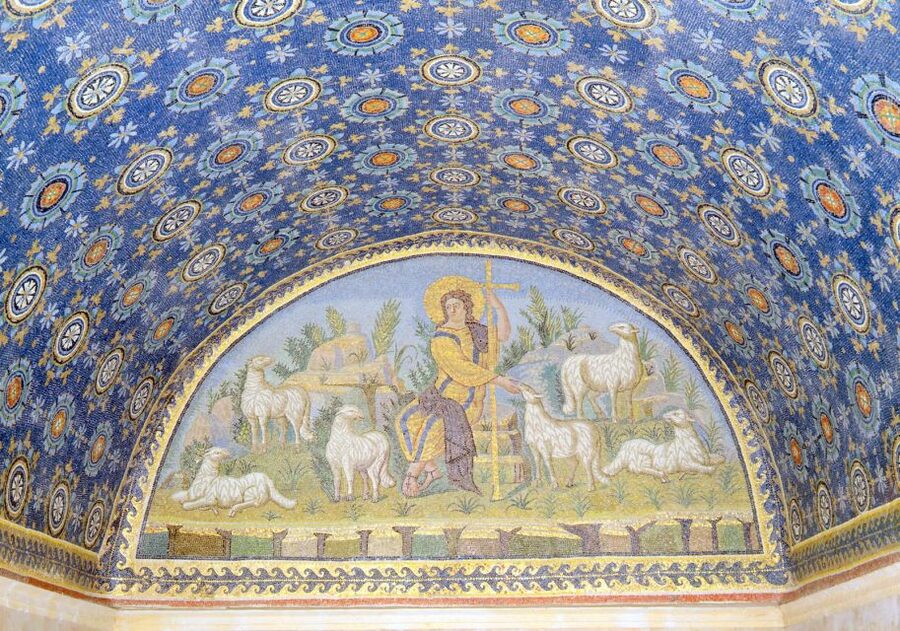
- Galla Placidia’s starry dome, and why the stars feel personal
- Sant’Apollinare Nuovo: the long Christ story laid out in mosaics
- Chapel of Saint Andrew inside the Archbishop’s Museum
- Practical tips for a smooth 2 to 3 hour walk
- Price and value at around $33
- Should you book this guided UNESCO mosaic tour?
- FAQ
- Where is the meeting point for the Ravenna mosaics tour?
- How long is the tour, and what are the two options?
- What is included in the tour price?
- Do I need to bring earphones?
- Is the tour wheelchair accessible?
- Will I be standing during the visit?
- Are pets allowed, and what ID should I bring?
Key takeaways before you go
- Starry dome at Galla Placidia: you’ll learn what makes those “stars” more than pretty decoration.
- Two tour lengths: pick Essential (2 hours) or Complete (3 hours) based on how many sites you want.
- Guides really matter: names like Chiara, Serena, Roberta, Marco, and Baldo show up in bookings for clear, funny explanations.
- Bring jack earphones: you’ll use the radio guide, so do not travel without them.
- Gold-light photography strategy: the guide helps you view mosaics from the best angles, not just wherever the group ends up.
- Cobblestones and standing: plan for comfort first, then worry about the art later.
Picking Essential vs Complete, and what you gain in real time
This tour works because you can match your time to the amount of mosaic you want to process. If you have a tight schedule, the Essential Experience (2 hours) focuses on three core monuments that give you the Ravenna mosaic “grammar”: the Neonian Baptistery, the Basilica of San Vitale, and the Mausoleum of Galla Placidia. When you finish, you can continue independently to visit the Basilica of Sant’Apollinare Nuovo.
If you want the full Ravenna sweep, the Complete Experience (3 hours) is the better deal for your brain. It adds the Basilica of Sant’Apollinare Nuovo and the Chapel of Saint Andrew (inside the Archbishop’s Museum), so you see all five UNESCO monuments included in the combined ticket. In practical terms, it means fewer decisions on your feet and more time with one guide explaining symbolism across multiple sites, instead of you guessing later with only your photos to rely on.
If you are the type who hates rushing, I’d lean Complete. If you only have half a day and you’re okay adding one more stop on your own afterward, Essential is a smart way to get anchored fast.
The same shortlist carries more Emilia food trails in Ravenna.
- Ravenna: UNESCO Monuments and Mosaics Guided Tour
★ 4.8 · 3,108 reviews - Guided Tour of Mosaic Tiles in Ravenna
★ 5.0 · 1,693 reviews
From Piazza San Francesco to five UNESCO sites on foot
Your tour starts at the Tourist Information Office in Piazza San Francesco 7. Enter the office and check in at the front desk, then your guide leads you into Ravenna’s historic center at a relaxed pace.
Walking matters here. Ravenna is not laid out like one big museum. Between monuments you catch small streets, side squares, and the general atmosphere of a city that has always been about movement and trade. That context helps when your guide explains why the mosaics look the way they do. You are not just collecting sights, you are seeing how a city connected East and West.
The pace is relaxed, but the sites are visited in segments, and not all of them offer seating. Also, the walking routes may include cobblestones and uneven surfaces, so good walking shoes are not optional if you want the experience to stay pleasant.
Neonian Baptistery: Hellenistic-Roman influence in your first stop
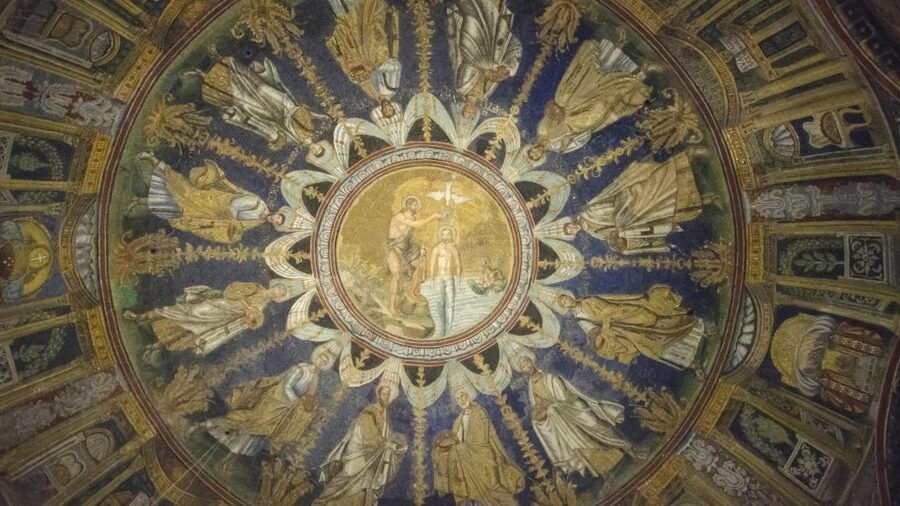
Your first major stop (for both tour options) is the Neonian Baptistery. This is one of Ravenna’s oldest buildings, and what I like about starting here is that it sets expectations. You get clear examples of early mosaic style, with a Hellenistic-Roman influence that feels grounded and human.
Once you’re inside, the guide’s job is to help you notice what your eyes might skip. In mosaic work, the details are not filler. Faces, clothing, and the way elements are arranged communicate religious meaning and cultural timing. You also begin to understand why Ravenna’s mosaics have survived for so long, because the craft and the materials were designed to last, and the stories were important enough to keep.
A practical tip: arrive ready to look up. Many mosaic moments are highest on the walls and ceiling areas. If you get stuck staring at the crowd instead of the artwork, the tour’s radio guidance and the guide’s pointing really helps you catch the key zones.
San Vitale: Justinian and Theodora in the Basilica’s golden light
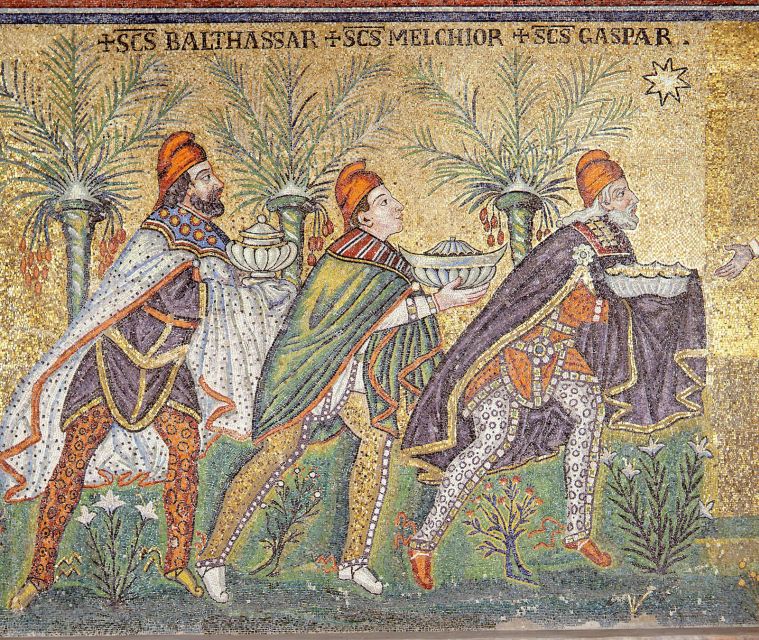
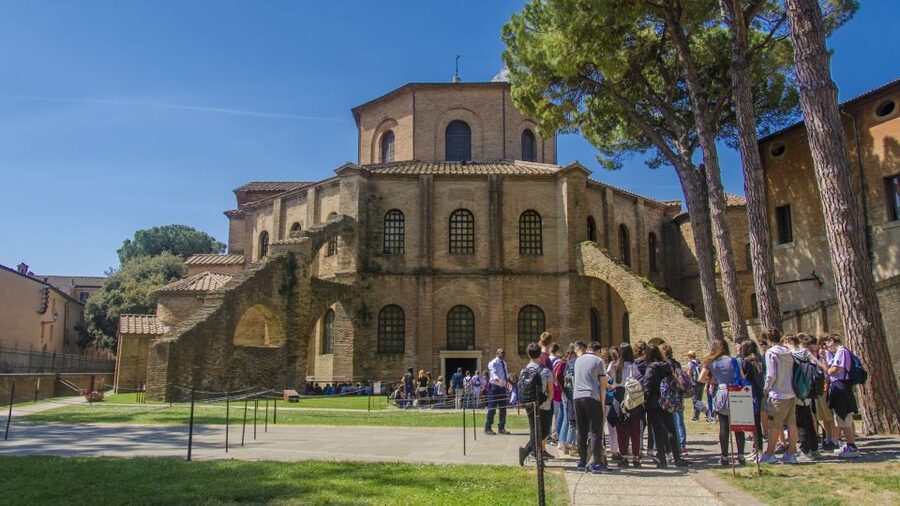
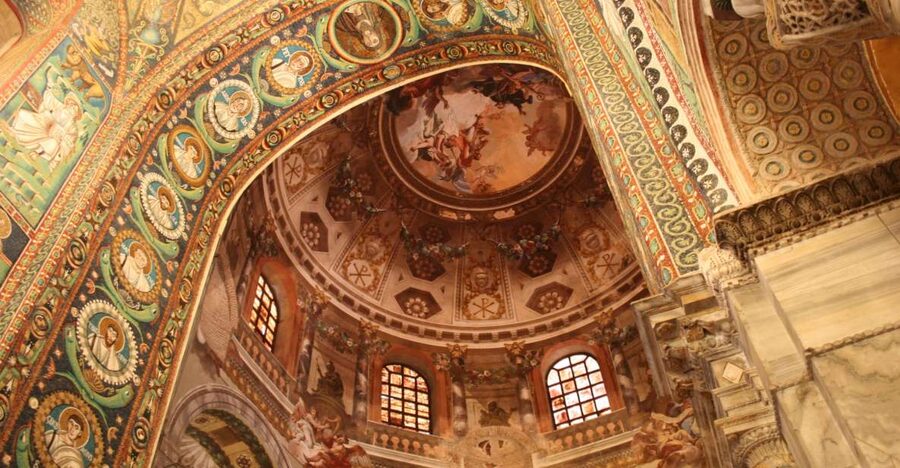
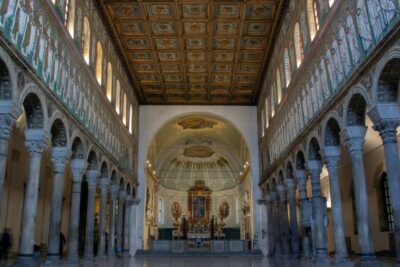
The Basilica of San Vitale is where Ravenna’s mosaic style starts to feel monumental. You’ll see early Christian architecture with height and drama, and then you get hit with the mosaics that people travel for.
This is also the stop where the guides often shine. Booking notes repeatedly credit guides for making the imagery readable, not mysterious. In San Vitale, the mosaics of Emperor Justinian and Empress Theodora anchor the political side of the story. You’re not just seeing religious art, you’re seeing how power, empire, and faith were presented together.
Here is what you should try to do as you watch. Look beyond the faces. Notice the arrangement of figures and the way symbols cluster around them. The gold tones are not random. They were part of a message about authority, order, and divine connection. Once the guide points out recurring visual cues, it starts to feel less like an art lecture and more like decoding a language.
The “soaring architecture” matters too. The space changes how the light falls across the mosaics. When you stand in the right viewing spots, the gold can feel like it’s glowing rather than simply shining.
Galla Placidia’s starry dome, and why the stars feel personal
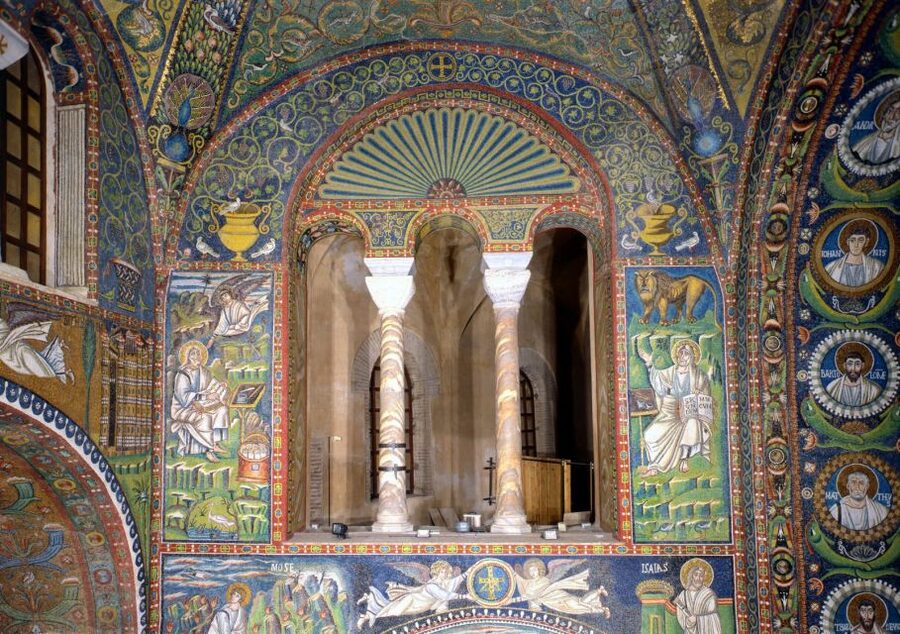
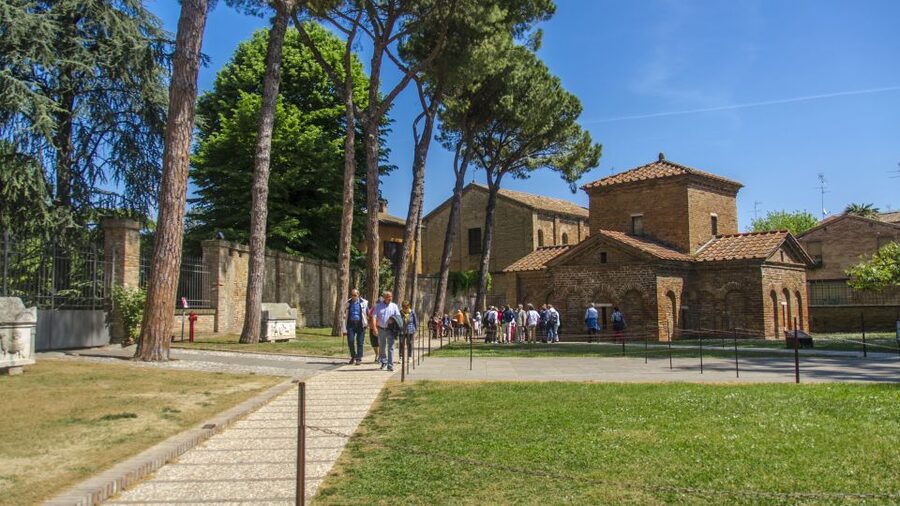
Next comes one of Ravenna’s most famous moments: the Mausoleum of Galla Placidia. This is a small, atmospheric chapel, which is exactly why it hits so hard. You step from broader basilica energy into a quieter pocket where the details become louder.
The starry dome is the headline, and it comes with a good story. The dome’s celestial look inspired visitors for centuries, including Dante Alighieri. That single tidbit gives you a useful lens. These mosaics did not just entertain people in the moment. They stayed in the culture long enough to influence literature.
When the guide explains the symbolism, you start to see how the stars are meant to do more than decorate the ceiling. They are part of a visual system that points you toward ideas of heaven, order, and spiritual hope. Without that context, you might just admire the color and move on. With the explanation, you start to recognize patterns and purpose.
Because seating can be limited, you may be standing. I recommend shifting your weight and taking short breaks so your neck does not lock up. You’ll want both your eyes and your body able to stay present for the dome and surrounding mosaic scenes.
Sant’Apollinare Nuovo: the long Christ story laid out in mosaics
If you choose the Complete Experience, you also visit the Basilica of Sant’Apollinare Nuovo. Even with Essential, you have the option to continue there on your own afterward.
Sant’Apollinare Nuovo is known for having one of the longest and most impressive cycles of mosaics, with scenes illustrating the life of Christ. This is where guided help really pays off. A long mosaic cycle can feel repetitive if you only look for one scene type. But if your guide gives you a roadmap, you start to see the sequence as meaning, not just decoration.
Instead of treating it like a slideshow, I like to think of it as a timeline you can stand inside. You look at each scene and ask what the mosaic is trying to teach. The guide also helps you link how the story is presented visually to the broader Byzantine influence that runs through Ravenna’s monuments.
Chapel of Saint Andrew inside the Archbishop’s Museum
In the Complete Experience only, you’ll step into the Chapel of Saint Andrew, preserved inside the Archbishop’s Museum. This stop has a different feel than the churches.
Museum setting usually means more structured viewing, and in this case it gives you a chance to connect the mosaics to their preserved context. The chapel’s survival and presentation matter because it lets you appreciate the artistry while also understanding how the site was protected over time.
What you should listen for is the symbolism and the early Christian setting. This is not just about seeing more mosaics. It’s about seeing another angle on what Ravenna meant as an ecclesiastical center, where art served belief and identity at the same time.
Practical tips for a smooth 2 to 3 hour walk
Plan your day around walking and waiting less. The tour covers multiple monuments at a relaxed pace, but the routes can include cobblestones and uneven surfaces. I recommend shoes with grip, and I suggest you carry a small layer, since churches can feel cool and drafty even on warm days.
Bring two things that make the experience better fast:
- Jack earphones for the radio guide. You are asked to bring your own earphones, so do not assume you can borrow them.
- Your passport or ID card. A copy is accepted.
Seating is not guaranteed at every stop. Some monuments are designed for standing viewing, so treat this as a mostly standing experience with short pauses rather than a sit-and-relax tour.
Also, no pets are allowed, and the tour does not include that flexibility, so plan accordingly if you are traveling with animals.
Price and value at around $33
At $33 per person for about 2 to 3 hours, the value comes from three things bundled together: an expert local guide, included entrance tickets, and skip-the-line access. If you tried to DIY this, you would likely lose time juggling tickets and arrival windows, then still need someone to explain symbolism and iconography while you stand in front of tiny figures and complex scenes.
You are also paying for time efficiency. One reason guides get repeated praise is that they keep the group moving in a way that protects viewing quality. People are often eager to photograph, but the best spots are not always obvious. With a guide, you get the right angles and the right context without spending your whole visit trying to figure out what you’re seeing.
Languages include Italian, German, English, and French, which is helpful if you want a clear explanation rather than reading labels and guessing. And the overall rating of 4.8 with 3,108 reviews is a strong signal that the tour delivers consistently.
If you want one Ravenna experience that gives you both art and meaning, this is the kind of ticket that usually pays you back by making the rest of your trip easier. After the tour, you’ll often spot details faster even if you wander on your own.
Should you book this guided UNESCO mosaic tour?
Book it if you want a fast, guided orientation to Ravenna’s UNESCO mosaics and you like learning how to interpret what you see, not just taking pictures. Essential is ideal if you’re short on time but still want the highest-impact trio: Neonian Baptistery, San Vitale, and Galla Placidia. Complete is worth it if you want the full set and a more connected story from site to site.
Skip it only if you prefer full self-guided freedom and you plan to spend extra hours reading interpretive material on your own. The monuments are incredible, but the real advantage of this tour is how quickly your guide helps you understand what the mosaics are saying and why Ravenna looks the way it does.
FAQ
Where is the meeting point for the Ravenna mosaics tour?
You meet at the Tourist Information Office in Piazza San Francesco 7. Enter the office, check in at the front desk, and staff will register your booking and direct you to your guide.
How long is the tour, and what are the two options?
You can choose between two guided walking options. The Essential Experience is 2 hours, and the Complete Experience is 3 hours.
What is included in the tour price?
The tour includes an expert local guide and entrance tickets to the mentioned sites. It also includes skip-the-ticket line access.
Do I need to bring earphones?
Yes. You are asked to bring your own earphones with a jack connection for the radio guides.
Is the tour wheelchair accessible?
The tour is listed as wheelchair accessible.
Will I be standing during the visit?
The tour includes walking between monuments at a relaxed pace, and not all monuments offer seating. You should expect to stand for parts of the visits.
Are pets allowed, and what ID should I bring?
Pets are not allowed. Bring your passport or ID card (a copy is accepted).
Our Wider Tours File for Ravenna
Emilia Food Trails in Ravenna Worth Weighing Up
Not quite the day you had in mind? The rest of our Ravenna write-ups sit below
- Guided Tour of Mosaic Tiles in Ravenna★ 5.0 · 1,693 reviews
- Ravenna: UNESCO Monuments and Mosaics Guided Tour★ 4.8 · 3,108 reviews
Bologna, Modena & Parma Food Trails, top to bottom.
 ★ 4.5Bologna: City Center Walking TourFrom $263,478 reviews
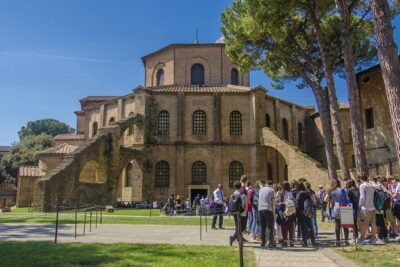 ★ 5.0Guided Tour of Mosaic Tiles in RavennaFrom $331,693 reviews
 ★ 5.0Bologna Food & Market Tour with 6 Tastings, Pasta, Wines & MoreFrom $1181,328 reviews
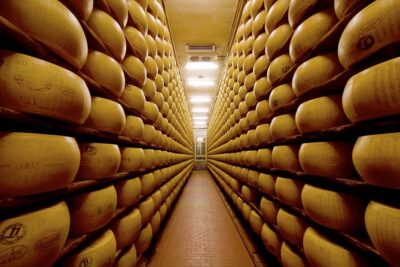 ★ 5.0Bologna Food Experience: Factory tours & Family-Style LunchFrom $2161,201 reviews
 ★ 4.7Maranello and Modena: Ferrari Museums Combo TicketsFrom $50994 reviews
 ★ 4.8Bologna: Walking Food Tour with a Local GuideFrom $90882 reviews
 ★ 5.0Bologna Food Tour from a local perspectiveFrom $133860 reviews
 ★ 5.0Bologna gastronomic experience with a localFrom $95626 reviews
Filed under