
Reviewed · PANTHEON, TREVI & PIAZZA NAVONA
Rome: Navona Square Underground Ticket with Audio Guide
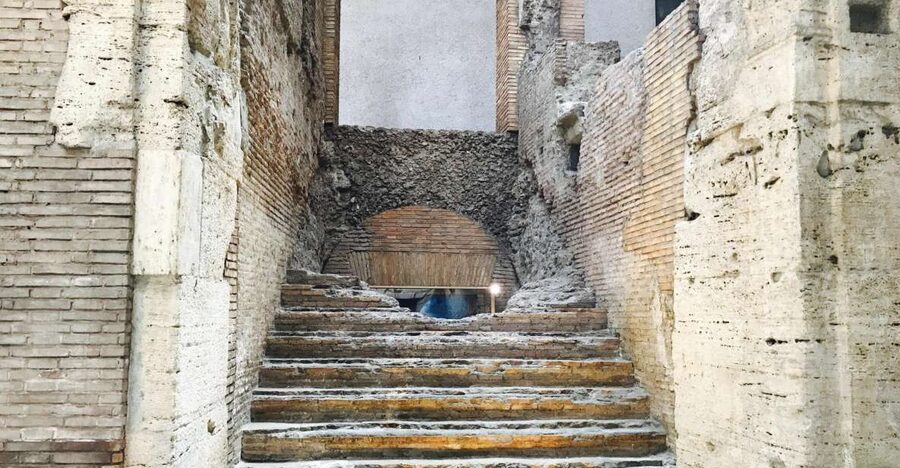
Piazza Navona hides a whole arena underground. You’re going 5 meters below street level to explore the Stadium of Domitian, the first Roman masonry stadium, while an audio guide walks you through what you’re seeing. I especially like how the setup uses visuals and staged information to make the ruins make sense fast.
The main drawback is that it is small. If you’re expecting Colosseum-scale space, you might leave thinking you saw a lot in a short time.
In This Review
- Key Things to Know Before You Go
- What You See Under Piazza Navona, and Why It Feels Different
- Entering at the Piazza Navona Redeem Point (What to Do First)
- Audio Guide Setup in 7 Languages, Plus a Kids Option
- Walking the Stadium of Domitian: Ruins, Materials, and Entrances
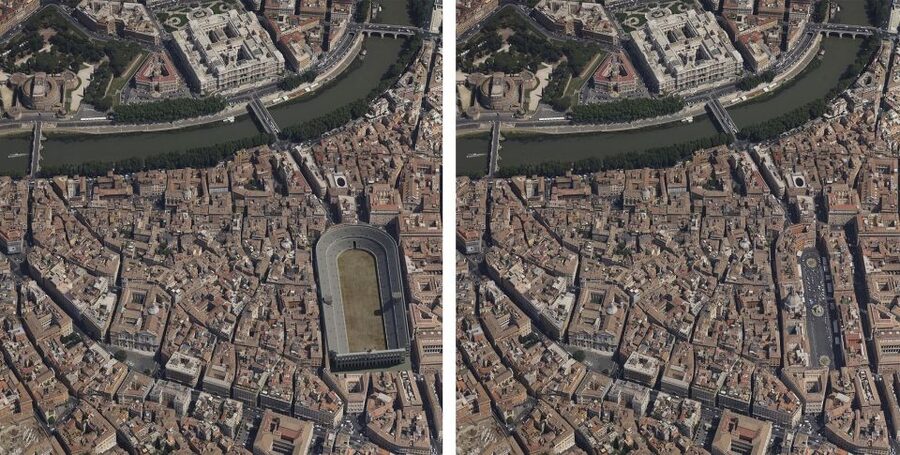
- The Stadium Story: From 30,000 Spectators to Piazza Navona’s Evolution
- Photo-Friendly Reality Check, Timing, and Crowds
- Optional Aperitif or Wine Tasting, Plus the Best Part of the Exit
- Price and Logistics: Is It Worth $18?
- What I’d Pack and How I’d Plan Around It
- Should You Book the Navona Underground Ticket?
Key Things to Know Before You Go

- 5 meters underground at the former Stadium of Domitian under Piazza Navona
- Audio guide in 7 languages (Spanish, English, French, German, Italian, Russian, Portuguese)
- Visuals that rebuild the past, including panels, photos, video, and 3D renderings
- Sport at Roman scale, with seating concepts up to 30,000 spectators
- Optional aperitif or wine tasting at a viewpoint in central Rome
- Wheelchair accessible, though pram friendliness is limited
What You See Under Piazza Navona, and Why It Feels Different

Piazza Navona looks like pure postcard Rome from street level. The real surprise is what you discover once you drop below the square and step into the Stadium of Domitian site. You’re not just reading about Ancient Rome, you’re standing around the remains of a venue designed for public spectacle.
What makes this experience click is the mix of physical ruins plus guided interpretation. You get to see travertine blocks, brickwork, and marble columns tied to the stadium entrances, then you hear how the building worked and how sport evolved in Rome as the city changed. It’s the kind of attraction where the street above keeps moving, but your attention shifts to what once happened here.
Two things I genuinely like. First, the audio guide is included and offered in many languages, so you’re not stuck decoding everything on your own. Second, the site leans on visuals like unseen photographs and modern reconstructions, which is exactly what you need when ruins are not obvious at first glance.
Between an espresso and the next booking, compare these Pantheon, Trevi and Piazza Navona walks in Rome.
- 3 in 1 Cooking Class near Navona: Fettuccine, Ravioli & Tiramisu
★ 5.0 · 7,376 reviews - Rome: Pantheon Timeless Marvel Guided Tour with Entry Ticket
★ 4.9 · 4,002 reviews - Rome: Pantheon Priority Entry Ticket & Audio Guide App
★ 4.1 · 3,234 reviews - Enjoy Spritz and Pasta Making in Piazza Navona
★ 5.0 · 1,681 reviews
Entering at the Piazza Navona Redeem Point (What to Do First)
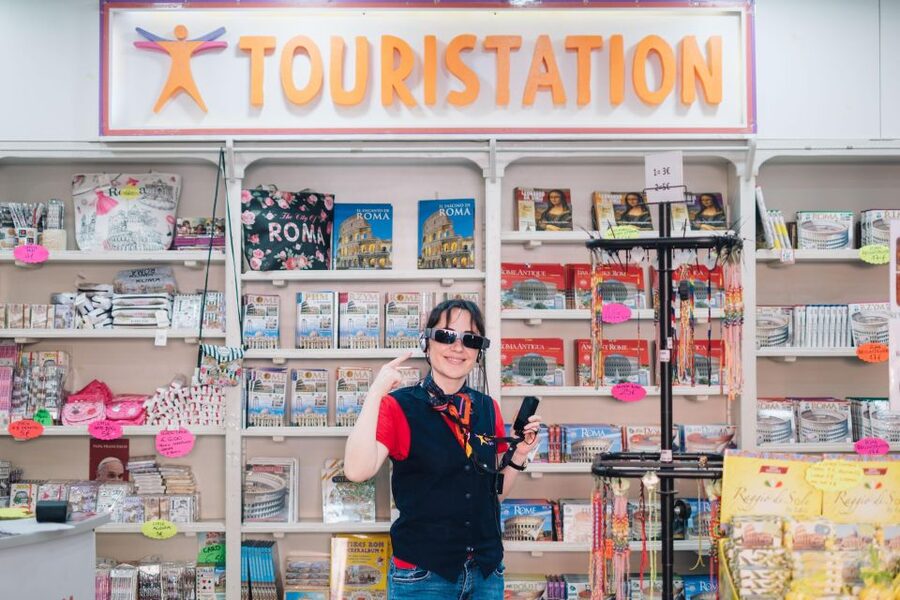
Start at the tourist point in front of the main fountain at Piazza Navona, number 25. That’s where you redeem your voucher. If you have a phone voucher, plan a bit of time to get everything sorted calmly before you head inside, since some visitors have found there can be an extra step at the ticketing stage.
Once you’re in, you’ll be able to go at your own pace. This is not a guided tour with a person leading the group start to finish. You’ll follow the audio guide stations as you move through the underground rooms and walkways.
Tip I’d use: take 30 seconds to check your audio guide settings and language before you start walking. A couple people noted the numbering can feel mixed in the spaces, so starting clean helps you avoid getting turned around.
Audio Guide Setup in 7 Languages, Plus a Kids Option
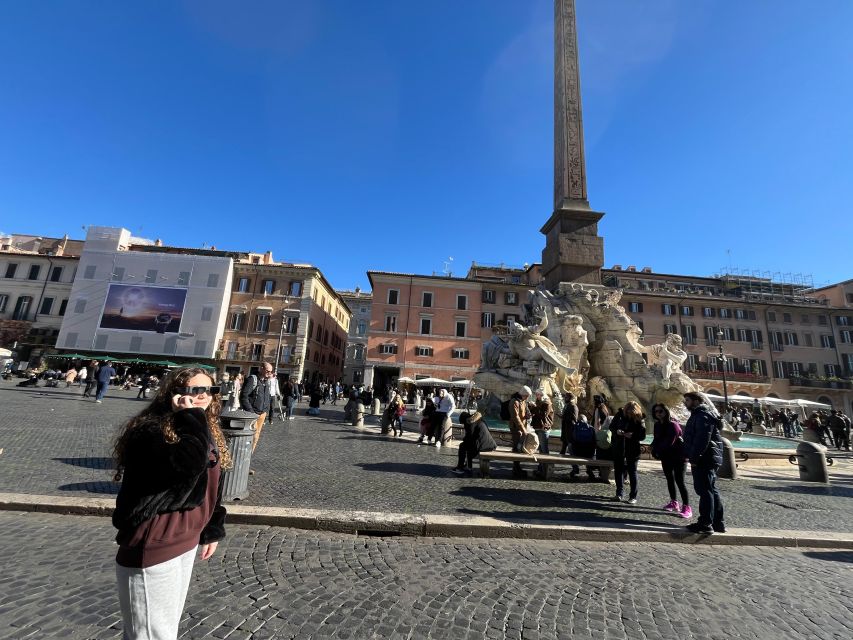
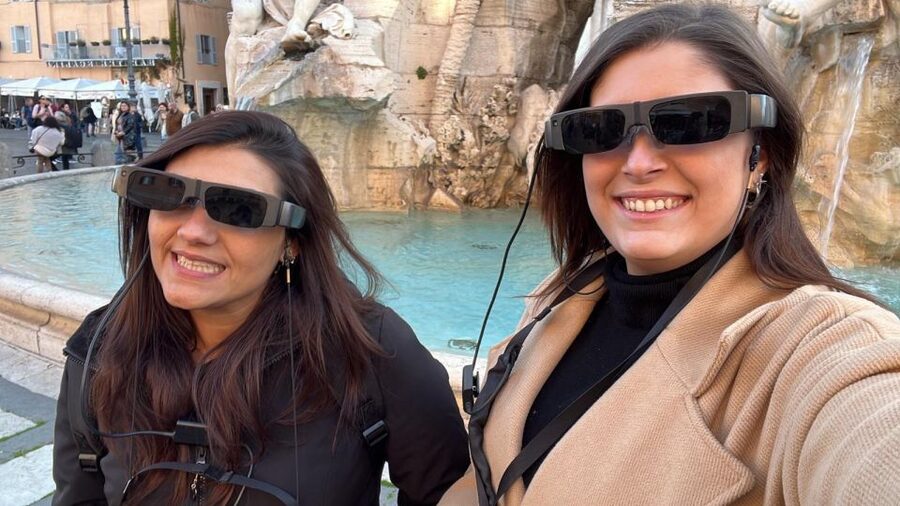
You’ll have an audio guide included, and it’s available in Spanish, English, French, German, Italian, Russian, and Portuguese. That’s a practical advantage in Rome, where many small sites only offer one or two languages.
The experience is self-paced, so you can pause for photos and then resume when you want. The guide is designed to explain what you’re looking at, including the shift from Ancient Rome sport to what Piazza Navona became over time. You’ll also get narration that connects the architecture to crowds, including how the arena divided spectators, with up to 30,000 people.
A nice detail from real visitor experience: there’s a separate children’s audio guide option that comes with a pen and map, and one 5-year-old enjoyed navigating independently. If you’re traveling with kids, this can turn the underground part from a chore into a game.
One caution: audio timing and clarity can vary. A few people found the audio didn’t line up perfectly with visuals at times, and some stations were confusing. If you notice that mismatch, don’t stress. Keep moving, and let the narration give you the big picture even if a specific label feels off.
Walking the Stadium of Domitian: Ruins, Materials, and Entrances
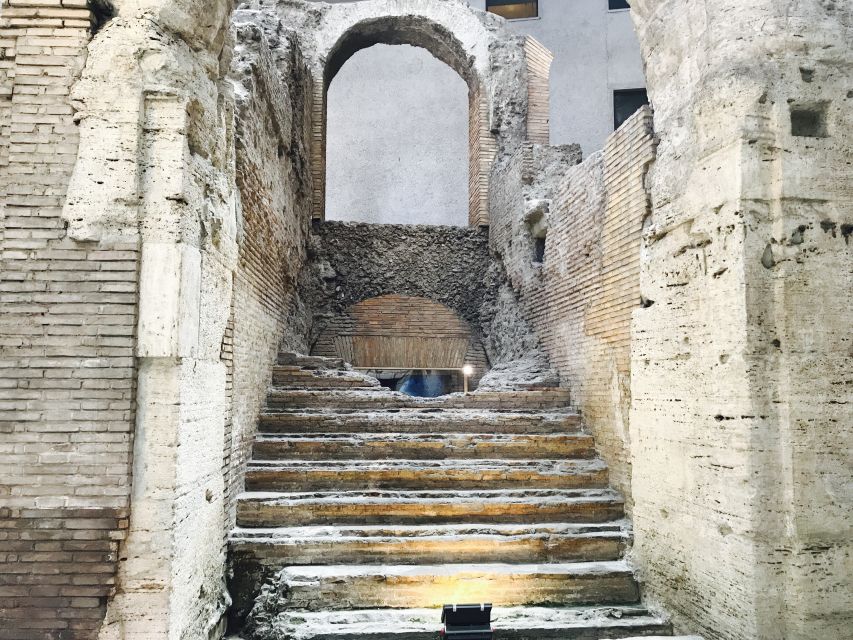
The main action is the underground walk through the stadium remains. The site is built to help you understand dimensions, entrances, and materials that would otherwise be hard to interpret.
Here’s what you should look for as you go:
- Travertine blocks used in the structure
- Brickwork you can see as part of the interior framing and construction logic
- Marble columns tied to the main entrances
You’re 5 meters below street level, so the space can feel enclosed and slightly hushed. At the same time, don’t expect total silence. One practical note from visitors: because the attraction is close to street access, you may still hear street sounds while you try to focus on the audio. If you’re sensitive to noise, consider bringing earplugs, but it isn’t a deal-breaker for most people.
Size-wise, the underground area is not huge. Several people described it as smaller than expected. That can be a plus if you’re short on time, tired from Rome walking, or simply want something focused rather than hours of wandering. It’s also a reason the audio guide matters so much. You’re paying for interpretation, not just empty space.
The Stadium Story: From 30,000 Spectators to Piazza Navona’s Evolution
This is where the attraction earns its keep. You’re learning how Roman sports worked, and how this location’s identity changed.
The audio guide helps you understand:
- how Piazza Navona developed into what you see today
- how the ancient stadium functioned as an entertainment venue
- how spectators were divided at the arena, with narration that mentions up to 30,000 people
Even if you don’t consider yourself a sports fan, it’s a strong way to learn Rome as a living city. The stadium isn’t just a building. It’s a clue to how power, crowds, and public life were organized, and how later generations repurposed the city above.
You’ll also see a selection of unpublished photographs and informative panels that tell the story of the Stadium of Domitian. Combined with video and 3D renderings, these visuals help you picture what you’re looking at now versus what it likely looked like at the time.
If you like architecture details, you’ll appreciate how the guides point out specific parts of the complex. If you prefer big-picture context, the narration does that too, especially with the crowd numbers and the evolution from Ancient Rome to the modern piazza.
Photo-Friendly Reality Check, Timing, and Crowds
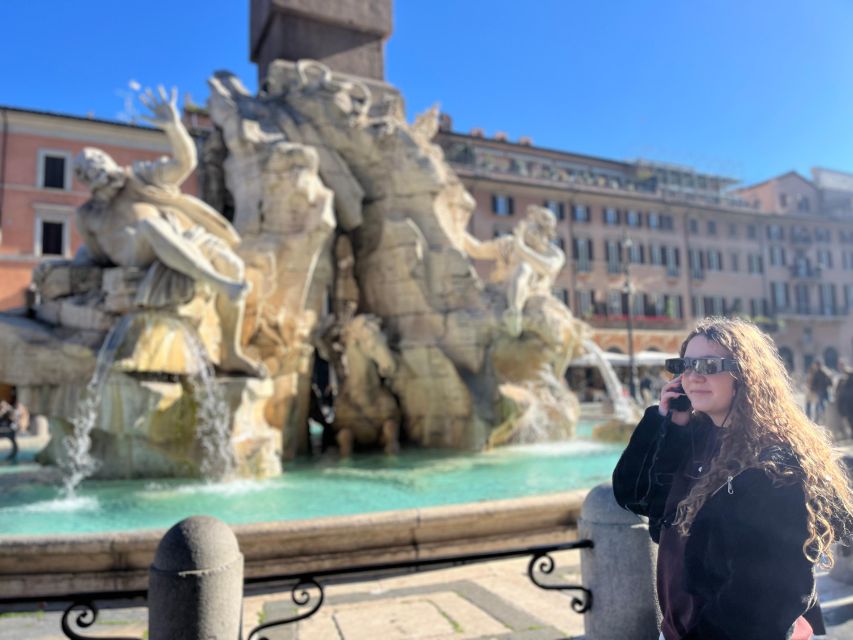
Yes, you can take beautiful selfies and pictures. The underground viewpoint areas and visual stations are set up for photos, and it’s a rare chance to photograph ruins in the middle of the most famous squares in Rome.
But let’s keep expectations honest. Because the underground tour space is relatively compact, your best photos depend on timing. If you go when it’s calmer, you can walk slowly and frame your shots without people crowding your angle.
Some visitors noted the site was not busy, making it easier to get in and out. Others found it a bit confusing to navigate where to start due to the voucher-to-ticket step. If you want a smoother experience, show up early in your time window and give yourself buffer time at the entrance.
How long does it take? The tour is listed as valid for 1 day, but in practice it tends to be a shorter walk than you’d expect from a “big Rome attraction.” That’s often why it scores well for value: you can fit it into a busy day without sacrificing half your schedule.
We wrote up further entry tickets in Rome on the same pass through the archive.







Optional Aperitif or Wine Tasting, Plus the Best Part of the Exit
If you choose an added option, the experience extends above ground with food and a view. The aperitif option includes 1 cocktail and snacks, served at one of the most fascinating viewpoints in the heart of Rome. Staff will reserve your table at the meeting point, so you’re not scrambling around looking for a seat after the underground portion.
If you pick the wine tasting option, you’ll also receive a sampling of two wines paired with a traditional appetizer board at a central viewpoint.
This is a smart add-on for two reasons. First, it gives you a clean endpoint after the underground portion, which can feel like a “contained chapter” in the middle of a city day. Second, it lets you shift from Roman infrastructure to Roman hospitality, while you sit in the open air above Piazza Navona.
Price and Logistics: Is It Worth $18?

At about $18 per person, this ticket is priced for a focused, interpretation-heavy stop. You’re not paying for a long guided escort, and you’re not paying for transportation. You’re paying for access to a rare underground layer beneath one of Rome’s most famous squares, plus an audio guide that explains what you’re seeing.
Is it value? Often, yes, especially if:
- you already visited the big-ticket monuments and want one memorable off-the-radar layer
- you love history that’s explained with visuals, not just text labels
- you want a self-guided option that you can pace yourself
If it’s your very first Rome trip and your time is tightly packed, you might decide to prioritize larger monuments first. A few people felt it was not a must see for absolute beginners to Rome. I agree with that logic, but I also think it’s a standout if you enjoy “in-between” experiences, like hidden archaeology and how cities evolve.
The underground space being smaller than expected is also part of the value equation. You won’t feel you paid for a huge area you didn’t get. You’ll feel you bought a focused story, told well.
What I’d Pack and How I’d Plan Around It
Because this is an underground site, practical planning matters more than usual.
Bring:
- comfortable walking shoes, since you’ll be on paths and around exhibits
- your phone fully charged for maps and photos
- patience for a short indoor navigation flow, especially if station numbers seem mixed
Plan:
- fit it as a mid-day break, when you want something different from churches and museums
- give yourself a little time buffer at the entrance if you’re redeeming a voucher
- if you want the aperitif, plan to stay in the area after the underground section so you’re not rushing
If you’re traveling with a stroller or needing pram support, note that it is not pram friendly based on visitor experience. Wheelchair access is available, so the site can work for mobility needs, but strollers may be harder to manage.
Should You Book the Navona Underground Ticket?
Book it if you want a compact, high-impact underground Rome moment. This is exactly the sort of experience that turns a famous square into a deeper story. The included audio guide, the explanations of stadium function, and the combination of panels, photographs, video, and 3D renderings make the ruins feel understandable rather than mysterious.
Skip it or reassess if you’re expecting a massive underground complex or you dislike self-guided audio experiences. The space is smaller than many first-timers assume, and audio clarity or station matching can be slightly uneven.
If you’re curious about how Ancient Rome built entertainment infrastructure, and you like seeing evidence of it under a modern icon, this ticket is a solid use of your time and money.
Entry Tickets in Rome We Also Walked



More Pantheon, Trevi and Piazza Navona Walks Pinned to Our Rome Map
Not quite the day you had in mind? The rest of our Rome write-ups sit below
- Rome: Guided Tour of St. Peter’s Dome Climb, Basilica & Vatacombs★ 5.0 · 167 reviews
- St. Peter’s Basilica Guided Tour with Reserved Entrance★ 4.0 · 168 reviews
- Golf Cart Driving Tour in Rome: 2.5 hrs Catacombs & Appian Way★ 5.0 · 168 reviews
- Rome: Trastevere Wine Tasting with Food Pairing and Gelato★ 4.9 · 168 reviews
- Guided Tour of the Colosseum Palatine Hill and Roman Forum★ 4.7 · 168 reviews
- Vatican Museums, Sistine Chapel & Saint Peter’s Semi-Private Tour★ 4.5 · 169 reviews
- Hidden Rome: Small Group E-Bike Tour with Street Food Stops★ 5.0 · 169 reviews
- Rome: Papal Audience with Pope Leo IV★ 3.9 · 169 reviews
- Rome Golf Cart Tour: Highlights & Must See★ 4.5 · 170 reviews
Pantheon, Trevi & Piazza Navona, top to bottom.
 ★ 4.3Rome: Pantheon Fast-Track Ticket and Official Audio GuideFrom $621,008 reviews
 ★ 5.03 in 1 Cooking Class near Navona: Fettuccine, Ravioli & TiramisuFrom $837,376 reviews
 ★ 4.0Pantheon Reserved Entry Ticket with Audio GuideFrom $134,486 reviews
 ★ 4.9Rome: Pantheon Timeless Marvel Guided Tour with Entry TicketFrom $214,002 reviews
 ★ 4.1Rome: Pantheon Priority Entry Ticket & Audio Guide AppFrom $63,234 reviews
 ★ 5.0Enjoy Spritz and Pasta Making in Piazza NavonaFrom $901,681 reviews
 ★ 4.3Rome: Trevi Fountain and Underground Guided TourFrom $411,664 reviews
 ★ 5.0Pantheon Elite Guided Tour – Rome’s Iconic Ancient TempleFrom $411,447 reviews