
Reviewed · TOURS
Rome: Tour of St. Clement’s Basilica Underground Temples
Rome has a secret under your feet. This St. Clement’s tour takes you 14 meters down through stacked layers of pagan and early Christian Rome, where candlelight energy meets archaeology.
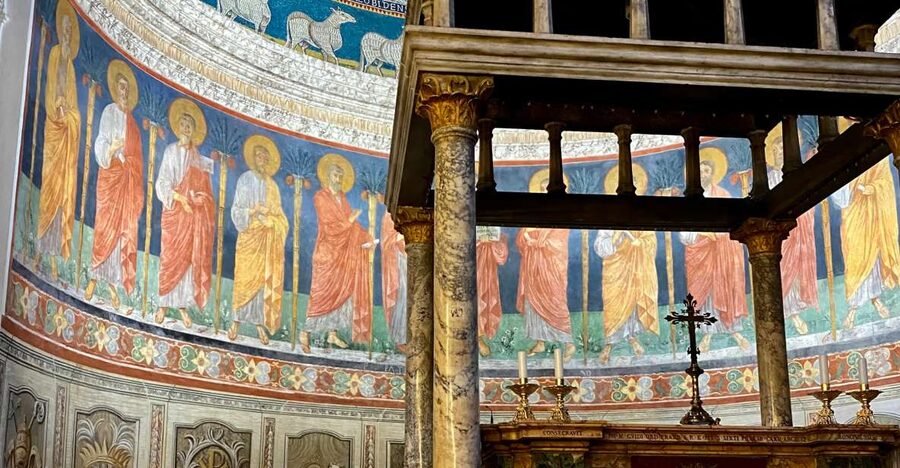
I love the golden mosaic in the apse of the 12th-century basilica, and I love how the guide makes the underground feel readable, not spooky for no reason. You’ll also catch the underground river atmosphere that turns a historical site into a scene.
One consideration: the stair-and-cave layout is not wheelchair accessible, and it may be hard if you have claustrophobia.
In This Review
- Key Things You’ll Remember
- St. Clement’s, 14 Meters Down, With Pagan Rome in the Same Footsteps
- The 12th-Century Basilica Apse Mosaic, and Why It Matters Before You Go Underground
- What the Underground Church Reveals: Stacked Rome in One Site
- Early Christian Frescoes: Martyrs, Persecution, and the Human Side
- The Mithraic Temple and Underground River, Where Rome’s Pagan Past Gets Specific
- Golden Symbolism vs. Underground Reality, How the Guide Connects Both
- Santo Stefano Rotondo Add-On: Circular Walls and Martyrdom Frescoes
- Price, Timing, and Value for What You Actually See
- Practical Tips Before You Go (So You Don’t Waste Minutes)
- Who This Tour Fits Best, and Who Might Want Another Option
- Should You Book This St. Clement’s Underground Temples Tour?
- FAQ
- How long is the St. Clement’s Basilica underground temples tour?
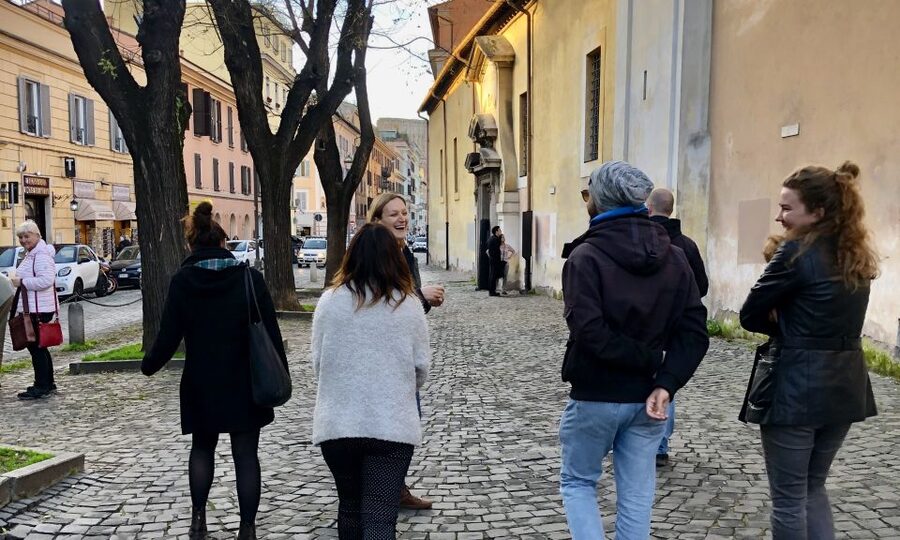
- Where does the tour start?
- What is included in the ticket price?
- What is not included?
- Is it wheelchair accessible?
- Is it suitable for claustrophobia?
- Are photos or video allowed?
Key Things You’ll Remember
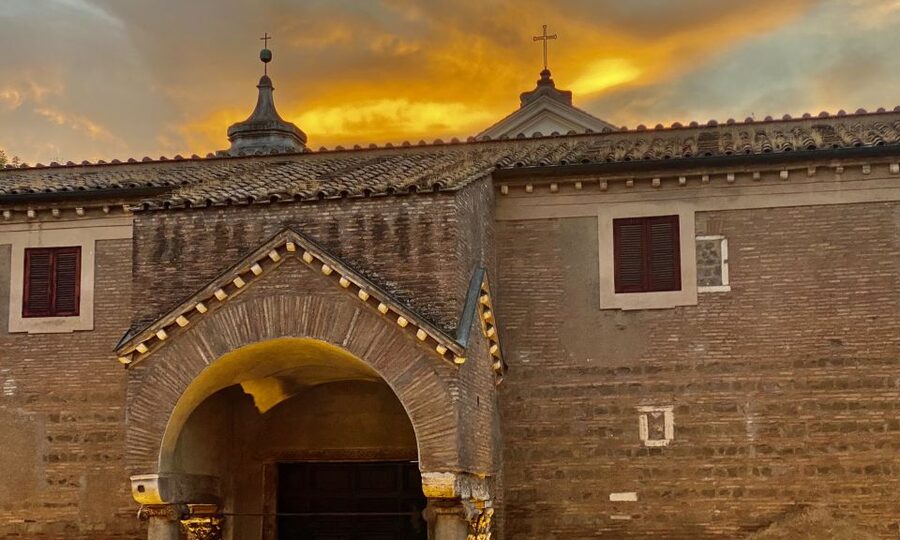
- 14-meter descent into St. Clement’s layered past, from surface worship down to older structures
- Mithraic temple that’s among the best-preserved in Rome, plus an underground water presence
- 4th-century Christian frescoes showing martyrs and persecution themes
- Golden apse mosaic in the 12th-century church, with symbolism your guide points out
- Optional add-on to Santo Stefano Rotondo for circular architecture and martyrdom frescoes
St. Clement’s, 14 Meters Down, With Pagan Rome in the Same Footsteps
If you like Rome when it’s not in postcard mode, this is your kind of stop. St. Clement’s Basilica is famous for being layered, meaning you can stand in a 12th-century church and still see evidence of earlier eras right beneath your feet. That vertical timeline is the hook, and your guide does the work of turning it into a story you can actually follow.
You start at the surface church, where the site looks like a normal basilica, even a pretty one. Then you learn how that “normal” surface sits on top of older spaces, including a 4th-century early-Christian church and even older pagan elements. It’s the same location holding different worlds at different heights.
Still weighing it up? We have written up plenty of other tours and tickets across Rome.
- Vatican Museums & Sistine Chapel Tour with Optional Basilica
★ 4.3 · 67,413 reviews - Vatican Museums, Sistine Chapel & St Peter’s Basilica Guided Tour
★ 4.5 · 39,149 reviews - Rome: Colosseum, Palatine Hill and Roman Forum Guided Tour
★ 4.8 · 32,814 reviews - Rome: Guided Tour of Colosseum, Roman Forum & Palatine Hill
★ 4.7 · 27,897 reviews
The 12th-Century Basilica Apse Mosaic, and Why It Matters Before You Go Underground
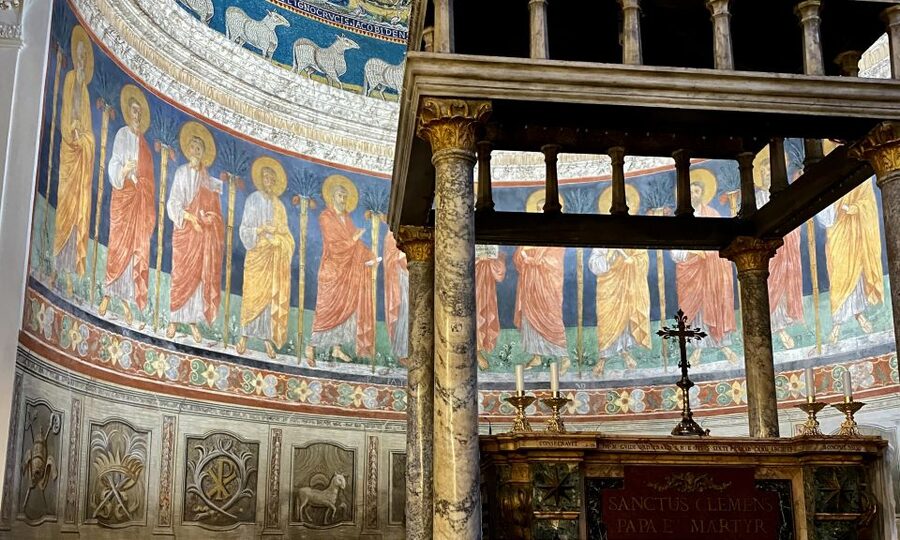
Before you descend, you get oriented in the 12th-century basilica above. Your guide brings your attention to the apse and its golden mosaic, emphasizing that it has hidden symbolism worth noticing rather than just admiring from a distance.
This is a smart first move. If you go straight down without understanding what you’re standing in, the layers can blur into “cool ruins.” With the mosaic in your brain first, you start thinking in messages, not just materials.
You’ll also pick up how symbolism and church art worked as visual teaching tools for people who did not read Latin labels on walls. Even if you’re not an art-history person, the guide’s explanations help the mosaic feel like communication, not decoration.
What the Underground Church Reveals: Stacked Rome in One Site
The main action is the descent, 14 meters below, into the underground spaces linked to the current basilica. Here’s the practical beauty of this tour, it guides you through a site with multiple levels, where some details are easy to miss on your own. When you have a good guide, you learn where to stand, what to look for, and why the arrangement is the way it is.
At this level, you see an early-Christian environment built directly over the house connected to St. Clement, the third pope of Rome. That connection is part of why the story feels personal. You are not just looking at generic “ancient Christianity,” you’re standing on a specific anchor point in the early church timeline.
The site’s best trick is how it collapses centuries into a single visit. You see the “lasagna” idea people use to describe Rome, layers of life built on top of life, with each new era keeping pieces and reusing space.
Early Christian Frescoes: Martyrs, Persecution, and the Human Side
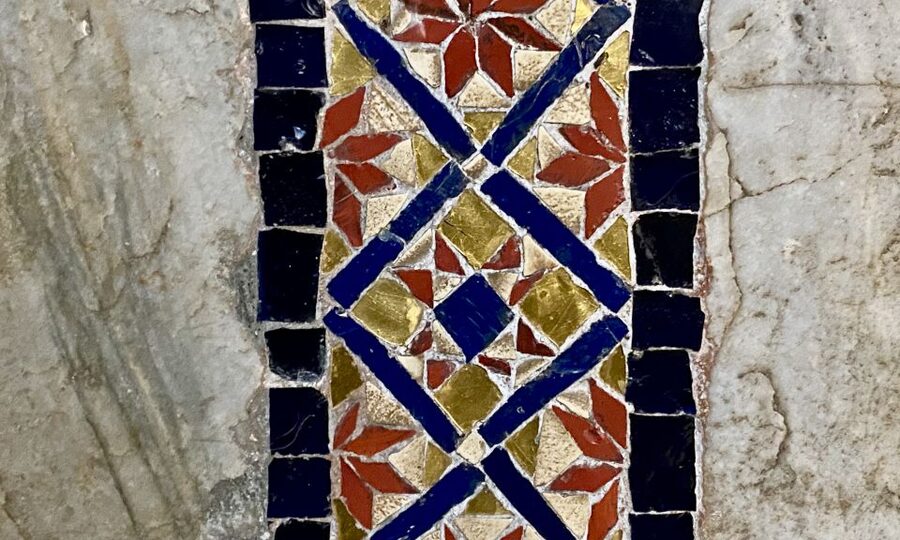
In the underground church, you’ll encounter early Christian frescoes featuring martyrs. These paintings are tied to the early-Christian story of persecution and suffering, and they are some of the earliest Christian art you can encounter at this depth.
It’s not just about identifying religious scenes. What you learn is how Christian communities used art to teach what was happening, why it mattered, and what faith could cost. The frescoes help you read the underground as a place where belief had real stakes.
If you’re the kind of person who likes to understand why an image was painted, you’ll probably enjoy how your guide links the scenes to the broader context of the early church. And if you’re traveling with kids, keep in mind that the later add-on at Santo Stefano Rotondo includes graphic martyrdom scenes.
The Mithraic Temple and Underground River, Where Rome’s Pagan Past Gets Specific
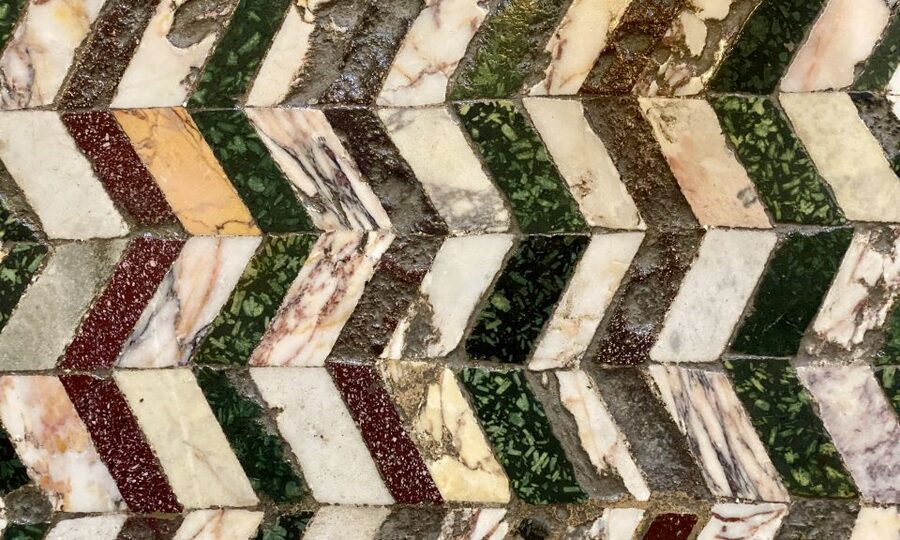
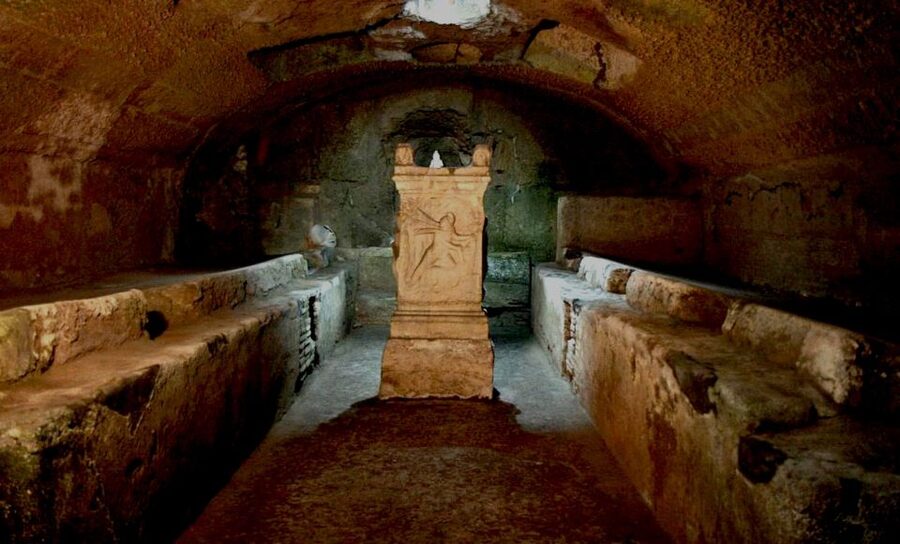
Then comes one of the headline moments: a Mithraic temple. This is one of Rome’s best-preserved Mithraic spaces, and it’s unusual because it’s not a museum reconstruction. It’s part of the site you’re standing in, which makes the whole experience feel more immediate.
Mithraism was a pagan cult in the Roman world, flourishing before Christianity became dominant. Your guide explains the cult’s rituals and beliefs, focusing on what makes Mithraic worship distinctive rather than treating it like generic paganism.
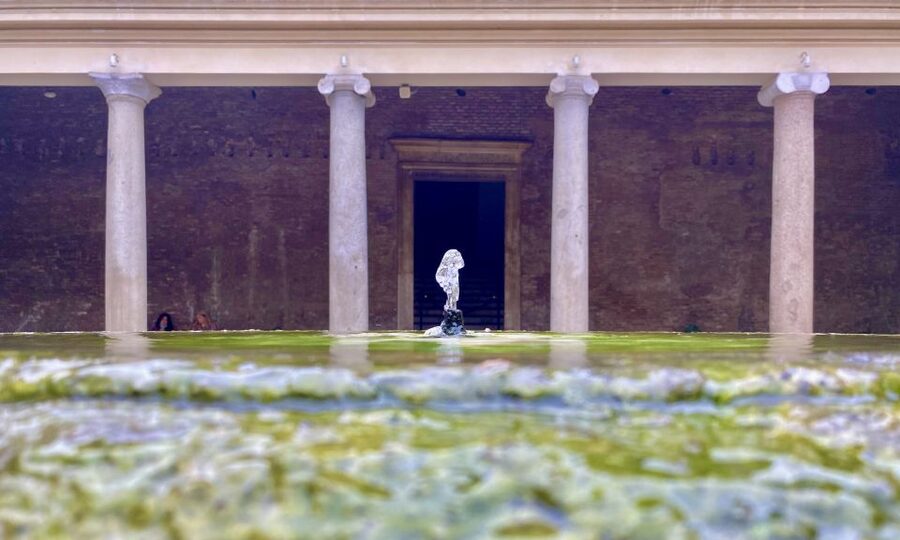
What really adds atmosphere is the underground river element. It’s not just a detail for flavor. Water changes how a space feels, how light lands, and how you remember the setting. When you hear the story of the water alongside the temple elements, the underground stops being a list of objects and becomes a living environment.
If you enjoy religion-as-history, this portion is where the tour pays off. You see how different belief systems coexisted in Rome, sometimes in the same geographic area, sometimes in the same built footprint, just at different times.
Golden Symbolism vs. Underground Reality, How the Guide Connects Both
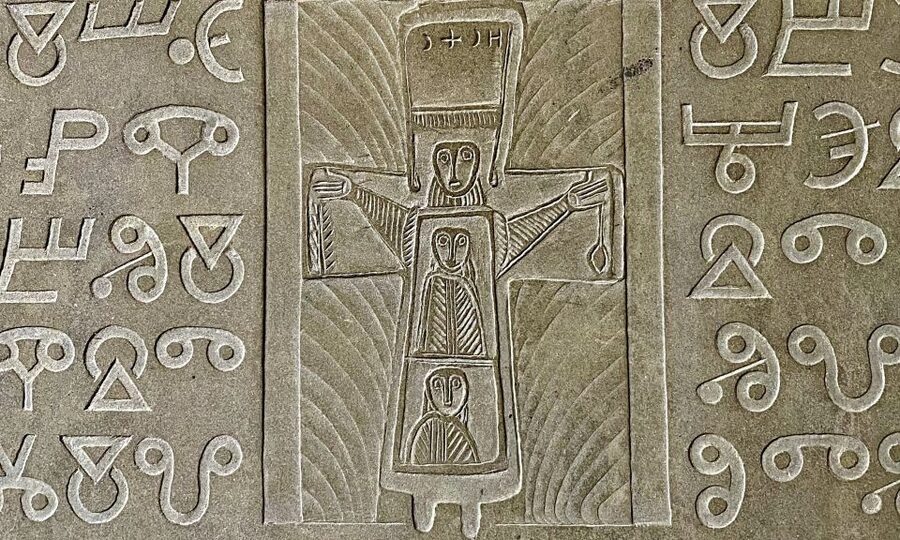
One reason this tour works so well is the structure: you’re not only seeing artifacts, you’re being taught how to connect them. The apse mosaic sets a symbolic frame, then the underground church gives you the Christian narrative, and then the Mithraic temple complicates your assumptions about Rome’s religious timeline.
That contrast is the point. Rome did not go from pagan to Christian overnight. The city layered beliefs, spaces, and meanings, then rebuilt over them. St. Clement’s shows the “how,” not just the “what.”
Many of the best guides for this site bring a professor-level comfort with the details. For example, some tours are led by guides described as an archaeologist and professor in Rome, and others are guides like Francesca or Lorenzo who get praised for clear explanations and a sense of humor. In a great tour, that matters because you can ask questions and actually get answers that land.
Santo Stefano Rotondo Add-On: Circular Walls and Martyrdom Frescoes
If you choose the extension, you add a 45-minute guided visit to Santo Stefano Rotondo, nearby. This church is known for its circular architecture, and it continues the theme from St. Clement’s by focusing on martyrdom scenes in frescoes.
What you’ll like here is continuity. After seeing early Christian martyr themes underground at St. Clement’s, Santo Stefano Rotondo gives you another visual chapter, in a different architectural form. It helps the whole early-Christian story feel less like separate facts and more like a developing set of images and beliefs.
There’s one major consideration: the frescoes can be graphic. The site itself includes martyrdom scenes that may not suit children.
Also note that this extension can occasionally be unavailable due to special events or liturgical celebrations. If it happens, your guide adapts the plan while keeping the overall duration similar. That flexibility is worth knowing if your schedule is tight.
Price, Timing, and Value for What You Actually See
At $70 per person for a 1 to 2 hour experience, you’re paying for access plus guiding in a complex, layered site. You also get headsets, which is a quiet but important quality upgrade in underground spaces where sound can otherwise get swallowed by stone.
Is it “cheap”? No. But in Rome, what you’re paying for is expert context in a place where it’s easy to misunderstand what you’re looking at. This is not the type of attraction where you can wander in, take photos, and walk out feeling like you cracked the code.
The value is strongest if you care about how Rome changed over time. If you love archaeology, Christian origins, or pagan religion history, the site gives you a rare combo in one location. The pricing makes sense because you’re effectively buying a structured walkthrough through multiple eras and environments, plus an option to extend to a second major church.
Practical Tips Before You Go (So You Don’t Waste Minutes)
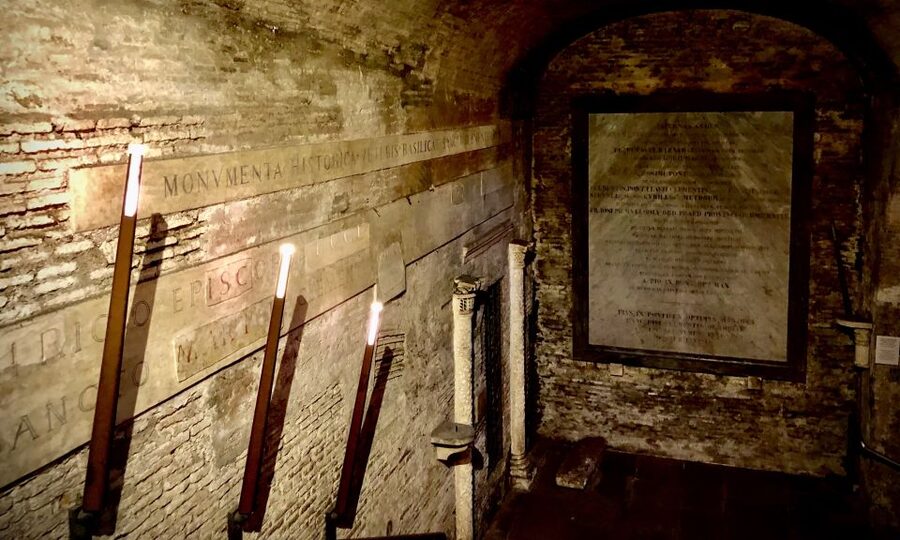
Plan for a short visit, but not a casual one. You’ll move between levels, and the underground spaces are part of the experience, not an optional detour. Comfortable shoes matter, because you’ll likely spend a good part of your time walking within historic stone layouts.
Dress rules are strict. Shorts, short skirts, and sleeveless shirts are not allowed, and you should avoid bringing anything you might have trouble wearing comfortably inside churches. Also, video recording is not allowed, and photography inside is not allowed.
There are also basic site rules that help keep the experience smooth: no food and drinks, no pets, and no weapons or sharp objects. It sounds obvious, but it’s better to check ahead than to get delayed at the entrance.
Finally, check your comfort level with tight or enclosed spaces. The tour is not accessible to wheelchair users, and it may be tough if you have claustrophobia. If you’re on the fence, this is one of those “know yourself” situations.
Who This Tour Fits Best, and Who Might Want Another Option
This tour fits you best if you want Rome beyond the big names and you like your history explained in plain language. It’s also great if you enjoy religion as a historical force, because you see pagan and early Christian themes in the same geographic footprint.
You’ll likely enjoy the experience even more if you like asking questions. Many guides for this site are praised for answering curiosity with real explanations, not vague talking points. If you get a guide like Paul, described as an archaeologist and professor, expect extra depth tied to the artifacts and the site’s discovery story.
It may not be the best match if you need full accessibility, since it is unfortunately not wheelchair accessible. And if enclosed spaces make you anxious, the underground section could feel overwhelming.
Should You Book This St. Clement’s Underground Temples Tour?
Book it if you want a guided ticket to a rare kind of Rome. You get a 14-meter descent, early Christian frescoes, and a well-preserved Mithraic temple, all explained in a way that connects symbolism above with atmosphere underground. The optional Santo Stefano Rotondo extension is a strong add-on if you want the martyr themes to continue in a second church setting.
Skip or reconsider if you need wheelchair access, if you have strong claustrophobia, or if graphic martyrdom frescoes would be upsetting. For everyone else, this is the kind of tour that makes Rome feel layered, lived-in, and surprisingly human.
FAQ
How long is the St. Clement’s Basilica underground temples tour?
The guided tour is about 1 hour. You can extend it with a 45-minute visit to Santo Stefano Rotondo, making the overall experience about 1 to 2 hours depending on the option.
Where does the tour start?
You can choose from starting options at Piazza di San Clemente (Piazza di San Clemente) or at the Basilica di San Clemente al Laterano. The exact meeting point may vary by option booked.
What is included in the ticket price?
Included are an expert live guide, entrance fees to the Basilica di San Clemente, and headsets to hear the guide clearly. If you select the extension, Santo Stefano Rotondo is also included with a guided visit.
What is not included?
Not included are pickup and drop-off, food and drinks, and the guided visit to Santo Stefano Rotondo unless you selected that option.
Is it wheelchair accessible?
No. Due to the architectural structure inside and under the Basilica di San Clemente, the tour unfortunately is not accessible to wheelchair users.
Is it suitable for claustrophobia?
It may not be suitable for individuals with claustrophobia because of the underground spaces within the Basilica di San Clemente.
Are photos or video allowed?
Video recording is not allowed. Photography inside the sites is also not allowed.
Our Wider Tours File for Rome
Not quite the day you had in mind? The rest of our Rome write-ups sit below
- Rome: Guided Tour of St. Peter’s Dome Climb, Basilica & Vatacombs★ 5.0 · 167 reviews
- St. Peter’s Basilica Guided Tour with Reserved Entrance★ 4.0 · 168 reviews
- Golf Cart Driving Tour in Rome: 2.5 hrs Catacombs & Appian Way★ 5.0 · 168 reviews
- Rome: Trastevere Wine Tasting with Food Pairing and Gelato★ 4.9 · 168 reviews
- Guided Tour of the Colosseum Palatine Hill and Roman Forum★ 4.7 · 168 reviews
- Vatican Museums, Sistine Chapel & Saint Peter’s Semi-Private Tour★ 4.5 · 169 reviews
- Hidden Rome: Small Group E-Bike Tour with Street Food Stops★ 5.0 · 169 reviews
- Rome: Papal Audience with Pope Leo IV★ 3.9 · 169 reviews
- Rome Golf Cart Tour: Highlights & Must See★ 4.5 · 170 reviews
Tours, top to bottom.
 ★ 4.3Vatican Museums & Sistine Chapel Tour with Optional BasilicaFrom $7967,413 reviews
 ★ 4.7Colosseum, Roman Forum & Palatine Guided TourFrom $7863,148 reviews
 ★ 4.5Vatican Museums, Sistine Chapel & St Peter’s Basilica Guided TourFrom $2239,149 reviews
 ★ 4.8Rome: Colosseum, Palatine Hill and Roman Forum Guided TourFrom $5232,814 reviews
 ★ 4.7Rome: Guided Tour of Colosseum, Roman Forum & Palatine HillFrom $5527,897 reviews
 ★ 4.5Rome: Colosseum, Roman Forum and Palatine Hill Guided TourFrom $5923,903 reviews
 ★ 4.4Naples: Naples Underground Entry Ticket and Guided TourFrom $2121,781 reviews
 ★ 4.8Pompeii: Entry Ticket and Guided Tour with an ArchaeologistFrom $3519,459 reviews