
Reviewed · PANTHEON, TREVI & PIAZZA NAVONA
Rome: Trevi Fountain District and Underground Domus Guided Tour
Rome hides a water secret under Trevi. This small-group guided visit sends you 30 feet (nine meters) below street level to see Roman water infrastructure and finds from a site discovered in 1999. Then you pop back out right at the Trevi Fountain, so the day feels like a smart switch from chaos to calm, with a sweet gelato finish.
I really love two things here. First, the focus on Roman water engineering is practical and easy to picture, from aqueduct connections to the cistern logic. Second, the small group size (max 15) makes it feel more like a guided walk with time for questions, not a cattle line. One consideration: the underground area is not huge, so if you expect vast tunnel systems, you may find it a bit short or concentrated.
In This Review
- Key Highlights You Should Know
- Why Vicus Caprarius Feels Different Than a Typical Trevi Stop
- Meeting Point, Time, and the Small-Group Reality
- What You Actually See Underground: Aqueducts, a Cistern, and Roman Finds
- The Water City Theme: Why This Area Became Famous
- Coming Up for Air: Trevi Fountain Without Making It Your Whole Day
- Guides Matter Here, and These Names Keep Showing Up
- Price and Value: Is $53.10 Worth It?
- Who This Tour Is Best For (And Who Might Skip It)
- Should You Book This Trevi Underground Tour?
- FAQ
- Where do I meet for the Vicus Caprarius and Trevi tour?
- How long is the tour?
- Is the tour in English?
- What’s included in the ticket price?
- Is Trevi Fountain included, or do I just pass by?
- Is the underground part accessible for everyone?
- Can I cancel for a full refund?
Key Highlights You Should Know

- Vicus Caprarius, the Water City: an underground archaeological site tied to the area’s water story
- 30 feet down: you leave street level heat behind and go into a cooler, protected space
- Water system details: you see how the tank connected to the Vergine aqueduct
- Surprising artifacts: polychrome marble, coins, and amphorae tied to oil transport
- Trevi Fountain finish: you end at the fountain for photos and the coin toss legend
Why Vicus Caprarius Feels Different Than a Typical Trevi Stop
Trevi Fountain is all about spectacle, but this tour gives you the backstory that makes the spectacle make more sense. You start at the Vicus Caprarius site right near Trevi, so you do not waste time getting from one “must-see” to another.
What I like most is the angle. Instead of treating Trevi as an isolated photo spot, you learn why this part of Rome got called the City of Water in the first place. The underground ruins explain the plumbing logic behind what you see above ground, and that is the kind of connection that sticks with you.
A short passeggiata through our other underground Rome and Roman baths tours in Rome.
- Rome: Colosseum, Roman Forum & Trajan’s Market Exterior Tour
★ 4.3 · 2,038 reviews - Rome Underground: Catacombs Tour, Aqueducts and Appian Way
★ 5.0 · 1,007 reviews - Rome: Domus Aurea Guided Group Tour
★ 4.6 · 697 reviews - Rome: Domus Aurea, Nero’s Golden House guide tour
★ 4.6 · 449 reviews
Meeting Point, Time, and the Small-Group Reality
You meet at Vicolo del Puttarello, 25, 00187 Roma RM and your ticket is redeemed at the underground site entrance. The whole experience runs about 55 minutes total, with most of the time underground, then a short finish at Trevi.
This tour caps at 15 travelers, which matters more than it sounds. In a tight space underground, a large group can turn into muffled talking and distracted looking. With fewer people, you get a clearer view of the remains and the guide’s explanations land better.
It is also English, and you are able to participate if you are generally able to move through the site. The tour is not suitable for people with mobility impairments, so if that applies to you, it is worth looking for a different option.
What You Actually See Underground: Aqueducts, a Cistern, and Roman Finds
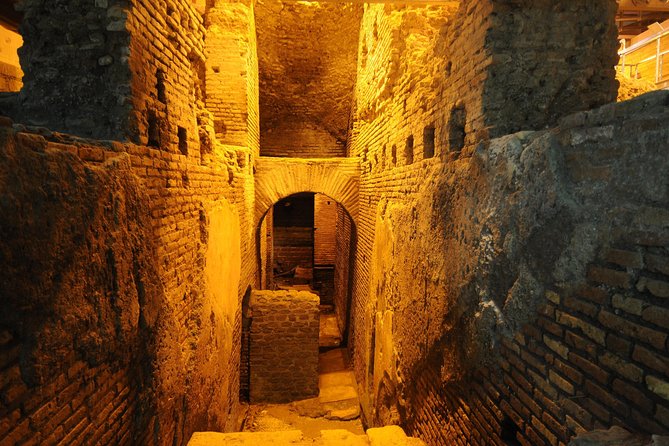
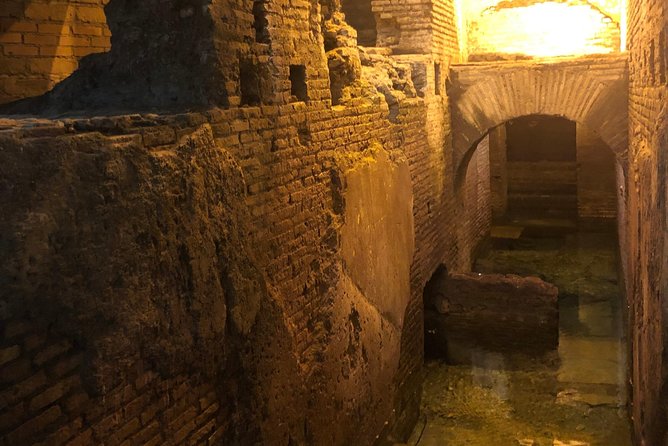
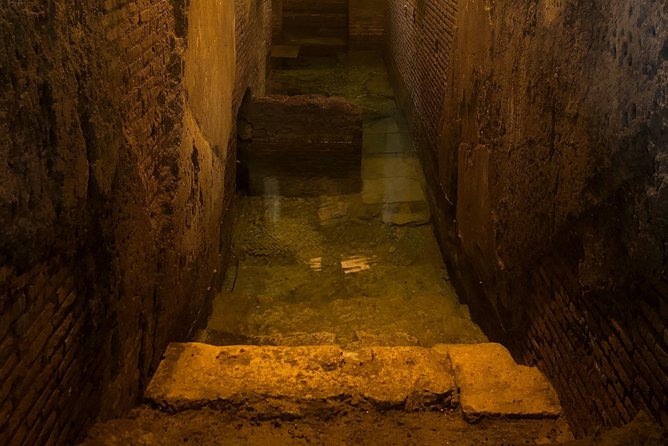
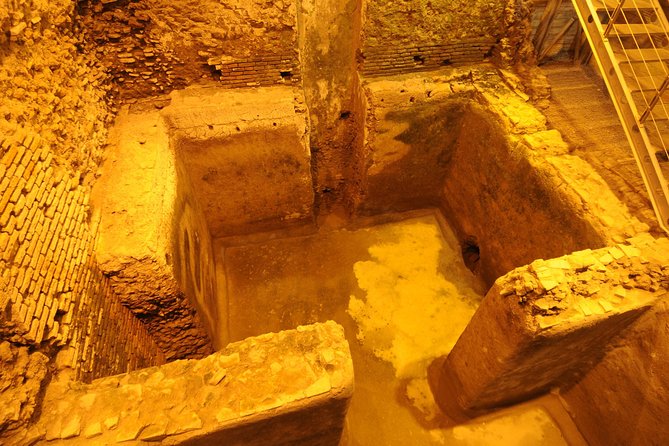
The underground section is the heart of this experience, and it starts with how the site was found. The area you visit was discovered in 1999 in the basement of a cinema, which already feels like a Rome plot twist. From there, you go down about 30 feet (nine meters) below the streets to explore what was uncovered.
Inside, you can see a water tank connected to the Vergine aqueduct. That detail is the kind of thing that helps you stop thinking about fountains as magic and start thinking about them as engineered systems. You get the big idea of how Romans managed water, not just a list of objects.
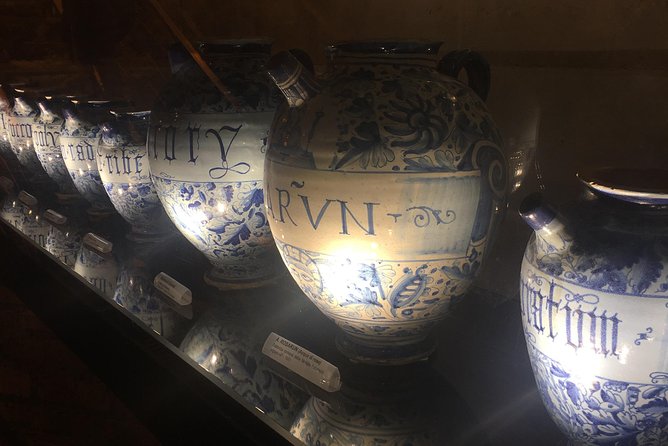
You also learn about what was excavated when the site was discovered, and this is where the tour becomes visually satisfying. Expect to admire Roman artifacts connected to the villa and the water setup, including:
- precious polychrome marble coverings
- the famous head of Alessandro Helios
- a treasure trove of 800 coins
- spatheia, African amphorae used for transporting oil
One small but important expectation-setting point: multiple comments note the underground visit is fairly compact. That does not mean it is boring, it just means you are touring one focused pocket of remains, not a sprawling network of underground chambers.
The Water City Theme: Why This Area Became Famous
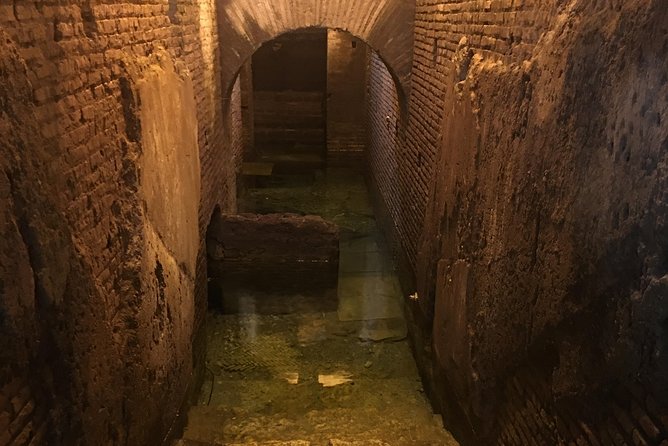
The guide’s job here is to connect the visible remains to the story behind the name. When you hear why this area is linked to the “City of Water,” it clicks into place because you are standing where the water infrastructure actually sat. You are not just hearing that Roman aqueducts existed, you are seeing the logic of how water moved and was stored.
You also get a sense of how recently many of these layers were brought to light. Even if you have visited Rome before, it is still striking to think that this underground “chapter” was not exposed centuries ago. It was uncovered in modern times, so the feeling is partly archaeological and partly reveal.
If you like tours that explain how daily life worked in ancient Rome, this is a good match. The emphasis is on water management, including cistern function and aqueduct connections, which is both practical and memorable.
Coming Up for Air: Trevi Fountain Without Making It Your Whole Day
After the underground visit, you exit and the tour ends at the iconic Trevi Fountain. You get about 10 minutes there, and your Trevi access is handled by the tour, with the admission ticket included.
This is not a long Trevi “stay and wander” experience. Instead, it is a quick return to the surface with a better context. You might even spot more details while you are there because you just learned how water made this fountain possible.
Also, if you are sensitive to crowds, do not plan this tour as your only Trevi moment. The finish is still at a famous photo spot, so the area can be lively. That said, ending here is smart, because you are not spending your underground time trapped in street-level congestion.
If you want the coin toss legend moment, this is your time. The tour includes the chance to throw in your coin if you want, and the setting is exactly what you expect at Trevi.
Guides Matter Here, and These Names Keep Showing Up
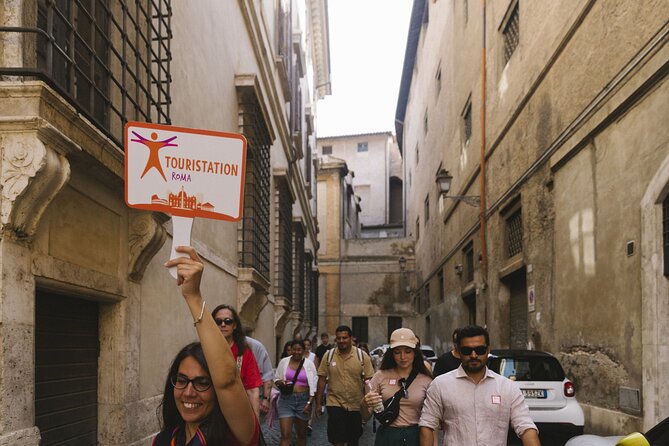
The strongest feedback across the experience is about the guides’ energy and storytelling. Names that come up repeatedly include Erika, Erica, Michelle, and Noemi/Neomi, and the common thread is the same: the explanations feel lively, not read-from-a-packet.
Good guides in this kind of tour do two things. They keep you oriented in the physical space, and they make ancient systems feel understandable. Several comments also praise the guides for answering questions and handling group dynamics, including when someone in the group needs a bit more patience.
If you can influence anything at booking, it is worth noting that the guide quality seems to be a major part of why people rate this tour so highly. In a short visit, a great guide can make the difference between seeing objects and understanding what they mean.
Between an espresso and the next booking, compare these Pantheon, Trevi and Piazza Navona walks in Rome.






Price and Value: Is $53.10 Worth It?
The price here is $53.10 per person, and your inclusions are not just a generic “guide.” You get:
- a reserved Vicus Caprarius entry ticket
- a guided tour inside Vicus Caprarius
- Trevi Fountain access ticket for your fountain time
- Italian gelato
You also get help from the Touristation staff, including ticket assistance at the meeting and redemption point.
So where does the value come from? Honestly, it is the combination of three things in a single, timed package: reserved entry to a specific underground site, guided interpretation of Roman water infrastructure, and an end-at-Trevi finish that keeps your logistics simple.
That said, I always urge people to sanity-check expectations. One guest noted that the underground ticket price seemed much lower when bought separately, and they felt the guided package was overpriced for a small underground area. I get the concern. If you only want quick access to the rooms and you do not care much about explanations, a do-it-yourself approach might feel cheaper.
But if you want the story, the objects, and the water-system context without worrying about timing, this price is more defensible. You are paying for the guided interpretation in a site that many people likely would walk past without ever finding.
Who This Tour Is Best For (And Who Might Skip It)
This is a strong choice if you:
- love Rome’s hidden layers, not just the obvious monuments
- enjoy tours that focus on how a city worked, like water supply and storage
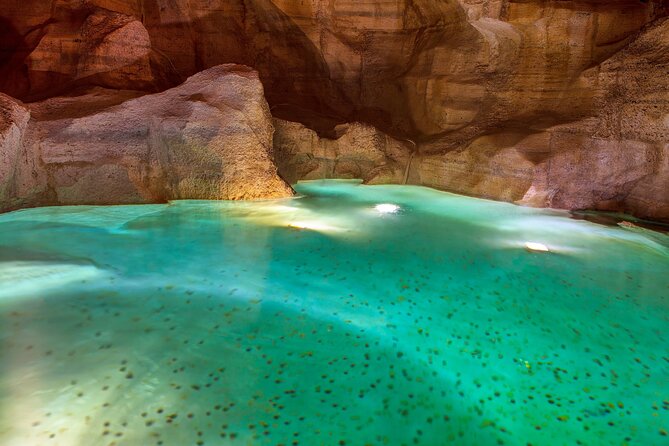
- want a break from Trevi crowds and the heat, by going underground
- prefer small-group pacing and time for questions
It may be less satisfying if you:
- expect a huge underground maze with lots of tunnels
- want a long Trevi Fountain experience rather than a quick finish
- are expecting this to be mostly about Trevi itself, since the center of gravity is the underground site
It is also a straightforward fit for couples, solo travelers, and families who want a guided “Rome secret” without a full half-day commitment. Just remember the time split: most of the tour is underground, and the Trevi part is brief.
Should You Book This Trevi Underground Tour?
If you like understanding the city under your feet, book it. This tour gives you a concrete, water-focused Roman connection to Trevi, and the guide-led storytelling seems to be the main reason it lands well for many people.
Choose it especially if you want a break from street-level crowds while still getting your Trevi moment at the end. The small group size, reserved underground entry, and included gelato make it feel like you are buying convenience plus interpretation, not just walking into a room.
If you mainly want the biggest possible underground adventure or a long Trevi hangout, you might feel impatient with the compact nature of the underground visit. In that case, you may prefer another Trevi-focused option or a self-guided plan.
FAQ
Where do I meet for the Vicus Caprarius and Trevi tour?
Meet at Vicolo del Puttarello, 25, 00187 Roma RM, Italy. The ticket redemption and start point is at Vicus Caprarius, The Water City, at the same address.
How long is the tour?
The total duration is about 55 minutes (approximately), with around 45 minutes underground and about 10 minutes at Trevi Fountain.
Is the tour in English?
Yes. The tour is offered in English.
What’s included in the ticket price?
You get assistance from Touristation staff, a reserved entry ticket for Vicus Caprarius, a guided tour there, Trevi Fountain access ticket, and Italian gelato.
Is Trevi Fountain included, or do I just pass by?
Trevi Fountain is included. Your tour ends there, with admission ticket access included, and you get about 10 minutes at the fountain.
Is the underground part accessible for everyone?
No. The tour is not suitable for people with mobility impairments.
Can I cancel for a full refund?
Yes, free cancellation is available. You can cancel up to 24 hours in advance for a full refund.
More Pantheon, Trevi and Piazza Navona Walks Pinned to Our Rome Map
Further Underground Rome and Roman Baths Tours We Cover in Rome

Not quite the day you had in mind? The rest of our Rome write-ups sit below
- Rome: Guided Tour of St. Peter’s Dome Climb, Basilica & Vatacombs★ 5.0 · 167 reviews
- St. Peter’s Basilica Guided Tour with Reserved Entrance★ 4.0 · 168 reviews
- Golf Cart Driving Tour in Rome: 2.5 hrs Catacombs & Appian Way★ 5.0 · 168 reviews
- Rome: Trastevere Wine Tasting with Food Pairing and Gelato★ 4.9 · 168 reviews
- Guided Tour of the Colosseum Palatine Hill and Roman Forum★ 4.7 · 168 reviews
- Vatican Museums, Sistine Chapel & Saint Peter’s Semi-Private Tour★ 4.5 · 169 reviews
- Hidden Rome: Small Group E-Bike Tour with Street Food Stops★ 5.0 · 169 reviews
- Rome: Papal Audience with Pope Leo IV★ 3.9 · 169 reviews
- Rome Golf Cart Tour: Highlights & Must See★ 4.5 · 170 reviews
Pantheon, Trevi & Piazza Navona, top to bottom.
 ★ 4.3Rome: Pantheon Fast-Track Ticket and Official Audio GuideFrom $621,008 reviews
 ★ 5.03 in 1 Cooking Class near Navona: Fettuccine, Ravioli & TiramisuFrom $837,376 reviews
 ★ 4.0Pantheon Reserved Entry Ticket with Audio GuideFrom $134,486 reviews
 ★ 4.9Rome: Pantheon Timeless Marvel Guided Tour with Entry TicketFrom $214,002 reviews
 ★ 4.1Rome: Pantheon Priority Entry Ticket & Audio Guide AppFrom $63,234 reviews
 ★ 5.0Enjoy Spritz and Pasta Making in Piazza NavonaFrom $901,681 reviews
 ★ 4.3Rome: Trevi Fountain and Underground Guided TourFrom $411,664 reviews
 ★ 5.0Pantheon Elite Guided Tour – Rome’s Iconic Ancient TempleFrom $411,447 reviews