
Reviewed · CATANIA, SYRACUSE & ORTIGIA
Syracuse: Ortigia Private Walking Tour
Ortigia is small, but it packs a lot in. This private walking tour pairs Greek ruins with a still-active baroque Cathedral, and it moves at a relaxed pace so you can actually process what you see. I like that you start right at the Temple of Apollo and get context fast, then your guide keeps the route flexible.
Two highlights really clicked for me: the Cathedral’s bright limestone interior, and the stop at Arethusa Fountain near the sea. I also loved how guides like Galina and Eva made the sights feel understandable, not just old stones.
One heads-up: church visits come with a strict dress code (no shorts, no sleeveless tops, shoulders covered), and the Cathedral interior is optional with admission fee not included.
In This Review
- Key things I’d circle on your map
- Ortigia in 2 hours: what you gain (and what you don’t)
- Meeting at Largo XXV Luglio, finding your guide quickly
- Temple of Apollo: where the Greek story starts
- Cathedral Square and the baroque Cathedral that still works today
- Arethusa Fountain: myth, papyrus, and the sea right there
- Viewpoint time: the kind of sea panorama photos you came for
- Jewish Quarter and Via Maestranza: where the city feels social
- Archimedes Square and the Fountain of Diana
- Market stop reality check: morning and working days
- Private or shared: how the group style changes your experience
- Price and value for up to 9 people
- Dress code, comfort, and other practical tips
- Accessibility and languages that actually matter
- Who should book this Ortigia tour?
- Should you book the Ortigia Private Walking Tour?
Key things I’d circle on your map
- Private, licensed guide: you set the pace, ask questions, and keep the walk comfortable
- Apollo to Cathedral Square: go from Greek foundations to baroque brilliance in one compact loop
- Arethusa Fountain storytelling: myth, papyrus, and the sea all show up in the same stop
- Sea panoramas and viewpoints: you get the big outdoor views instead of only indoor landmarks
- Jewish Quarter and Via Maestranza: the walk includes the neighborhoods that explain Syracuse’s social layers
- Optional market finish: you can end at the fish and fruit market if your timing fits
Ortigia in 2 hours: what you gain (and what you don’t)
Ortigia is Syracuse’s old island center, so you’re walking in a tight space where lots of eras overlap. In about two hours, you’ll cover major monuments without feeling like you’re sprinting between them. This is a great format if you only have one afternoon to understand the city.
Still, it is a walking tour, not a museum day. If you want a deep, slow plan for every church, palace room, or side street, you’ll likely add extra time on your own after the tour.
Our reviewers also walked through other Catania, Syracuse and Ortigia walks in Syracuse.
- Syracuse: Boat Tour with Captain Mirko, Snorkeling & Caves
★ 4.7 · 746 reviews - Siracusa: Ortigia Boat Tour with Marine Grotto
★ 4.7 · 617 reviews - Siracusa: Ortigia & Sea Caves Speedboat Tour with Swim Stop
★ 4.9 · 499 reviews - Syracuse: Neapolis Archaeological Park Small Group Tour
★ 4.7 · 350 reviews
Meeting at Largo XXV Luglio, finding your guide quickly
You meet at the Apollo Temple entrance in Largo XXV Luglio. The guide should be holding a Hermes Sicily Tours sign or logo, and depending on weather they wait in the area between the small fountain on the right side and the benches in front of the temple.
This detail matters because Ortigia streets can feel maze-like, especially if you arrive right near tour start time. I’d give yourself a few minutes buffer so you can stay relaxed and not rush your arrival.
Temple of Apollo: where the Greek story starts
The tour begins at the ancient Greek Temple of Apollo, so you’re not starting with baroque facades and then guessing what came before. From the start, your guide connects the dots, with a short introduction to the town’s history and the different groups that shaped Syracuse over time.
Even if you have only a basic interest in classical sites, this stop is a good anchor. It helps you read what you’ll see next, especially when churches later reuse older structures and materials.
Cathedral Square and the baroque Cathedral that still works today
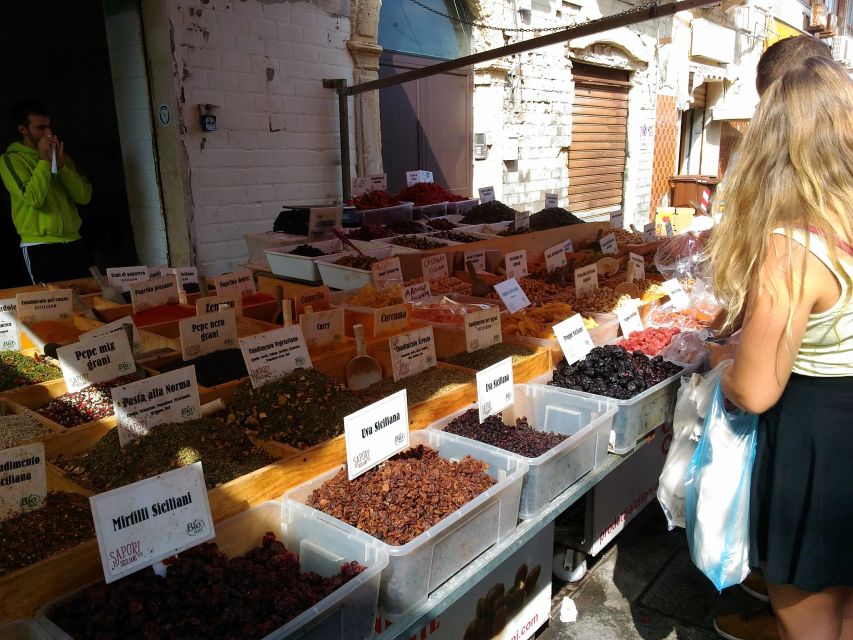
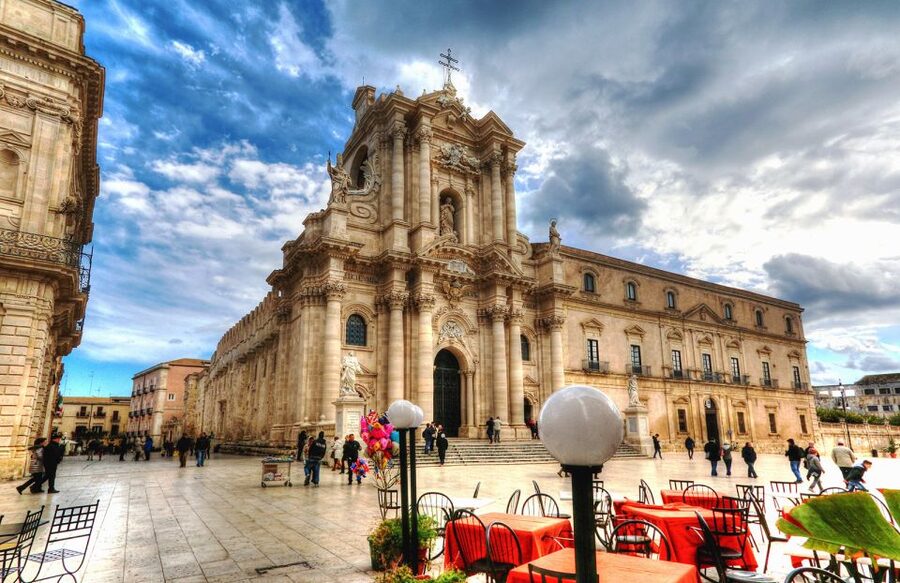
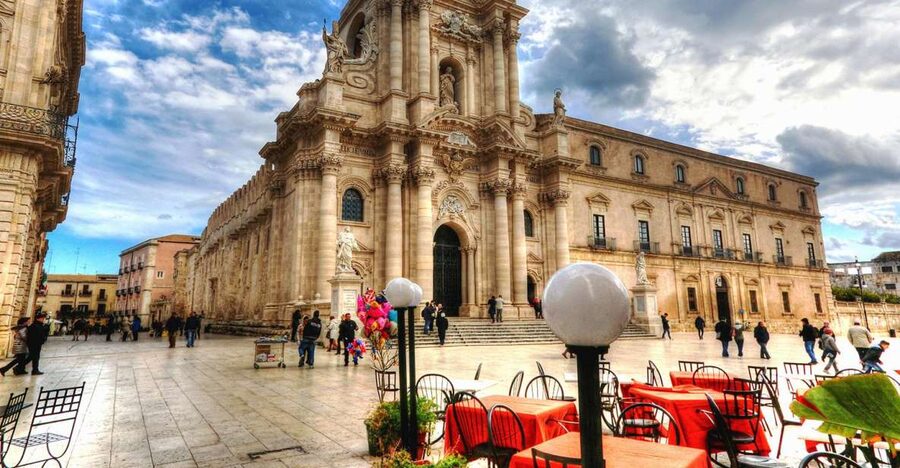
After a short walk, you reach Cathedral Square, where the bright limestone buildings around you feel like they’re lit from within. The highlights here include the town hall, Palazzo Beneventano, the bishop’s palace, and St. Lucy’s Church, but the main focus is the Cathedral itself.
Here’s what makes this stop special for your trip: it is one of the only churches still in use today that was once a pagan temple. That means the building you see is not a clean break in time. It is more like a conversation between eras, visible in how the structure evolved and how the current worship space sits inside older layers.
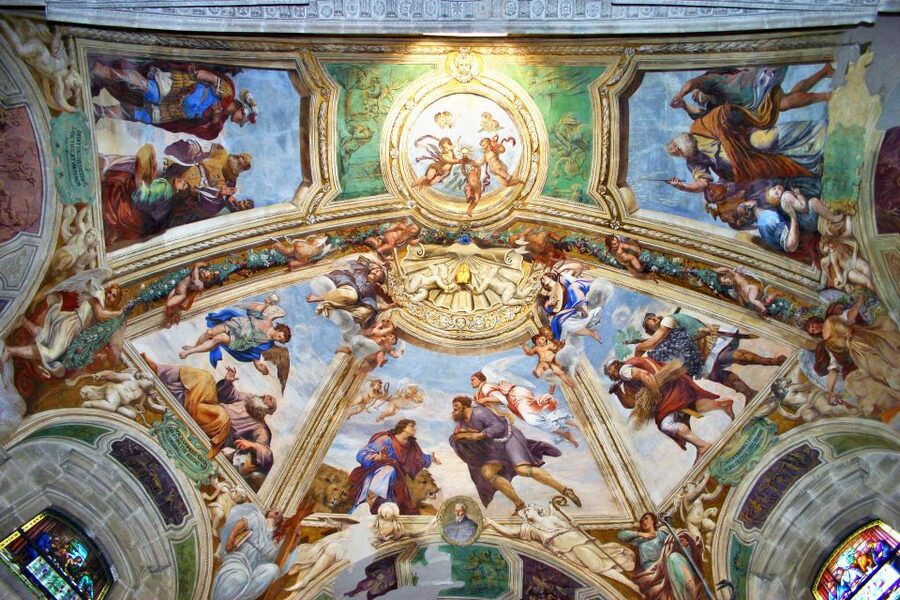
Cathedral interior access is optional. Admission fees are not included, so if you want to go inside, budget a little extra and keep your timing flexible. If you prefer photos from the square, you can still enjoy the exterior and the overall story without needing interior time.
Arethusa Fountain: myth, papyrus, and the sea right there
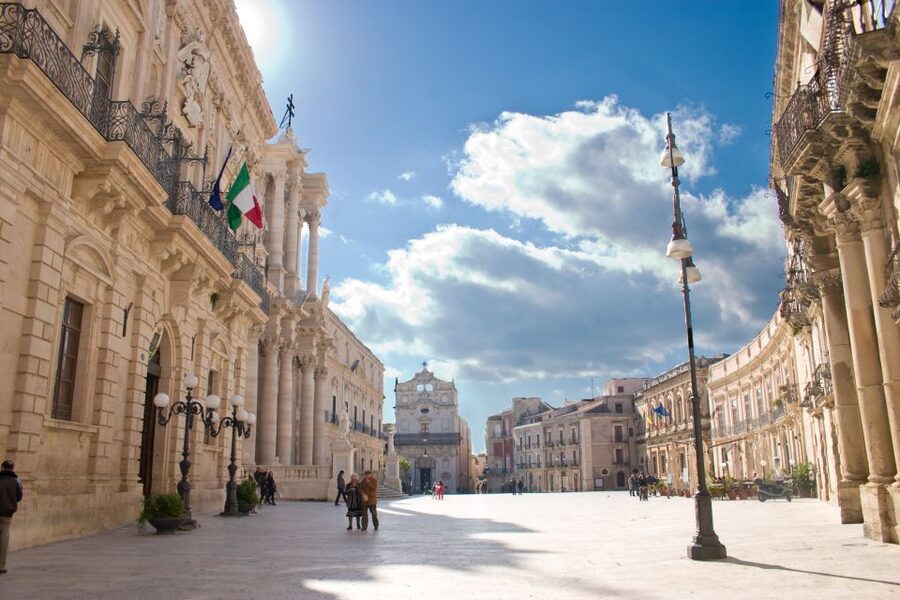
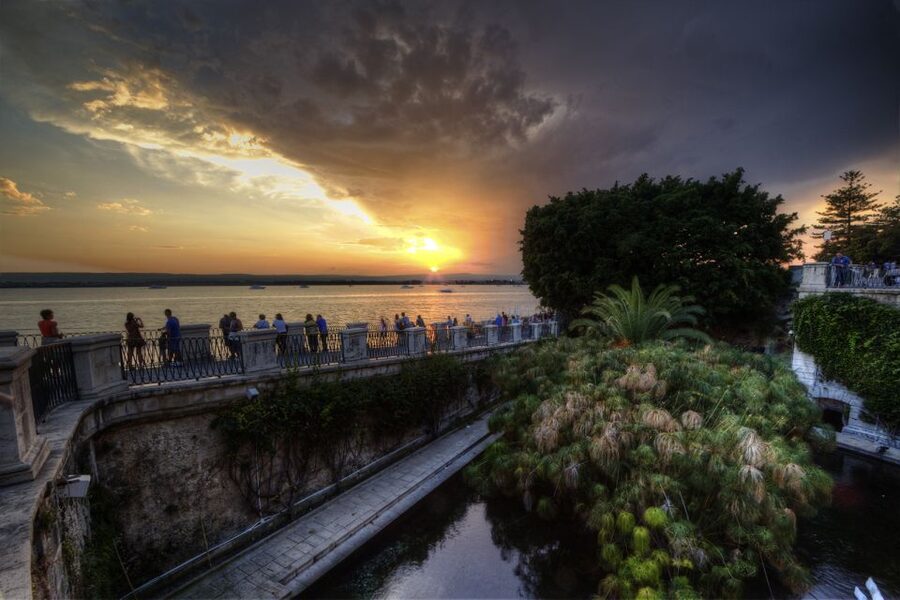
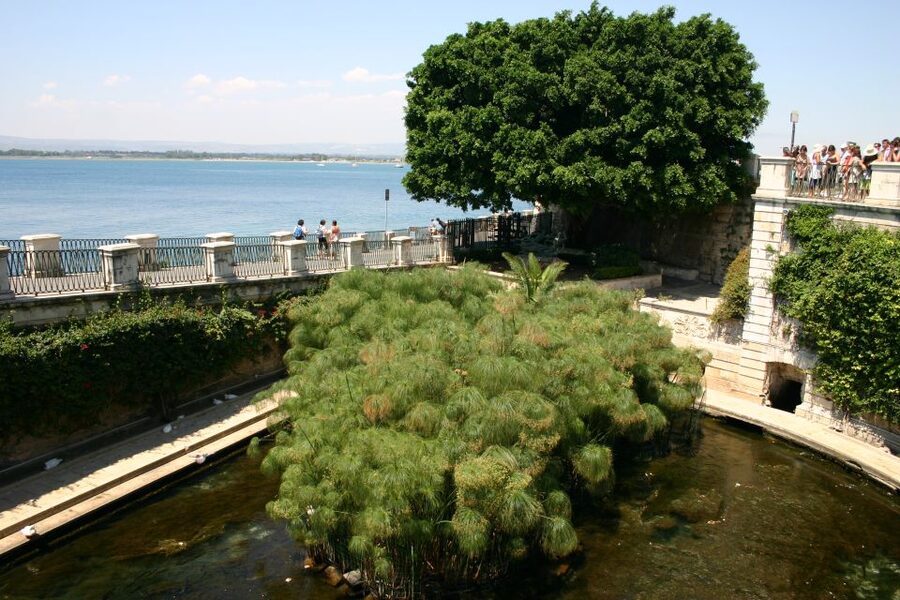
Next you head to Arethusa Fountain near the sea, one of the most memorable stops because it turns history into something you can smell and hear. The myth of Arethusa is told by Ovidius, and your guide connects it to the spring’s clear water and what grows there.
One of the coolest details here is the papyrus. It is said that papyrus grows in the water, and that it was probably brought here when Archimedes lived in town. Even if you don’t care about ancient authors, you’ll enjoy this stop because it’s visually distinctive and it changes the tone from dense buildings to open air.
If you’re the type who likes a quick breather during a walking tour, this is the spot. The water and seaside air give you a natural pause without breaking the flow.
Viewpoint time: the kind of sea panorama photos you came for
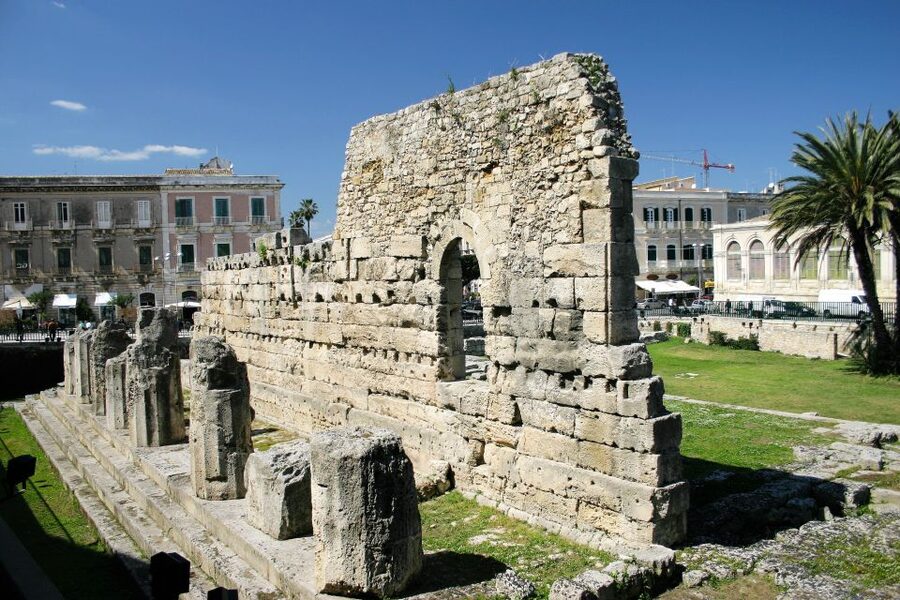
Somewhere after Arethusa, you’ll reach a viewpoint stop for panoramas. You’re not just walking from one landmark to another, you’re also getting that wider “Syracuse exists by water” perspective that makes Ortigia feel real.
The exact viewpoint isn’t described in the details I have, but the purpose is clear: give you an outside look that helps you orient the map in your head. This is ideal if you like to understand where the city sits rather than only absorbing individual monuments.
If weather is rough, a good guide helps you adapt the walk so you still get value without dragging you through unpleasant conditions.
Filed beside this one, more walking tours in Syracuse.

Jewish Quarter and Via Maestranza: where the city feels social
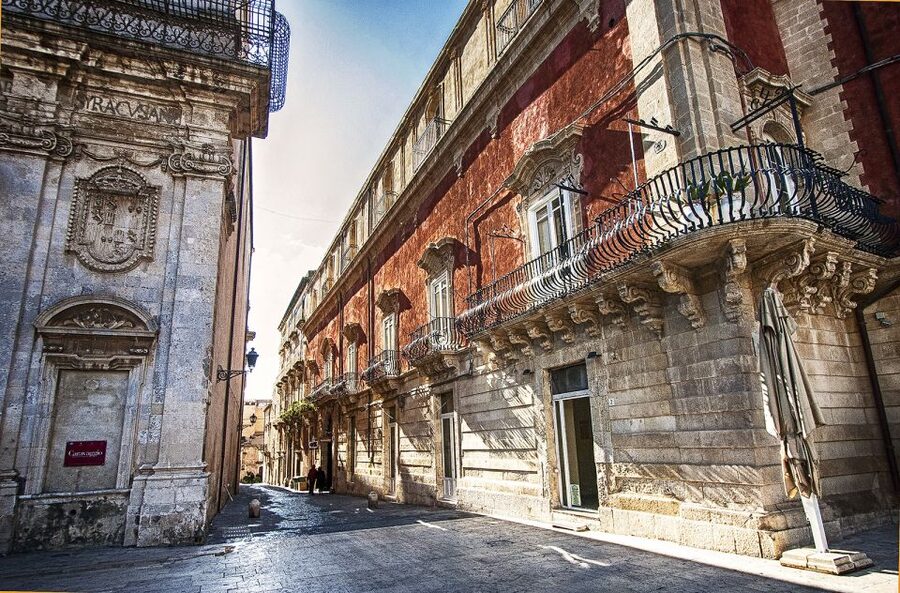
On the way back, you cross the Jewish Quarter and walk via Via Maestranza, a street known for the pompous homes of the town’s nobility. This is a helpful shift because it moves you from pure monument sightseeing to the streets that explain power, class, and daily life.
I like this part because it feels more “Syracuse” than “Syracuse in a postcard.” Even when the buildings are just facades from the sidewalk, your guide’s context helps you imagine what the street meant when those houses were lived in by people with influence.
If you only care about famous monuments, you might feel this is a detour. But if you want Ortigia to make sense as a living place, these street-based stops are where the tour starts to feel personal.
Archimedes Square and the Fountain of Diana
You’ll end up at Archimedes Square, where the neoclassical Fountain of Diana remembers the city’s glorious past. The theme here is continuity, old reputation to new stonework, a reminder that Syracuse keeps reframing itself while staying rooted in the same geography.
From there, the tour ends at Piazza Archimede in the heart of Ortigia. If you want a more local finish, you can ask your guide to end at the fish and fruit market instead, so you can see colors, scents, and everyday rhythm as you walk away.
Market stop reality check: morning and working days
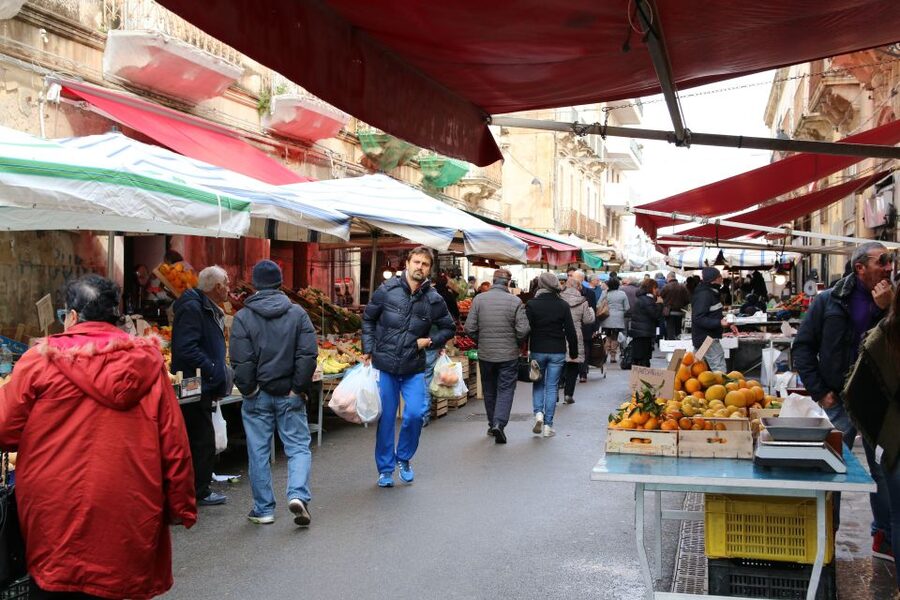
That market ending is a great idea, but timing matters. The market is open only in the morning and on working days, so plan your afternoon around that if the market finish is important to you.
If you arrive late in the day or on a day the market is closed, don’t count on that ending to add much. It’s still possible to enjoy the central Ortigia streets, just without the full market atmosphere.
Private or shared: how the group style changes your experience
This is built as a private walking tour with a professional licensed guide. That matters because the itinerary can stay flexible, and you’re not stuck waiting for other people to catch up or ask questions at the same pace.
You can also choose between private and shared group options depending on the season. Shared group tours, when available, are bookable only in English or Italian, and in rare cases of very small groups the guide may explain in both English and Italian.
If you’re traveling as a couple, family, or a small friend group, private often feels like the most efficient way to get tailored answers. If you’re solo and value meeting others, a shared group can still work, as long as you’re comfortable with a less personalized pace.
Price and value for up to 9 people
The cost is $220.91 per group for up to 9 people, lasting about two hours. That pricing can feel steep if you’re comparing to per-person public tours, but it becomes easier to justify if you’re splitting it across a group.
For families, friends, or small private groups, your money buys time with a licensed guide and the ability to control how much you focus on interior access versus exterior photos. It also helps if you have specific interests, like how Greek architecture influenced later Christian spaces.
If you’re traveling solo, the per-person cost might not feel as friendly. Still, if you really want a guide who can answer questions and slow down at points you care about, the private format can be worth it.
Dress code, comfort, and other practical tips
To enter places of worship, you need a dress code: no shorts or sleeveless tops, and shoulders must be covered for both men and women. I’d treat this as non-negotiable, because it can affect whether you get the most from the Cathedral area.
Since it’s a walking tour, wear comfortable shoes you can stand in for short photo breaks. Also, bring a layer if you’re going in cooler months, because Ortigia can feel windy near the sea stops.
One more practical point: the Cathedral interior is optional and admission fees are not included. If you want it, plan for extra time and extra cost so you don’t feel rushed.
Accessibility and languages that actually matter
The tour is wheelchair accessible, which is a big plus for people who struggle on uneven historic streets. You’ll still be walking in old-town areas, so you’ll want to move at a steady pace and check with your guide if the route needs minor adjustments.
Language options include Italian, English, and German. That’s useful because it lets you pick the guide comfort level that matches your history interests, not just what you can order for dinner.
Who should book this Ortigia tour?
This tour is a strong fit if you want a clear overview of Ortigia’s major eras without spending a whole day. It’s especially good if you like the story behind buildings, the way one culture’s structures get repurposed or transformed by the next.
I’d also recommend it if you appreciate street-level context. Stops through the Jewish Quarter and via Maestranza add social meaning, not just architectural highlights.
If your priority is only museums and long interior visits, you may find two hours a bit short. In that case, you’d still use this tour as your orientation, then return on your own for the places you want more time inside.
Should you book the Ortigia Private Walking Tour?
If you’re choosing between guessing your way through Ortigia and using a guide to connect the dots, I’d pick the guided walk. The Temple of Apollo start, the Cathedral’s Greek-to-baroque story, and the Arethusa Fountain stop near the sea are the kind of combinations that work best with a licensed guide telling you what you’re looking at.
Book it if you want a relaxed pace, real context, and the option to tailor the ending toward local market life. Hold off or plan extra time if you know you won’t meet the dress code, you want lots of interior time beyond the optional Cathedral access, or your day timing conflicts with the morning market.
If your goal is to understand Ortigia quickly and walk away with a sharper mental map, this is a good bet.
Our Wider Tours File for Syracuse
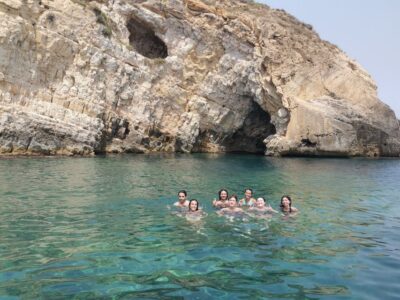

The Rest of Our Catania, Syracuse and Ortigia Walks in Syracuse
Not quite the day you had in mind? The rest of our Syracuse write-ups sit below
- From Syracuse: Mount Etna Guided Morning Hike & Food Tasting★ 4.8 · 173 reviews
- Syracuse: Ortigia and Neapolis Guided Walking Tour★ 4.7 · 205 reviews
- Syracuse: Ortigia Sunset Cruise with Aperitif★ 4.8 · 291 reviews
- Syracuse: Street Food Walking Tour in Ortigia with Tastings★ 4.9 · 293 reviews
- Syracuse: Coast and Sea Caves Full Transparent Boat Tour★ 4.8 · 330 reviews
- Syracuse: Ortigia Island and Sea Caves Boat Tour with Drinks★ 4.6 · 337 reviews
- Syracuse: Pillirina, Ortigia, and Sea Caves Tour by Boat★ 4.6 · 348 reviews
- Syracuse: Neapolis Archaeological Park Small Group Tour★ 4.7 · 350 reviews
- Siracusa: Ortigia & Sea Caves Speedboat Tour with Swim Stop★ 4.9 · 499 reviews
Catania, Syracuse & Ortigia, top to bottom.
 ★ 4.8Catania: Mount Etna Morning or Sunset Day Trip with TastingFrom $704,028 reviews
 ★ 4.8Catania: Sunset Jeep Tour of Mount Etna and Lava Flow CavesFrom $712,113 reviews
 ★ 4.9Catania: Mount Etna Trekking Trip off the Tourist PathFrom $781,351 reviews
 ★ 4.8Catania: Etna Sunset Tour with Pickup and Drop-offFrom $711,348 reviews
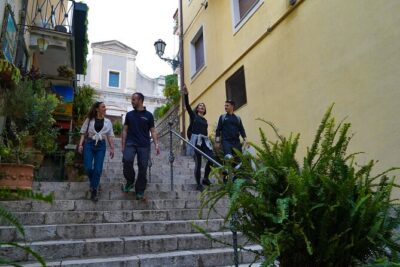 ★ 5.0Mt. Etna and Taormina village full day tour from CataniaFrom $1181,155 reviews
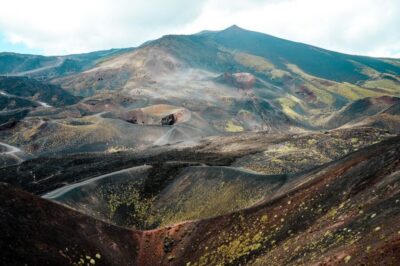 ★ 4.7From Catania: Mount Etna Sunset Tour with Tasting and CaveFrom $451,119 reviews
 ★ 4.7Syracuse: Boat Trip of Ortigia Island and Sea CavesFrom $23937 reviews
 ★ 4.8Catania: Etna Morning Excursion with Tasting and PickupFrom $67820 reviews