
Reviewed · TRASTEVERE & THE JEWISH GHETTO
Venice: Jewish Ghetto Walking Tour with Synagogue Visits
Venice has another side, guarded by walls. This 2-hour Jewish Ghetto walking tour gives you the context most visitors miss, and I really like how it blends street-level sights with stories of daily life since 1516. The second highlight for me is the synagogue access, including guided entry to the Spanish Synagogue and the Levantine Synagogue.
One heads-up before you go: the Jewish Museum is closed for restoration, and synagogue access can be affected by rules like the Levantine Synagogue not being available on Fridays, plus the usual need to follow dress requirements.
In This Review
- Key things I’d circle before you book
- Why the Venetian Jewish Ghetto matters, even if you know Venice already
- The walk through Cannaregio: Campo di Ghetto Nuovo to Calle Ghetto Vecchio
- Ghetto Nuovo, Ghetto Vecchio, and the “why” behind the street grid
- Campo del Ghetto Nuovo: where daily life felt less hidden than you’d expect
- Practical note: narrow streets mean real walking time
- Spanish Synagogue visit: what makes it special on a walking tour
- Levantine Synagogue visit: the second interior that makes the tour worth it
- How the stories connect the ghetto to Venice as a whole
- Pace, group size, and comfort on Venice footpaths
- Dress code and rules: plan this part early
- Price and value: is $105 for 2 hours fair
- What to do before you go, and what to bring
- Who should book this Jewish Ghetto tour, and who should skip it
- Should you book this Venice Jewish Ghetto walking tour with synagogue visits?
Key things I’d circle before you book
- Two synagogues with guided entry: Spanish Synagogue and Levantine Synagogue, with access arranged through the Jewish Museum of Venice.
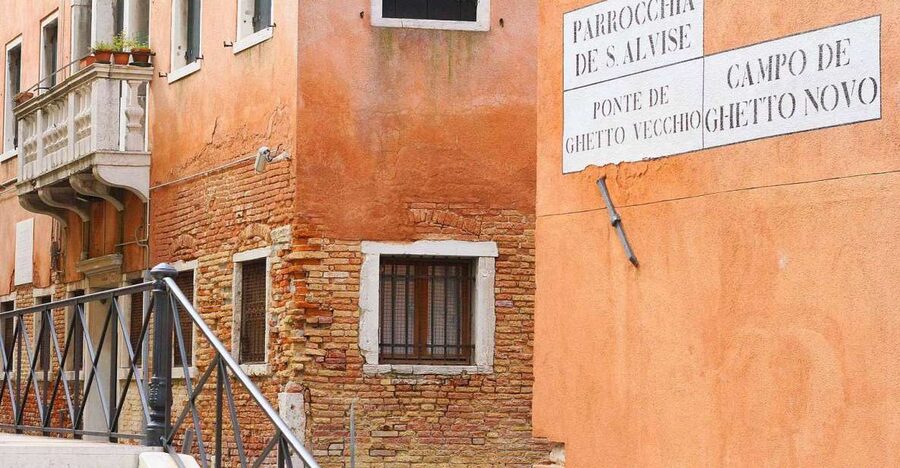
- Real ghetto geography, not vague history: you walk both Ghetto Vecchio and Ghetto Nuovo areas in Cannaregio at an easy pace.
- Campo del Ghetto Nuovo is the vibe check: you spend time in the squares that helped shape community life.
- The guide does the heavy lifting: you get names, dates, and the why behind the walls, ceilings, and symbols.
- Dress code is strict but simple: belly, shoulders, and knees must be covered for both men and women inside synagogues.
- Built for walking, not mobility aids: it is not suitable for wheelchair users or people with mobility impairments.
Why the Venetian Jewish Ghetto matters, even if you know Venice already
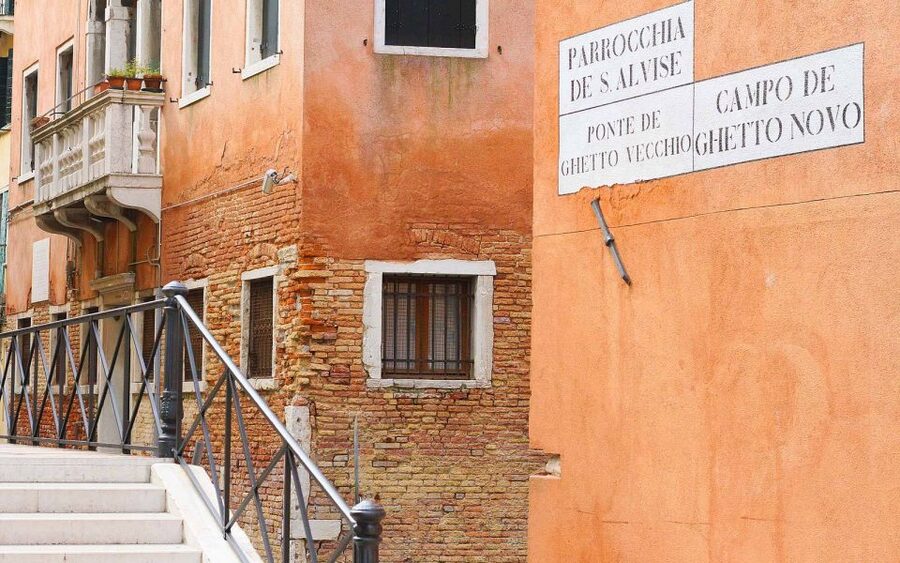
Venice can feel like one big postcard, all canals and grand facades. This tour turns the focus to Cannaregio, where the Jewish community lived through centuries of restrictions, change, and persistence. You learn that the Venetian Jewish Ghetto began in 1516, and it’s widely described as the oldest Jewish quarter in the world. That fact matters because it explains the tone of what you’ll see: tightly packed streets, strong community networks, and architecture shaped by limits.
What I like best is that the tour is framed as history and culture, not a religious lecture. You still get the meaning behind religious spaces and symbolism, but the emphasis stays on how people lived, worked, worshiped, educated kids, and built community inside the ghetto. It’s a smart way to understand Venice as a city with layers, not just monuments.
You also get a local context you can carry with you. By the time you’re done, you should be able to connect what you saw in the ghetto to the broader story of Venice’s society and economy over time.
Worth an aperitivo-hour scroll, our other Trastevere and Jewish Ghetto walks in Venice.
- Venice: Guided Tour of the Jewish Ghetto and Synagogue Visit
★ 4.4 · 610 reviews - Venice: Jewish Ghetto & Cannaregio Area Food Tour: Pasta Wine Gelato and More!
★ 4.5 · 274 reviews
The walk through Cannaregio: Campo di Ghetto Nuovo to Calle Ghetto Vecchio
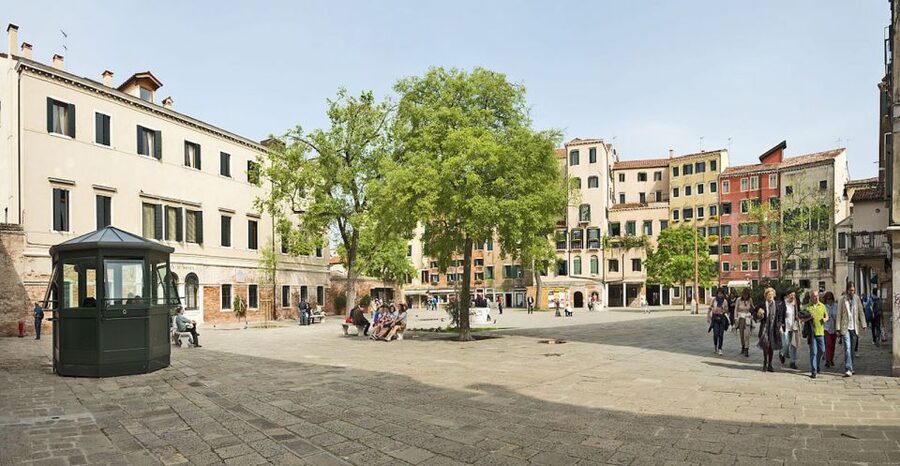
Your tour starts at Campo di Ghetto Nuovo, a large square where you’ll spot a black drinking fountain in the center. That makes it easier to find the group, and it also sets the right mood. Squared off spaces like this are where community life played out, not just where buildings stood.
From there, you’ll spend time in the ghetto areas, roughly broken into these segments:
Ghetto Nuovo, Ghetto Vecchio, and the “why” behind the street grid
You’ll walk about 30 minutes in the Jewish Ghetto area, then continue with short stretches in Cannaregio and Calle Ghetto Vecchio. The point is not to marathon through lanes. It’s to let the geography sink in: the unusually tall buildings that shape light and privacy, the intimate squares, and the sense of enclosed neighborhood life.
The guide tells the stories behind those stones, including how Jewish life developed in a confined space and how the community influenced the city’s social and cultural fabric. This is where the tour tends to earn its top marks. People consistently rave about guides who keep the pace relaxed while staying clear and organized, with plenty of chances to ask questions.
Campo del Ghetto Nuovo: where daily life felt less hidden than you’d expect
Another stop is Campo di Ghetto Nuovo again, where the tour wraps with another short guided walk. This matters because it helps you see the neighborhood as lived-in space, not a museum set. Even with the heavy history, you’re still in a working Venice neighborhood where people pass through and businesses exist.
If you’re the type who likes to read a city with your eyes, this part helps you understand what it would have felt like to move through the area day after day.
Practical note: narrow streets mean real walking time
Venice lanes are tight. Even on a short tour, you’ll be standing and walking on uneven ground. The total tour is 2 hours, but that includes slow, guided stops and synagogue time. So wear footwear you’d happily wear for city sidewalks that never lie.
Spanish Synagogue visit: what makes it special on a walking tour
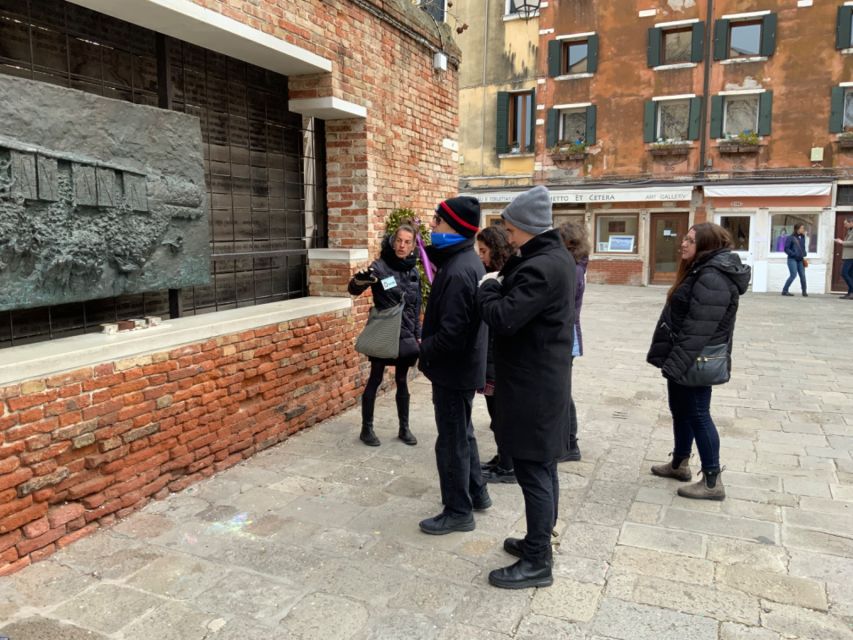
The tour includes a guided visit to the Spanish Synagogue, with about 30 minutes allotted. You’re heading to a place with modest exterior walls and striking interior meaning, which is exactly the kind of contrast that makes this experience valuable.
Here’s what you should pay attention to during the visit:
- How the guide explains architectural features and their purpose
- What the symbols and design elements meant for community identity and religious life
- The different influences that shaped synagogue tradition over time, including Sephardic and Ashkenazi strands
I also like that this visit is guided, because without context it’s easy to treat synagogues like pretty interiors only. With the explanation, you start to see the building as a language: a way a community expressed continuity, memory, and belief.
Filed beside this one, more walking tours in Venice.






Levantine Synagogue visit: the second interior that makes the tour worth it
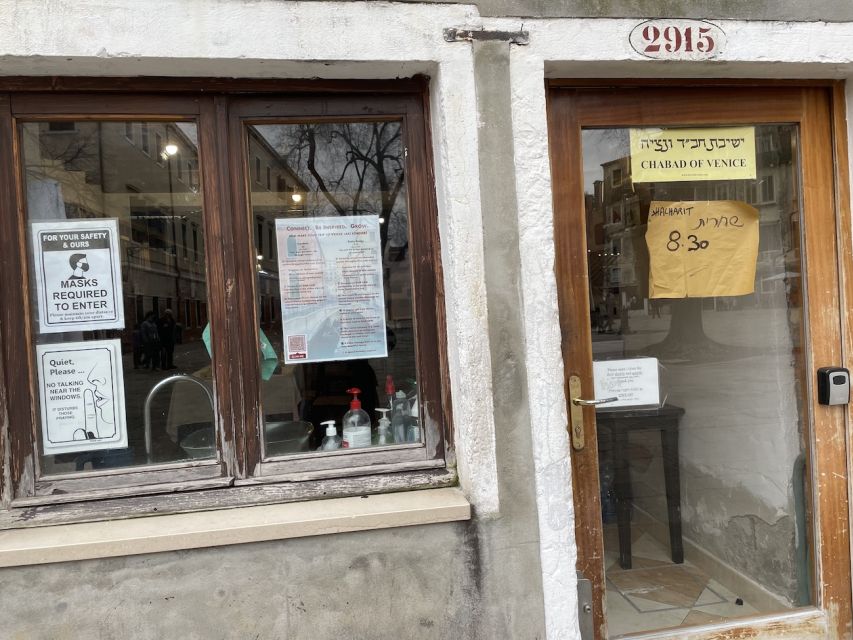
Next up is the Levantine Synagogue visit, also with about 30 minutes of guided time. The structure of the tour gives you a nice mental “compare and contrast” moment. Two synagogues, two layers of cultural influence, and a guide who can connect what you see to what people needed in daily life.
Two important considerations:
- The tour notes that the Levantine Synagogue is not available on Fridays. If you’re visiting on a Friday, double check timing when you book.
- The synagogue dress code applies to you here too. Plan on covering belly, shoulders, and knees.
In general, this is the part where people come out emotional or reflective, because you’re no longer looking at history from a distance. You’re inside the community’s sacred spaces and hearing why the design and traditions mattered.
How the stories connect the ghetto to Venice as a whole
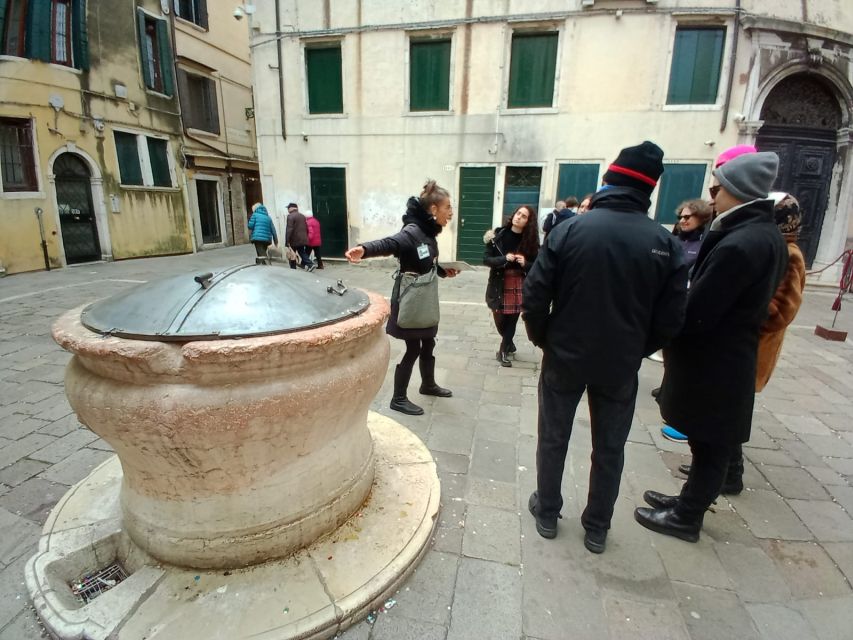
A lot of city history tours hit only facts or only architecture. This one tries to do both, and it usually works because the guide’s job is to connect the dots.
During the walk and the synagogue explanations, you should get answers to questions like:
- How could Jewish life function within constraints?
- How did the community shape Venice culturally and economically over centuries?
- Why did traditions and identity develop in specific ways?
Guides named in the experiences I read about, like Claire and Sylvia, were often praised for making the setting feel human and not just historical. People also highlighted guides who used visuals or storytelling to make the experience easier to grasp. That’s a big deal in a place where you can’t easily “self-navigate” the deeper meaning without context.
And if you’re asking questions, this tour tends to reward you. Some guides are described as patient, respectful, and willing to discuss at length, even when the group gets curious. That’s exactly how you want a history tour to feel: structured, but not rigid.
Pace, group size, and comfort on Venice footpaths
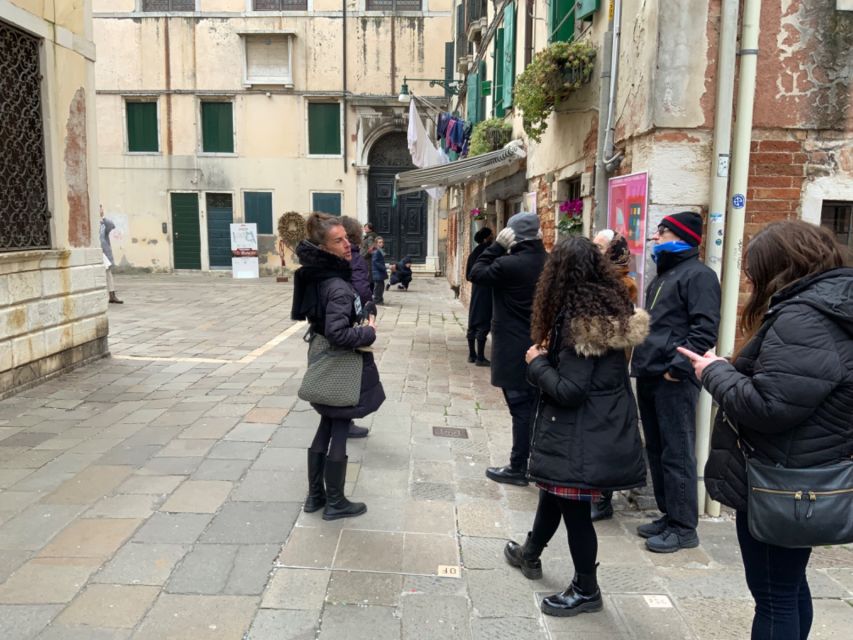
The experience is listed as 2 hours, and it feels intentionally designed for a walk that doesn’t require you to sprint between stops. The itinerary includes shorter segments between key points and two synagogue blocks where time is protected.
Also, there’s a small-group or private option. Many people like the small feel, because it makes it easier to hear explanations and ask follow-up questions without feeling like you’re competing for attention. Some experiences mention groups of around 10 or fewer, and that matches what makes synagogue and historical explanations actually land.
One practical caution: the tour is not suitable for wheelchair users or people with mobility impairments. The route involves walking in a part of Venice where access is limited and surfaces can be uneven. If your mobility needs are flexible, you can still make it work with good shoes and pacing. If not, plan a different kind of Venice visit.
Dress code and rules: plan this part early
Synagogues have clear expectations, and this tour requires you to follow them for entry. For both men and women, your clothing must cover the belly, shoulders, and knees inside synagogues.
This is one of those “simple, but annoying if you forget” items. If you’re traveling in summer, pack a light scarf or layer so you can comply without turning it into a last-minute scramble. If you’re wearing shorts or sleeveless tops, fix that before you leave your hotel.
You also need to follow the tour rule that weapons or sharp objects are not allowed. That’s mostly a common-sense item, but it’s good to know upfront.
Price and value: is $105 for 2 hours fair
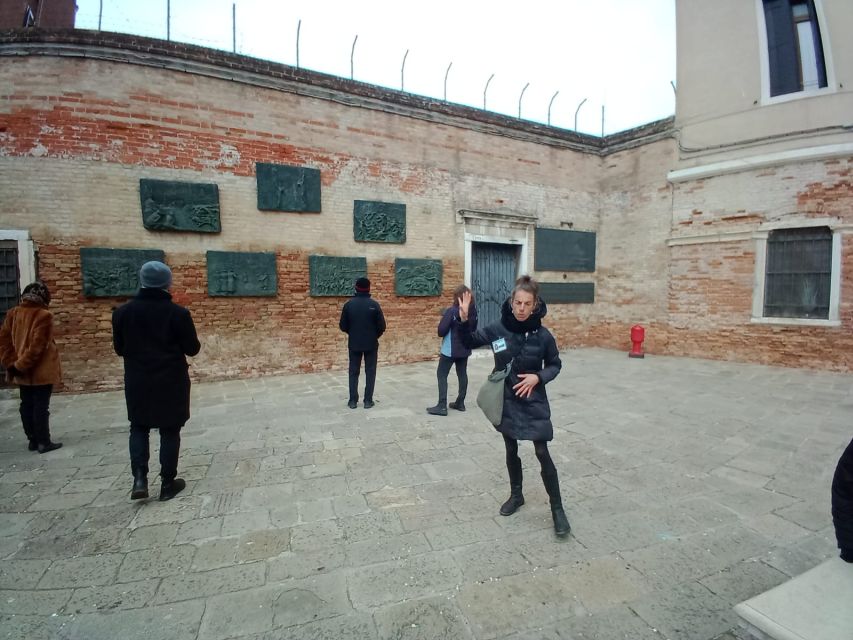
At $105 per person for a 2-hour walking tour, you’re paying for three things that you rarely get together in Venice: expert guidance, a structured walk in the Cannaregio Jewish Ghetto, and guided synagogue entry to two specific synagogues.
Here’s how to think about value:
- The synagogues are the cost driver. Access is organized with the Jewish Museum of Venice, which means there is real coordination behind the scenes.
- The tour is short enough to fit into an otherwise busy Venice schedule, but long enough to walk key areas and not feel rushed.
- You’re not just getting “see and go.” You’re getting guided explanation at every meaningful stop, including inside both synagogues.
You should also factor in a couple of reality checks. The Jewish Museum is closed for restoration, and the synagogue program has rules like Levantine not on Fridays. If either of those affects the day you’re traveling, the tour still focuses on the ghetto walk and the synagogue visits that are available, but your exact experience might differ from a day when everything is operating smoothly.
Bottom line: if synagogue entry and thoughtful, local storytelling matter to you, $105 starts to feel reasonable fast.
What to do before you go, and what to bring
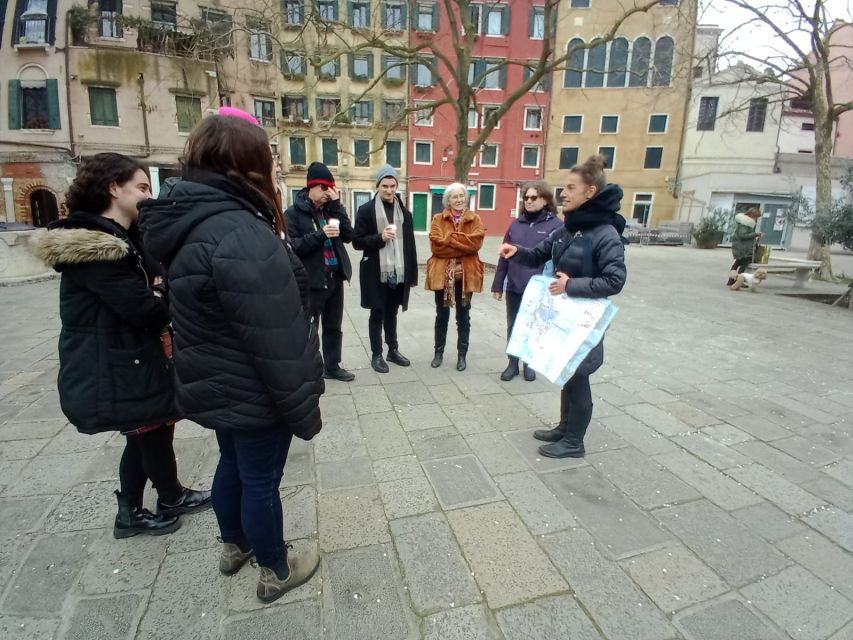
For a tour like this, your biggest “bring” is mental. Show up ready to listen. Ask questions. Don’t treat it like a quick checklist.
For physical prep:
- Wear comfortable walking shoes, because Venice lanes can be rough.
- Bring a layer or scarf to meet the shoulders and knees requirements.
- Arrive at Campo di Ghetto Nuovo 5 to 10 minutes early so you’re not stressing the group when the tour starts.
Also, remember the rule: you can’t join after the tour has started. Plan a little buffer time, because Venice always has a way of slowing you down.
Who should book this Jewish Ghetto tour, and who should skip it
This tour is a great match if you:
- Want Venice beyond palaces and canals
- Care about how communities survived and shaped city life
- Like guided context inside historic religious spaces
It’s less of a match if you:
- Need wheelchair access or mobility support (it is not suitable)
- Want a casual, no-rules stroll
- Are visiting on a Friday and rely on Levantine Synagogue access, since it is not available that day
Should you book this Venice Jewish Ghetto walking tour with synagogue visits?
If you’re the type of traveler who likes your city visits to have meaning, I’d book it. The mix of Cannaregio ghetto walking, a slow look at squares and street edges, and guided entry to Spanish and Levantine synagogues is exactly what makes this more than a generic history walk.
Just go in with realistic expectations. The Jewish Museum is closed for restoration, and synagogue access follows rules, including the Friday limitation. If you can work with that, you’ll leave with a much sharper sense of how Venice became the Venice you see today, one community at a time.
If you want, tell me your travel month and whether you’ll be in Venice on a Friday, and I’ll suggest the best way to schedule this tour in your day.
Our Wider Tours File for Venice

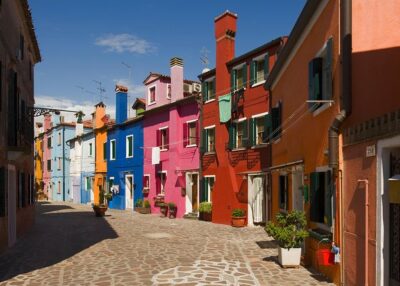
Trastevere and Jewish Ghetto Walks in Venice, Written Up Separately

Not quite the day you had in mind? The rest of our Venice write-ups sit below
- Venice: Traveling Opera in a Historic Palace on Grand Canal
- Luxury Tour of Murano & Burano by Private Boat and Guide★ 5.0 · 167 reviews
- Da Vinci Interactive Museum Venice Scuola di San Rocco★ 4.0 · 168 reviews
- Venice Gondola Experience★ 3.5 · 169 reviews
- Venice: Religion Walking Tour with Doge’s Palace Tickets★ 4.6 · 171 reviews
- Venice: Doge’s Palace Guided Tour With Tickets & Optional Gondola★ 4.5 · 172 reviews
- Lords of the Night Prisons Palace: Cells & Torture Tools Visit★ 4.0 · 177 reviews
- Venice: Private Grand Canal Gondola Ride from Rialto★ 4.1 · 178 reviews
- Venice: St. Mark’s Basilica Tour with Doge’s Palace Option★ 4.2 · 178 reviews
Trastevere & the Jewish Ghetto, top to bottom.
 ★ 5.0Winner 2025 Rome Twilight Trastevere Food Tour by Eating EuropeFrom $1255,157 reviews
 ★ 4.8Rome: Trastevere or Jewish Quarter Street Food TourFrom $513,839 reviews
 ★ 5.0Rome: Trastevere Food tour with Free-Flowing Fine WineFrom $1022,853 reviews
 ★ 4.9Rome: Trastevere & Campo de Fiori Street Food Walking TourFrom $512,768 reviews
 ★ 5.0Rome: Award Winning Trastevere Group Food Tour with WineFrom $812,273 reviews
 ★ 4.8Rome: Guided Food Tour in TrastevereFrom $1122,266 reviews
 ★ 4.5Jewish Ghetto and Trastevere Tour RomeFrom $41,729 reviews
 ★ 5.0Taste of Testaccio: Special 15 Year Anniversary EditionFrom $1311,658 reviews